10 Reasons You Crave Salty and Sweet Foods and the Flavor Science That Hooks You
Ever wonder why you reach for both potato chips and chocolate after a long day? Your brain and body are playing a fascinating game of flavor chemistry. That sweet-salty combo triggers multiple pleasure centers simultaneously, creating a sensory rollercoaster that keeps you coming back for more.
Your cravings aren’t just random whims – they’re rooted in ancient survival mechanisms. Our ancestors needed to seek out salt for electrolyte balance and sweet foods for quick energy. Today, those same instincts drive you toward the cookie-pretzel mix that perfectly hits both notes at once.
From your hormones to your gut bacteria, from childhood memories to clever marketing tactics – multiple forces work together to create your unique craving patterns. Understanding the science behind why you want both caramel and popcorn can help you make more conscious food choices while still enjoying the flavors you love.
Impact of Food Marketing
Food companies spend billions of dollars each year studying exactly what makes you reach for that bag of chips or candy bar again and again. They employ teams of food scientists who understand the perfect balance of salt, sugar, and fat that triggers your brain’s reward system. These experts know that combining sweet and salty flavors creates what they call the “bliss point” – that magical combination that makes you want just one more bite. Marketing campaigns then amplify these cravings by showing you mouth-watering images and associating their products with happiness, comfort, and social connection.
Think about how strategically snack foods are placed at eye level in grocery stores, or how commercials always show people laughing and enjoying themselves while eating processed foods. These companies use psychological tactics like limited-time flavors and bright packaging to grab your attention and create urgency. They’ve also mastered the science of portion sizes – making packages just small enough that you don’t feel guilty, but engineering the flavors to be so intensely satisfying that you’ll likely buy another. Understanding these marketing strategies helps you make more conscious choices about what you eat and why you’re craving certain foods in the first place.
Childhood Associations
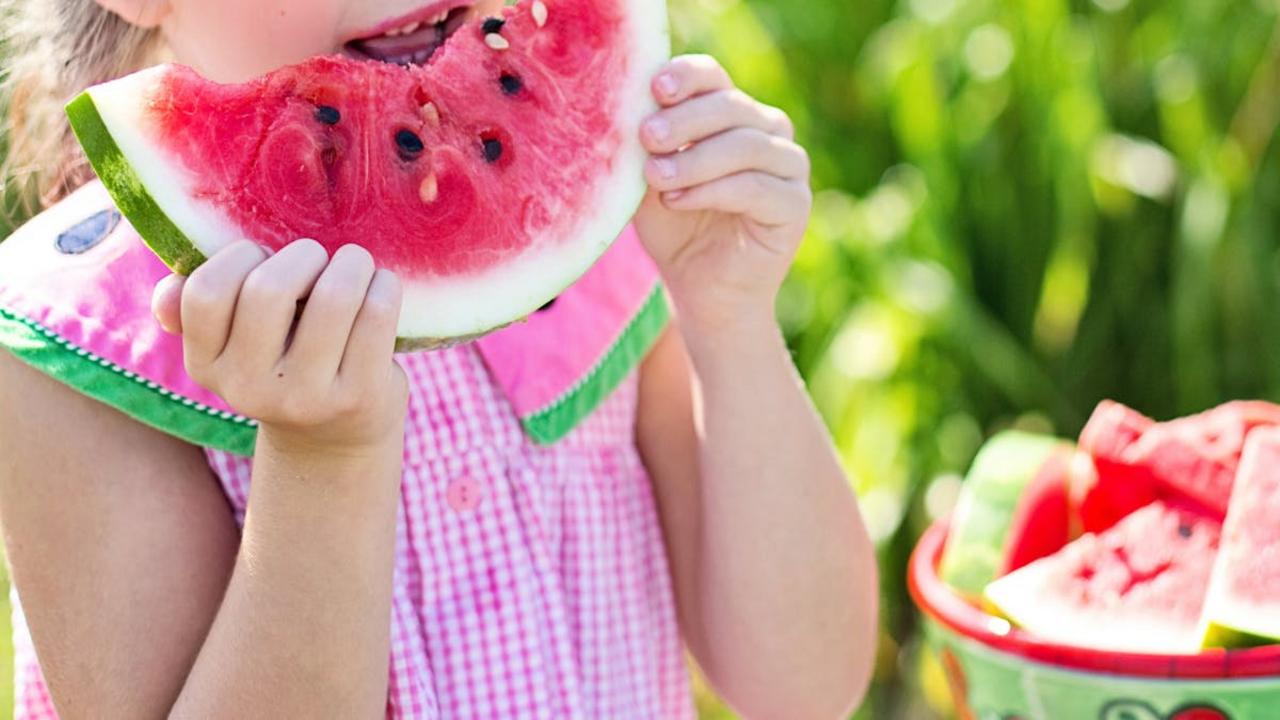
Your brain holds onto food memories like precious treasures, and those childhood experiences with salty and sweet treats create powerful emotional connections that last a lifetime. Think about it—remember how your grandmother’s chocolate chip cookies made you feel completely safe and loved? Or how that bag of potato chips shared with friends during summer camp became the perfect symbol of carefree happiness? These moments wire your brain to associate certain flavors with comfort, celebration, and belonging. When you reach for that same combination of salt and sugar today, you’re not just satisfying hunger—you’re chasing those warm, fuzzy feelings from your past.
Food scientists call this “flavor imprinting,” and it happens most strongly during our formative years when our brains are like little sponges soaking up every sensory experience. Your favorite birthday cake, the special snacks your mom packed in your lunchbox, or even the treats you got as rewards—they all become deeply embedded in your memory bank. Now, whenever stress hits or you need emotional comfort, your brain automatically signals for those familiar flavor combinations that once made everything feel better. This explains why you suddenly crave your childhood favorites during tough times, and why certain brands or recipes can instantly transport you back to being seven years old, sitting at your kitchen table without a care in the world.
Influence of Microbiome

Your gut bacteria might be the puppet masters behind your salt and sugar cravings! These trillions of microorganisms living in your digestive system communicate directly with your brain through what scientists call the gut-brain axis. Different bacterial strains send specific signals that influence what foods you want to eat. When certain bacteria populations dominate your microbiome, they can literally hijack your food preferences to ensure their own survival. Some bacteria thrive on sugar and will send hunger signals for sweet treats, while others prefer the minerals found in salty foods.
The fascinating part is that you can actually retrain your microbiome by changing what you feed it! When you consistently choose whole foods rich in fiber, healthy bacteria multiply and start requesting more nutritious options. But if you regularly consume processed foods high in salt and sugar, those less beneficial bacteria take over and demand more of the same. This creates a powerful cycle where your cravings become self-perpetuating. The good news? You can break this cycle by gradually introducing more diverse, whole foods into your diet and watching as your cravings naturally shift toward healthier options.
Stress and Emotional Eating

When life gets overwhelming, your body kicks into survival mode and releases cortisol, the notorious stress hormone that sends you straight to the pantry. This biological response isn’t your fault – it’s actually your brain’s way of seeking comfort through food. Cortisol specifically increases your desire for high-calorie, high-sodium, and sugary foods because these provide quick energy that your stressed-out system thinks it needs. You know that feeling when you’ve had a rough day and suddenly find yourself elbow-deep in a bag of chips or demolishing a pint of ice cream? That’s cortisol talking, not a lack of willpower.
Food becomes your emotional Band-Aid because eating certain flavors triggers the release of feel-good chemicals like serotonin and dopamine in your brain. Sweet foods particularly activate your brain’s reward center, creating a temporary mood boost that makes you feel better in the moment. Salty snacks work similarly by providing an instant hit of satisfaction that distracts from whatever stress you’re facing. The problem is that this creates a cycle – you eat for comfort, feel guilty afterward, which creates more stress, leading to more emotional eating. Understanding this pattern helps you recognize when you’re reaching for food for emotional reasons rather than actual hunger, giving you the power to make more mindful choices.
Balancing Electrolytes
Your body acts like a sophisticated internal chemistry lab, constantly monitoring sodium, potassium, and other mineral levels in your blood and cells. When these electrolytes drop below optimal levels—whether from sweating during a workout, losing fluids during illness, or simply not eating enough mineral-rich foods—your brain sends out urgent craving signals. That sudden desire for potato chips after a long hike isn’t just weakness; it’s your body’s intelligent way of requesting the sodium it needs to maintain proper fluid balance and nerve function.
Think of electrolytes as tiny electrical workers that keep your heart beating steadily, your muscles contracting smoothly, and your brain firing clear thoughts. When you’re running low on these minerals, your taste receptors become incredibly sensitive to salty foods, making that first bite of pretzels taste absolutely divine. Your sweet cravings often spike too, since your body needs quick energy to help transport and process these minerals effectively. Next time you find yourself reaching for both salty snacks and sweet treats after physical activity, remember that you’re witnessing your body’s remarkable ability to self-regulate and restore balance.
The Role of Hormones

Your body’s hormonal orchestra plays a major part in those intense cravings that send you straight to the pantry! Cortisol, your stress hormone, literally rewires your brain to seek out high-calorie comfort foods – especially those loaded with sugar and salt. When you’re stressed, your cortisol levels spike, making your body believe it needs quick energy to handle whatever crisis you’re facing. This ancient survival mechanism made perfect sense when our ancestors needed fuel to outrun predators, but now it just drives you to devour that bag of chips after a tough day at work.
Meanwhile, leptin and ghrelin work together like a hunger control team, but they don’t always play fair. Leptin tells your brain when you’re full, while ghrelin screams “feed me!” when your stomach empties. Here’s where it gets tricky – lack of sleep throws this whole system off balance, cranking up ghrelin production while suppressing leptin. That’s why you find yourself craving sugary snacks and salty treats after pulling an all-nighter. Your insulin levels also join this hormonal dance, and when they spike and crash from eating processed foods, they create a vicious cycle that keeps you reaching for more of those irresistible sweet and salty combinations.
Neurological Reward Systems

Your brain treats salty and sweet foods like natural drugs, flooding your system with feel-good chemicals every time you take a bite. When you eat that perfectly salted pretzel or bite into a chocolate chip cookie, your brain releases dopamine – the same neurotransmitter involved in addiction pathways. This creates a powerful reward cycle that makes you want to come back for more, and honestly, it’s not your fault! Your neurons are literally wired to seek out these flavors because they signal safety and energy to your primitive brain.
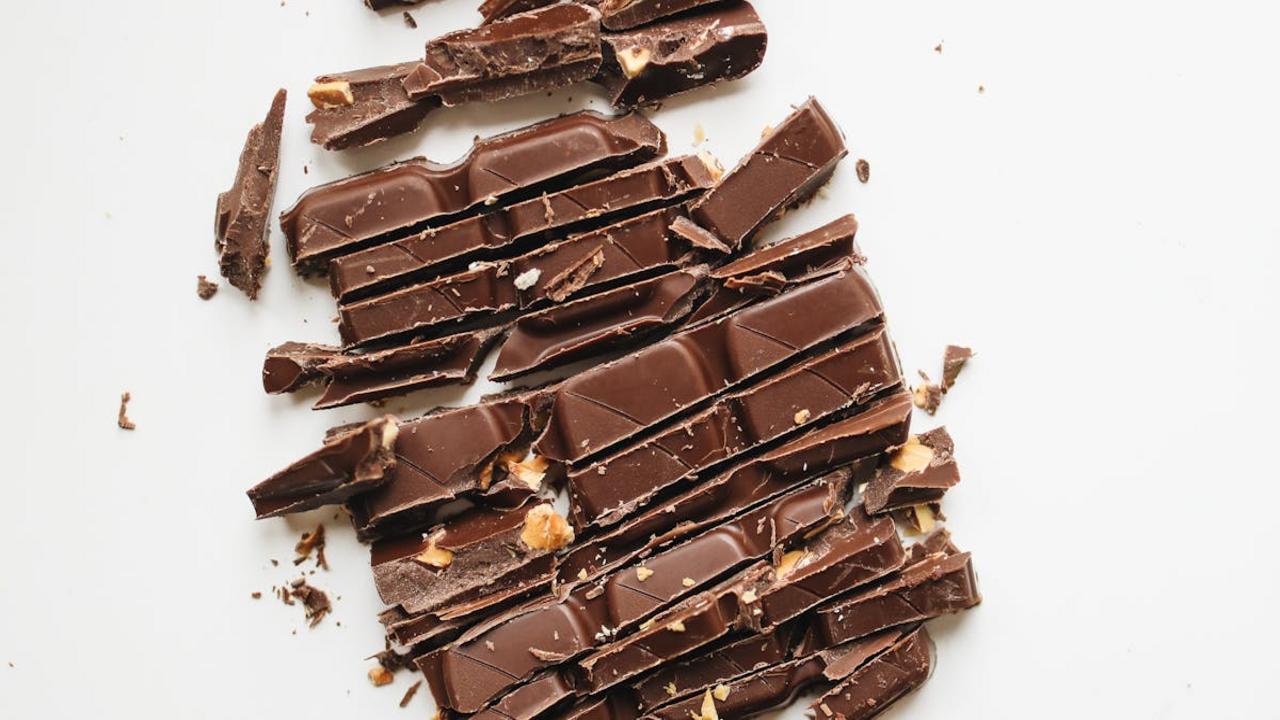
The beautiful thing about understanding this system is that you can work with it, not against it. Instead of fighting these natural cravings, try satisfying them with nourishing alternatives that still trigger those happy brain chemicals. Think sea salt on dark chocolate squares, or naturally sweet dates stuffed with almond butter. Your dopamine receptors will still get their party, but you’ll be feeding your body wholesome ingredients that support long-term health. Remember, cooking is about joy and nourishment – so give your brain what it wants while treating your body with the respect it deserves!
Cultural Influences and Traditions

Your cravings for salty and sweet foods run deeper than simple biology—they’re woven into the fabric of your cultural DNA. Think about how your grandmother’s chocolate chip cookies still make your mouth water, or how that perfectly salted pretzel from your hometown festival remains unmatched. These food memories create powerful neural pathways that connect specific flavors with comfort, celebration, and belonging. Different cultures have shaped their signature combinations over centuries, like the French mastering salted caramel, Mexicans perfecting chili-dusted mango with lime, or Americans creating the iconic sweet-and-salty kettle corn experience.
Your food traditions act like flavor blueprints that program your preferences from childhood onward. If you grew up with Korean banchan featuring fermented vegetables and sweet-spicy glazes, or Indian chutneys balancing tangy, sweet, and salty notes, these complex flavor profiles become your comfort zone. Cultural celebrations reinforce these patterns—holiday cookies, festival treats, and ceremonial foods all carry emotional weight that triggers both memory and craving. Understanding this cultural programming helps explain why certain flavor combinations feel “right” to you while others might seem foreign, and why breaking free from unhealthy cravings often means honoring your heritage while creating new, nourishing traditions.
Evolutionary Survival Mechanism

Your body’s intense cravings for salty and sweet foods aren’t just random desires – they’re deeply rooted survival instincts that kept your ancestors alive for thousands of years. Think about it: sugar provided quick energy for escaping predators or hunting for hours, while salt helped maintain proper fluid balance and nerve function in harsh conditions. Your brain still operates with this ancient programming, sending powerful signals that make you reach for that chocolate bar or bag of chips because it interprets these foods as life-saving fuel.
This evolutionary wiring explains why you can demolish an entire sleeve of cookies but struggle to finish a plain salad. Your ancestors who craved energy-dense, mineral-rich foods had better survival rates, and they passed these genetic preferences directly to you. Modern food scientists understand this biology perfectly, which is why they create products that trigger these primal responses. The next time you find yourself standing in front of the pantry at midnight, remember that your cravings connect you to generations of humans who survived because they sought out these same flavors when food was scarce.
Contrasting Sensory Experiences

Your brain loves a good plot twist, and that’s exactly what happens when you alternate between salty and sweet flavors. Think about how satisfying it feels to bite into a chocolate-covered pretzel or dip french fries into a vanilla milkshake. This contrast creates what food scientists call “sensory-specific satiety reset” – basically, your mouth gets bored with one flavor profile, so switching to its opposite suddenly makes both experiences more intense and enjoyable. The sharp saltiness makes the sweetness seem more profound, while the sweet notes make the salt more pronounced and interesting.
This sensory ping-pong effect explains why you can polish off an entire bag of kettle corn or why movie theaters pair salty popcorn with sugary sodas so successfully. Your brain interprets these contrasting experiences as completely different foods, even when they’re combined in the same bite. The result? You keep reaching for more because each flavor enhances the other, creating a continuous loop of satisfaction that’s hard to break. Next time you notice yourself craving this combination, remember that your smart brain is simply seeking maximum flavor impact through contrast.