12 Cajun Classics Every Food Lover Should Try at Least Once
Louisiana’s Cajun cuisine packs a punch that’ll knock your socks off! From smoky andouille gumbo that simmers all day to the humble boudin sausage that locals grab wrapped in butcher paper, these dishes tell the story of resourceful French-Canadian exiles who transformed the swamplands into a food paradise. Each bite carries history, spice, and that unmistakable Southern charm.
You haven’t lived until you’ve cracked open fresh crawfish for a proper etouffee or watched a whole pig slow-roast for cochon de lait. The more adventurous can sample turtle sauce or alligator sauce picante – yes, actual gator meat that tastes surprisingly like spicy chicken (but don’t tell the locals I said that).
What makes Cajun cooking magical isn’t just cayenne and filé powder – it’s the community spirit behind every recipe. Blackened redfish isn’t merely a technique; it’s a celebration. Maque choux isn’t just corn; it’s summer in a spoonful. These twelve classics represent the soul of Louisiana cooking – bold, unpretentious, and absolutely worth the trip south.
Alligator Sauce Picante
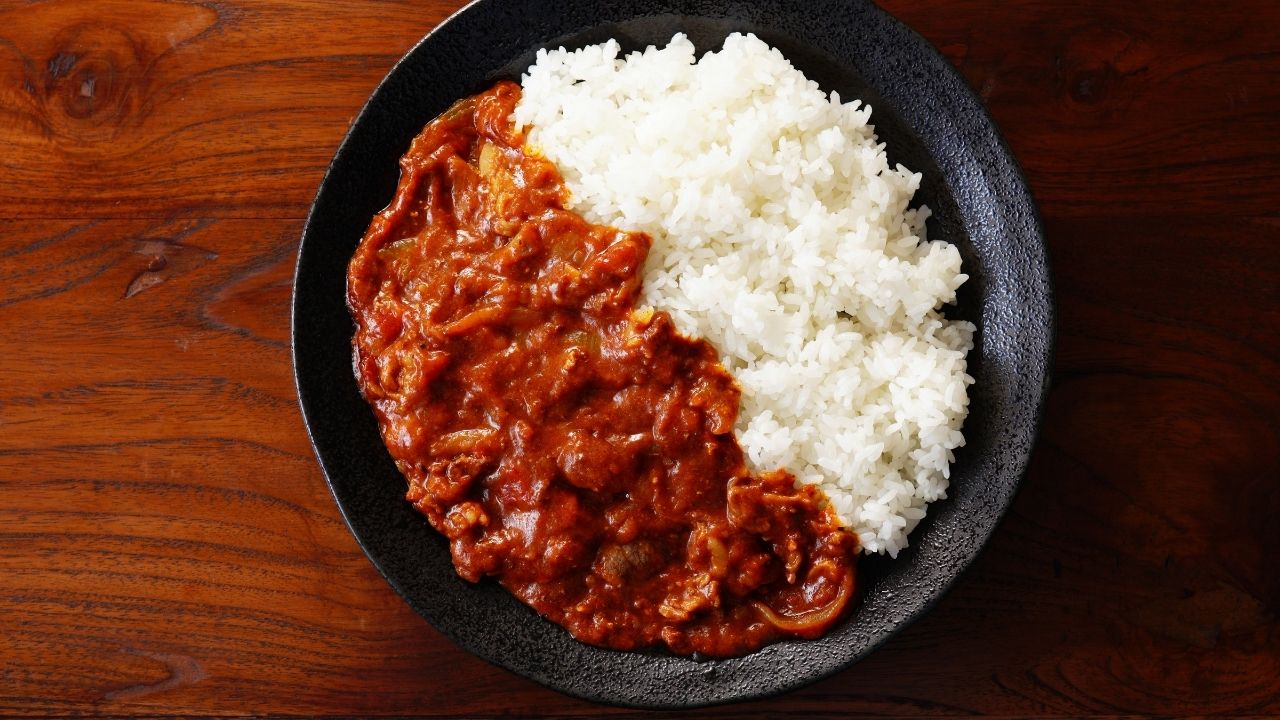
You know you’ve truly arrived in Louisiana when someone casually offers you a plate of alligator drowning in sauce picante like it’s the most normal thing in the world. This isn’t your average Tuesday night dinner, folks – we’re talking about prehistoric protein that tastes surprisingly like a cross between chicken and fish, but with way more street cred. The meat itself is tender, white, and surprisingly mild, which makes it the perfect canvas for Louisiana’s beloved sauce picante – a tomato-based concoction that’s equal parts tangy, spicy, and addictive. Fun fact: alligators can live up to 100 years, but fortunately for us, the ones on your plate had much shorter, more delicious destinies.
The magic happens when that gator meat gets smothered in a sauce that’s basically Louisiana’s answer to marinara, if marinara went to boot camp in the bayou. Sauce picante brings together tomatoes, onions, bell peppers, and enough cayenne pepper to make you question your life choices in the best possible way. You’ll find this dish at festivals, family gatherings, and any self-respecting Louisiana kitchen where someone’s grandmother ruled with an iron skillet. Don’t be intimidated by eating something that could theoretically eat you back – once you get past the mental hurdle, you’ll discover why Cajuns have been perfecting this recipe for generations. Serve it over rice, grab a cold beer, and prepare to have your preconceptions about both reptiles and dinner completely transformed.
Turtle Sauce
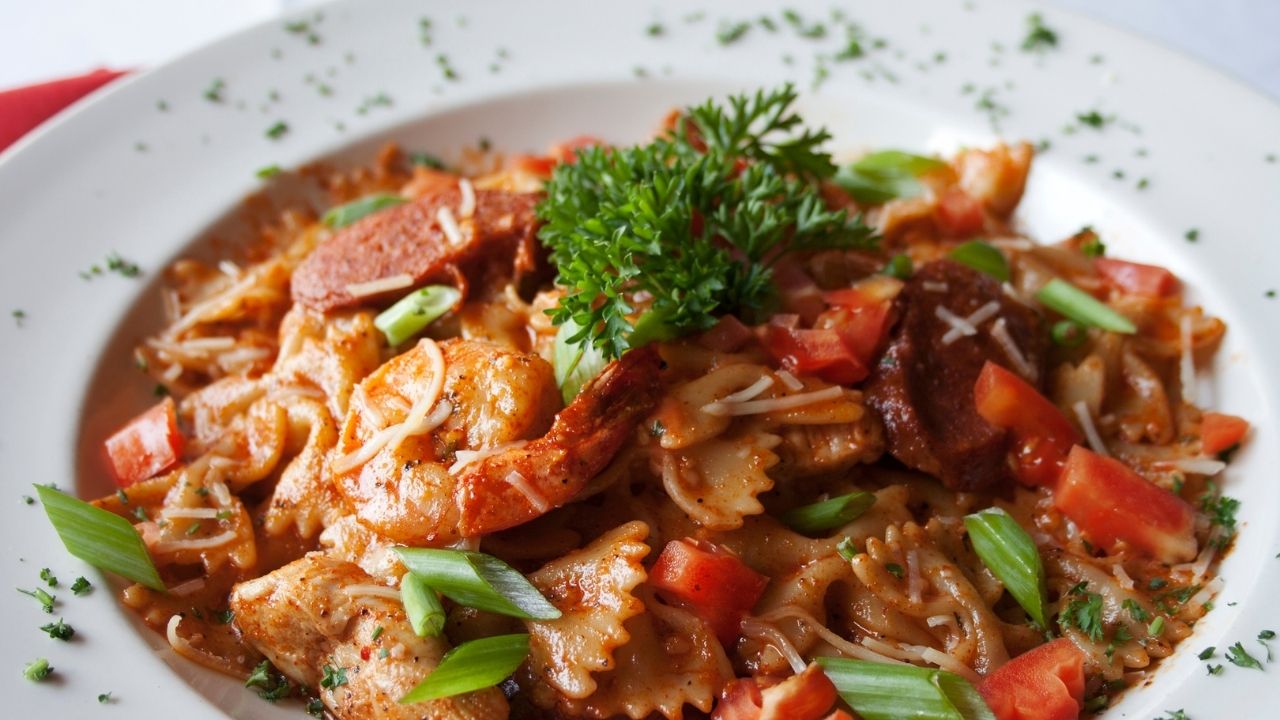
Now hold up—before you start picturing actual turtles swimming around in your soup pot, let me set the record straight! This rich, mahogany-colored sauce gets its name from its appearance, not its ingredients. Traditional turtle sauce pairs beautifully with beef, fish, or even eggs Benedict, creating a luxurious dining experience that’ll make you feel fancy without breaking the bank. The sauce combines a dark roux with beef or veal stock, sherry wine, hard-boiled eggs, and fresh herbs like parsley and green onions. What makes this sauce absolutely magical is how the roux develops—you cook that flour and oil mixture until it reaches a deep chocolate color, stirring constantly while your kitchen fills with the most incredible nutty aroma.
Here’s where things get interesting: turtle sauce originated during Louisiana’s more adventurous dining days when actual turtle meat was a prized delicacy in New Orleans restaurants. But don’t worry, modern versions stick to beef or seafood! The beauty of this sauce lies in its versatility—you can spoon it over grilled fish, tender beef medallions, or even use it as a base for turtle soup (again, no turtles required). The key to nailing this sauce is patience with your roux and not rushing the process. Once you master the technique, you’ll have a sophisticated sauce that transforms ordinary proteins into restaurant-quality dishes. Pro tip: make extra and freeze portions—future you will thank present you when you want to impress dinner guests without spending hours in the kitchen.
Cochon de Lait
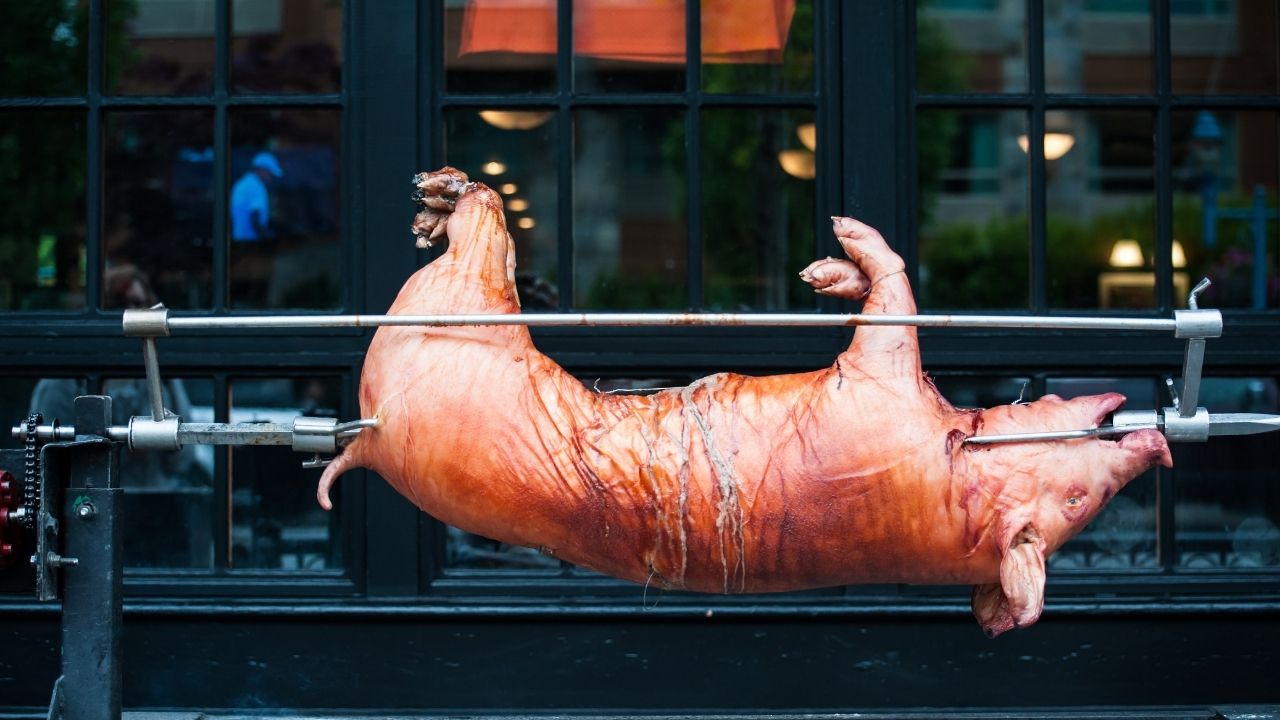
Picture this: you’re at a Louisiana festival, the air thick with smoke and laughter, when someone hands you a plate of cochon de lait that makes your knees wobble. This isn’t just roasted pig—this is a whole suckling pig slow-roasted over an open fire until the skin crackles like autumn leaves and the meat falls apart with the gentlest nudge of your fork. The French name translates to “pig in milk,” referring to the young pig that’s still nursing, which gives the meat an incredibly tender, almost buttery quality that’ll ruin you for regular pork forever.
What makes cochon de lait truly special is the communal ritual surrounding it. Families gather before dawn, tending the fire and rotating the pig on a handmade spit for eight to twelve hours, turning what could be just dinner into a social event that bonds generations. The seasoning is deceptively simple—salt, pepper, garlic, and maybe some Cajun spices—but the magic happens in that slow, patient cooking process. Fun fact: the traditional method involves stuffing the cavity with rice dressing (or “dirty rice” as locals call it), which absorbs all those incredible drippings and becomes a side dish that’s honestly better than the main event. Trust me, once you experience that smoky, fall-off-the-bone perfection paired with a cold Abita beer, you’ll understand why Louisianans plan their weekends around cochon de lait parties.
Blackened Redfish
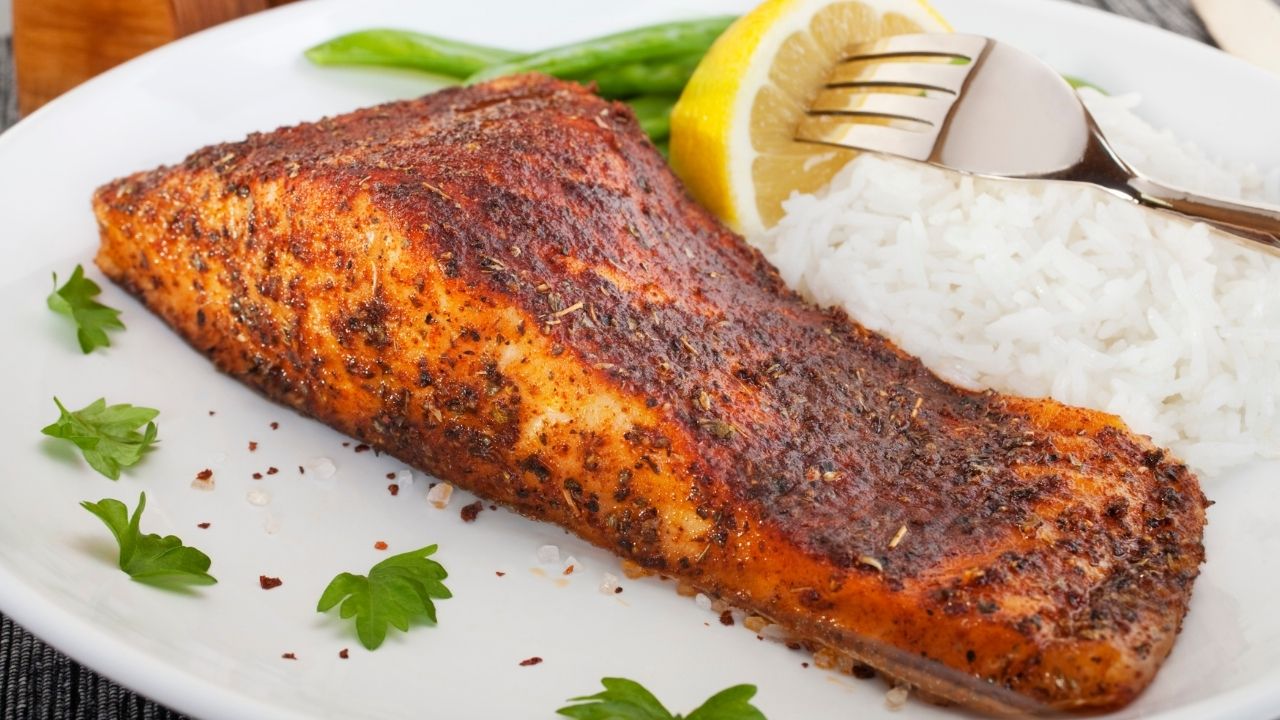
You know that moment when you bite into something so spectacular that you actually pause mid-chew and wonder how the universe conspired to create such magic? That’s blackened redfish for you! This dish became the poster child of Cajun cooking thanks to Chef Paul Prudhomme, who basically turned a simple fishing boat staple into restaurant gold back in the 1980s. The technique involves coating fresh redfish fillets in a spice blend so intense it could wake the dead – we’re talking cayenne, paprika, thyme, oregano, and garlic powder – then searing it in a screaming hot cast-iron skillet until the outside forms a gorgeous black crust that’s actually pure flavor, not burnt disaster.
Here’s the kicker: Prudhomme’s creation became so wildly popular that it nearly wiped out the Gulf’s redfish population! Seriously, people went so crazy for this dish that the government had to step in with fishing regulations. Now that’s what I call a successful recipe! The beauty lies in that contrast – the charred, spicy exterior giving way to flaky, tender fish that practically melts on your tongue. You can recreate this magic at home, but fair warning: your smoke detector will probably have opinions about your cooking method. Just crack those windows, crank up that exhaust fan, and prepare for neighbors to come knocking because the aroma is absolutely irresistible.
Catfish Courtbouillon
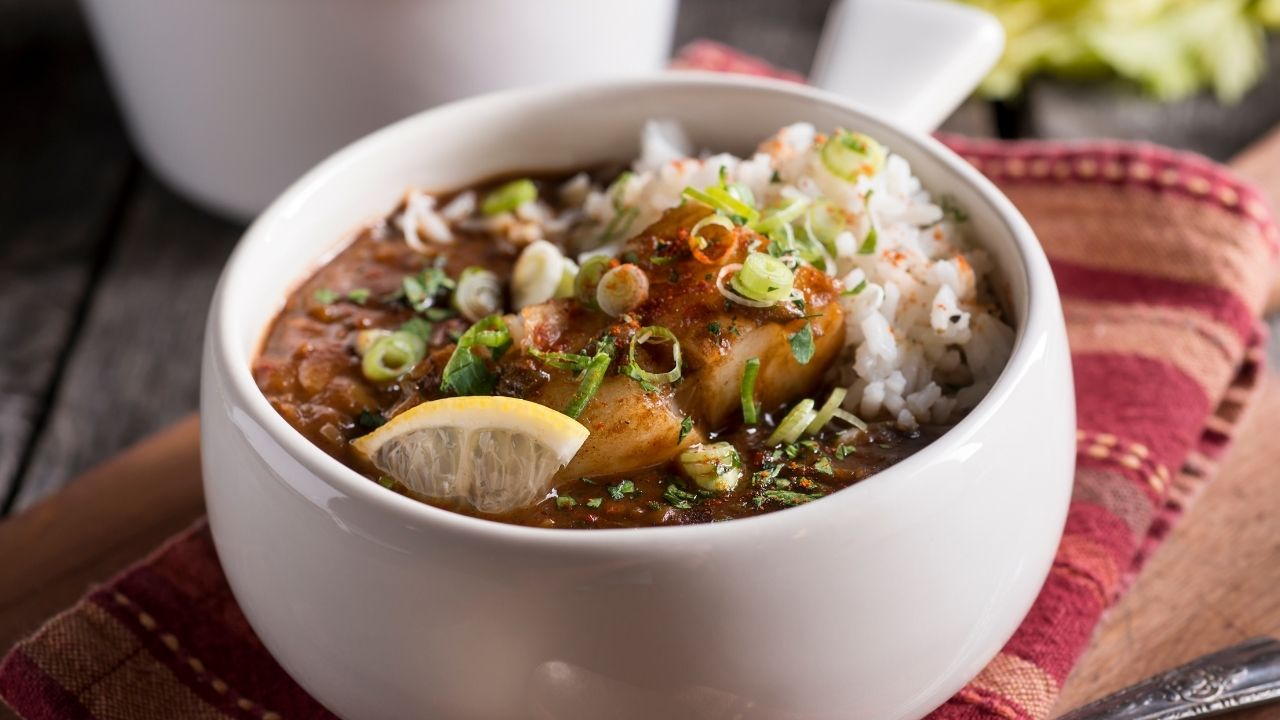
Picture this: you’re staring down a bowl of what looks like the most beautiful fish stew you’ve ever seen, but then someone tells you it’s pronounced “coo-bee-yon” and suddenly you feel like you’ve been pranked by the entire French language. Catfish courtbouillon represents everything magical about Cajun cooking – it takes humble catfish and transforms it into something so spectacular that you’ll want to write poetry about it. This rusty-red masterpiece starts with a dark roux (because what doesn’t in Louisiana?), then builds layers of flavor with the holy trinity of onions, celery, and bell peppers, plus tomatoes that give it that gorgeous brick-colored hue.
The beauty of courtbouillon lies in its forgiving nature – it’s basically a choose-your-own-adventure for cooks who like to improvise. Some folks add okra for extra thickness, others throw in whatever fish they caught that morning, and the truly adventurous might sneak in some crab or shrimp because why stop at perfection? The catfish breaks apart into tender flakes that soak up all those rich, smoky flavors, while the sauce clings to every grain of rice like it’s got nowhere else to be. Serve this over steaming white rice, and watch grown adults fight over the last ladleful – it’s happened before, and it’ll happen again.
Sauce Piquante
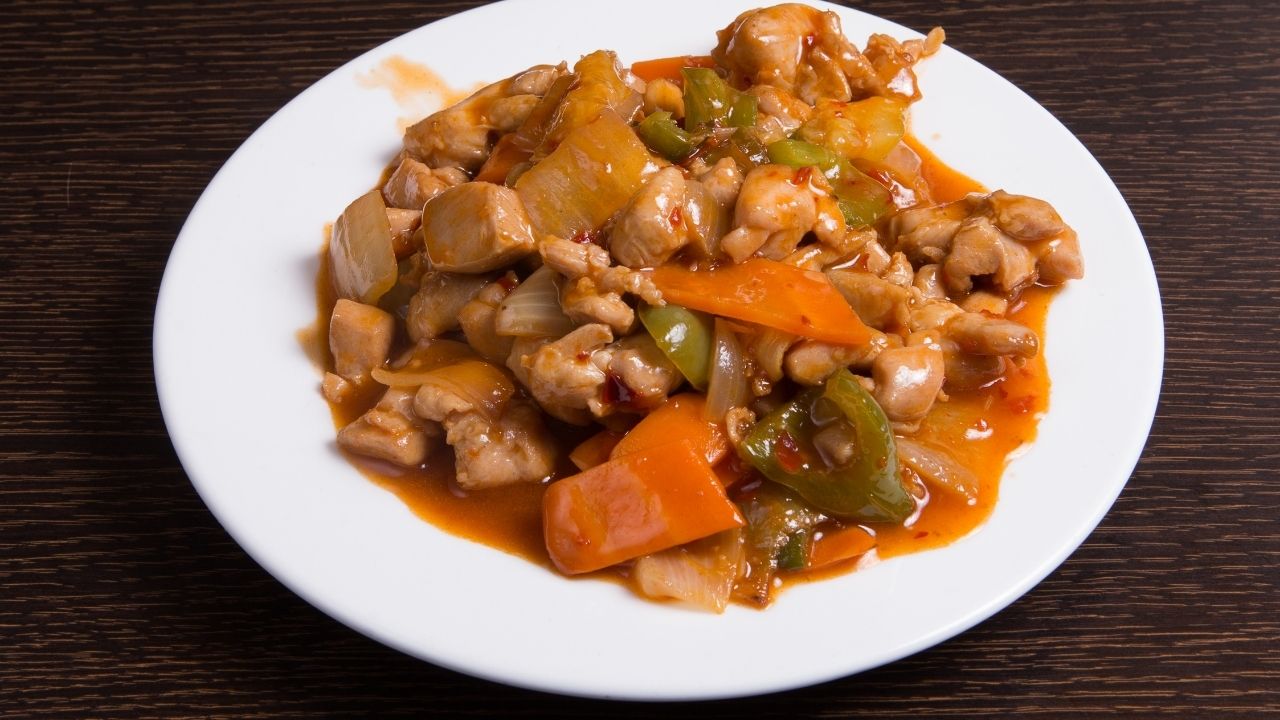
Picture this: you’re sitting at a scratched wooden table in a Louisiana kitchen, and someone’s grandmother slides a steaming bowl of Sauce Piquante in front of you. This isn’t just any sauce—it’s a thick, rich stew that could make a grown Cajun weep with joy. The name literally means “spicy sauce” in French, but calling it merely a sauce feels like calling the Mississippi River a creek. This rusty-red concoction traditionally stars whatever protein was available—turtle, alligator, rabbit, or more commonly today, chicken or seafood—swimming in a deeply flavored tomato-based gravy that’s been simmered with the holy trinity of onions, celery, and bell peppers until everything melts together in perfect harmony.
What makes Sauce Piquante truly special is its ability to transform humble ingredients into something extraordinary. The secret lies in building layers of flavor: first browning your protein, then creating a dark roux, and finally letting everything bubble away slowly while the flavors marry and deepen. Most home cooks add their own signature touches—maybe a splash of hot sauce, a bay leaf or two, or a generous helping of green onions at the end. Serve it over rice (because everything in Louisiana goes over rice), and you’ve got a meal that’ll stick to your ribs and warm your soul. Fun fact: some old-timers insist the best Sauce Piquante comes from using whatever’s left in your icebox, proving that necessity truly is the mother of delicious invention.
Tasso
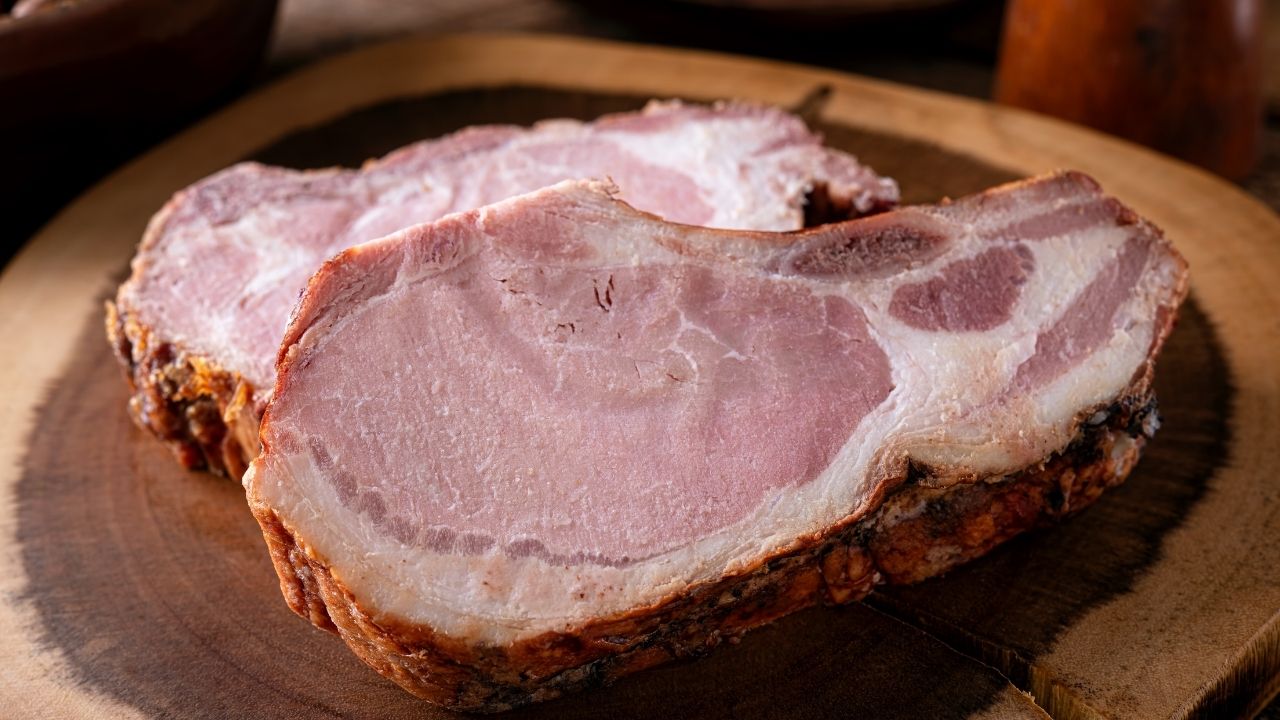
Picture this: you’re wandering through a Louisiana smokehouse, and suddenly you catch a whiff of something so intoxicatingly smoky and spicy that your knees go weak. That, my friend, is tasso calling your name. This heavily seasoned, dry-cured pork shoulder isn’t your average deli meat – it’s pure Cajun magic wrapped in a concentrated package of flavor. The meat gets rubbed down with a fiery blend of cayenne, black pepper, garlic, and other secret spices before taking a leisurely smoke bath that transforms it into something absolutely extraordinary. Think of it as bacon’s rebellious Cajun cousin who dropped out of college to become a jazz musician.
Now here’s where tasso gets really interesting – you don’t just slice it up and eat it like ham (though I won’t judge if you sneak a piece). This smoky powerhouse works as a flavor bomb in everything from red beans and rice to jambalaya, gumbo, and pasta dishes. Just a few diced cubes can turn your boring weeknight dinner into a Louisiana dance party. The funny thing about tasso is that it’s so intensely flavored, a little goes a long way – kind of like that friend who shows up to every party with enough energy to power a small town. Pro tip: keep some in your freezer because once you discover the magic of adding tasso to scrambled eggs or mac and cheese, you’ll wonder how you ever cooked without it.
Coush Coush
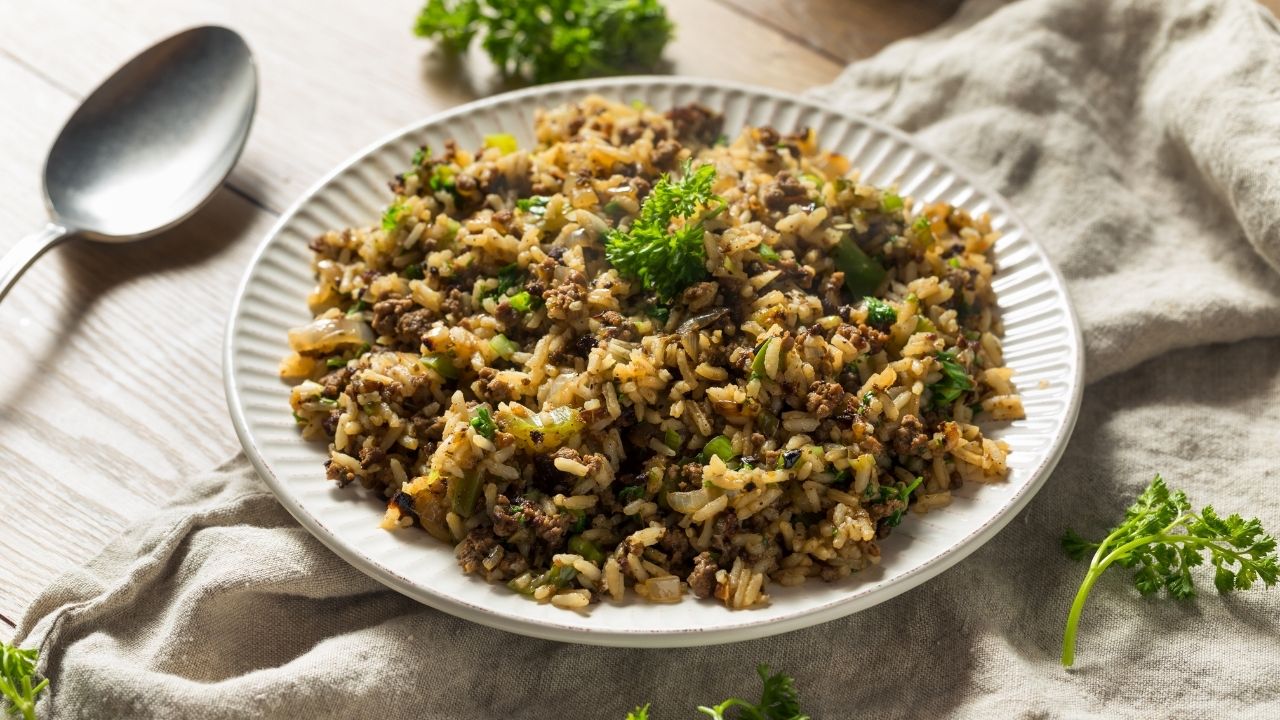
Picture this: you wake up in rural Louisiana, stumble into the kitchen, and find your Cajun grandmother stirring what looks like yellow gravel in a cast-iron skillet. Don’t panic – you’ve just discovered coush coush, the breakfast dish that sounds like a sneeze but tastes like pure comfort. This humble creation starts with cornmeal, gets fried until it’s golden and slightly crispy, then gets doused with milk or cane syrup. Some folks add a pat of butter, others throw in some sugar, and the rebels among us might even crack an egg right into the mix. It’s basically the Cajun answer to cereal, except infinitely more satisfying and with way more personality.
The beauty of coush coush lies in its simplicity and its ability to use pantry staples that every Cajun household keeps on hand. Legend has it that this dish saved many a family during lean times – when the cupboard was nearly bare, you could always count on cornmeal, milk, and a little creativity to fill hungry bellies. The texture hits differently than anything else you’ll eat: part porridge, part fried goodness, with little crunchy bits that pop against your teeth. Fair warning though – once you master the perfect balance of crispy edges and creamy center, regular breakfast cereal will seem like cardboard. Serve it hot with a generous pour of cold milk, and watch as this unassuming yellow mush transforms your morning routine forever.
Andouille Gumbo
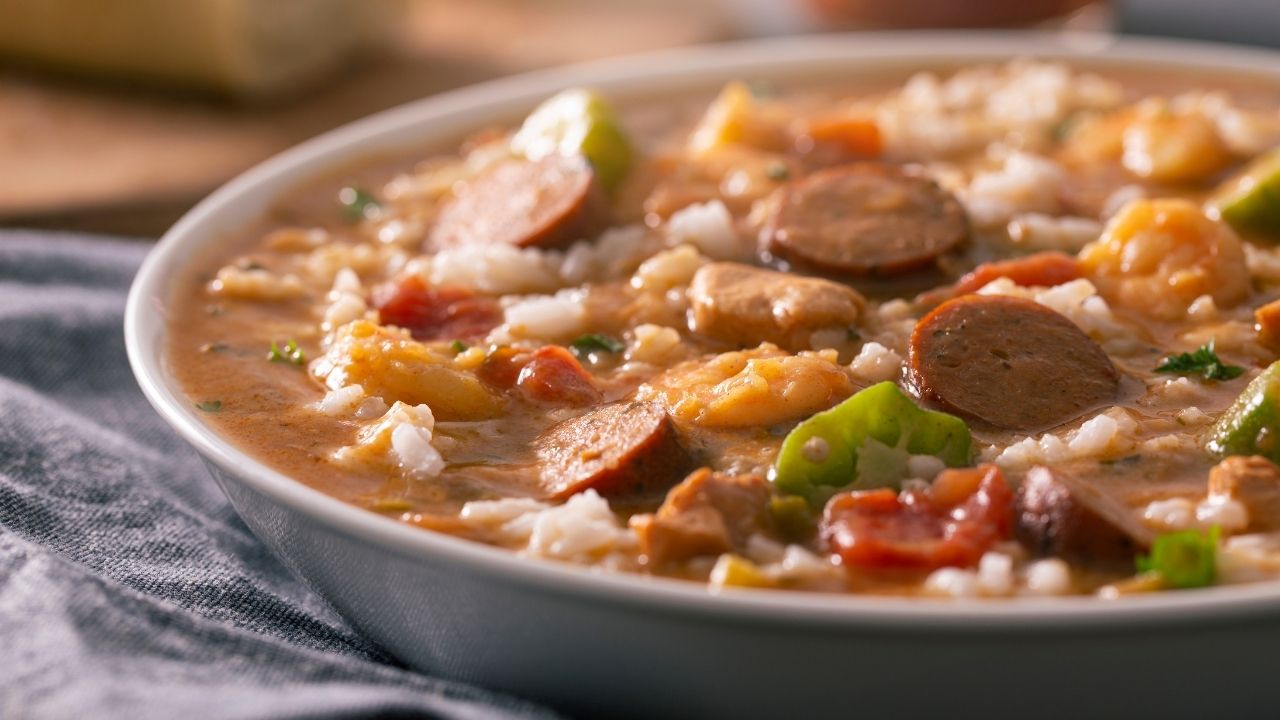
Picture this: a steaming bowl of dark, mysterious liquid that looks like it could tell fortunes, packed with chunks of smoky andouille sausage that’ll make you question every hot dog you’ve ever eaten. Andouille gumbo isn’t just soup—it’s Louisiana’s answer to liquid comfort, a dish so satisfying it practically gives you a hug from the inside out. The secret lies in that impossibly dark roux, stirred patiently until it reaches the color of chocolate (and trust me, rushing this process is like trying to speed up a slow dance—it just doesn’t work). Fun fact: traditional Cajun cooks measure their roux not by time, but by the number of beers consumed during the stirring process, which explains why some batches turn out better than others!
What makes andouille gumbo absolutely irresistible is how that spicy, garlicky sausage plays perfectly with the holy trinity of Cajun cooking—onions, celery, and bell peppers—all swimming together in a rich, soul-warming broth. You’ll find yourself fishing around for every last piece of sausage like you’re panning for gold, and honestly, that smoky andouille is basically edible treasure. Pro tip: always serve it over rice, because trying to eat gumbo without rice is like wearing socks with sandals—technically possible, but why would you? The rice soaks up all that incredible flavor and turns each spoonful into a perfect little bite of Louisiana heaven.
Maque Choux

Picture corn so good it makes you question every kernel you’ve ever eaten before. Maque Choux (pronounced “mock-SHOO” if you want to sound like you know what you’re talking about) transforms humble corn into something that’ll make you weep tears of pure joy. This Native American-inspired Cajun side dish takes fresh corn kernels and slow-cooks them with the holy trinity of onions, celery, and bell peppers, often throwing in some tomatoes for good measure. The name itself comes from the Native American word for corn, and honestly, they knew what they were doing when they created this masterpiece.
What makes Maque Choux absolutely magical is how the corn releases its natural starches during the slow cooking process, creating this creamy, almost risotto-like texture without any cream at all. Smart cooks scrape the cob after cutting off the kernels to get every last bit of that corn milk – trust me on this one, it’s liquid gold. Some versions throw in andouille sausage or shrimp to make it a main dish, while others keep it simple and vegetarian. The key is patience; you want those flavors to meld together like old friends at a reunion. Serve it alongside anything grilled, and watch people go back for thirds while pretending they’re “just tasting.”
Crawfish Etouffee
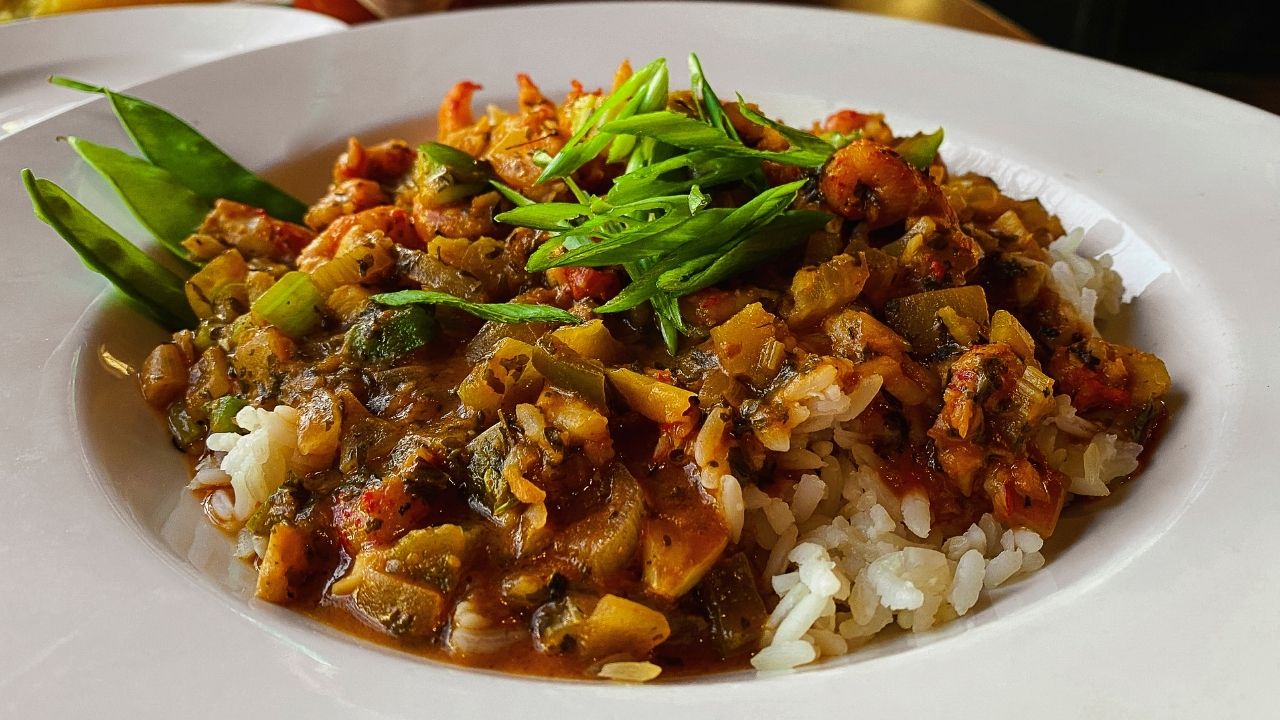
Picture this: you’re sitting at a weathered table in some hole-in-the-wall Louisiana joint, and someone slides a bowl of crawfish étouffee in front of you. The aroma hits first—a rich, buttery cloud that makes your stomach growl before you even pick up your spoon. This isn’t just any old stew, folks. Étouffee literally means “smothered” in French, and boy, do these little mudbugs get the royal treatment. They’re swimming in a velvety roux-based sauce that’s been coaxed to perfection with the holy trinity of Cajun cooking: onions, celery, and bell peppers.
Here’s something that’ll make you chuckle—crawfish étouffee actually started as a fancy restaurant dish in the 1920s, not some rustic bayou creation like you might expect. A chef named Marie Biscuit (yes, that was really her name!) gets credit for putting it on the map at her New Orleans restaurant. The secret to killer étouffee lies in patience with your roux and not overcooking those tender crawfish tails. You want them plump and juicy, not rubber band chewy. Serve it over fluffy white rice, grab yourself a cold beer, and prepare for your mouth to do a happy dance. Trust me, once you master this dish, you’ll be the hero at every potluck from here to Timbuktu.
Boudin
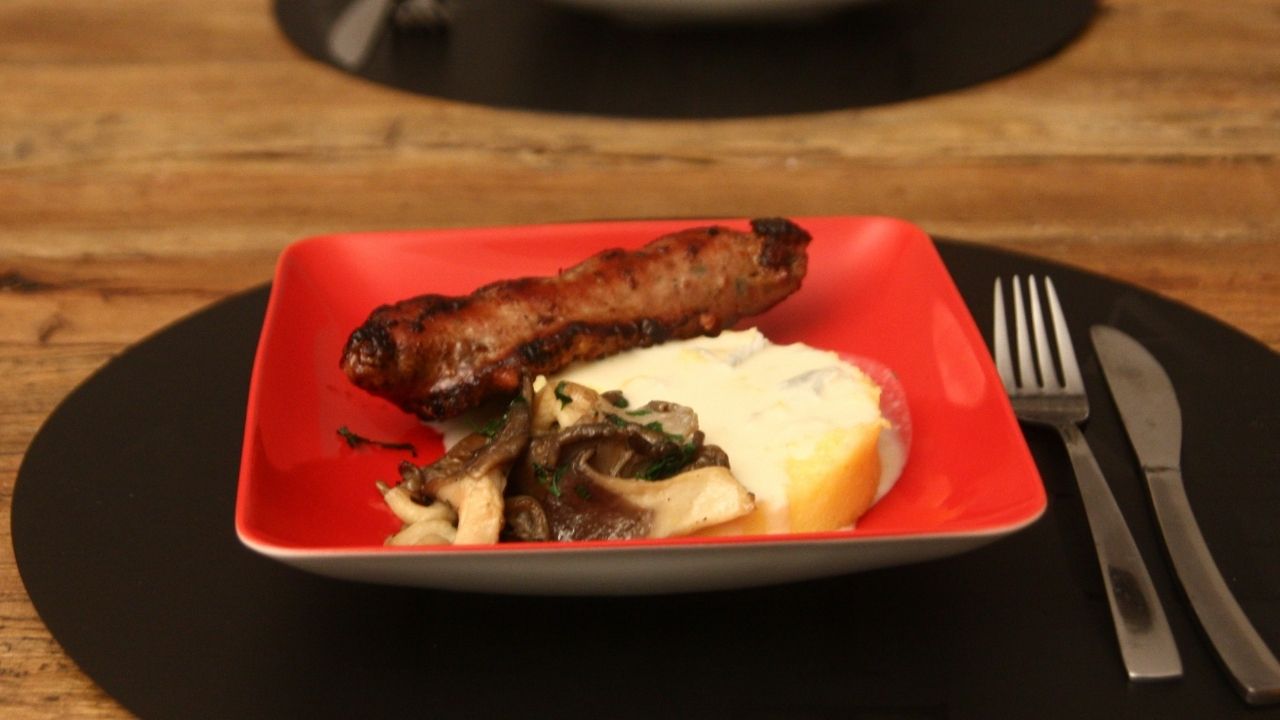
Picture this: you’re standing in a Louisiana gas station at 6 AM, and the most heavenly aroma hits you like a warm hug from your Cajun grandmother. That’s boudin for you – the most gloriously unexpected sausage that turns humble rice into something magical. This isn’t your typical meat-and-casing situation; boudin is basically a rice-based party wrapped in pig intestine, stuffed with pork, green onions, and enough spices to make you question why you ever settled for boring breakfast food. The texture? Think creamy risotto that decided to go rogue and join the sausage family.
Here’s the kicker: real boudin lovers don’t mess around with utensils. You squeeze that casing like you’re playing the world’s most delicious accordion, letting the filling shoot straight into your mouth while discarding the skin (though some rebels eat that too – more power to them!). Gas stations across Louisiana serve this stuff hot and fresh, making them unlikely gourmet destinations. Fun fact: there’s even a Boudin Trail you can follow through Acadiana, because apparently someone decided we needed an official route to maximum rice-sausage happiness. Don’t even think about trying to recreate this at home unless you’re prepared for your kitchen to smell like a Cajun fever dream for weeks.