10 Lesser-Known Ingredients to Shake Up Your Shopping List
Your grocery cart probably looks like everyone else’s—same old spinach, predictable chicken, boring brown rice. But what if I told you there’s a whole world of weird and wonderful ingredients hiding in plain sight? These aren’t your typical supermarket suspects; they’re the mysterious foods that make cashiers pause and Google furiously.
Take bee pollen, for instance—tiny golden granules that taste like nature’s candy mixed with flower petals. Or dragon fruit, which looks like a pink alien egg but delivers surprisingly subtle sweetness. These ingredients don’t just add flavor; they transform your kitchen into an experimental playground where dinner becomes an adventure.
Ready to ditch the mundane and add some serious intrigue to your meals? These ten fascinating foods will turn your shopping trips into treasure hunts and your dinner table into the most interesting place in the neighborhood. Your taste receptors will thank you later!
Amaranth

Picture tiny, ancient seeds that make quinoa look like yesterday’s health food trend – that’s amaranth for you! This microscopic powerhouse packs more protein than most grains (technically it’s not even a grain, but who’s counting?), and the Aztecs considered it so sacred they mixed it with blood for religious ceremonies. Don’t worry, your morning bowl won’t require any sacrificial rituals, though you might want to ceremoniously toss your boring breakfast routine out the window. These little seeds pop like miniature popcorn when heated, creating a delightfully crunchy snack that puts those expensive store-bought puffs to shame.
Cook amaranth like rice – one part seeds to three parts water – and watch it transform into a creamy, porridge-like base that makes oatmeal jealous. The nutty, earthy flavor pairs beautifully with both sweet and savory dishes, so you can stir in maple syrup and berries for breakfast or mix it with roasted vegetables for dinner. Pro tip: toast the raw seeds in a dry pan for a few minutes before cooking to intensify that nutty flavor and prevent the final dish from turning into what I lovingly call “healthy sludge.” Your friends will think you’ve discovered some exotic superfood from a remote mountain village, but really you just shopped the bulk bins at your local health store like a champion!
Tiger Nuts

Don’t let the name fool you – tiger nuts aren’t actually nuts at all! These wrinkly little tubers are more like tiny potatoes that got a serious makeover. I stumbled upon them at my local health food store, where the cashier swore they tasted like coconut cookies. Skeptical but curious, I grabbed a bag and discovered she wasn’t entirely wrong. Tiger nuts pack a surprisingly sweet, nutty flavor with hints of vanilla that’ll make you question why you’ve been snacking on regular almonds all this time. Ancient Egyptians apparently loved these so much they buried them with pharaohs – talk about taking your favorite snacks to the afterlife!
You can munch on tiger nuts straight from the bag (though your jaw might get a workout), or get creative and blend them into horchata, that creamy Spanish drink that tastes like liquid cinnamon toast. They’re naturally gluten-free, paleo-friendly, and loaded with fiber, which means you can feel virtuous while satisfying your sweet tooth. Try grinding them into flour for baking – tiger nut cookies are absolutely divine and will confuse your friends in the best possible way. Pro tip: soak them overnight if you want a softer texture, or roast them lightly for an extra-crispy snack that beats any vending machine offering.
Camu Camu
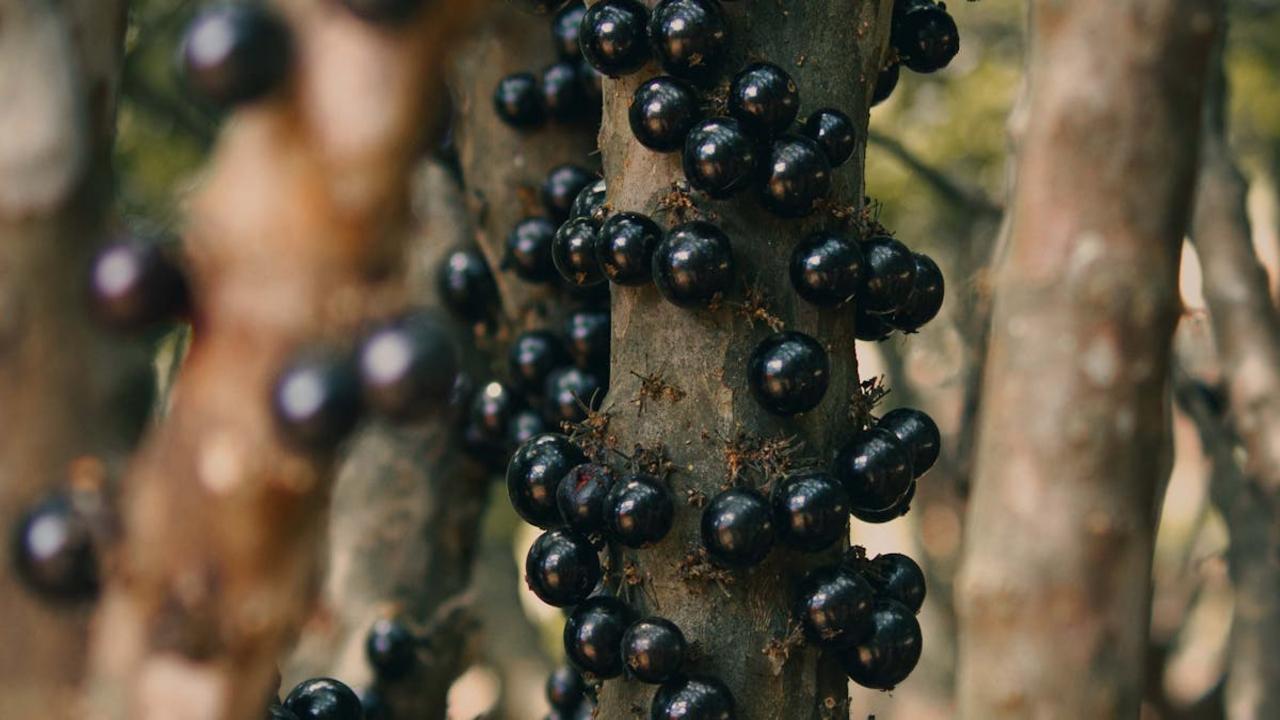
Picture this: you’re wandering through the Amazon rainforest (hypothetically, of course, unless you’re reading this while dodging jaguars), and you stumble upon a small, cherry-like fruit that contains more vitamin C than you could shake a stick at. Meet camu camu, the unassuming superstar that makes oranges look like vitamin C slackers. This little purple powerhouse packs a whopping 2,700 milligrams of vitamin C per 100 grams – that’s roughly 60 times more than your average orange! Indigenous Amazonian communities have been munching on these tart treasures for centuries, probably wondering why the rest of us took so long to catch on.
Now, fair warning: eating fresh camu camu straight up might make your face scrunch like you just bit into a lemon wearing a sour patch. The flavor hits you with an intense tartness that’s both astringent and surprisingly refreshing, which explains why most people prefer it in powder form. Mix that vibrant purple powder into your morning smoothie, and you’ve got yourself a vitamin C bomb that’ll make your immune system do a little happy dance. You can also stir it into yogurt, blend it into popsicles, or even add it to homemade energy bars. Just remember: a little goes a long way with this Amazonian gem, so start with half a teaspoon unless you want your breakfast to taste like you’re drinking pure tartness with a side of regret.
Watercress
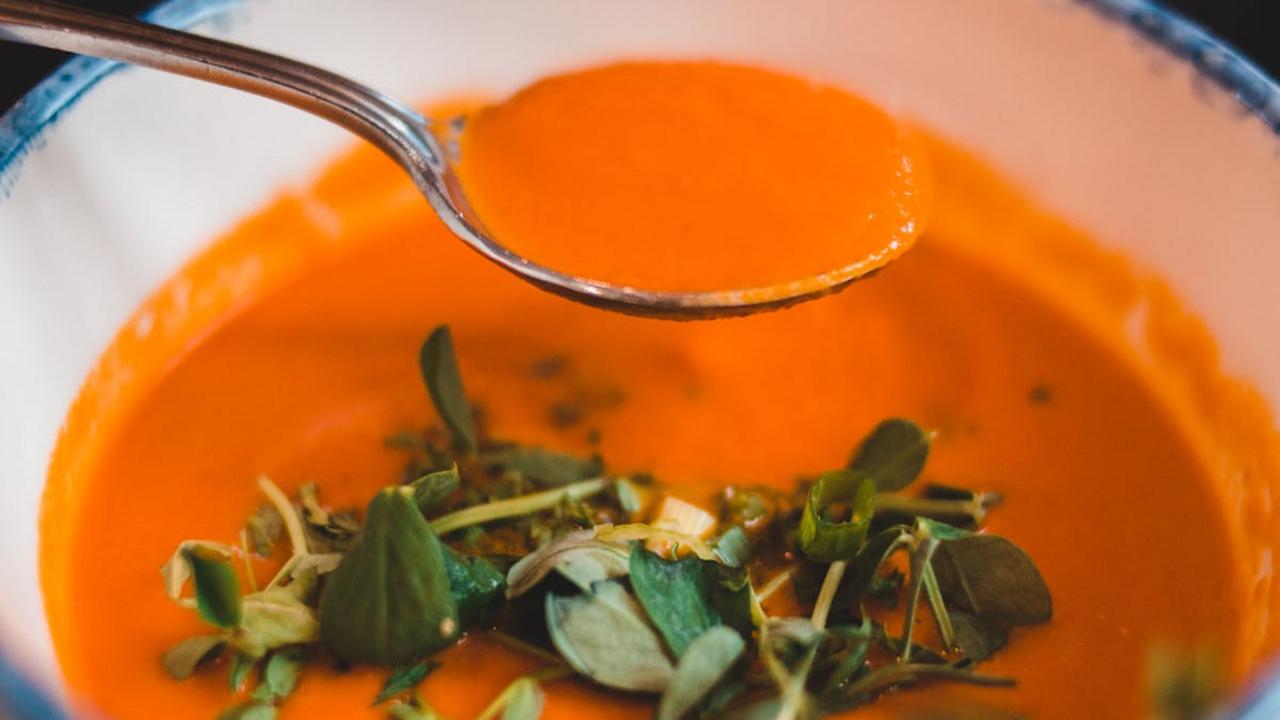
Watercress looks like the innocent cousin of spinach, but don’t let its delicate appearance fool you – this leafy green packs a peppery punch that’ll wake up your mouth faster than your morning espresso. Growing wild in streams and springs, watercress has been around since ancient times, when Romans munched on it believing it would make them brave warriors. Modern science backs up some of their enthusiasm: gram for gram, watercress contains more vitamin C than oranges, more calcium than milk, and more iron than spinach. It’s basically nature’s multivitamin disguised as a salad green.
The beauty of watercress lies in its versatility – toss it raw into salads for a spicy kick, blend it into soups for an earthy depth, or make a simple watercress sandwich with butter and sea salt like the British have done for centuries. My favorite trick? Throwing a handful into scrambled eggs during the last minute of cooking creates an instant gourmet breakfast that looks like you actually know what you’re doing in the kitchen. Pro tip: store watercress like flowers in a glass of water in your fridge, and it’ll stay crisp for days, giving you plenty of time to experiment with this underrated green powerhouse.
Natto
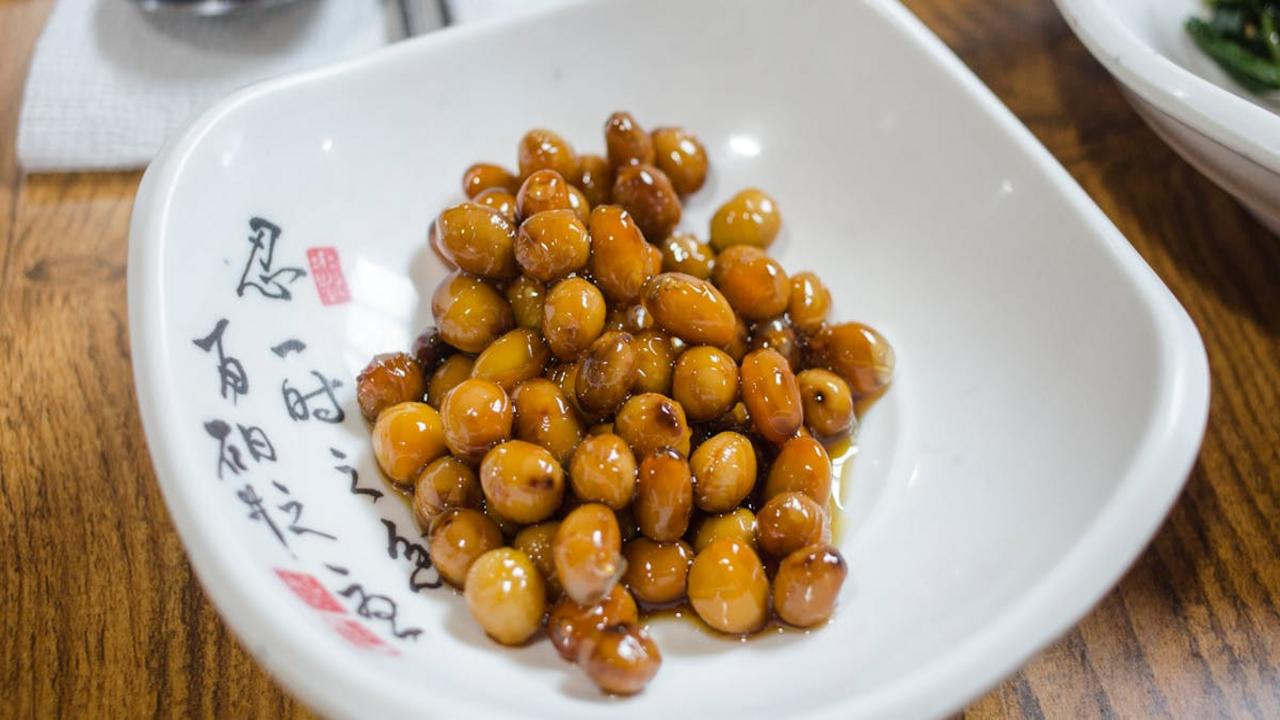
Picture this: you’re strolling through a Japanese market when you encounter what looks like tiny brown beans covered in the world’s most determined spider webs. That’s natto, folks – fermented soybeans that have achieved peak stickiness through a magical process involving Bacillus subtilis. This breakfast staple has been dividing dinner tables across Japan for over 1,000 years, creating camps of devoted fans and horrified skeptics. The fermentation creates long, gooey strings that stretch like melted cheese, except it’s beans doing the stretching, which honestly feels like nature’s practical joke on our expectations.
Before you wrinkle your nose, know that natto packs more nutritional punch than a superhero smoothie. It’s loaded with vitamin K2, which your bones absolutely adore, plus probiotics that make your gut bacteria throw tiny celebration parties. Traditional preparation involves mixing it with soy sauce, mustard, and chopped green onions, then serving over steaming rice while the strings create edible artwork across your bowl. The smell? Well, let’s just say it’s acquired – think aged cheese had a philosophical discussion with ammonia. But thousands of Japanese people can’t be wrong about starting their day with this protein powerhouse that reportedly helps everything from heart health to bone density.
Moringa Leaves

Meet moringa leaves – the green superhero that makes spinach look like an underachiever at the gym! This tropical wonder tree, nicknamed the “drumstick tree” (yes, really), drops leaves so packed with nutrients that NASA seriously considered it for space missions. I’m talking about a plant that contains more vitamin C than oranges, more iron than spinach, and more calcium than milk. Your multivitamin bottle is probably feeling pretty inadequate right about now. These feathery little leaves grow on trees that literally refuse to die – they’ll sprout back from stumps and thrive in drought conditions like botanical cockroaches, but way more appealing.
Now, before you start picturing yourself gnawing on tree branches like a confused giraffe, moringa leaves actually taste surprisingly mild – think of a cross between spinach and green tea, with just a hint of horseradish kick. You can toss fresh leaves into smoothies (they’ll turn your drink an Instagram-worthy green), sauté them with garlic like you would any leafy green, or buy the powder form to sneak into everything from soups to energy balls. Pro tip: start small with the powder because a little goes a long way, and your first moringa smoothie shouldn’t taste like you blended up your front lawn. Trust me, I learned this the hard way during what I now call “The Great Green Smoothie Disaster of 2023.”
Seabuckthorn Berries
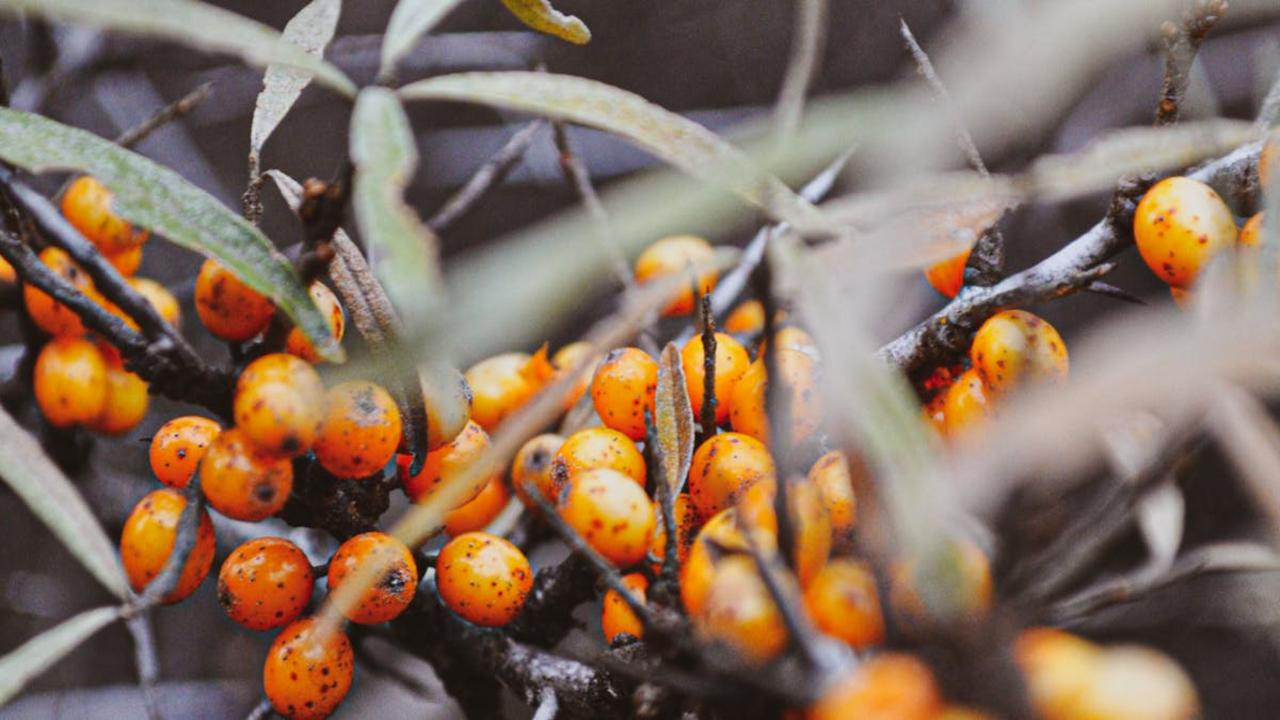
Picture tiny orange orbs that pack more vitamin C than oranges and taste like a party where lemons crashed into apricots – that’s seabuckthorn berries for you! These fierce little fruits grow on thorny shrubs across Asia and Europe, and they’re so tough they can survive Siberian winters that would make a penguin shiver. The berries are practically bursting with nutrients – we’re talking omega-7 fatty acids, antioxidants, and enough vitamin C to make a citrus fruit jealous. Local legends claim Genghis Khan fed these berries to his horses to keep them strong during conquests, which honestly explains a lot about his success rate.
You can find seabuckthorn berries in health food stores, usually frozen or dried, and they make incredible additions to smoothies, jams, or even cocktails if you’re feeling adventurous. Fair warning though – fresh ones are intensely sour, so start small unless you enjoy the face-puckering experience. I love blending frozen seabuckthorn berries with mango and coconut milk for a tropical smoothie that somehow tastes like sunshine with attitude. The berries also create stunning golden-orange sauces that pair beautifully with fish or roasted vegetables, adding both visual drama and a bright, tangy kick that wakes up your entire palate.
Black Garlic
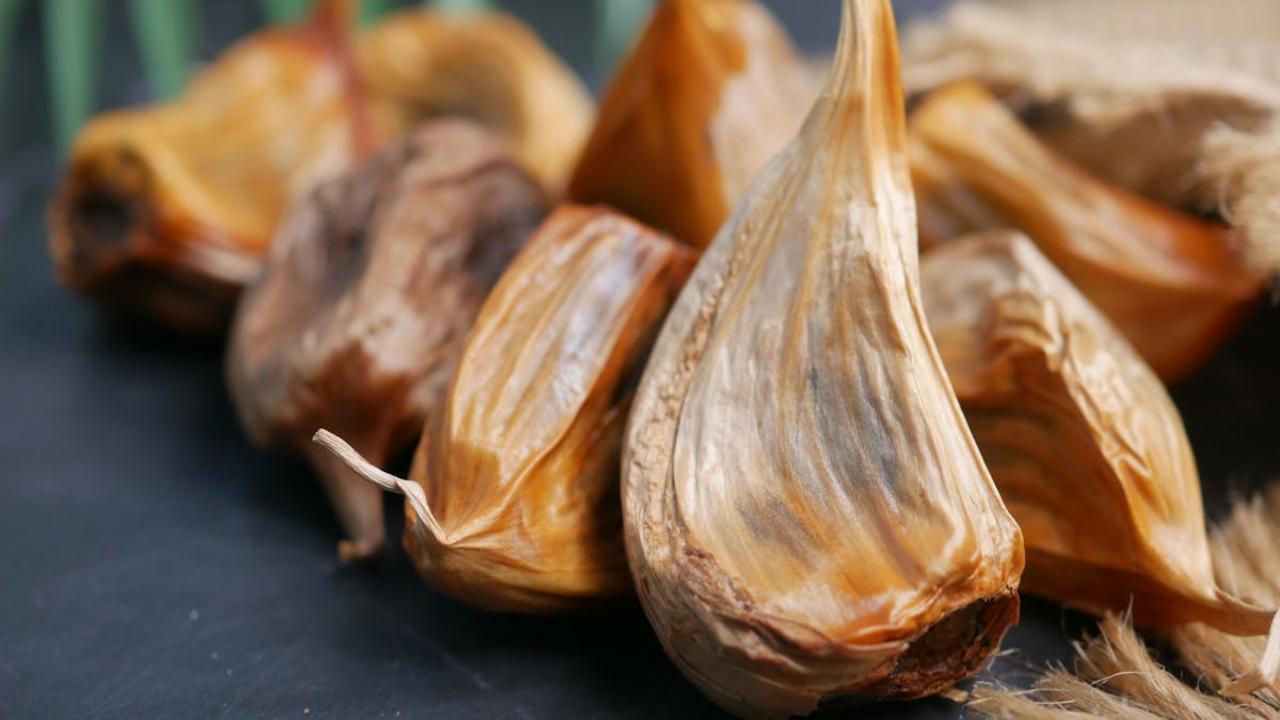
Picture regular garlic’s mysterious, brooding cousin who spent months in a spa getting the ultimate glow-up. Black garlic starts as ordinary white bulbs, then undergoes a month-long fermentation process that transforms it into something completely magical. The cloves turn jet-black and develop a texture like soft, sticky dates, while the sharp bite of raw garlic mellows into something unexpectedly sweet and complex. Think molasses meets umami with hints of balsamic vinegar and a whisper of licorice – it’s basically what would happen if garlic decided to become sophisticated and went to finishing school.
This Korean-born ingredient has been quietly revolutionizing kitchens worldwide, and honestly, it’s about time you two met. You can eat black garlic straight from the bulb (yes, really – no vampire-repelling breath afterward!), smash it into compound butter for the most incredible garlic bread of your life, or blend it into salad dressings for instant depth. I love mixing it into cream cheese for bagels or stirring it into mashed potatoes for a flavor bomb that’ll have your dinner guests texting you for recipes. Pro tip: one bulb goes surprisingly far, so don’t panic-buy a dozen like I did during my first black garlic enthusiasm phase – my fridge looked like a goth vampire’s snack drawer for weeks.
Dragon Fruit
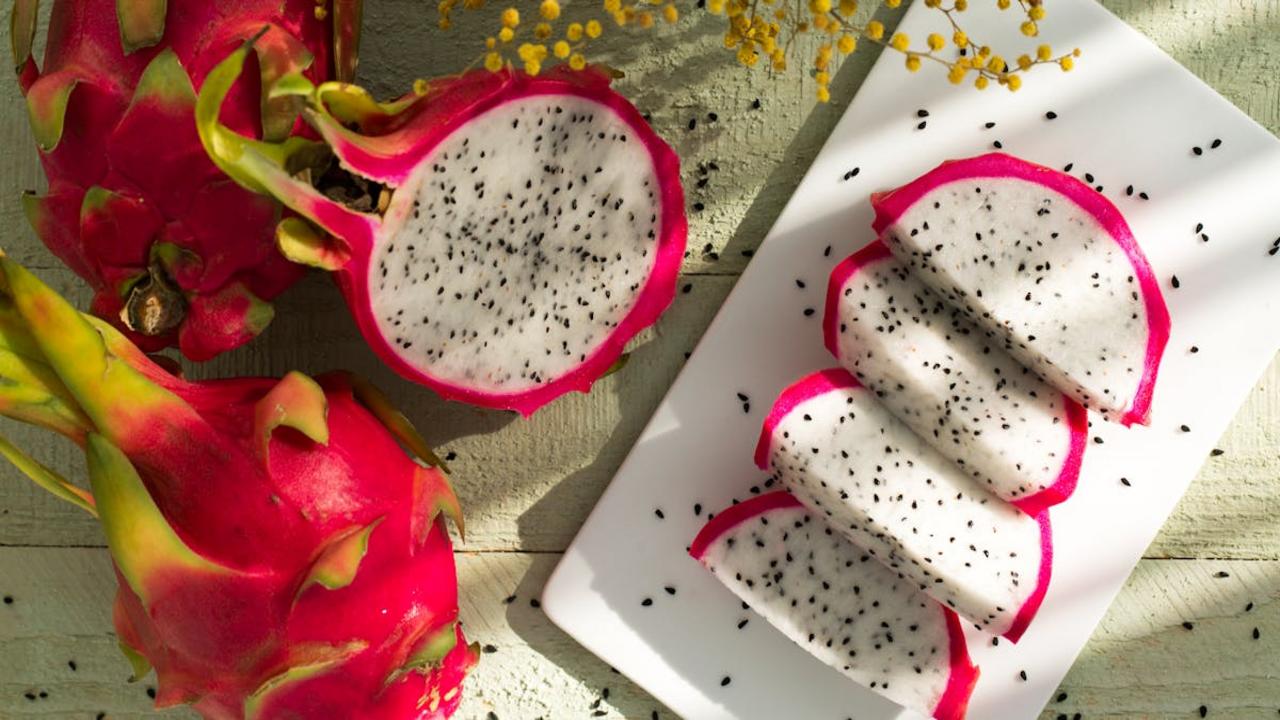
Picture this: you’re strolling through the produce section when suddenly you spot what looks like a hot pink alien egg with green spikes. That’s dragon fruit, and despite its intimidating exterior, this tropical showstopper is surprisingly mild-mannered on the inside. Native to Central America but now grown worldwide, this cactus fruit gets its name from its scaly appearance – though I think it looks more like something a unicorn would lay. The flesh inside comes in two varieties: white with tiny black seeds that crunch like poppy seeds, or magenta that’ll turn your tongue (and everything else) a delightful shade of purple.
Don’t expect fireworks flavor-wise – dragon fruit tastes like a cross between a kiwi and a very gentle pear, with all the personality of wet cardboard. But here’s the kicker: this fruit is basically nature’s Instagram filter for your breakfast bowl. Slice it into rounds and you’ve got edible polka dots that make smoothie bowls look like modern art. Plus, it’s packed with vitamin C, iron, and magnesium, so you can feel virtuous while eating something that looks like it belongs in a sci-fi movie. Pro tip: chill it before eating – cold dragon fruit actually develops more flavor and makes the texture less mushy.
Bee Pollen
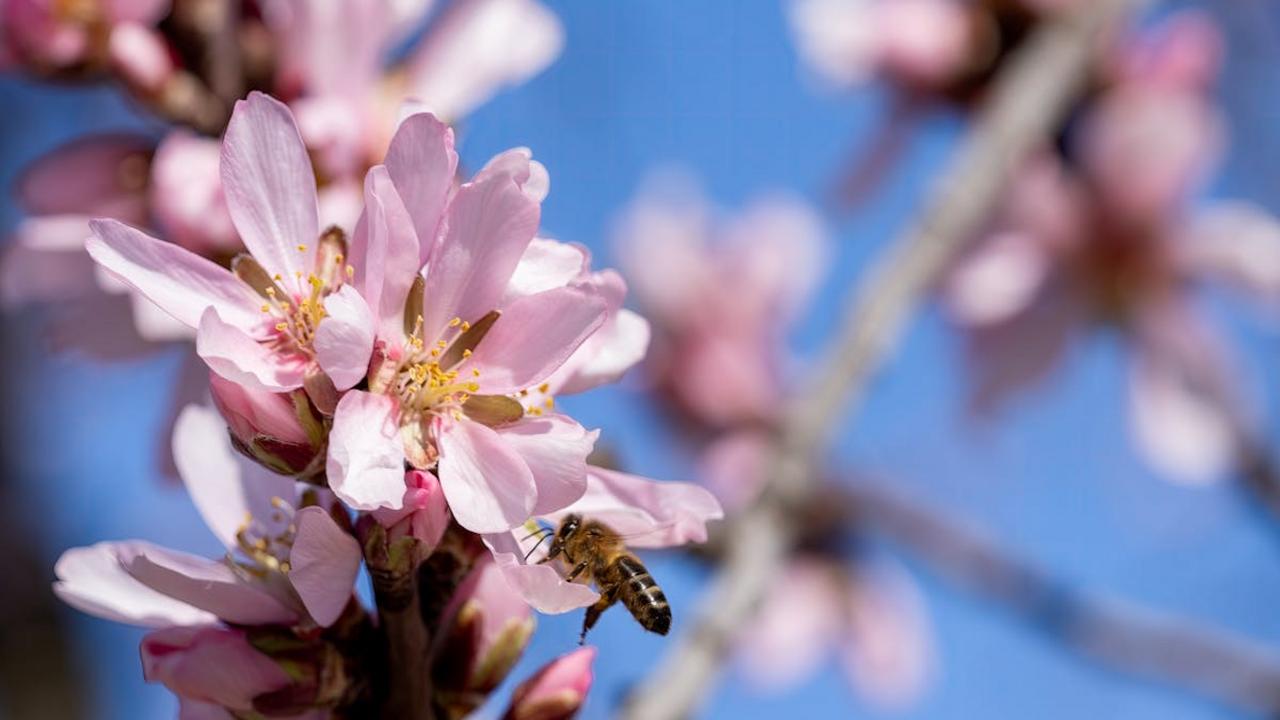
Picture tiny golden granules that look like fairy dust but pack more nutritional punch than your entire vitamin cabinet—that’s bee pollen for you! These microscopic powerhouses are basically nature’s multivitamin, created when busy bees collect pollen from flowers and mix it with their own enzymes and honey. The result? A superfood so complete that some cultures have survived on it alone during famines. Each granule contains proteins, vitamins, minerals, enzymes, and amino acids in perfect harmony. You can find these precious pellets in health food stores, usually nestled next to the fancy honeys, waiting to transform your morning routine from mundane to magical.
Now, before you go sprinkling this golden treasure on everything like edible glitter, start slowly—your digestive system needs time to adjust to this concentrated nutrition bomb. Begin with just a quarter teaspoon mixed into smoothies, yogurt, or oatmeal, then gradually work up to a tablespoon daily. The flavor hits you with a floral sweetness followed by a slightly bitter, earthy finish that screams “I’m good for you!” Some people describe it as tasting like flowers mixed with grass, which sounds terrible but somehow works beautifully in practice. Pro tip: never cook bee pollen because heat destroys all those magnificent nutrients—treat it like the delicate superfood celebrity it truly is!