10 Fast Food Habits That Are Quietly Blowing Your Budget
Fast food seems like the budget-friendly option when you’re rushing between work and home, but those quick stops add up faster than you think. I’ve watched friends spend more on drive-throughs in a month than I do on fresh ingredients for weeks of home cooking. The real shock comes when you track every transaction and see how those “cheap” meals stack up.
What makes this even trickier is how restaurants design their menus and pricing to encourage bigger spends without you noticing. From sneaky upsells to premium add-ons, these places know exactly how to turn a $5 meal into a $12 experience. The psychology behind fast food marketing targets your convenience-seeking brain while your wallet takes the hit.
Breaking these expensive habits doesn’t mean giving up convenience entirely. Once you recognize these budget-draining patterns, you can make smarter choices that satisfy your cravings without emptying your bank account. Small changes in how you order can save hundreds of dollars each year while still giving you that quick meal fix when life gets hectic.
Not Using Restaurant Apps and Rewards

You know what breaks my heart? Walking into my favorite fast food spot and watching someone pay full price when they could’ve saved money with just a few taps on their phone. I see it happen all the time – people skipping those restaurant apps like they’re some complicated cooking technique, when really they’re as simple as following a basic recipe. These apps aren’t just digital clutter; they’re your ticket to free food, exclusive deals, and rewards that add up faster than you think. Most major chains offer points for every dollar spent, birthday freebies, and app-only promotions that can slash your bill significantly.
Think of it this way – if I told you there was a secret ingredient that could reduce your grocery costs by 20% without changing what you eat, you’d grab it immediately, right? That’s exactly what these reward programs do for your fast food spending. I’ve watched friends rack up enough points for free meals just by consistently using the same app instead of paying cash or using random payment methods. The McDonald’s app, Starbucks rewards, Subway’s system – they all work the same magic. Download the apps for places you already visit, link a payment method, and watch your savings grow. It’s like meal prep for your wallet – a little effort upfront pays off big time down the road.
Dining During Peak Hours
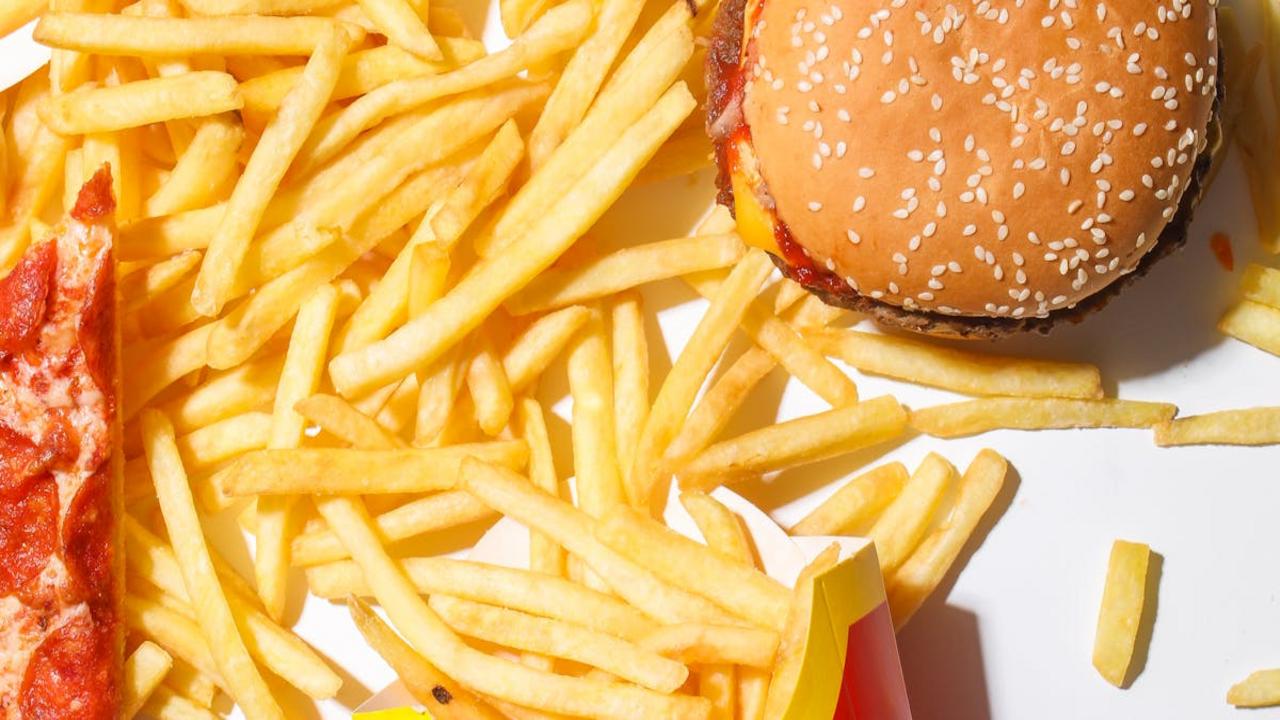
You know how packed restaurants get during lunch rush or dinner time? Fast food places absolutely capitalize on this predictable traffic pattern. When you roll up to your favorite drive-through between 12-1 PM or 6-8 PM, you’re walking straight into their pricing sweet spot. Many chains quietly bump up their prices during these busy windows, knowing customers will pay extra for convenience when they’re hungry and pressed for time. I’ve watched friends mindlessly order their usual combo during peak hours, completely unaware they’re spending 10-15% more than if they’d waited just an hour.
Here’s what I do instead: I plan my fast food visits for off-peak times like mid-afternoon or late evening. Not only do you save money, but you also get fresher food since staff aren’t rushing through orders at breakneck speed. Your fries come out hotter, your burger gets proper attention, and the entire experience feels less chaotic. If you absolutely must eat during peak hours, consider ordering ahead through apps – many offer exclusive discounts to reduce in-store congestion. Think of it like happy hour pricing, but in reverse. Those quiet 3 PM visits often reward you with both better service and lower prices.
Ordering Multiple Sauces and Dips
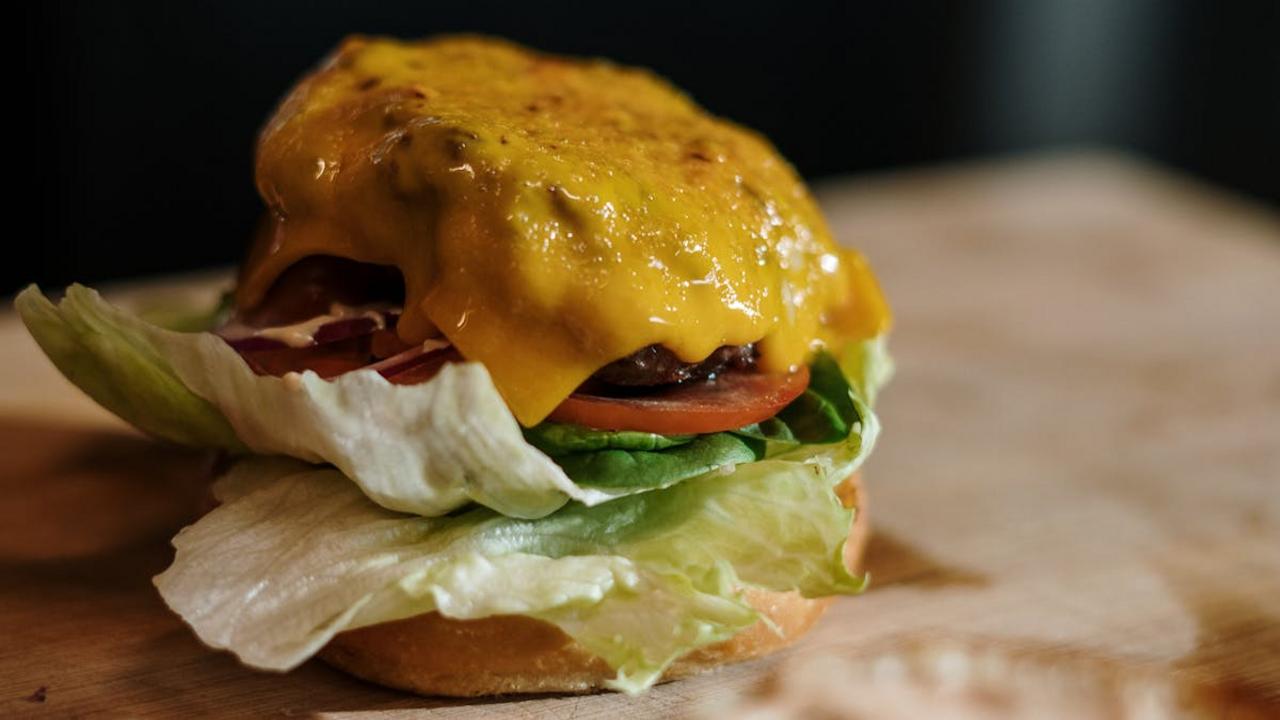
You know how those extra sauce packets seem so innocent when you’re ordering? I see you grabbing three different dipping sauces for your fries, plus that special aioli for your burger, and maybe some honey mustard just because it’s there. What starts as a few cents per packet quickly adds up to several dollars extra on your bill. I’ve watched friends rack up an additional five to eight dollars just on condiments during a single fast food run, turning a budget-friendly meal into something surprisingly expensive.
Here’s what I’ve learned from years of cooking at home: you can create these same flavors in your kitchen for pennies on the dollar. Mix mayonnaise with sriracha for that spicy aioli, blend honey with dijon mustard, or whip up a quick herb ranch with Greek yogurt and fresh herbs from your garden. Keep small containers of homemade sauces in your fridge, and you’ll never need to pay those markup prices again. Your wallet will thank you, and honestly, your homemade versions will taste fresher and more vibrant than anything from a squeeze packet.
Falling for Limited Time Offers
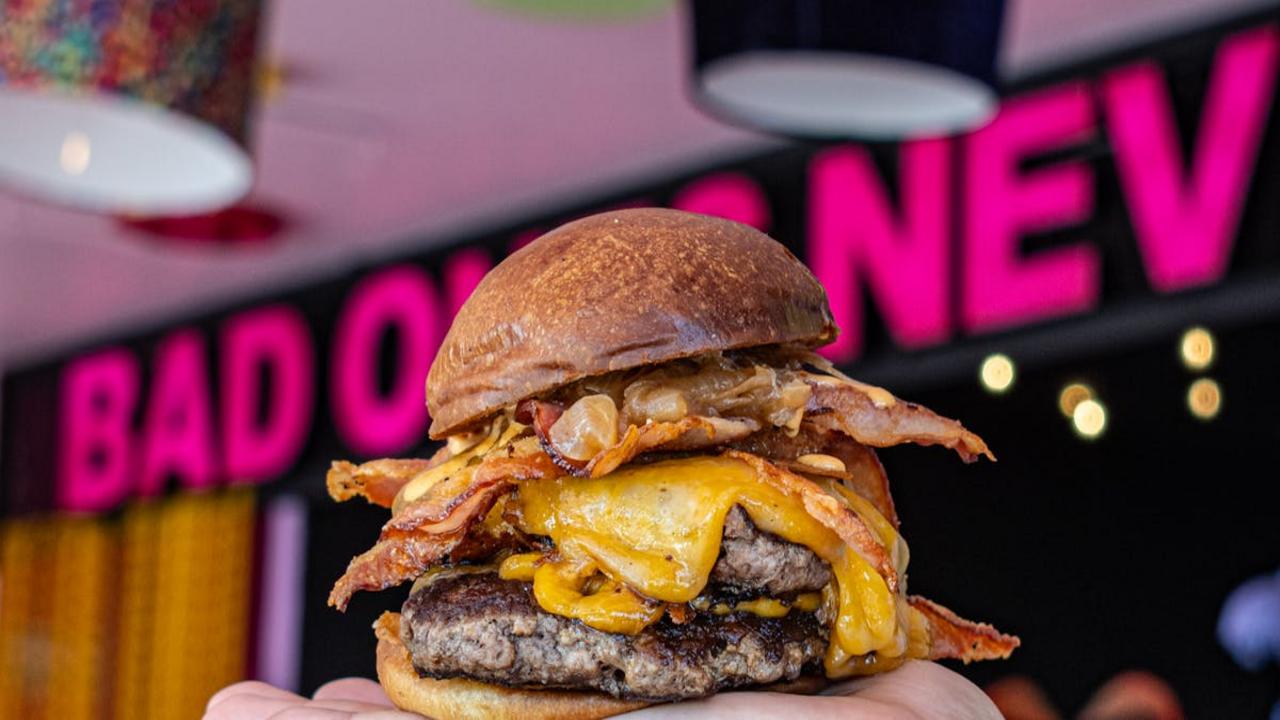
You see that flashy banner advertising the new spicy chicken sandwich or the seasonal pumpkin shake, and suddenly your carefully planned lunch becomes an expensive impulse purchase. These limited time offers create artificial urgency that tricks your brain into thinking you’re missing out on something special. Fast food chains spend millions studying consumer psychology, and they know exactly how to make you feel like you need to try something right now before it disappears forever. The truth is, most of these “limited” items return regularly under different names or with slight variations.
Instead of falling for these marketing tricks, I encourage you to channel that excitement into your own kitchen. That new Korean-inspired burger they’re promoting? You can make a better version at home with fresh kimchi, grass-fed beef, and homemade sesame mayo for a fraction of the cost. Keep a running list of interesting flavor combinations you see advertised, then recreate them using whole ingredients. You’ll discover that making these creations yourself not only saves money but also gives you complete control over the quality and nutrition. Plus, you can enjoy your homemade version whenever you want, not just during some arbitrary promotional window.
Choosing Premium Menu Items
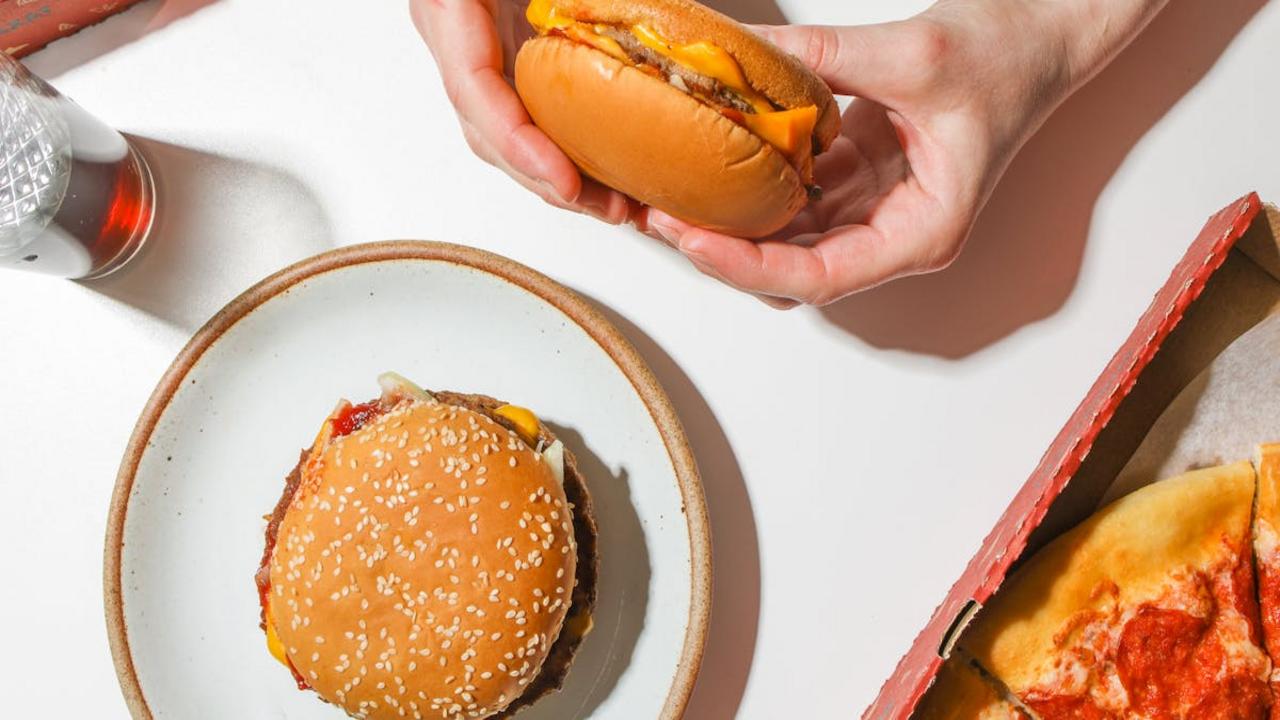
You walk into your favorite fast food spot and suddenly those premium menu items start calling your name. That signature burger with artisanal cheese and truffle aioli, or the limited-time wagyu beef option that costs nearly double the regular menu price. I get it – these upgraded versions look incredibly tempting in those glossy advertisements. But here’s what I’ve learned from years of cooking at home: you’re paying restaurant markup for ingredients you can easily recreate in your own kitchen for a fraction of the cost.
Instead of dropping $15-20 on that premium sandwich, why not invest that money in quality ingredients from your local market? Grab some good ground beef, fresh herbs, and real cheese – you’ll make three or four incredible burgers for the same price as one fast food premium item. The beauty of cooking at home means you control every ingredient, from the seasoning blend to the type of bun. You can experiment with global flavors too – maybe add some harissa for North African heat or incorporate fresh cilantro and lime for a Mexican twist. Your wallet will thank you, and your body will appreciate the wholesome, unprocessed ingredients that create truly satisfying meals.
Getting Delivery Instead of Pickup
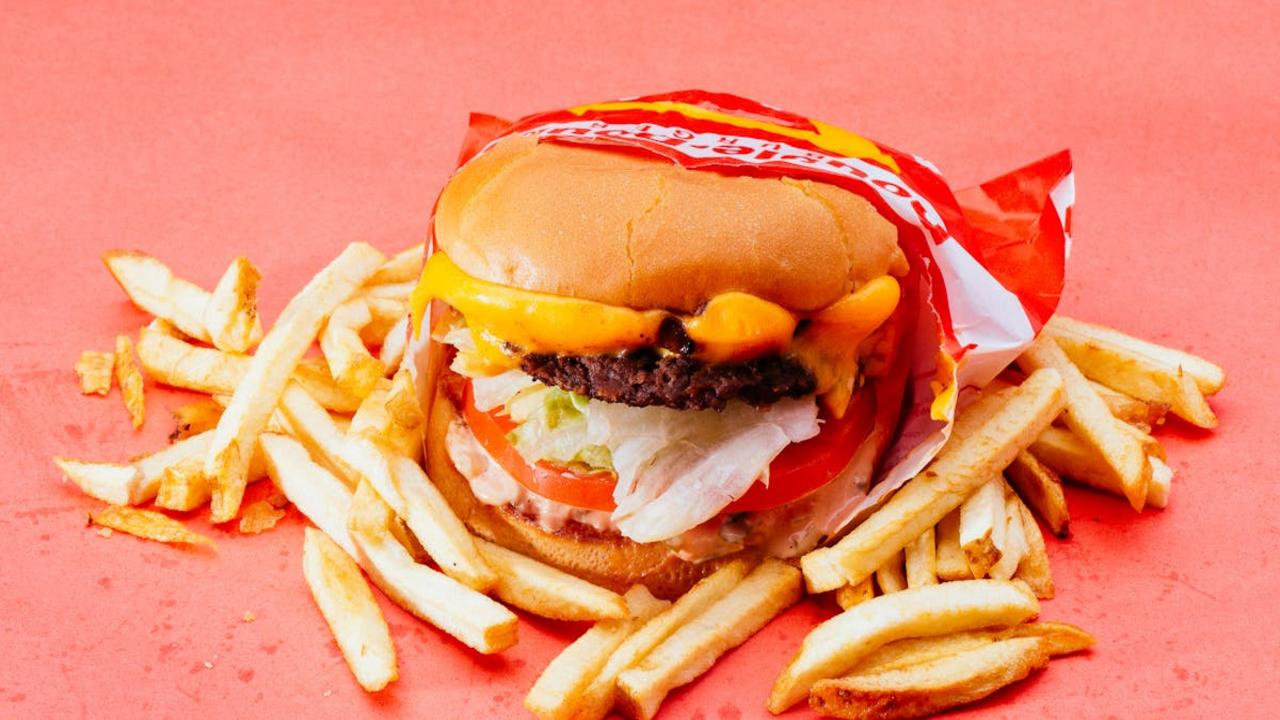
Friend, I see you there on your couch, scrolling through delivery apps while that beautiful kitchen of yours sits untouched. Those convenience fees, delivery charges, and tips can easily add $8-15 to every order – money that could buy you fresh ingredients for three homemade meals! I get it though; after a long day, the thought of driving anywhere feels overwhelming. But here’s what I’ve learned from years of budget-conscious cooking: that extra cost isn’t just hitting your wallet, it’s stealing opportunities to create something truly nourishing at home.
Instead of surrendering to the delivery trap, try this approach I swear by: dedicate Sunday afternoons to batch-cooking simple bases like rice, roasted vegetables, and proteins you can mix and match throughout the week. When takeout cravings hit, you’ll have components ready to transform into something satisfying in under 15 minutes. Or if you absolutely must order out, make the drive for pickup your moment of mindfulness – roll down the windows, play your favorite music, and use that short trip to decompress. Your bank account will thank you, and honestly, the food always tastes better when it hasn’t been sitting in a delivery bag for 20 minutes.
Buying Specialty Drinks and Shakes
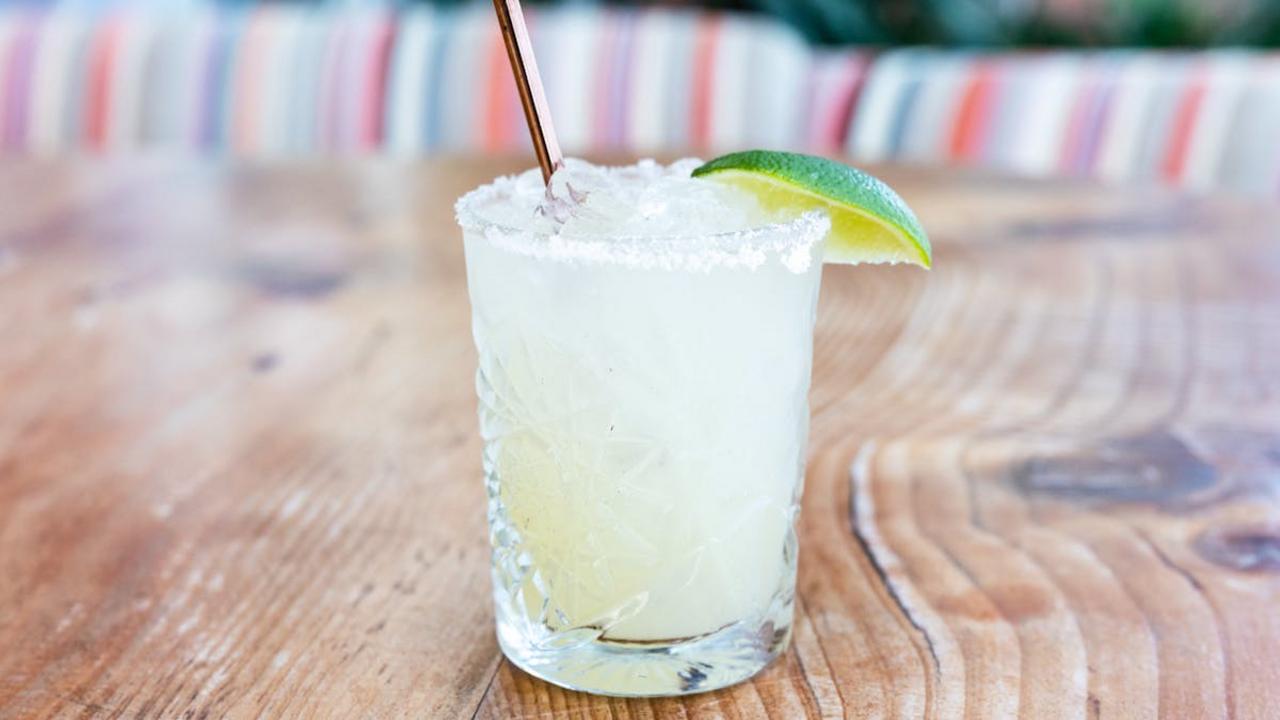
Those Instagram-worthy frappuccinos and protein smoothies look tempting, but they’re sneaky budget killers that add up faster than you think. A $6 specialty drink here and there might seem harmless, but multiply that by your weekly visits and you’re looking at $25-30 weekly just on beverages. I’ve watched friends spend more on their daily coffee shop runs than I spend on fresh ingredients for an entire week of homemade meals. The markup on these drinks is astronomical – you’re paying premium prices for what’s often just sugar, artificial flavors, and a fancy cup.
Instead of reaching for that overpriced shake, try making your own at home with real ingredients that actually nourish your body. I blend frozen mango with coconut milk, a touch of ginger, and fresh lime juice for a tropical smoothie that costs under $2 and tastes infinitely better than anything from a drive-through. For coffee lovers, invest in a good French press or pour-over setup – the upfront cost pays for itself within weeks. You control the quality, sweetness, and can experiment with spices like cardamom or cinnamon. Your wallet and your health will thank you for breaking this expensive habit.
Adding Extra Toppings and Upgrades
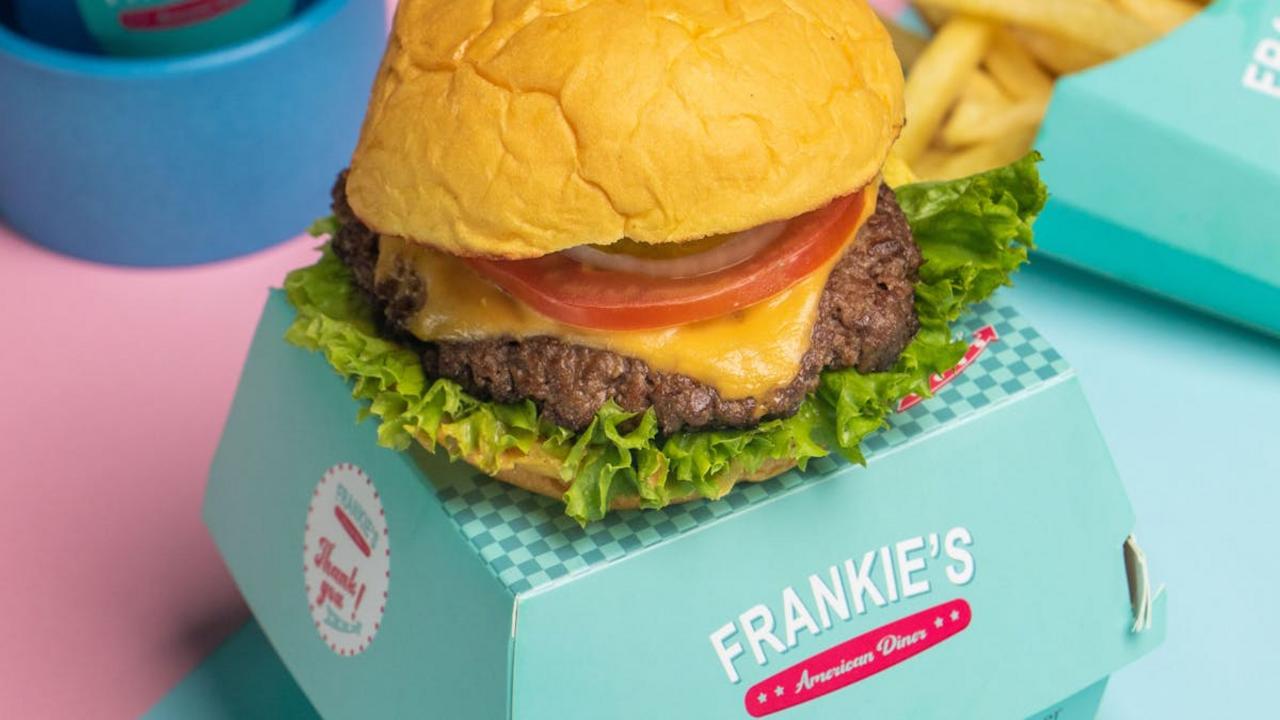
You know that moment when you’re ordering your usual burger and the cashier asks if you want to add bacon, extra cheese, or upgrade to premium fries? Those innocent-sounding additions pack a serious financial punch that most people don’t realize. I’ve watched friends casually say “sure, why not” to a $2 bacon upgrade here and a $1.50 cheese addition there, not realizing they just increased their meal cost by 40%. These small upgrades feel insignificant in the moment, but they’re designed to maximize profit margins for restaurants while quietly inflating your food budget.
Here’s what I’ve learned from years of mindful eating and budget-conscious cooking: those premium toppings you’re paying extra for often cost the restaurant pennies to add. Instead of falling into this trap, I create my own upgraded versions at home using fresh ingredients that actually enhance flavor and nutrition. Try making crispy bacon bits from quality bacon, grating real aged cheddar instead of processed cheese, or roasting your own sweet potato fries with herbs. You’ll spend less money while getting superior taste and nutritional value. When you do eat out, stick to your original order—your wallet will thank you, and you’ll appreciate those special upgrades more when they’re truly worth it.
Ordering Combo Meals Without Checking Prices
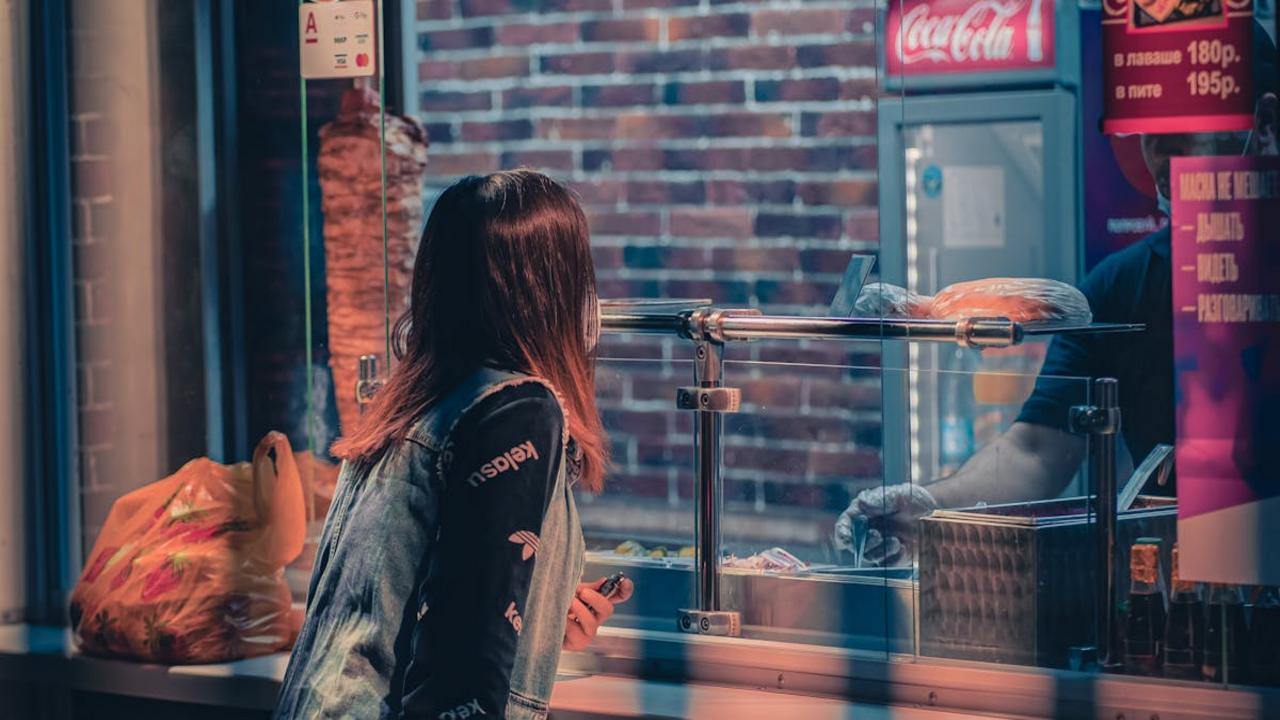
You know that moment when you’re standing at the counter, stomach growling, and you automatically blurt out “I’ll take the number three combo”? I’ve been there countless times, friend. Here’s what I learned from tracking my spending for a month: combo meals aren’t always the money-saving deal we think they are. Sometimes ordering items separately actually costs less, especially if you’re not planning to drink that large soda or eat those fries. I started comparing prices item by item, and you’d be amazed how often the math doesn’t add up in the combo’s favor.
Now I approach fast food ordering like I do my grocery shopping—with intention and awareness. Before I commit to any combo, I quickly calculate what I actually want versus what the bundle includes. If I only want the burger and maybe a small fries, why pay extra for a drink I won’t finish? This simple habit has saved me around $15-20 each month, money I now put toward fresh ingredients for homemade meals that nourish my body properly. The bonus? When you order consciously, you often end up eating less processed food and feeling more satisfied with your choices.
Supersizing Every Meal
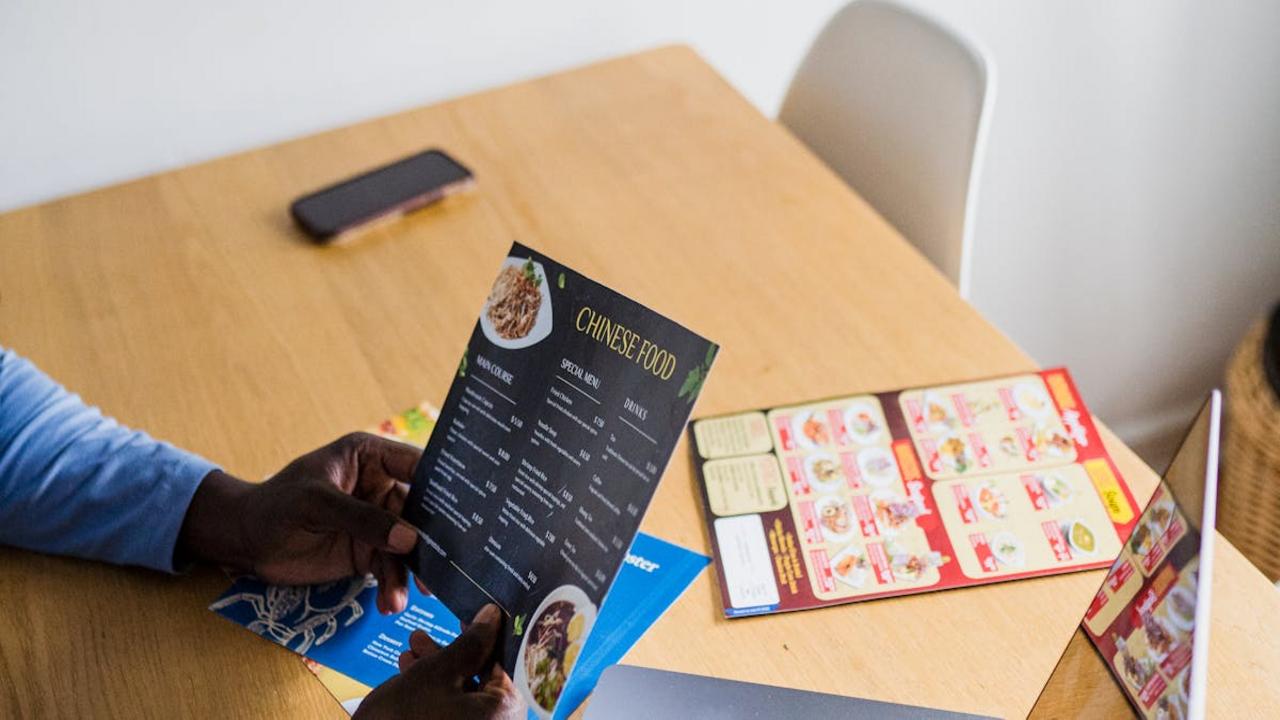
Friend, I see you at that drive-through window, and I know exactly what happens next. The cashier asks if you want to supersize, and without thinking twice, you say yes. Those extra few dollars seem insignificant in the moment, but they add up faster than onions caramelizing in a hot pan. What started as a $6 meal suddenly becomes $9 or $10, and when you’re doing this three times a week, you’re looking at an extra $50-60 monthly just for bigger portions you probably don’t need.
Here’s what I’ve learned from years of cooking for families: our eyes are often bigger than our stomachs, and fast food companies know this. They’ve trained us to believe bigger equals better value, but you’re paying premium prices for cheap fillers—more fries, larger sodas, extra bread. Instead, order the regular size and use that saved money to buy fresh ingredients. For the same cost as one supersized meal, you can grab bell peppers, onions, and spices to make a week’s worth of stir-fries that actually satisfy your body rather than just filling space.