My Husband Groans and Pushes His Food Around His Plate Like a Toddler. After 30 Years, I’m Closing the Kitchen.
For generations, women have been the heart of the home. We are the nurturers, the planners, the ones who turn a house into a sanctuary with the simple magic of a home-cooked meal. It is a role many of us have filled with love and pride for decades.
But what happens when that warmth grows cold, not from a lack of love, but from sheer, soul-crushing exhaustion and the feeling of being utterly taken for granted? One woman’s heartbreaking story shows what can happen when a lifetime of service is met with a weary groan at the dinner table.
The Incident
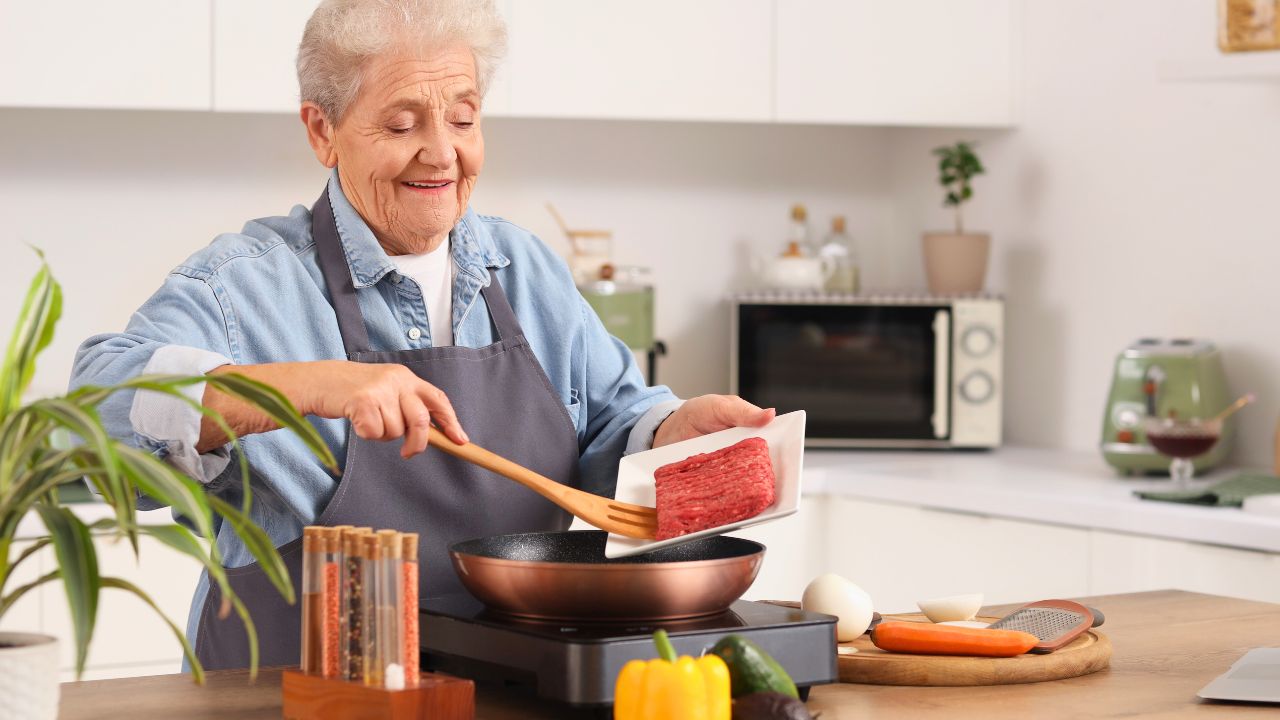
After decades spent planning meals, shopping for groceries, and cooking for a bustling family, one woman, who we’ll call ‘Luckygirl,’ has reached her breaking point. Now that it is just her and her husband in an empty nest, the daily task has become a monumental chore. “Sometimes my mind just goes blank,” she confides, her voice laced with exhaustion, “and I think, ‘What the heck can I feed us today?’”
Her husband, she explains, has a long list of foods he refuses to eat, a list that includes “all vegetables and salad and pasta of any kind.” The simple joy of sharing a meal has been replaced by a painful nightly ritual. She is left with two choices: cook what he wants and deny herself, or cook what she wants and “have to watch him groaning and pushing it around his plate with a pained expression.”
Making matters worse, he hates going out to eat, closing off any chance of a reprieve. A cookery course he took years ago, a supposed promise of a shared burden, never amounted to anything. With her own favorite food, cheese, now off-limits due to migraines, her spirit is broken.

“My enthusiasm for producing meals is rock bottom,” she admits sadly. Her final, whispered question hangs in the air, heavy with the weight of years: “Am I alone in having had enough of this?”
The Community Weighs In
Her cry for help did not go unanswered. Almost immediately, a chorus of women from across the internet rushed to her side, offering tea, sympathy, and a powerful sense of solidarity. They understood her pain intimately, and their responses fell into three distinct camps.
The Sympathetic Supporters
First came the wave of pure validation. These women knew her story because they were living it, too. “No, you are not alone!” one woman wrote emphatically. Another shared her own quiet frustration, admitting she inwardly moans about the same issue and sometimes feels she “might as well put it straight in the dog and avoid the middleman.”
The feeling of being unappreciated was a common thread, with one commenter describing how “soul-destroying” it is “to put food in front of people, day in, day out, and not getting a syllable of appreciation in return.” For Luckygirl, it must have felt like a warm, collective embrace.
The Hard Truths
Then came the friends who tell you what you need to hear, even if it’s difficult. This group was firm, urging Luckygirl to reclaim her life by simply putting down the pots and pans. “Stop,” one woman commanded. “It’s not your job and I can guarantee that he won’t starve.”
Another was even more direct, suggesting the only real alternative is to “go on strike because he’s taking the mickey.” Their message was clear: you have done enough. It is time for him to learn that you are his wife, not his personal chef.
The Tactical Strategists
Finally, a group of savvy women offered practical, clever solutions to solve the problem without a full-blown strike. One brilliant idea was to have him “write a complete list of foods that he will eat,” so she could work from a “positive” list instead of a negative one. Several others suggested batch-cooking and freezing seven of his approved meals, giving him a ready supply while freeing her to cook or eat whatever her own heart desired.
Another popular strategy was to assign him his own night. “Making DH do his own shopping and food prep one night a week,” one woman shared, “has been good for him to learn.”
The Family Verdict
A marriage is a partnership, not a service agreement that lasts a lifetime. The golden years are meant to be a time of shared joy and mutual support, not a period where one partner feels like an unpaid, unappreciated employee. Respect, appreciation, and a willingness to share the load are the essential ingredients that keep a long relationship from growing stale. When those are missing, resentment is sure to be on the menu every single night. No woman should have to face a pained expression across the table after spending her day trying to provide a loving meal.
Your Thoughts
After decades of marriage, is it fair for one person to carry the entire burden of meal planning and cooking? How have you and your partner navigated this challenge in your own home? Share your story with us.