10 Healthy Global Cuisines That Are Big on Flavor and Easy to Love
Who says healthy eating means bland salads? Around the world, countless cultures have created mouthwatering food traditions that happen to be good for you too. From the olive oil-rich dishes of the Mediterranean to the fermented flavors of Korea, these cuisines prove that nutrition and flavor go hand in hand.
I’ve spent years hunting down the healthiest global food traditions that never sacrifice taste. These 10 cuisines rely on fresh ingredients, smart cooking techniques, and centuries of wisdom to create dishes that nourish both body and soul. No deprivation diets here—just real food with real flavor.
Ready to spice up your dinner rotation? Each of these culinary traditions offers a unique approach to healthy eating worth adding to your kitchen repertoire. The best part? Many feature ingredients you can find at your local grocery store, making global nutrition more accessible than ever.
Ethiopian Cuisine
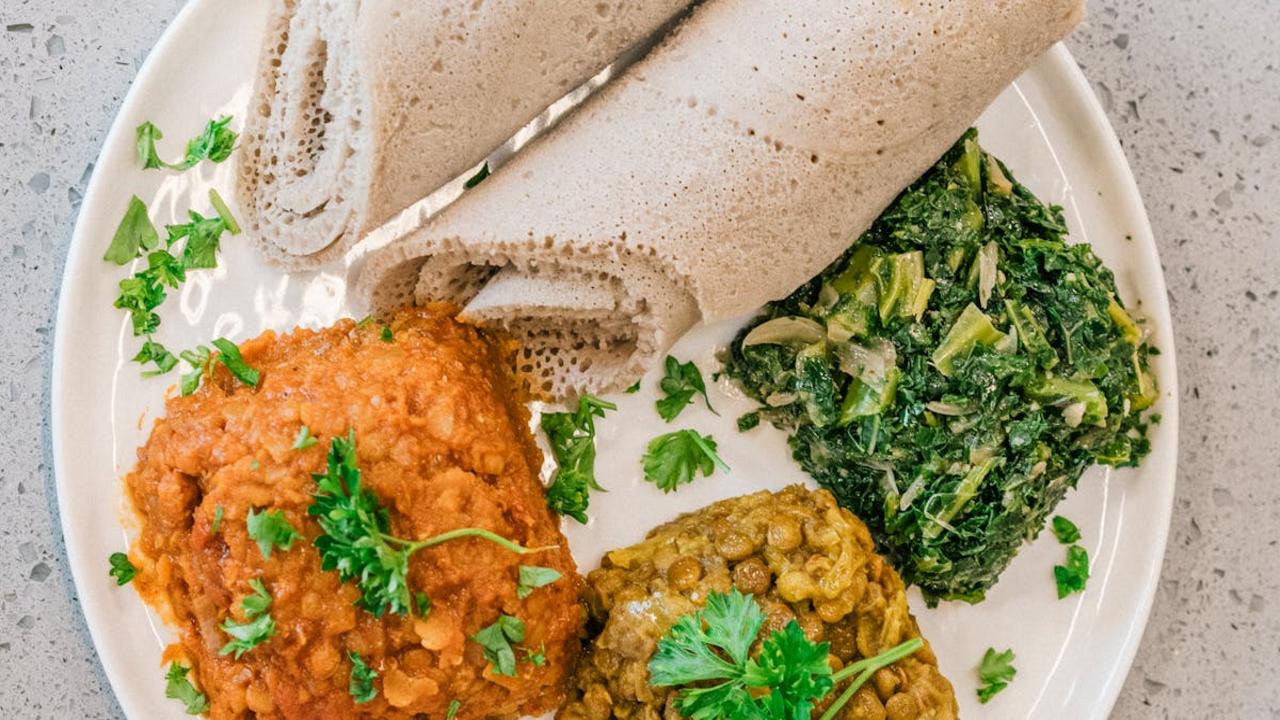
If you haven’t yet scooped up dinner with injera—Ethiopia’s spongy, tangy flatbread—you’re missing out on one of life’s great eating experiences! This bread serves as both your plate and utensil for colorful, aromatic stews called wats. My friend Sophie still laughs about how I showed up to her Ethiopian dinner party with a fork, only to have it gently removed from my hand by her grandmother. “Your fingers work better for this feast,” she whispered with a wink. The complex berbere spice blend gives dishes a warm kick without overwhelming heat, while the tradition of sharing food from a communal platter makes every meal feel like a celebration.
Ethiopian cuisine shines for health-conscious eaters because of its smart balance of protein-packed legumes like lentils and split peas alongside vibrant vegetables. Many dishes follow religious fasting traditions, making Ethiopian food unexpectedly vegan-friendly. The slow-cooked misir wat (spiced red lentils) packs more flavor than dishes requiring three times the ingredients. My vegetarian brother-in-law, who normally eyes my restaurant picks with suspicion, texted me after his first Ethiopian meal: “Why didn’t you tell me sooner that beans could taste THIS good?” That’s the magic of this cuisine—it transforms simple ingredients into something extraordinary through time, technique, and brilliant spice combinations.
Lebanese Cuisine
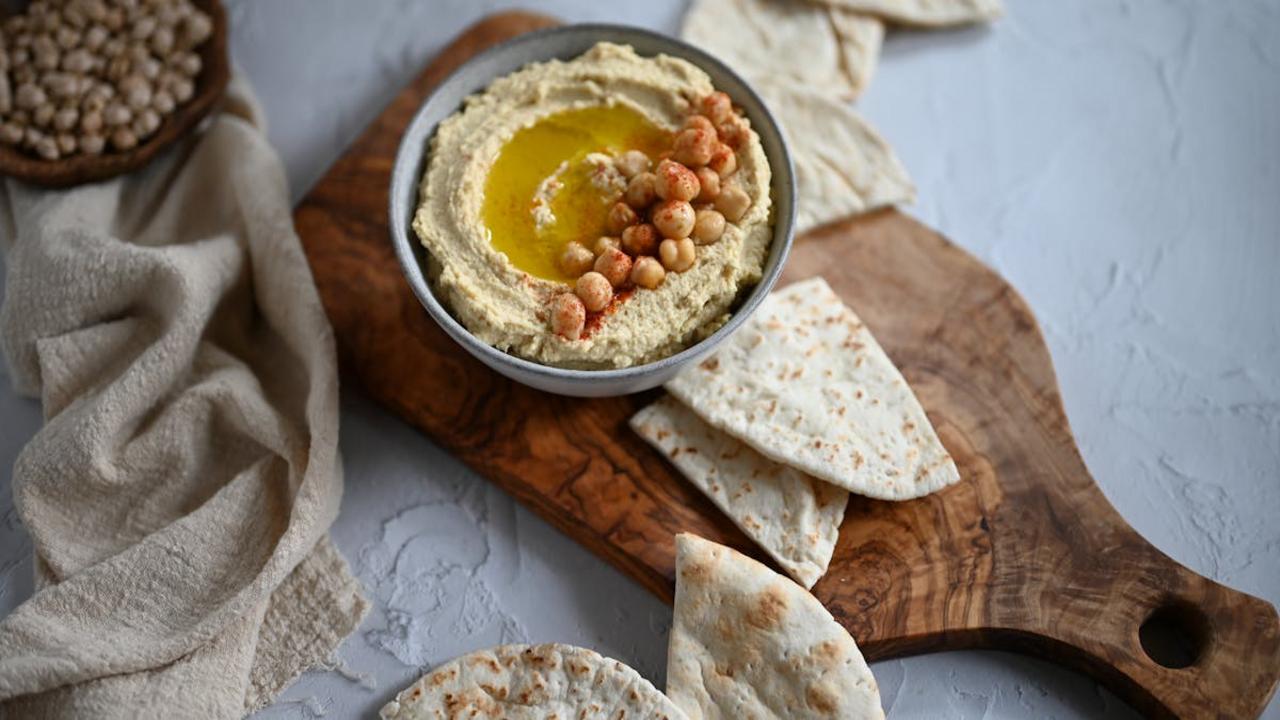
Oh, Lebanese food! I could sing its praises all day long. Picture this: a table overflowing with mezze plates—little bites of heaven like hummus whipped to silky perfection, smoky baba ganoush, and tabbouleh so fresh it practically jumps off the plate. Lebanese cuisine manages that rare feat of being heart-healthy (hello, olive oil and legumes!) while tasting absolutely divine. My friend Sarah once claimed she didn’t like eggplant until I dragged her to a Lebanese spot in Brooklyn—two makdous (oil-cured eggplants stuffed with walnuts) later, and she was texting me for recipes!
What makes Lebanese food truly special is its balance—tangy sumac, bright lemon, and fresh herbs keep everything lively, while satisfying proteins like shawarma and kofta add substance. The Mediterranean diet gets tons of praise from nutritionists, and Lebanese cooking sits right at its flavorful heart. You can make many dishes ahead (they often taste better the next day!), making this cuisine perfect for busy weeknights or impressive dinner parties. Plus, how can you not love a culture that considers sharing multiple dishes the only proper way to eat? Grab some warm pita, scoop up that zaatar-sprinkled labneh, and thank me later!
Spanish Cuisine
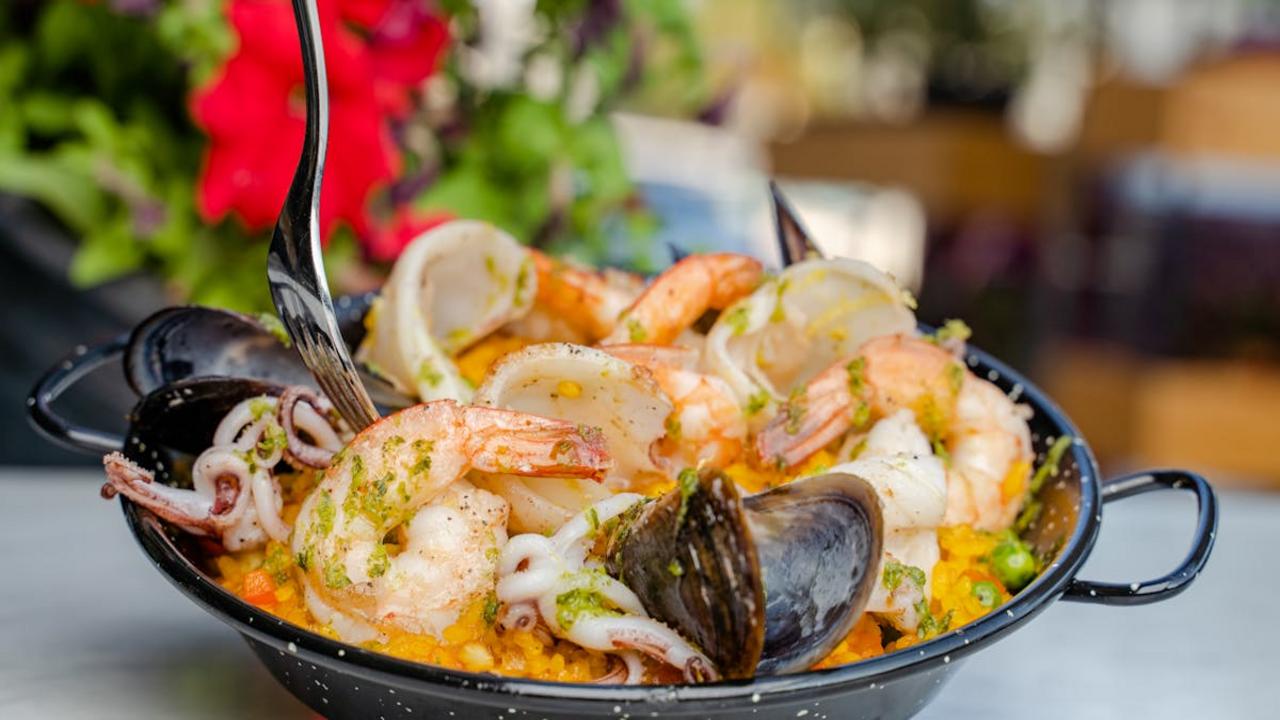
Picture yourself sitting on a sun-drenched terrace in Barcelona, sipping sangria while a colorful paella sizzles nearby. Spanish cuisine hits that perfect sweet spot between healthy and heavenly! The Mediterranean diet shines through with olive oil flowing freely, fresh seafood stealing the spotlight, and veggies playing more than just a supporting role. You’ll find garlic and tomatoes dancing together in gazpacho (that cold soup that’ll change your summer eating forever), while paprika adds its smoky magic to practically everything. The Spanish also gifted us tapas – those small plates that let you sample fifteen different dishes without the guilt!
What makes Spanish food so brilliant is how it transforms simple ingredients into flavor bombs. Take the humble tortilla española – just potatoes, eggs, and onions that somehow become greater than the sum of their parts. Or jamón ibérico – cured ham from black-footed pigs that feast on acorns (fancy pigs make fancy ham, folks!). The Spanish approach to eating is equally healthy: they walk everywhere, eat late but lightly, and treat mealtimes as social celebrations rather than rushed necessities. Your heart will thank you for the omega-3s in that seafood paella, while your taste buds high-five you for the garlicky gambas al ajillo. Spanish food proves healthy eating doesn’t mean boring eating!
Thai Cuisine
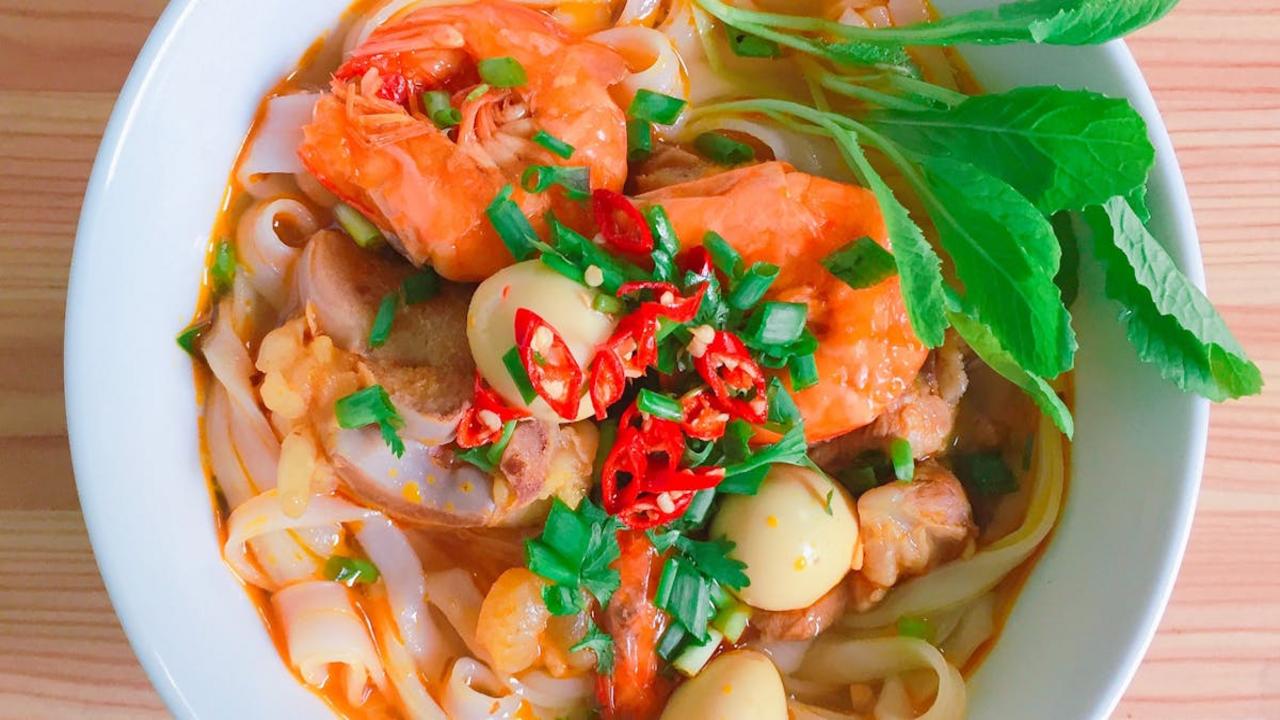
You’ll swoon over Thai cuisine’s perfect balance of sweet, sour, salty, and spicy flavors that somehow manage to coexist in perfect harmony in every dish! I once tried to recreate pad thai at home and set off my smoke alarm three times – turns out woks and tiny apartment kitchens don’t mix. But that’s the beauty of Thai food: it packs so much personality into each bite that even my sad home version still tasted pretty darn good. The liberal use of fresh herbs like lemongrass, galangal, and holy basil creates fragrant dishes that transport you straight to Bangkok’s bustling street markets.
Thai food also offers fantastic health benefits hidden behind its bold flavors. Coconut milk provides good fats, while chili peppers boost metabolism and release endorphins (that’s why you feel so happy after eating spicy Thai curry!). Many dishes incorporate fresh vegetables and lean proteins, making this cuisine surprisingly nutritious. Tom yum soup, with its clear broth and mushrooms, fights inflammation and colds. Green papaya salad delivers a vitamin-packed punch that’s both refreshing and filling. Whether you’re slurping rice noodles or scooping up massaman curry, Thai food proves healthy eating doesn’t mean sacrificing an ounce of flavor.
Nordic Cuisine

You know those Nordic folks are onto something magical with their cuisine—and I’m not just talking about Swedish meatballs! Think bright, clean flavors that wake up your mouth like a polar plunge (but way more pleasant). Nordic food celebrates what’s local and seasonal: wild berries, mushrooms, root vegetables, and loads of fresh fish. The whole “new Nordic” movement puts a spotlight on fermentation, pickling, and smoking—techniques that add massive flavor without piling on calories. Plus, those Scandinavians love their whole grains like rye, barley, and oats that keep you full longer than that endless Swedish winter night.
I tried making gravlax at home once—that’s salt-cured salmon with dill—and my kitchen smelled like a fancy fishmonger for days, but oh my goodness, was it worth it! Nordic cuisine isn’t about drowning food in heavy sauces; it’s about making each ingredient shine. Imagine perfectly seared Arctic char with a sprinkle of sea salt harvested from fjords, or a bowl of warming fish soup that’ll make you want to throw on a cable-knit sweater and hug someone. Their open-faced sandwiches (smørrebrød) let you eat your veggies and proteins without the carb overload of a second bread slice. Smart, right? The Vikings may have been fierce warriors, but their food descendants are health geniuses.
Vietnamese Cuisine
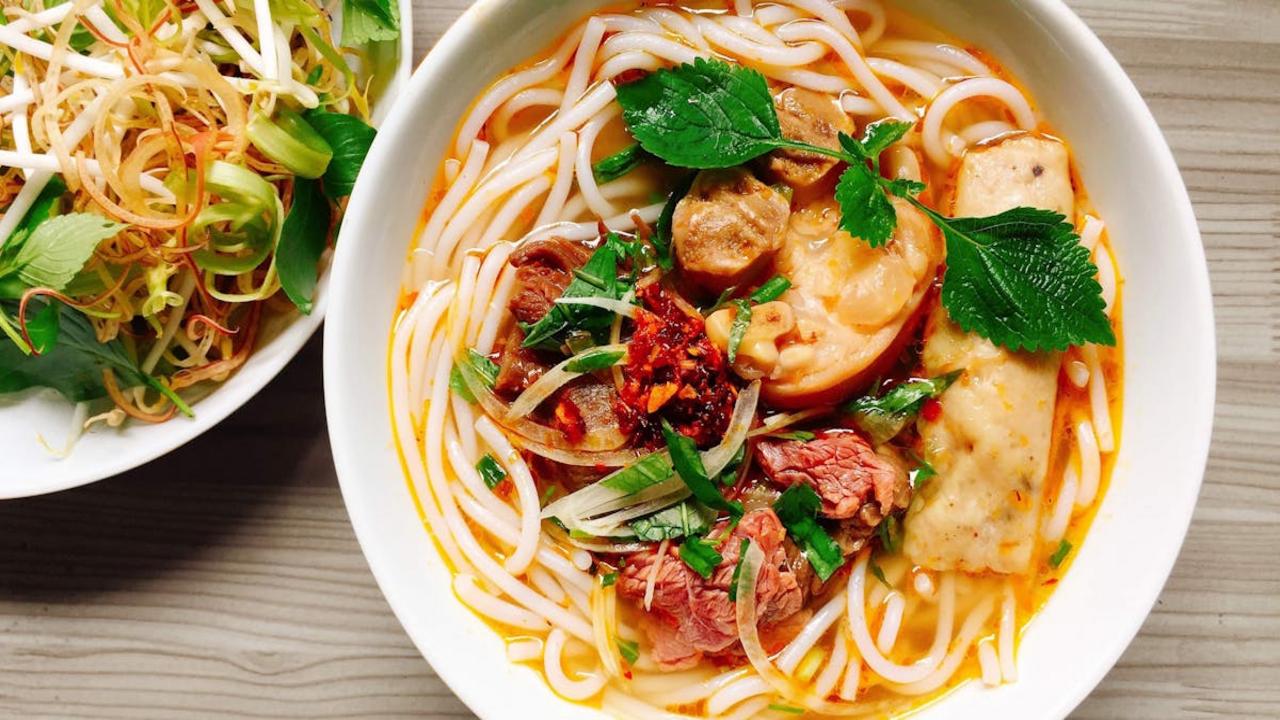
I’ve never met a bowl of Vietnamese pho that didn’t fix my deepest existential woes. This soul-warming soup combines silky rice noodles with thinly sliced beef and a broth that’s simmered for hours with star anise, cinnamon, and other aromatics. You’ll want to load up your bowl with fresh herbs, bean sprouts, lime, and chili – customization is half the fun! Vietnamese food lives by the philosophy of balancing five flavors: sweet, salty, bitter, sour, and spicy, which explains why each bite sends your taste sensors into happy overdrive.
Beyond pho, you’ve got to try banh mi, the sandwich that puts all other sandwiches to shame. Imagine a crusty French baguette (hello, colonial influence!) stuffed with pickled veggies, cilantro, cucumber, and your protein of choice – often pork belly that’s been caramelized to sticky-sweet perfection. The health factor comes from Vietnamese cuisine’s reliance on fresh vegetables, minimal oil, and herbs like mint and basil that pack both flavor and medicinal properties. My friend swears her weekly banh mi habit cleared her skin better than any expensive face cream ever could!
Indian Cuisine
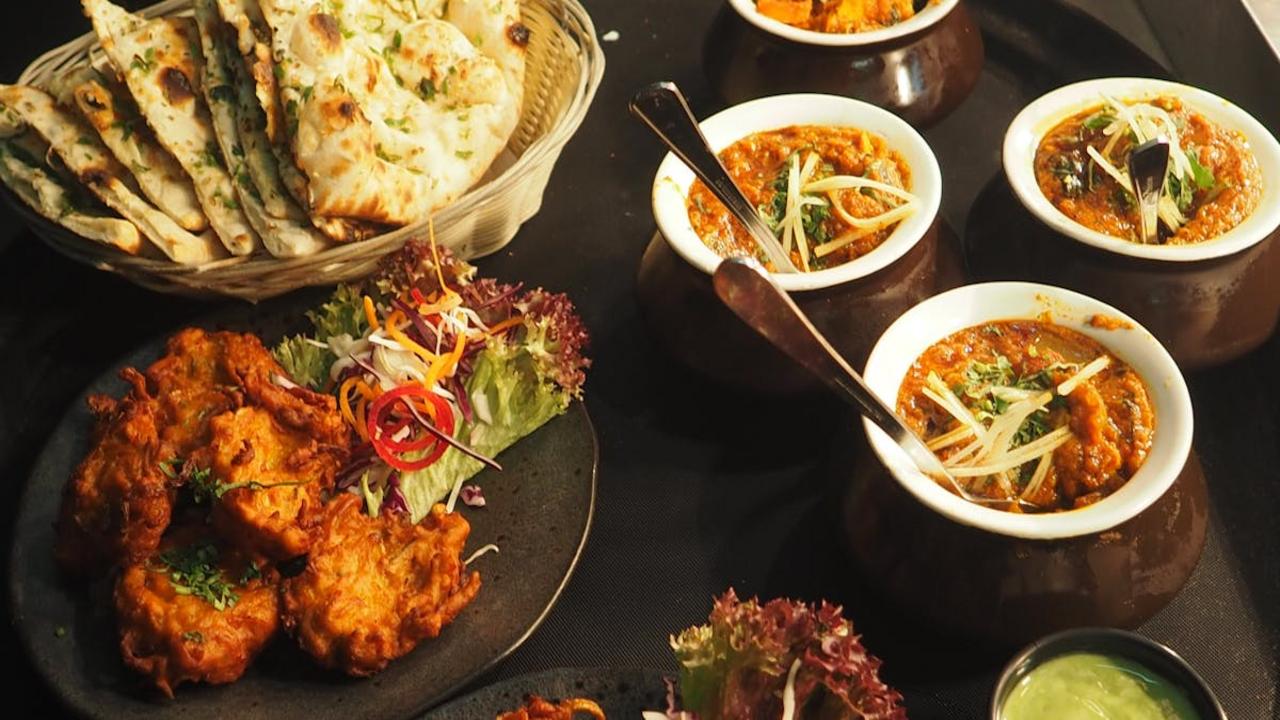
Oh, you haven’t lived until you’ve set your mouth gloriously aflame with the complex spice blends of Indian cuisine! Think beyond the basic curry (though let’s be honest, a good butter chicken might make you weep with joy). Indian food offers a magical balance of health and flavor with its turmeric, cumin, coriander and ginger—spices that don’t just taste divine but pack serious antioxidant punches. The liberal use of vegetables, lentils, and yogurt creates meals that satisfy your hunger while treating your body right. My friend Sara swears her weekly dal habit cleared her skin better than her $200 face cream!
You’ll find incredible regional variety across Indian cooking—from the coconut-infused dishes of Kerala to the tandoori specialties of Punjab. Try making chana masala at home (chickpeas in tomato sauce) for a protein-packed weeknight dinner that costs pennies. My personal obsession? Kitchari, a one-pot wonder of rice and mung beans that’s basically the original comfort food. Indian cuisine proves you don’t need to choose between “delicious” and “healthy”—you can happily dance with both, even if that dance involves occasionally fanning your mouth and reaching for yogurt to cool the spice burn!
Korean Cuisine
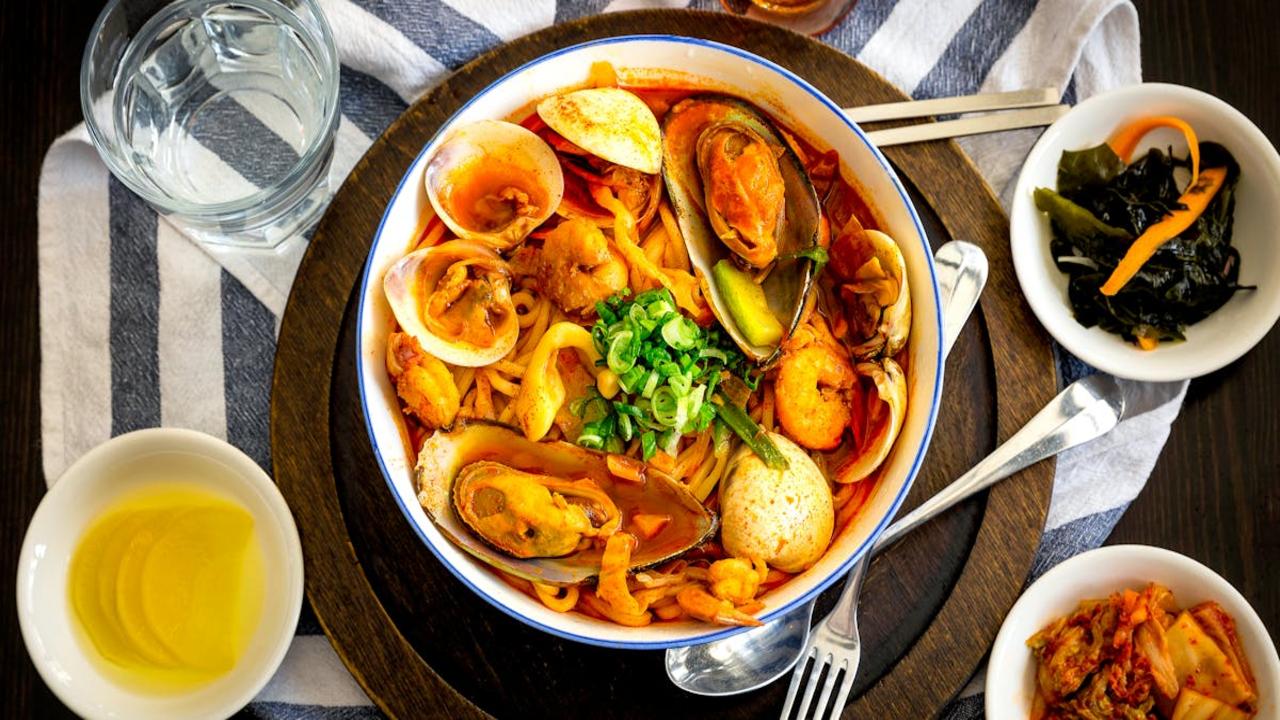
Korean cuisine hits you with a flavor wallop that’ll knock your socks off! I first tried bibimbap (that gorgeous rice bowl topped with veggies, meat, and a fried egg) at a tiny spot in New York and nearly cried from happiness. The beauty of Korean food lies in its balance—fermented kimchi provides gut-healthy probiotics while bringing tangy zip to every bite. Don’t even get me started on bulgogi, those thin slices of marinated beef that caramelize on the grill and make you question why you ever ate anything else.
What makes Korean food so healthy is the banchan system—those small side dishes that accompany meals. You’ll get your proteins and carbs, sure, but they’re balanced by numerous vegetable sides seasoned with garlic, ginger, and chili. The Korean way of eating encourages variety and moderation naturally. My friend Jake, who lived in Seoul for three years, swears his skin cleared up and his energy doubled after switching to a Korean diet. “It’s the perfect combination,” he says, “food that’s good for you but tastes like it shouldn’t be.”
Japanese Cuisine
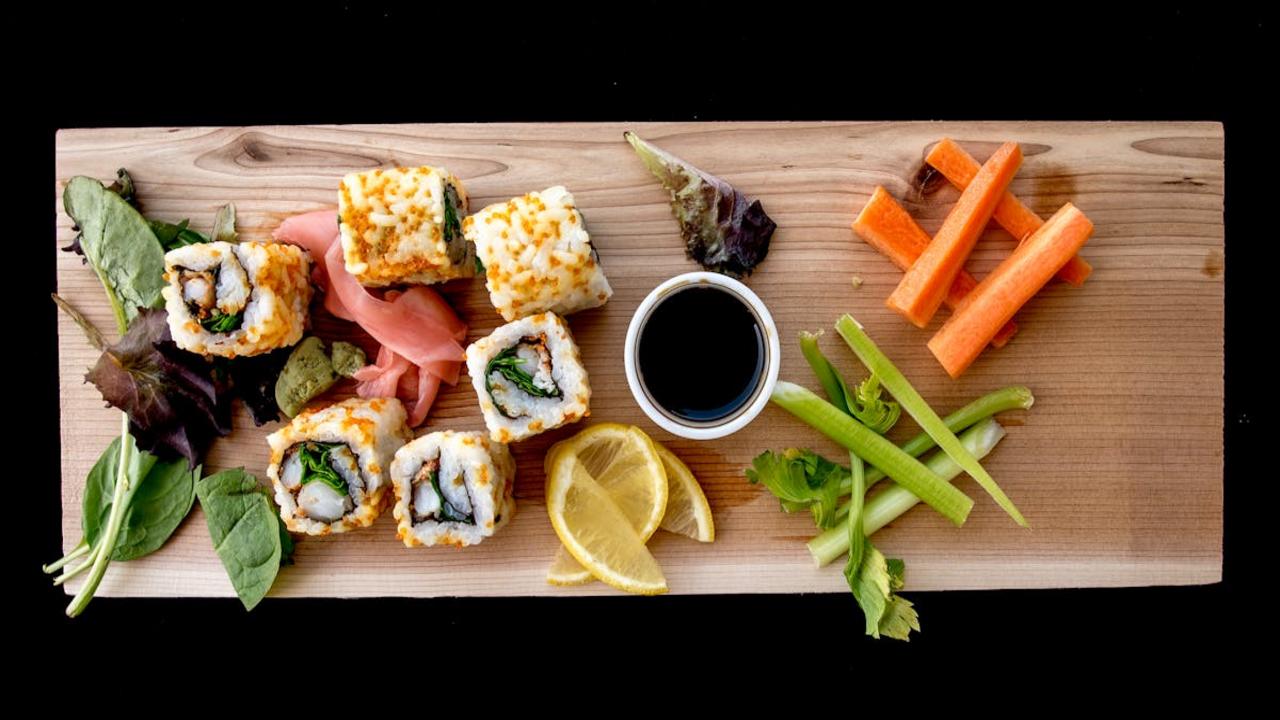
Japanese food isn’t just healthy—it’s a fabulous party in your mouth! The cuisine centers around fresh fish, seasonal vegetables, and small portions that let you savor each bite. You’ll notice how Japanese chefs handle their ingredients with near-reverence, bringing out natural flavors rather than drowning them in heavy sauces. Sushi might grab the spotlight, but don’t miss out on miso soup (a fermented bean paste wonder that supports gut health) or edamame beans that pack a protein punch while you happily pop them from their pods.
My friend Keiko taught me that traditional Japanese cooking follows the “one soup, three sides” philosophy alongside rice, creating balanced meals without excess. What makes this cuisine so approachable? Many dishes require minimal cooking—just pristine ingredients and thoughtful presentation. Try making onigiri (rice balls) at home—stuff them with salmon or pickled plum and wrap with nori. They’re portable, pretty, and perfect for busy days. Japanese food proves you don’t need complicated techniques or hours in the kitchen to create meals that nourish both body and soul!
Mediterranean Cuisine
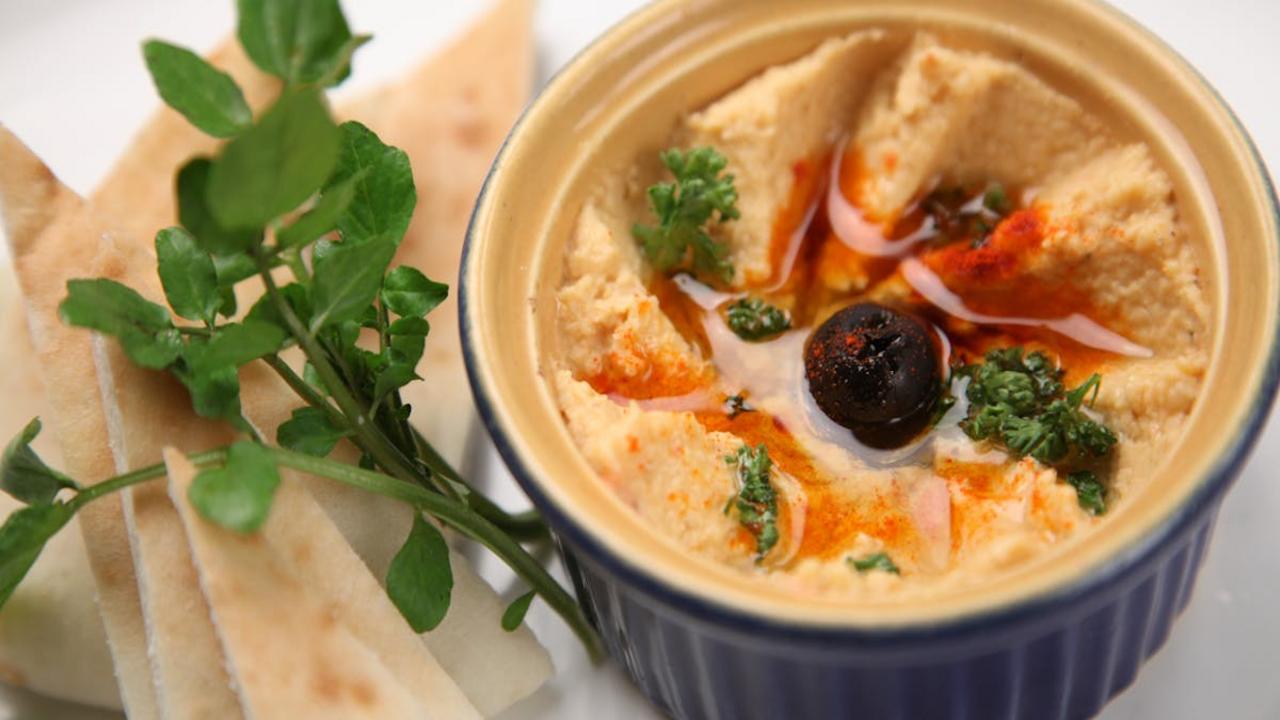
Picture yourself on a sun-drenched terrace overlooking the azure waters of Santorini, digging into a plate of silky hummus drizzled with golden olive oil. Mediterranean cuisine isn’t just healthy—it’s a flavor explosion that’ll make your kitchen the neighborhood hotspot! The genius of this diet lies in its simplicity: fresh vegetables, whole grains, lean proteins, and yes, plenty of that liquid gold (olive oil, folks). I once tried to count how many Greek salads I ate during a two-week vacation in Athens—I lost track after seventeen, and I have zero regrets.
What makes Mediterranean food so brilliant is its adaptability. You can throw together a quick mezze platter for unexpected guests (hello, olives, feta, and quick-pickled vegetables), or spend a Sunday afternoon perfecting your ratatouille. The health benefits are just a bonus—lower rates of heart disease, diabetes, and other conditions linked to inflammation. My go-to weeknight dinner? A simple pan of roasted vegetables with herbs, a sprinkle of pine nuts, and a piece of grilled fish. Quick, colorful, and guaranteed to make your family think you’ve secretly enrolled in culinary school. The Mediterranean lifestyle isn’t just about food—it’s about slowing down and savoring every bite.