15 Indian Dishes You Love That Aren’t Authentic at All
Have you ever ordered your favorite Indian dish at a restaurant, only to discover it doesn’t actually exist in India? I’ve got news for you – many “Indian” foods we adore in America and the UK are actually inventions created to please Western palates. These dishes might taste amazing, but they’re about as authentically Indian as pizza is Chinese!
The truth is that many restaurant staples were born from cultural fusion and immigrant adaptations. Chefs modified traditional recipes by adding cream, reducing spice levels, or creating entirely new combinations that would appeal to local customers. What we think of as “classic Indian food” is often a delicious reimagining rather than something you’d find on dinner tables across India.
Ready for a food reality check? From the famous Chicken Tikka Masala (created in Glasgow!) to the “Madras Curry” (named after a city but not a real Indian dish), your takeout menu is full of wonderful imposters. Let’s uncover the surprising origins of these beloved dishes and see how they compare to authentic Indian cuisine.
Biryani
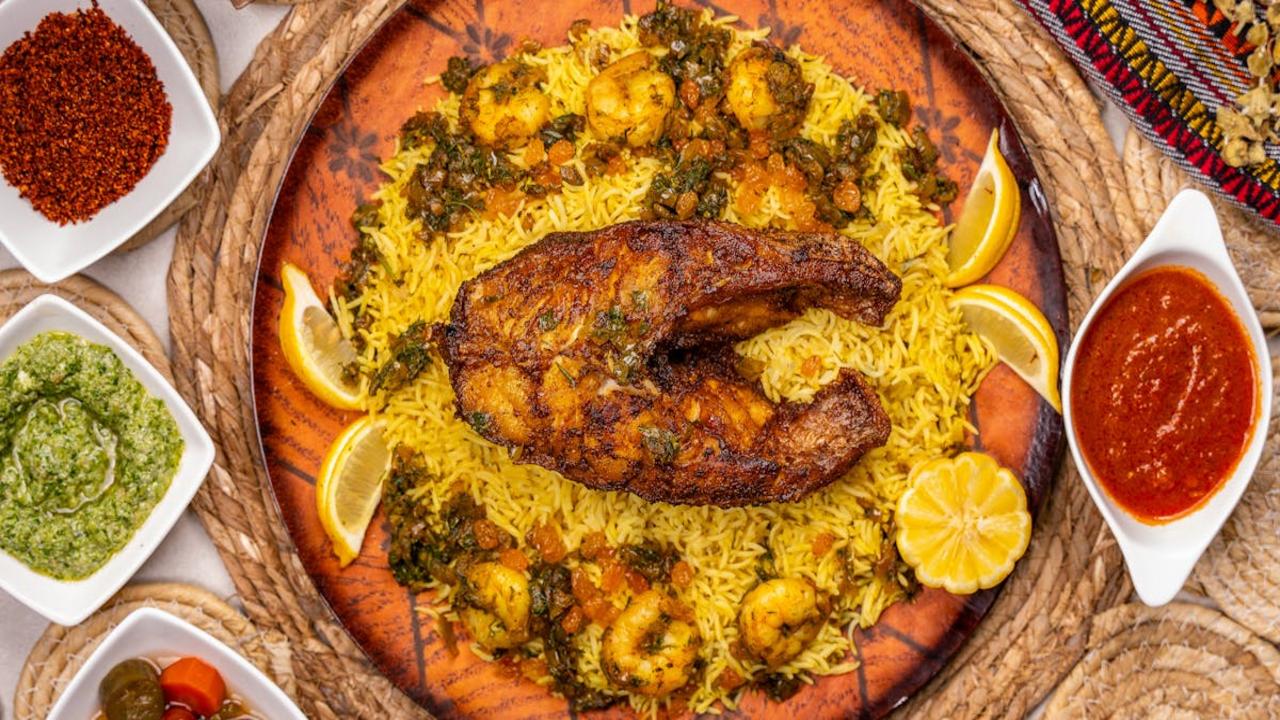
You know that fragrant, colorful rice dish loaded with tender meat and aromatic spices that you order every Friday night? Well, here’s something that might surprise you – the biryani you’re enjoying at your local Indian restaurant probably bears little resemblance to traditional versions. Most restaurant biryanis skip the painstaking layering process that defines authentic biryani, where partially cooked rice and marinated meat are arranged in precise layers and slow-cooked together in a sealed pot. Instead, many places simply mix pre-cooked rice with curry and call it biryani, missing the signature technique that creates those distinct layers of flavor and the coveted bottom crust called tahdig.
The real deal takes hours to perfect and requires specific techniques like dum cooking, where the pot gets sealed with dough and cooked on low heat. Traditional biryani also uses basmati rice that’s been soaked and parboiled with whole spices, creating that beautiful yellow-orange color naturally through saffron and turmeric. What you often get instead is regular rice tossed with food coloring and pre-made masala. Don’t get me wrong – that restaurant version still tastes amazing and satisfies those comfort food cravings! But if you want to experience true biryani magic, try making it at home using the traditional layering method. The patience pays off with incredibly complex flavors that develop during that slow, sealed cooking process.
Mulligatawny Soup
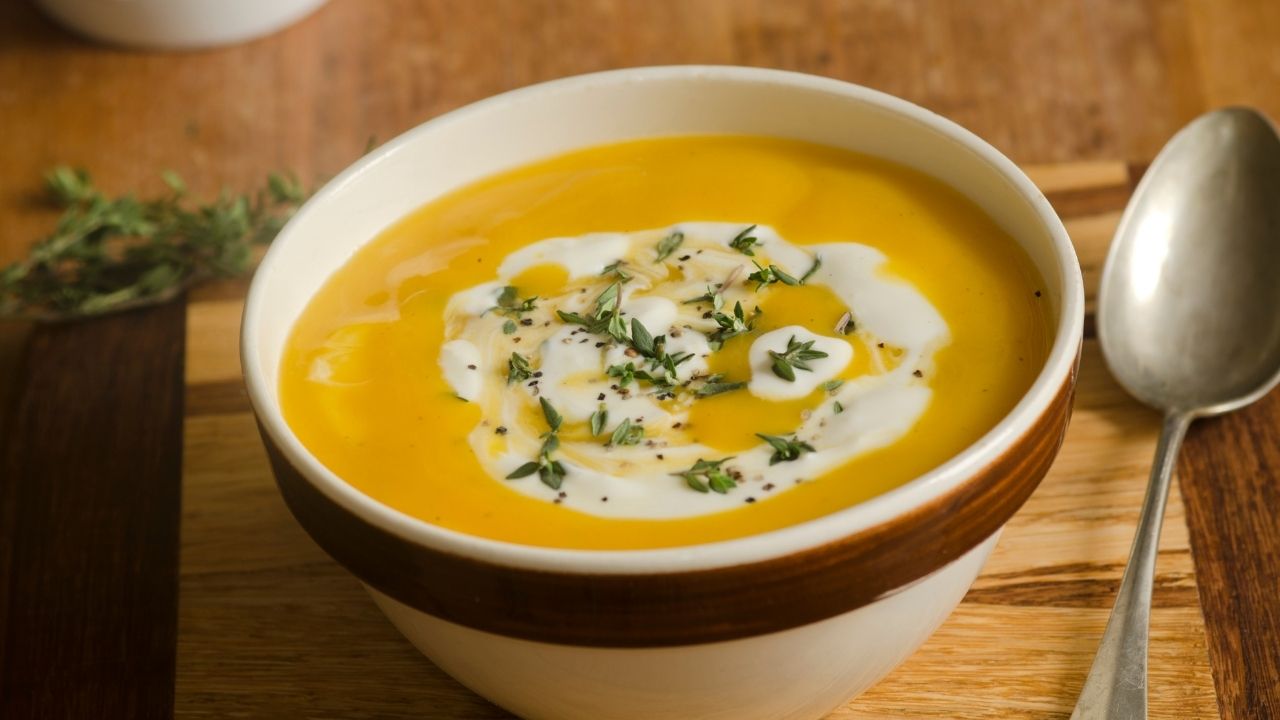
You know that creamy, curry-spiced soup you order at your favorite Indian restaurant? Well, I hate to break it to you, but Mulligatawny soup is about as authentically Indian as fish and chips! This beloved “Indian” dish actually has its roots firmly planted in British colonial history. During the British Raj, homesick colonials craved familiar comfort foods but wanted to incorporate local flavors. They created this hybrid soup by taking traditional British soup-making techniques and adding Indian spices like curry powder, turmeric, and garam masala.
The name itself gives away its mixed heritage – “Mulligatawny” comes from the Tamil words “milagu” (pepper) and “tanni” (water), literally meaning “pepper water.” But here’s the thing: authentic Tamil pepper water is nothing like the thick, coconut-milk-laden version you’ll find in most restaurants today. Real South Indian rasam is a thin, tangy broth that’s light and refreshing. The Western version transformed it into something completely different – often loaded with cream, apple chunks, and sometimes even rice. While it’s absolutely delicious and has become a comfort food classic, calling it authentically Indian would make any traditional Tamil cook chuckle!
Tandoori Chicken
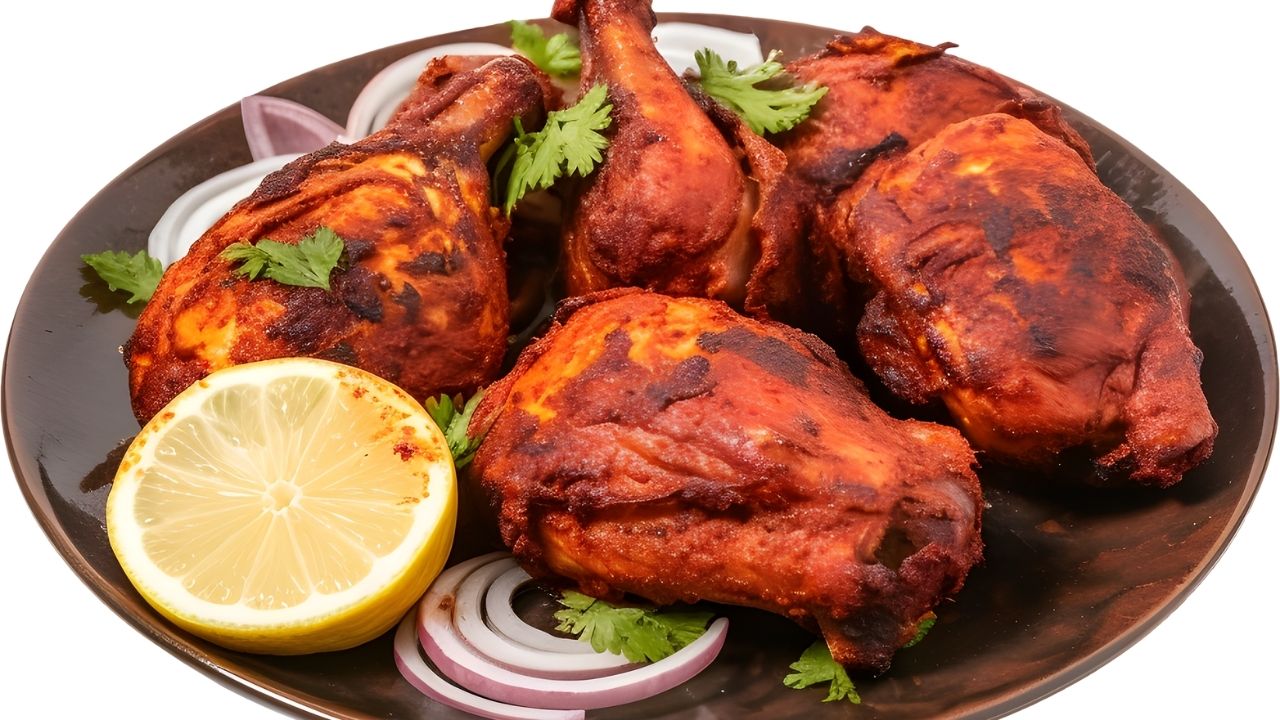
You know that gorgeous, fire-engine-red tandoori chicken you see at Indian restaurants? Well, here’s something that might surprise you – that blazing color isn’t traditional at all! Authentic tandoori chicken gets its beautiful hue from the marinade of yogurt, spices, and the high heat of a clay tandoor oven. The shocking red color you’re familiar with comes from artificial food coloring that restaurants started adding to make the dish more visually appealing to Western diners. Traditional tandoori chicken actually has a lovely golden-brown color with slightly charred edges from the intense oven heat.
Don’t get me wrong – the version you love is still absolutely delicious! The marinade typically includes yogurt, ginger, garlic, garam masala, and other wonderful spices that create those incredible flavors. But if you want to make authentic tandoori chicken at home, skip the red food coloring and focus on building those complex, smoky flavors instead. You can achieve amazing results using your regular oven at high heat, and trust me, the natural golden color looks just as appetizing. The real magic happens in that yogurt marinade – it tenderizes the chicken while infusing it with all those aromatic spices that make this dish so incredibly satisfying.
Korma
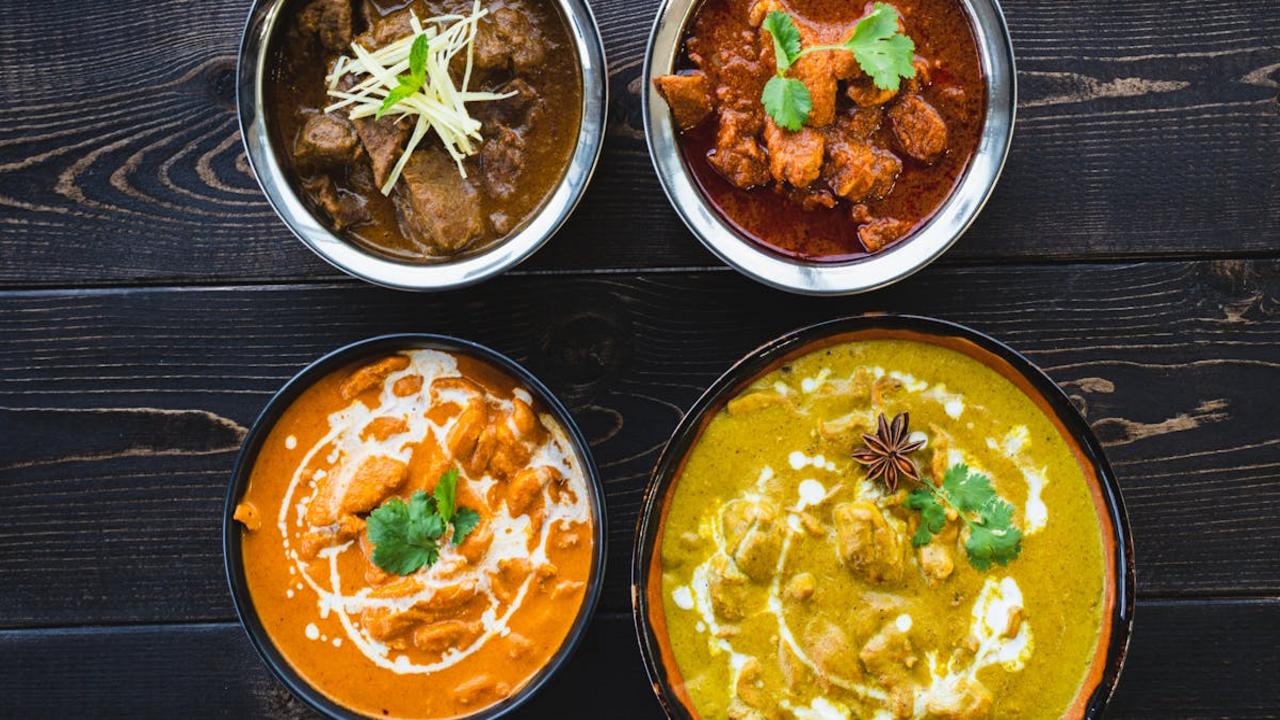
That creamy, mild korma you order from your favorite Indian restaurant? I hate to break it to you, but it’s probably nothing like what you’d find in India! Traditional korma was actually a Mughal court dish that featured meat braised in yogurt, stock, and aromatic spices – no heavy cream or cashew paste in sight. The authentic version relies on slow-cooking techniques that break down tough cuts of meat while infusing them with complex spice blends like cardamom, cinnamon, and bay leaves.
The Western version transforms this sophisticated dish into something completely different. Restaurant kormas often swim in thick, sweet cream sauces loaded with cashews, almonds, and sometimes even coconut milk to create that familiar pale orange color. While I’m not knocking the comfort food appeal – trust me, I’ve demolished my fair share of creamy korma with naan bread – the original recipe celebrates the natural flavors of quality meat and yogurt-based marinades. If you want to try making authentic korma at home, skip the heavy cream and focus on good-quality yogurt, aromatic whole spices, and patience for proper braising.
Jalfrezi
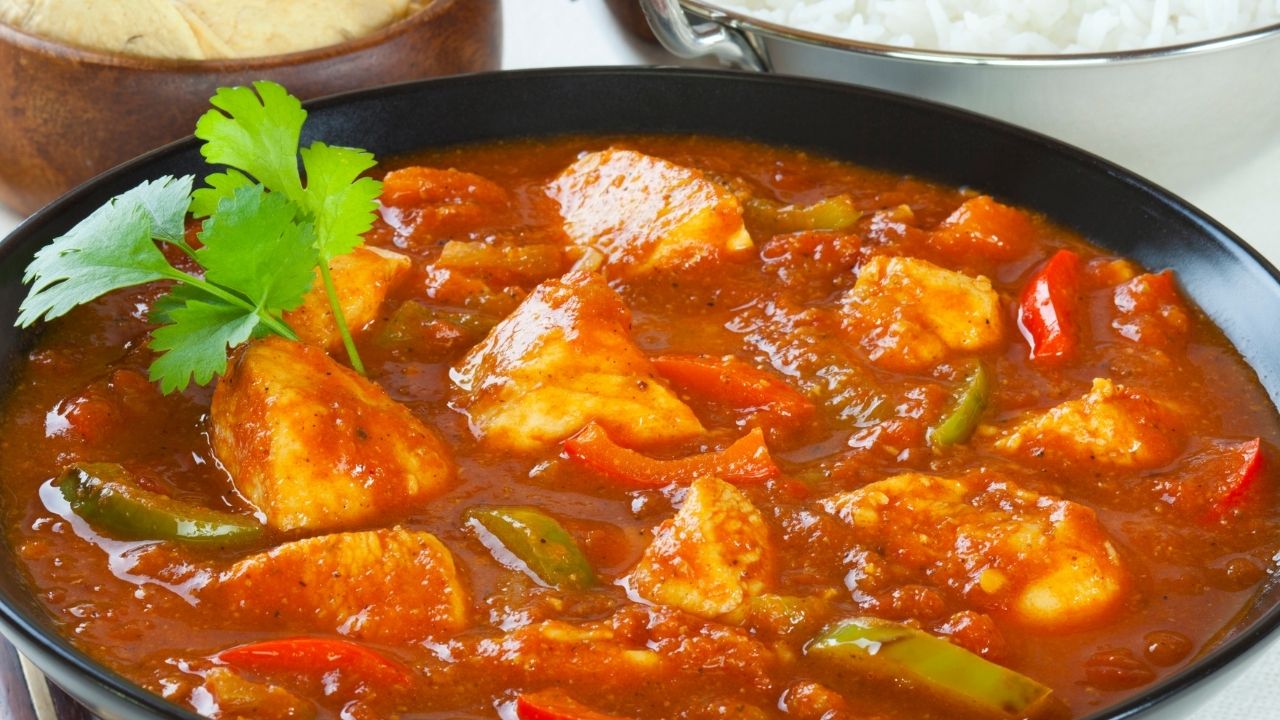
You know that sizzling, colorful jalfrezi that arrives at your table with bell peppers, onions, and tender meat or paneer? Well, here’s something that might surprise you – this beloved dish actually has British colonial roots! Jalfrezi started as a clever way for British households in India to use up leftover roasted meat. The name comes from the Bengali words “jhal” (spicy) and “frezi” (suitable for frying), but the technique was born from British practicality meeting Indian spices.
What makes this even more interesting is how jalfrezi evolved into something completely different from its original form. Traditional Indian cooking rarely involved the high-heat stir-frying method that defines modern jalfrezi. Instead, Indian cooks typically used slower, more deliberate cooking techniques. Today’s restaurant-style jalfrezi, with its vibrant mix of vegetables and that characteristic slightly charred flavor, represents a beautiful fusion that happened over time. The dish you’re enjoying combines the best of both worlds – British efficiency with Indian flavor profiles, creating something that feels authentically Indian but tells a much more complex story of cultural exchange.
Butter Chicken
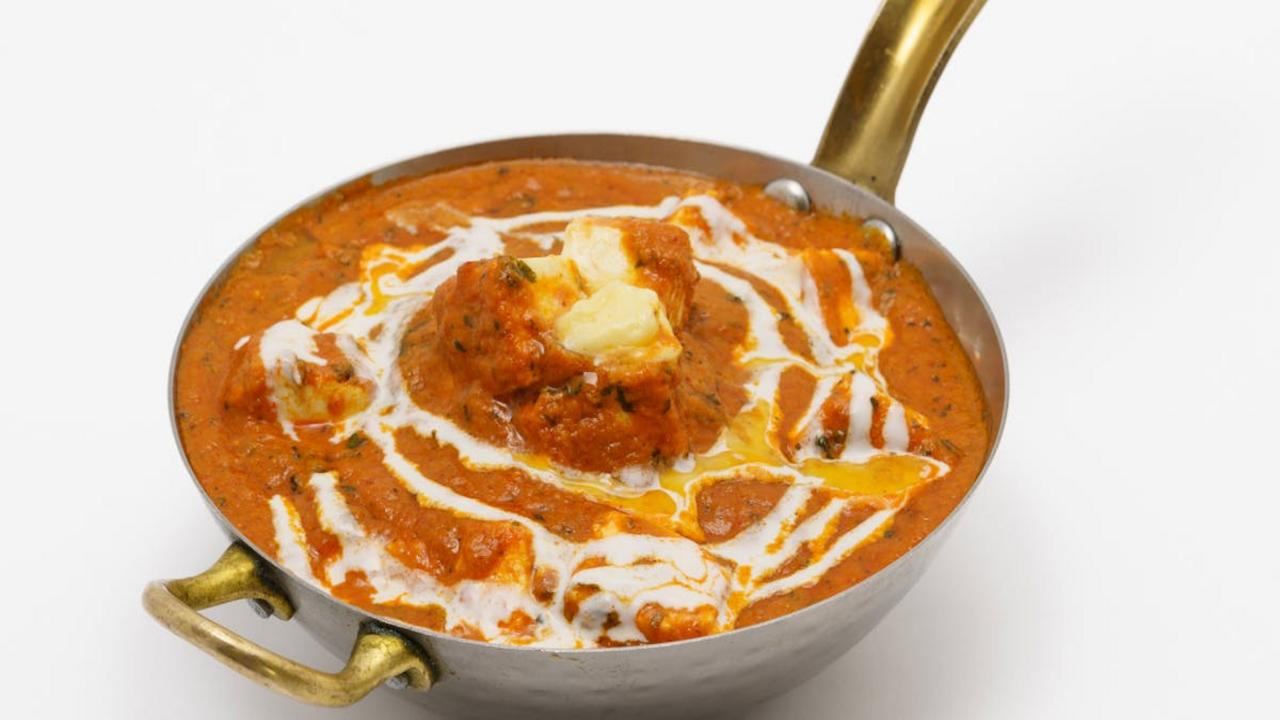
You know that creamy, tomato-rich butter chicken you order from your favorite Indian restaurant? Here’s something that might surprise you – this beloved dish actually has pretty modern roots! Created in the 1950s by chef Kundan Lal Gujral at Moti Mahal restaurant in Delhi, butter chicken was born from innovation rather than ancient tradition. Gujral accidentally created this now-famous dish when he mixed leftover tandoori chicken with tomatoes, butter, and cream to prevent waste. What started as kitchen creativity became a global sensation that many people assume represents centuries-old Indian cooking.
The authentic version differs quite a bit from what most Western restaurants serve today. Traditional butter chicken uses a more balanced spice profile and less sugar, while restaurant versions often load up on cream and sweetness to appeal to different palates. The original recipe focused on the smoky flavors from the tandoori chicken combined with a lighter, more nuanced sauce. If you want to make a more authentic version at home, try reducing the cream content and adding a touch of fenugreek leaves for that distinctive flavor that makes the real deal so special. Your homemade version will connect you closer to the true spirit of this relatively recent Indian classic.
Bhuna
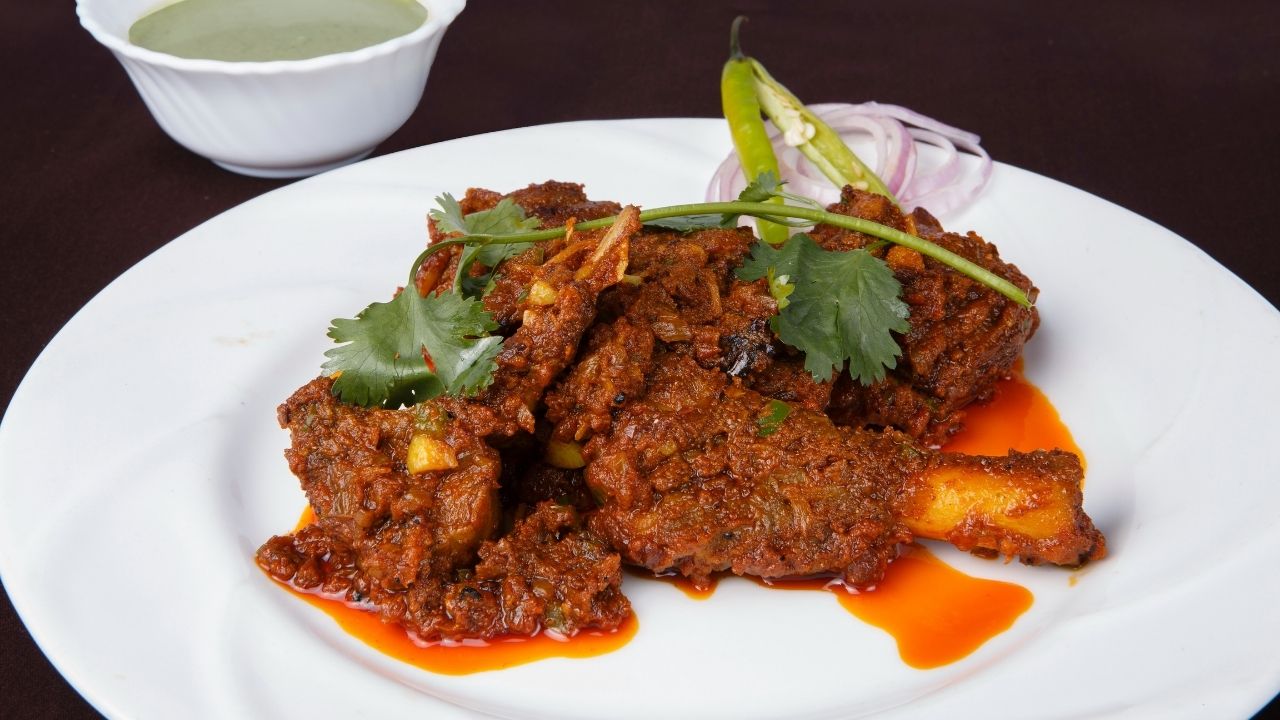
You know that rich, thick curry you order at your favorite Indian restaurant called bhuna? Here’s something that might surprise you – the version you’re enjoying probably bears little resemblance to what bhuna actually means in traditional Indian cooking. In authentic Indian kitchens, bhuna refers to a cooking technique rather than a specific dish. It’s the process of slow-cooking spices and ingredients until the moisture evaporates and the flavors concentrate beautifully. Think of it as the Indian equivalent of sautéing, where you cook ingredients over medium heat until they release their oils and develop deep, complex flavors.
What most Western Indian restaurants serve as “chicken bhuna” or “lamb bhuna” is typically a British-Indian creation – a thick, tomato-heavy curry that’s been adapted for local palates. The real bhuna technique involves patiently stirring and cooking your masala base until it darkens and the oil separates, creating an incredibly flavorful foundation for your dish. If you want to try authentic bhuna cooking at home, start by slowly cooking your onions, ginger, and garlic until they turn golden, then add your spices and cook them until fragrant. This technique will transform your home cooking and give you those restaurant-quality depths of flavor you’ve been craving!
Madras Curry
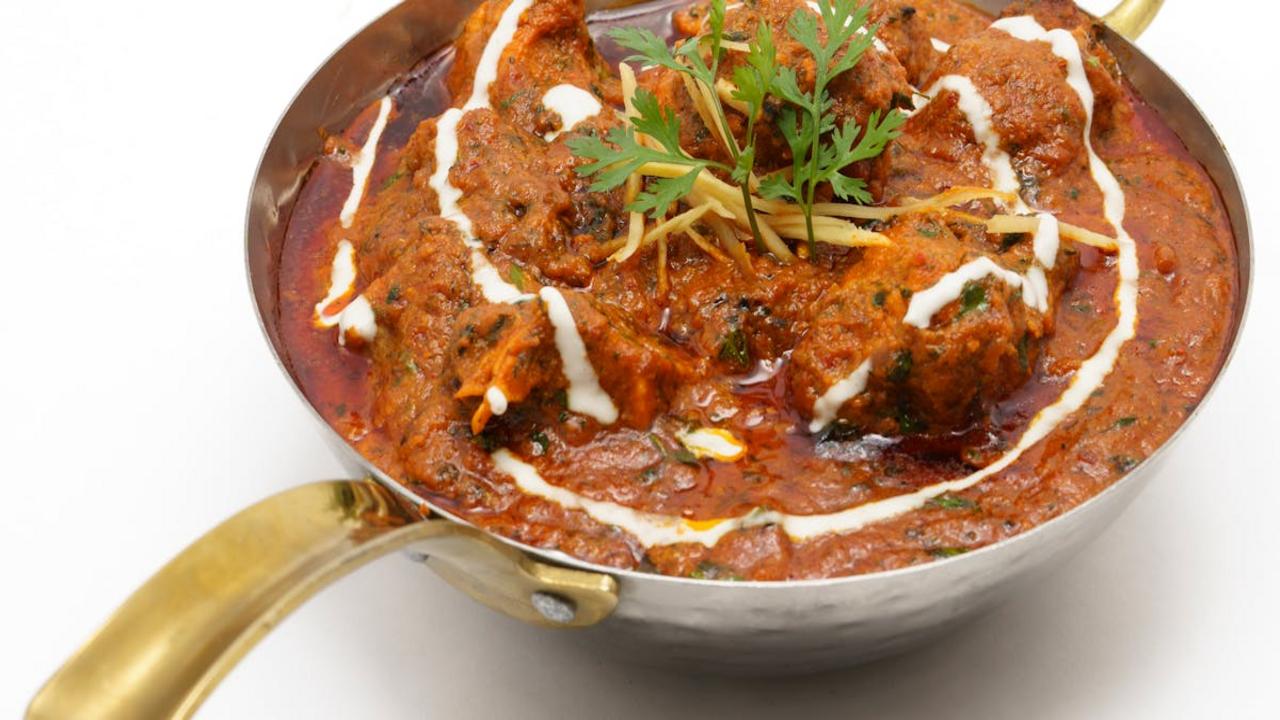
You know that fiery red curry you order at your favorite Indian restaurant when you want something with serious heat? Well, here’s the thing – “Madras curry” as we know it doesn’t actually exist in Chennai (formerly Madras), India! This British invention emerged during colonial times when homesick officers tried to recreate the bold flavors they remembered from their time in South India. What they created was a tomato-heavy, intensely spiced dish that’s more about delivering a punch of heat than representing authentic South Indian cooking.
Real South Indian food from the Chennai region focuses on coconut-based gravies, tangy tamarind, and aromatic curry leaves – quite different from the bright red, chili-powder-dominated version you’ll find on most Western Indian menus. The authentic dishes from this region include sambar, rasam, and coconut-based vegetable curries that showcase subtle spice blends rather than overwhelming heat. So while that “Madras curry” might satisfy your craving for something spicy, remember you’re enjoying a British interpretation rather than a true taste of Tamil Nadu. Next time you’re cooking at home, try making a coconut-based South Indian curry with fresh curry leaves for a more authentic experience!
Saag Paneer
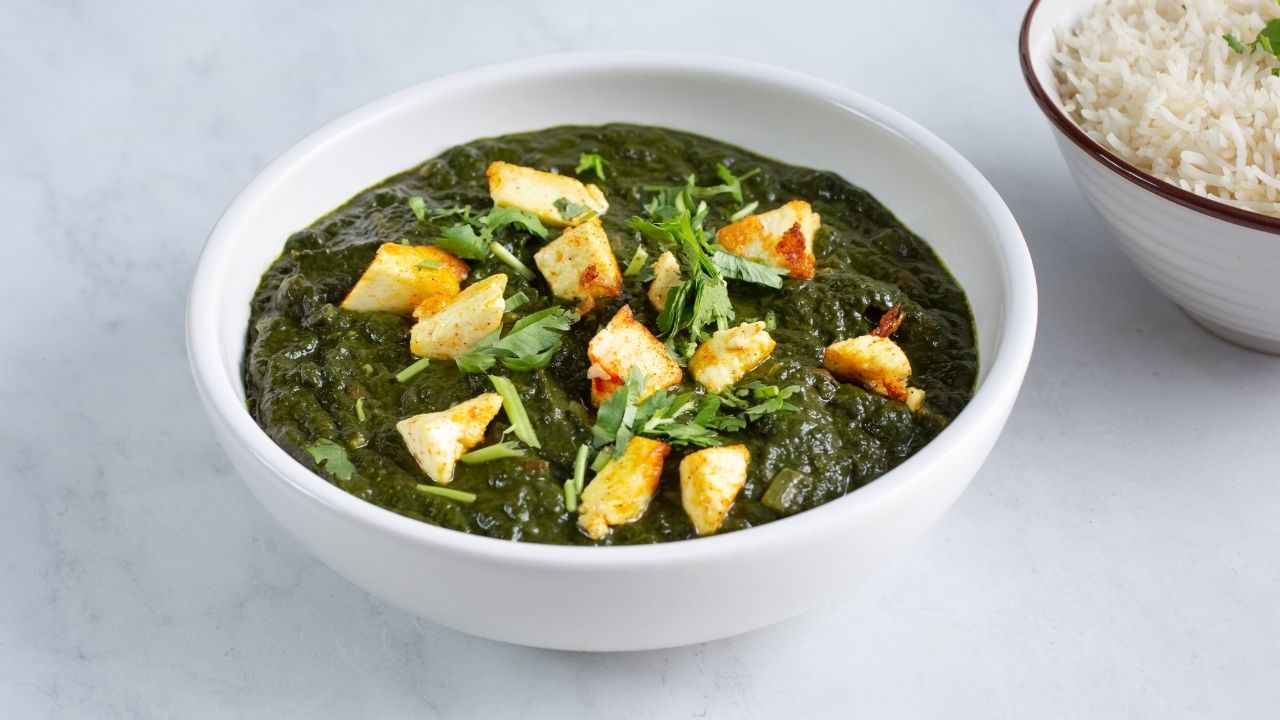
You know that creamy, spinach-based dish with chunks of soft cheese that you order every time you visit your favorite Indian restaurant? Well, here’s something that might surprise you – traditional saag paneer looks quite different from what most of us know and love. The restaurant version you’re familiar with is often loaded with heavy cream, making it rich and indulgent, while authentic saag paneer from Punjab keeps things much simpler. The real deal focuses on fresh greens (not just spinach!), minimal dairy, and a more rustic texture that celebrates the natural flavors of the vegetables.
Traditional saag paneer combines mustard greens, spinach, and other leafy vegetables, creating a more complex flavor profile than the spinach-heavy versions served in many restaurants. The authentic preparation doesn’t rely on cream to create that luscious texture – instead, it gets its body from the natural starches in the greens and just a touch of butter or ghee. The paneer pieces are also typically smaller and more integrated into the dish rather than being large, prominent cubes floating in a sea of green. Don’t get me wrong – both versions are absolutely delicious, but understanding the difference helps you appreciate the beautiful simplicity of the original recipe and maybe even inspires you to try making a lighter version at home!
Rogan Josh
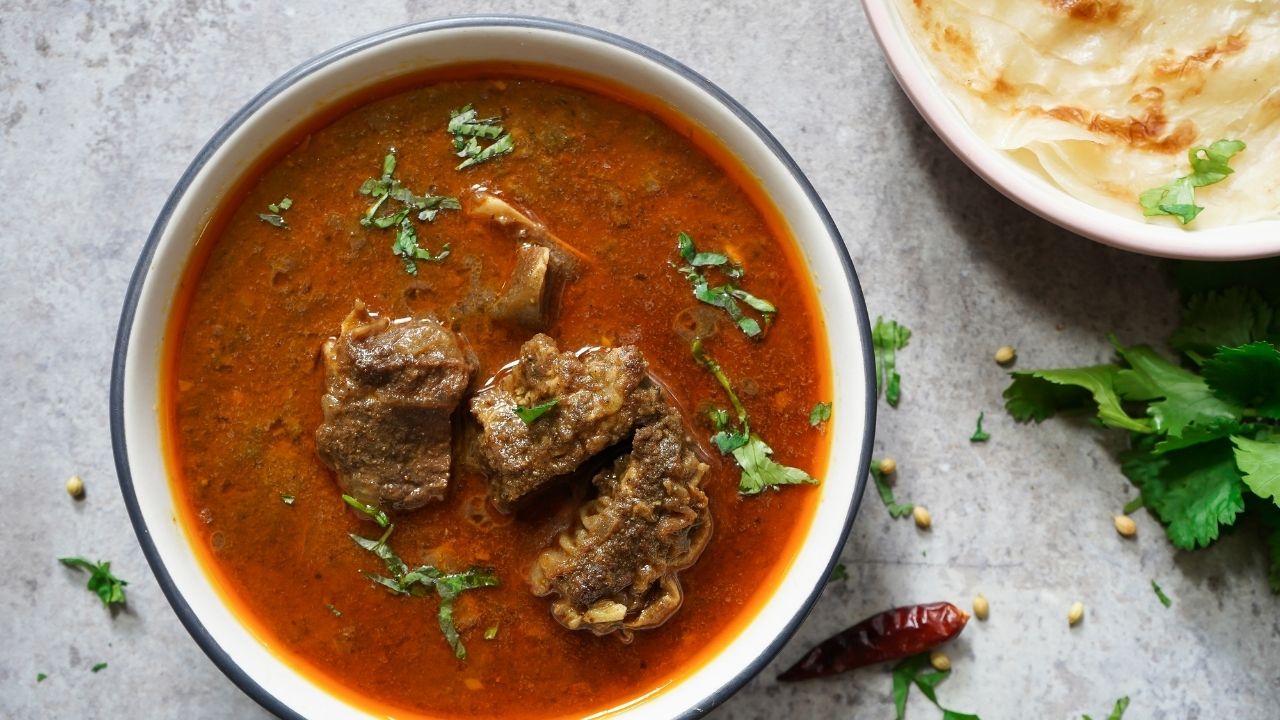
That rich, tomato-red curry you order at your favorite Indian restaurant? Here’s a little secret that might surprise you – authentic Rogan Josh from Kashmir doesn’t actually contain tomatoes at all! The traditional version gets its gorgeous red color from dried red chilies and a special spice called ratanjot (alkanet root), not the tomato base that most Western Indian restaurants serve up. Real Rogan Josh focuses on tender lamb slow-cooked with yogurt, onions, and aromatic whole spices like cardamom, cinnamon, and bay leaves.
What you’re probably familiar with is more of a restaurant adaptation that caters to Western preferences for tomato-based curries. The authentic Kashmiri version has a completely different flavor profile – it’s more subtle, with the meat’s natural flavors taking center stage alongside warming spices. Traditional cooks would never dream of adding garlic or ginger either, which are staples in most restaurant versions. If you want to try making the real deal at home, skip the tomatoes and focus on building layers of flavor with good-quality lamb, whole spices, and that magical ratanjot for the signature color.
Mango Chutney
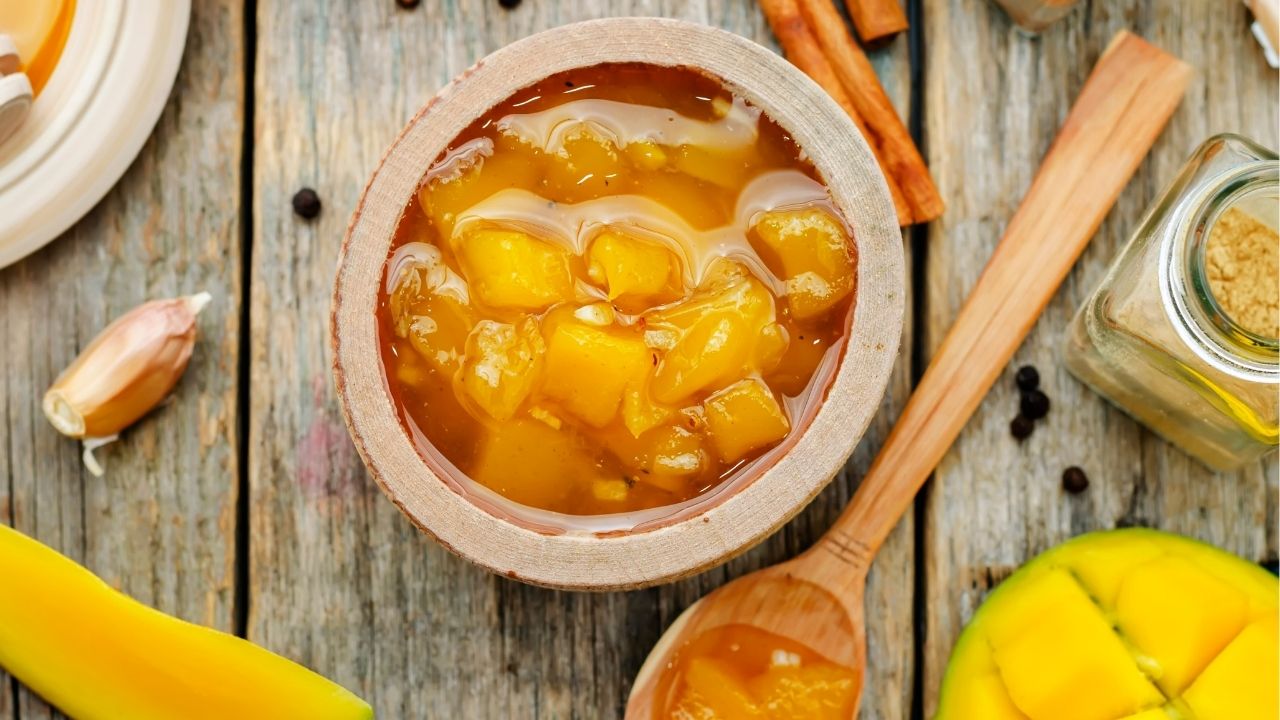
That sweet, glossy mango chutney you scoop up with your naan? It’s probably nothing like what you’d find in an Indian home! Most restaurants serve a jammy, dessert-like version that’s been adapted for Western palates who expect their chutney to be sugary and mild. Authentic Indian mango chutneys are typically much more complex – they’re often spicy, tangy, and made with raw mangoes rather than the ripe, sweet fruit you’re used to. Regional variations can include everything from mustard seeds and curry leaves to green chilies and jaggery, creating bold flavors that pack a serious punch.
The real deal varies dramatically across India’s different states and households. In Bengal, you might encounter a chunky aam kasundi that’s fermented and intensely sour, while South Indian versions often feature coconut and tamarind for added depth. Many traditional recipes use unripe mangoes that are grated or chopped, then mixed with spices and salt to create a condiment that’s meant to awaken your senses, not soothe them with sweetness. Next time you’re making Indian food at home, try adding some heat and tang to your mango chutney – your taste receptors will thank you for the authentic experience!
Vindaloo
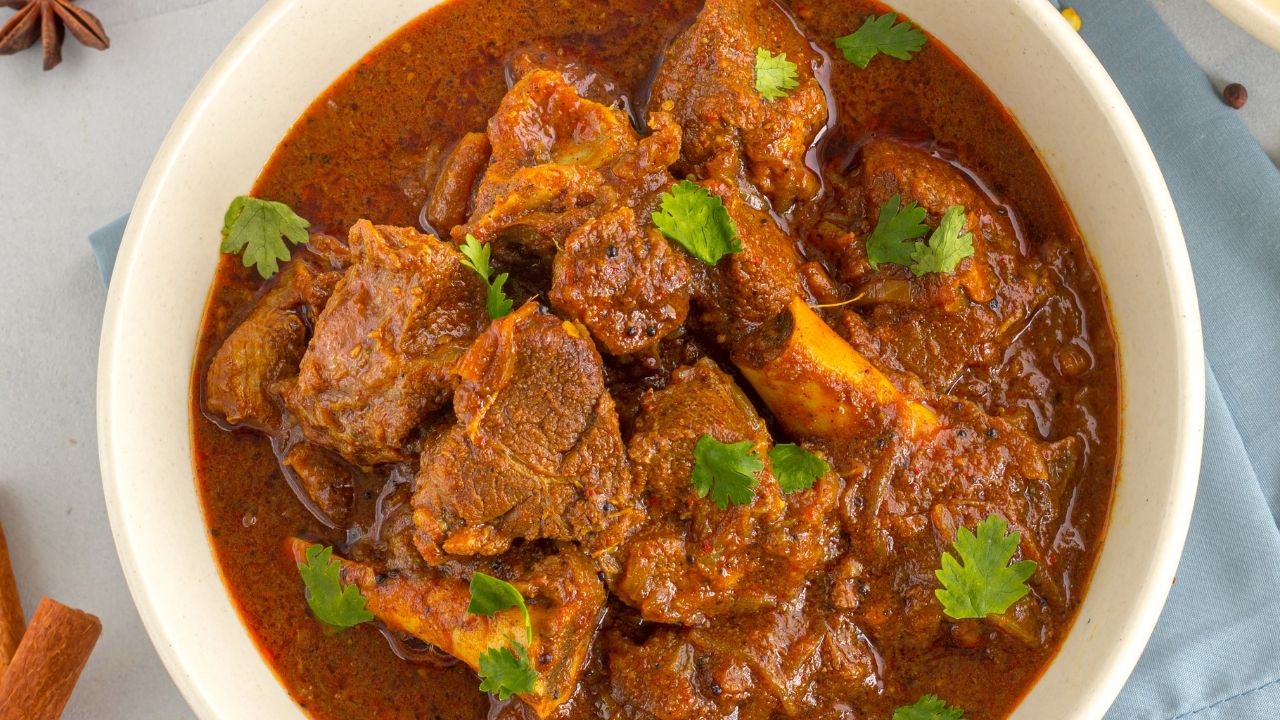
You know that fiery red curry you order when you want to test your spice tolerance? Well, here’s something that might surprise you – authentic vindaloo looks nothing like the blazing red sauce most Indian restaurants serve up. The original Goan vindaloo actually gets its name from the Portuguese “carne de vinha d’alhos,” meaning meat marinated in wine and garlic. Portuguese colonizers brought this technique to Goa in the 15th century, and local cooks adapted it using palm vinegar instead of wine, creating something entirely new.
Traditional vindaloo is more tangy than spicy, with a beautiful balance of vinegar, garlic, and gentle spices like cinnamon and cloves. The color comes from Kashmiri chilies, which add warmth without overwhelming heat, not the artificial red coloring you often see. Most restaurant versions load up on tomatoes, onions, and extra heat to cater to Western expectations of “Indian spicy food.” If you want to try making authentic vindaloo at home, focus on the marinade – let your protein sit in that vinegar-based mixture for hours, and you’ll discover a completely different dish that’s both complex and surprisingly approachable.
Balti
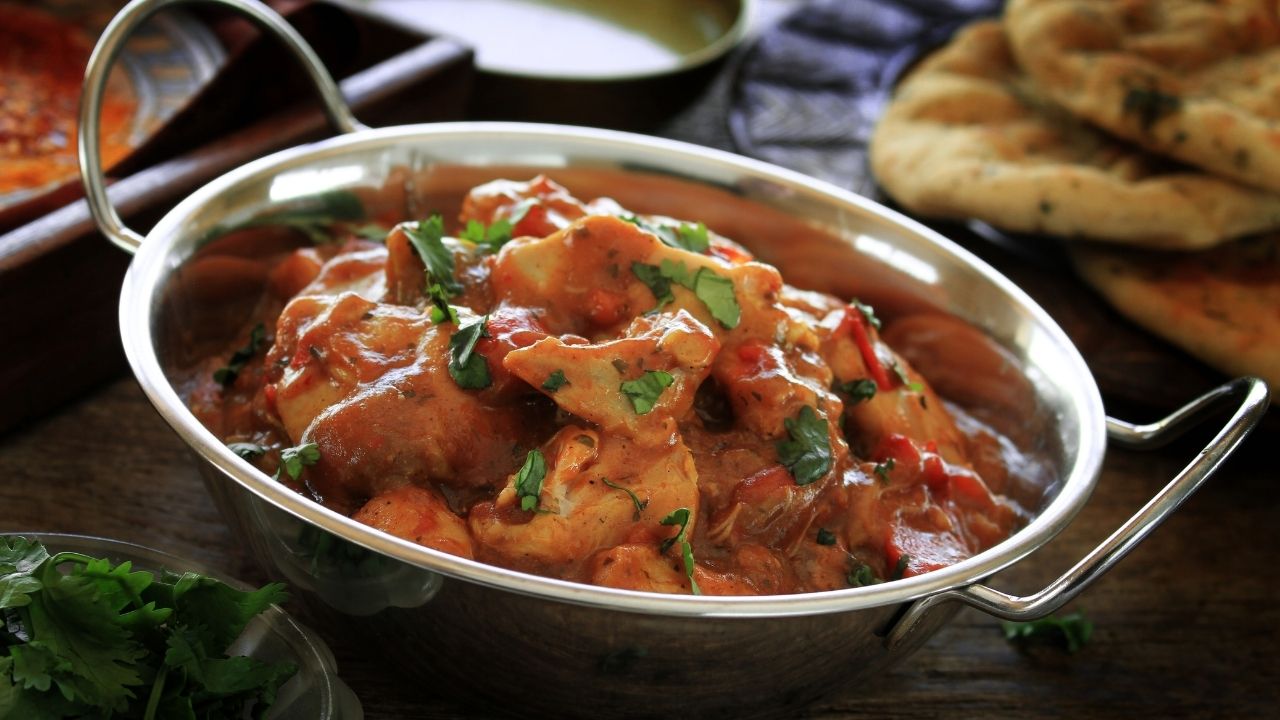
You know that sizzling, aromatic Balti curry you order from your favorite Indian restaurant? Here’s a fun fact that might surprise you – this beloved dish actually originated in Birmingham, England, not the Indian subcontinent! Pakistani and Kashmiri immigrants created Balti in the 1970s, adapting their traditional cooking methods to suit British tastes and available ingredients. The name comes from the distinctive wok-like pan it’s cooked in, but the fusion-style preparation and flavor profile developed specifically for Western palates.
What makes Balti so appealing is how it perfectly bridges authentic South Asian flavors with accessible cooking techniques. The high-heat stir-frying method creates those gorgeous caramelized edges on vegetables and meat, while the sauce stays lighter and less heavy than many traditional curries. I love how this dish proves that food evolution can be beautiful – Pakistani cooks took their heritage recipes and created something entirely new that honors their roots while speaking to a different audience. Next time you make Balti at home, remember you’re celebrating this wonderful cross-cultural food story that happened right in someone’s Birmingham kitchen!
Naan Bread
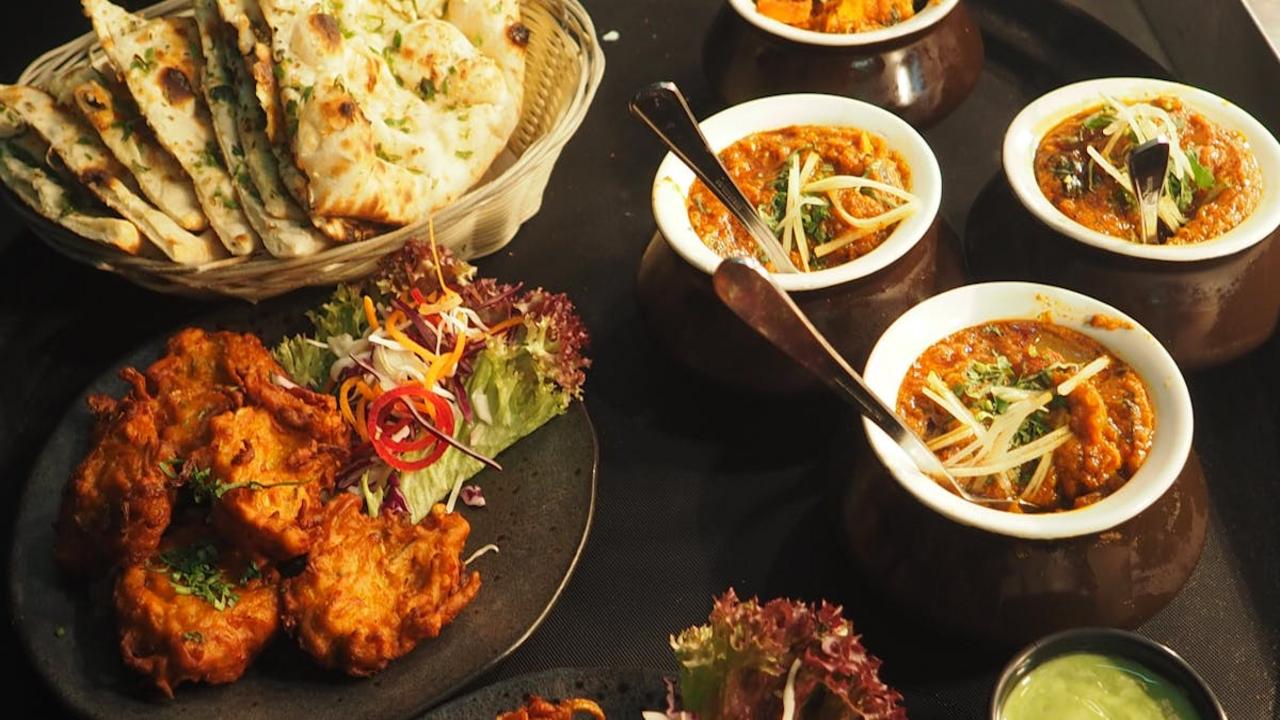
Here’s something that might shock you: that fluffy, buttery naan you’re ordering with every Indian meal? It’s not actually a staple in most Indian homes! Traditional Indian bread culture revolves around chapati, roti, and paratha – flatbreads made on a griddle that families prepare fresh daily. Naan requires a tandoor oven, which most home kitchens simply don’t have. This makes naan more of a restaurant specialty than an everyday bread.
The naan you know and love has been adapted specifically for Western palates and restaurant dining. Authentic naan is typically thinner and less buttery than what you’ll find at your local Indian restaurant. Many establishments load their naan with extra ghee, garlic, and cheese to create crowd-pleasing versions that differ significantly from traditional recipes. While there’s nothing wrong with enjoying restaurant-style naan, remember that millions of Indians grow up eating simple, wholesome flatbreads that are just as delicious and much more representative of true home cooking traditions.
Chicken Tikka Masala
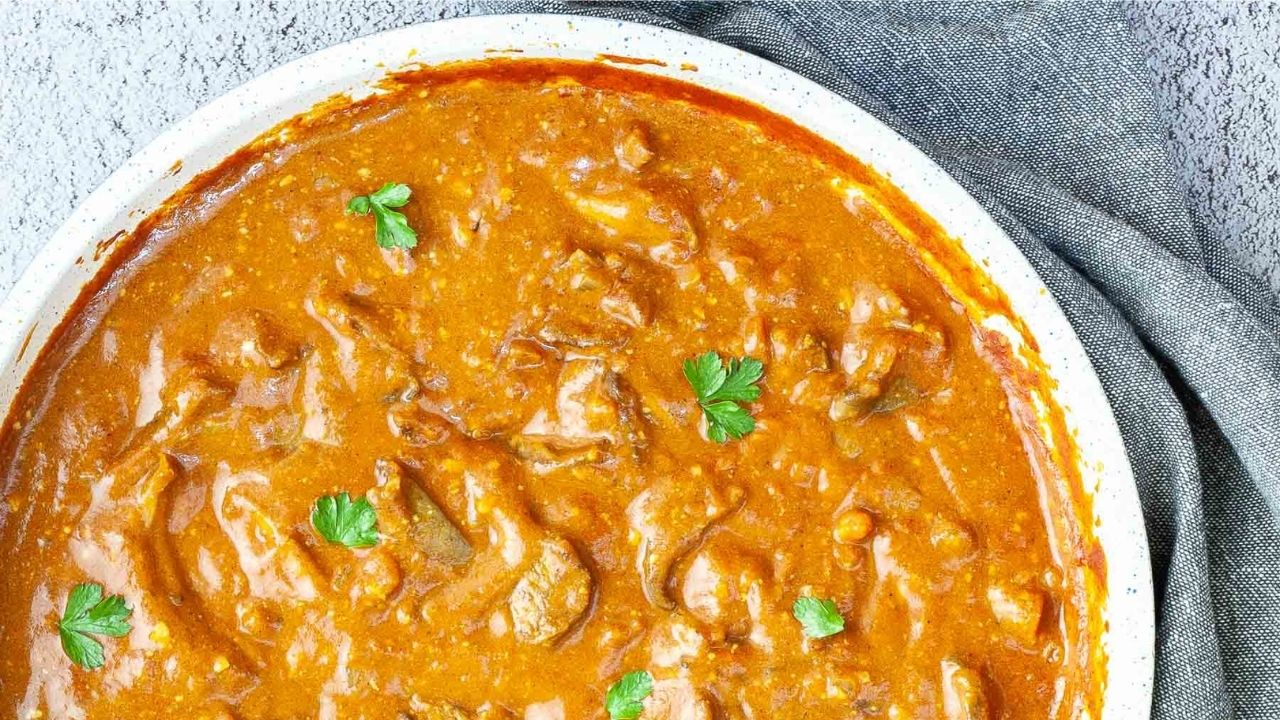
Here’s a dish that might shock you – Chicken Tikka Masala wasn’t born in the bustling kitchens of Mumbai or Delhi! This creamy, tomato-based favorite actually has its roots in Britain, specifically Glasgow, Scotland. The story goes that a Bangladeshi chef created this mild, rich curry in the 1960s to satisfy British palates that found traditional Indian spices too intense. What started as an adaptation became one of Britain’s national dishes, and now it’s probably what most people think of when they picture “Indian food.”
Don’t get me wrong – I absolutely love this dish, and you probably do too! The tender chunks of marinated chicken swimming in that velvety, slightly sweet sauce make for pure comfort food magic. While it might not be traditionally Indian, it represents something beautiful about how food evolves and brings people together. You can easily make a healthier version at home by using Greek yogurt instead of heavy cream, adding extra vegetables like bell peppers and onions, and serving it over cauliflower rice or quinoa. The blend of warming spices like garam masala, cumin, and coriander still gives you those amazing flavors we all crave.