14 Outrageous Foods You Won’t Believe Are Banned in Other Countries
The food you eat in the USA might shock people in other countries. Many common American ingredients and products face strict regulations or outright bans internationally due to health and safety concerns. From everyday sodas to popular snacks, these restrictions highlight the stark differences in food standards worldwide.
Mountain Dew can’t fizz its way through European markets, while farm-raised salmon won’t swim onto Norwegian plates. Japan blocks certain artificial food dyes, and over 60 countries refuse genetically modified foods. These bans often stem from research linking ingredients to various health issues, from cancer to developmental problems.
Your supermarket shelves hold items that other nations consider unsafe for consumption. Understanding these differences helps you make informed choices about what goes into your body. Ready to discover which everyday American foods raise red flags abroad?
Raw Milk
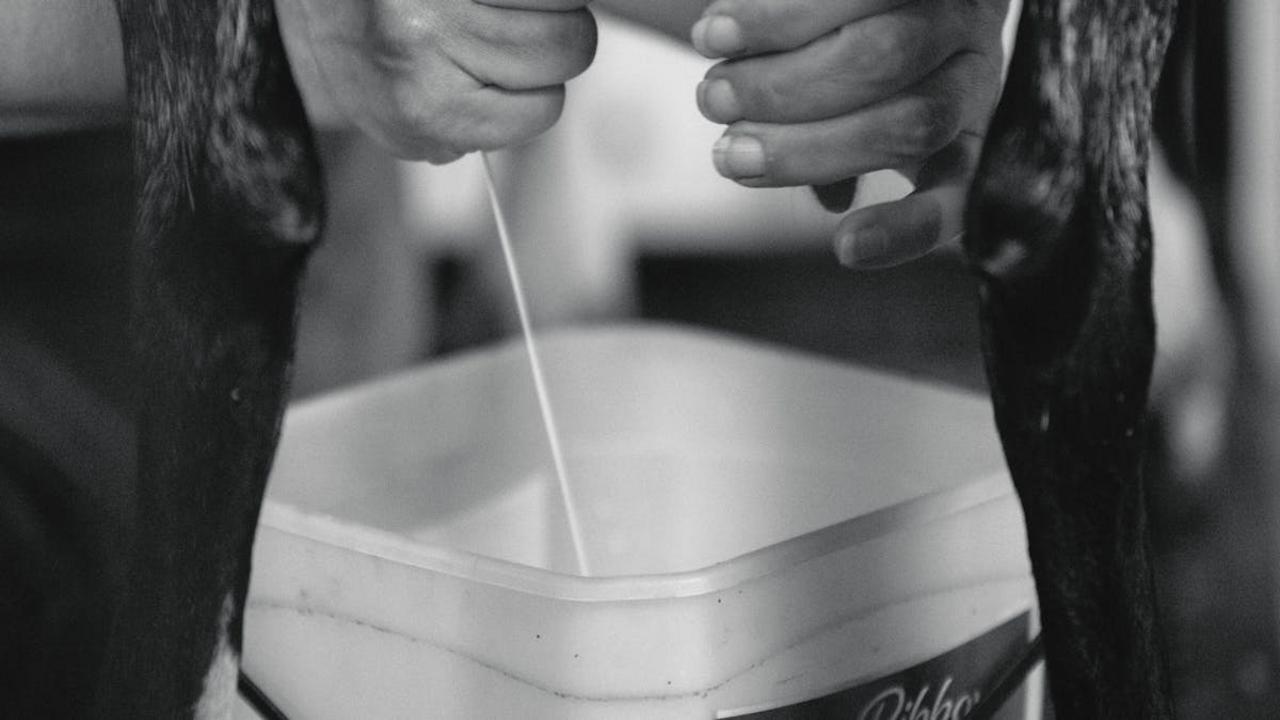
Raw milk stirs up quite a controversy worldwide, with many countries taking firm stances on its sale and consumption. While you can find raw milk at farmers’ markets and health food stores in some US states, countries like Canada and Australia have completely banned its sale. The restrictions stem from concerns about harmful bacteria like E. coli, Listeria, and Salmonella that may lurk in unpasteurized milk. Without the heating process of pasteurization, these microorganisms can multiply and cause serious illness.
I’ve noticed a growing movement of raw milk advocates who praise its superior nutritional benefits and rich, creamy taste compared to pasteurized varieties. They point to raw milk’s higher levels of beneficial enzymes, vitamins, and healthy bacteria. However, health organizations and food safety experts maintain that the risks outweigh potential benefits, especially for children, pregnant women, and those with weakened immune systems. This ongoing debate shows how food safety standards can vary dramatically between nations, with some prioritizing traditional production methods while others focus on minimizing health risks.
Artificial Sweeteners
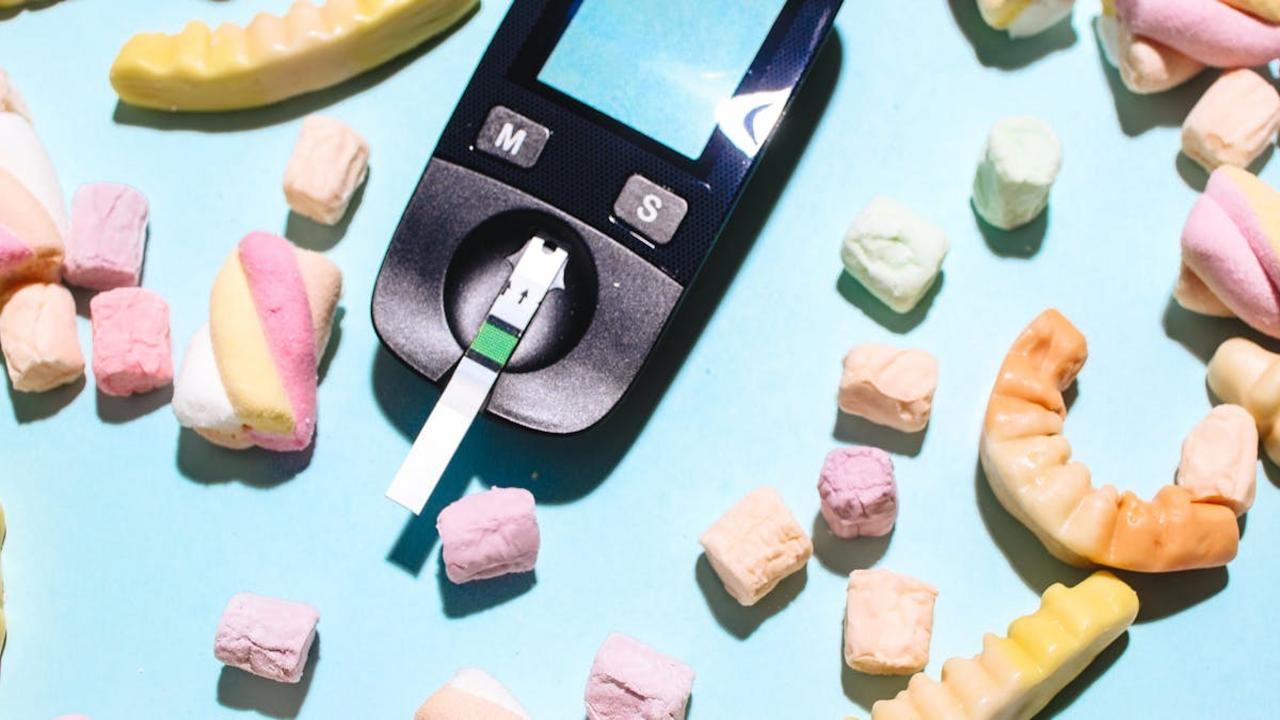
I often get asked about artificial sweeteners like aspartame, saccharin, and cyclamates by my recipe followers. While these sugar substitutes remain common in the US, several countries including France, Norway, and Hungary have banned specific artificial sweeteners due to studies linking them to potential health risks. In France, for example, you won’t find school cafeterias serving foods with artificial sweeteners, as their government prioritizes natural ingredients in children’s diets.
Through my years of recipe development, I’ve discovered many natural alternatives that add sweetness without artificial additives. Countries like Japan have strict regulations on artificial sweeteners, only permitting specific ones after extensive safety testing. I recommend using natural options like pure maple syrup, raw honey, or coconut sugar in your cooking – these provide genuine sweetness plus beneficial minerals and antioxidants. The growing skepticism around artificial sweeteners has pushed many food manufacturers to reformulate their products with natural alternatives.
Trans Fats
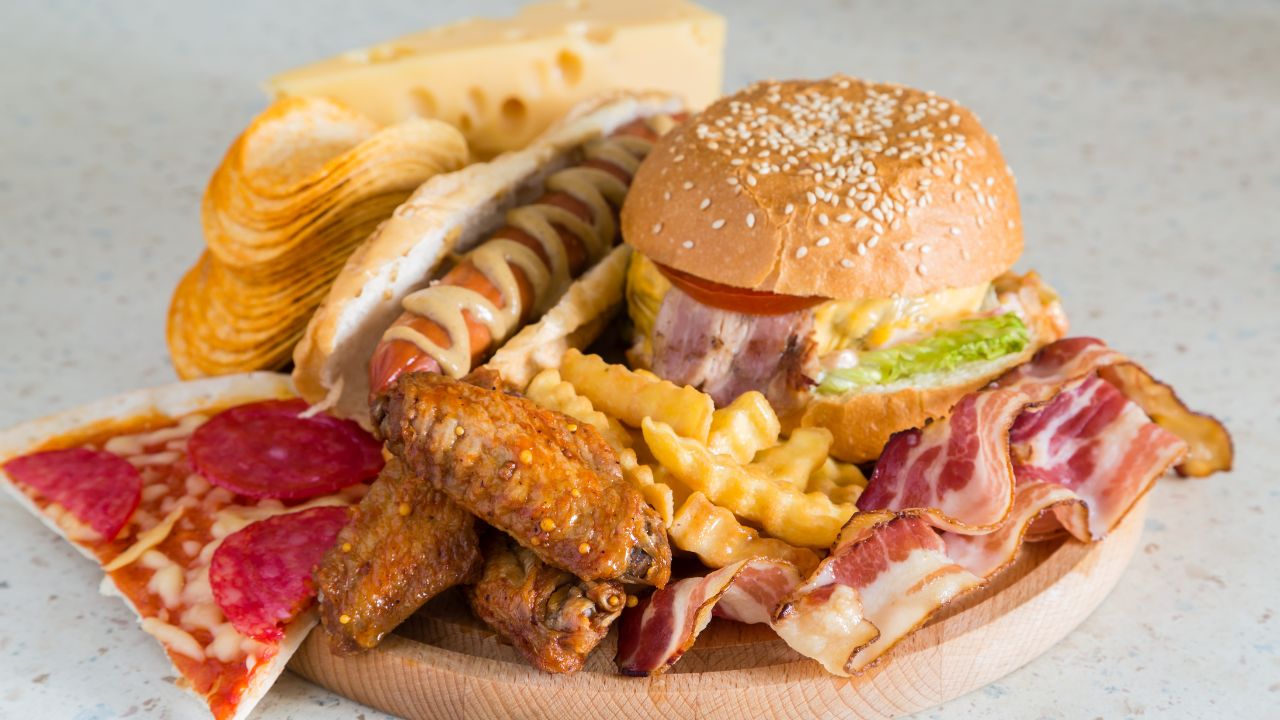
I’m always amazed by how differently countries regulate food ingredients, and trans fats top the list of controversial additives. Denmark made history in 2003 by becoming the first country to ban artificial trans fats, with Switzerland, Austria, Iceland, Norway, and Hungary following suit. The United States only recently joined in 2018, while many other nations still permit these hydrogenated oils in their food supply despite clear health risks including heart disease, diabetes, and inflammation.
You’ll find trans fats lurking in many processed foods like margarine, packaged baked goods, and frozen pizza – but not if you’re shopping in places like Denmark or Switzerland! These countries recognize that trans fats offer no nutritional benefits while increasing health risks. Instead of relying on processed foods with trans fats, I recommend cooking with natural oils like olive oil, coconut oil, or grass-fed butter. Your heart will thank you for choosing whole, unprocessed ingredients and skipping the artificial stuff that some countries have already deemed too dangerous for consumption.
Food Grade Coloring

Those bright rainbow-colored candies and cereals you love? You won’t find them looking quite the same in countries like Norway, Austria, and France. These nations have banned several artificial food dyes that we commonly use in the US, including Red 40, Yellow 5, and Blue 1. The reasoning stems from research linking these synthetic colors to behavioral issues in children and potential cancer risks. Instead, many European manufacturers now use natural alternatives like beetroot juice, turmeric, and spirulina to create vibrant food colors.
I’ve noticed a growing trend among my readers who want to ditch artificial dyes in their cooking. You can easily make your own natural food coloring at home using ingredients from your kitchen. Red cabbage creates beautiful blues and purples, while matcha powder gives a lovely green hue. These natural alternatives not only add color but also boost the nutritional value of your dishes. Countries like the UK require warning labels on products containing artificial dyes, pushing many global brands to reformulate their products with natural alternatives for their European markets.
Food Preservatives
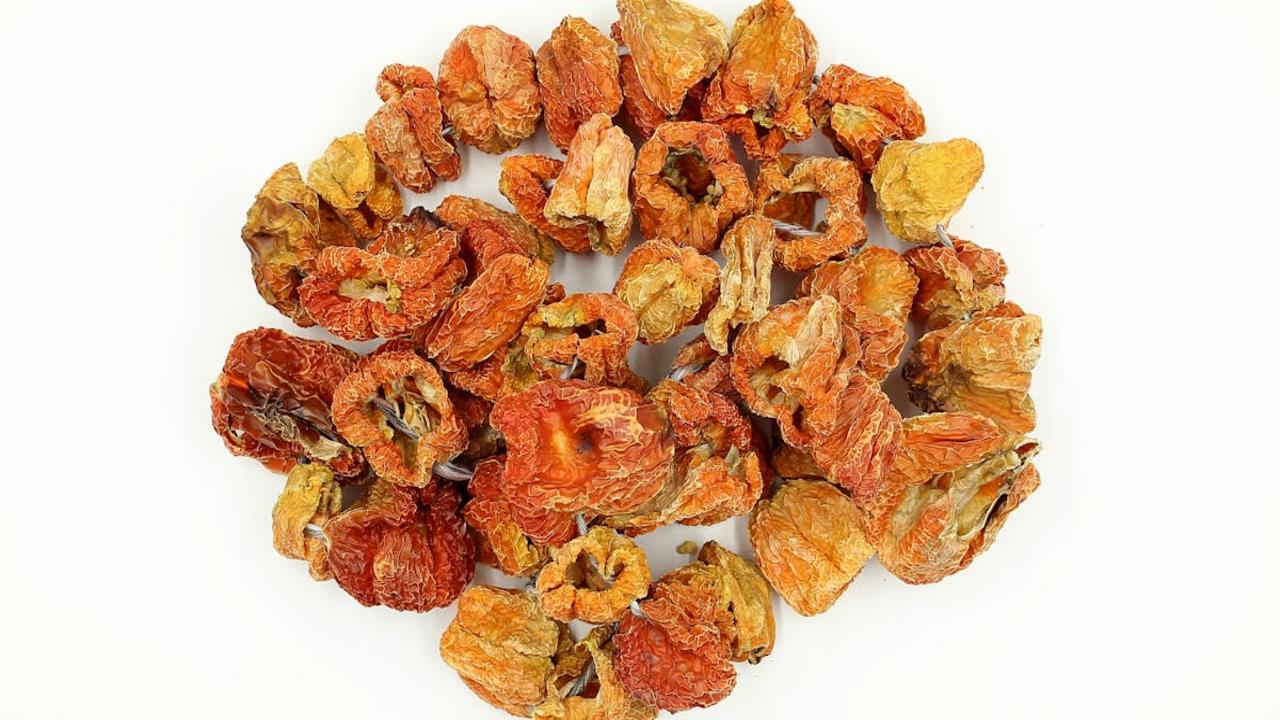
I’m always amazed by the stark differences in food regulations around the world, especially when it comes to food preservatives. Many common preservatives we find in American packaged foods – like BHA (butylated hydroxyanisole) and potassium bromate – are completely banned in countries like Japan, Australia, and across the European Union. These nations have taken firm stances against synthetic preservatives due to research linking them to potential health risks, including cancer and organ system toxicity.
You’ll find BHA in everything from cereals to potato chips in the US, while potassium bromate shows up in many commercial bread products to improve texture and volume. Yet other countries have found natural alternatives – like using rosemary extract or vitamin E as antioxidants, and traditional fermentation methods for preservation. I’ve learned to scan ingredient labels carefully and opt for products using natural preservatives whenever possible. Making food from scratch also gives you total control over what goes into your meals – something I truly value as both a cook and health-conscious eater.
Arsenic Fed Chicken
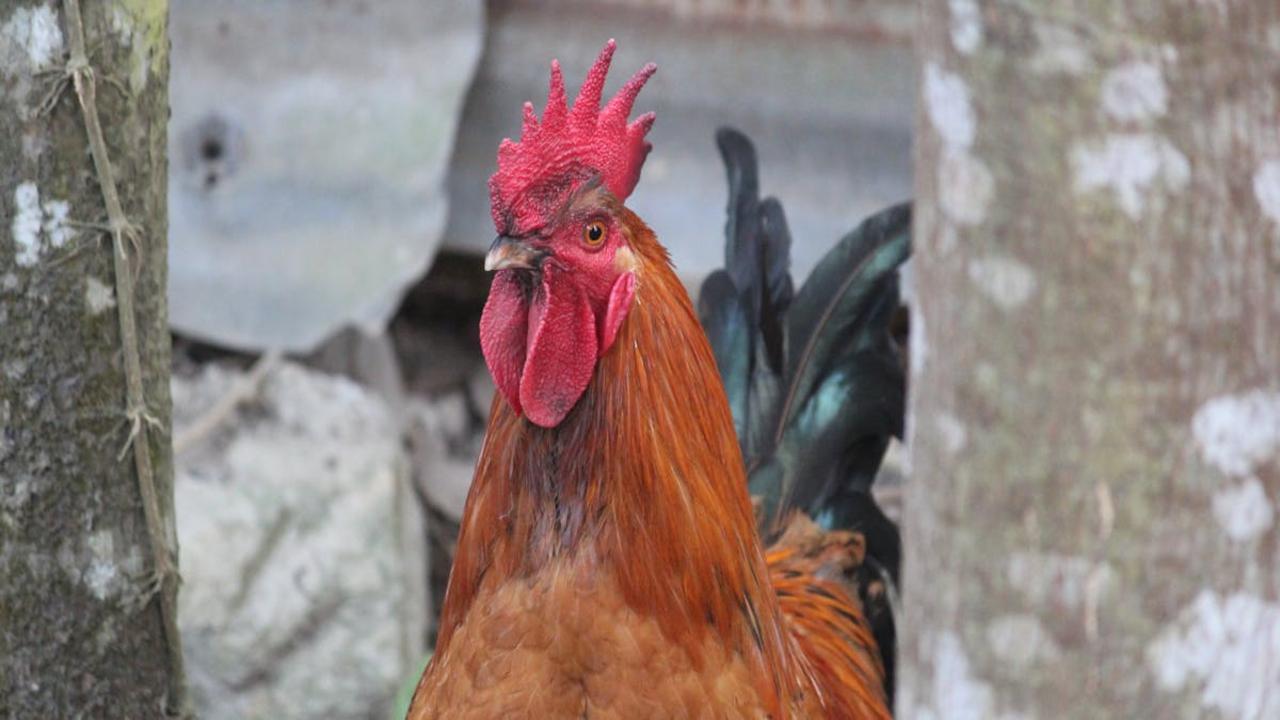
I was shocked to learn that the US still allows feeding arsenic to chickens through specific feed additives, while the European Union banned this practice back in 1999. Farmers traditionally add small amounts of arsenic compounds to chicken feed to prevent parasites, boost growth rates, and give the meat an appealing pink color. This dangerous practice puts our health at risk – arsenic links directly to various cancers, cardiovascular issues, and neurological problems.
My research into this topic revealed that organic chicken farmers in the US completely avoid arsenic additives, focusing instead on natural feed and proper living conditions to keep their birds healthy. You’ll find many American food activists and consumer groups pushing for a total ban on arsenic in poultry production, similar to the EU’s regulations. Until then, I recommend choosing organic chicken or buying from local farmers who don’t use arsenic-containing feed to protect yourself and your family from unnecessary exposure to this toxic substance.
Genetically Modified Foods
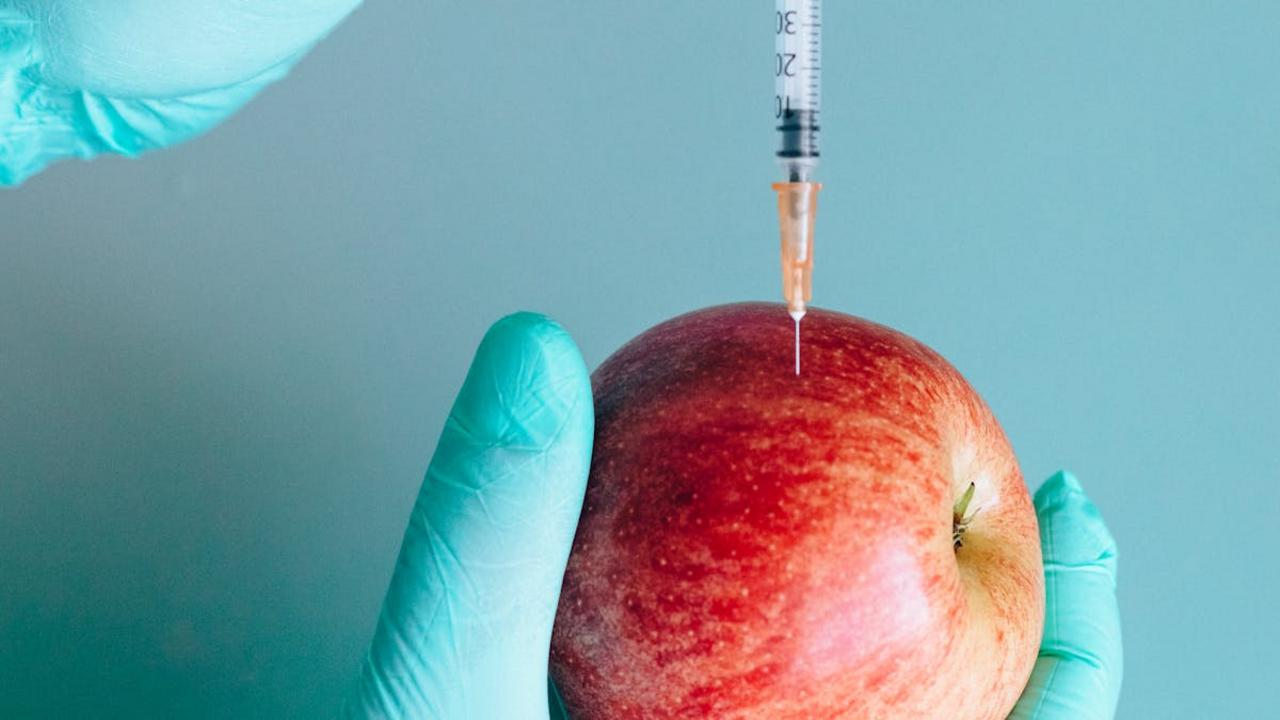
You’ll find genetically modified foods (GMOs) widely available in American supermarkets, but many other countries have outright banned them. Over 40 nations either completely prohibit GMO cultivation or heavily restrict their sale and distribution. Countries like France, Germany, Austria, Greece, Hungary, and Luxembourg maintain strict bans on GMO crops and imports. Japan, Australia, and New Zealand require mandatory labeling of any GMO ingredients, giving consumers clear information about what they’re buying.
The controversy stems from ongoing debates about GMO safety and environmental impact. While organizations like the FDA consider approved GMOs safe for consumption, critics point to concerns about potential long-term health effects and genetic contamination of non-GMO crops. Some countries prioritize the precautionary principle – basically saying “better safe than sorry” until more research definitively proves GMO safety. This stance creates an interesting divide between the US and many other developed nations regarding GMO acceptance. If you’re traveling abroad, you might notice fewer processed foods containing common GMO ingredients like corn syrup and soybean oil.
Meat With Growth Hormones
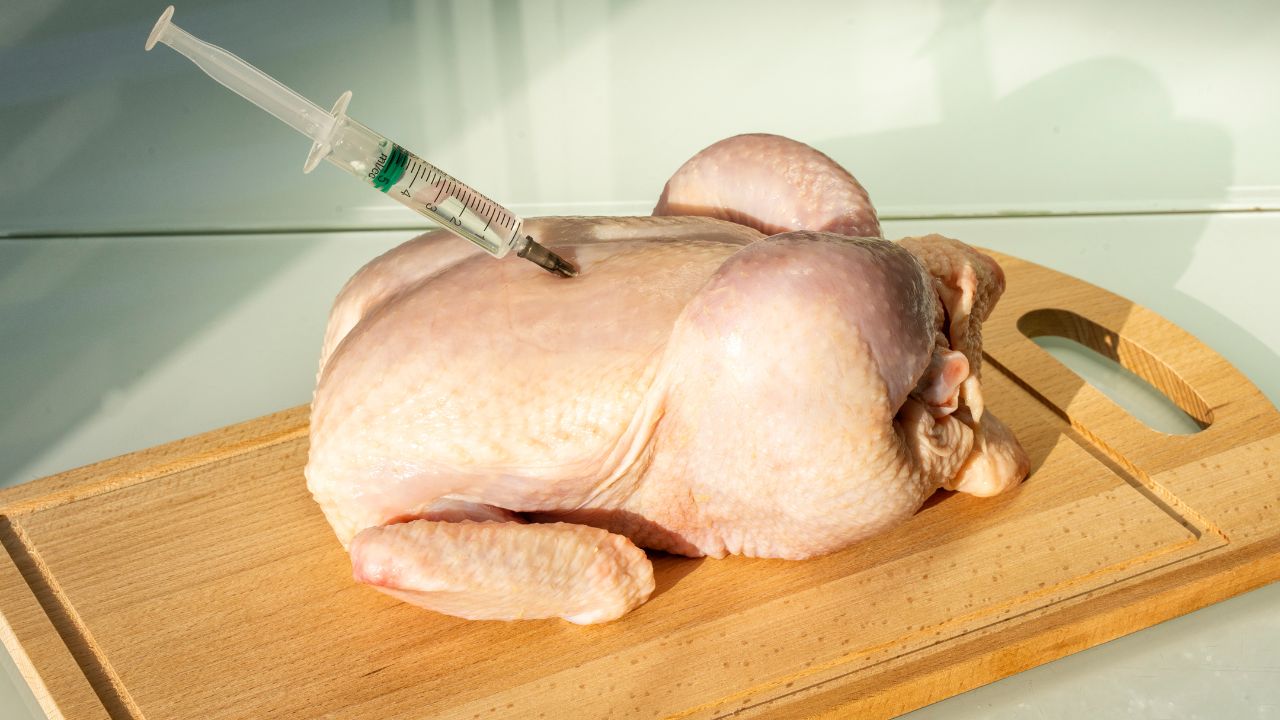
You’ll find growth hormones in much of the meat sold across America, but many countries have completely banned these hormone-treated products. The European Union, along with Russia, China, and several other nations, refuse to import or sell meat containing artificial growth hormones. These countries cite serious health concerns, including potential links to cancer and early puberty in children. In the US, however, the FDA maintains that hormone-treated meat remains safe for consumption.
I’ve noticed more American consumers now seeking out hormone-free meat options at their local markets. While conventional beef might cost less, many shoppers prioritize naturally raised animals without added hormones. You can identify hormone-free meat by looking for labels like “No Added Hormones” or “Hormone Free” on packaging. Small local farms and butcher shops often provide these cleaner meat options, though you’ll likely pay a premium compared to standard supermarket prices. The choice ultimately comes down to your personal health priorities and budget.
Potassium Bromate
I couldn’t believe my eyes when I learned that potassium bromate, a common bread dough additive in the US, faces bans in numerous countries including the EU, UK, Canada, Brazil, and China. This flour-oxidizing ingredient helps create that picture-perfect texture and volume in commercial bread products, but research links it to thyroid problems, kidney damage, and even cancer in lab animals. The FDA still permits its use in American bread manufacturing, though California requires warning labels on products containing it.
As someone who bakes bread regularly at home, I stick to natural alternatives like ascorbic acid (vitamin C) or simply letting my dough develop flavor through slow fermentation. Many large US bread manufacturers have voluntarily removed potassium bromate from their recipes due to public concern, but you should still check ingredient labels carefully. Look specifically for “potassium bromate” or “bromated flour” – especially in pizza dough, rolls, and commercial bread products where it commonly appears. Your best bet? Make your own bread or buy from bakeries that avoid this controversial additive.
Olestra
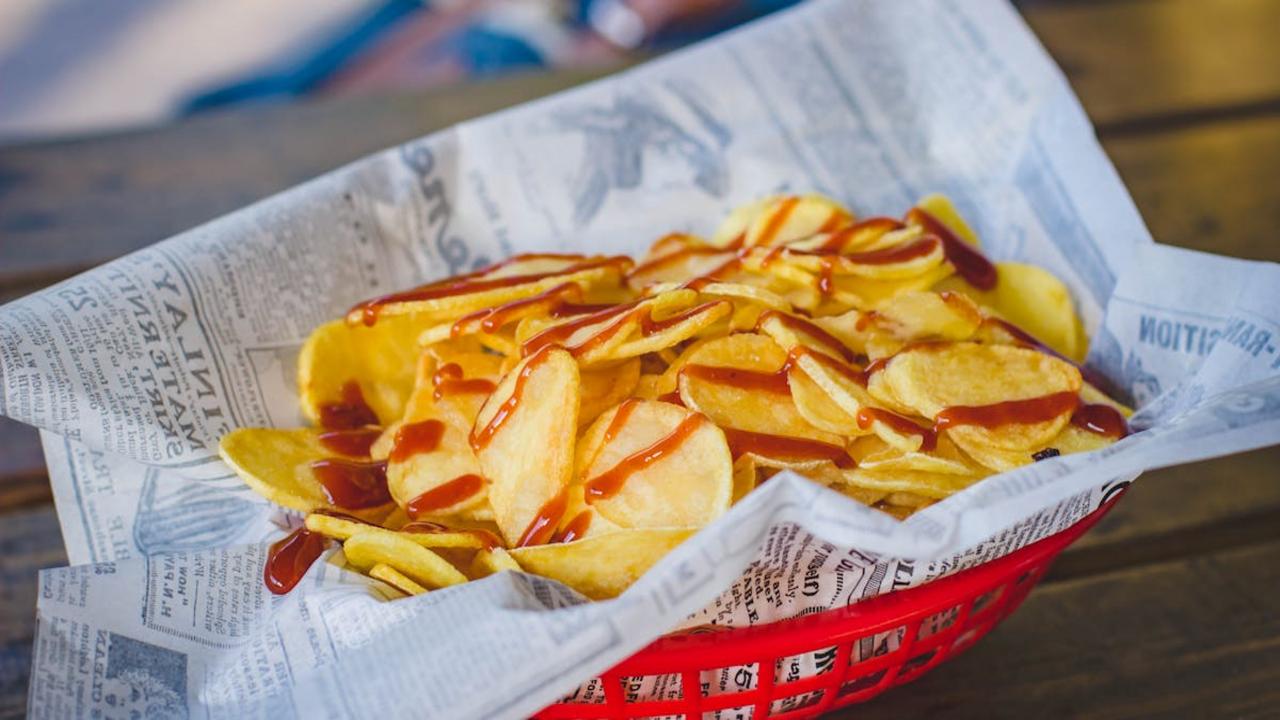
I remember the 1990s craze when Olestra hit the US market as a revolutionary fat substitute in snack foods. While the FDA approved this synthetic fat that promised zero-calorie indulgence, many countries like Canada and the European Union banned it outright. The reason? Your body can’t digest Olestra, which leads to some pretty unpleasant digestive effects – from cramping to loose stools. Even worse, it blocks your body from absorbing essential vitamins A, D, E, and K from other foods you eat.
As someone deeply invested in cooking wholesome meals, I always recommend sticking to natural fats in moderation rather than reaching for artificial substitutes. The “too good to be true” promise of fat-free chips made with Olestra came with a mandatory warning label about “anal leakage” – yes, that’s the actual term they had to use! While you can still find some products with Olestra in the US today, most manufacturers have moved away from it due to consumer concerns and its reputation for causing digestive distress. Nature usually knows best when it comes to fats – olive oil, avocados, and nuts provide satisfaction without synthetic side effects.
Brominated Vegetable Oil
I need to tell you about brominated vegetable oil (BVO), a food additive you’ll find lurking in many citrus-flavored sodas and sports drinks. This synthetic chemical keeps fruit flavoring from separating from the rest of the beverage – but here’s the catch: Japan, India, and the European Union have completely banned it. The reason? BVO contains bromine, the same element found in flame retardants, and research shows it can build up in your body over time, potentially affecting your thyroid function and causing memory problems.
The FDA originally declared BVO safe in the 1970s, but consumer pressure has pushed many companies to remove it from their products in recent years. Mountain Dew, for example, switched to a safer alternative after concerned customers spoke up. You can spot BVO on ingredient labels of some drinks still sold in the US, though companies like Gatorade and Powerade have phased it out. I recommend checking your labels carefully and opting for naturally flavored beverages or making your own refreshing drinks at home with real fruit instead.
Artificial Food Dyes
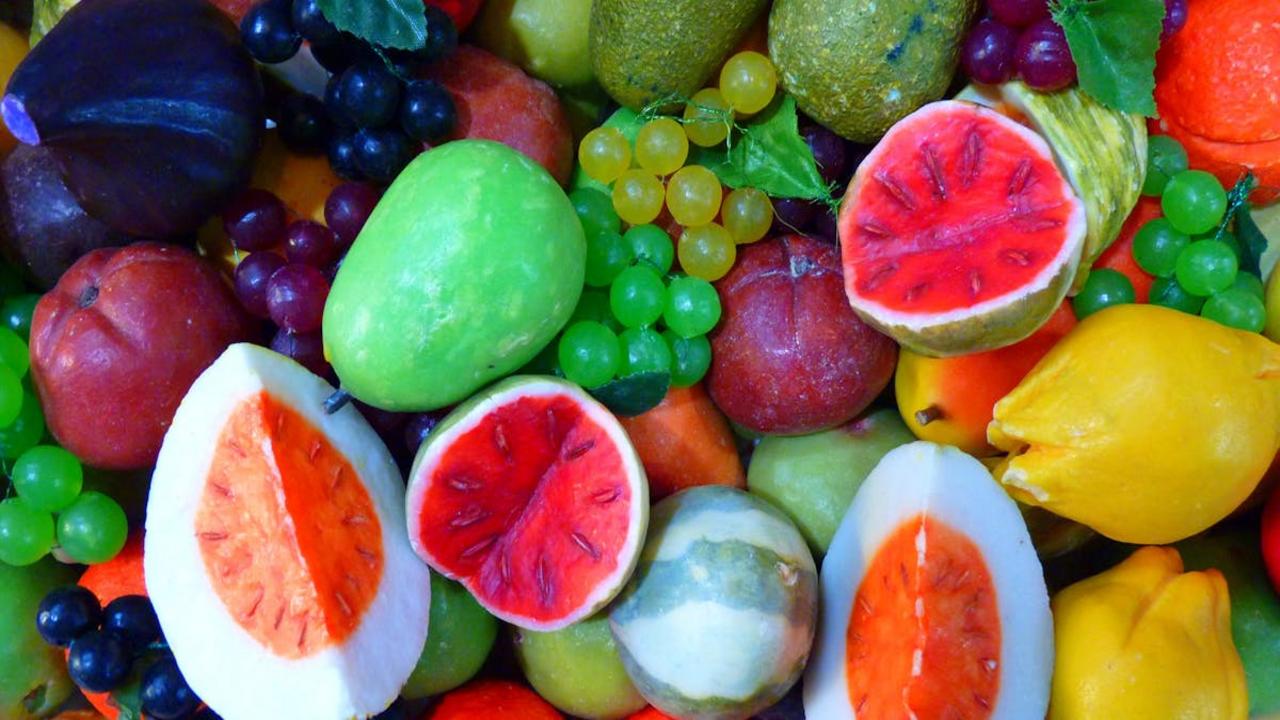
I’m always amazed by how differently countries regulate food additives, especially artificial food dyes. While the US still allows many synthetic dyes like Red 40, Yellow 5, and Blue 1 in foods ranging from candy to breakfast cereals, numerous European countries including Norway, Austria, and France have banned these artificial colors. Research has linked these dyes to behavioral issues in children, allergic reactions, and other health concerns, leading many manufacturers in these countries to switch to natural alternatives like beetroot, turmeric, and spirulina.
You’ll find striking differences between American and European versions of popular snacks and treats. For example, M&Ms in Europe contain natural colorants instead of artificial ones, while Fanta ditched synthetic dyes for carrot and pumpkin extracts. The shift toward natural food coloring reflects growing consumer demand for cleaner ingredients. I’ve noticed more American companies following suit by reformulating their products with plant-based dyes, though artificial colors still dominate many US packaged foods. Making your food from scratch gives you complete control over what goes into it – I recommend using natural ingredients like matcha, saffron, or paprika to add beautiful colors to your cooking.
Farm Raised Salmon
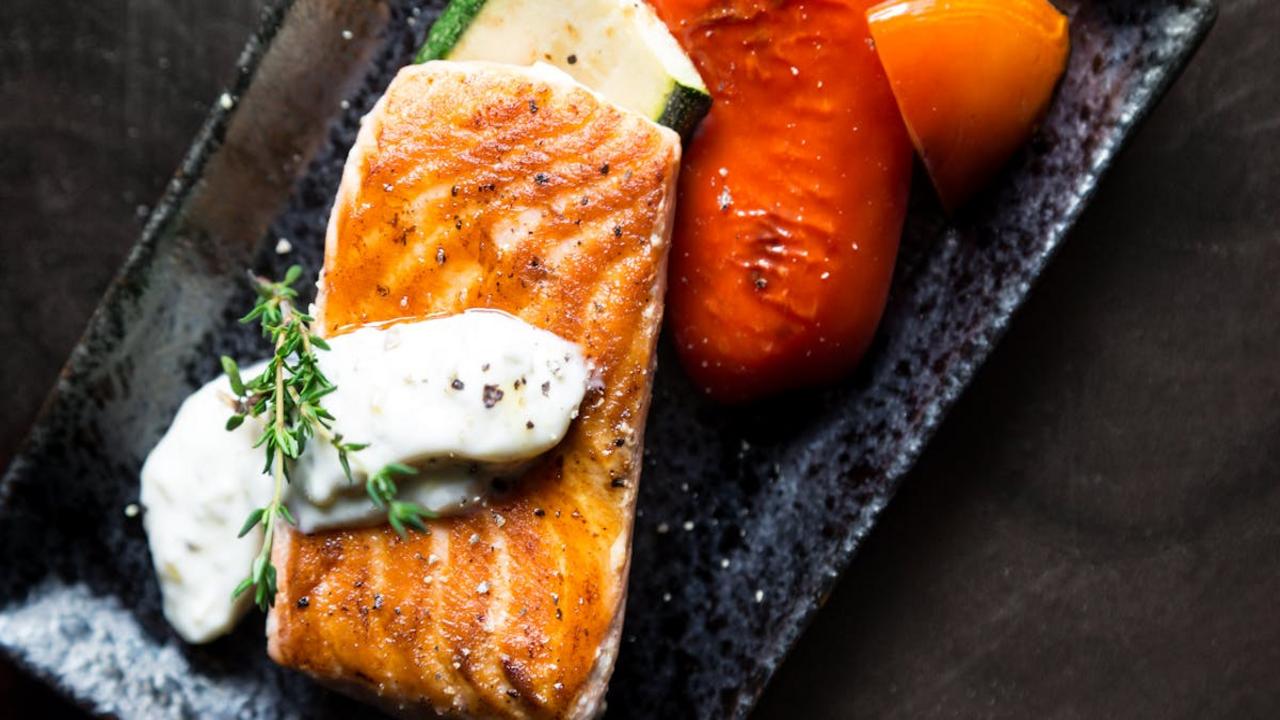
I find it fascinating that several countries, including Australia and New Zealand, have banned farm-raised salmon imports due to concerns about artificial coloring and potentially harmful chemicals. Wild salmon naturally gets its pink color from eating krill and shrimp, but farmers often add synthetic dyes like astaxanthin to their feeds to achieve that same appealing pink hue. Many fish farms also use antibiotics and pesticides to control diseases in their overcrowded pens, which can leave residues in the final product you bring home to your family.
As someone who cooks salmon regularly, I always check the source and opt for wild-caught varieties whenever possible. The difference goes beyond just color – wild salmon contains higher levels of beneficial omega-3 fatty acids and typically has a richer, more complex flavor profile. If you’re looking to incorporate more salmon into your diet, consider asking your local fishmonger about sustainably caught options. You’ll notice the superior taste and texture while avoiding the potential risks associated with artificially colored and chemically treated farm-raised fish.
Mountain Dew
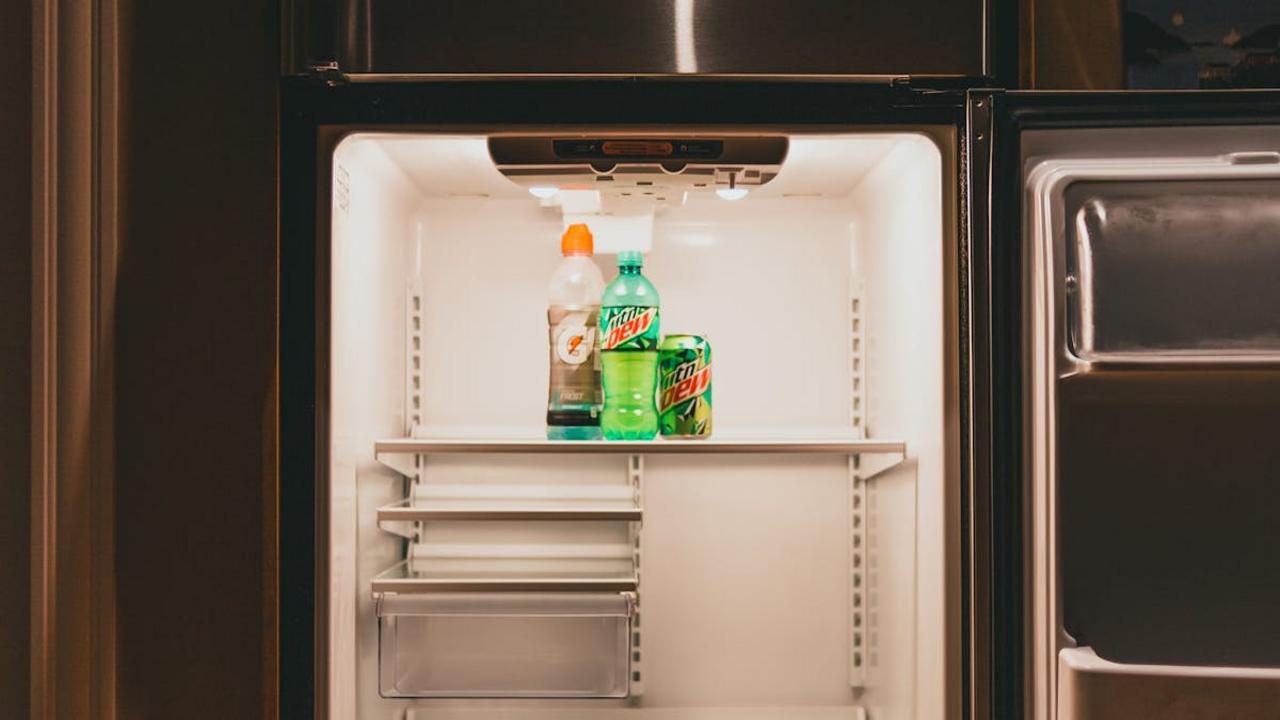
You might think Mountain Dew is just another soft drink, but this citrus-flavored soda faces strict bans in over 100 countries including Japan and the European Union. The controversial ingredient behind these bans? Brominated vegetable oil (BVO), a food additive that helps keep the drink’s signature neon color and prevents the flavoring from separating. BVO contains bromine, which scientists have linked to memory loss, skin problems, and nerve damage when consumed in large quantities.
While Mountain Dew remains popular in the United States, PepsiCo faced growing pressure to remove BVO from their formula. In 2020, they finally announced plans to phase out this ingredient across their product line. Many countries maintain their ban on the original Mountain Dew formula, pushing the company to create alternative versions without BVO for international markets. The controversy highlights the differences between food safety regulations worldwide and raises questions about ingredients allowed in American beverages versus those prohibited elsewhere.