Why Refugee-Run Kitchens Are Gaining Global Recognition
In cities worldwide, refugee chefs are transforming local food scenes with their unique flavors and heartwarming stories. These talented cooks bring generations of family recipes and cooking techniques from their home countries, creating vibrant culinary experiences that connect communities and build bridges across cultures.
From small pop-up events to established restaurants, refugee-run kitchens have become celebrated spaces where food lovers can discover authentic dishes while supporting newcomers as they build new lives. These kitchens offer more than just meals – they provide opportunities for refugees to share their heritage, gain financial independence, and find a sense of belonging in their adopted homes.
Creating Economic Opportunities Through Food
Refugee-run kitchens have proven to be effective launching pads for sustainable careers in the food industry. Many programs partner with local organizations to provide business training, food safety certification, and mentorship. In cities like New York and London, successful ventures like Eat Offbeat and Stories on Our Plate have helped hundreds of refugee chefs start their own catering companies and restaurants.
These initiatives create ripple effects throughout communities. When refugee chefs succeed, they often hire and train other newcomers, creating job opportunities and support networks. The economic impact extends to local suppliers, markets, and food businesses that become part of these growing culinary enterprises.
Preserving Cultural Heritage Through Traditional Recipes
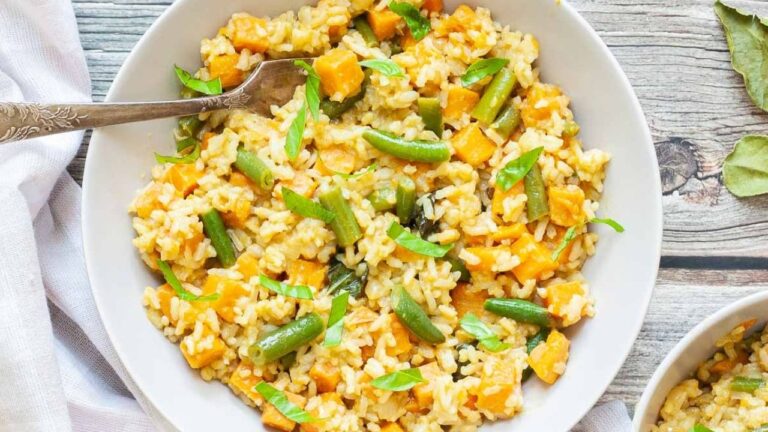
Each dish served in refugee-run kitchens carries profound meaning, representing cherished memories and time-honored traditions. Syrian, Afghan, Iraqi and other refugee chefs keep their cultural heritage alive by sharing family recipes passed down through generations. Many adapt traditional dishes using local ingredients while maintaining authentic cooking methods and flavors.
Beyond the food itself, these kitchens become spaces for storytelling and cultural exchange. Diners learn about different regions, customs, and celebrations through the meals they enjoy. This personal connection helps build understanding and appreciation for diverse culinary traditions.
Building Community Through Shared Meals
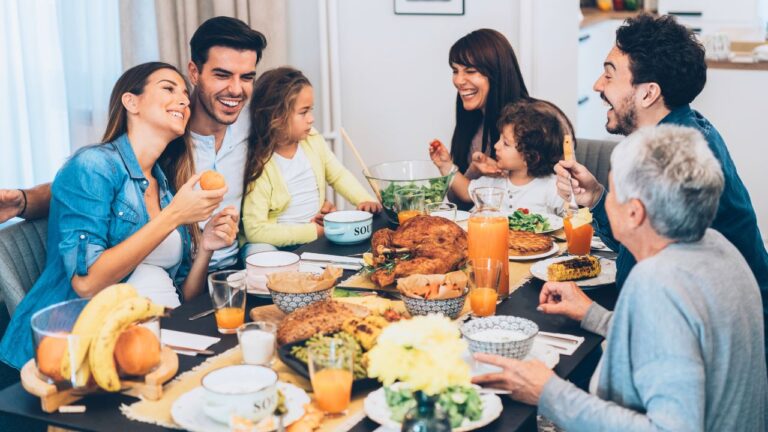
Food has an incredible power to bring people together, and refugee-run kitchens excel at creating welcoming spaces for connection. Regular customers become friends, learning about the chef’s journey and culture while enjoying homecooked specialties. Many kitchens host special events, cooking classes, and community dinners that strengthen local relationships.
Social media has helped spread the word about these inspiring initiatives. Food lovers share their experiences online, attracting more supporters and creating wider awareness about refugee contributions to local food culture. This grassroots promotion has helped many refugee-run kitchens expand their reach and impact.
Supporting Sustainable Integration
Running successful food businesses gives refugee chefs more than economic stability – it provides a sense of purpose and belonging in their new communities. Many report feeling proud to share their culture and skills while building independent livelihoods. The confidence and connections gained through these ventures support long-term integration.
Organizations working with refugee chefs have developed models that can be replicated in different locations. Key elements include comprehensive training programs, ongoing mentorship, and community engagement strategies. This structured support helps ensure sustainable success for new culinary entrepreneurs.
As refugee-run kitchens continue gaining recognition globally, they demonstrate how food can create positive change. These initiatives provide practical solutions for refugee employment while enriching local communities through cultural exchange. Their success shows that when we welcome newcomers and their culinary traditions, everyone benefits from the amazing flavors and connections that result.