They Ordered Prosciutto Pasta and Panicked. They Claimed They Didn’t Know It Was Pork Because They ‘Don’t Speak Italian’.
There are certain unwritten rules of dining out, and one of the most important is that if you have a food allergy or a dietary restriction, you are your own best advocate. It’s a simple matter of looking out for yourself. After all, a server can’t be expected to be a mind reader.
However, one waitress recently shared a story online that shows just how quickly some people are willing to pass the blame when they make a mistake. So, let’s pour a fresh cup of coffee and get into it, because this one is a doozy.
The Incident
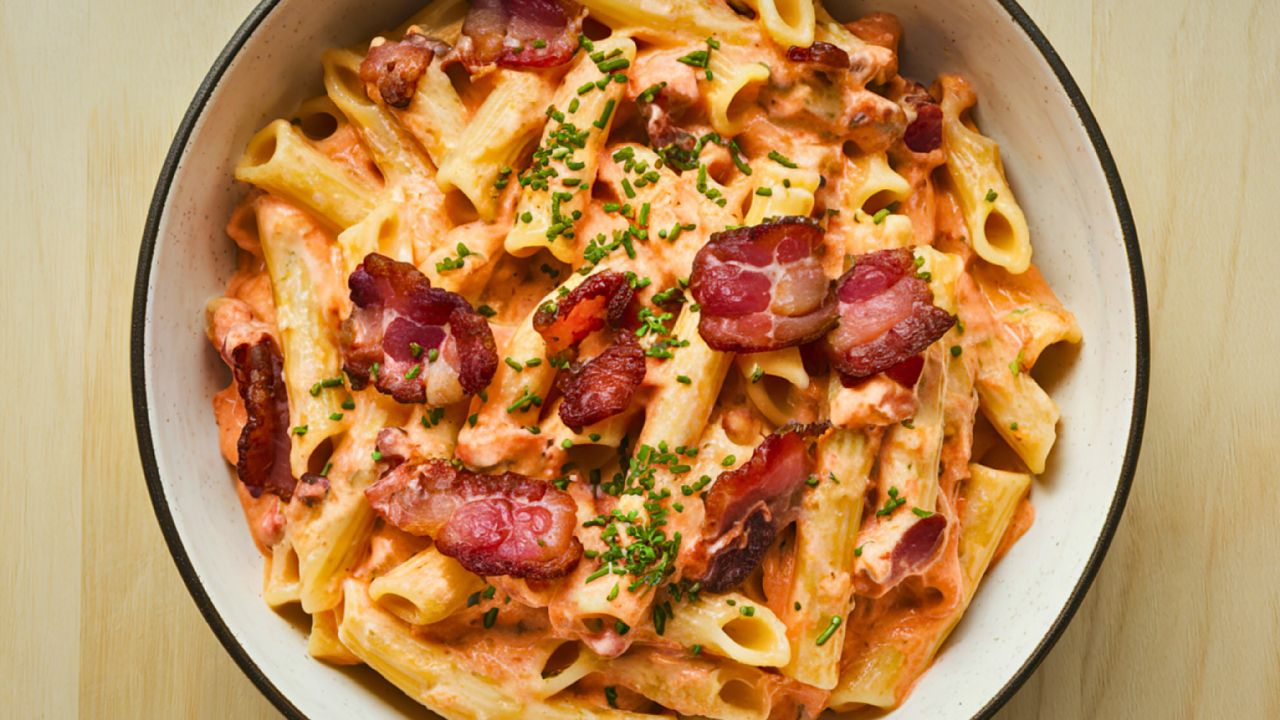
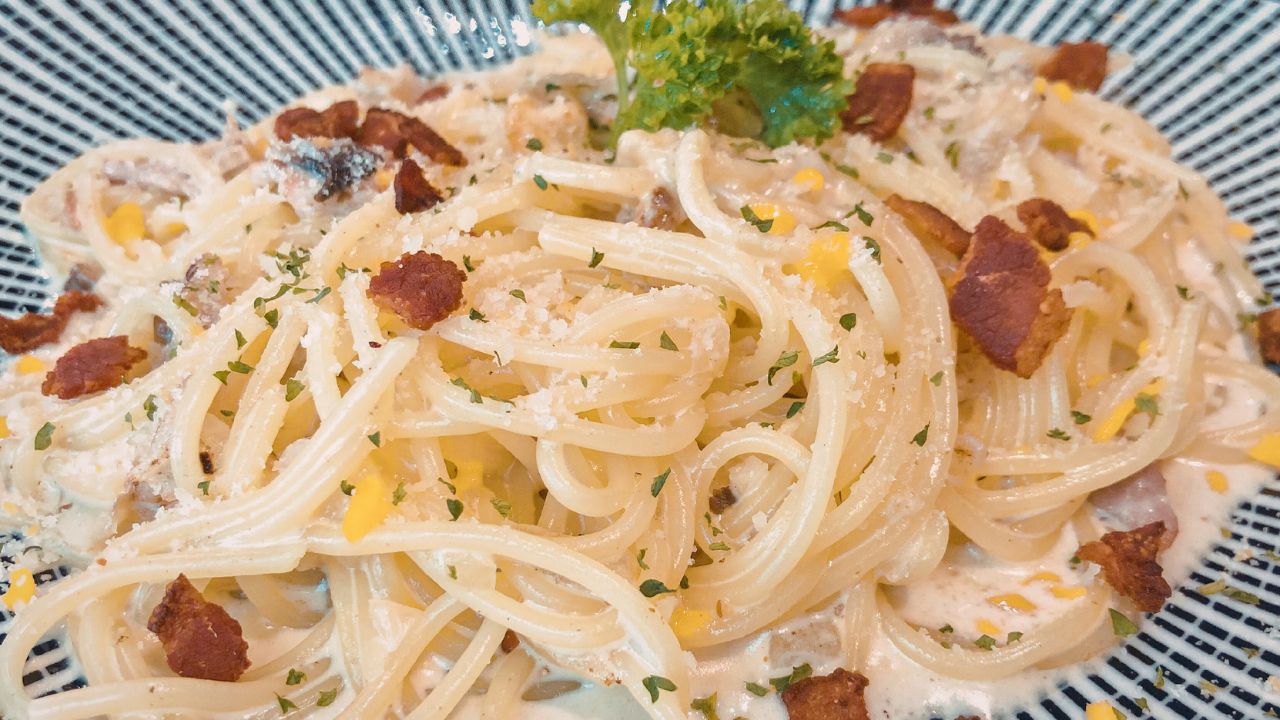
Our storyteller works as a server in an Italian restaurant to make some extra money. One evening, a group of three came in and ordered a pasta dish. A little while after their food was served, she went to check on them and was met with frustration. The diners were “quite upset,” she explained, because the pasta contained what they thought were bacon bits. For religious reasons, they could not eat pork.
They were particularly annoyed because, in their view, the menu didn’t mention bacon. The waitress calmly pointed to the menu, showing them where the ingredient “prosciutto” was clearly listed. This, apparently, was not a satisfying answer.
The man at the table shot back with an incredible excuse: “he and his friends don’t speak Italian, so how were they supposed to know what prosciutto is?”
At this point, the waitress, who has numerous food allergies herself, felt she had to be direct. She told him that in an Italian restaurant, some Italian words are to be expected, and that it’s crucial to ask questions if you have restrictions. Despite her straightforwardness, she handled the situation professionally.
She offered them other pork-free options, replaced their meals, and took the original pasta dish off their bill. You would think that would be the end of it, but as they were leaving, one of the diners complained to her manager that she had been rude.
The Internet Reacts
When the waitress shared her story, people online had very strong opinions, and the vast majority of them rushed to her defense. They quickly formed a few distinct camps.
First, there was the “Absolutely Not” Crowd, who were furious on the server’s behalf. They simply could not believe the customers’ audacity. One person summed it up perfectly, asking, “Who the heck doesn’t know what prosciutto is? A person doesn’t need to speak Italian to have heard of one of the most popular meats.”
Another pointed out that prosciutto has been adopted into English and is available in most grocery stores. Many shared their own experiences, emphasizing that they always double-check menus. As one commenter wisely stated, “If it’s your religion, it’s on you to get familiar with what other terms might be ‘product of a pig’ in disguise.”
Then came the “Devil’s Advocate” Camp. These commenters, while agreeing the customers were wrong, felt the waitress could have been a bit softer in her approach. They argued that her job is fundamentally about customer service, not about teaching life lessons. One person noted, “You’re in customer service your job is to make customers want to spend money there… Losing the cost of one entree… is a far less than the cost of losing a potential repeat customer.” They believed a simple apology for the “miscommunication,” without the lecture, would have been the more professional route.
Finally, there was the “Proactive Approach” Camp, which offered advice for the future. Several people suggested that the waitress could avoid this issue by simply asking, “Does anyone have dietary restrictions?” when taking an order. However, they firmly rejected a coworker’s suggestion to assume a person’s religion based on their appearance. One commenter put it best, saying if a server presumed they kept kosher because of how they looked, they would be “pissed. It feels icky & presumptuous.”
The Etiquette Verdict
Let’s be perfectly clear: the customers were entirely in the wrong. While the waitress’s tone may have been more direct than they liked, her logic was flawless. The golden rule of dining with dietary needs is that the responsibility lies with the diner.
It is not rude to expect an adult to read a menu carefully, ask a simple question, or even use the smartphone in their pocket if they are unsure about an ingredient. To make a mistake and then blame the server—and complain to her manager—is simply poor form. It’s a failure of personal responsibility, not a failure of customer service.
What Do You Think?
This situation has certainly sparked a debate about manners and responsibility. So, I have to ask: Were the diners completely out of line for blaming the server, or should the waitress have handled the situation with more grace?
Ready for the next level of insight? Discover more in my latest article here.