FIL Called the Buffet ‘Trash’ Until He Found Out I Was Paying. Now He’s Demanding a Family Dinner Using His Old Employee Discount.
There’s a widely understood rule of thumb when it comes to family: you show up for them in times of need. When a loved one falls ill, we rally around them, offering support, comfort, and a helping hand. It’s a cornerstone of common decency.
However, one woman recently took to the internet to share a story that proves not everyone plays by the same rules. She finds herself in a situation where her kindness is being mistaken for a blank check, and it’s forcing her to make an impossible choice between her finances and her in-laws.
A Recipe for Resentment
The 40-year-old woman is the sole provider for her family. Her husband is unemployed, as are his brother and parents. The situation grew more complicated when her father-in-law was diagnosed with Stage 4 cancer, shortly after quitting his long-time job at a hotel.
When she offered to help him navigate the complexities of his medical insurance, a task she had just done for her own parents, she was sharply rebuffed. He told her to “not to interfere and to mind my own business.” Any time she tried to offer practical advice about their finances, she was shut down. This was just the beginning.
The in-laws began treating her like a personal concierge, sending messages at all hours demanding she arrange rides for chemo appointments. They complained about food she bought for them, and most alarmingly, her mother-in-law once fat-shamed her child. The final straw came when, after her family enjoyed a lovely buffet at her father-in-law’s former workplace, the in-laws got wind of it.
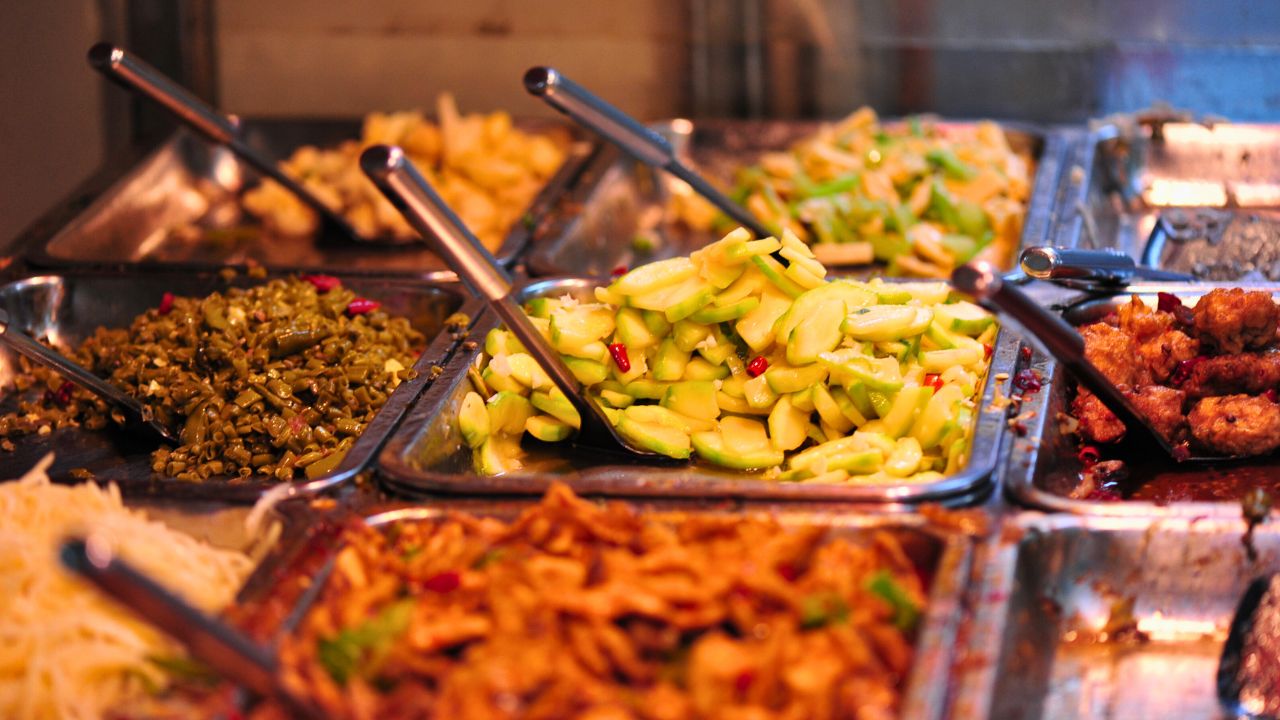
Suddenly, they wanted a family dinner there—the very same restaurant the father-in-law used to call “not nice, not worth the money” when he worked there. Now, he’s bragging about getting a “discount for everyone,” and it’s painfully clear who is expected to pick up the tab.
The Internet Reacts
The online community was practically boiling over with indignation on the woman’s behalf. Readers’ responses fell into a few distinct camps, all of them siding with the beleaguered daughter-in-law.
First was the “Absolutely Not” Crowd. These commenters were furious about the sheer audacity of the in-laws. One person perfectly captured the hypocrisy of the situation, writing, “It’s funny that the food supposedly wasn’t worth the price when FIL was working and would have been expected to pay for it himself. Now that he expects you to pay, all of a sudden it’s a great idea to go?” Another was more direct: “They don’t get to invite themselves anywhere on your dime. Just say no.”
Then came the “It’s a Husband Problem” Crowd. These readers looked past the in-laws and saw a much bigger issue. They felt the woman’s unemployed husband was failing to support her and protect their immediate family. “Your partner needs to be the one dealing with them and shutting it all down, not you,” one commenter advised.
Another pointed out that if her husband disagreed with her decision, “he can get a job and supplement his own parents.” Many were also appalled that the unemployed husband was too “grouchy and cranky” to get his own children ready for school in the morning, leaving his working wife to do it all.
Finally, there was the “Strategic Exit” Crowd. This group offered practical, if slightly mischievous, advice on how to handle the dinner itself. One person suggested a direct approach: “Don’t skip the meet up, just make it clear that everyone is covering their own meals.”

Others proposed a more passive tactic. “Have only the exact amount for yourself and kids in your purse and oops, you forgot your wallet!” one user cheekily suggested. The consensus was clear: do not get stuck with that bill.
The Etiquette Verdict
Let’s be perfectly clear: a serious illness is a tragedy, not a free pass for entitlement and poor behavior. While we should extend grace and support to those who are suffering, that support must be a gift freely given, not a tax levied through guilt and manipulation.
The golden rule of hosting is simple: the person who extends the invitation is the person who pays. For the in-laws to essentially invite themselves to an expensive dinner and expect their working daughter-in-law to foot the bill is a shocking breach of etiquette. It transforms a gesture of family togetherness into a transaction, and a deeply unfair one at that.
What Would You Do?
This woman is in an incredibly tough spot, caught between her duty and her dignity. Is it better to pay for the dinner to keep the peace during a difficult time, or is it finally time to stand her ground against this entitled behavior?
Ready for the next level of insight? Discover more in my latest article here.