She Invited Us for a Home-Cooked Meal. Then She Handed Me a Takeaway Menu and the Bill.
We all understand the basic rules of being a good host. When you invite friends over for dinner, you make them feel welcome, you tidy up a bit, and you provide a meal that shows you’ve put in at least a little thought. It’s a simple act of care and respect that forms the bedrock of our social lives.
However, one woman recently took to the internet to share a story that challenges this very notion, sparking a fierce debate about modern hosting etiquette. Her friend’s idea of a “dinner party” involved a supermarket pizza and a call to the local takeaway, leaving her wondering if she was being unreasonable to feel a bit miffed.
The Incident
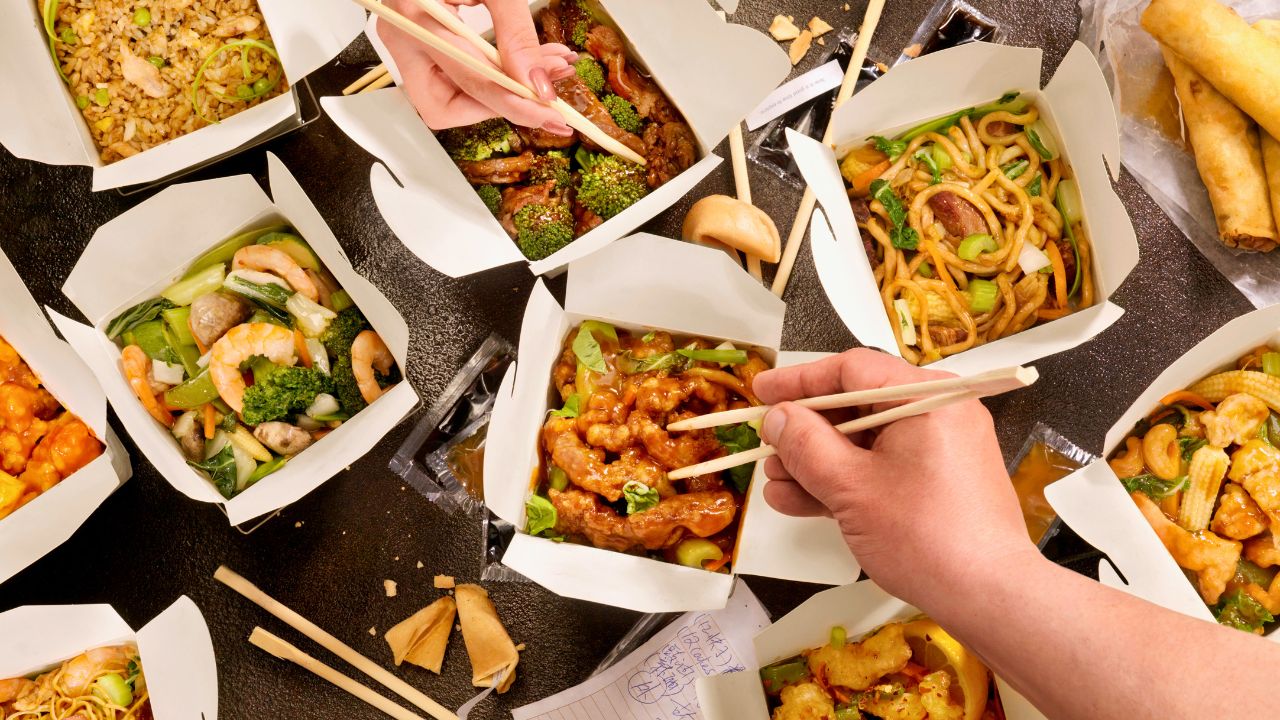
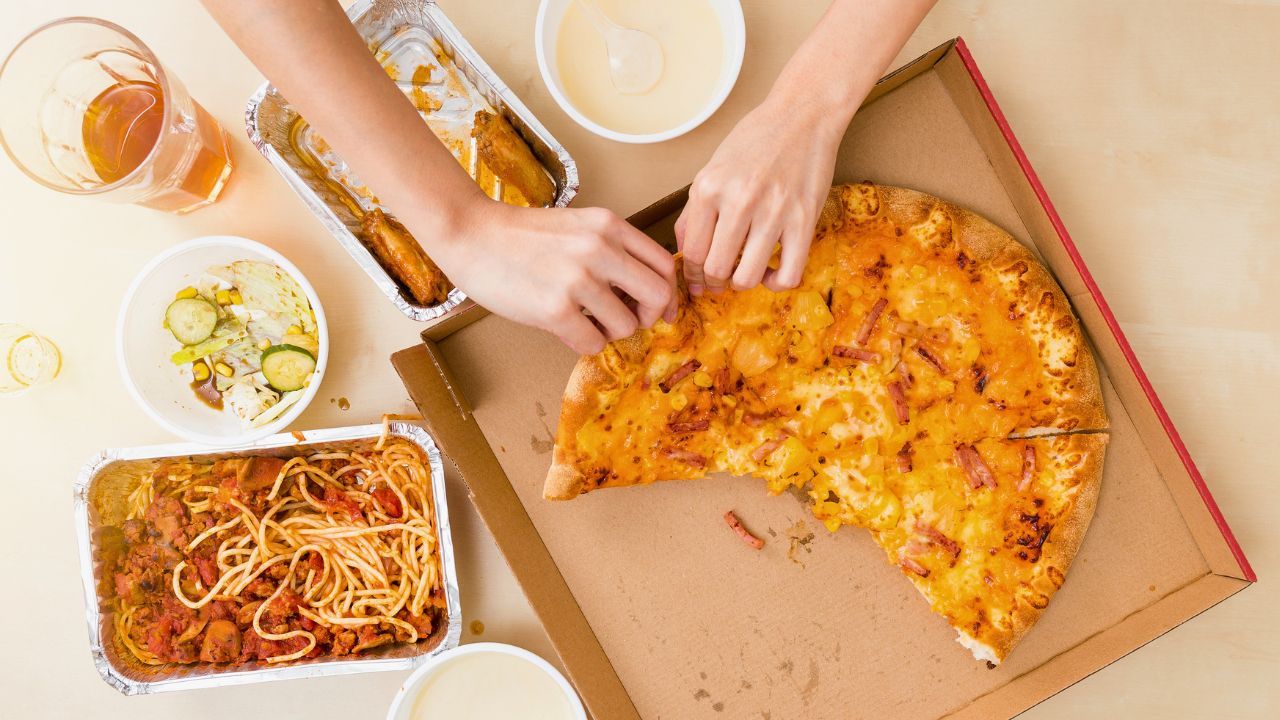
A woman, let’s call her Ann, found herself in a frustrating social cycle. She and her husband were regularly invited to an old friend’s house for dinner, an event often planned weeks or even months in advance. The problem? The “dinner” consistently turned out to be either shop-bought pizzas or a suggestion to order a takeaway, for which they were expected to pay their share.
Ann was baffled. Her friend is a stay-at-home mother who, Ann knows for a fact, cooks proper meals for her children. To her, the lack of effort felt insulting. “I don’t understand why they can’t make even a spag bol for us?!” she lamented online. The situation was made worse by the fact that she and her husband were trying to lose weight and found the local takeaway options uninspiring and overpriced.
When Ann hosts, she makes an effort with nice, homemade food. She even tried to solve the problem by offering to cook and bring a dish to her friend’s house, but her friend became “awkward/defensive.” The repetition of these low-effort evenings began to grate on her, making her feel that the invitations were more of a chore than a pleasure.
As the online discussion unfolded, Ann had a moment of clarity. The pizza wasn’t the real problem. “I’m actually not that fussed about seeing them,” she admitted. “We‘ve grown apart over the years and now [are] really different people, so that’s probably why it irritates me that they make so little effort with the food.”
The Internet Reacts
The story divided the internet, with people falling into several distinct camps. It seems everyone has a strong opinion on what it means to be a good host.
Camp 1: The “Absolutely Not” Crowd
Many readers were firmly on Ann’s side, appalled by what they saw as a complete failure of hosting duties. They felt that inviting someone for dinner carries a responsibility to, well, provide dinner. One commenter put it bluntly: “Your friends are lazy and bad hosts… Why invite you around if they can’t be bothered making a basic effort?”
Another agreed, stating, “Inviting someone for dinner means making an effort and cooking.” The fact that the guests were also expected to pay for their own takeaway meal was a step too far for some. “But what I can’t get over is they invite you over – and then you have to pay for your own food?! Bonkers!” one person exclaimed.
Camp 2: The “Devil’s Advocate”
Of course, others rushed to the host’s defense, suggesting there could be perfectly good reasons for her casual approach. Many pointed out that for a busy mother, an evening with friends is about connection, not cooking. “She probably wants a relaxing evening socialising and not cooking or washing up,” one user reasoned.
Others speculated that the friend might lack confidence in the kitchen or simply be tired of cooking after feeding her family all week. “For them, standing cooking in their own kitchen isn’t the treat,” a commenter explained. “The treat is adult company and an excuse NOT to cook.” This group felt Ann was focusing on the wrong thing, arguing that she should value the company over the cuisine.

Camp 3: The “Petty Revenge” Crowd
Then came the problem-solvers, who offered all sorts of creative and slightly mischievous advice. Some suggested a direct, but gentle, takeover. One person proposed a clever tactic: “Say we will bring the takeaway as a surprise and say – we’re not coming unless we can treat you for a change, then make a delicious easy to transport dish & take with you.”
A more straightforward suggestion was to simply bring your own meal. “Take yourself something to warm up. They can get a take away,” another advised. Others recommended setting new boundaries, like suggesting meeting for coffee instead or just declining the invitations altogether, letting the friendship fizzle out naturally.
The Etiquette Verdict
While I can certainly sympathize with a tired host who doesn’t want to spend all night in the kitchen, inviting people for “dinner” sets an expectation. It implies warmth, care, and effort. Serving a frozen pizza or asking guests to pay for a takeaway, especially repeatedly, falls short of that standard. It sends a message that the guests’ presence is not quite special enough to warrant turning on the stove.
The golden rule of hosting is simple: make your guests feel valued. A simple pasta dish, a salad, or a pre-made lasagna heated up in the oven achieves this. It’s not about gourmet cooking; it’s about the thoughtful gesture that says, “I’m so glad you’re here.”
Call to Action
What do you think? Was the guest being a food snob and expecting too much from a casual get-together, or was the host’s lack of effort a clear sign of bad manners?
Ready for the next level of insight? Discover more in my latest article here.