My SIL Accused Me of ‘Forcing Keto’ Over Cauliflower Rice. So She Ordered Fast Food to My Table. And Got Banned From My Kitchen.
We all know that when you are a guest in someone’s home, good manners dictate that you eat what is served, or at the very least, you politely decline without making a scene. It’s a simple rule of civility we learn as children.
However, one woman recently took to the internet to share a story that proves not everyone follows these basic rules of etiquette, especially when it comes to something as simple as a side dish.
The Incident
A young woman, who we’ll call Laura, shared a story about a dinner party gone wrong. For two years, Laura has followed a ketogenic diet, not as a trend, but because it has genuinely helped with her digestive issues and weight management. She’s very close with her younger brother, and since his marriage last year, she’s been trying to get to know her new sister-in-law, or SIL.
The SIL, however, has a habit of making little jabs about Laura’s eating habits, often telling her she should just “eat some pasta” and work out more. Laura always let these comments slide, chalking them up to playful teasing. The trouble began when Laura invited the couple over for dinner. She thoughtfully asked if they had any preferences, and they told her anything would be fine.
So, Laura prepared a meal she thought everyone would enjoy: delicious bacon-wrapped sausages with a side of cauliflower rice mixed with broccoli and bacon. The evening started well enough, but midway through the meal, her brother asked what was in the rice dish. When Laura explained it was cauliflower, the mood shifted dramatically. The SIL became upset, accusing Laura of being “sneaky and unreasonable” and trying to “force keto on her.”
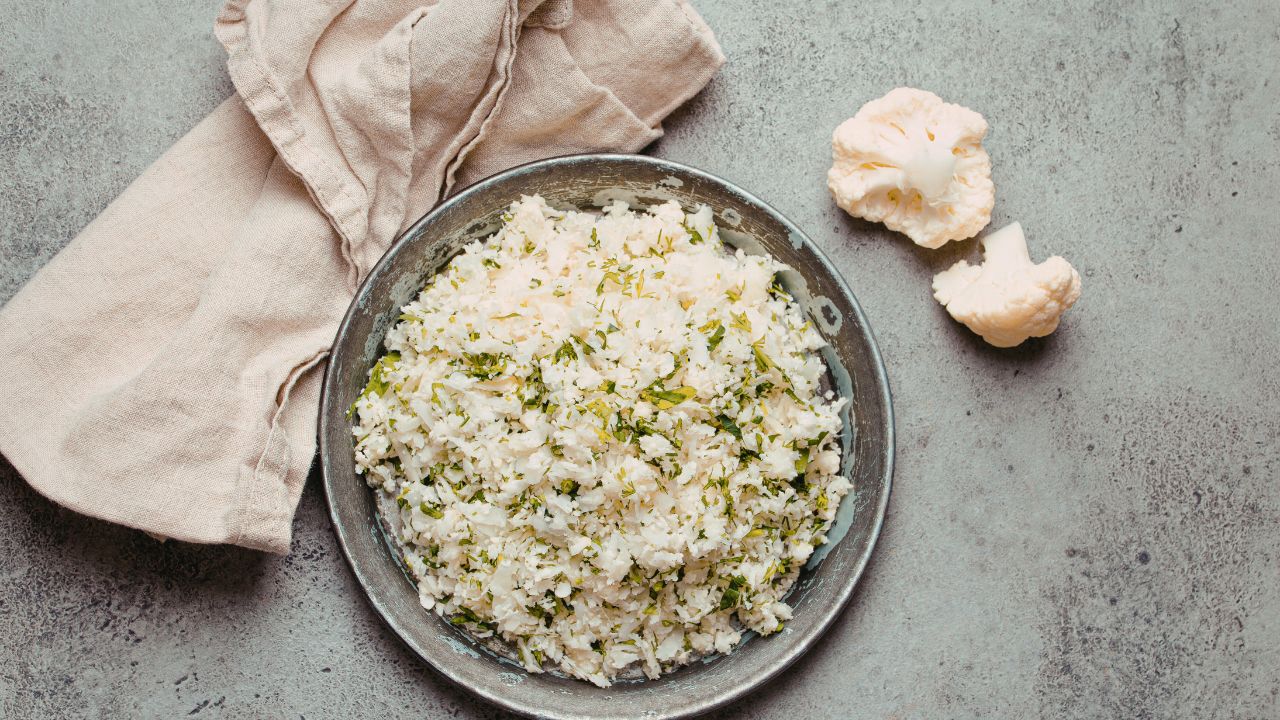
She refused to eat another bite and proceeded to order fast food to be delivered to Laura’s home. Later, when the SIL overheard Laura suggesting a future meal with just her brother, she erupted again, demanding to know why Laura couldn’t just make “real rice or pasta like a ‘normal person’.”
The Internet Reacts
When Laura shared her story, the internet had plenty to say, and most people were firmly in her corner. The reactions quickly split into a few distinct camps.
First, there was the “Absolutely Not” crowd, who were simply appalled by the sister-in-law’s behavior. They felt her reaction was completely out of proportion. One commenter made a brilliant point, writing, “If a Muslim invites me to dinner at their house, I don’t expect sausages. If a vegetarian invites me, I wouldn’t expect meat.”
This sentiment was echoed by many who felt it was common sense to expect a host to cook food that aligns with their own dietary needs, especially in their own home. Another person added, “It’s ONE meal where you are a guest. You aren’t the center of the universe where everyone built this plan to trick you.”
Then came the “Devil’s Advocate” camp. While no one excused the sister-in-law’s tantrum, some did point out that Laura’s own descriptions were a bit judgmental. In her original post, Laura described her SIL as having an “immature palate.” One reader wryly noted, “where does a person who wraps sausage in bacon and puts it in every dish get off on acting like someone eating fast food is being unhealthy?”
Others were simply skeptical of the entire situation, finding it hard to believe someone wouldn’t immediately recognize cauliflower rice. As one person put it, “It’s a little sus to me that the SIL couldn’t tell the difference between real rice and cauliflower rice. It looks, smells and tastes completely different.”
The Etiquette Verdict
Let’s be perfectly clear: the sister-in-law’s behavior was inexcusable. When you accept a dinner invitation, you accept the host’s hospitality. To accuse your host of “tricking” you because they used a vegetable substitute is childish. To then order takeout to their home is the height of disrespect. It sends a clear message that their effort means nothing to you.
The golden rule of being a dinner guest is gratitude. You are there to enjoy the company and appreciate the meal someone has taken the time to prepare for you. If you have serious allergies or dietary restrictions, it is your responsibility to inform the host beforehand. The sister-in-law was given that chance and declined. A gracious guest would have simply eaten the sausages and broccoli and politely left the “rice.”
Your Thoughts
This situation certainly struck a nerve, leaving many to wonder about the state of modern manners. It raises a question for all of us who enjoy hosting and being guests in the homes of our loved ones.
Was the sister-in-law’s reaction an understandable food preference, or was it simply inexcusable rudeness?