My Rent-Free MIL Refused to Clean Up and Left a Safety Door Unlocked, Then She Unraveled and Stormed Out
We’re all familiar with the unspoken golden rule of staying in someone else’s home: you’re there on the host’s terms, not yours. You tidy up after yourself, you follow the household’s expectations, and you absolutely don’t make your host’s life more difficult. It’s basic, straightforward etiquette that the vast majority of us picked up in childhood.
Yet, one woman recently went online to share an experience that demonstrates how not everyone abides by these fundamental principles—particularly when family dynamics enter the picture. She found herself juggling the bone-deep fatigue of caring for a newborn while dealing with a mother-in-law whose visit evolved from a brief helping hand into a prolonged, stressful ordeal.
The Incident
The tale kicks off with a type of family tension many of us can relate to. A woman’s mother-in-law required a “temporary” place to stay after her lease came to an end. This occurred just a fortnight before the woman’s due date. What was supposed to be a brief living arrangement quickly unraveled when the mother-in-law was let go from her job, meaning she had no choice but to remain—all while paying zero rent.
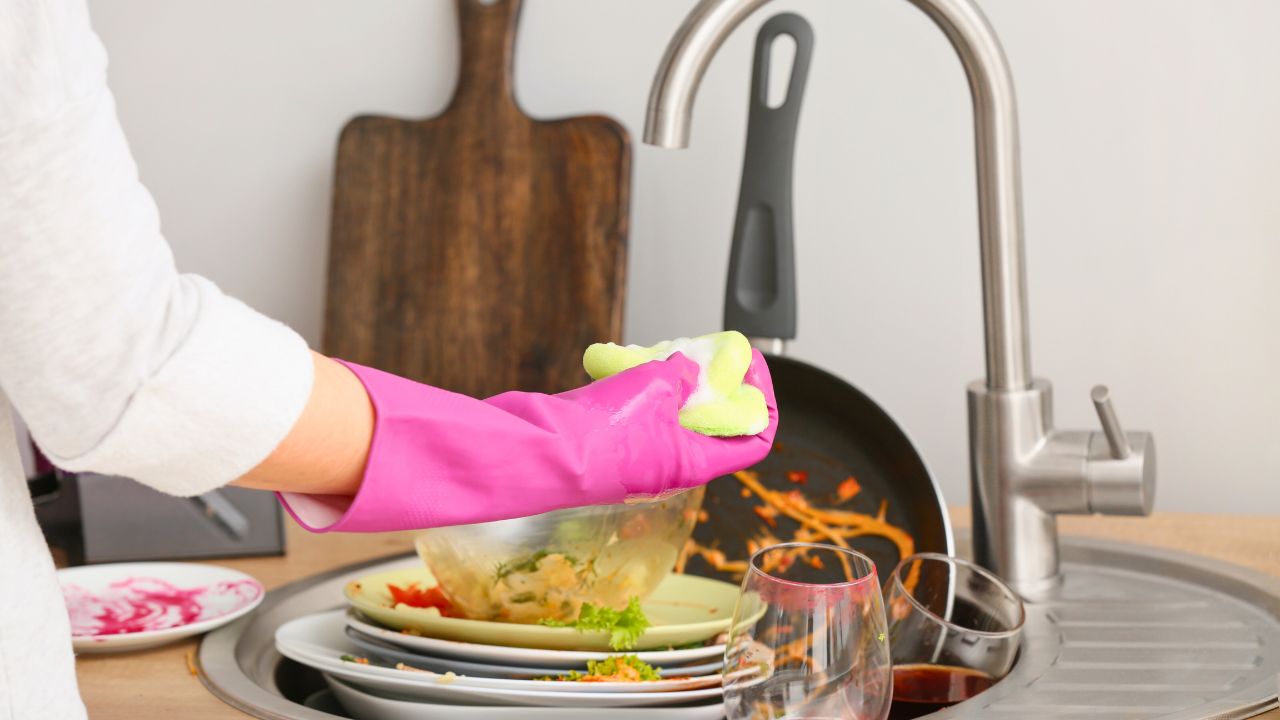
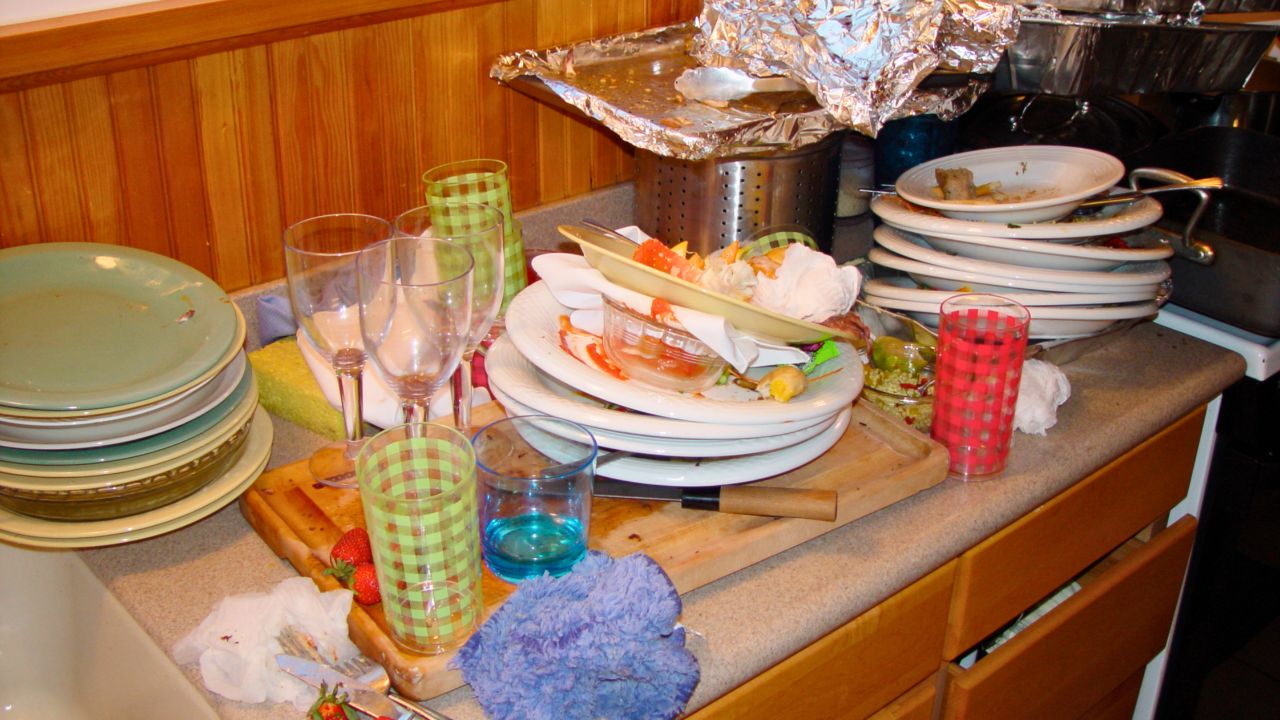
Rather than pitching in, she turned into an added source of anxiety. The new mom, already drained and recovering from childbirth, constantly found herself picking up after her houseguest. The mother-in-law would abandon dirty plates and Tupperware containers in the sink, sometimes for weeks on end. The young mother explained that encountering them every single time she tidied the kitchen had become “overwhelming.”
Things then went from aggravating to genuinely alarming. The household includes a child with autism who is nonverbal and at risk of elopement—a deeply serious safety issue. They had made it explicitly clear to the mother-in-law just how vital it was to keep the back door secured. Despite this, she left it unlocked on two separate occasions within two days.
After enduring months of this behavior, the woman requested that her husband have a conversation with his mother regarding the dishes. Following two separate requests, the mother-in-law at last washed them—but then grew visibly upset. She packed up her belongings and, when confronted about her reaction, drew a comparison to the time her son lived under her roof as a teenager and neglected his dishes. She announced that “this just isn’t working” and marched out, leaving the family in shock.
The most revealing detail of all? The woman concluded her account by noting, “Might I add that this lady has a serious drinking problem.”
The Internet Reacts
The online response was overwhelmingly supportive of the new mother, though commenters tended to fall into a few recognizable categories.
To begin with, there was the “Absolutely Not” faction. These readers were outraged on the family’s behalf, viewing the mother-in-law’s conduct as entirely inexcusable. One commenter stated it bluntly: “Do not allow her back into your house. Your kids don’t need that kind of instability.”
Someone else highlighted the complete absence of appreciation, writing, “Lord, she should be doing all the households dishes and more as a thank you for a place to live especially rent free!” The prevailing sentiment in this group was unmistakable: let her go and don’t look back.
Next came the “Devil’s Advocate” contingent, who, without defending the behavior, recognized a more tragic narrative beneath the surface. They highlighted the mother-in-law’s cascading crises—losing her housing, her employment, and her sense of purpose—as indicators of something more profound going on.
“I would be concerned that her mental health is declining,” one commenter observed, while another simply remarked, “Sounds like alcohol and depression.” This group acknowledged that although the family was justified in safeguarding their wellbeing and security, the mother-in-law was clearly someone spiraling downward who needed support the family simply wasn’t in a position to offer.
Lastly, a smaller yet outspoken group argued this was equally a “Husband Problem.” They challenged why the husband permitted the situation to drag on, particularly with a postpartum wife and a vulnerable child under the same roof. One incisive commenter observed, “Husband’s sister doesn’t allow this in their household but he allows his wife who is a new mother to stress over this?”
Another raised an entirely valid point: “Why wasn’t your husband stepping up and doing the dishes? You were postpartum with another child to look after.”
The Etiquette Verdict
Let’s make one thing absolutely clear: being a generous and welcoming host does not require you to let people walk all over you. This young family opened their doors to a relative in crisis, and what they got in return was disrespect, additional labor, and a frightening threat to their child’s safety. Requesting that a long-term, rent-free guest handle their own dirty dishes isn’t merely reasonable—it’s the absolute least that should be expected.
The fundamental principle for any houseguest is to lighten the load for your hosts, not pile more onto it. This applies tenfold when your host has just given birth. The mother-in-law’s behavior served as a textbook example of everything a guest should avoid. She refused to contribute, left messes behind, and most critically, put a child in danger. Her theatrical departure was, quite honestly, a blessing in disguise.

Your Thoughts
It’s undeniably a complicated family predicament. The mother-in-law is clearly going through a rough patch, but the family’s peace of mind and safety have to take priority. The trash, as the saying goes, took itself out.
Was the daughter-in-law justified in finally putting her foot down, or should she have exercised greater patience with her struggling mother-in-law?