12 American Food Classics with Surprising International Origins
You’d think apple pie and buffalo wings came straight from American kitchens, right? The truth will make you question everything you know about your favorite comfort foods. From backyard barbecues to late-night takeout runs, these “all-American” dishes actually started their stories thousands of miles away.
Take fortune cookies – those cryptic little treats you crack open at Chinese restaurants. Would you believe they’re about as Chinese as a cheeseburger? And that all-American hot dog? It rolled into town from Germany. Even mac and cheese, the ultimate American comfort food, traces its gooey roots back to European nobility.
The real genius of American food lies in how we borrowed, adapted, and transformed international dishes into something uniquely our own. These 12 foods tell a story of immigration, innovation, and the true melting pot nature of American cuisine. Each bite carries a passport full of unexpected stamps.
Key Lime Pie
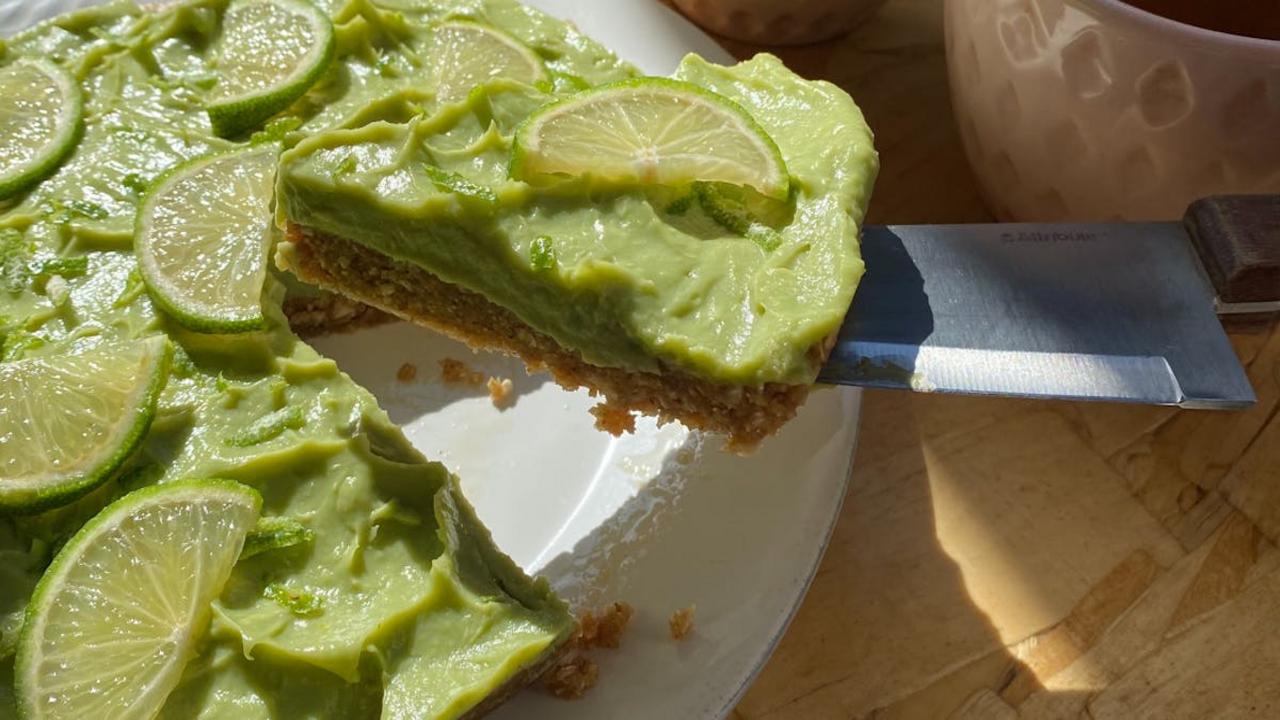
You might think Key lime pie got its start in a quaint Florida Keys kitchen, but here’s a zesty twist – this creamy, tart dessert actually traces back to Borden condensed milk company in New York! The magic happened in the 1930s, long before refrigeration became common in Florida homes. Local cooks discovered they could mix condensed milk with Key lime juice, and the acids would naturally thicken the filling without any baking needed – a genius solution for those steamy Florida days.
The real kicker? Those tiny Key limes that give the pie its name aren’t even native to Florida – Spanish explorers brought them from Malaysia in the 1500s! Today, despite being Florida’s official state pie (yes, that’s a thing), most Key lime pies don’t even use real Key limes anymore. Persian limes have largely taken over, though die-hard pie enthusiasts swear nothing matches the intense punch of those original little yellow-green gems. And if anyone tries to serve you a bright green Key lime pie, run the other way – that’s just food coloring trying to fool you!
Buffalo Wings
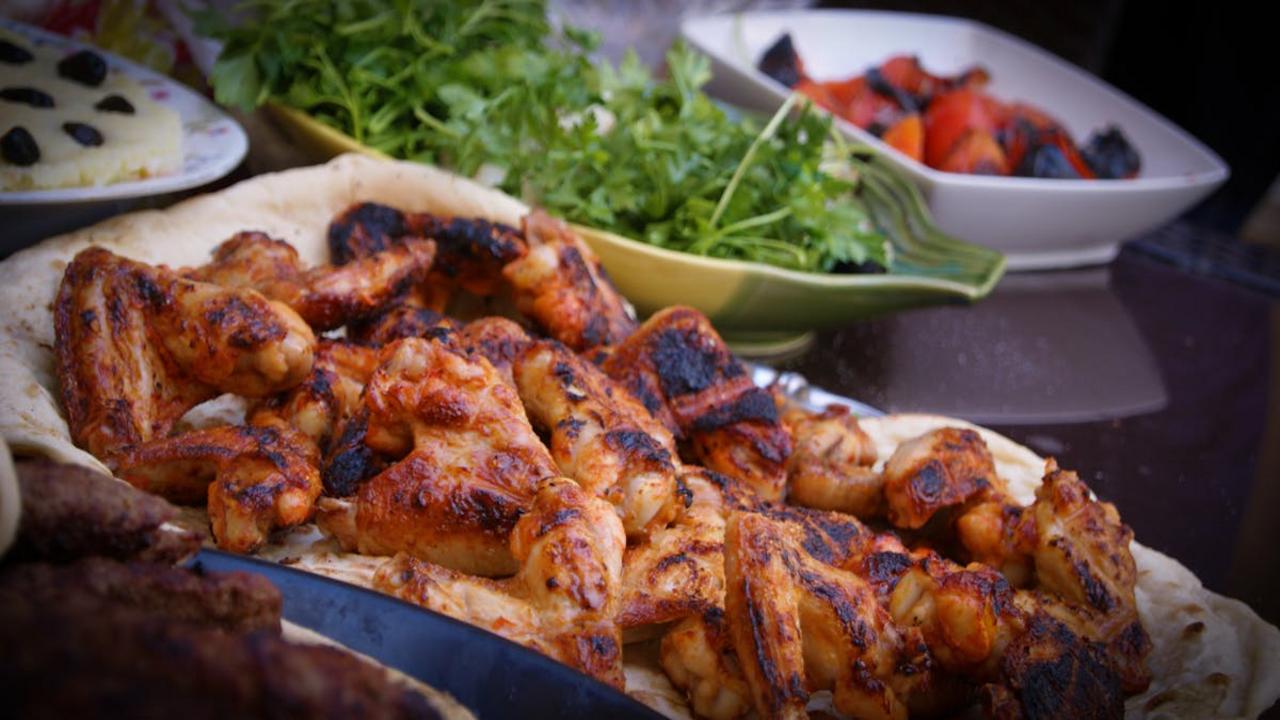
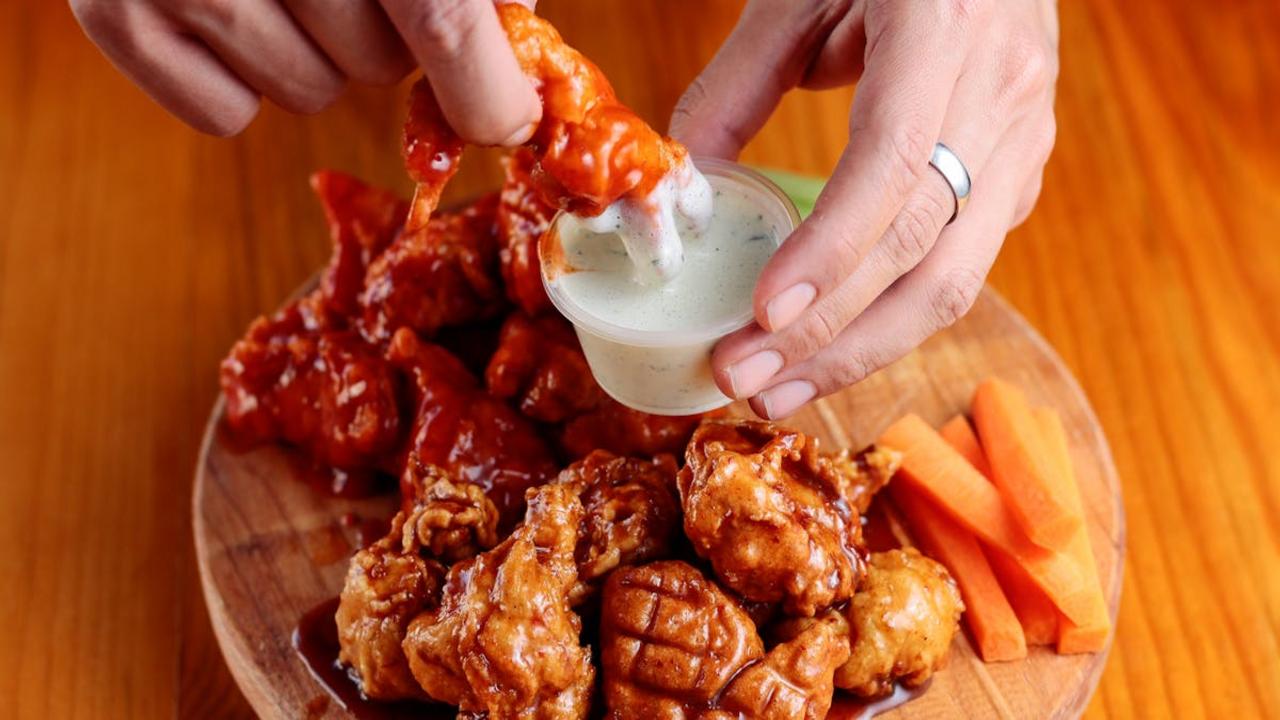
I bet you’d never guess that those fiery, finger-licking Buffalo wings you devour during football games were born from a late-night mishap! In 1964, Teressa Bellissimo at the Anchor Bar in Buffalo, New York, created these bad boys when her son and his friends wanted a midnight snack. She took some chicken wings (usually destined for the soup pot), deep-fried them, tossed them in hot sauce, and served them with celery and blue cheese dressing. What started as a quick fix turned into an American food phenomenon that now sees Americans consume over 1.4 billion wings during Super Bowl weekend alone!
The original Buffalo wing sauce combines Frank’s RedHot sauce with melted butter – simple yet magical. While Teressa kept her exact recipe secret, the Anchor Bar still serves up thousands of wings daily to hungry visitors who make the pilgrimage to this sacred site of snacking. Nowadays, you’ll find endless variations – from honey BBQ to ghost pepper – but purists stick to the classic Buffalo style. Fun fact: the city of Buffalo has even declared July 29th “Chicken Wing Day,” and they host a massive wing festival every Labor Day weekend where competitive eaters battle it out for saucy supremacy!
Ranch Dressing
You might think ranch dressing is as American as apple pie, but this creamy condiment actually traces its roots back to Alaska via… wait for it… a plumber! Steve Henson worked as a plumber in the remote Alaskan wilderness during the 1950s, where he created this now-iconic dressing to make the basic salads and vegetables more appealing to his crew. The original recipe combined buttermilk, mayonnaise, and herbs, quickly becoming a hit among the workers who couldn’t get enough of its rich, tangy flavor.
In 1972, Steve and his wife Gayle opened Hidden Valley Ranch near Santa Barbara, California, where the dressing became so popular that guests would bring empty jars to fill up and take home. The demand grew so intense that they started a mail-order business, shipping packets of dried herbs and spices that customers could mix with mayonnaise and buttermilk. By 1983, the Hensons sold their company to Clorox for $8 million – not bad for a plumber’s kitchen creation! Today, Americans consume about 197 million gallons of ranch dressing annually, making it the nation’s #1 salad dressing.
Macaroni and Cheese
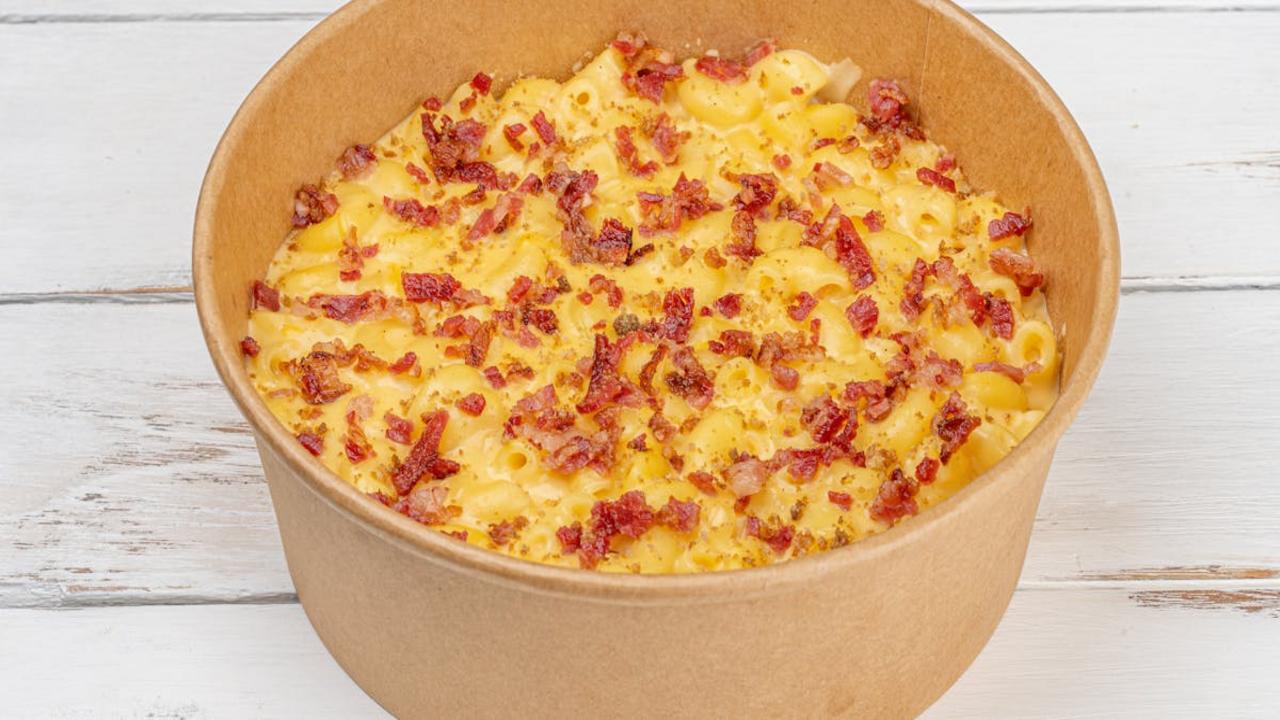
You might think mac and cheese is as American as baseball and apple pie, but this gooey comfort food actually got its start in 14th century Italy! The first recorded recipe appeared in a Latin cookbook called “Liber de Coquina,” which featured pasta and Parmesan cheese. The dish then made its way to England, where it caught the attention of Thomas Jefferson during his European travels. He loved it so much that he brought back a pasta machine and sketched detailed macaroni designs in his notebooks – talk about a presidential-level obsession!
While Jefferson didn’t invent mac and cheese, he definitely helped popularize it in America. In 1802, he served a “macaroni pie” at a White House dinner, making it an instant hit among the political elite. The first American recipe appeared in Mary Randolph’s 1824 cookbook “The Virginia Housewife,” which mixed macaroni with butter and cheese. Fast forward to 1937, when Kraft introduced their boxed version during the Great Depression, offering families a cheap, filling meal that would feed four for 19 cents. Now Americans consume over 2 million boxes of Kraft Mac & Cheese every day – clearly, we’ve taken this Italian creation and made it our own!
Meatloaf
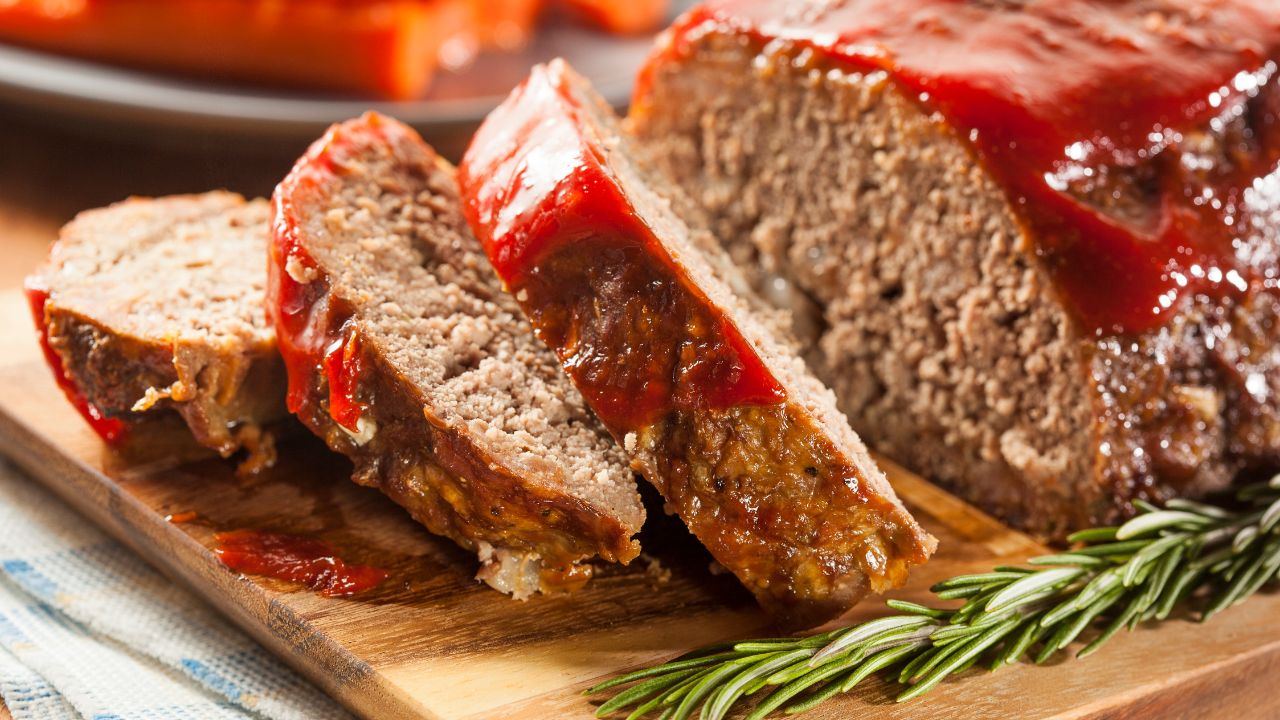
Your favorite American comfort food actually has German roots! The concept of mixing ground meat with fillers like breadcrumbs dates back to ancient Rome, but meatloaf’s direct ancestor is the German dish “Falscher Hase” (fake rabbit). German immigrants brought this budget-friendly recipe to America in the late 1800s, where it transformed into the ketchup-glazed loaf we know today. Your grandma might swear by her secret recipe, but she probably didn’t know she was cooking up a dish that German frugal cooks created to make expensive meat go further.
During the Great Depression, meatloaf became an American staple, with creative home cooks mixing in oats, crackers, and even breakfast cereal to stretch their meat supply. The real game-changer came in the 1950s when Penny Prudence published her recipe featuring a sweet, sticky ketchup glaze – a distinctly American addition that would make any German cook raise an eyebrow. Now, every family has their own version, from bacon-wrapped to cheese-stuffed, but the basic concept remains true to its German roots: take some ground meat, add some filler, and create magic in a loaf pan.
German Chocolate Cake
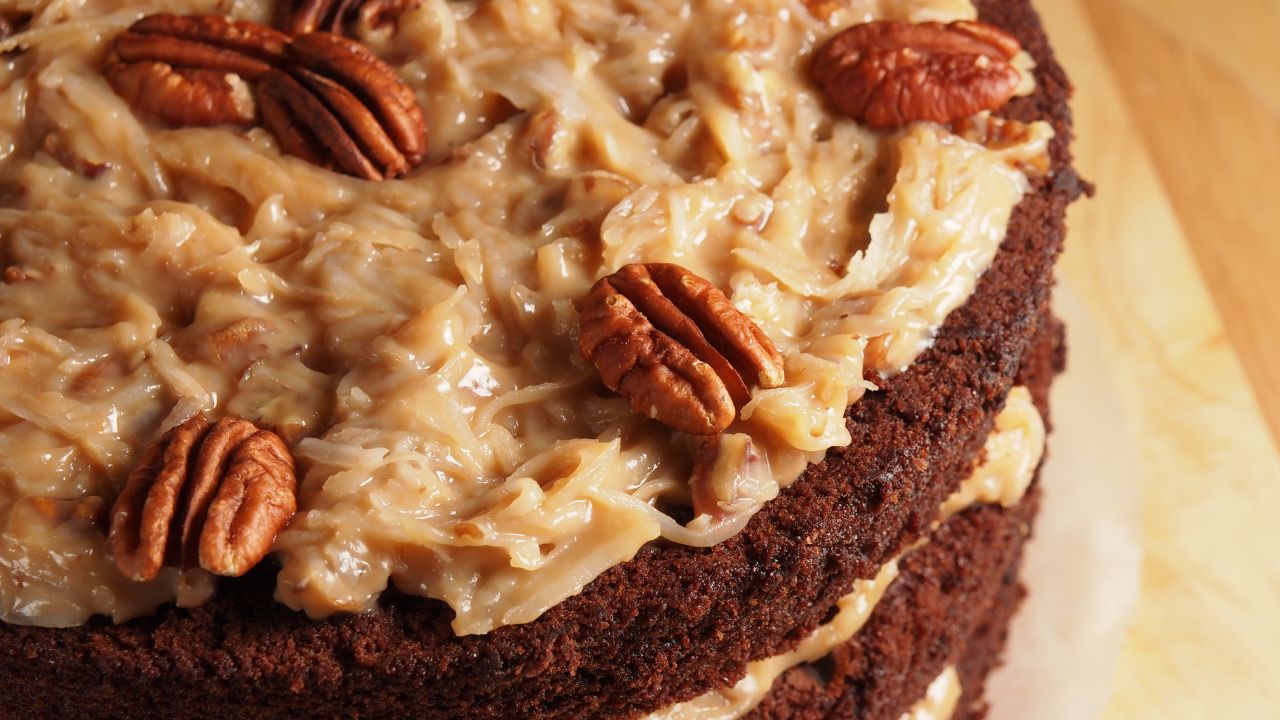
Here’s a fun twist that’ll make you question everything you know about German Chocolate Cake – it’s not German at all! This decadent dessert was actually born right here in America, created by Sam German, an English-American chocolate maker who worked for Baker’s Chocolate Company. In 1852, he developed a sweet baking chocolate bar for the company, which they named “German’s Sweet Chocolate” in his honor. The cake itself wouldn’t make its debut until over 100 years later!
The real magic happened in 1957 when Mrs. George Clay, a Dallas homemaker, shared her recipe using German’s Sweet Chocolate in the Dallas Morning News. Her creation – a chocolate cake filled and topped with coconut-pecan frosting – became wildly popular across Texas. General Foods, which owned Baker’s Chocolate at the time, noticed the buzz and started distributing the recipe nationwide. They dropped the possessive ‘s’ from “German’s,” leading generations of Americans to mistakenly link this thoroughly American dessert to Germany. So next time you dig into this coconutty, chocolatey heaven, remember you’re enjoying a true Texas-born treat!
Corned Beef and Cabbage
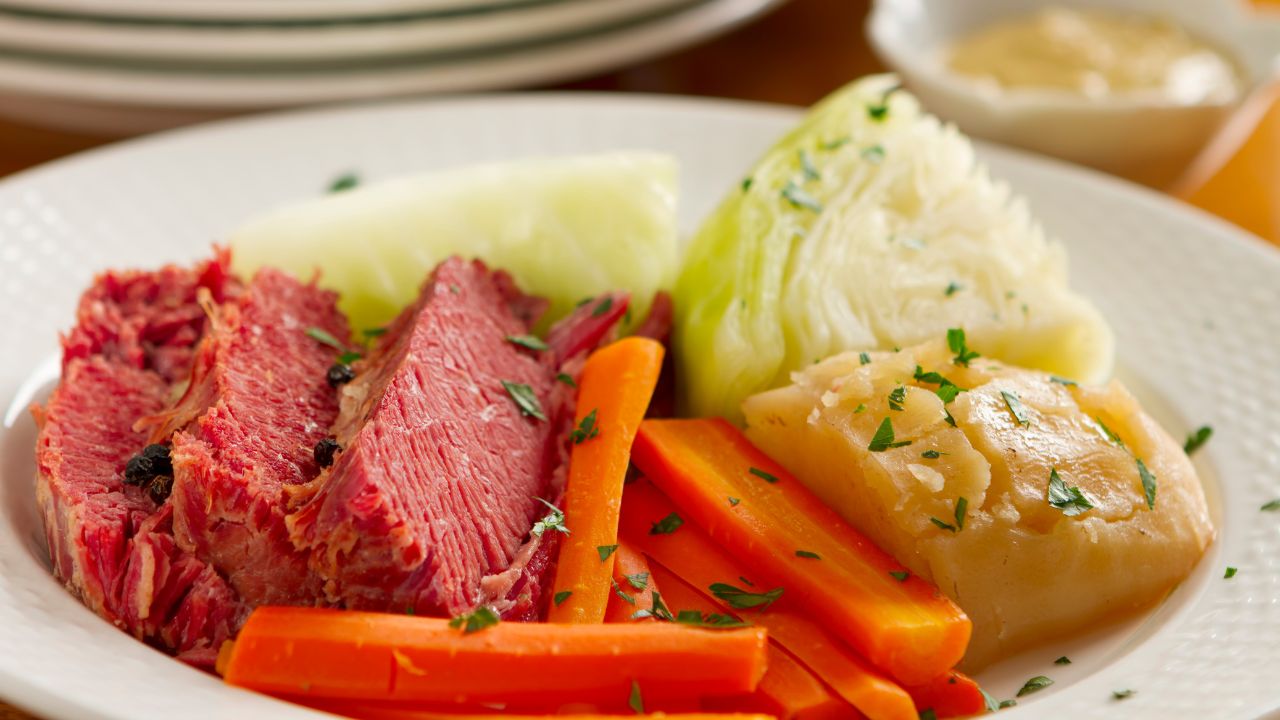
Hey, ready for a mind-bending food fact? That “traditional” Irish dish of corned beef and cabbage you wolf down every St. Patrick’s Day? It’s actually an American creation! While the Irish did eat plenty of cabbage back home, they paired it with bacon, not corned beef. When Irish immigrants landed in New York’s Lower East Side in the late 1800s, they found themselves living alongside Jewish neighbors who introduced them to kosher corned beef. This cheaper alternative to bacon quickly became a staple in Irish-American households.
The “corned” in corned beef has nothing to do with corn – it refers to the large salt crystals, or “corns,” used to cure the meat. The marriage of this preserved beef with cabbage happened naturally in America, where both ingredients were cheap and readily available to working-class immigrants. The dish gained such popularity that it became the go-to meal for St. Patrick’s Day celebrations across the USA, even though you’d be hard-pressed to find it on many menus in Ireland. Talk about a truly American spin on immigrant food traditions!
General Chicken
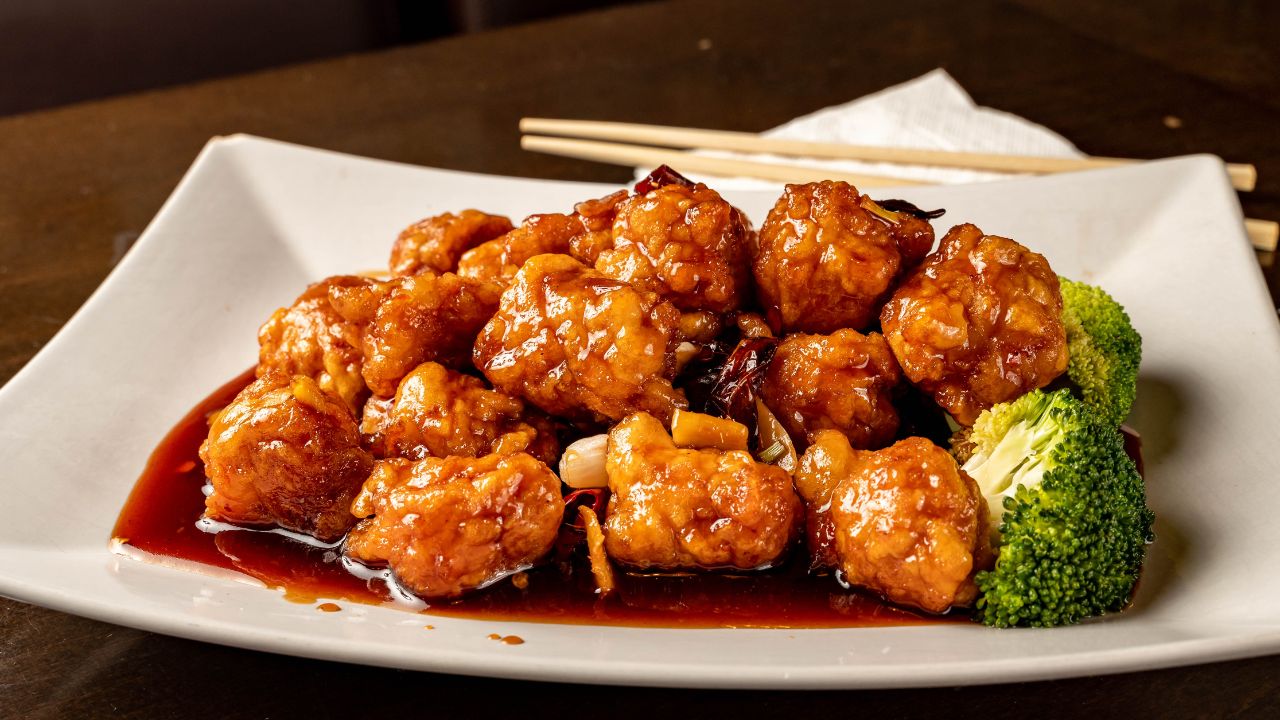
If you’ve ordered General Tso’s Chicken at your local Chinese takeout spot, you might think this sweet and spicy dish traces back to ancient Chinese military leader Zuo Zongtang (General Tso). But here’s the kicker – this popular dish was actually created in 1970s New York City! Chef Peng Chang-kuei invented it while working at his restaurant in Manhattan, specifically catering to American preferences for sweeter, crispier Chinese food.
The original version Chef Peng made in Taiwan was much spicier and less sweet than what we know today. When he brought it to New York, he noticed Americans weren’t big fans of super-spicy food, so he added more sugar and tweaked the recipe. The dish caught on like wildfire, and soon every Chinese restaurant in America had their own version. Today, you’ll have a hard time finding General Tso’s Chicken in China – it’s about as authentically Chinese as fortune cookies (which, by the way, were invented in California!).
Spaghetti and Meatballs
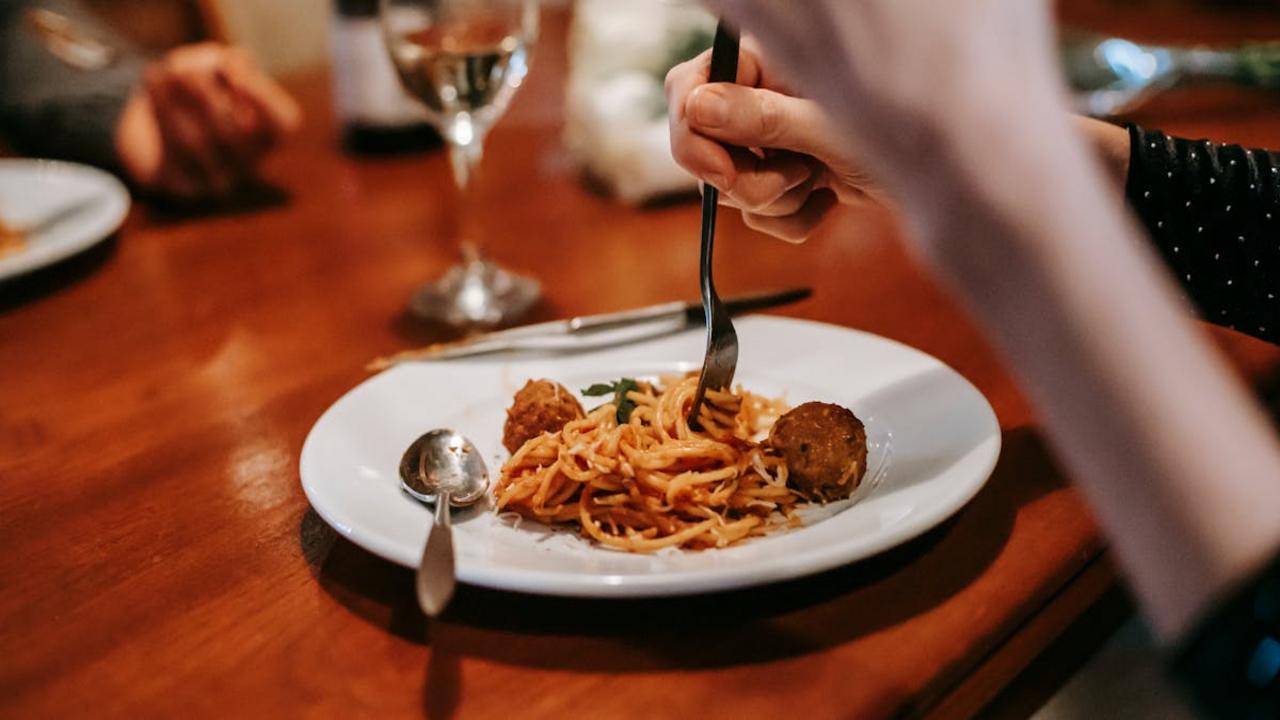
You might think spaghetti and meatballs originated in Italy, but this beloved American comfort food combo actually came to life right here in the USA! While Italian immigrants brought their traditional recipes for pasta and polpette (meatballs) in the late 1800s, they never served them together back home. In Italy, meatballs were much smaller and eaten as a separate course. The supersized American version with hefty meatballs swimming in tomato sauce atop a mountain of spaghetti? That’s pure New York City ingenuity, born in the tenements of the Lower East Side.
Italian-American cooks created this mash-up dish to feed their families affordably in their new homeland. They made meatballs bigger and meatier than their Italian counterparts, using more affordable cuts of beef instead of the traditional veal or pork. The abundant tomato sauce (also not typically served with pasta in Italy) helped stretch the meal even further. Today, you’ll find endless variations across the country – from grandma’s secret recipe to trendy restaurant interpretations – but the core comfort of this Italian-American marriage remains deliciously unchanged.
Apple Pie
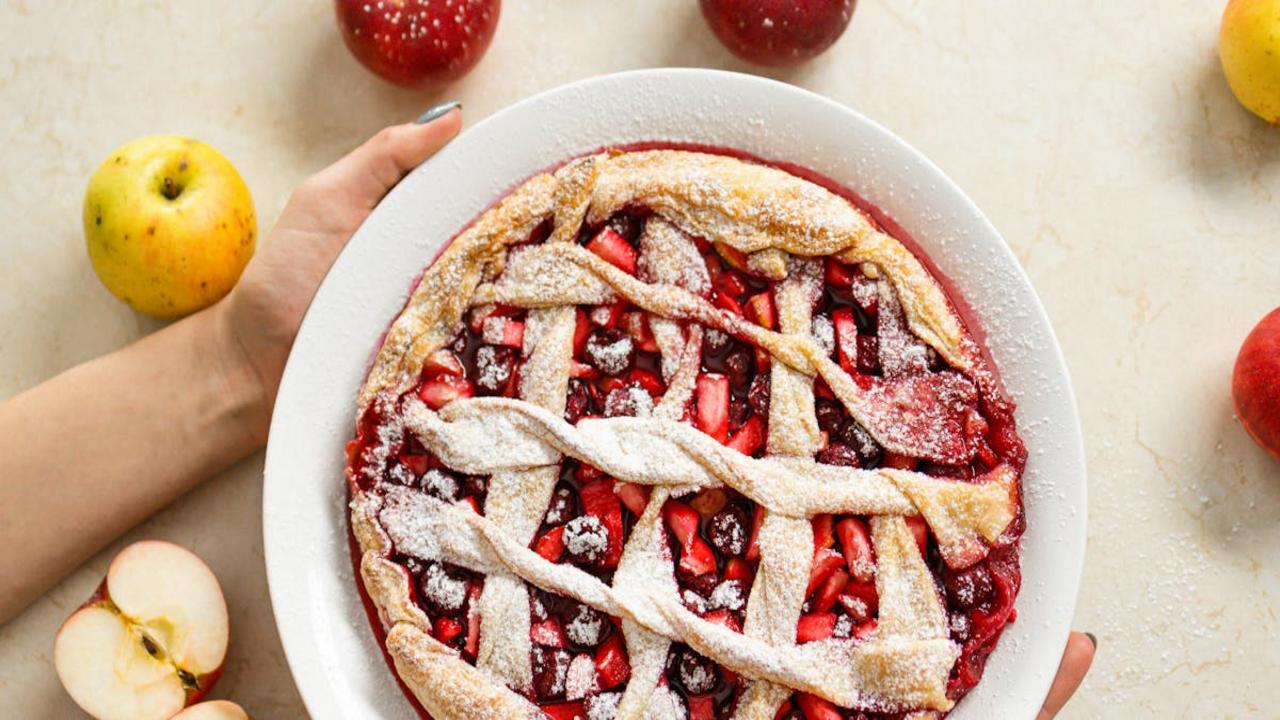
Here’s a shocker that might ruffle some patriotic feathers – apple pie isn’t as American as, well, apple pie! The British, Dutch, and Swedes were baking these sweet, cinnamon-scented beauties long before the Mayflower hit Plymouth Rock. In fact, the earliest printed apple pie recipe comes from England in 1381, and it didn’t even include sugar! The original version called for figs, raisins, and pears as sweeteners, since sugar was a rare luxury back then.
While the dessert may have European roots, Americans have absolutely made it their own since colonial times. Early American settlers brought apple seeds and grafts, planting orchards across the Northeast. By the 1700s, apple pie became a breakfast staple in New England – yes, you read that right! People ate it for breakfast alongside cheese (a tradition that lives on in Vermont and New Hampshire). The phrase “as American as apple pie” gained popularity during World War II, when soldiers would tell journalists they were fighting for “mom and apple pie,” cementing this borrowed dish’s status as an enduring American icon.
Hot Dogs
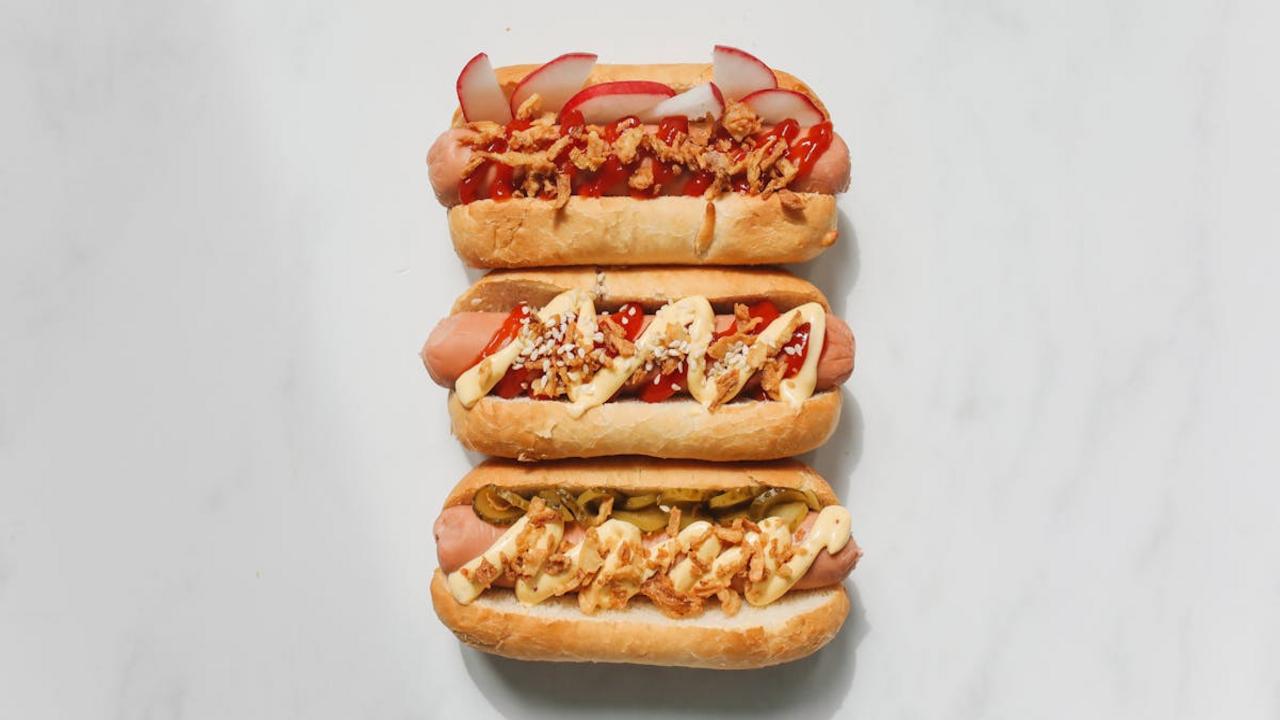
Your favorite ballpark snack actually started its journey in Germany, not America! While we’ve claimed hot dogs as our own (I mean, what’s more American than a hot dog at a baseball game?), these tasty sausages originated as “frankfurters” in Frankfurt, Germany. The story goes that German immigrants brought their beloved wurst to the US in the 1800s, and a clever vendor named Charles Feltman had the brilliant idea to serve them on buns in Coney Island, New York, back in 1871. He sold them for a dime each, and boy, did that decision pay off – he went from pushing a pie cart to owning a massive restaurant empire!
The name “hot dog” supposedly came from sports cartoonist Tad Dorgan at the New York Polo Grounds. He heard vendors yelling “Get your red hot dachshund sausages!” but couldn’t spell dachshund, so he just wrote “hot dog” in his cartoon. The simple switch stuck, and now we’ve got vendors nationwide shouting “HOT DOGS!” at every sporting event. From German street food to American icon, the hot dog has come a long way, baby! These days, Americans gobble up about 20 billion hot dogs annually – that’s enough to circle the Earth multiple times if laid end to end (though I recommend eating them instead of measuring them).
Fortune Cookies
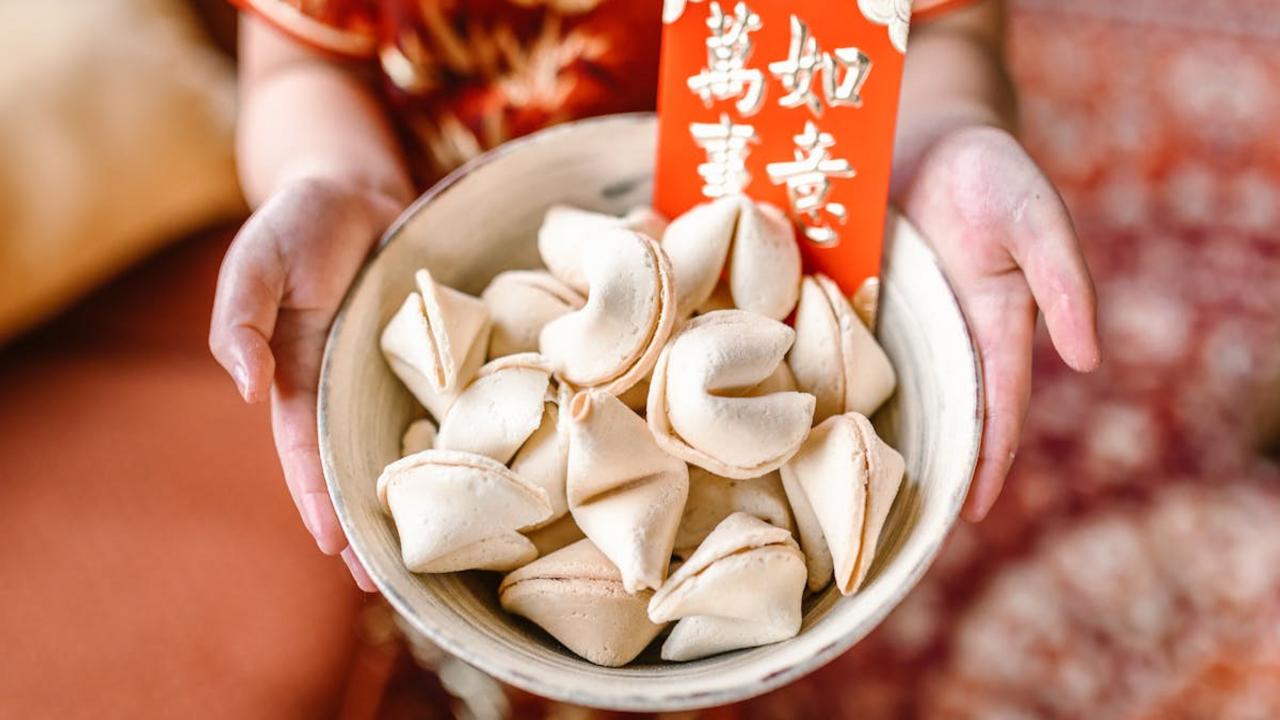
Here’s a plot twist that’ll make you chuckle – those “Chinese” fortune cookies you crack open at the end of your Chinese takeout? They’re actually Japanese! The original fortune cookie, called “tsujiura senbei,” was created in Kyoto, Japan in the 1800s. Japanese immigrants brought these treats to California in the early 1900s, but it wasn’t until Chinese restaurants started serving them post-World War II that they became synonymous with Chinese-American dining.
The modern fortune cookie we know today got its big break during World War II when many Japanese-Americans were forced into internment camps. Chinese entrepreneurs saw an opportunity and started mass-producing these crispy, prophecy-filled treats. Today, Brooklyn-based Wonton Food Inc. pumps out over 4.5 million fortune cookies daily – that’s a lot of wisdom wrapped in vanilla-scented wafers! Fun fact: Fortune cookies are so American that when they tried selling them in China in the 1990s, people found them too bizarre and tasteless. I guess some fortunes just aren’t meant to cross borders!