My Pregnant Wife Agreed To Host Thanksgiving, Then My Mom Tried To Add Her Own Main Dishes
There are unwritten social norms that most of us absorb as we grow up. You write a thank you card after receiving a gift, you hold the door open for whoever is walking in behind you, and when you’re invited to someone’s home for a holiday dinner, you absolutely do not try to overshadow the host. It’s a basic matter of courtesy.
Yet, one man recently posted a story online that makes it clear not everybody received that particular lesson—particularly when family dynamics and Thanksgiving collide.
The Incident
The story starts with a family still mourning the passing of their beloved grandmother. The man shared that after his grandmother died, his mother reached out to ask if she, his brother, and his niece could celebrate Thanksgiving at his place. This request came just seven days before the holiday. Originally, the man and his pregnant wife had intended to spend the day with her side of the family, since she didn’t feel up to preparing an elaborate feast. But out of a desire to support his mother, they shifted their plans and agreed to host.
His wife, despite her earlier reluctance, made the decision that she wanted to personally prepare the Thanksgiving meal. Her husband even volunteered to pitch in, but she turned him down. She had a clear concept in mind, a detailed plan, and was determined to craft a memorable holiday experience for the whole family.
Things appeared to be under control until the evening before Thanksgiving. His mother phoned and declared—without consulting anyone—that she’d be showing up with “stuffing with turkey legs, fresh sweet potatoes, and a cake.” When the wife learned about this, she went “absolutely ballistic,” he recounted.
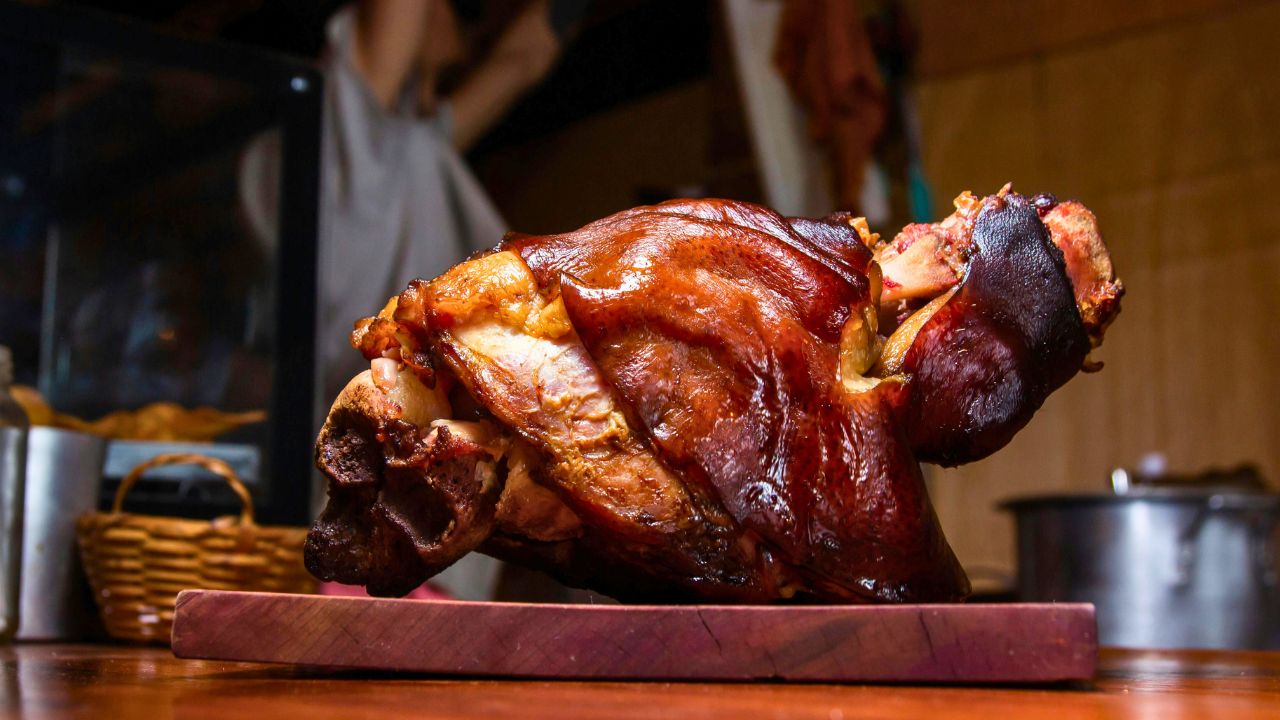
She considered it remarkably discourteous and dismissive for her mother-in-law to bring main course items to a dinner she was responsible for hosting. Compounding the issue, the husband had already informed his mother that they were preparing ham rather than turkey, which made her planned contributions feel less like a generous gesture and more like an attempted takeover.

The husband was caught squarely in the crossfire of a bitter dispute. From his perspective, his mother was simply being thoughtful, but his wife interpreted her actions as a direct affront to her cooking skills and her ability to host. The conflict intensified, with his wife reaching out to her own relatives to express how rude his mother had been. Ultimately, he was forced to phone his mother and ask her to bring only the cake—a compromise that left no one truly satisfied.
The Internet Reacts
Once the man turned to the internet seeking feedback, people had no shortage of opinions, and the responses quickly sorted themselves into several clear factions.
The first group was the “Absolutely Not” contingent, who stood firmly behind the wife. They viewed the mother-in-law’s behavior as a flagrant boundary violation. One commenter stated it plainly: “That is so unbelievably rude that either your mom is terminally oblivious or she’s making a power play.” Someone else highlighted the clear breach of social protocol, saying, “Oh hello, you do not announce you are bringing the main dish without clearing it with the person who is hosting… A side dish, sure, but the main dish? PLEASE.”
A large number of people believed the mother-in-law’s actions conveyed a deeply offensive underlying message. One person decoded it this way: “What your wife heard your Mom say: ‘Your wife can’t cook worth a [darn] and in her ‘condition’ she can’t handle her own [business] so I’m going to bring food.'”
Next up was the “Devil’s Advocate” faction, who acknowledged the mother-in-law was in the wrong but thought the wife’s response may have been somewhat excessive. One person attempted to strike a balance: “While Mom probably has the best of intentions, it is rude to tell the hosts what you’re bringing instead of asking what you can bring… Your wife was understandably upset, but trash talking your mom to her family crossed the line.” This group recognized the breach of etiquette but proposed that a little more grace from everyone involved could have gone a long way.
Lastly, there was the “There’s More to the Story” group. These perceptive readers had a hunch this wasn’t a one-time occurrence. They pointed to the mother inviting herself along on just a week’s notice and the husband’s apparent cluelessness as indicators of a much deeper family pattern.
One commenter astutely observed, “Respectfully that sounds like your mother playing games and you are just oblivious… I’m guessing this isnt the first ‘she means well’ incident.” These readers believed the wife’s intense reaction was almost certainly the product of an ongoing pattern of boundary-pushing behavior from her mother-in-law.
The Etiquette Verdict
Let’s make this absolutely unambiguous: when you are someone’s guest at a holiday gathering, the cardinal rule is to ask the host, “What can I bring?” You do not simply announce that you’re bringing essential elements of a meal they have invested time, money, and effort into organizing.
Doing so entirely undermines their authority and throws their carefully planned menu into disarray. While the mother’s intentions may well have been genuine, her approach was a textbook example of terrible etiquette. The host serves as the director of the production; you can’t simply waltz in carrying your own tuba and start blasting away.
What’s Your Take?
This is a quintessential holiday conflict where good intentions and their actual effect are completely mismatched. So, what’s your position on this? Did the wife overreact, or was her mother-in-law entirely out of bounds?