My Mother-In-Law Keeps Bringing A Huge Shrimp And Mushroom Dish That Wrecks My Christmas Dinner
We’re all familiar with the golden rule of being a good guest: show up with a warm attitude, a considerate gift for your host, and a willingness to enjoy whatever’s on the table. The host gets to decide what’s for dinner, and our job as guests is to appreciate the effort they’ve put in. It’s a straightforward, courteous understanding that preserves both friendships and family bonds.
Still, one woman recently turned to the internet to describe a holiday predicament that shows not everybody follows these unspoken guidelines. Her account of a cherished family custom that has morphed into a yearly point of contention has ignited a heated debate about who truly has authority over the Christmas dinner spread.
The Incident
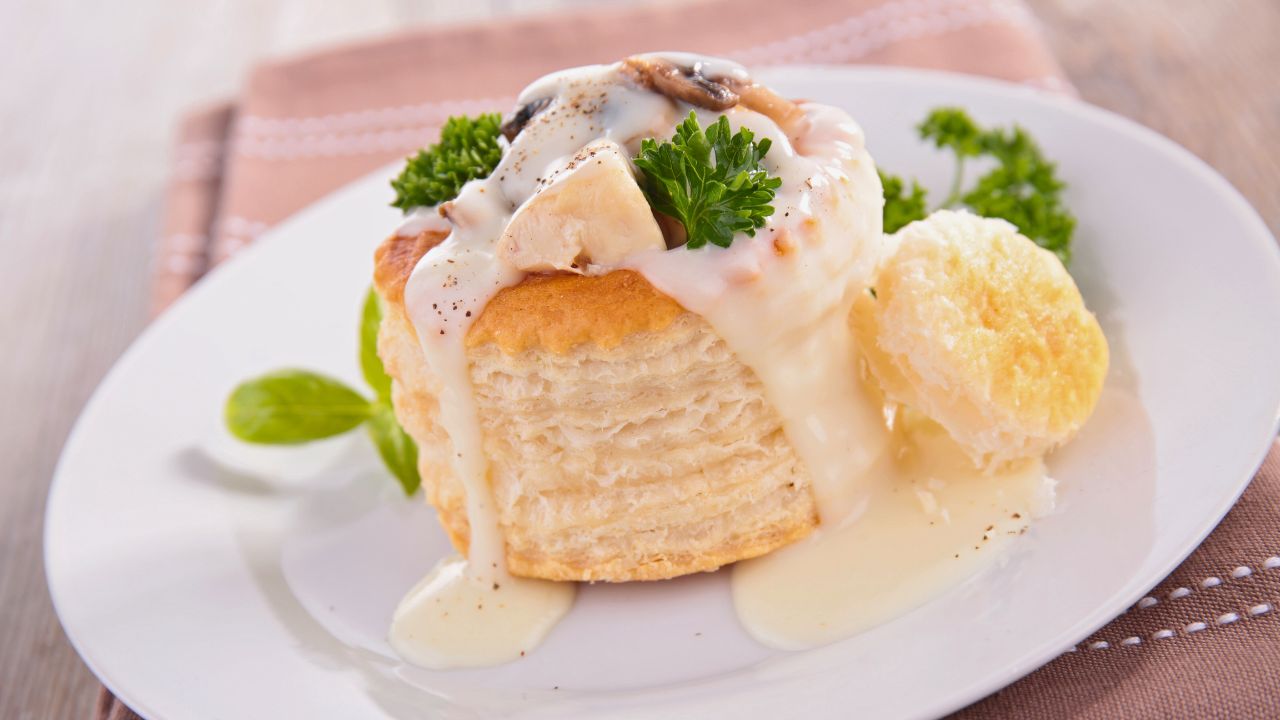
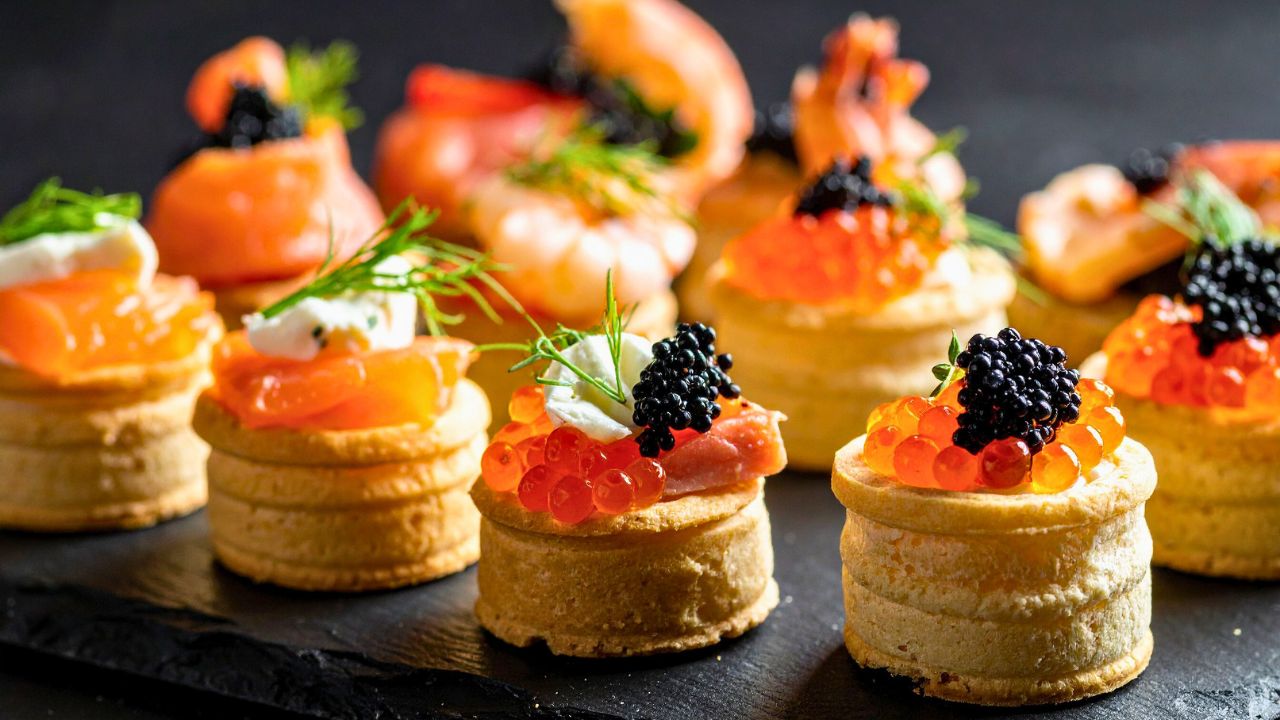
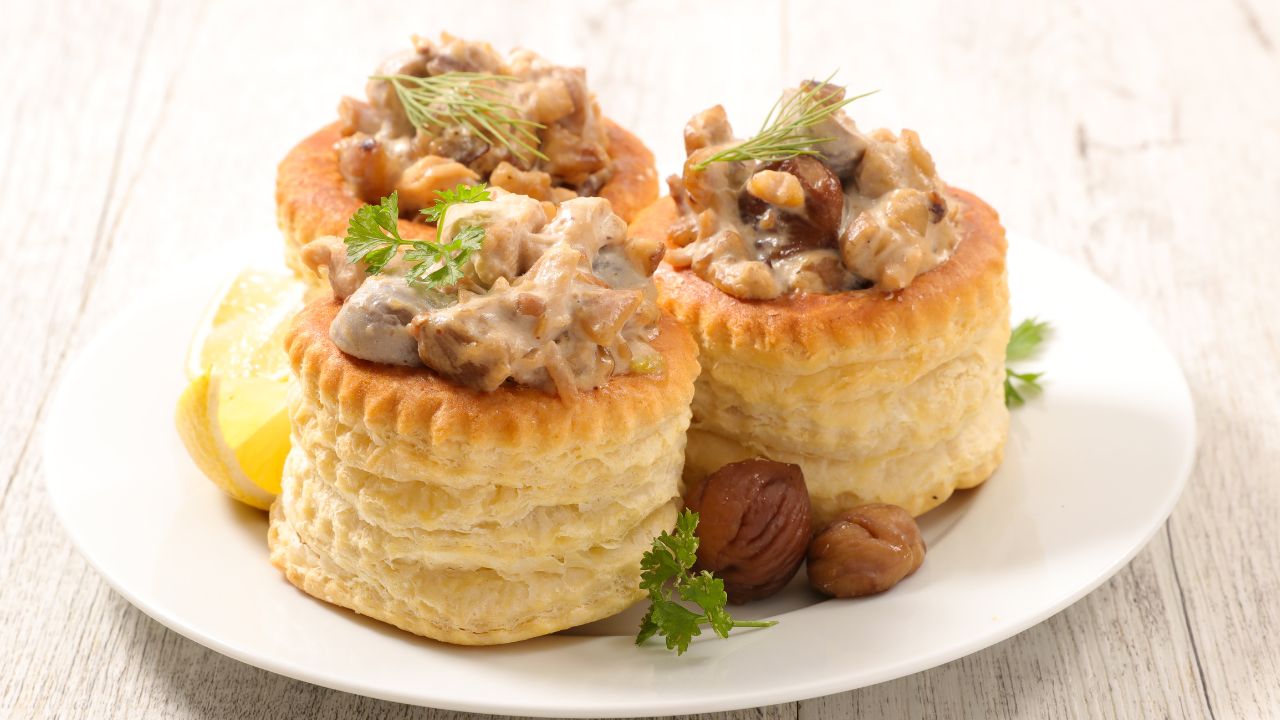
For close to two decades, a woman has spent Christmas Eve enjoying her mother-in-law’s famous dish: an incredibly rich and heavy shrimp and mushroom vol-au-vent. Although she adores her mother-in-law, calling her a “wonderful woman,” this particular culinary tradition has gradually become a source of stress. Now that she’s the one hosting the celebrations for her small children, her mother-in-law continues to insist on bringing the dish, which she says “takes for one course of the dinner by itself.”
The outcome? A significant amount of food the hostess carefully prepares ends up uneaten, since guests stuff themselves on the dense pastry. She’s grown weary of the dish, and she’s not alone. “My husband is the first one to complain,” she revealed, noting that her father-in-law, mother, brother, and son share the sentiment.
Her mother-in-law, however, who is aging and no longer capable of hosting herself, resorts to a touch of emotional manipulation, declaring, “but my sons love them.”
Things came to a head when, after reaching a middle ground and requesting her mother-in-law bring a significantly smaller quantity, she learned that her brother-in-law also intended to bring a special dish for his teenage kids. That was the breaking point.
This particular branch of the family, she noted, has a pattern of problematic behavior, showing up at her place only to “invade my kitchen… and disrupt everything.” She ultimately drew the line, feeling that her contributions were being entirely dismissed under her own roof.
The Internet Reacts
When she posed the question of whether she was wrong to want to put an end to the tradition, the online response was remarkably split, with a considerable number of people initially backing the mother-in-law. The opinions generally sorted themselves into a few clear categories.
To begin with, there was the “Let Her Have This” Crowd. These respondents thought the hostess was being unreasonable, particularly considering her mother-in-law’s advancing age and declining health. Their argument was that the dish represented far more than mere food; it was an expression of her love and her way of contributing to the family gathering. “She sounds ill and old so likely won’t be around for much longer making the tradition even more important,” one commenter observed.
Someone else stated plainly, “Don’t compete with a sick woman over a tradition for no reason.” The prevailing view in this group was that the hostess should just prepare smaller quantities of her own dishes and allow her mother-in-law to have her special moment.
Next appeared the “You’re the Host” Crowd. This faction stood squarely behind the hostess, particularly once she disclosed the other family members’ presumptuous conduct. Their position was that while the mother-in-law’s tradition was a separate matter, the brother-in-law’s demand and their overall lack of respect crossed a clear boundary.
The hostess’s own statement struck a chord with many readers: “I went countless times to their parties and never ever have I rejected their food or brought mine because I didn’t like what they were offering… Because I am polite and well educated.” This group holds that the host’s home is their domain, and the menu is entirely their call, end of story.
Lastly, there was the “Find a Compromise” Crowd. These pragmatically minded individuals felt the dispute didn’t need to be an either-or situation. They acknowledged the hostess’s frustration was valid but maintained that an outright prohibition went too far. “There are a lot of options between having it as the main dish with other foods going to waste, and telling her not to bring it,” one commenter astutely observed. As it happens, this is precisely the approach the hostess took with her mother-in-law by requesting a reduced portion—an entirely sensible and respectful resolution.
The Etiquette Verdict
Let’s state this plainly: when someone welcomes you into their home for a holiday celebration, they’re offering you a gift of their time, effort, and resources. The cardinal rule of being a guest is to receive that gift with gratitude. Showing up with an uninvited, meal-disrupting dish sends a subtle yet unmistakable signal that you lack confidence in the host’s culinary skills or planning abilities. It’s a violation of proper etiquette.
Although we should certainly accommodate treasured family customs, especially when it comes to our elders, there are boundaries. The hostess was entirely justified in taking back ownership of her holiday and establishing clear limits. Her compromise with her mother-in-law was gracious, and her resolute refusal toward her inconsiderate brother-in-law was well warranted.
Your Take
Where do you stand on this holiday culinary clash? Was the mother-in-law just trying to keep a treasured tradition alive, or were the guests clearly crossing the line?