10 American Foods We Crave That Baffle the Rest of the World
Americans have mastered the fine art of creating foods that make perfect sense to us while leaving the rest of the world scratching their heads in bewilderment. We’ve taken perfectly innocent ingredients and combined them in ways that would make a French chef weep—and not necessarily tears of joy.
From fluorescent orange cheese that comes out of a can to marshmallows crowning sweet potatoes, our food choices often prompt raised eyebrows and polite confusion from international visitors. What we consider comfort food classics, others view as bizarre science experiments gone deliciously wrong.
Yet here we stand, proudly defending our ranch-drenched everything and our unnaturally red velvet desserts. These ten foods represent the beautiful madness of American cuisine—creations that somehow work perfectly in our world, even if they baffle everyone else’s.
Spray Cheese
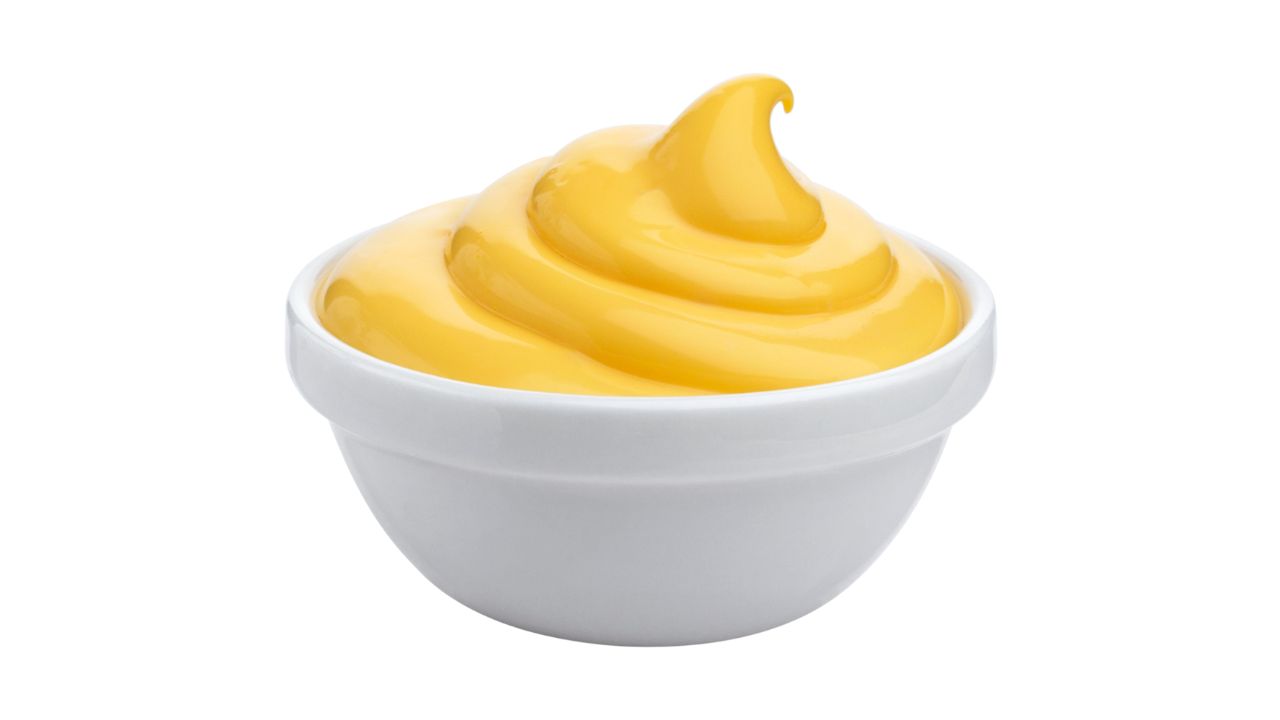
Picture this: you’re standing in the snack aisle, and there it is—a bright orange aerosol can promising “100% Real Cheese” that shoots out like Silly String. Yes, I’m talking about spray cheese, that magnificent American invention that makes foreigners question our entire relationship with dairy. While Europeans are carefully aging their Gruyère and Italians are perfecting their Parmigiano-Reggiano, we’re over here treating cheese like it’s hairspray. The sound alone—that satisfying *pssshhhht*—followed by a perfect golden ribbon of processed cheese magic landing directly on your Ritz cracker is pure poetry in motion. It’s convenience food at its most ridiculous and wonderful.
What really gets me is how we’ve somehow convinced ourselves that cheese needs to be portable, sprayable, and shelf-stable for months. The rest of the world watches us squirt orange goo onto crackers at parties and thinks we’ve completely lost our minds. But here’s the thing—spray cheese isn’t trying to be fancy European cheese any more than a hot dog is trying to be filet mignon. It’s its own beautiful, artificial category of comfort food that hits different at 2 AM when you’re standing in your kitchen in your pajamas. The fact that it contains enough preservatives to survive a nuclear winter just means you can stock up during those late-night grocery runs without worry. Sometimes the best foods aren’t about authenticity—they’re about pure, unapologetic fun.
Biscuits and Gravy
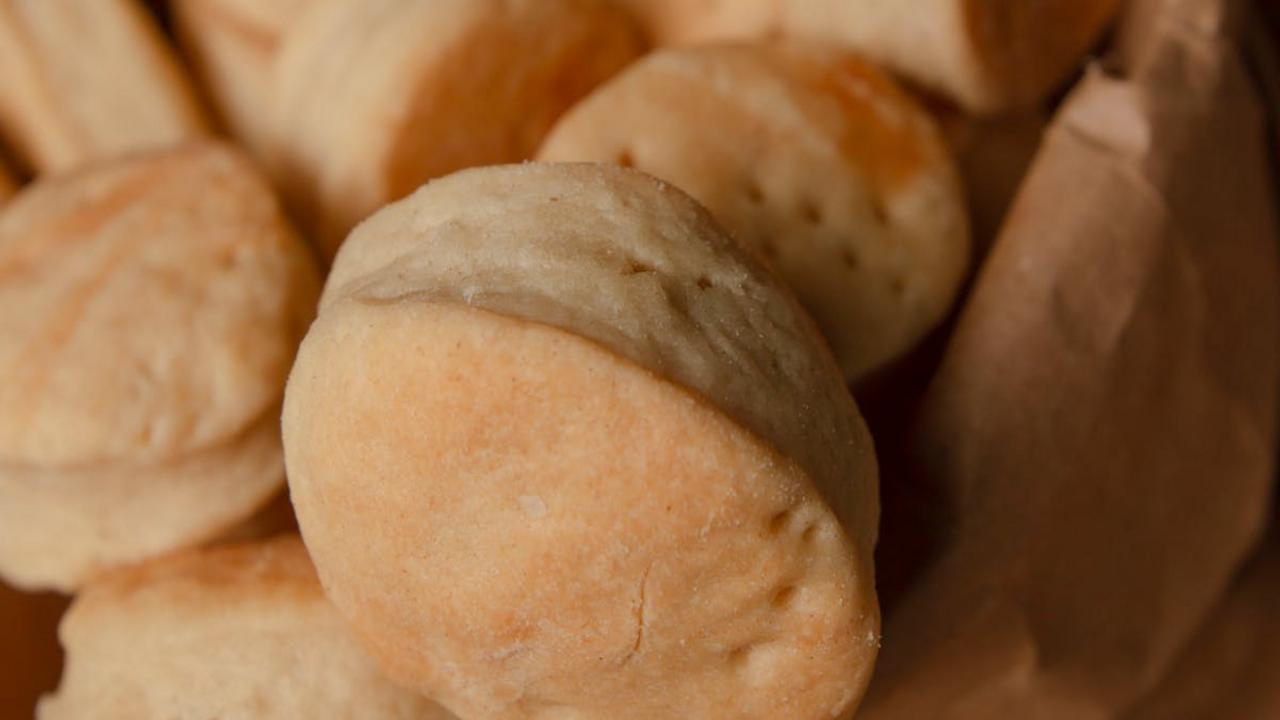
Picture this: fluffy, buttery biscuits drowning in a thick, peppery sausage gravy that looks like concrete mix but tastes like pure Southern comfort. To foreign visitors, biscuits and gravy represents the most bewildering breakfast combo America has ever conjured up. They see what appears to be scones smothered in wallpaper paste and wonder if we’ve collectively lost our minds. But here’s the thing – those aren’t your dainty British tea biscuits we’re talking about! American biscuits are pillowy, flaky buttermilk clouds that practically melt in your mouth, nothing like their crispy cookie cousins across the pond.
The gravy itself tells the story of American ingenuity born from necessity. During the Great Depression, clever cooks stretched breakfast meat by making gravy from sausage drippings, flour, and milk – creating a hearty, stick-to-your-ribs meal that could feed a family on pennies. Today, this humble dish remains the ultimate comfort food, particularly beloved in the South where diners serve it alongside eggs and hash browns. Fun fact: the perfect sausage gravy requires exactly the right flour-to-fat ratio, and Southern grandmothers guard their techniques like state secrets. One bite of properly made biscuits and gravy will convert even the most skeptical international food critic into a true believer.
American Cheese
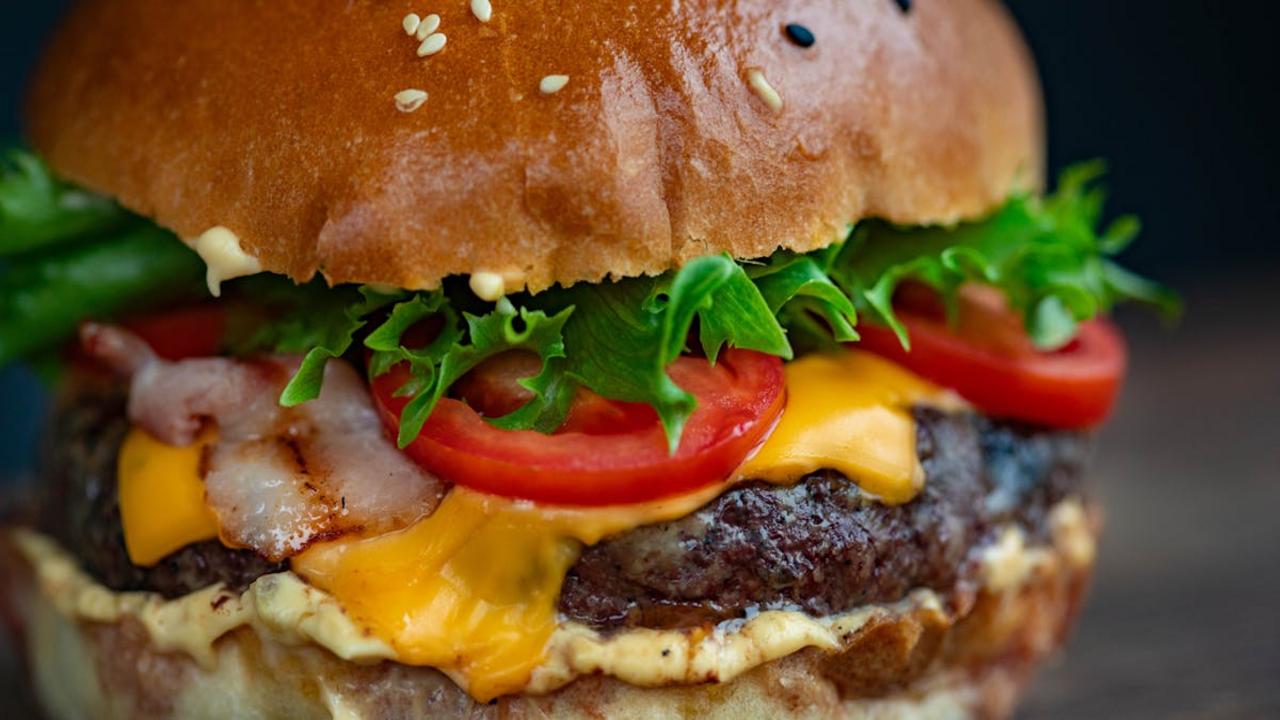
You know that perfectly square, unnaturally orange slice that melts like a dream on your grilled cheese sandwich? That’s American cheese, and it’s basically the Frankenstein’s monster of the dairy world – created in a lab, assembled from various cheese parts, and somehow more beloved than its natural cousins. While Europeans clutch their aged Gruyère and weep at our “processed cheese product,” we’re over here creating the most satisfying melt known to humanity. This rubbery rectangle contains enough emulsifiers and stabilizers to survive a nuclear apocalypse, yet it transforms into liquid gold the moment heat touches it.
Sure, calling it “cheese” might make purists break out in hives, but American cheese serves a very specific purpose in our food ecosystem. It doesn’t crumble, it doesn’t separate, and it melts with the reliability of a Swiss watch – which is exactly what you want when you’re constructing the perfect cheeseburger at 2 AM. The rest of the world might mock our orange squares, but they’ve never experienced the pure joy of watching that processed perfection slowly cascade down the sides of a burger patty. Sometimes you don’t need authenticity; sometimes you just need cheese that knows how to behave itself.
Red Velvet Cake
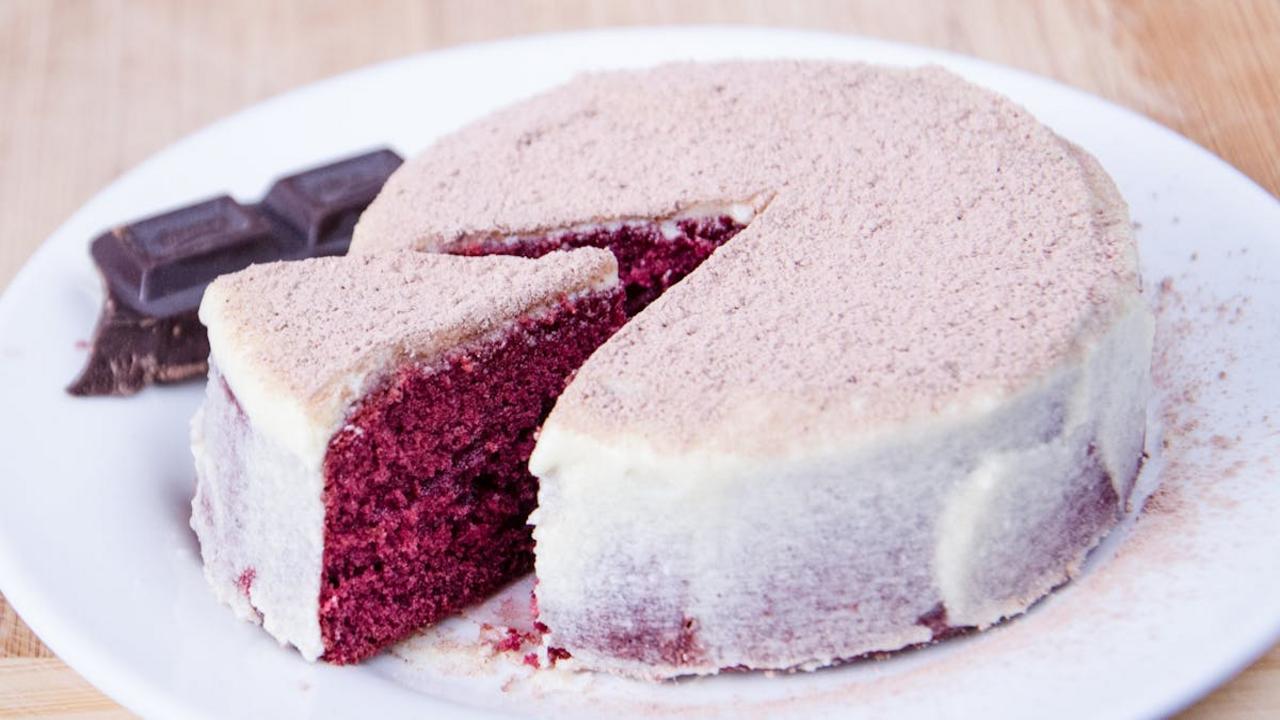
Picture this: you’re at a dinner party in Paris, and you mention your obsession with red velvet cake. The confused looks you’ll get could power the Eiffel Tower for a week! Europeans scratch their heads at our beloved crimson confection, wondering why Americans decided to dye a perfectly good chocolate cake the color of a fire engine. The truth is, red velvet wasn’t always this theatrical – back in the 1800s, the “red” came from a natural reaction between cocoa and acidic ingredients like buttermilk. But somewhere along the way, we cranked up the food coloring to eleven and never looked back.
What really sends our international friends into a tizzy is cream cheese frosting paired with what they perceive as “chocolate cake in disguise.” They can’t wrap their minds around why we’d mask chocolate’s natural flavor with tangy frosting and artificial coloring. Here’s the secret they’re missing: authentic red velvet isn’t just chocolate cake with makeup on. It’s a delicate dance of cocoa, buttermilk, and vinegar that creates this unique, slightly tangy flavor profile that’s completely different from regular chocolate cake. The next time someone questions your red velvet devotion, remind them that we Americans have perfected the art of making dessert both delicious and Instagram-worthy – and honestly, what’s wrong with that?
Corn Dogs
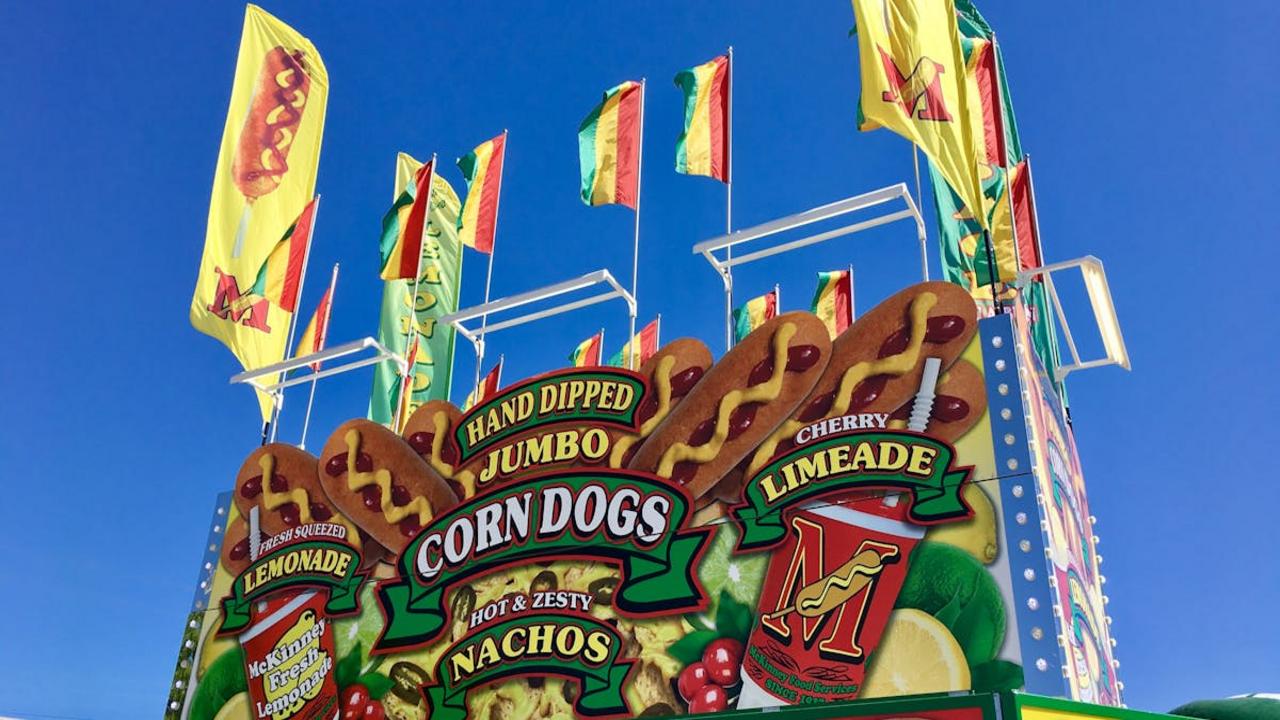
Picture this: you’re walking through a state fair, surrounded by the symphony of carnival rides and the sweet scent of cotton candy, when suddenly you spot it—a hot dog impaled on a wooden stick, coated in golden cornmeal batter, and deep-fried to crispy perfection. Welcome to the magnificent world of corn dogs, America’s most wonderfully ridiculous contribution to stick food! While Europeans scratch their heads wondering why we decided to put perfectly good sausage on a stick and dunk it in batter, Americans have been happily munching on these portable protein bombs since the 1940s. The genius lies in the contrast: that crunchy, slightly sweet cornmeal exterior giving way to the juicy, savory hot dog within.
Fun fact: corn dogs were supposedly invented by Neil Fletcher at the Texas State Fair in 1942, though several other vendors claim the title (because apparently, putting food on sticks is serious business). The original recipe called for a simple cornbread batter, but modern versions range from honey-wheat coatings to panko crusts that would make a Japanese chef weep. You can find them everywhere from gas stations to gourmet food trucks, where chefs stuff them with everything from chorizo to veggie sausages. Pro tip: the secret to perfect homemade corn dogs is keeping your oil at exactly 375°F and making sure your batter is thick enough to cling but not so thick it creates a baseball-sized coating around your poor, suffocated hot dog.
Ranch Dressing
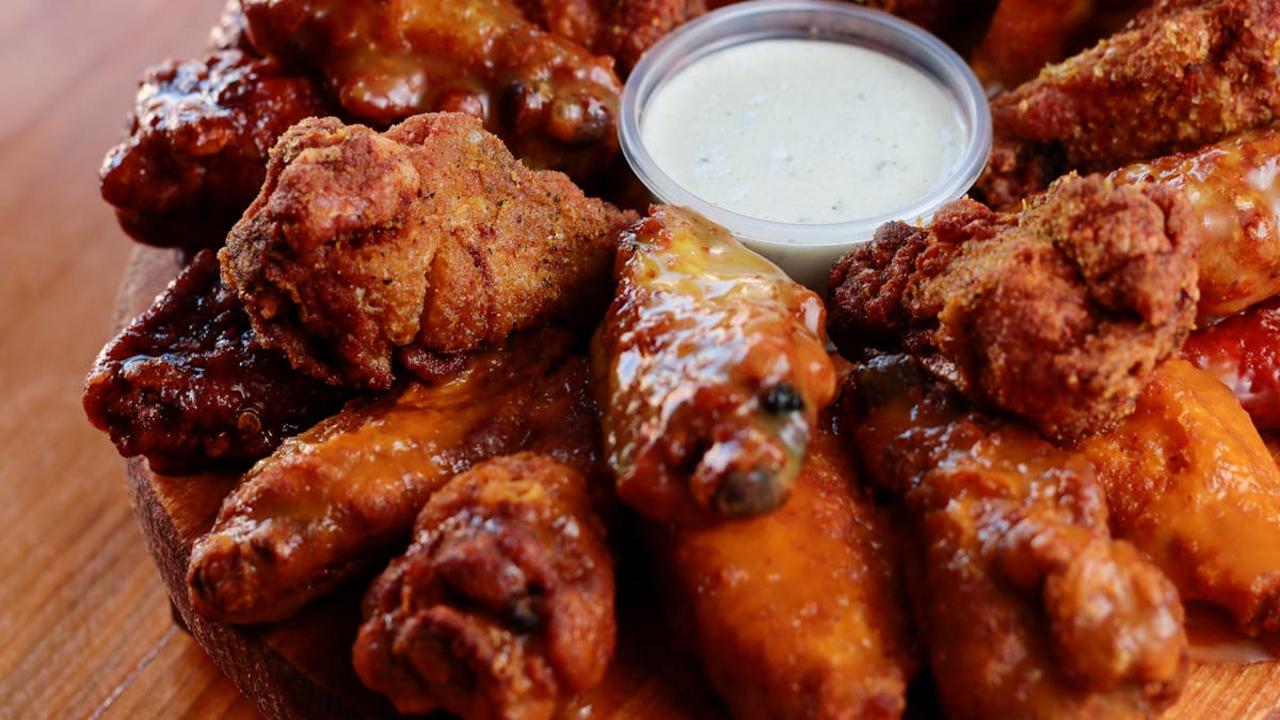
Picture this: you’re sitting in a restaurant anywhere outside America, confidently asking your server for ranch dressing, only to receive the kind of blank stare usually reserved for someone speaking ancient Sumerian. Meanwhile, back home, we’re drowning everything from pizza to carrots in this creamy white elixir like it’s liquid gold. Created in 1954 by Steve Henson at his dude ranch in California (hence the name!), ranch started as a simple blend of mayonnaise, herbs, and buttermilk that guests couldn’t stop raving about. What began as a local obsession has morphed into America’s most popular salad dressing, outselling Italian and French combined.
The rest of the world watches in bewildered fascination as Americans dip chicken wings, french fries, and even vegetables into this herby concoction with religious devotion. Europeans especially scratch their heads at our ranch obsession – they see it as unnecessary flavor masking, while we see it as pure genius. You can find ranch-flavored everything now: chips, seasoning packets, even ice cream (yes, really). The beauty of ranch lies in its versatility and that perfect balance of tangy, creamy, and herbaceous flavors that somehow makes everything taste better. Sure, other countries might judge our ranch addiction, but they’re missing out on one of life’s simple pleasures – and honestly, that’s their loss.
Marshmallow Sweet Potato Casserole
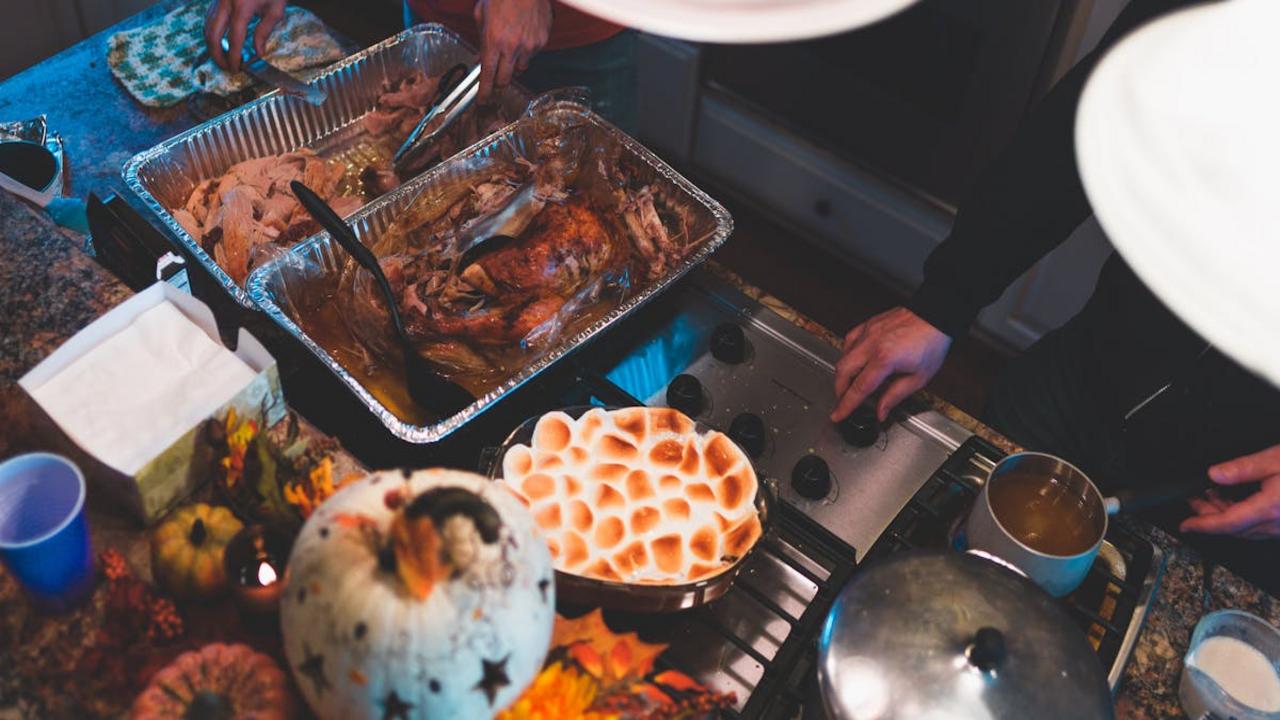
Picture this: you’re explaining Thanksgiving dinner to your international friend, and you get to the part about sweet potatoes topped with marshmallows. Watch their face contort in confusion as they try to process why Americans decided to turn a perfectly good vegetable into what looks like a campfire s’mores experiment gone rogue. This dish represents everything foreigners find mystifying about American food—we take something healthy, mash it up with butter and sugar, then crown it with a layer of fluffy white sugar bombs that would make a candy store jealous.
But here’s the thing: this bizarre creation actually works in the most beautiful way possible. The earthy sweetness of the potatoes creates the perfect foundation for those golden, slightly charred marshmallows on top. It’s like eating a sunset—orange and golden and ridiculously indulgent. Sure, Europeans might serve their sweet potatoes as a proper side dish with herbs and maybe a drizzle of olive oil, but where’s the fun in that? We Americans looked at a root vegetable and said, “You know what this needs? More sugar and the same stuff we roast over campfires.” And honestly, we weren’t wrong. The contrast between the creamy, spiced potato base and those gooey, caramelized marshmallows creates a texture party that makes perfect sense once you take that first bite.
Peanut Butter and Jelly Sandwich
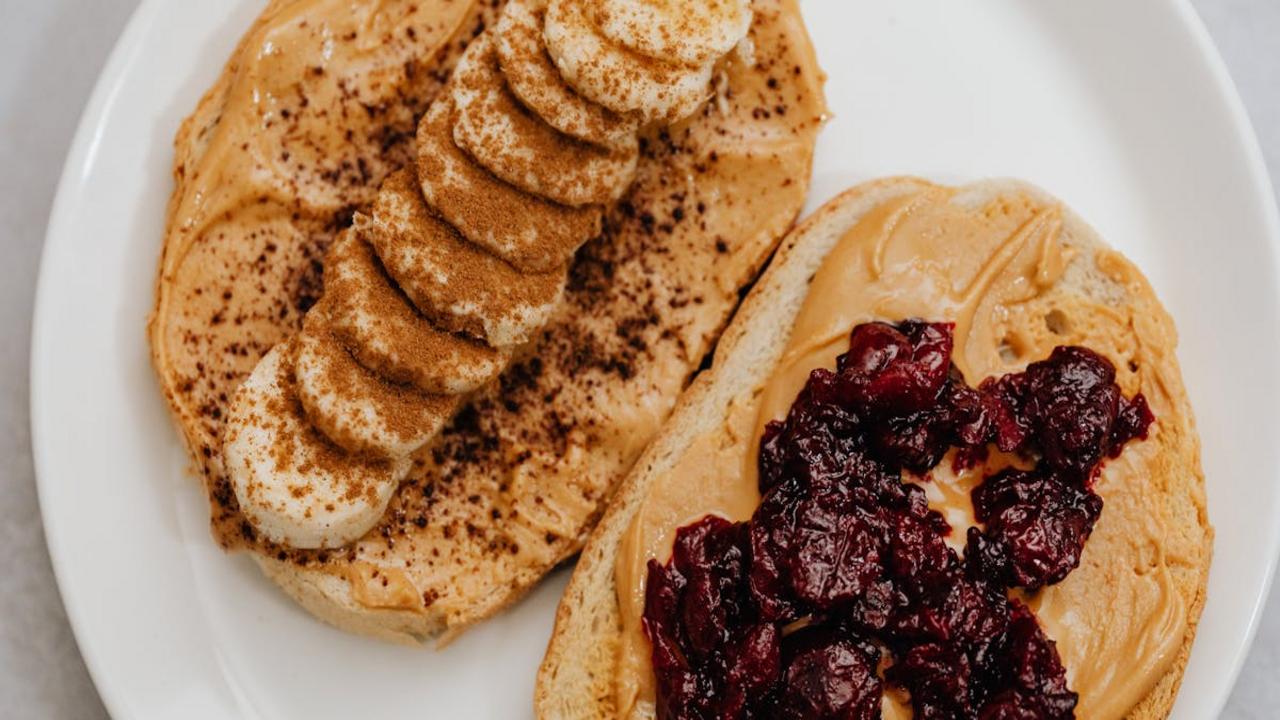
Picture this: you’re trying to explain to a bewildered French friend why Americans lose their minds over two slices of bread smeared with crushed nuts and grape goop. Their expression shifts from polite confusion to genuine concern for your mental health. Yet here we are, a nation that consumes roughly 700 million pounds of peanut butter annually, and most of it ends up paired with jelly in what we consider the perfect sandwich. The combination mystifies foreigners who can’t fathom why we’d want something simultaneously sweet, salty, sticky, and requiring milk to wash down properly.
The genius lies in the contrast – creamy meets chunky, sweet battles salty, and somehow your childhood memories get sandwiched right in the middle. Most Europeans view peanut butter as a bizarre American obsession (they’re not wrong), while many Asian countries find the texture absolutely revolting. Meanwhile, we’re over here defending our beloved PB&J like it’s the crown jewel of American cuisine. Fun fact: the average American kid will eat 1,500 peanut butter and jelly sandwiches before graduating high school. That’s roughly three years’ worth of lunches dedicated to this sticky masterpiece that somehow manages to leak jelly onto everything you own while simultaneously being the most comforting food known to humankind.
Mac and Cheese
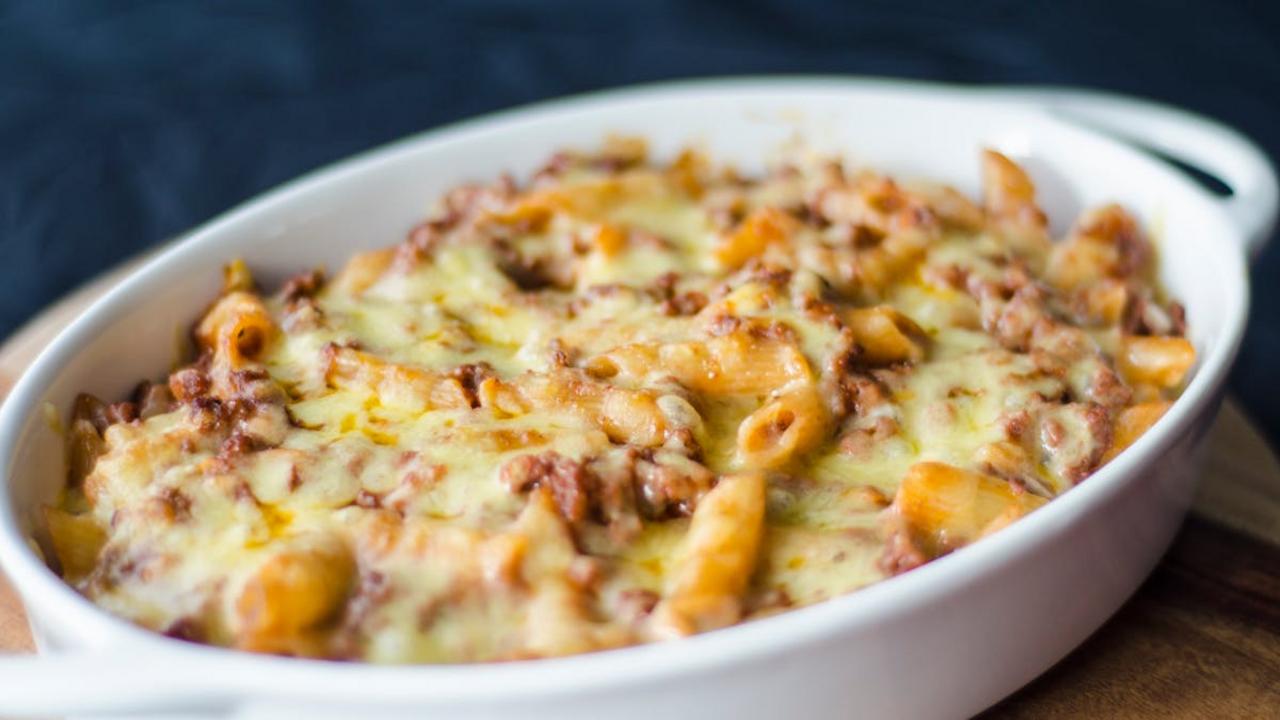
Picture this: you’re trying to explain mac and cheese to your sophisticated French cousin who just spent twenty minutes describing the perfect béchamel sauce. “So you take pasta,” you begin confidently, “and you cover it with… cheese. From a powder. That turns orange.” The look of horror that crosses their face? Priceless. Americans have somehow convinced ourselves that fluorescent orange noodles swimming in what can only be described as liquid velvet represent the pinnacle of comfort food, and honestly? We’re not wrong. That artificial orange glow isn’t just color – it’s pure nostalgia in powdered form, capable of transporting grown adults back to their childhood kitchens faster than you can say “easy mac.”
The rest of the world watches us microwave bowls of electric orange pasta with the same bewilderment they reserve for our portion sizes and our obsession with ranch dressing. Europeans, with their aged cheeses and centuries-old recipes, simply cannot fathom how we turned their beloved fromage into something that glows under blacklight. But here’s the thing they’re missing: mac and cheese isn’t about sophistication or authenticity – it’s about pure, unadulterated comfort. It’s the food equivalent of a warm hug from your grandmother, assuming your grandmother happened to work at a nuclear power plant. One bite of that creamy, salty, impossibly orange goodness and suddenly all your problems melt away like… well, like processed cheese powder in hot milk.
Root Beer
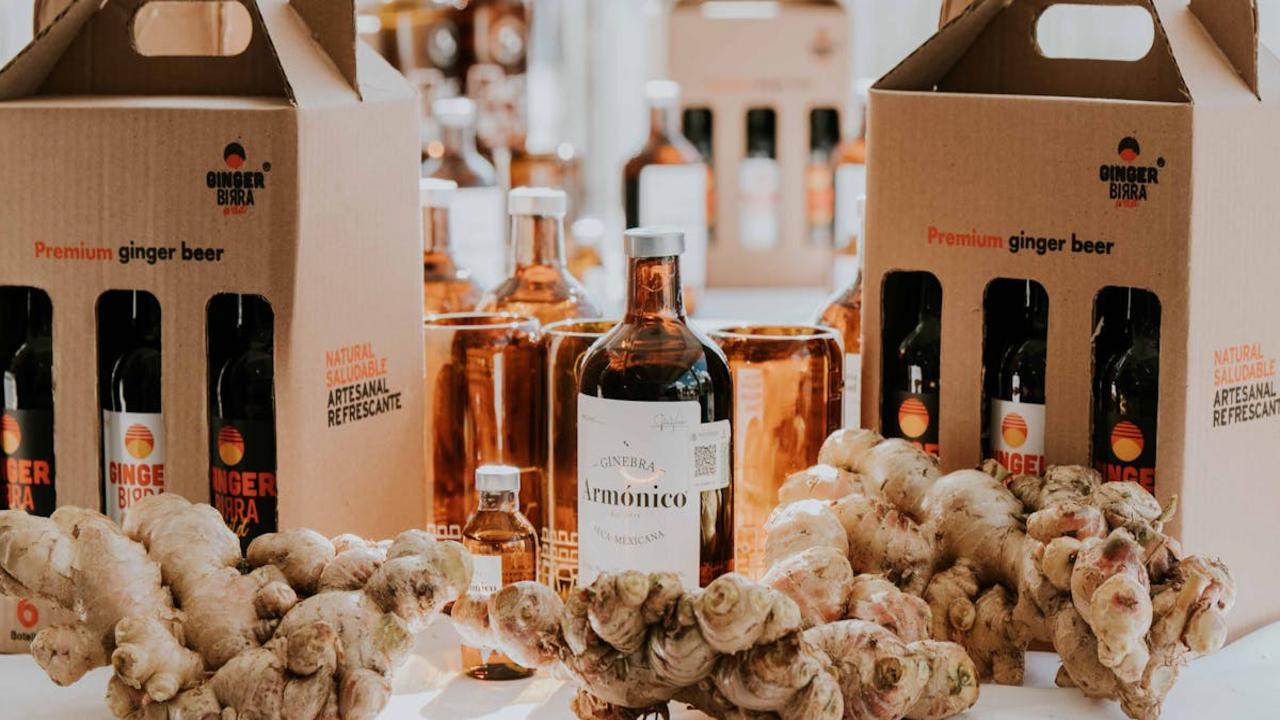
Picture this: you’re at a picnic, cracking open a frosty bottle of root beer, and your German exchange student takes a tentative sip. Their face contorts like they just licked a bar of soap, and they politely ask if Americans actually drink liquid toothpaste for fun. Welcome to the great root beer divide! This beloved American beverage, with its complex blend of sassafras, vanilla, wintergreen, and about fifteen other mysterious botanicals, strikes most foreigners as medicinal at best and absolutely revolting at worst. Europeans particularly scratch their heads at our obsession with what they consider “cough syrup soda.”
The truth is, root beer occupies a uniquely American corner of the beverage world, born from indigenous sassafras root recipes and perfected by soda fountains across the country. While Coca-Cola conquered the globe, root beer stayed stubbornly domestic, probably because explaining why we love something that tastes like liquid wintergreen Life Savers proves nearly impossible to non-Americans. But oh, what they’re missing! That creamy, frothy head on a perfectly poured A&W, the way it pairs with vanilla ice cream in a float, the nostalgia factor that transports you straight back to summer barbecues and drive-in theaters. Sure, it might taste like mouthwash to the uninitiated, but to us? It’s pure liquid Americana in a bottle.