My In-Laws Mocked My Food but Demanded I Eat Theirs. So We Boycotted Family Dinner.
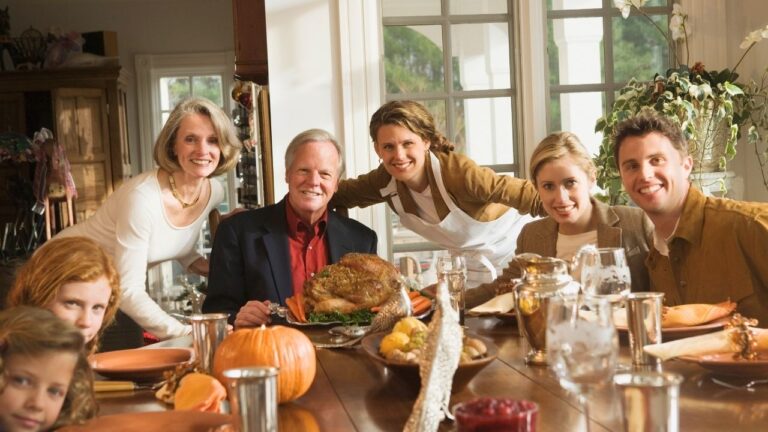
We all know that breaking bread with family is a time-honored tradition. As a gracious guest, the rule is simple: you eat what is served, smile, and say thank you. It’s a small price to pay for togetherness.
However, one woman recently shared a story online that proves this simple rule has its limits, especially when a meal leaves you feeling physically ill and any attempt at a solution is met with a family feud. Her dilemma over her in-laws’ cooking has sparked a major debate about food, family, and respect.
The Incident
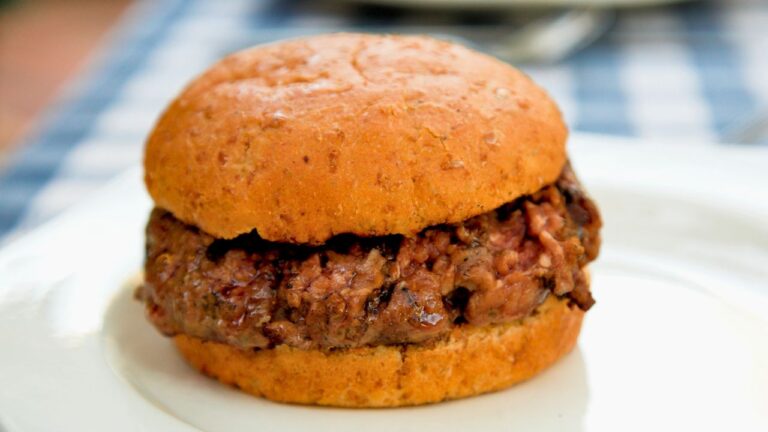
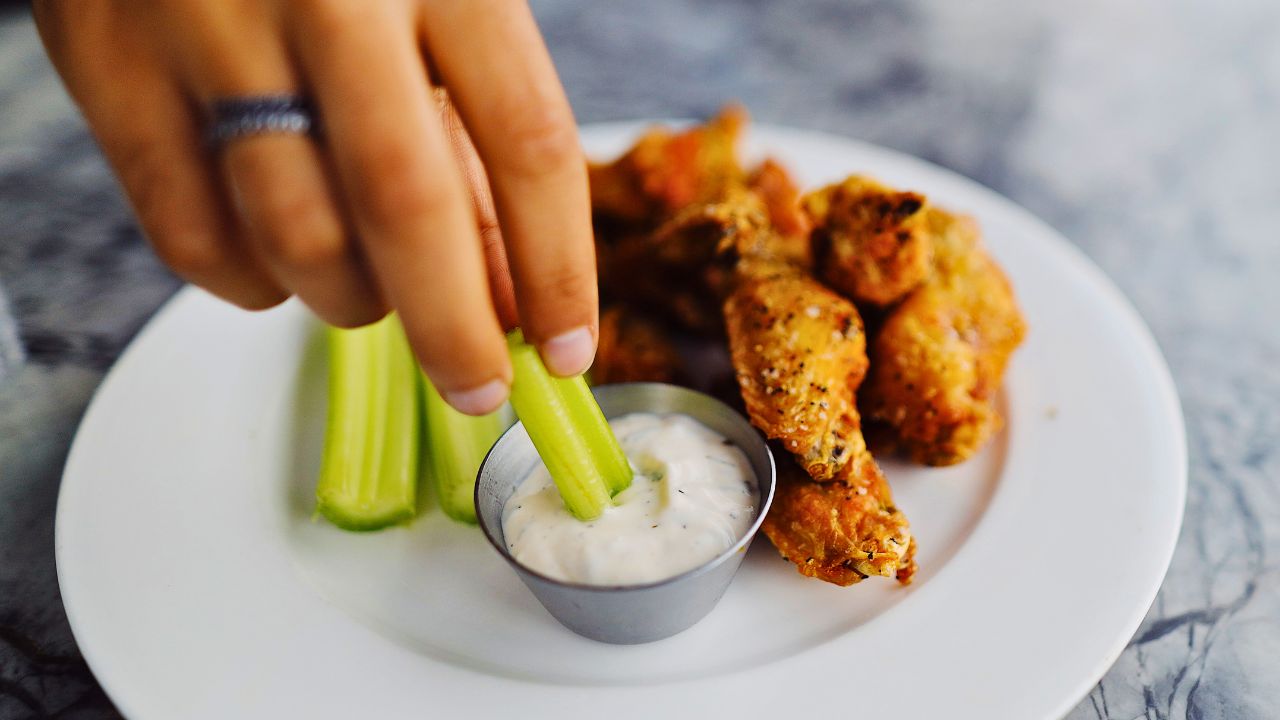
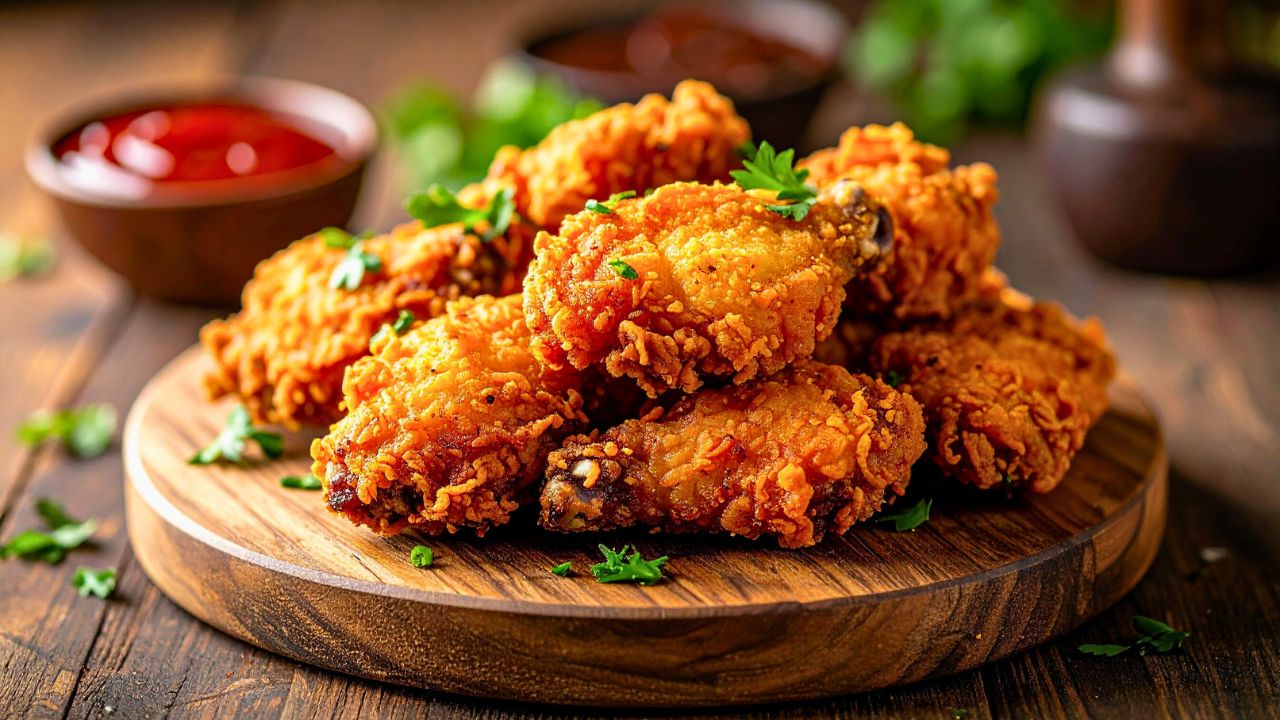
This woman describes her in-laws as very nice people, but with one glaring issue: their cooking is, in her words, “gross.” She paints a vivid picture of meals consisting of “inches of mayo on simple sandwiches,” ranch dressing on everything, and a sea of beige, deep-fried foods.
The only vegetable in sight is often corn, drenched in butter. These unseasoned, over-salted meals consistently leave her with a terrible stomach ache.
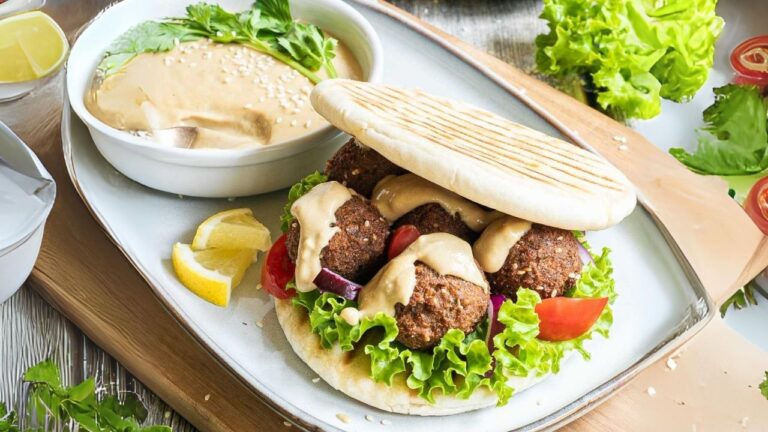
The feeling, it turns out, is mutual. When she hosts them, they turn up their noses at her healthier fare, complaining about “too much green stuff.” Realizing they had a culinary impasse, she tried a brilliant solution: suggesting get-togethers that didn’t revolve around food, like trips to the park or the zoo.
But her in-laws would always tack on an addendum: “Sure, but then let’s meet back here for a nice lunch!” trapping her once again. When her husband finally put his foot down, declaring they would no longer be meeting for meals, his mother threw a “huge stinky fit.”

She accused them of “ruining everything” and thinking they were “better than they are.” The most frustrating part? The couple has always been polite about the food, whereas the in-laws openly make faces and rude comments like, “Ew what’s quinoa salad.”
The Internet Reacts
The internet was buzzing with opinions, and people quickly sorted themselves into different camps.
The first camp, the “Absolutely Not” crowd, was furious on the woman’s behalf. They saw the mother-in-law’s behavior as a clear power play. One person wisely noted, “They recognise their food choices are bad, otherwise they wouldn’t be trying to shame or guilt you for your healthy lifestyle.”
Another commenter cut right to the heart of it, suggesting this wasn’t about food at all: “It sounds more like a control or bullying issue than a food issue.”
Then there was the “Devil’s Advocate” group, who tried to understand the in-laws’ perspective without excusing it. One person offered a biological explanation, saying, “Overuse of salt kills taste buds. Once you always eat like crap, you don’t realize when your body feels bad from food because you’ve forgotten what healthy feels like.”
Others saw it as a cultural clash, a feeling that their son, by moving to the “big city,” was “rejecting their lifestyle.” This was backed up by the woman’s own admission that her in-laws often say her husband is “wasting away” now that he eats healthier food.
Finally, the “Proactive Problem-Solvers” offered straightforward advice for drawing a line in the sand. Many suggested meeting at restaurants where everyone can order what they like, removing the pressure of cooking and cleaning.
The most popular suggestion was to be direct but fair. One commenter laid out a perfect script: “We do not like the food you eat, and you don’t like the food we eat… If you want to have meals together, we’ll be bringing our own food from now on, or we’ll be eating out.” This approach puts the focus on mutual respect rather than judgment.
The Etiquette Verdict
Let’s be perfectly clear: hospitality is about making others feel comfortable and cherished in your presence. Forcing a guest to eat something that makes them physically ill is the opposite of hospitable. Furthermore, openly criticizing the food someone has prepared for you is one of the biggest etiquette blunders a person can make.
This mother-in-law isn’t just a bad cook; she’s a poor hostess. The golden rule here is that respect must flow in both directions. You cannot demand someone eat your food while simultaneously insulting theirs.
Your Thoughts
So, what do you think? Were the in-laws simply set in their ways and defending their family traditions, or was this a clear case of disrespect and control?