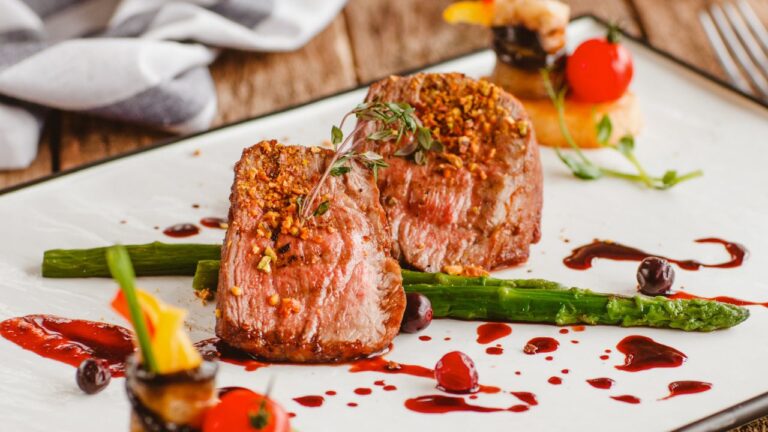
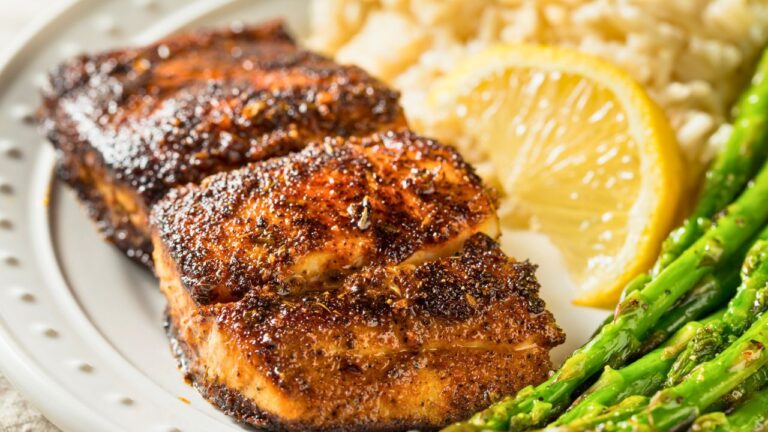
My Friends Bailed on a Rare $60 Dinner Set Menu Just Two Hours Before, Because I Wouldn’t Pay.
It’s one of the unwritten rules of social gatherings: when friends ask you to join them for dinner at a restaurant, you should always assume you’ll be paying for your own meal. It seems like simple common sense, doesn’t it? Unless someone explicitly says the words, “It’s my treat,” the bill is meant to be split.
However, one woman recently took to the internet to share a story that proves not everyone operates by this same code of conduct, leading to a truly baffling and awkward situation just hours before a highly anticipated night out.
The Incident
The story begins with a woman who adores a special, once-a-month dinner at a popular downtown restaurant. These reservations are like gold dust—the entire place books up within 15 minutes for the following month, so snagging a table is a real victory. Excited about this unique experience, she told a couple she’s close friends with about it and asked if they’d like to join her group next time. They enthusiastically said yes.
She managed to secure the coveted spots and let them know. For the entire month leading up to the dinner, everyone was buzzing with excitement. But then, the unthinkable happened. A mere two and a half hours before they were scheduled to meet, she received a text from her friends. They wanted to know if they were “expected to pay for their food.”
Stunned, she explained that it was a set menu at $60 per person, not including drinks or the tip. It wasn’t a small amount, but with a month’s notice, it was certainly manageable. The couple then informed her they didn’t realize they had to pay and, having spent a lot of money recently, it was no longer in their budget.
The implication hung heavy in the air. Her simple, weary reply said it all: “maybe we should have had this conversation a month, or even a week ago.”
She was left scrambling to fill their seats, and when she couldn’t, she faced the possibility of paying for their empty chairs. Thankfully, the restaurant was understanding, but the friendship was left in a very awkward place.
The Internet Reacts
When she shared her story, people online had plenty to say, and their reactions fell into a few distinct camps.
First, there was the “Absolutely Not” crowd, who were furious on her behalf. They felt the friends’ behavior was inexcusable and frankly, quite sneaky. One person wrote, “The couple were quite entitled to think that you would pay for them… I think they were putting you on the spot last minute, thinking that if they said they were broke… you would offer to foot the bill.”
Another commenter was just as baffled, asking, “I find this bizarre why if you’ve been asked to go out to eat for dinner why would you expect the person who invited you to pay?”
Then came the “Devil’s Advocate” camp, who believed it was all a big misunderstanding. They pointed out that traditional etiquette can be confusing. “Historically and in proper etiquette, when one invites people to join them in a social event, they are offering to pay unless explicitly stated otherwise,” one user explained.
This view was bolstered when the woman later updated her post, explaining that she had previously invited this friend to a charity dinner where the meal was provided, which led to the confusion. Others felt the price should have been mentioned from the start. “$60 for dinner… per person is quite expensive, and that price should be told to everyone when inviting them,” a commenter noted.

Finally, there was the group offering witty advice for the future. Many agreed that clarity is always the best policy. “In future I would forestall this by mentioning the average cost per person,” one person wisely suggested.
The original poster herself shared a perfect example of this in action. When a different friend invited her for drinks, she immediately asked, “Does this mean you’re paying for all mine?” Though he didn’t quite get the joke, it’s a perfect way to clear up any confusion before it starts!
The Etiquette Verdict
While the friends’ confusion might be slightly understandable given their history, their timing was simply dreadful. Waiting until hours before a hard-to-get reservation to ask about payment is poor form and puts the person who made the arrangements in a terrible position.
The modern golden rule for casual outings is clear: unless the host explicitly says it’s their treat, you are responsible for your own expenses. To assume otherwise is a recipe for resentment and hurt feelings. A simple question about cost at the time of the invitation would have saved everyone a lot of trouble.
Your Thoughts
What do you think? Was this a case of entitled friends trying to get a free meal, or an honest misunderstanding that could have been easily avoided?