My Cat-Sitter Took ‘Help Yourself’ Literally and Drank My Saved $120 Wine. I Venmoed Him, Now I’m a ‘Bad Host’.
We all know there are certain unwritten rules of being a good houseguest. You bring a small gift, you clean up after yourself, and you certainly don’t go snooping through private drawers. It’s about respect and common courtesy. But what happens when the host is the one who muddies the waters?
A young woman recently shared a story about a favor from a friend that went sour, proving that clear communication is worth more than even the most expensive bottle of wine.
The Incident
The story begins simply enough. A 26-year-old woman needed a friend to look after her apartment and her cat for a weekend. Her 27-year-old male friend graciously agreed to help.
As she was leaving, she told him to “help himself to whatever” in the kitchen, a phrase most of us have used when we want a guest to feel comfortable. She assumed, however, that “common sense” would tell him this applied to everyday snacks and drinks.
She returned home to find her friend had indeed helped himself. He had opened and finished a $120 bottle of vintage Barolo that she had been saving to celebrate a future promotion. To her, this was a shocking breach of trust.
As she put it, “who drinks a hundred dollar bottle of wine without asking first???” The friend, however, was confused, explaining that she had given him permission. The wine was, after all, in the kitchen.

Feeling taken advantage of, the woman sent her friend a Venmo request for $80, giving him what she called “a discount.” This did not go over well. The friend was insulted, calling her “tacky” and telling their mutual friends that she was a “bad host.” The woman was left wondering if she was in the wrong, arguing there’s an “unwritten rule of guest logic where u dont touch the most expensive thing in the house.”
The Internet Reacts
When she took her dilemma to the internet for judgment, the court of public opinion was swift and nearly unanimous—but certainly not in the way she had hoped. Most people felt her friend was the one who had been wronged.
The “Absolutely Not” crowd was firmly in the friend’s corner, appalled by the homeowner’s lack of gratitude. One person bluntly stated, “YTA and tacky and a bad host.”
Another commenter broke down the flawed logic: “So the issue is really, ‘I expected him to read my mind and know that I meant help yourself to anything, except the bottle of wine which I didn’t tell him I was saving…'” The consensus was that you can’t punish someone for a rule you never mentioned.
Then came the “Devil’s Advocate” camp, who pointed out the practical flaws in her thinking. Many argued that most people simply can’t tell the difference between an inexpensive wine and a pricey one just by looking at the bottle.
As one user wrote, “I have no… clue what a $5 bottle of wine looks like or a $3,000 bottle. Not a clue.” Another added, “You told him to help himself to whatever. He did. This one’s on you.”
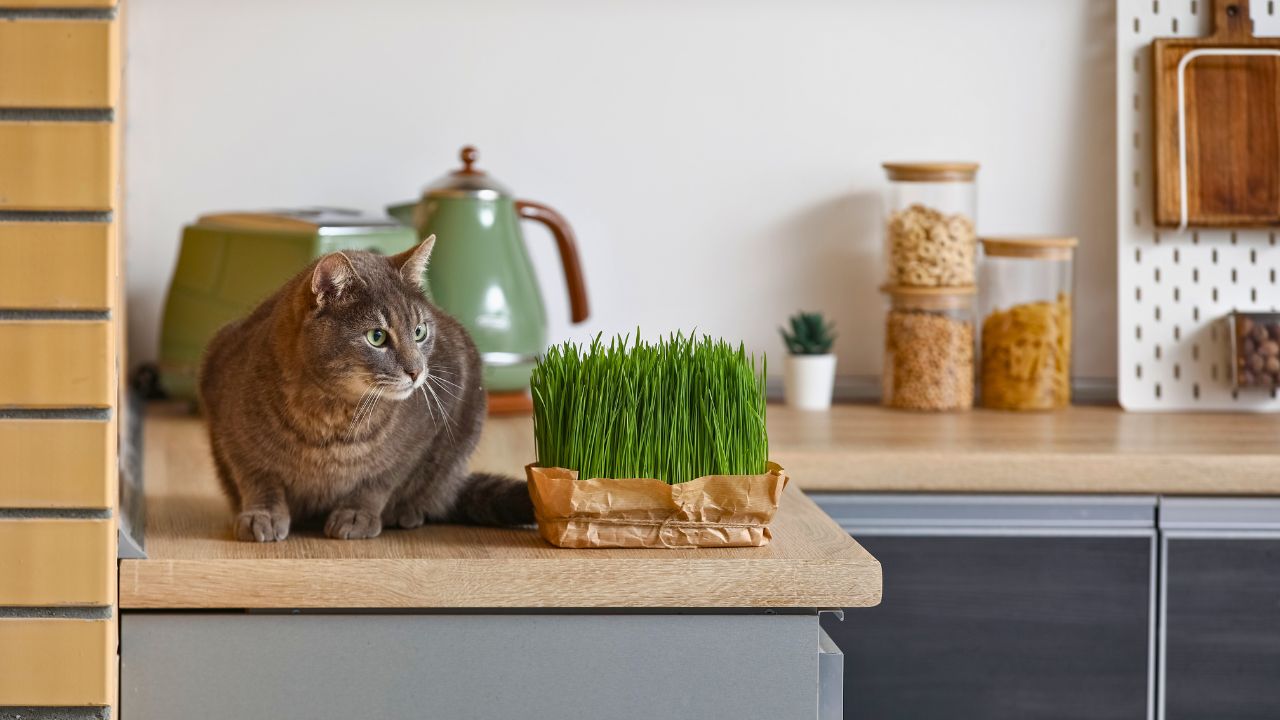
Finally, a third group focused on the value of the favor he was doing for her. Professional pet sitters are not cheap, and he was watching her home and cat for an entire weekend for free. One person noted, “Pretty good deal. $120 for cat sitting an entire weekend. It costs me $80 a day.”
The most poignant comment summed up what true hospitality looks like: “If someone was house and cat sitting for me for the weekend and I wasn’t paying them I’d probably give them a nice gift… like a nice bottle of wine.”
The Etiquette Verdict
This is a classic case of miscommunication where the blame, I’m afraid, falls on the host. The phrase “help yourself to whatever” is a verbal blank check.
If certain items are off-limits, it is the host’s absolute responsibility to state that clearly or, better yet, put those precious items away. To ask a friend to do you a significant favor and then charge him for an honest mistake is not just poor form, it’s profoundly ungrateful. A friendship is worth far more than $120.

Your Thoughts
Was this a simple misunderstanding that the homeowner blew out of proportion, or should a guest always know better than to open a special bottle?
Ready for the next level of insight? Discover more in my latest article here.