Mother-in-Law Served a Heavy Shrimp Pastry as an Appetizer. My Roast Dinner Went Untouched.
We all know the fundamental rule of being a gracious guest: you arrive with a smile, a thoughtful gift for the host, and an appetite for whatever is served. It is the host’s privilege to plan the menu, and our duty as guests to enjoy their efforts. It’s a simple, respectful arrangement that keeps friendships and family ties strong.
However, one woman recently took to the internet to share a holiday dilemma that proves not everyone plays by these unwritten rules. Her story about a beloved family tradition turning into an annual source of frustration has sparked a major debate about who really controls the Christmas dinner table.
The Incident
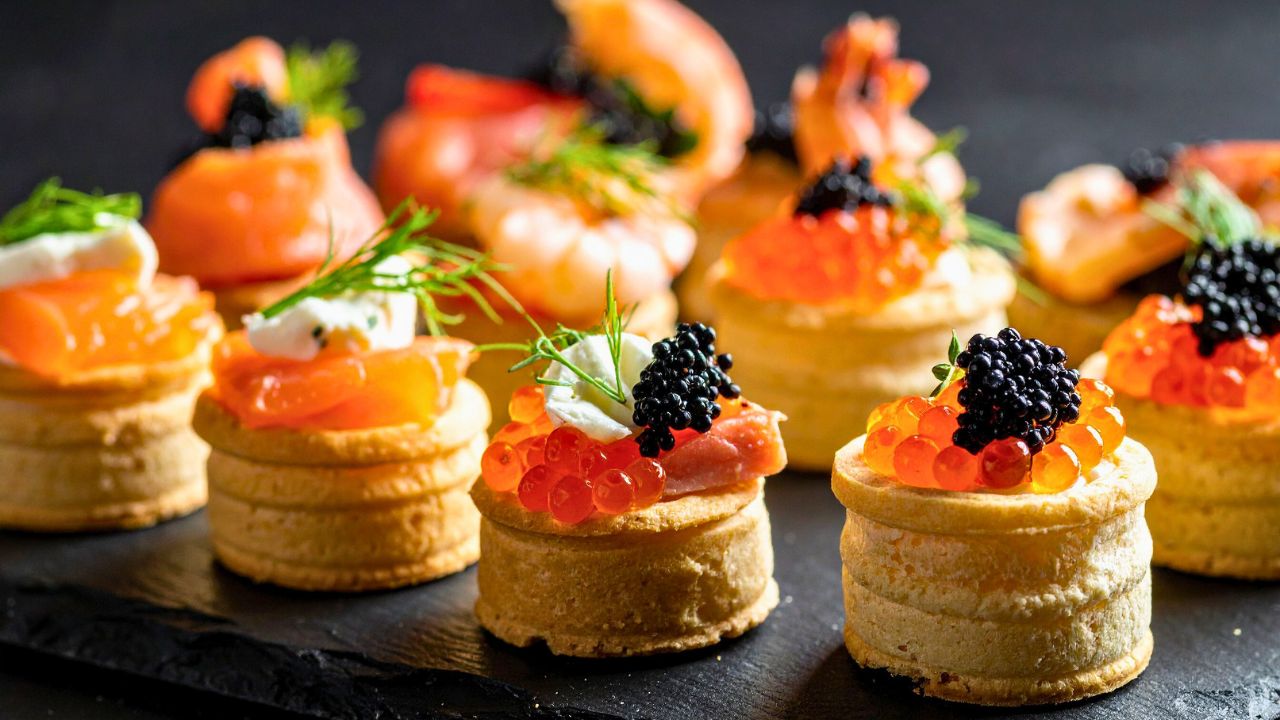
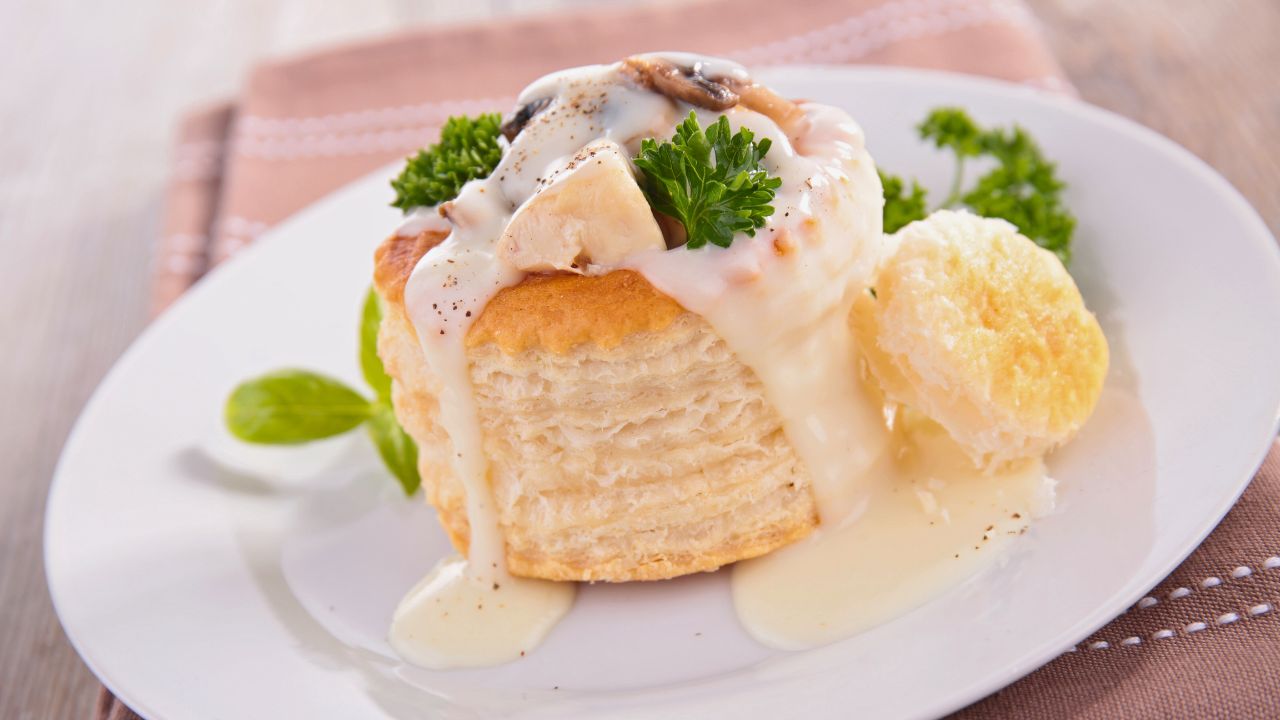
For nearly 20 years, a woman has celebrated Christmas Eve with her mother-in-law’s signature dish: a very rich and filling shrimp and mushroom vol-au-vent. While she loves her mother-in-law dearly, describing her as a “wonderful woman,” this culinary tradition has become a bit of a burden. Now that she hosts the holiday for her own young children, her mother-in-law insists on bringing the dish, which she says “takes for one course of the dinner by itself.”
The result? A lot of the food the hostess painstakingly prepares goes to waste, as guests fill up on the heavy pastry. She’s tired of the dish, and so are others. “My husband is the first one to complain,” she shared, adding that her father-in-law, mother, brother, and son feel the same.
Yet her mother-in-law, who is elderly and no longer able to host, uses a bit of emotional blackmail, insisting, “but my sons love them.”
The situation escalated when, after compromising and asking her mother-in-law to bring a much smaller portion, she was informed that her brother-in-law also wanted to bring a special dish for his teenage children. That was the final straw.
This family, she explained, has a history of disruptive behavior, coming to her home only to “invade my kitchen… and disrupt everything.” She finally put her foot down, feeling that her own efforts were being completely disrespected in her own home.
The Internet Reacts
When she asked if she was wrong for wanting to end the tradition, the internet was surprisingly divided, with many people initially siding with the mother-in-law. Their reactions fell into a few distinct camps.
First, there was the “Let Her Have This” Crowd. These commenters felt the hostess was being selfish, especially given her mother-in-law’s age and health. They argued that the dish was more than just food; it was a symbol of her love and contribution to the family. “She sounds ill and old so likely won’t be around for much longer making the tradition even more important,” one person wrote.
Another bluntly advised, “Don’t compete with a sick woman over a tradition for no reason.” The consensus here was that the hostess should simply make less of her own food and let her mother-in-law have her moment.
Then came the “You’re the Host” Crowd. This group was firmly on the hostess’s side, especially after she revealed the other relatives’ entitled behavior. They felt that while the mother-in-law’s tradition was one thing, the brother-in-law’s request and their general disrespect was completely out of line.
The hostess’s own words resonated with many: “I went countless times to their parties and never ever have I rejected their food or brought mine because I didn’t like what they were offering… Because I am polite and well educated.” This camp believes the host’s home is their castle, and the menu is their decision, period.
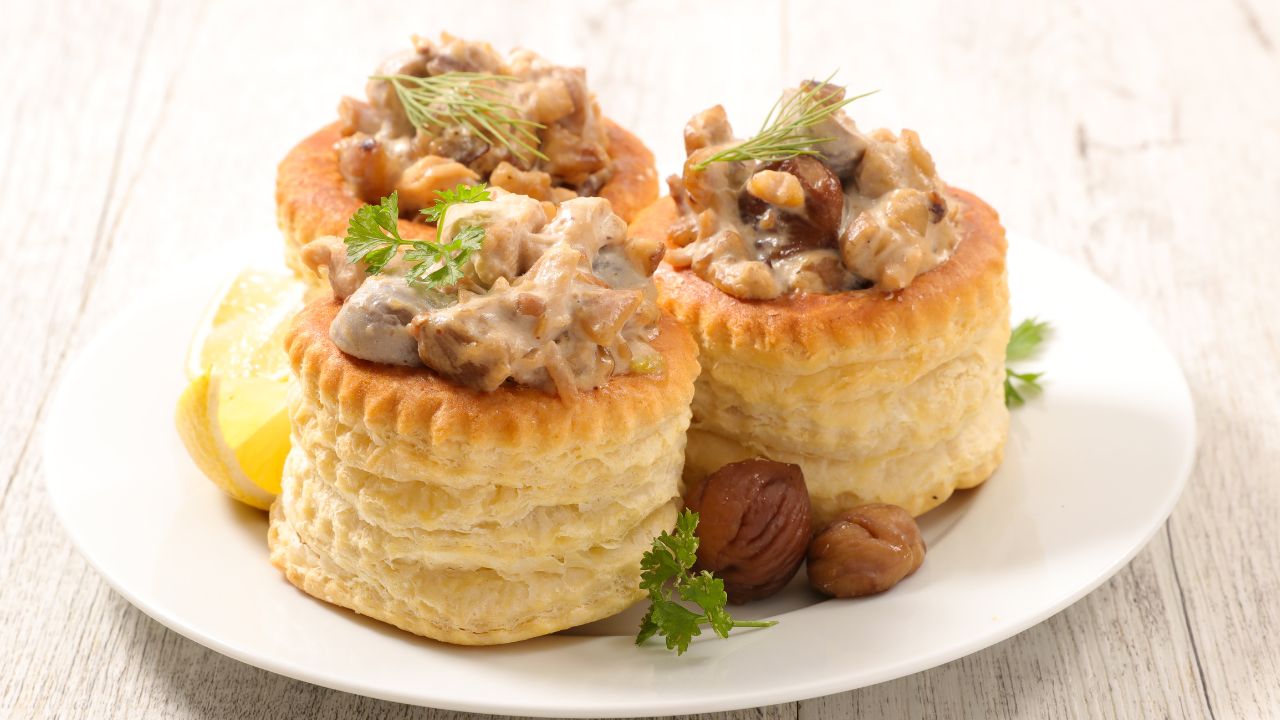
Finally, there was the “Find a Compromise” Crowd. These practical-minded folks believed the situation didn’t have to be all-or-nothing. They suggested that the hostess was right to feel frustrated but that a total ban was too harsh. “There are a lot of options between having it as the main dish with other foods going to waste, and telling her not to bring it,” one user wisely pointed out. In fact, this is exactly what the hostess did with her mother-in-law by asking for a smaller portion—a perfectly reasonable and respectful solution.
The Etiquette Verdict
Let’s be clear: when someone opens their home to you for a holiday, they are giving you a gift of their time, energy, and resources. The golden rule of being a guest is to accept that gift graciously. Bringing an unrequested, meal-derailing dish is a subtle but clear message that you don’t trust the host’s cooking or planning. It is a breach of etiquette.
While we should always make allowances for cherished family traditions, especially with our elders, there is a limit. The hostess was absolutely right to reclaim her own holiday and set boundaries. Her compromise with her mother-in-law was kind, and her firm “no” to her disrespectful brother-in-law was necessary.
Your Take
What do you think of this holiday food fight? Was the mother-in-law simply trying to uphold a beloved tradition, or were the guests completely overstepping their welcome?
Ready for the next level of insight? Discover more in my latest article here.