I Offered To Treat My Mom To Vietnamese Food, But Her Racist “Joke” Made Me Cancel Dinner
We often look to our parents as our first teachers, the ones who instill in us a sense of right and wrong. They teach us to be kind, to be fair, and to treat others with respect. But what happens when the student has to become the teacher? An 18-year-old woman recently shared a story about a dinner that never happened, all because of an ugly comment from her mother that crossed a major line, leaving her with no choice but to walk away.
The Incident
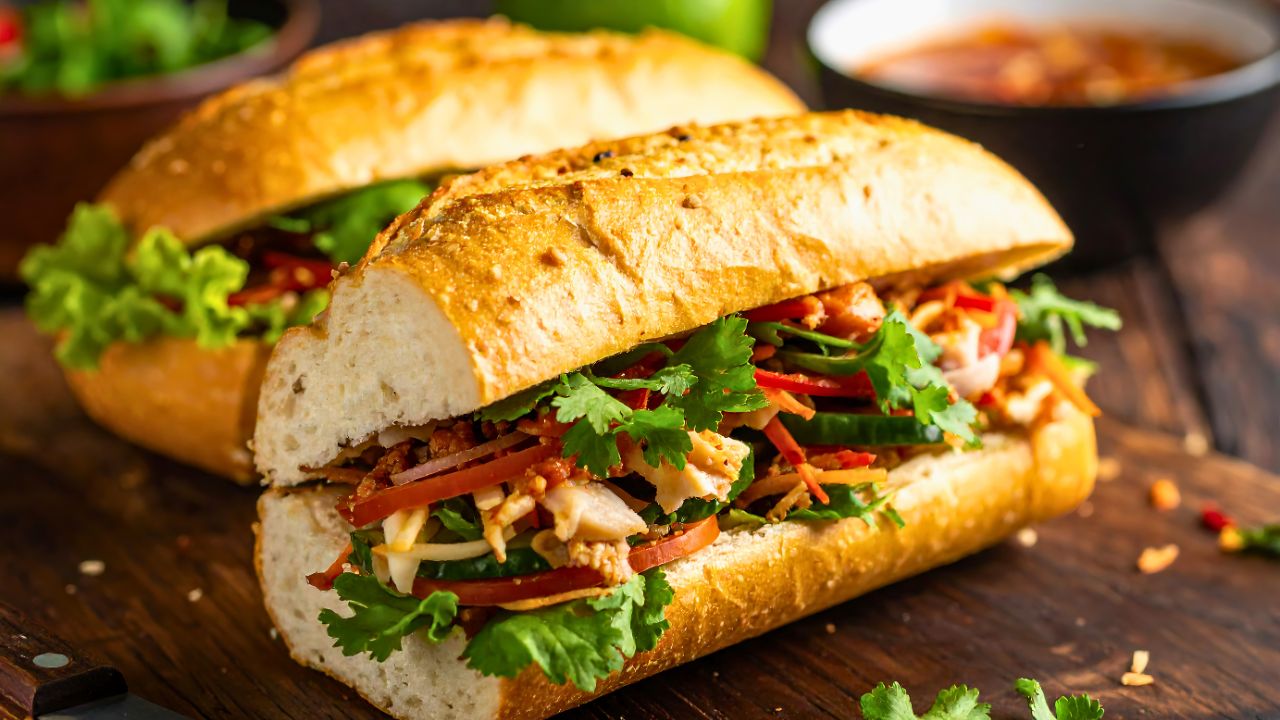
The young woman, home for the summer before college, wanted to do something nice. She offered to treat her mother to dinner out, a kind gesture now that local restrictions were lifting. She suggested a favorite Vietnamese place, not just for the delicious food, but to support the owners, a “super kind older couple” whose business had been struggling. It was a thoughtful plan, born from a good heart.
Her mother’s reaction, however, was anything but. Instead of a simple ‘yes’ or ‘no,’ she responded with a shocking and hurtful quip. “Why should we go there when they made the virus?” she snickered. Stunned and disappointed, the daughter immediately cancelled the dinner and asked to be taken home. Predictably, her mother “threw a huge fit,” accusing her of being a “brat” who couldn’t “take a joke.”

But as the daughter explained, this wasn’t just one bad joke. It was part of a disturbing pattern. She shared how her mother had recently pulled her away from an Asian woman in the supermarket, fearing she would “get sick.” This wasn’t a joke; it was prejudice, and the daughter decided she could not reward that behavior with a free meal she was paying for.
The Internet Reacts
When she shared her story, the internet community rallied behind her, and the court of public opinion was firmly in session. People’s reactions generally fell into a few distinct camps.
First, there was the “Absolutely Not” crowd, who were furious on the daughter’s behalf. They completely rejected the mother’s “it’s just a joke” defense. One commenter put it perfectly: “Just because you said something rude/cruel and the person you’re talking to had a bad reaction, does not mean you get to justify your blatant rudeness by saying ‘it’s a joke’.”
Another user broke down the mother’s true meaning: “She said ‘You need to learn to take a joke.’ She meant ‘Don’t challenge my casual racism’.” Many agreed the mother’s comment was, as one person described it, “like an onion of racism. It has layers.”
Then there were those who, while condemning the mother, suggested a different approach could have been taken. This camp didn’t defend the mother’s actions in the slightest, but wondered if the moment could have been used for a lesson. One person suggested that instead of leaving immediately, she could have tried to “make her understand how her joke was crummy.” This group felt that while walking away was justified, a direct conversation might have been more constructive in the long run.

Finally, the “Clever Comeback” crowd offered brilliant advice for handling such situations in the future. Their strategy was simple yet effective: make the person explain their own poor taste. “Ask her to explain why it’s funny. Act as dumb as humanly possible,” one popular comment advised. “Get her to say out loud that the basis of that joke is being racist. She’ll be embarrassed, and hopefully that behaviour will stop for a while.” Many agreed this was a powerful way to make someone confront their own prejudice without getting into a shouting match.
The Etiquette Verdict
Let’s be perfectly clear: prejudice is never polite. Hiding behind the excuse of “it’s just a joke” is a classic tactic used by people who know they’ve crossed a line. It’s a way to say something hurtful and then blame the other person for being “too sensitive.” The daughter’s response was not bratty; it was brave. She set a firm boundary.
The golden rule of social grace is respect, and when someone is being openly disrespectful, you are under no obligation to sit, smile, and share a meal with them. Walking away was a powerful and appropriate consequence for unacceptable behavior.
Your Thoughts
It’s a difficult situation when the person behaving badly is your own mother. We want to hear from you.
Was the daughter right to cancel dinner and walk away, or should she have used the moment to try and educate her mom?