Frustrated Aunt Refuses to Cook For 12-Year-Old Niece After She Rejected Homemade Steak For Junk Food
There’s an unspoken code of conduct that governs every shared meal. When someone opens their home and sets a place for you at their table, the expectation is clear: you show appreciation, you mind your manners, and you absolutely do not criticize what your host has prepared. It comes down to basic human decency.
Yet, a woman recently recounted an experience that demonstrates just how many people never absorbed these foundational lessons in courtesy. She reached her breaking point with her 12-year-old niece, whose mealtime conduct had grown so unbearable that she felt compelled to establish a firm boundary — even if it meant stirring up conflict within the family.
A Recipe for Disaster
The woman described how her husband’s niece is an extremely selective eater, surviving on little more than junk food and a handful of particular meats. This isn’t rooted in any allergy or sensory condition; it’s simply a habit her parents have indulged since she was barely out of diapers. But the real issue extends well past her restrictive eating habits.
Whenever the family comes over, there’s an implicit assumption that the aunt will either whip up a completely separate dish for the niece or overhaul the entire dinner plan to accommodate her. And the sense of entitlement goes further still. The girl openly insults what everyone else is eating, reaches over to grab food off other people’s plates, and routinely turns down the very meals she asked for — creating havoc whether they’re dining at home or out at a restaurant.
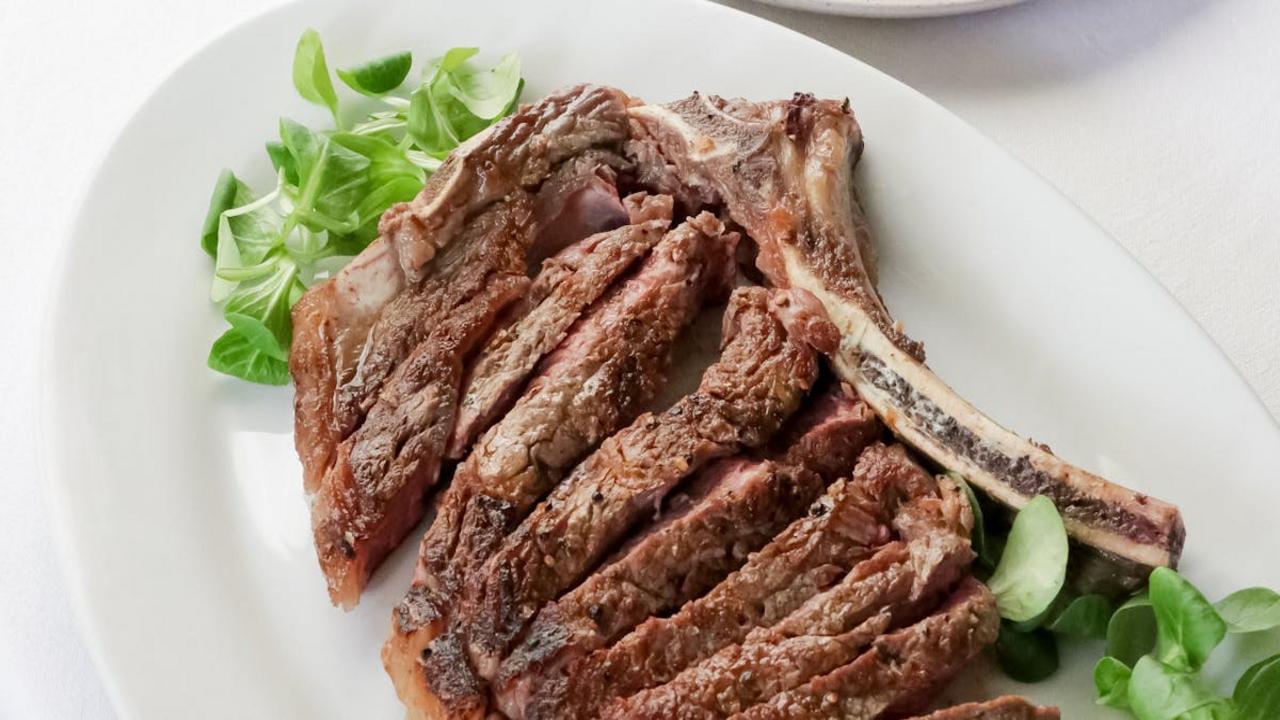
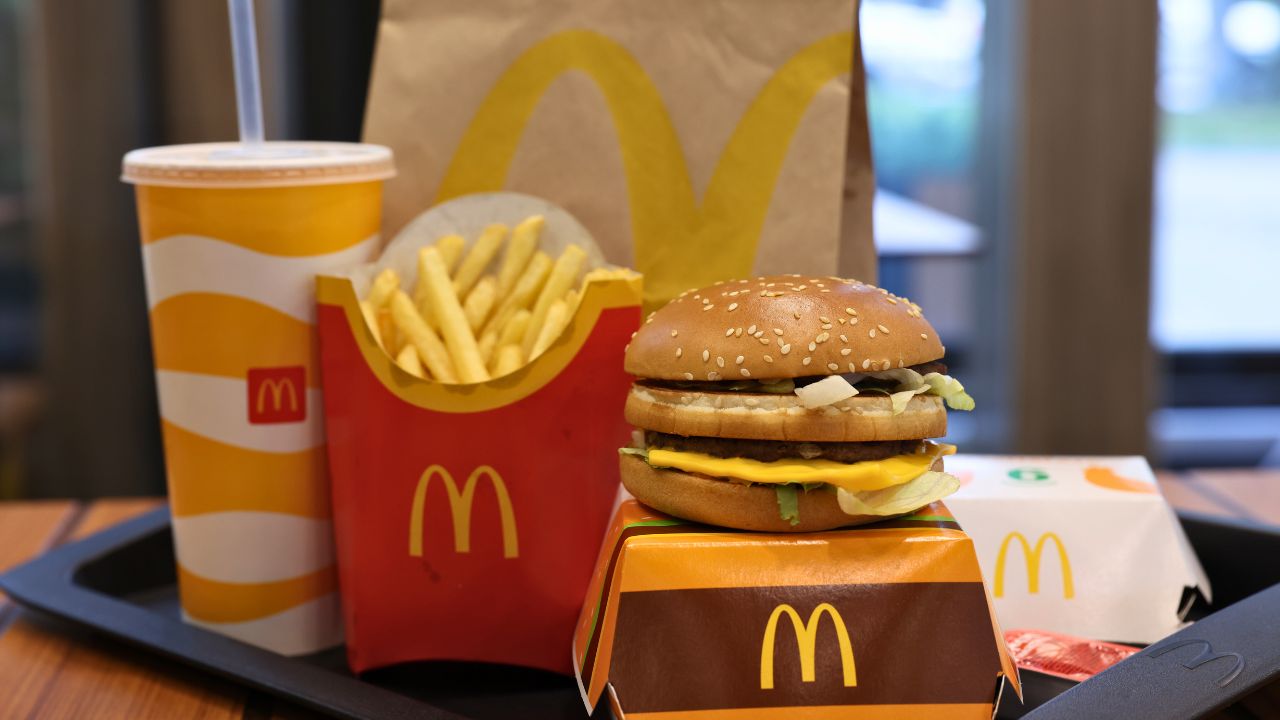
Picture spending time and effort cooking a steak specifically for her, only to hear her announce, “This is yuck! I want McDonalds.” That’s the frustrating reality this aunt has endured for years. Every attempt to address the issue with her sister-in-law and brother-in-law has been brushed aside, with them insisting, “she’s just very certain about her likes and dislikes.” They’ve even drawn a parallel between her behavior and her uncle’s genuine food allergies — a comparison that is not only inaccurate but genuinely offensive.
Following one more catastrophic dinner, the woman informed her husband that she was through. She would no longer prepare food for the niece or sit through meals with her unless the behavior changed. Her husband fears this stance could harm their relationship with the family, but she believes she’s exhausted every other option.
The Internet Reacts
Predictably, the online community had no shortage of opinions, and the vast majority rallied behind the aunt. Commenters tended to fall into a few clear categories.
The first group was the “Absolutely Not” Crowd, who were outraged on the aunt’s behalf. These voices pointed the finger directly at the parents. One commenter put it bluntly: “This is not an issue about picky eating, it’s that she’s badly behaved and your husband’s relatives are allowing her to continue in that fashion.”
Someone else was even more blunt, writing, “The parents created that little monster behavior at the dinner table.”
Next came the “Considerate Picky Eaters,” a contingent that brought a valuable alternative viewpoint. They could relate to having strong food preferences but were appalled by the niece’s total absence of courtesy. A self-described picky eater in his 50s recounted his own approach, making an essential distinction: “This is my problem, not anybody else’s. If I’m at a meal and there’s nothing I can eat… I don’t eat. I don’t expect” someone to make me something special. His remark underscored the vast gap between having personal preferences and acting entitled about them.

Last but not least, the “Practical Advice” Crowd chimed in with some shrewd suggestions. A number of them argued that the burden should rest on those who are enabling the behavior. “Or hubby can do the cooking, last minute cooking, ordering out, etc.,” one commenter proposed. “See how long the people pleaser lasts when he has to do the work himself.”
Another put it simply: if the parents hold such lofty expectations, they ought to be the ones to “prepare their own food for said expectations.”
The Etiquette Verdict
Let’s make one thing abundantly clear: this situation has nothing to do with a child being a fussy eater. This is about a glaring absence of basic manners, perpetuated by parents who won’t teach their daughter how to show respect. Hosting someone in your home does not obligate you to serve as a personal chef or silently endure a child’s rude behavior.
A host’s responsibility is to be considerate, but a guest’s obligation is to be appreciative. The niece’s parents have done her a disservice by failing to instill this fundamental social expectation. Establishing a boundary isn’t an act of rudeness; it’s an essential exercise in self-preservation and, quite honestly, may be the only catalyst for this child to understand that the universe doesn’t orbit around her personal menu preferences.
Your Thoughts
Where do you stand on this? Was the aunt justified in putting her foot down, or should she have kept the peace and continued tolerating the behavior for the family’s sake?