‘Extremely Sour’: Daughter-in-Law Refuses to Eat Mother-in-Law’s Thanksgiving Turkey
We all know that when you are a guest in someone’s home, particularly for a holiday, you eat what is served. It’s a cornerstone of good manners, a small act of gratitude for the effort your host has put in. You smile, you compliment the cook, and you clean your plate, even if the casserole isn’t quite to your taste.
However, one woman recently took to the internet to share a story that proves this rule has its limits. What do you do when the food isn’t just unappealing, but genuinely inedible and potentially unsafe? It’s a dilemma that turns a simple meal into a minefield of hurt feelings and social anxiety.

The Incident
This woman’s story begins with a simple, unfortunate fact: her mother-in-law is a “really terrible cook.” She recounted a history of culinary disasters, including raw meatloaf and chicken breasts so overcooked they were like boards. But this Thanksgiving, things took a turn for the worse.
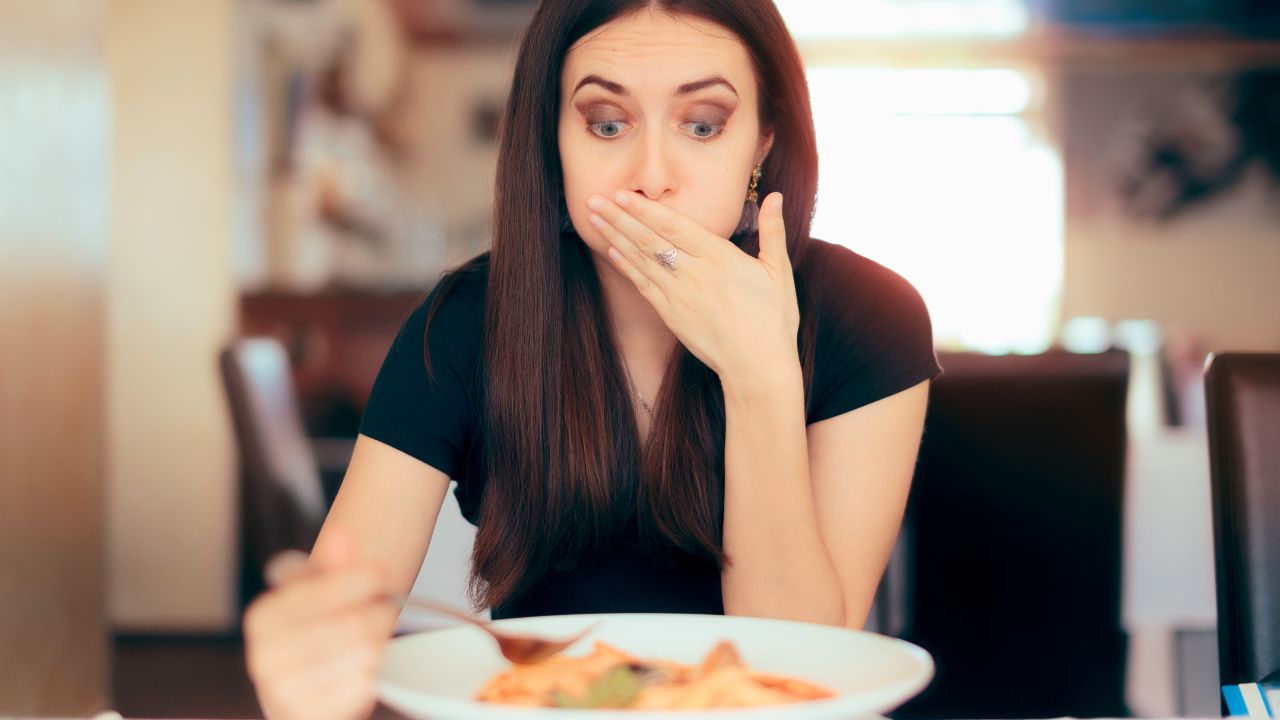
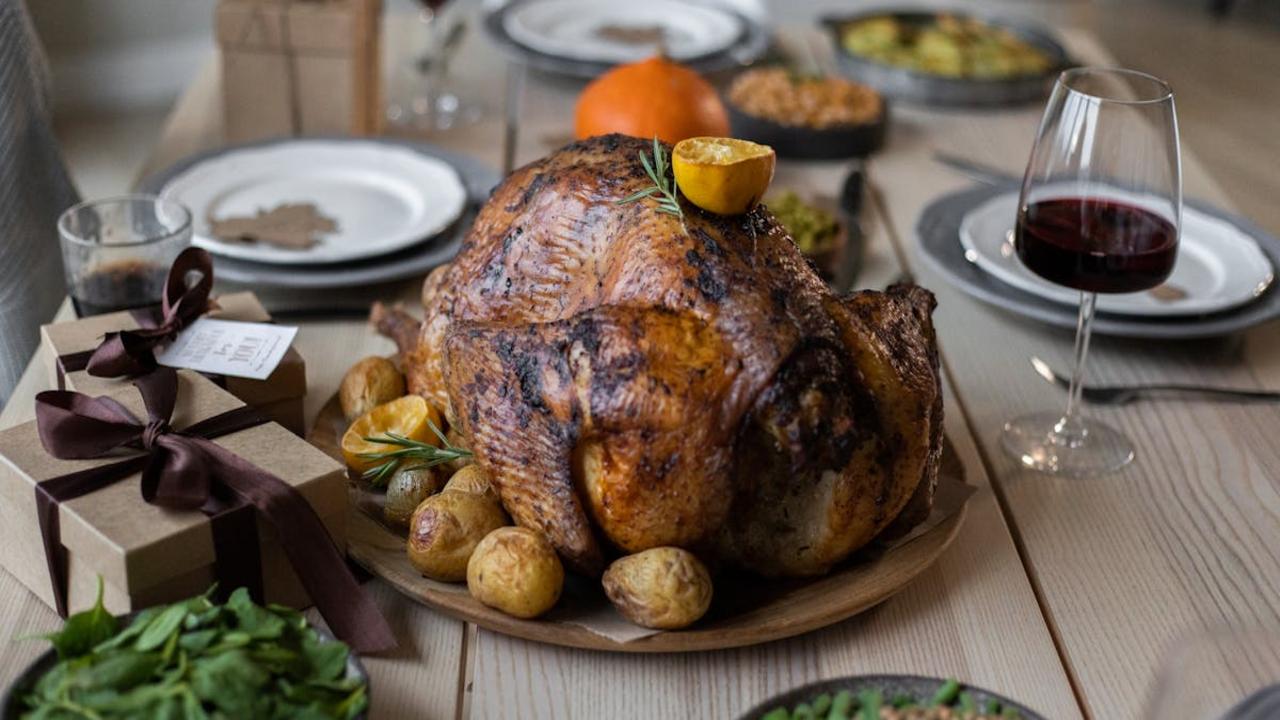
The holiday feast was, in her words, “inedible.” After trying one bite of everything, she found there was “not a single thing I could have a second bite of.” The turkey, the star of the show, was described as tasting “extremely sour, like it was on the verge of going bad, and so chewy.”
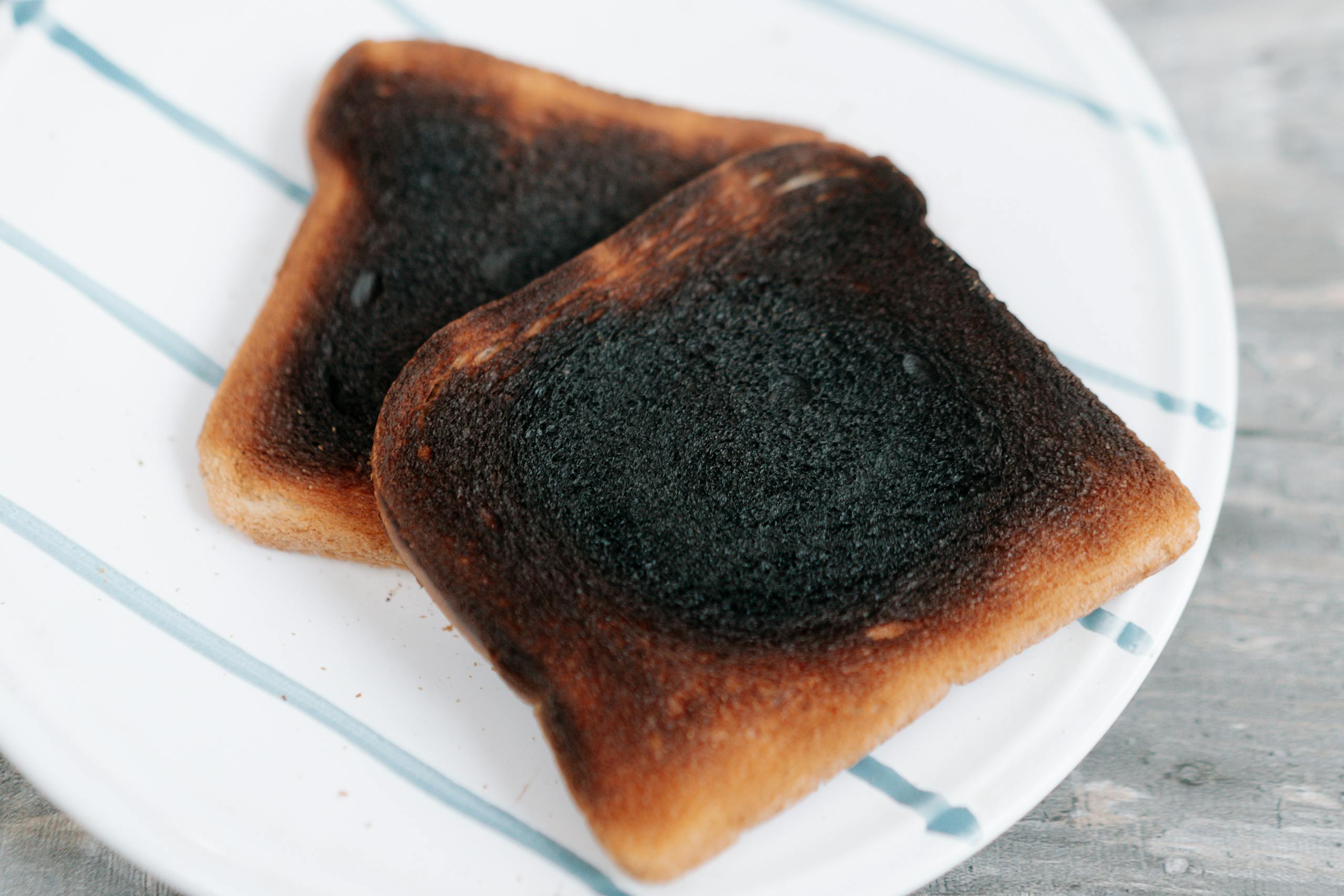
The side dishes were no better—mushy, artificial, and utterly without seasoning. Even the pre-made bread rolls were burnt to a crisp.

Normally, she would pretend to eat to keep the peace, but this time she just couldn’t. When her mother-in-law noticed her untouched plate and “kept making comments about it,” the woman felt cornered. She tried to be polite, blaming her lack of appetite on an allergic reaction from the night before and the Benadryl she had taken.
While true, the excuse didn’t seem to land. Her mother-in-law was clearly offended, leaving her to wonder if she had been rude by refusing to stomach the meal.
The Internet Reacts
The internet, as it always does, had plenty of opinions, and people quickly sorted themselves into different camps. It seems many have faced a similar dinner-table dilemma.
First, there was the “Absolutely Not” crowd, who were furious on the woman’s behalf. They argued that health and safety trump politeness every single time. One commenter put it bluntly: “Your health is your priority… This is a situation where you can get sick and that’s unacceptable.”
Another was even more direct, stating, “I’ve started shaming people for noticing… ‘I’m a grown woman, why are people so obsessed about what I choose to put in my mouth?'” It’s a fair point; no one should be interrogated about their plate.
Then came the “Devil’s Advocate” group, who tried to find a more diplomatic path forward. These readers suggested proactive solutions to avoid future standoffs. One offered a gentle script: offer to bring a dish to “make things easier for her.”
Another suggested, “Take food, go early to help cook, or invite them to your home for dinner instead.” This approach focuses on building the relationship and ensuring everyone gets a decent meal, acknowledging that the mother-in-law’s feelings, however misguided, were still hurt.
Finally, there was the “Petty Revenge” crowd, who had some rather clever, if passive-aggressive, suggestions. Their ideas were less about solving the problem and more about sending a message. “Get her a cooking class for Christmas,” one person joked.
Another had a more practical, yet equally pointed, gift idea: “Buy her a continuous read food thermometer for Christmas.” While perhaps not the kindest approach, you can’t help but chuckle at the thought.
The Etiquette Verdict
Let’s be perfectly clear: while a guest should always strive to be gracious, a host has an even greater responsibility to ensure the well-being of the people they are serving. Food that is potentially spoiled or improperly cooked is not a matter of taste; it is a matter of safety.
Pressuring a guest to eat something they are uncomfortable with is poor form, period. The daughter-in-law did exactly the right thing by politely declining and offering a plausible excuse. Her health is far more important than her mother-in-law’s pride. The golden rule of hosting is to provide a safe and welcoming environment, and that includes the food on the table.
What’s Your Take?
This situation is certainly a tricky one, pitting family harmony against basic self-preservation. So, who was really in the wrong here?
Was the mother-in-law right to be offended that her meal was rejected, or was the daughter-in-law completely justified in refusing to eat potentially dangerous food?
Ready for the next level of insight? Discover more in my latest article here.