13 Reasons Cooking Together Is the Ultimate Couple Kitchen Challenge
Cooking together transforms your kitchen into a relationship testing ground like nothing else can. You’ll discover whether you can handle the heat when your partner accidentally burns the garlic or decides to improvise with spices. The simple act of preparing a meal together reveals personality traits, communication styles, and compatibility levels you never knew existed.
Beyond creating delicious food, cooking side by side becomes an intense partnership exercise. You’ll learn to coordinate timing, share workspace, and make split-second decisions while hungry and potentially stressed. These moments teach you more about working together than any relationship book ever could.
The kitchen doesn’t lie about who you really are as a team. Every meal becomes an opportunity to practice patience, compromise, and collaboration. Whether you’re chopping vegetables or managing multiple pans, you’ll quickly understand how well you function as a unit under pressure.
Shared Goals and Priorities

When you step into the kitchen together, you’re not just making dinner – you’re building something bigger. Cooking as a couple creates natural opportunities to align your values and dreams while chopping vegetables and stirring sauces. Maybe you both want to eat healthier, save money by dining out less, or learn new skills that bring more joy to your daily routine. These shared aspirations become the foundation for teamwork that extends far beyond meal prep.
Working toward common food goals teaches you how to support each other in practical, meaningful ways. You might decide together to try meatless Mondays, master homemade bread, or recreate your favorite restaurant dishes at home. Each successful meal becomes a small victory you’ve achieved as a team, reinforcing your ability to work together on bigger life decisions. The kitchen becomes your practice ground for communication, compromise, and celebration – skills that strengthen your relationship in every area of life.
Emotional Intelligence

Cooking together creates the perfect laboratory for developing emotional intelligence between partners. When you’re both working with hot stoves, sharp knives, and time-sensitive recipes, you’ll quickly learn to read each other’s stress signals and respond appropriately. Maybe your partner gets quiet when they’re concentrating on a delicate sauce, or perhaps they need encouragement when attempting a new technique. These moments teach you to tune into subtle cues and offer support exactly when it’s needed most.
The kitchen becomes your training ground for better communication and empathy. You’ll discover how to give constructive feedback without crushing confidence – like gently suggesting a different seasoning approach or offering to help when you notice frustration building. These skills translate beautifully into other areas of your relationship. Learning to celebrate each other’s successes over a perfectly seared steak or comfort each other through a burnt dessert builds emotional resilience as a team. Every shared meal becomes evidence of your growing ability to understand and support each other through life’s ups and downs.
Financial Management

Cooking together transforms your household budget from a source of stress into a shared adventure! When you plan meals as a team, you naturally become more mindful about grocery spending and food waste. I love how couples who cook together often discover they can stretch their dollars further by buying ingredients in bulk, choosing seasonal produce, and creating multiple meals from single purchases. You’ll find yourselves comparing prices, hunting for deals, and getting excited about finding that perfect sale on organic chicken or fresh herbs.
The beauty of shared kitchen time goes beyond just saving money – it teaches you both valuable lessons about resourcefulness and creativity. You’ll start seeing leftovers as opportunities rather than burdens, transforming yesterday’s roasted vegetables into today’s frittata or soup base. This collaborative approach to meal planning helps you both understand where your food dollars actually go, making it easier to allocate your budget wisely. Plus, when you’re both invested in the cooking process, you’re less tempted to order expensive takeout on busy weeknights because you’ve already planned something delicious together!
Adaptability and Flexibility

When you’re cooking with your partner, plans change faster than butter melts in a hot pan! Maybe you discover you’re out of oregano halfway through making marinara sauce, or perhaps your chicken needs more time in the oven than expected. These moments teach you both how to think on your feet and work together to find creative solutions. You learn to substitute ingredients, adjust cooking times, and pivot your entire menu when necessary – skills that translate beautifully into real-life situations outside the kitchen.
This spontaneous problem-solving strengthens your relationship in ways you might not expect. You start communicating more effectively about what’s working and what isn’t, and you develop trust in each other’s judgment calls. When your partner suggests adding honey to balance out an overly acidic tomato sauce, you learn to be open to their ideas rather than sticking rigidly to the recipe. These moments of flexibility create a dynamic where both of you feel heard and valued, building confidence in your ability to handle unexpected situations together, whether you’re dealing with a kitchen mishap or life’s bigger surprises.
Attention to Detail
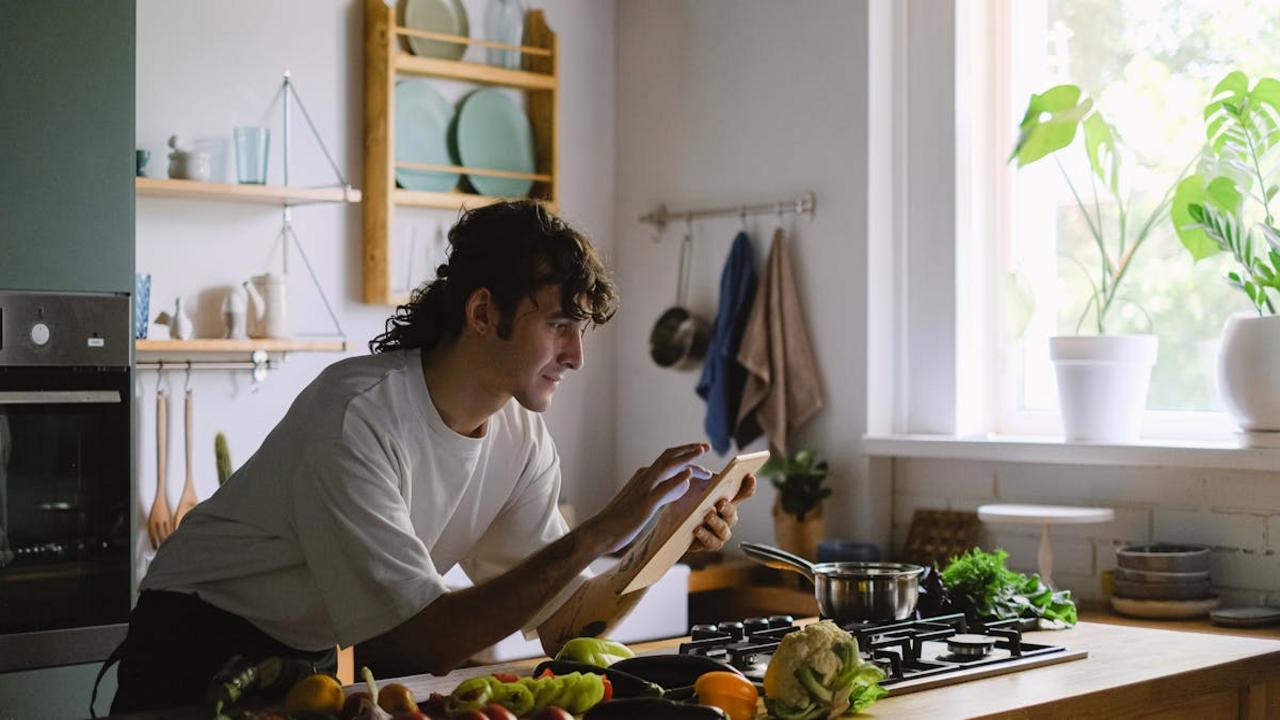
Cooking together transforms you and your partner into a synchronized team where every small action matters. You’ll find yourselves naturally paying closer attention to timing, seasoning, and presentation when you’re both invested in creating something delicious. One person might notice the onions need another minute of sautéing while the other catches that the sauce requires a pinch more salt. This heightened awareness extends beyond just the food – you’ll start noticing how your partner holds a knife, their preferred way of organizing ingredients, or how they instinctively know when something’s perfectly done.
This shared focus on the little things builds incredible habits that benefit your relationship far beyond the kitchen. When you’re both committed to creating a beautiful meal together, you naturally become more observant and considerate of each other’s contributions. You’ll celebrate small victories together, like perfectly caramelized vegetables or a sauce that reaches the ideal consistency. These moments of shared accomplishment, built on careful attention to every detail, create lasting memories and strengthen your connection. The patience and precision you develop while cooking side by side will surprise you with how it flows into other areas of your partnership.
Creativity and Innovation
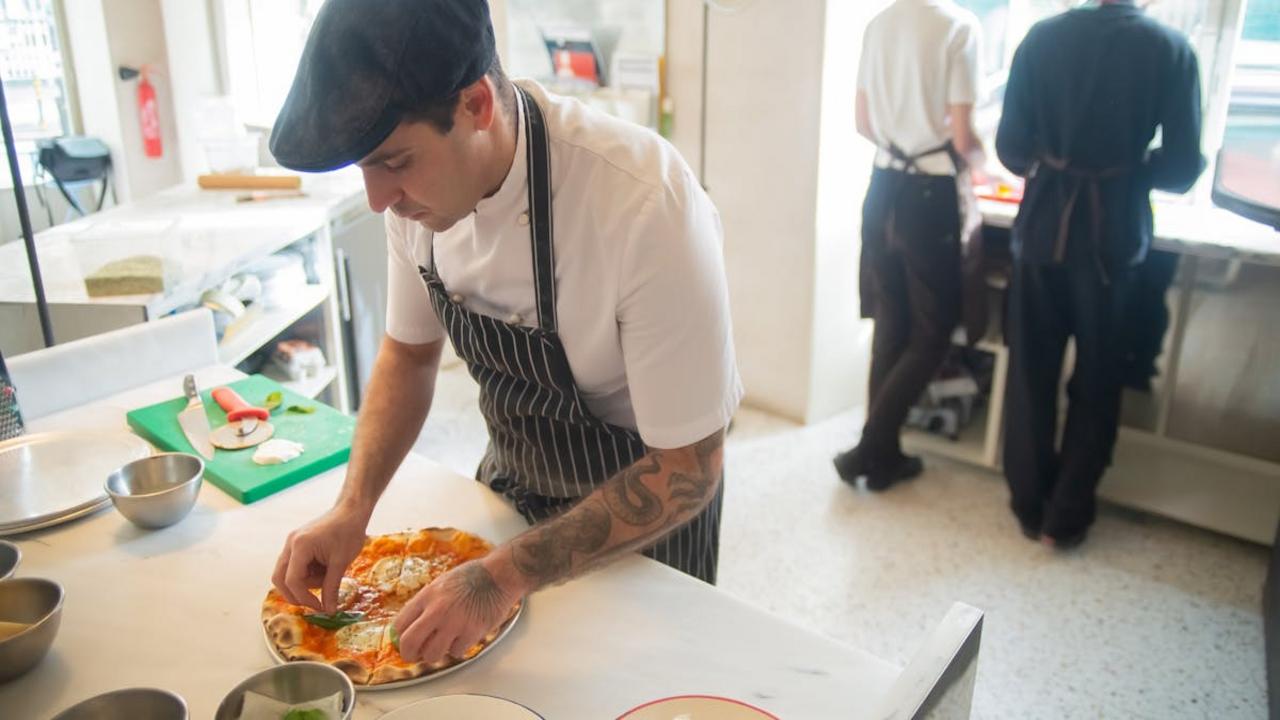
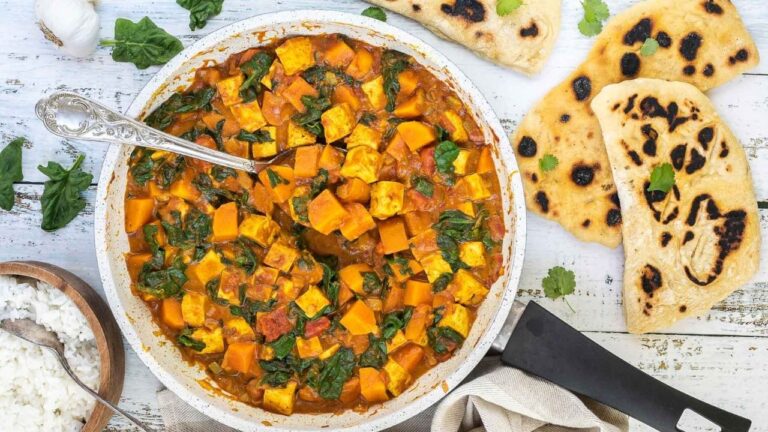
When you cook together, your kitchen transforms into a playground for creativity where two minds can brainstorm and experiment with flavors in ways you’d never attempt solo. You’ll find yourselves spontaneously combining ingredients that seemed impossible before – maybe your partner suggests adding cinnamon to your savory chickpea curry while you propose drizzling honey over roasted vegetables. This beautiful collision of ideas often leads to the most memorable dishes, ones that become your signature creations as a couple.
The magic happens when you both feel comfortable enough to suggest wild ideas without judgment, creating an environment where innovation flourishes naturally. You might discover that your partner’s unconventional approach to seasoning perfectly complements your methodical technique, or that their willingness to experiment pushes you out of your comfort zone in the most delicious ways. These shared moments of culinary discovery not only result in amazing meals but also strengthen your bond as you learn to trust each other’s instincts and celebrate the unique flavors you create together.
Problem Solving

When you cook together, you face unexpected situations that require quick thinking and teamwork. Maybe the sauce starts burning while you’re chopping vegetables, or you discover you’re missing a key ingredient halfway through the recipe. These moments push you both to communicate effectively and find solutions together. I’ve watched countless couples transform kitchen mishaps into opportunities for creative problem-solving, whether it’s substituting ingredients or adjusting cooking times on the fly.
These shared kitchen dilemmas strengthen your partnership in ways that extend far beyond cooking. You learn how your partner handles stress, how they think through problems, and how they adapt when things don’t go according to plan. Some couples discover that one person excels at staying calm under pressure while the other shines at finding creative alternatives. Working through these cooking puzzles together builds confidence in your ability to tackle any obstacle as a team, creating a stronger foundation for your relationship while you create delicious meals.
Time Management
You know that moment when you’re both standing in the kitchen, staring at a recipe that claims it takes “30 minutes” but somehow feels like you need superpowers to make it happen? Cooking together forces you to become a dynamic duo of efficiency! One of you can prep vegetables while the other handles the protein, or you can tag-team between stirring the risotto and watching the timer for your roasted vegetables. This natural division of labor teaches you both to communicate clearly about timing – “Hey, can you start the pasta water now?” becomes your new love language. You’ll discover each other’s kitchen strengths and learn to play to them beautifully.
What starts as organized chaos quickly transforms into a well-oiled machine where you both instinctively know your roles. You’ll find yourselves creating systems without even realizing it – maybe you always handle the prep while your partner masters the stovetop, or perhaps you alternate between being the sous chef and head cook depending on the meal. This synchronized dance around meal preparation spills over into other areas of your relationship, making you both more aware of timing and teamwork in daily life. Plus, there’s something incredibly satisfying about sitting down to enjoy a meal that you created together in record time, knowing you’ve mastered the beautiful balance of cooperation and efficiency.
Patience and Tolerance

Cooking together transforms your relationship into a masterclass in patience and tolerance. When your partner takes fifteen minutes to dice an onion while you could do it in two, or when they accidentally add salt instead of sugar to your cake batter, you learn to breathe deeply and find humor in the moment. These kitchen mishaps become opportunities to practice grace under pressure. You discover that your partner’s methodical approach to measuring ingredients isn’t slow – it’s thorough. Their tendency to taste-test every step isn’t annoying – it shows they care about getting flavors just right.
These shared cooking experiences teach you both to extend grace when things don’t go according to plan. Maybe your risotto turns out more like rice soup, or your soufflé deflates before you can snap that perfect photo. Instead of pointing fingers, you learn to laugh together and order pizza. This patience translates beautifully into other areas of your relationship. When your partner leaves their coffee mug on the counter for the third time this week, you remember how they stayed calm when you burned the garlic bread. Kitchen tolerance builds relationship resilience, one recipe at a time.
Decision Making

Cooking together forces couples to make countless decisions together, from choosing the menu to determining cooking times and seasoning levels. You’ll find yourselves negotiating whether to add more garlic, deciding who handles the sauce while the other preps vegetables, or figuring out the perfect moment to flip that fish. These mini-decisions create a natural flow of communication that strengthens your partnership skills. Every choice becomes a small collaboration, teaching you both how to compromise and find middle ground in real-time.
The beauty of kitchen decision-making lies in how it mirrors real-life situations you’ll face as a couple. When you both want to take charge of the main dish, you learn to delegate and trust each other’s abilities. Maybe you discover that your partner has incredible timing instincts while you excel at flavor balancing. These cooking sessions become practice rounds for bigger life decisions, helping you understand each other’s decision-making styles in a low-pressure, fun environment. Plus, when you both contribute to the final meal, you both feel invested in the delicious outcome!
Conflict Resolution

Nothing tests your relationship quite like trying to coordinate two people in one kitchen during dinner prep! When you’re both reaching for the same cutting board or debating whether the onions need more caramelization time, you’ll discover how well you both handle disagreements. These moments of friction aren’t roadblocks – they’re opportunities to practice patience, compromise, and clear communication. You might find yourselves laughing about who’s the “real” chef five minutes after a heated discussion about salt levels.
Learning to resolve these mini kitchen conflicts strengthens your bond beyond the cooking space. You’ll develop strategies for listening to each other’s perspectives, finding middle ground, and supporting each other’s ideas. Maybe you’ll discover that your partner has valid points about timing, or they’ll appreciate your attention to seasoning details. These skills translate beautifully into other areas of your relationship, making you both better partners overall. The kitchen becomes your practice ground for healthy disagreement and resolution.
Teamwork and Collaboration
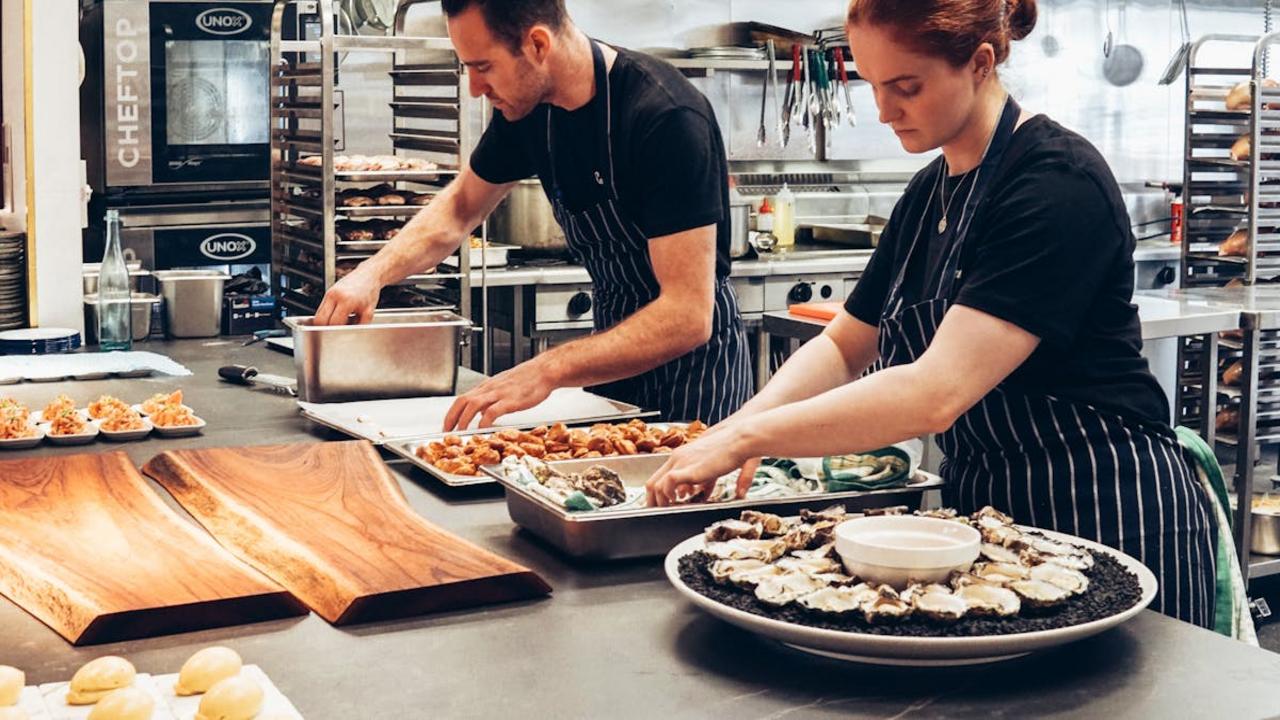
When you and your partner step into the kitchen together, something magical happens – you become a dynamic duo working toward one delicious goal. Cooking side by side naturally teaches you how to communicate, divide tasks, and support each other’s strengths. Maybe you’re the master of prep work while your partner excels at timing multiple dishes perfectly. You’ll discover new sides of each other as you figure out who handles the chopping, who manages the stovetop, and who keeps track of cooking times. This beautiful dance of coordination builds trust and understanding that extends far beyond your kitchen walls.
The best part about cooking together is learning to celebrate each other’s unique contributions to your shared meal. You might surprise yourself by how naturally you fall into complementary roles – one person seasoning while the other stirs, or taking turns tasting and adjusting flavors until you both agree it’s perfect. These moments teach you patience, compromise, and the joy of creating something wonderful as a team. Every successful dish becomes a small victory you both earned together, and every kitchen mishap transforms into a shared story you’ll laugh about for years to come.
Communication Skills

Working together in the kitchen creates the perfect training ground for better communication between you and your partner. When you’re both focused on chopping vegetables or coordinating timing for multiple dishes, you naturally develop clearer ways to express your needs and intentions. You’ll find yourselves creating your own shorthand language – maybe a simple “behind you” becomes your kitchen safety call, or you develop hand signals for when the blender is running too loud for talking. These moments teach you how to be direct yet considerate, especially when space is tight and tasks need coordination.
The beautiful thing about kitchen communication is how it translates directly to other areas of your relationship. You learn to give constructive feedback when your partner adds too much salt, and you discover how to ask for help without sounding demanding when you need someone to stir the sauce while you plate the appetizers. These conversations happen in real-time with immediate consequences – if you don’t communicate well, dinner might burn! This creates a natural motivation to practice active listening, clear instruction-giving, and patience when explaining techniques. Before you know it, you’re both speaking the same culinary language and applying those same communication principles to discussions about finances, weekend plans, and everything else that matters in your partnership.