California Diner Refuses to Automatically Tip Minimum-Wage Servers, Calling the Practice ‘Moot’
For as long as most people can recall, the unspoken rules of eating out have been straightforward: you savor a wonderful meal, and you leave a tip for the individual who took care of you. It is a show of gratitude, a way of saying thank you for attentive work. This modest act of generosity is a foundational element of American restaurant culture.
Yet, it appears the boundaries are becoming increasingly unclear for some people. One man recently turned to the internet to pose a question that touched a raw nerve with countless readers, openly wondering whether the era of automatic tipping should come to an end.
The Incident
The tale centers on a California resident who found himself grappling with a matter of deep personal conviction. He pointed out that in his state, servers are legally guaranteed at least the regular minimum wage, which stands in contrast to numerous other states where a significantly reduced “tipped minimum wage” applies. Given this reality, he believed the primary rationale behind tipping had essentially lost its foundation.
“It seems to me that the common argument for tipping in the US, that waiters and waitresses are paid far below the minimum wage because of the expectation of tips, is at some level moot,” he stated. He struggled to comprehend why servers deserved bonus compensation when countless other workers toiling in demanding, minimum-wage positions receive none.
He raised the challenge, “There are lots of other jobs with people working hard to only get paid minimum wage and I’m not expected to tip them… so why arbitrarily favor waiters and waitresses?”
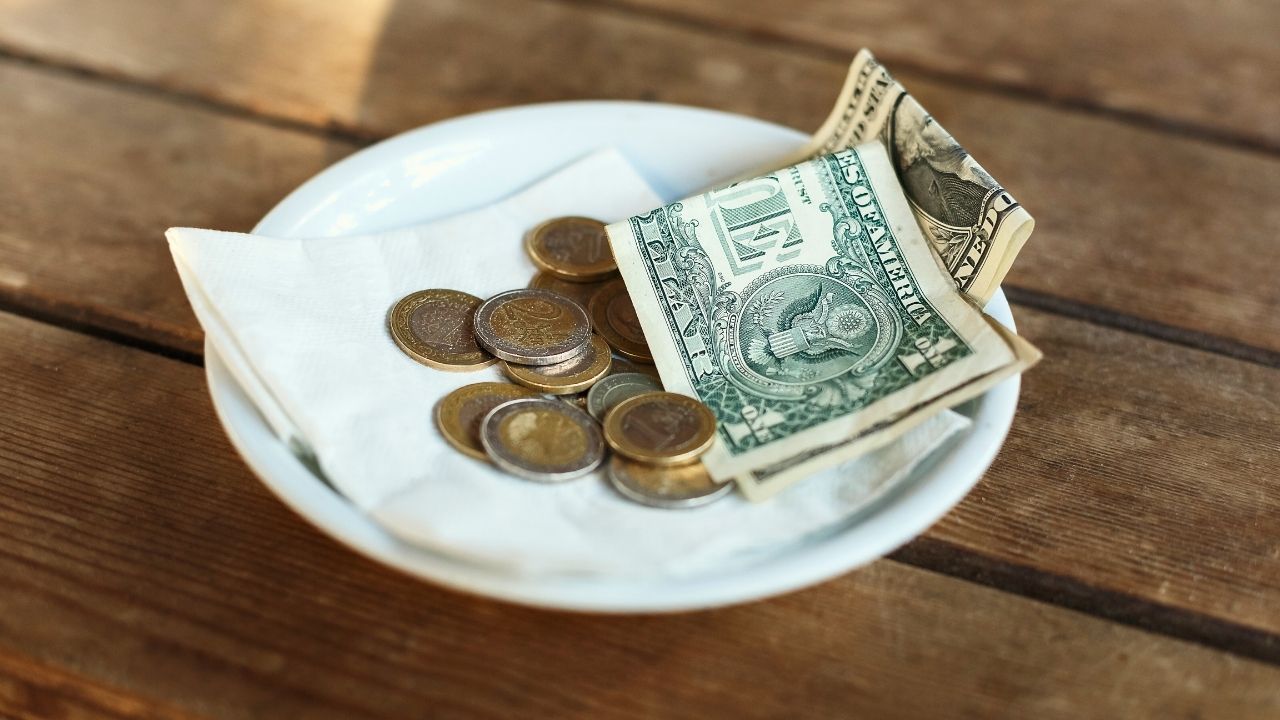
To his credit, he wasn’t arguing that he would abandon tipping entirely. He made it clear that he “would still tip for exceptional service,” just not as an automatic obligation. He acknowledged being reluctant to actually follow through on his stance, worried it might lead to subpar treatment at the restaurants he frequents. Nevertheless, the mere notion of refusing a customary tip over a philosophical belief struck many readers as a significant violation of accepted social norms.
The Internet Reacts
Predictably, the online community had no shortage of opinions. Responses generally fell into several well-defined groups, each armed with a firm perspective on the issue.
The first group was the “Not a Chance” faction, who were outraged by the man’s reasoning. A significant number of them had previously worked as servers and intimately understood the physical and emotional demands of the role. One commenter stated it plainly: “You would be the .ssh.l. for refusing to tip based on a principle as opposed to tipping or not tipping based on the quality of the service you were given.”
A former waitress offered a spirited defense of her line of work. “Serving is a very very hard job, if I was getting paid minimum wage I would have quit and done something much easier,” she contended. “You know before going to a restaurant that the deal is you pay 20 percent for the service you receive… Don’t make someone work for you for free.”
Next came the “Devil’s Advocate” contingent. These individuals could see where the man was coming from, even if they didn’t wholeheartedly support his position. They recognized his argument about the logical inconsistency embedded in tipping culture.
“I can agree with this,” one user remarked. “What makes waiters and waitresses deserve tips, if they’re now getting minimum wage like every other job, who do not get tips at all? At that point, tips should be… given if deserved, not required.”

Lastly, there were the “Educators,” who attempted to illuminate the finer details of how the system actually works. One contributor highlighted that even though California law differs, the broader national tipping culture is constructed around a framework in which gratuities are indispensable. They clarified that in a large number of states, servers earn a substantially lower hourly rate from their employer, with the built-in assumption that tips will bridge the gap.
“While I also do not agree with tipping culture how it is, you’d be the .ssh.l. for taking away part of their livelihood,” they concluded. The discussion even expanded into the question of what constitutes an appropriate tip percentage, with some maintaining that 20% is the standard while others believed 15% remained entirely reasonable.
The Etiquette Verdict
Although the broader conversation surrounding tipping culture is undeniably worth having, reforming the system should never come at the cost of the individual server standing before you at your table. When you choose to sit down for a meal at a full-service restaurant in the United States, you are implicitly agreeing to take part in a deeply rooted social contract. A key component of that agreement includes tipping for the service provided to you.
Refusing to leave a tip based on personal ideology penalizes the worker rather than the system itself. It is fundamentally unjust to turn your server into the casualty of your protest. Proper etiquette demands that we treat service industry professionals with dignity, and within our culture, that dignity is frequently expressed through a fair and fitting gratuity.
Your Thoughts
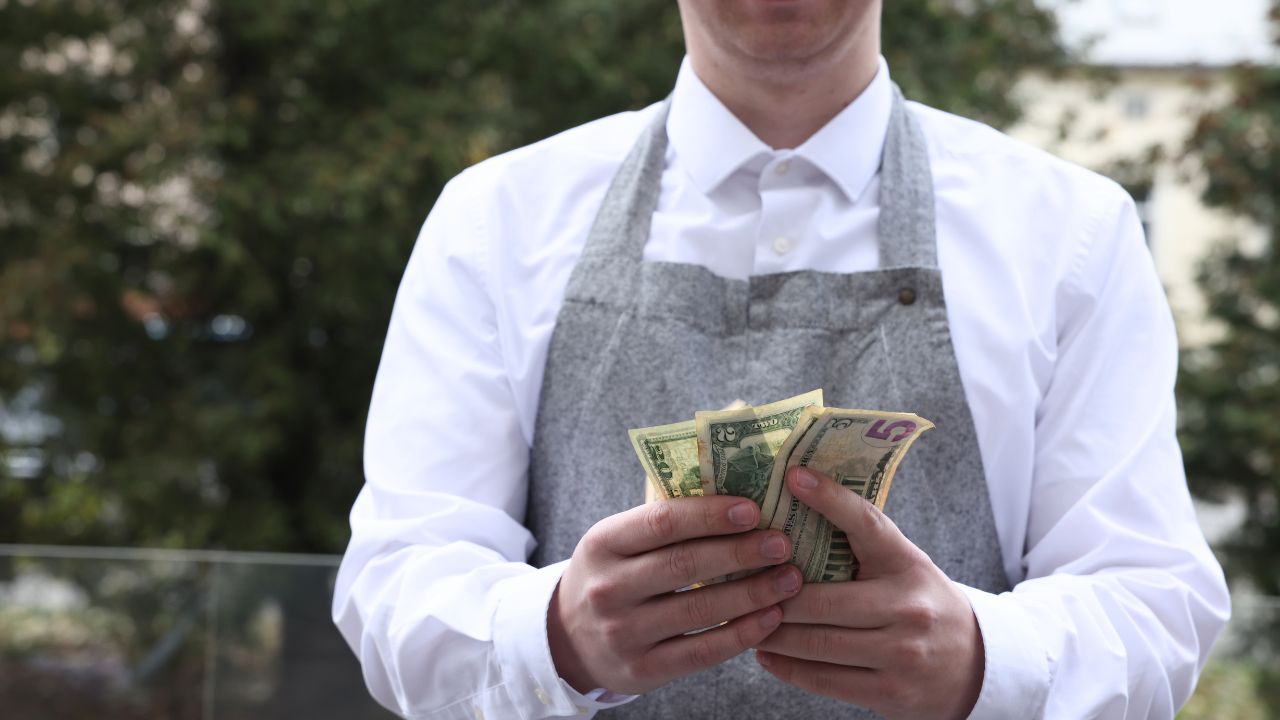
Is tipping a relic of the past that deserves to be phased out, or does it remain an essential way of expressing gratitude for good service?