10 Classic Dishes You Won’t Believe Started in the U.S.
Think you know where your favorite “international” dishes come from? Think again! Some of the most beloved foods we associate with other countries actually have their roots planted firmly in American soil. From that sweet and tangy General Tso’s chicken you order on Friday nights to those crispy fortune cookies that end your Chinese takeout experience, these dishes tell a fascinating story of immigration, innovation, and pure American ingenuity.
Food has this sneaky way of crossing borders and reinventing itself completely. What starts as one thing in one country transforms into something entirely different when it lands on American plates. These ten dishes prove that fusion cuisine isn’t just a modern trend – it’s been happening for over a century, creating new classics that fool even the most confident food lovers.
Get ready to have your mind completely blown. These American-born dishes have masqueraded as international cuisine so successfully that most people never question their origins. You’re about to discover the surprising truth behind some seriously delicious imposters that have been hiding in plain sight on menus everywhere!
Green Bean Casserole
Picture this: it’s 1955, and a food scientist named Dorcas Reilly is sitting in her Campbell Soup Company test kitchen, probably wondering what possessed her parents to name her Dorcas. She’s got a deadline to create a quick side dish using Campbell’s Cream of Mushroom soup, and she’s staring at a can of French’s French Fried Onions like it holds the secrets of the universe. What happens next becomes the stuff of Thanksgiving legend – she throws together green beans, cream of mushroom soup, and those crispy onions, and accidentally creates the most polarizing dish in American holiday history. Some people worship this casserole like it’s the holy grail of comfort food, while others treat it like that one relative who always brings up politics at dinner.
Here’s what cracks me up about green bean casserole: it’s basically vegetables trying to cosplay as comfort food, and somehow it works! You take perfectly innocent green beans, drown them in condensed soup (which is basically cheese sauce’s less sophisticated cousin), and top the whole thing with what are essentially onion potato chips. The result? Pure Americana on a casserole dish. Dorcas probably had no idea she was creating a dish that would spark heated family debates for decades. Pro tip: if you want to upgrade this retro beauty, use fresh green beans instead of canned ones – they’ll still get soft and cozy in the oven, but they won’t surrender completely to mushiness. And honestly, those French fried onions are non-negotiable; they’re the crunchy crown jewel that makes this whole thing work.
Nachos
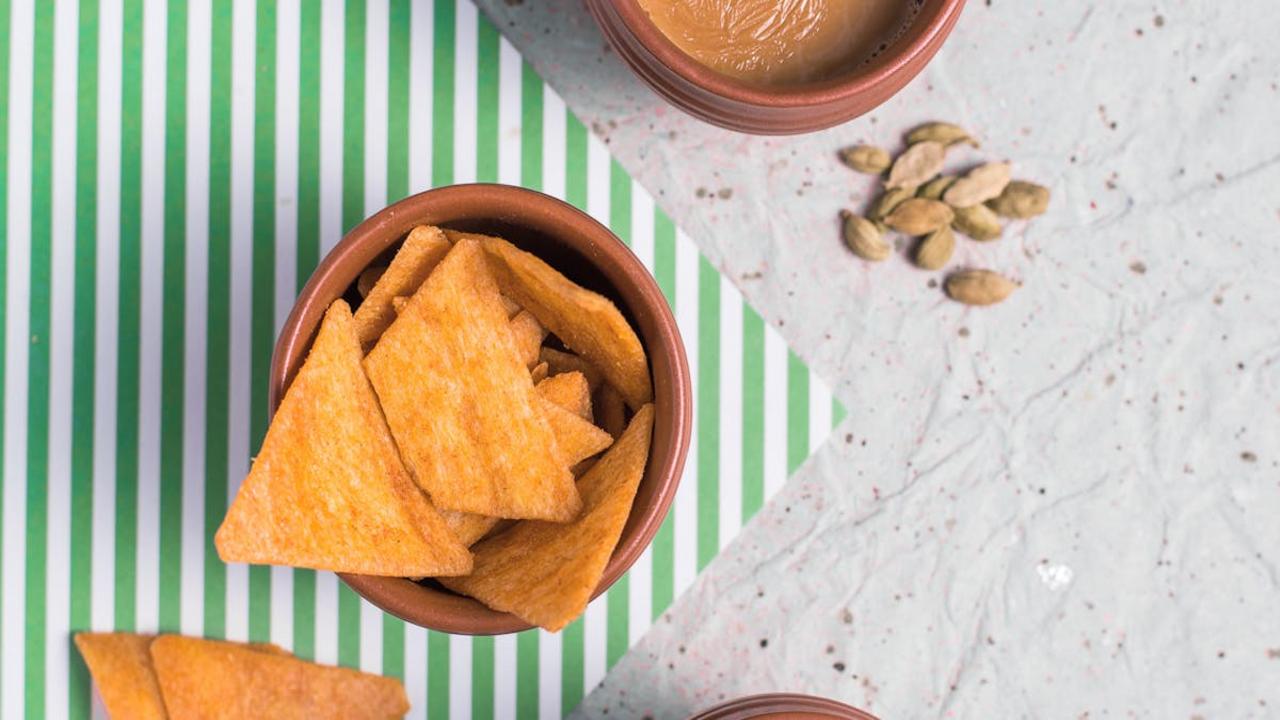
Picture this: you’re at a baseball game, desperately craving something cheesy and crunchy, when BAM – someone hands you a plate of tortilla chips drowning in melted cheese. Thank Ignacio “Nacho” Anaya, the Mexican restaurateur who accidentally created this masterpiece in 1943 at his restaurant just across the border from Eagle Pass, Texas. A group of hungry American military wives wandered into his kitchen after closing time, and Nacho (yes, that’s actually his nickname) threw together whatever he had: tortilla chips, Wisconsin cheese, and jalapeños. The ladies went absolutely wild for it, and word spread faster than cheese melting on a hot chip.
What started as a desperate late-night snack solution became an American obsession that now generates billions of dollars annually. You can find nachos everywhere from gas stations to gourmet restaurants, loaded with everything from pulled pork to lobster (though purists might argue that’s sacrilege). The original recipe was beautifully simple – just three ingredients that somehow created magic when combined. Today, Americans consume over 300 million pounds of tortilla chips every year, and a huge chunk of those chips end up buried under mountains of cheese, creating the gooey, crispy, spicy perfection we can’t resist. Nacho’s accidental invention proves that sometimes the best discoveries happen when you’re just trying to feed some hungry people with whatever’s hanging around your kitchen.
Apple Pie
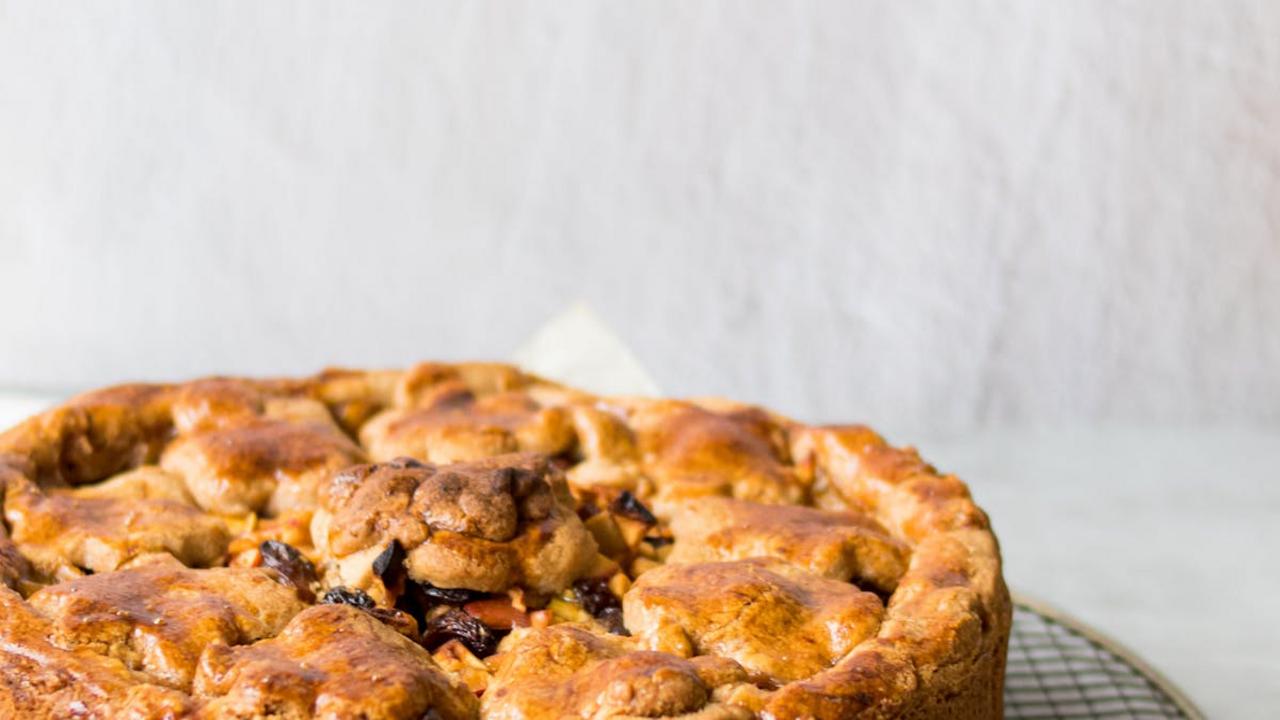
Hold onto your forks, folks, because I’m about to shatter your worldview: apple pie didn’t actually originate in America! I know, I know – it’s like finding out Santa Claus was actually invented by Coca-Cola (which, fun fact, he kind of was). The truth is, apple pie recipes trace back to medieval England, where they stuffed pastry crusts with apples, figs, and enough spices to make your grandmother weep. The Dutch were making their own versions too, probably while wearing those adorable wooden shoes and tending tulips. But here’s where it gets interesting – early American settlers couldn’t even make proper apple pie because the only apples native to North America were crabapples, which taste about as pleasant as chewing on a leather boot.
So how did this British import become more American than baseball and complaining about taxes? Well, Johnny Appleseed (yes, he was real!) spent decades planting apple orchards across the frontier, making pie-worthy apples accessible to every pioneer family. By the 1800s, American cooks had perfected their own style – deeper dishes, flakier crusts, and that gorgeous lattice top that makes Instagram food bloggers weep with joy. We took that English recipe and supersized it, because if there’s one thing Americans excel at, it’s making everything bigger and better. Today, calling something “as American as apple pie” feels perfectly natural, even though we basically adopted this dessert like it was a stray cat that wandered into our kitchen and never left.
Philly Cheesesteak
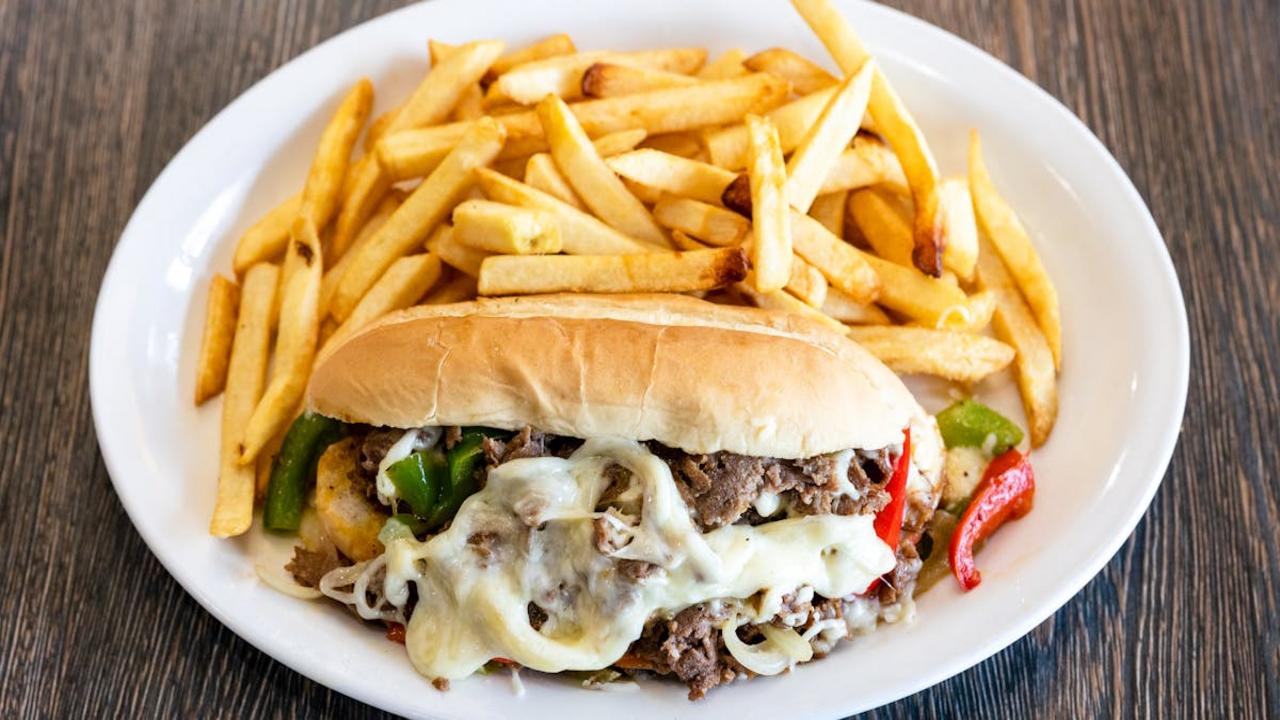
Picture this: you’re wandering through South Philadelphia in the 1930s, and Pat Olivieri decides he’s had enough of the same old lunch routine. This hot dog vendor throws some beef on his grill, slaps it on an Italian roll, and creates what might be America’s most beloved sandwich accident. A cab driver catches a whiff, begs for a taste, and boom – the Philly cheesesteak is born! Pat’s brother Harry later adds the cheese (because everything’s better with cheese, obviously), and suddenly they’ve got lines around the block. The Olivieri family still runs Pat’s King of Steaks today, proving that sometimes the best inventions happen when you’re just trying to jazz up lunch.
Now, here’s where things get spicy – and I’m not talking about the peppers. True Philadelphians will fight you over the proper cheese choice. Whiz, American, or provolone? Each camp has passionate defenders who treat this decision like a sacred oath. The ordering ritual is equally serious: you walk up confidently and say something like “One wit” (that’s Cheez Whiz with onions) or risk being labeled a tourist faster than you can say “cheesesteak.” The sandwich spread across America faster than gossip at a family reunion, but locals insist you haven’t had the real deal unless you’ve eaten it on Passyunk Avenue while dodging aggressive seagulls and pretending you understand the Eagles’ latest trade.
Chocolate Chip Cookies
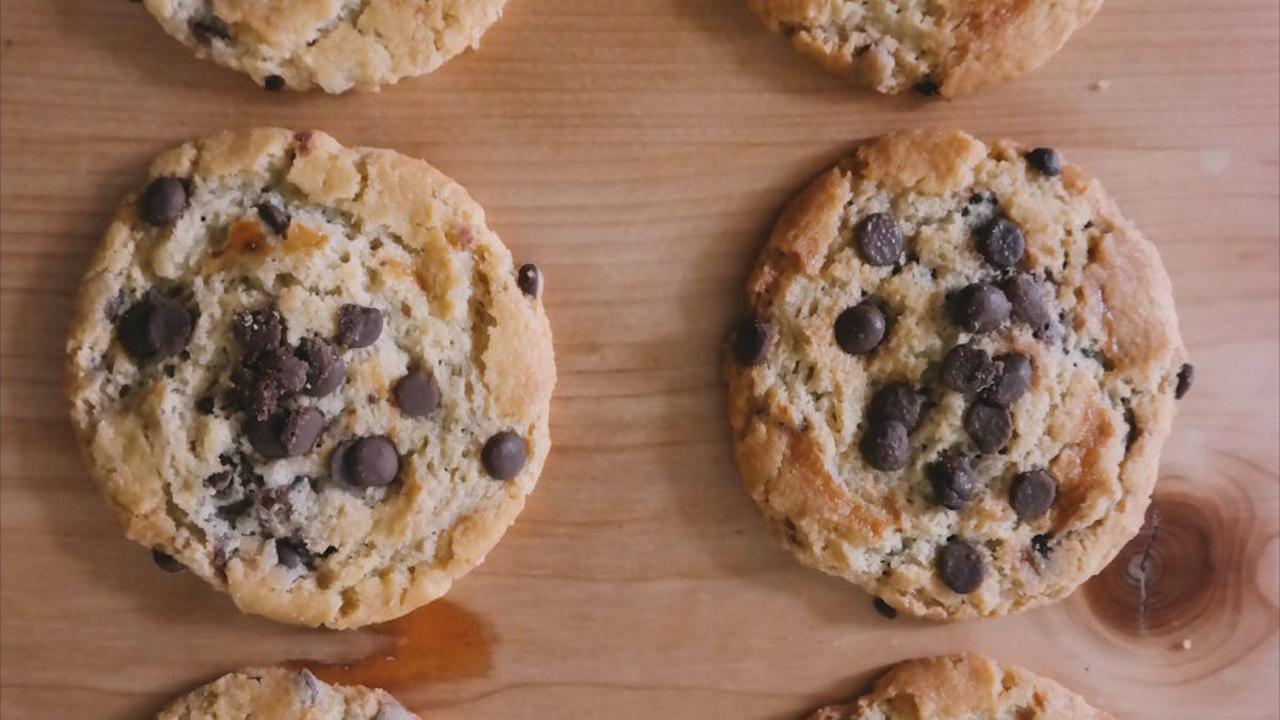
Picture this: you’re standing in Ruth Wakefield’s kitchen at the Toll House Inn in 1938, watching culinary history unfold completely by accident. Ruth wanted to make chocolate cookies for her guests, but she ran out of baker’s chocolate. So what did this brilliant woman do? She grabbed a Nestlé semi-sweet chocolate bar, chopped it up, and tossed the chunks into her butter drop cookie dough, thinking the chocolate would melt and create an even chocolate flavor throughout. Plot twist—the pieces held their shape, creating the very first chocolate chip cookie! Sometimes the best inventions happen when your original plan goes sideways.
What makes this story even more delicious is that Ruth struck a deal with Nestlé that would make any modern influencer jealous. She gave them her recipe in exchange for a lifetime supply of chocolate! The recipe appeared on every package of Nestlé chocolate chips, and suddenly every kitchen in America was filled with the aroma of these chewy, gooey masterpieces. Today, Americans consume over 7 billion chocolate chip cookies annually—that’s roughly 300 cookies per person! Whether you’re a crispy-edge devotee or a soft-center fanatic, you’re participating in a tradition that started with one woman’s creative problem-solving and a happy accident that changed dessert forever.
Ranch Dressing
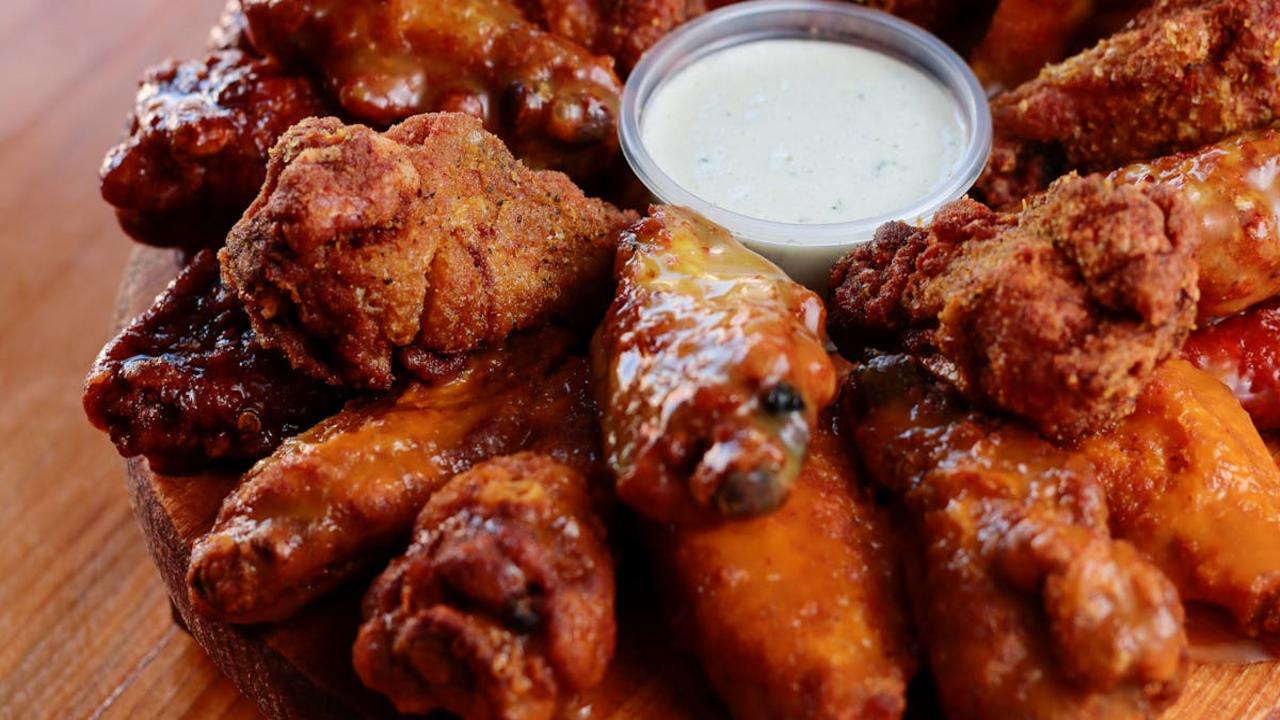
You know that creamy, tangy white sauce you’ve been dunking everything from pizza crusts to carrot sticks into? That magical concoction that makes vegetables actually tolerable and transforms boring salads into something worth eating? Well, buckle up, because ranch dressing is as American as apple pie – and way more controversial. Born in 1972 at Hidden Valley Ranch in Santa Barbara, California, this beloved condiment started as a simple herb mix that dude ranch owner Steve Henson whipped up to keep his guests happy. He’d been serving it at his ranch for years before realizing he could bottle this liquid gold and share it with the world.
What makes ranch so addictive isn’t just the mayo-buttermilk base – it’s that perfect storm of garlic powder, onion flakes, and dried herbs that creates what I like to call “comfort in a bottle.” Henson originally made it by hand, mixing packets of his secret seasoning blend with mayonnaise and buttermilk for guests who couldn’t get enough of the stuff. The man was basically a flavor wizard without even knowing it! Today, Americans consume more ranch than ketchup (yes, really!), and we’ve turned it into everything from potato chip flavoring to pizza sauce. Sure, food snobs might turn their noses up at it, but sometimes you just need something that makes your sad desk salad taste like happiness.
Buffalo Wings
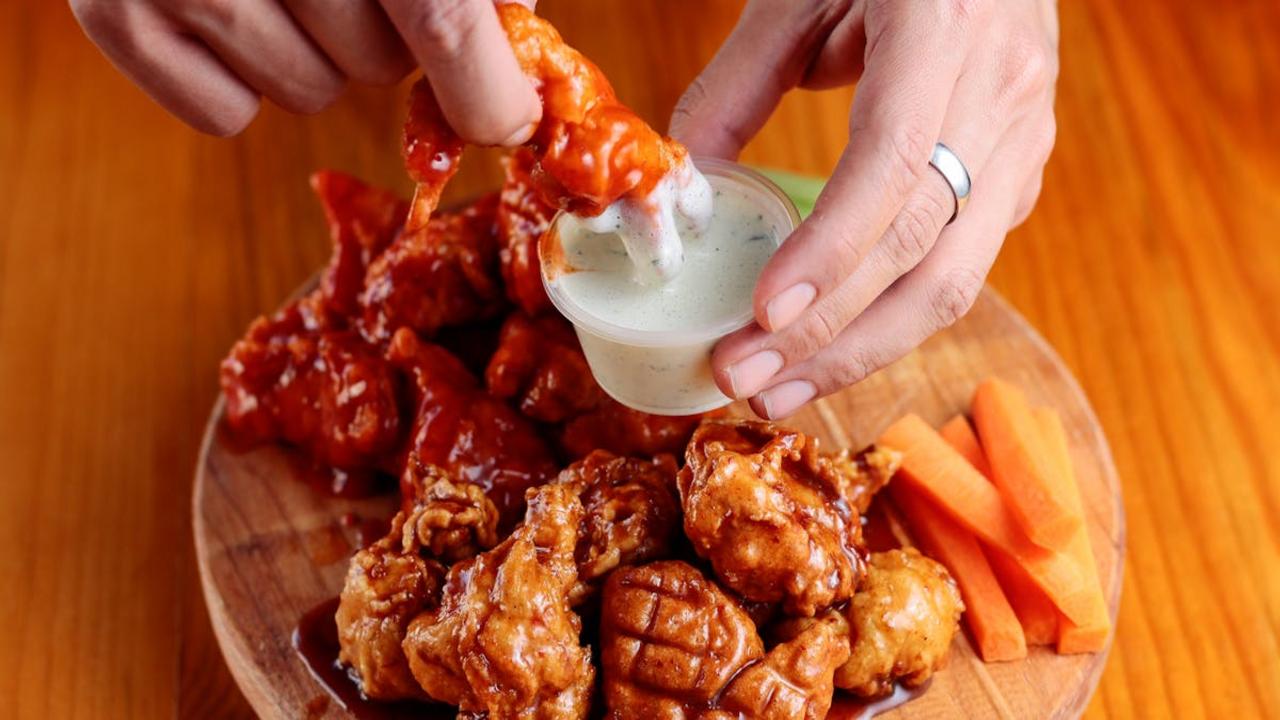
Picture this: it’s 1964 in Buffalo, New York, and Teressa Bellissimo is scrambling around her kitchen at the Anchor Bar, trying to whip up a late-night snack for her son and his hungry friends. What does she do? She grabs some chicken wings (which back then were mostly tossed into soup stock), tosses them in hot sauce mixed with butter, and serves them up with celery sticks and blue cheese dressing. Little did she know she’d just created what would become America’s most beloved bar food! Her son Dominic and his buddies devoured these saucy, spicy morsels, and word spread faster than gossip in a small town.
Now here’s the kicker – wings were practically worthless before Teressa’s genius moment. Restaurants would literally give them away or use them for soup base because nobody wanted these bony little appendages. Today, Americans consume over 1.4 billion wings during Super Bowl weekend alone! The recipe is beautifully simple: deep-fry those wings until they’re crispy, toss them in a mixture of Frank’s RedHot sauce and melted butter, then serve them with cool, creamy blue cheese and crunchy celery to balance the heat. Every sports bar from coast to coast owes its existence to one mom’s midnight kitchen creativity in Buffalo.
Fortune Cookies
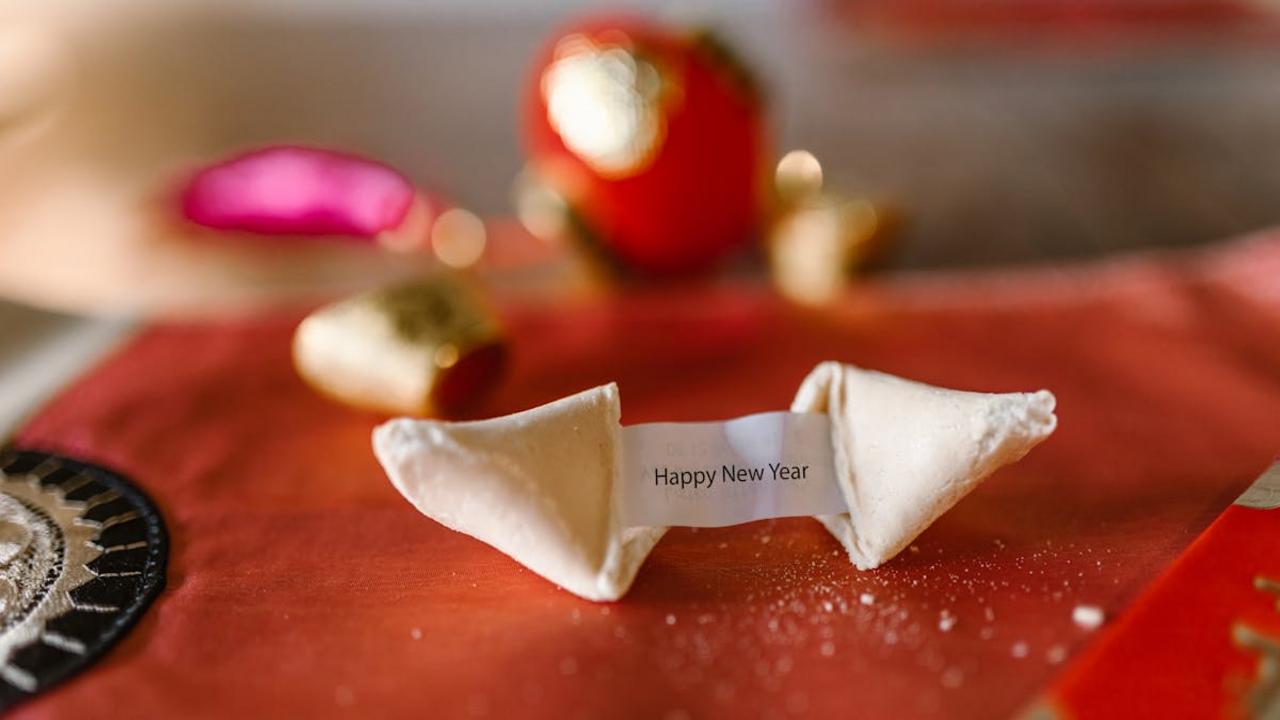
Plot twist that’ll knock your socks off: those crispy little prophecy vessels you crack open after devouring General Tso’s chicken? Totally American! While most people assume fortune cookies sailed straight from ancient China, they actually sprouted right here in California during the early 1900s. Japanese immigrants in San Francisco started baking these folded treats, likely inspired by traditional Japanese crackers called tsujiura senbei. The whole “ancient Chinese wisdom” thing? Pure marketing genius that stuck like glue.
Here’s where it gets absolutely bonkers – fortune cookies are basically invisible in actual China. Walk into a restaurant in Beijing expecting your post-meal fortune, and you’ll get blank stares. These babies became so synonymous with Chinese-American restaurants that we collectively forgot they’re about as authentically Chinese as a cheeseburger. The modern fortune cookie industry cranks out over 3 billion cookies annually, each one stuffed with predictions ranging from “You will find happiness in small things” to completely ridiculous non-fortunes like “Help! I’m trapped in a fortune cookie factory!” Now that’s what I call American innovation at its finest.
Chop Suey
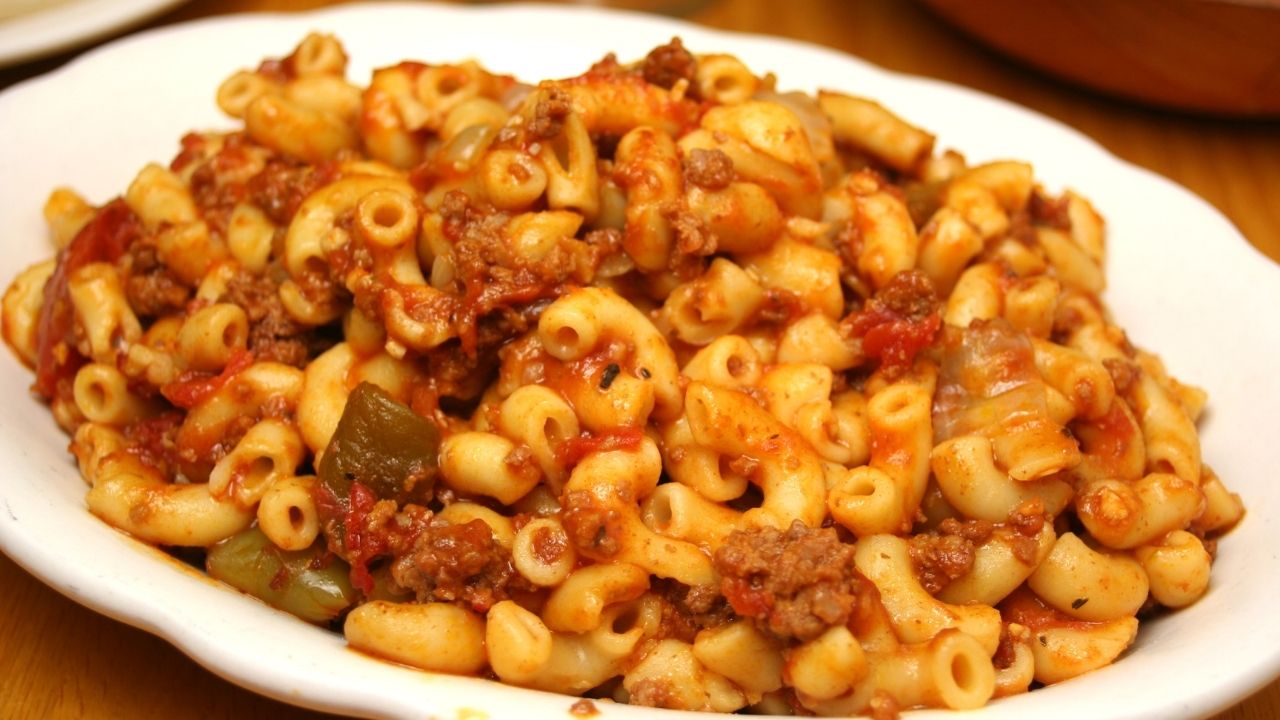
Picture this: you’re craving Chinese food, so you order chop suey, thinking you’re getting an authentic taste of ancient China. Plot twist! This dish is about as Chinese as apple pie is French. Chop suey actually originated right here in America, likely born in the bustling Chinatowns of California during the Gold Rush era. Chinese immigrants, working with whatever vegetables they could find and catering to American palates, created this stir-fried medley that became the gateway drug for countless Americans discovering Asian flavors. The name literally translates to “miscellaneous leftovers,” which honestly makes it even more endearing.
What makes chop suey brilliant is its “anything goes” philosophy – bean sprouts, celery, onions, and whatever protein strikes your fancy, all tossed together in a savory sauce that’s part soy, part cornstarch magic. Chinese-American cooks basically invented the concept of cleaning out your fridge and making it delicious decades before meal prep became trendy. While food purists might turn their noses up at its humble origins, chop suey deserves respect for being one of the first fusion foods that helped bridge cultural gaps. Next time you see it on a menu, remember you’re not just ordering dinner – you’re experiencing a slice of American immigration history, one perfectly crispy bean sprout at a time.
General Tso Chicken
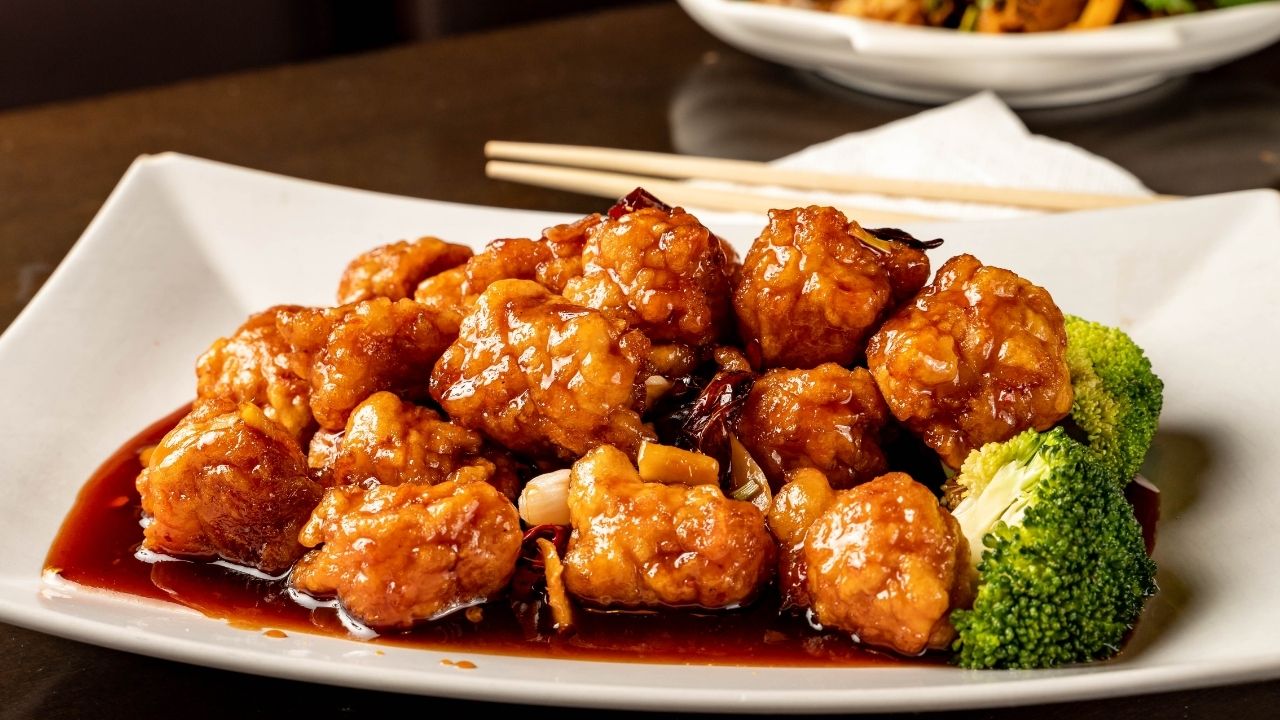
You know that crispy, sweet-and-sour chicken dish that practically every Chinese restaurant in America serves? Plot twist: General Tso Chicken is about as authentically Chinese as apple pie! This sticky, orange-glazed masterpiece was actually born right here in the good ol’ USA, probably sometime in the 1970s. The dish gets its name from a real 19th-century Chinese military leader, Zuo Zongtang (whose name got Americanized to “Tso”), but here’s the kicker—the actual general probably never tasted anything remotely like this saucy, deep-fried creation. He was too busy fighting wars and definitely not inventing what would become America’s favorite fake-Chinese comfort food.
The genius behind this crispy phenomenon is often credited to chef Peng Chang-kuei, who fled China and eventually opened restaurants in New York City. He basically took traditional Chinese cooking techniques, cranked up the sweetness for American palates, and created something entirely new. The result? Bite-sized pieces of chicken get battered, fried until golden, then tossed in a glossy sauce that’s part soy sauce, part sugar, and pure addictive magic. Today, you can order General Tso’s chicken from Maine to California, and while food snobs might turn their noses up at its authenticity, millions of Americans have made this dish a weeknight dinner staple. Sometimes the best traditions are the ones we accidentally create ourselves!