A Chef Says No One Is Spitting In Your Soup, But Bad Customers May Still Feel The Consequences
We all love sitting down to a beautifully plated restaurant meal, but we rarely think about the chaotic ballet happening behind the swinging kitchen doors. It’s a world of intense pressure, heat, and skill that most of us never see. It’s also a world shrouded in mystery, which can sometimes lead to a rather unsettling urban legend: “Don’t mess with the people who make your food.”
Recently, a hardworking chef with 20 years of experience took to the internet to give us a peek behind the curtain and set the record straight on this very topic.
The Kitchen Nightmare
The chef’s frustration wasn’t sparked by a single rude customer or a difficult order. Instead, it was a growing number of online posts suggesting that if a diner is unpleasant, the kitchen staff will take revenge by tampering with their meal. For this seasoned professional, this wasn’t just a silly joke; it was a deep insult to his entire career and the craft he holds dear. He explained that the idea of a professional chef intentionally ruining a dish is completely backward.
In his own words, the goal is simple: “serve you a good meal, and get you out of the restaurant. That’s it.” He passionately argued that cooks are not “untrained, spiteful animals,” but dedicated professionals who are focused on quality, cleanliness, and efficiency. The real nightmare for a chef isn’t a difficult customer; it’s the suggestion that they would compromise their own integrity and reputation over a petty grievance.
The Boiling Point
Reaching his boiling point, the chef laid out the simple, practical truth: cooks and chefs are far too busy to plot revenge. “The last thing I want to do is make your food twice,” he stated, cutting to the heart of the matter. Sending out a compromised dish risks it being sent back, which means more work, wasted ingredients, and a disruption to the kitchen’s rhythm. It’s simply not worth it. He firmly stated that any real-life cases of food tampering were likely “perpetrated by sociopaths,” not by the vast majority of hardworking culinary professionals.
However, he did let us in on a little secret. If a kitchen really wants to express its displeasure with a particularly nasty customer, they have far more clever and professional ways to do it. No one is spitting in your soup, but they might employ some subtle tactics.
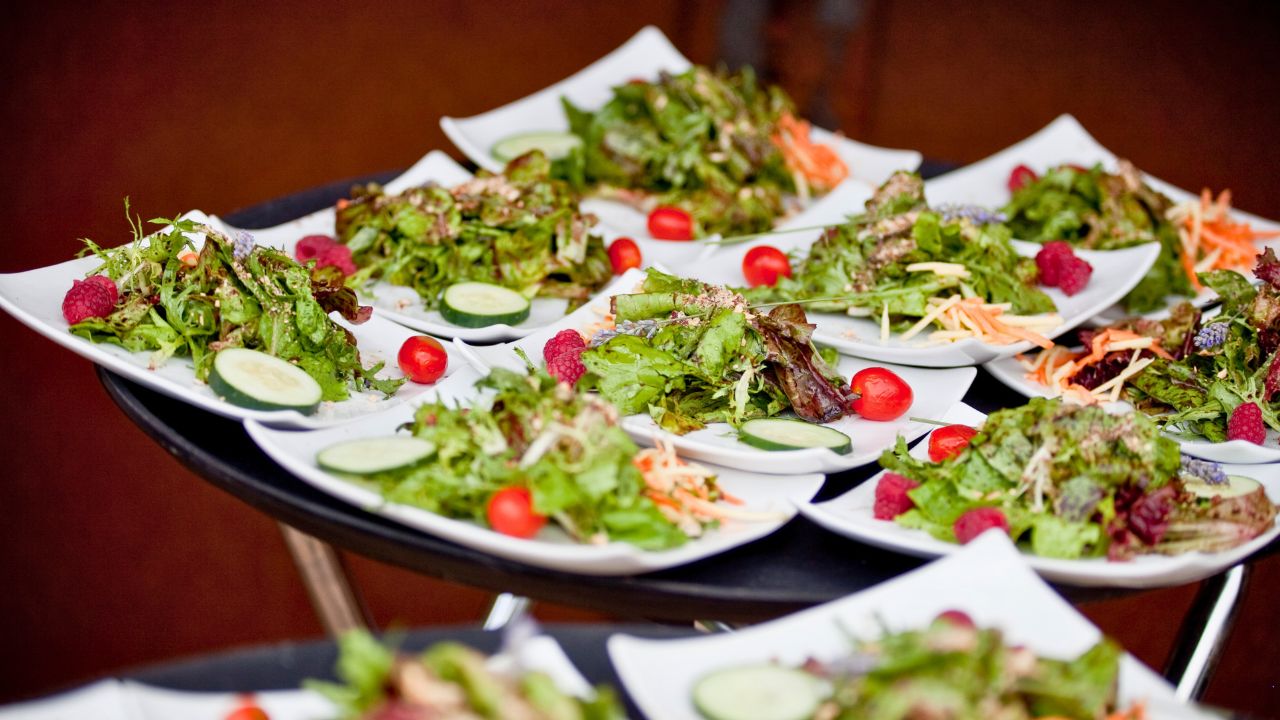
As the chef admitted, “I made sure their salads came out with their meal. Overload the table, make it uncomfortable. Food goes cold or the salad gets warm.” It’s a bit of passive-aggressive service, designed to inconvenience without ever compromising the safety or quality of the food itself.
The Internet Reacts
The chef’s candid post opened the floodgates, and an army of food service workers and diners weighed in. Their reactions generally fell into three distinct camps.
First were the Professionals’ Pride, fellow industry veterans who rushed to back him up. One user with 26 years of experience stated, “I have never seen someone mess with a customer’s food. That’s my reputation on the line.” Another shared, “I’ve seen it once in almost 30 years and that line cook was immediately fired before the food left the kitchen.” The consensus was clear: their personal and professional honor would never allow for such a disgusting act.
Next came the Subtle Retaliators, who confirmed the chef’s secret tactics. They agreed that contaminating food was out of the question, but they had their own ways of handling rudeness. “We would never spit in someone’s food,” one commenter wrote, “but your dish may be short a shrimp.” Another who worked a fryer added that if a customer was rude, “we’d only fill it up to the line. No extra for u!”
Finally, there were those who shared the Rare Horror Stories. These commenters acknowledged that while 99% of chefs are professionals, there are always horrifying exceptions. One person recalled a coworker who licked sandwich bread, a move so shocking that another employee threw the sandwich away immediately. These stories, however, were almost always about a single, unstable individual, reinforcing the original chef’s point that such behavior is not the industry norm but the act of a deeply troubled person.
The Etiquette Verdict
When you sit down at a restaurant, you enter into an unspoken contract with the kitchen, one built on trust. The chef trusts you to respect their craft, and you trust them to prepare your food with care and integrity. The overwhelming testimony from these professionals shows that they take this contract incredibly seriously. They are artisans, not antagonists. Behind every single plate that leaves the kitchen is a human being who has dedicated their life to feeding people. They deserve our respect, not our suspicion.
Your Thoughts
Does hearing from these chefs put your mind at ease, or do you still worry about what happens behind the kitchen doors? Let us know your thoughts in the comments.