I Found Out My Vegan Nephew Secretly Eats Meat, But I Refuse to Tell My Sister
It’s common knowledge that when you’re looking after someone else’s child, you’re supposed to respect the guidelines set by their parents. It comes down to trust and fundamental courtesy. Whether the topic is how much TV they can watch, what time they go to bed, or what foods they can and can’t eat, the parents’ wishes generally serve as the final word.
That said, one woman recently went online to share an experience that seriously challenges this straightforward principle, placing her right in the middle of a family conflict without a clear resolution.
The Incident
This woman shares an incredibly close bond with her sister’s family. In fact, they’re so tight-knit that she picks her 10-year-old nephew up from school every day and looks after him until his mom finishes work and comes to collect him.
Her sister is a “staunchly vegan” woman who has chosen to raise her son under the same ethical framework, and the boy has followed a vegan diet from the day he was born. To honor that, the aunt always makes a separate vegan dish specifically for her nephew.
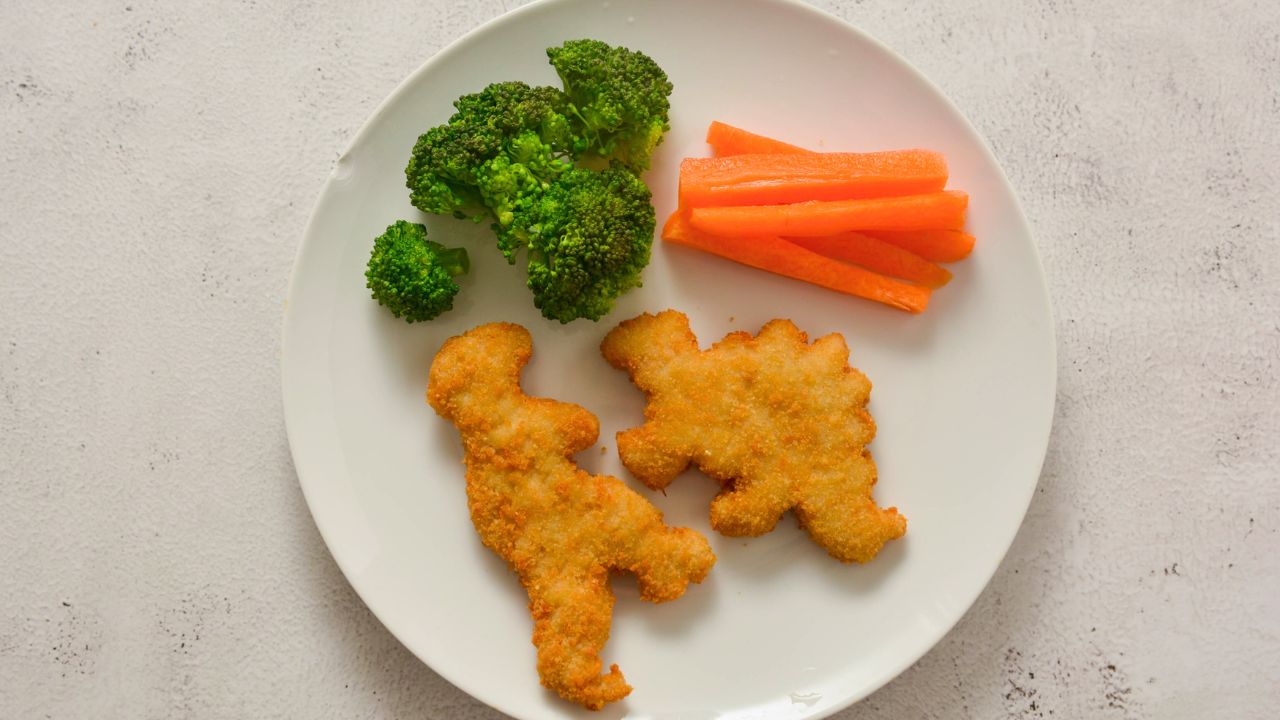
Then one afternoon, everything shifted. After stepping away and leaving the boys to work on their homework, she came back to discover her son and her nephew cheerfully splitting a plate of chicken nuggets. When she gently pointed out to her nephew that the nuggets weren’t vegan, the boy dropped a bombshell: he told her “that he eats meat in school sometimes” when friends share their lunches.
Just like that, this devoted aunt found herself stuck in an impossible situation. She kept offering vegan options as usual, but she didn’t intervene if the boy helped himself to something non-vegan.

Her husband thinks she’s in the wrong for not being upfront with her sister. But the aunt feels deeply conflicted, believing her “nephew is old enough to make his own dietary choices.” The whole ordeal left her questioning whether she was betraying her sister’s trust or safeguarding her nephew’s freedom to decide for himself.
The Internet Reacts
Once she posted her story, the internet exploded with takes, rapidly splitting into several clearly defined factions. Clearly, this scenario struck a chord with countless people who have navigated family dynamics clashing with personal beliefs.
To start, there was the “Team Nephew” crowd. These commenters stood firmly behind the 10-year-old boy, arguing that his mother was wrong for imposing such a rigid lifestyle on him. One person put it bluntly: “He doesn’t want to be vegan. That is his right.”
Someone else took it a step further, proclaiming the mother was the issue “for forcing her son to be vegan.” For this group, a child’s personal autonomy, particularly at the age of 10, was the deciding factor above all else.
Naturally, there was also the “Parents’ Rights” camp, playing the role of devil’s advocate. These commenters maintained that the mother was entirely justified in raising her child according to her own principles.
One person drew a pointed analogy, questioning whether people would react the same way about “Catholic parents… making their kids go to church or… Muslim/Jewish parents… enforcing a no-pork rule.” This faction believed that parenting inherently means making decisions for your child that they might eventually push back against, and that’s simply how it works.
Lastly, there was the “Strategic Counsel” crowd. This group cared less about assigning fault and more about crafting a workable solution. Their recommendations, though, were divided. Some felt the aunt needed to help spark an honest dialogue. One user offered specific guidance: “It’s time for you to sit him down and tell him that he’s got to come clean with Mom… be there to explain and apologize.”
However, others cautioned against this approach, worried about the fallout for the child. One impassioned reply stated, “Don’t out the kid! This has the possibility of making the kid’s life way harder at home.” This faction underscored the fragile tightrope between transparency and shielding a child from a parent’s potential anger.
The Etiquette Verdict
This is one of those predicaments where proper etiquette and sound ethics appear to be at odds. While openness between sisters forms the bedrock of a strong family relationship, a child’s welfare and sense of trust must come first. The mother is absolutely entitled to establish the rules under her own roof, but she also needs to recognize that she can’t dictate what her son does when he’s out in the world beyond her watch.
The aunt’s greatest error was letting the secret persist without any sort of game plan. The most considerate course of action would be to sit down with her nephew, encourage him to have that conversation with his mother, and volunteer to stand beside him as a supportive presence when he does.

Your Thoughts
Where do you stand on this one? Should the aunt come clean and tell her sister what’s been going on, or should she keep protecting her nephew’s secret?