I Swapped Our Group Dinner for a Friend With a Seafood Allergy, Then She Fumed When I Went to a Sushi Restaurant Without Her
True friendship involves give and take, particularly when it concerns something as straightforward as selecting where to eat. It’s basic decency to take into account everyone’s preferences and, crucially, their dietary needs when organizing a group meal. That’s just how good friends operate.
But where do you draw the line when a single person’s restrictions begin controlling what the entire group is allowed to do? One woman shared a story online about her recurring dinner club, and it has sparked a heated debate about the boundary between being accommodating and being held hostage.
The Incident
A woman described how she belongs to a wonderful dinner circle of roughly six to eight friends who gather twice monthly. The previous year, her friend Jen brought in Kate, someone who had just moved to town, to join the group. Kate fit in beautifully, though she had a severe allergy to all types of seafood.
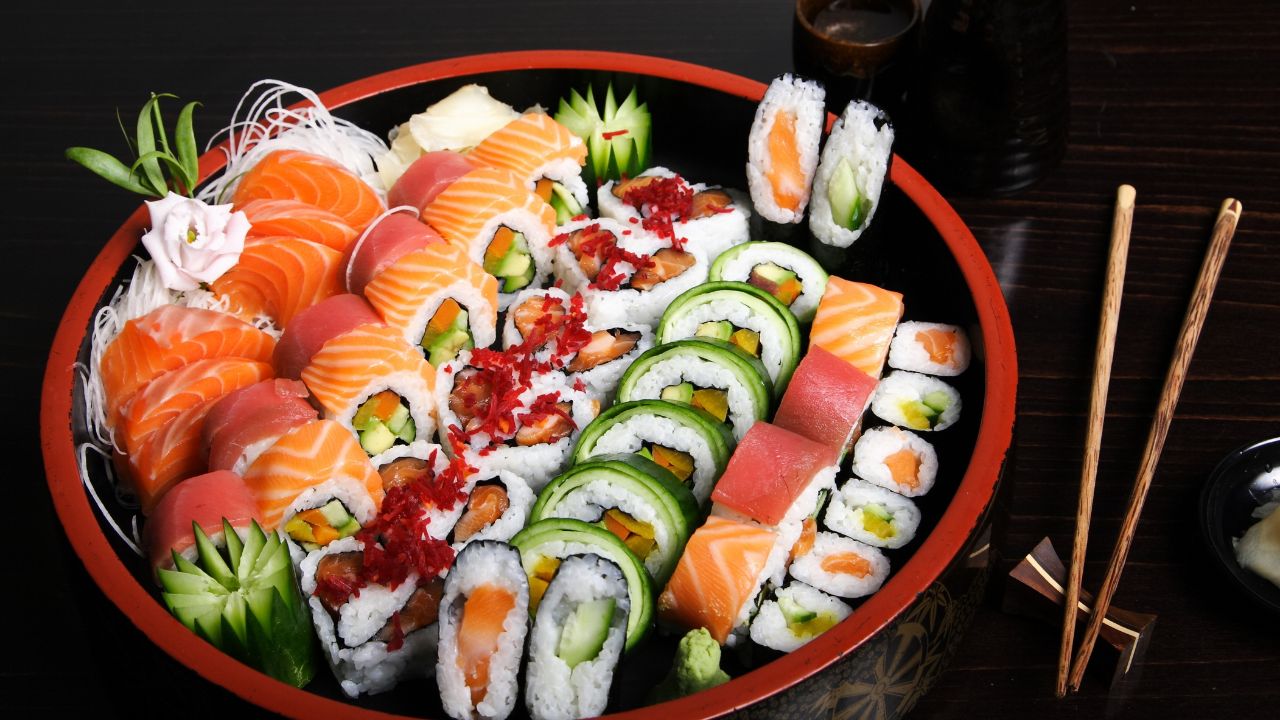
For quite some time, this posed no problems whatsoever. However, a brand-new sushi restaurant had recently opened, and by all reports, it was fantastic. When it was the woman’s turn to select the venue, she enthusiastically proposed it, and several other members of the group were thrilled at the prospect of trying it out.
That’s when Jen spoke up, pointing out Kate’s allergy. The sushi spot offered barely any non-seafood dishes, so the woman, being a considerate friend, happily switched the official group dinner to an alternative restaurant that would work for everybody.
The matter should have been settled right there, but it wasn’t. The next week, she discreetly put together a separate, casual dinner at the sushi restaurant with the friends who had initially expressed interest. But once the news spread, Jen and Kate were livid. They accused her of being underhanded and deliberately leaving people out.

The woman was taken aback. “Jen and Kate specifically think I crossed a line by going behind their backs… and that I’m trying to create division in our group,” she wrote. From her perspective, it was straightforward: “This isn’t middle school. We are allowed to do things as friends outside of the full group.”
The Internet Reacts
The internet exploded with takes, and people rapidly divided themselves into distinct camps over this friendship blowup. Clearly, this scenario hit a nerve for many who have navigated similar group tensions.
First up was the “Absolutely Not” crowd, who stood squarely behind the woman. They believed that Kate and Jen’s reaction was entirely disproportionate and unjust. One commenter, who also lives with a seafood allergy, wrote, “I personally would have been ENCOURAGING my fish loving friends to go eat the Sushi without me!!”
Another person stated it bluntly: “They can’t expect you to never eat seafood just because one person in the group can’t.” For the majority, this was simply a matter of basic logic.
Then came the “Devil’s Advocate” camp. These readers didn’t necessarily view the woman as being in the wrong, but they thought the whole thing could have been managed with a little more tact to prevent wounded feelings.
One commenter proposed a more open strategy: “If the OP had dropped a message into the group chat… and said something like ‘there’s a great new sushi place, it’s not suitable for our regular dinner… but if anyone wants to go, message me’ I bet there wouldn’t have been a problem.” The issue was the perception of secrecy, not the deed itself.
Last was the “This is a Slippery Slope” group. These commenters identified a larger, more problematic pattern forming. They were concerned that yielding to this type of demand would only pave the way for further conflicts. One insightful commenter cautioned, “This sounds like something that has the potential to spiral… What happens when other people’s requirements are added in as well? Someone goes vegetarian/vegan? Someone turns out to have severe celiac’s?”
Another highlighted the core flaw in Jen and Kate’s logic, stating, “The idea that everyone has to be invited each time individual friends decide to get together will ultimately destroy the group.”
The Etiquette Verdict
Let’s make one thing crystal clear: the woman who arranged the sushi dinner did absolutely nothing wrong. She actually went above and beyond by altering the official group dinner to accommodate everyone. Her sole “offense” was wanting to share a meal with friends at a restaurant that one member couldn’t patronize.
The real etiquette violation belonged to Jen and Kate. Healthy, adult friendships demand the understanding that you won’t always be included in every single outing. Insisting that your friends never partake in an activity without you isn’t companionship; it’s possessiveness. One individual’s allergy should never become a dietary jail for the entire friend group.
What’s Your Take?
This entire ordeal has definitely left us with plenty to chew on. So, where do you stand? Was the woman out of line for setting up a separate sushi outing, or are her friends being unreasonably sensitive and controlling?