
12 Grocery Store Gimmicks to Skip for Smarter Food Shopping
Shopping for groceries shouldn’t feel like navigating a maze of temptations designed to empty your wallet. Every aisle contains clever marketing tricks that convince you to spend more than necessary. I’ve walked those aisles countless times, and I’ve learned which items are truly worth your money and which ones are just dressed-up budget busters.
Understanding these common grocery store tactics helps you make better choices for your health and finances. Many products seem convenient or special, but they’re often overpriced versions of things you already have at home or could make yourself in minutes. Recognizing these patterns transforms your shopping trips from impulsive spending sprees into strategic missions.
Smart shopping means knowing what to skip without sacrificing quality or nutrition. These twelve grocery store gimmicks appear helpful but rarely deliver real value. Learning to spot them saves money while keeping your kitchen stocked with wholesome, budget-friendly ingredients that actually nourish your body.
Imported cheeses

That fancy imported cheese from Europe might feel like a special treat, but you’re often paying extra for the journey, not just the quality. Many domestic cheesemakers craft incredible varieties right here that rival their European counterparts. Plus, fresher local options mean you’re getting better flavor without the markup from shipping costs and import taxes. Your wallet will thank you, and you’re supporting talented artisans in your own community who pour their hearts into creating exceptional products.
Next time you’re craving something special, head to your local farmers market or check out regional cheese producers. You’ll discover amazing varieties made with the same traditional methods as those overseas favorites. Many grocery stores now feature domestic specialty cheese sections where you can find everything from creamy bries to sharp aged cheddars. The best part? You can often taste samples before buying, and the people behind the counter actually know the producers. That personal connection and fresh product make every bite more meaningful, and you’ll save enough money to splurge on other quality ingredients for your next dinner party.
Meal kits
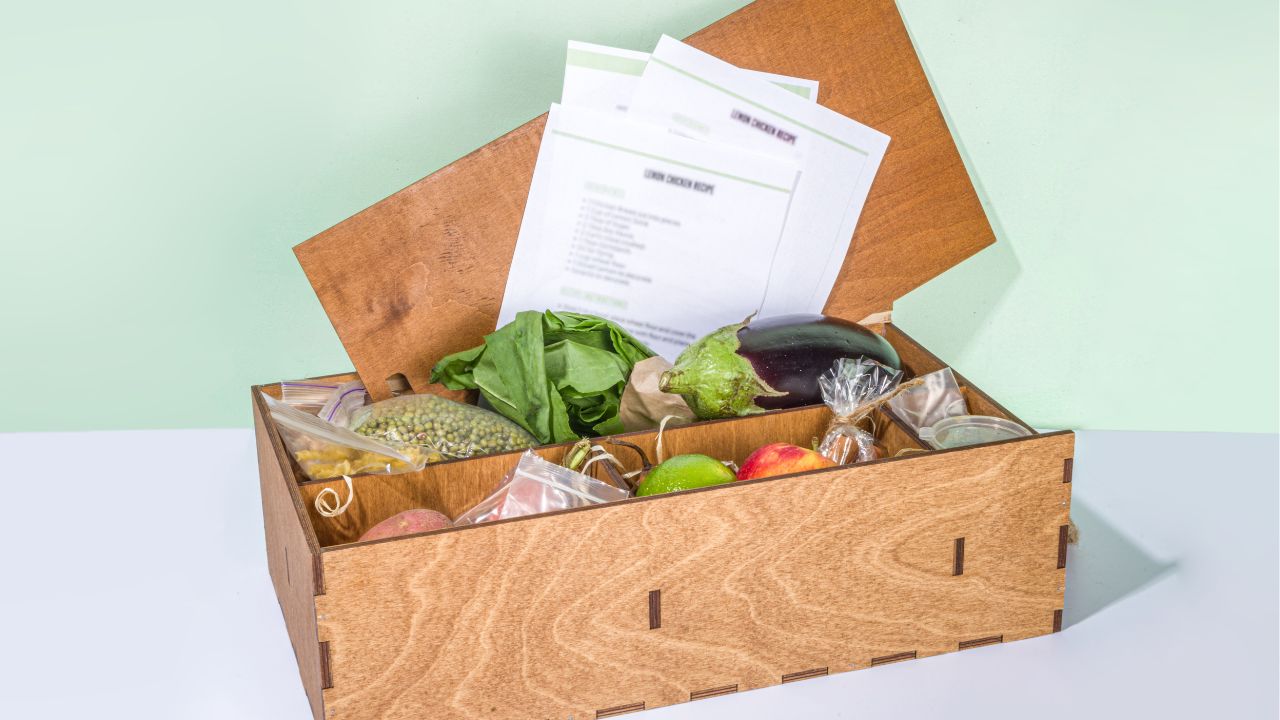
Meal kits stacked near the entrance might look like the perfect solution for busy weeknights, but they’re often one of the priciest shortcuts in the store. These pre-portioned boxes charge a premium for convenience, sometimes doubling what you’d pay if you bought the same ingredients separately. The packaging alone creates unnecessary waste, and you’re essentially paying someone else to measure out your garlic and chop your vegetables. While they market themselves as time-savers, most require the same cooking time as making the dish from scratch, minus the satisfaction of truly creating something your own way.
Instead of grabbing these overpriced kits, spend a few minutes planning your meals at home and create your own “kits” by prepping ingredients on the weekend. Buy whole vegetables, proteins, and grains in bulk, then portion them yourself in reusable containers. You’ll save serious money, reduce plastic waste, and gain more control over what goes into your food. Plus, you can customize recipes to match your family’s preferences rather than settling for whatever combination the kit dictates. Keep a running list of quick, versatile recipes that use similar ingredients, and shopping becomes just as easy without the inflated price tag.
In-store bakery goods

That warm, intoxicating aroma of fresh-baked bread wafting through the store? It’s designed to slow you down and trigger impulse buys. While in-store bakeries seem like they’re offering something special, many items are partially baked off-site and simply finished in the store. You’re paying premium prices for convenience, not necessarily quality or freshness. Compare the price per ounce of that artisan loaf to a comparable option from a local bakery or even the packaged bread aisle, and you’ll see the markup can be significant.
Instead of grabbing cookies, muffins, or pastries from these displays, consider baking at home where you control the ingredients and avoid unnecessary sugars and preservatives. If you don’t have time during the week, dedicate a Sunday afternoon to baking a batch of whole-grain muffins or bread that you can freeze in portions. Your wallet and your body will thank you for skipping those overpriced grocery store bakery items that often contain the same processed ingredients as packaged versions but cost twice as much.
Overpriced organic options

Walking down the organic aisle can feel like you’re doing something amazing for your health, but here’s the truth: not every organic label is worth the extra money. Grocery stores love to mark up organic products because they know shoppers associate that green label with quality and health benefits. But many conventional fruits and vegetables have minimal pesticide residue and are just as nutritious as their organic counterparts. The Environmental Working Group publishes a Clean Fifteen list every year, highlighting produce items with the lowest pesticide levels, like avocados, sweet corn, and onions. These items are perfectly safe to buy conventional, saving you serious cash without compromising your health.
Instead of grabbing everything organic, focus your budget on items that matter most. The Dirty Dozen list identifies produce with higher pesticide levels, like strawberries and spinach, where organic versions make more sense. You’ll also want to skip organic packaged foods that claim health benefits but are loaded with sugar and processed ingredients. An organic cookie is still a cookie, and you’re paying extra for a label rather than better nutrition. Smart shopping means knowing when organic truly counts and when conventional options work just fine. Your wallet and your meals will thank you for being selective about where those organic dollars go.
Travel-sized toiletries

You might think grabbing those tiny bottles of shampoo and toothpaste at the grocery store checkout is convenient, but you’re actually paying a premium for less product. Those travel-sized toiletries cost significantly more per ounce compared to their full-sized counterparts, sometimes double or triple the price. Grocery stores position these mini versions right where you can’t miss them, banking on impulse purchases and your perceived need for convenience. Instead of falling for this pricing trap, buy full-sized products and invest in reusable travel containers. You’ll save money in the long run and reduce plastic waste at the same time.
The math is simple but shocking. A travel-sized bottle of lotion might cost three dollars for two ounces, while a regular bottle gives you twelve ounces for just eight dollars. That’s a massive difference that adds up quickly if you travel frequently or stock up on these miniatures. Keep a set of TSA-approved refillable bottles at home and fill them from your regular-sized products before each trip. Your wallet will thank you, and you’ll have more control over which products you’re using. Don’t let the grocery store profit from your last-minute packing needs when you can plan ahead and save considerably on every purchase.
Seasonal-themed treats

Those heart-shaped cookies in February and pumpkin-flavored everything in October? They’re counting on your impulse buy. Grocery stores roll out seasonal treats months in advance, hoping you’ll toss them into your cart without thinking twice. These specialty items usually cost more per ounce than their regular counterparts, and they’re designed to create urgency—”Get them before they’re gone!” The truth is, you can make most of these treats at home for a fraction of the price. A basic sugar cookie doesn’t need to be heart-shaped to taste delicious, and pumpkin spice is just a blend of cinnamon, nutmeg, ginger, and cloves you probably already own.
Instead of falling for the seasonal marketing trap, stock up on versatile ingredients that work year-round. Buy plain cookies and decorate them yourself with icing and sprinkles for any occasion. Purchase regular chocolate bars instead of holiday-wrapped ones—they taste identical and won’t break your budget. If you’re craving seasonal flavors, make them from scratch using whole ingredients. You’ll save money, avoid unnecessary packaging, and create treats that actually taste fresher than the mass-produced versions sitting on store shelves since last season. Your wallet and your taste buds will thank you for skipping the overpriced holiday hype.
Name-brand spices

You don’t need to spend a fortune on those fancy name-brand spices sitting at eye level on your grocery store shelves. Store brands and generic options offer the same flavor punch at a fraction of the cost, and here’s why: spices are spices. Whether you’re grabbing oregano, cumin, or paprika, the main difference between that premium bottle and the budget-friendly alternative is packaging and marketing. Your taste buds won’t know the difference once those spices hit your skillet, but your wallet certainly will. Most store-brand spices come from the same suppliers and meet identical quality standards, so you’re essentially paying extra for a prettier label.
Instead of reaching for those expensive bottles, head to the ethnic food aisle or shop at international markets where you can find bulk spices at unbeatable prices. Buy smaller quantities if you’re worried about freshness, and store them in airtight containers away from heat and light. Your meals will taste just as delicious, and you’ll have more money left over for fresh produce and quality proteins. Think about it: would you rather spend $8 on a tiny jar of cinnamon or $2 for the same amount that delivers identical results? The choice becomes obvious when you realize that flavor doesn’t come with a designer price tag.
Bottled water

Bottled water might seem convenient, but it’s one of the biggest money traps at the grocery store. You’re paying a premium for something that flows freely from your tap at home for pennies. Most bottled water is simply filtered tap water anyway, packaged in plastic that takes centuries to decompose. The markup is staggering—you could be spending up to 2,000 times more per gallon compared to what comes out of your faucet. If you’re concerned about tap water quality, invest in a good water filter for your home instead. You’ll save hundreds of dollars annually while reducing plastic waste that’s clogging our landfills and oceans.
Think about the impact on your wallet over time. A family that buys bottled water regularly can easily spend $500 to $1,000 per year on something that should cost less than $10. That money could go toward fresh produce, quality proteins, or other nutritious foods that actually benefit your health. Get yourself a durable reusable water bottle and fill it from home. If you travel frequently or want water on-the-go, consider a portable filter bottle. Your bank account will thank you, and you’ll be making a choice that’s better for the planet. Plus, you’ll have more room in your grocery cart for ingredients that truly matter for your meals.
Prepared deli meals

Those shiny grab-and-go containers at the deli counter might seem like a convenient dinner solution, but they’re quietly draining your wallet. You’re paying a premium for someone else to combine ingredients you could easily toss together yourself. Plus, these meals often sit under heat lamps for hours, losing both nutritional value and flavor. The sodium content in prepared deli meals can be shockingly high too, with some containers packing more than half your daily recommended intake in a single serving.
Instead of reaching for that pre-made pasta salad or rotisserie chicken wrap, grab fresh ingredients from the produce section and spend ten minutes at home creating something better. You’ll have complete control over portions, seasonings, and quality. A simple grilled chicken breast with roasted vegetables takes minimal effort and costs significantly less than its prepared counterpart. Your homemade version will taste fresher, contain fewer preservatives, and leave you feeling satisfied knowing exactly what went into your meal. Save those deli counter dollars for ingredients that actually deserve the splurge.
Gourmet condiments

Those fancy truffle-infused mayo jars and artisanal mustards with gold flecks sure look impressive on grocery store shelves, but your wallet will thank you for walking past them. Stores know that shoppers associate gourmet labels with superior quality, so they mark up these products by 300% or more compared to standard versions. The reality? Most gourmet condiments use the same base ingredients as regular ones, just with a splash of fancy oil or a pinch of exotic spice. You’re paying primarily for attractive packaging and marketing rather than substantially better flavor or nutrition.
Save your money by creating your own upgraded condiments at home with minimal effort. Mix regular mayo with a dash of good olive oil and garlic for an aioli that rivals any $12 jar. Add honey and Dijon to yellow mustard for a gourmet spread that costs pennies. Buy high-quality olive oil or truffle oil separately and add drops to your favorite condiments—you’ll control the intensity and spend far less overall. The basic versions of ketchup, mustard, and mayo from trusted brands already deliver excellent flavor without the inflated price tag. Reserve your grocery budget for fresh ingredients that truly make a difference in your meals, not for condiments that sit in your fridge for months.
Pre-sliced fruits and vegetables

Pre-cut produce seems like a time-saver, but you’re paying a hefty premium for someone else to do the chopping. Those ready-to-eat apple slices or pre-diced onions can cost three to four times more than their whole counterparts. Beyond the price tag, pre-sliced items lose freshness faster since cutting exposes more surface area to air, causing nutrients to degrade and flavors to fade. That convenience package of watermelon chunks sitting in your fridge for days? It’s nowhere near as vibrant and sweet as a freshly cut piece would be.
Grab whole fruits and vegetables instead, and dedicate just ten minutes to prep them at home. Invest in a good knife and cutting board, and you’ll save serious money while enjoying produce at peak freshness. Store your prepped items in airtight containers, and they’ll stay crisp and delicious for your meals throughout the week. The bonus? You control exactly how you want things sliced—thick wedges for roasting, thin julienne for stir-fries, or perfect cubes for salads. Your wallet and your taste buds will thank you for skipping those overpriced plastic containers.
Candy at the checkout

Picture this: you’ve navigated the entire store like a champ, stuck to your list, and made smart choices throughout your trip. Then you reach the checkout line, and suddenly you’re surrounded by colorful candy displays screaming for attention. This isn’t an accident—stores deliberately place these tempting treats right where you’re forced to wait, banking on impulse buys when your decision-making energy is at its lowest. Kids spot these displays instantly, and before you know it, you’re adding items you never planned to buy. The checkout lane candy trap costs American families an estimated $5.8 billion annually in unplanned purchases.
Skip this gimmick by preparing yourself mentally before you hit the checkout. Keep your eyes focused on your cart or phone instead of scanning the candy racks. If you’re shopping with children, have a conversation before entering the store about what you’re buying and what you’re not. Better yet, choose self-checkout lanes when available—they typically have fewer temptations surrounding them. If you genuinely want something sweet, add it to your list beforehand and grab it from the candy aisle where you can compare prices and choose a better value. This way, you’re making a conscious decision rather than falling prey to strategic store placement designed to drain your wallet right before you leave.