I Was Five Months Pregnant and Craving Curry but My Mother-in-Law Broke Into My Kitchen and Replaced It With Unseasoned Fish
There are certain boundaries you simply don’t violate within a family, particularly when it involves in-laws. Everyone understands that a person’s home is their sanctuary, and showing respect for their space and their possessions is nothing more than common courtesy. It’s one of the most basic principles of civil behavior.
Yet, one woman recently posted an experience online that demonstrates not everybody follows these unwritten rules. When her mother-in-law decided to “correct” her dinner, it triggered a domino effect that has left thousands of people arguing over what truly constitutes family boundaries.
The Incident
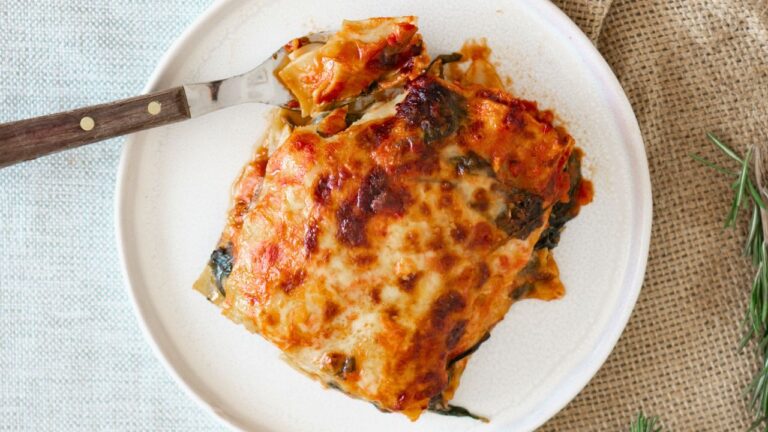
The woman at the center of this story is 33 years old, five months into her pregnancy, and holding down a full-time job while her husband is traveling for work. Like countless women expecting a baby, she was struck by an intense food craving—specifically, for a rich, aromatic curry. She prepared a generous portion, eagerly anticipating leftovers she could enjoy over the coming days.
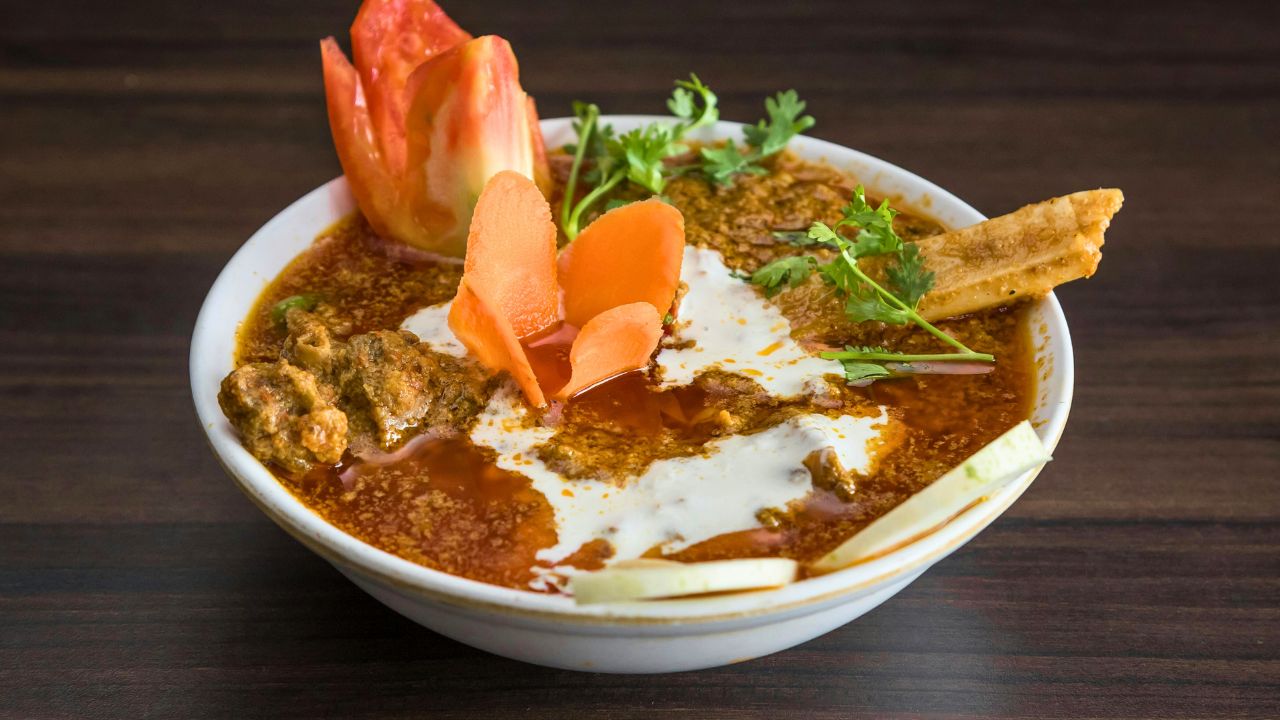
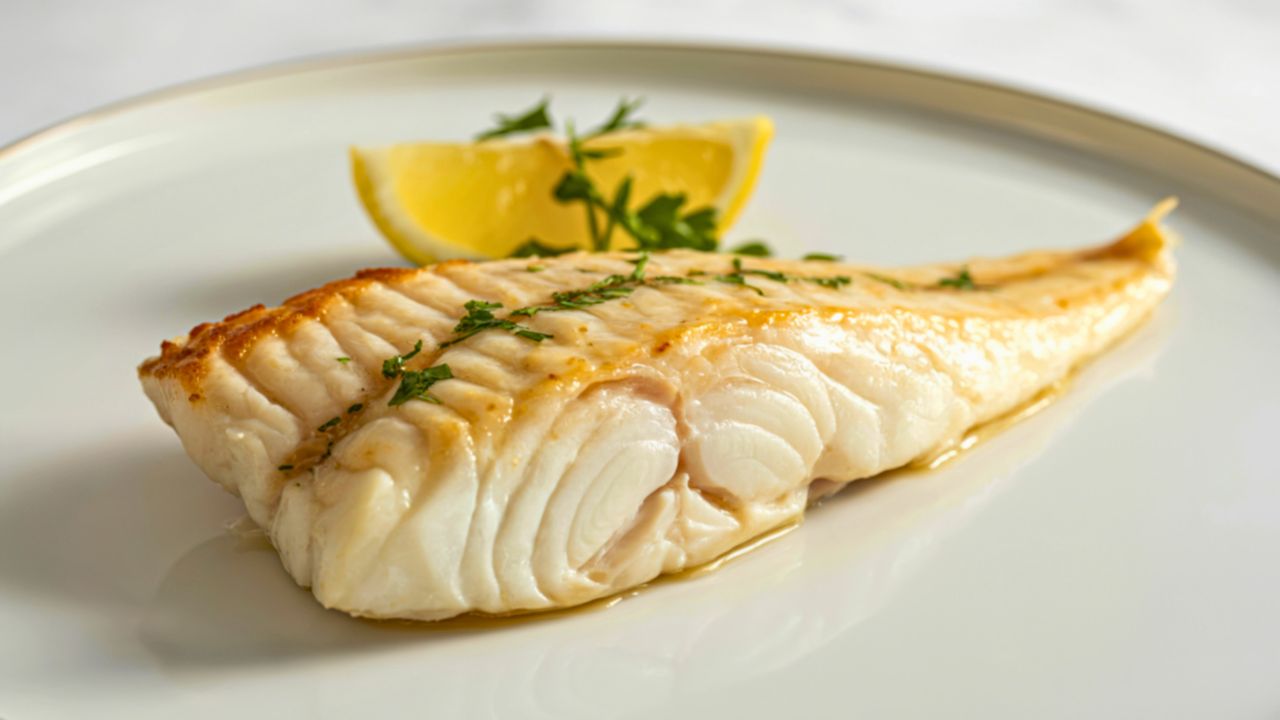
When she returned home from work the following day, exhausted and famished, she discovered her curry had vanished. Sitting in its place was a fish dish prepared by her mother-in-law. As it turned out, her in-laws had used their emergency spare key to enter her home without permission while she was at the office. Her mother-in-law claimed she had “tried it and it was tasted spoiled, so she threw it away” and substituted it with something she considered “healthy.”
But this wasn’t just any “healthy” meal. The woman revealed that her mother-in-law’s cooking is famously flavorless—absolutely no salt, no pepper, no herbs or spices whatsoever. The food was so unappealing that her own son, the woman’s husband, had been unhealthily thin for years because he grew up believing all food was inherently tasteless. Deeming her mother-in-law’s dish “beyond revolting,” particularly with her pregnancy-enhanced sense of smell and taste, she opted to order delivery instead.
The day after, not wanting the fish to simply rot in the fridge but having absolutely no desire to eat it herself, she handed the meal to a homeless man she encountered. Regrettably, a family member witnessed the handoff. Before long, her phone was blowing up with angry messages from her in-laws, branding her a terrible person for giving away the food. The conflict had officially begun.
The Internet Reacts
When the woman turned to the internet seeking opinions, the response was massive, with commenters splitting into several clear factions. Evidently, this story struck a chord with anyone who has ever navigated a relationship with an overbearing family member.
The first and most vocal group was the “Absolutely Not” Crowd. These commenters were outraged on the woman’s behalf, insisting that the mother-in-law’s behavior represented a staggering violation of both privacy and basic respect. One reader said it plainly: “Your in laws threw away your food because it wasn’t to their liking and replaced it with their bland garbage. That’s incredibly passive aggressive.”
Someone else pushed back on that characterization, writing, “Not sure their behavior was passive-aggressive – going into someone’s house and throw them away their food seems pretty aggressive to me.”
Then came the “Locksmiths and Strategists.” This crowd moved beyond their initial disbelief and zeroed in on actionable steps to ensure this never happened again. Their number one recommendation? Change the locks. Right away. As one commenter astutely observed, “Take the key away from them. She had zero right to throw away your food.”
Someone else tacked on an important caveat: “Change the locks! Keys can be copied, so MIL might already have a spare or two tucked away.” The overwhelming agreement was unmistakable: the privilege of holding a key had been grossly misused, and it needed to be permanently taken back.
Lastly, there was the “Comedic Relief” Crowd, who managed to extract some dark comedy from the whole ordeal, primarily at the expense of the unsuspecting meal recipient. The most popular comment joked, “I can’t believe you’d subject a poor homeless person to that, it sounds disgusting.”
Another wisecracked, “Well, you might have been an .ssh.l. to the homeless person; but otherwise NTA.” Fortunately, the original poster reassured everyone that she hadn’t left the man entirely unprotected against the blandness, noting, “I did give him some packets with sauces to go with it.”
The Etiquette Verdict
Let’s be absolutely unambiguous: the mother-in-law’s conduct was inexcusable. Utilizing an emergency key to gain entry to someone’s home when there is no actual emergency constitutes a fundamental breach of trust. To then rummage through their refrigerator, render judgment on their meals, and discard their food is utterly unacceptable. It was not an act of kindness; it was a passive-aggressive power move wrapped in the guise of concern.
The daughter-in-law was stuck with an uninvited dish that had replaced food she had been genuinely excited to eat. That meal was her property, and she was fully within her rights to do whatever she pleased with it. Opting to pass it along to someone who needed it rather than simply tossing it into the garbage was both sensible and compassionate. The family’s anger is completely misdirected.
Your Take
This incident serves as a powerful reminder that good intentions never justify poor behavior. Respecting someone’s personal property and boundaries is the foundation of any healthy relationship, and that goes double for in-law dynamics. So, where do you stand? Was this daughter-in-law’s response entirely warranted, or did giving the food away cross a line?