MIL Freaked Out and Cried at a Dinner Party Because I Cooked Potatoes in ‘Contaminated’ Tomato Water
Welcoming a new son or daughter-in-law into the family should be a time of joy and expanding love, but navigating new dynamics requires grace from everyone involved. Food, so often the heart of family gatherings, can become a surprising battleground when respect isn’t on the menu.
Recently, a frustrated daughter-in-law took to an online forum to share a jaw-dropping story of family drama centered around her mother-in-law’s incredibly demanding palate. Her experience is a powerful reminder that healthy relationships, especially with in-laws, must be built on a foundation of mutual consideration and healthy boundaries.
The Boundary Breach
The woman described her mother-in-law, whom she nicknamed “Cruise Control,” as more than just a picky eater; she was a culinary tyrant. This grown woman would reportedly throw fits and even cry if served something she disliked. Her list of forbidden foods was both baffling and contradictory. She would eat tomatoes and onions only if they were pureed and hidden in a dish, but would reject a meal if she found a single speck of tomato skin.
Her behavior often escalated into high drama. After being told that Caesar dressing contained anchovies, she “cried her eyes out.” She would painstakingly cut the flavorful grill marks off a piece of chicken, refusing to eat the “black stuff.”
Once, she showed up uninvited to the couple’s home and became furious that her daughter-in-law was cooking a spicy meal for herself and her husband, acting as if it were a personal attack. When the daughter-in-law made something unfamiliar, the mother-in-law would dramatically exclaim, “Oh god, what’s that smell? I feel faint… Is that safe?”
Drawing the Line
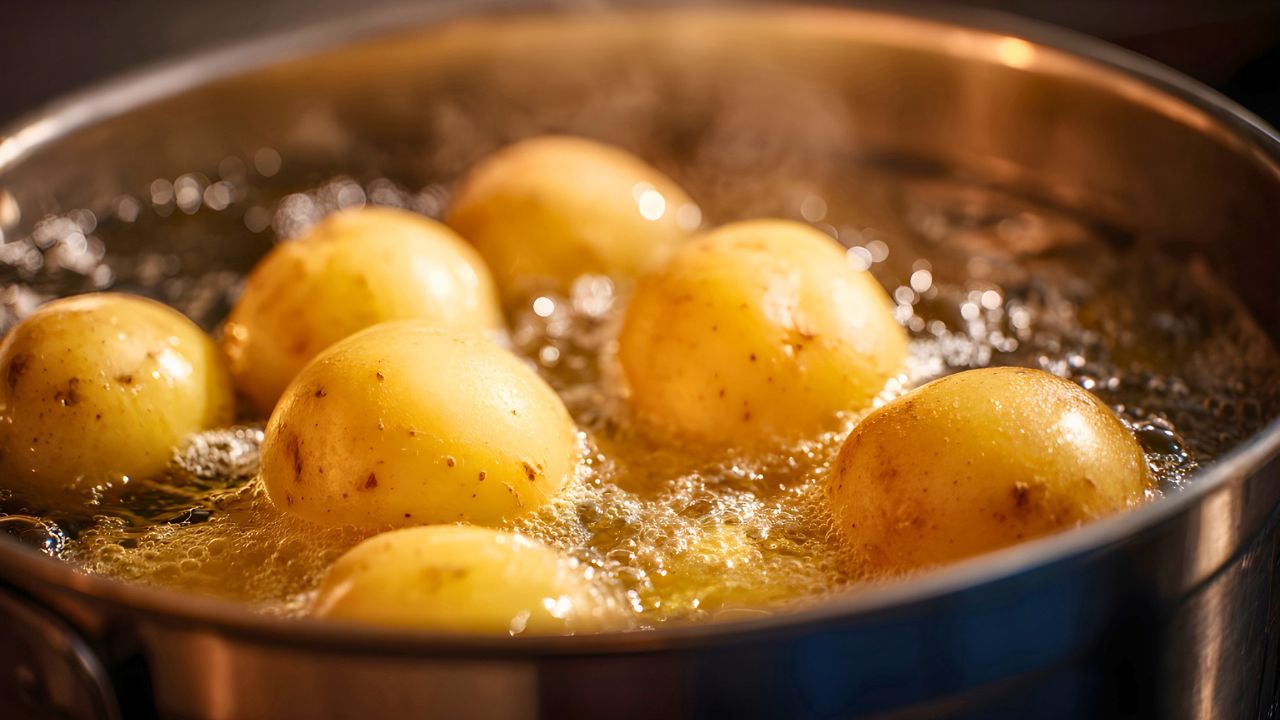
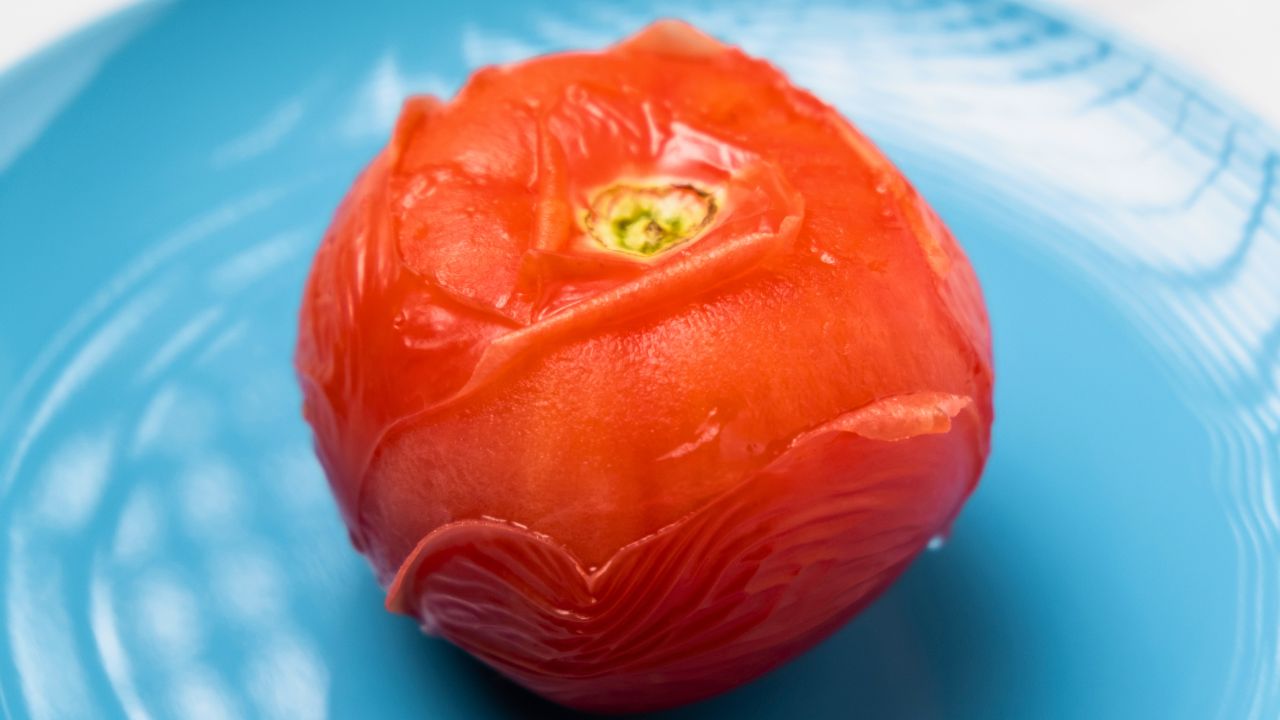
The breaking point came during a dinner party. The daughter-in-law, trying to be efficient, used a pot of boiling water to quickly blanch some tomatoes before adding potatoes to the same water. The mother-in-law witnessed this and, in the woman’s words, “FREAKED OUT and cried,” declaring the potatoes had been ruined by the “contaminated” water.
She refused to eat them and tried to turn the other guests against the hostess, complaining about how “gross” the cooking method was. But the daughter-in-law calmly stood her ground. “Fine, then don’t,” she told her. “But they will get eaten by everyone else.” To the mother-in-law’s dismay, another guest investigated and reported back, “It looks fine to me. I don’t get why it bothers you so much.” The bowl of mashed potatoes was eaten completely.
This incident, one of many, took a significant emotional toll. The daughter-in-law realized her happiness was being sacrificed, concluding that “more of his mother = less garlic bread = less happiness.” Ultimately, she and her husband made the difficult decision to enforce a strict boundary: they told his mother they would not be in contact for an entire year, after which they would reevaluate the relationship.
The Internet Reacts
The story resonated with thousands of readers, many of whom shared their own experiences with difficult family members. The reactions largely fell into three distinct camps.
First were the “Boundary Defenders,” who saw the mother-in-law’s behavior not as a simple food aversion, but as a deliberate tactic for control. They cheered the daughter-in-law for standing up for herself. One commenter noted, “This almost feels like a control ploy… It’s a grab for attention and wasting your time.”
Another agreed, stating, “She’s doing it for control, the same way that a toddler… is usually doing it. That’s not childlike… it’s childish.”
Next came the “Partner Check” crowd. In this case, readers were relieved and impressed that the husband stood by his wife, presenting a united front. The original poster confirmed that her husband was also enjoying the peace that came with the break. One person offered supportive advice for him, hoping the distance would help “if he starts to feel guilty and contemplate re-establishing contact before the necessary conditions are in place.”
Finally, the “Cut the Cord” crowd strongly supported the couple’s decision to cease contact. Many saw it as the only way to break a toxic cycle. One user wisely pointed out that the separation might be the mother-in-law’s “best and only hope of eventually leading a normal life,” suggesting the boundary could be a catalyst for her to finally address her own issues.
The Etiquette Verdict
While a gracious host should always try to accommodate a guest’s genuine dietary restrictions or allergies, there is a clear line between consideration and capitulation. No one should be expected to overhaul their entire lifestyle, diet, and home environment to cater to the theatrical whims of another adult.
Using food preferences to manipulate situations, demand attention, and control others is a profound breach of etiquette. Being a mother or a mother-in-law is a title that should be earned with grace and respect, not used as a weapon to create chaos in your child’s home.

Your Thoughts
Was this daughter-in-law right to cut off all contact for a year, or should she have tried harder to accommodate her mother-in-law’s extreme needs?