Customers Keep Claiming Fake Allergies At My Restaurant, Then Admit They Just Don’t Like The Ingredient
It is often said that you can judge a person’s true character by how they treat their waiter. This simple rule of hospitality suggests a basic contract of mutual respect when dining out. However, a hardworking server recently took to the internet to share a frustrating trend that proves the customer is not always right. Their story highlights a growing problem where diners falsely claim allergies, creating chaos for the kitchen and disrespecting those with genuine medical needs. It’s a powerful reminder that dining out requires a basic level of human decency.
The Nightmare Table
The server works at a higher-end corporate restaurant that recently implemented a strict allergy protocol. By rule, they must ask every guest about dietary restrictions with every order. While the server supports this system for protecting guests, it has exposed a deeply annoying customer behavior.
The issue arises when a guest claims to have an allergy, setting off a time-consuming chain reaction. The server must inform the manager, who tells the head chef, who then alerts the entire line to prevent cross-contamination.
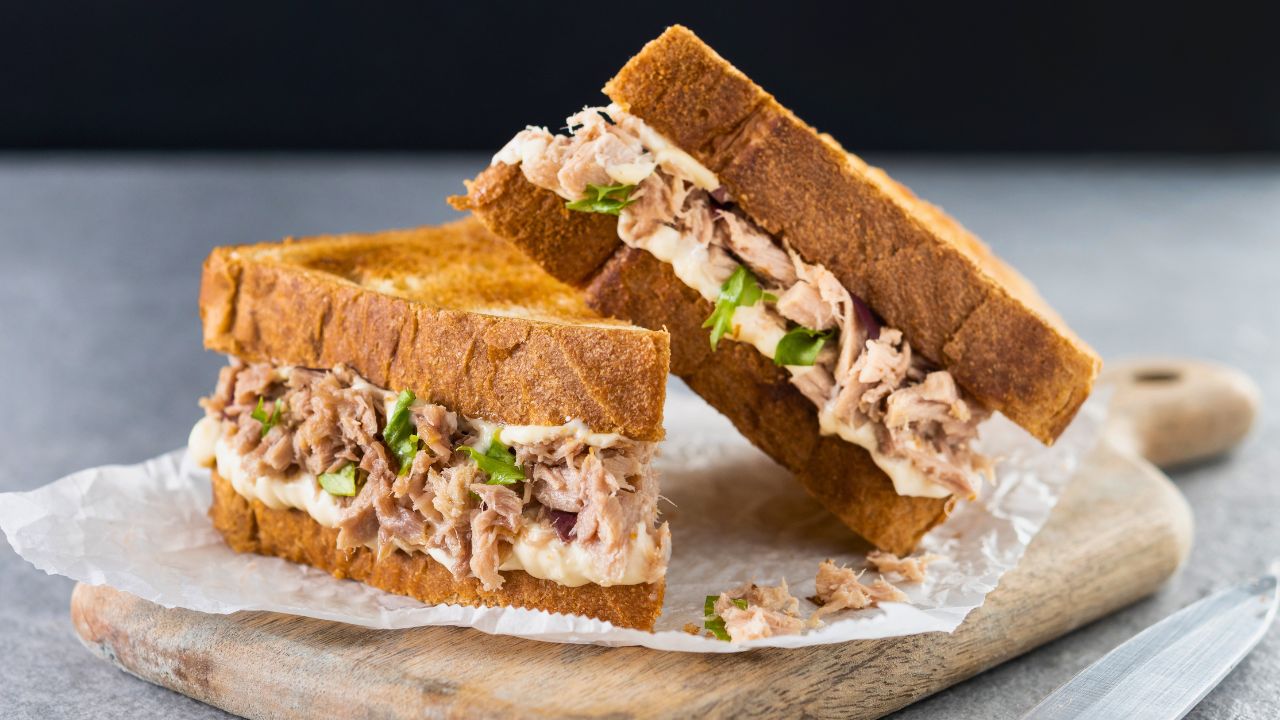
The frustration peaks when the server, after carefully checking ingredients, returns to the table with an update. They described one such interaction: “So I checked everything out for you for your sulphite allergy, there is sulphites in the aoli on your sandwich, would you like it without?” When informed that the regular mayo also contained sulphites, the guest snapped, “IT’S FINE, JUST BRING ME MY SANDWICH.” This dismissive attitude reveals the “allergy” was just a preference, wasting everyone’s time.
The Final Tab
The climax of this recurring nightmare isn’t a dramatic confrontation but a quiet, infuriating dismissal. After the server and the entire kitchen staff have gone through extensive, time-consuming safety measures, the guest reveals the truth with a casual wave of the hand. When told an ingredient they are “allergic” to is in their dish, they respond, “oh it’s not like a real allergy, all these things you say have [the allergen] are fine.”
This single sentence is the final, insulting tab. It’s a slap in the face to the server who meticulously checked ingredients, the manager who coordinated the response, and the cooks who carefully cleaned their stations. The emotional toll is immense.
The server expressed their rage, feeling that these customers not only wasted their time but also undermined a system designed to protect people who could genuinely be harmed. The audacity of the customer’s final act is in their complete lack of awareness or care for the consequences of their lie.
The Internet Reacts
The server’s post quickly drew thousands of comments, with readers falling into several distinct camps.
First was the “Service Industry Solidarity” crowd. Fellow restaurant workers shared their own horror stories, validating the server’s frustration. One commenter shared a classic example: “Or when your chef edits the heck out of a dish because they say that they’re CELIAC which is a massive deal….and you turn around and they’re eating that dish…with the gosh darn table bread.” This sentiment was echoed by many who felt the pain of dealing with customers who trivialize serious health concerns.
Another group offered solutions, falling into a “Procedural Fixes” camp. Instead of blaming a specific manager, they suggested ways the restaurant could systemically handle the issue. One popular idea was to manage customer expectations directly: “Thank you for letting me know about your allergy… we are going to have the chefs wash all their knives, cutting boards and other service utensils… This might mean that you’ll only have to wait an extra 15-30 minutes.” They argued that once a guest knows their lie will inconvenience them, the fake allergy often disappears.
Finally, there was the “Customer Accountability” crowd, made up of diners who were appalled by the behavior. One user admitted they had to correct their own family member: “I found out my mom had started telling servers that she’s allergic to onion, because she hates them… I flipped out on her and told her how the kitchen has to completely switch out all their tools.” Others offered the correct way to handle a preference, stating that they always specify, “that’s just a preference though, not an allergy.”
The Etiquette Verdict
There is an unspoken contract when you dine out: you will be served with professionalism, and in return, you will treat the staff with dignity. Lying about a food allergy is a profound breach of that contract. It is not a harmless fib to ensure you get your meal the way you like it.
It is a selfish act that triggers a serious and resource-intensive safety protocol, wasting the time and energy of an entire team. More importantly, it desensitizes staff to real allergies, creating a dangerous environment for those with life-threatening conditions. This behavior is, without question, unacceptable in polite society.
Your Thoughts
Was this customer’s behavior completely out of line, or is dealing with difficult people just part of the job?