I Made Lunch For My Own Family, But My Mother-In-Law Said I Should Have Fed Her Grandson First
We all know that sharing a meal is one of the cornerstones of family life. It’s a time for generosity, connection, and making sure everyone feels welcome at the table.
However, one woman recently took to the internet to share a story that proves even the simplest acts of kindness can be twisted when family boundaries are not respected. She found herself in a difficult situation where living under the same roof with her in-laws led to a shocking confrontation over a single serving of spinach.
The Incident
This woman lives in a multigenerational house, but it’s not one big, happy commune. Her family—herself, her husband, and their toddler daughter—occupies a separate floor with its own entrance and kitchen. They pay rent and utilities, functioning as a completely independent household. Her in-laws, sister-in-law, and four-year-old nephew live on another floor, operating as their own separate unit.
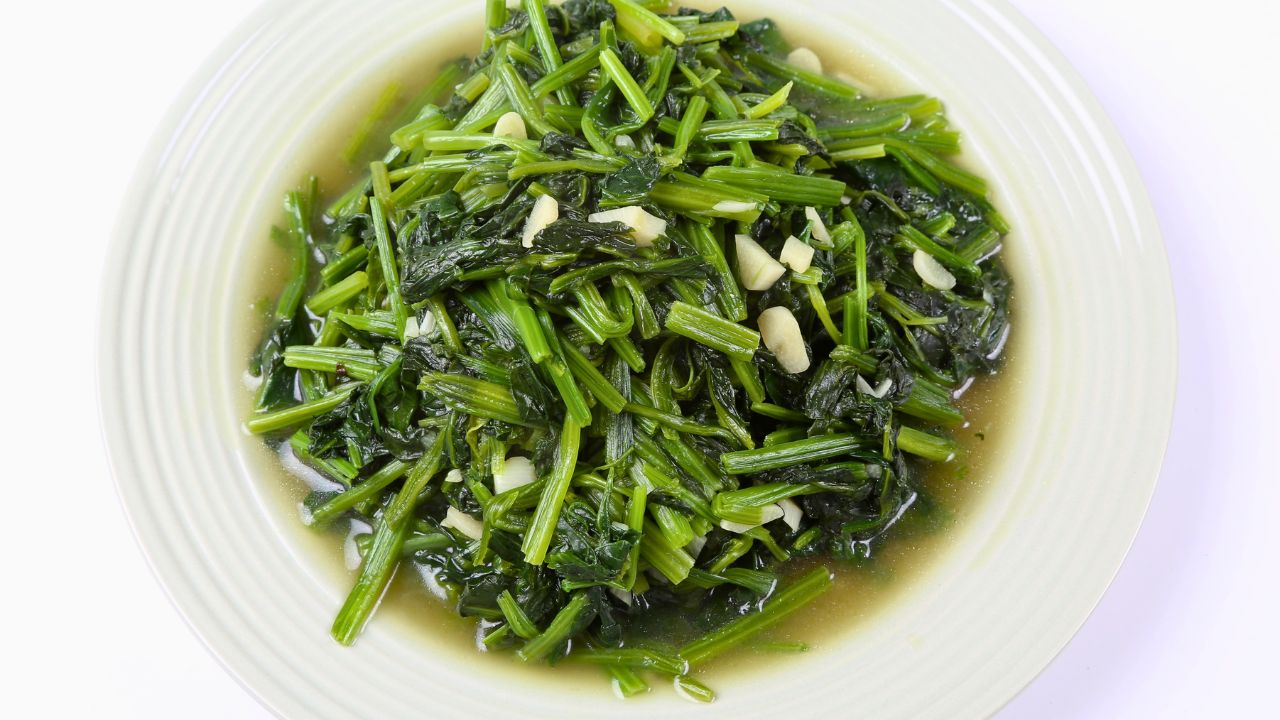
One afternoon, she was preparing a carefully portioned lunch just for her husband, daughter, and herself. At the same time, her father-in-law was in his own kitchen making a meal for his grandson. The two children happened to be playing together in the yard when her nephew saw his little cousin’s plate of spinach and decided he wanted some, too.
Being a decent person, the woman gave her nephew a ladleful of the spinach, even though it meant taking from her husband’s portion. The little boy, as children often do, took one look and decided he didn’t want it after all. The food went uneaten. That should have been the end of it, but it was only the beginning.
After the meal, her mother-in-law confronted her, declaring that “ethically and morally,” she should have served both children the same full portion. The woman was stunned. She had shared what she could from a meal she hadn’t planned to serve anyone else.

What followed was not a simple disagreement, but a five-hour screaming tirade from her mother-in-law that was so loud it could be “heard across half the village.”
The Internet Reacts
When the woman shared her story, people online were quick to weigh in, forming very distinct camps on the matter. It seems everyone has an opinion when it comes to family dynamics and food.
Camp 1: The “Absolutely Not” Crowd
The vast majority of readers were firmly on the woman’s side, appalled by her mother-in-law’s behavior. They argued that separate households mean separate responsibilities. One commenter put it bluntly: “She pays rent and all utilities for her own floor. That makes her a tenant, not a cook or babysitter for the parents or sister household.”
Another person pointed out that this was never about the food itself, but about control, saying, “it isn’t about the spinach…it’s about the expectation that she needs to always be prepared to feed a child that isn’t hers.”
Camp 2: The “Devil’s Advocate”
A smaller group tried to see the situation from the in-laws’ perspective, suggesting that the lines are naturally blurred in a multigenerational home. One person asked, “Literally what is the point in having this living arrangement if you don’t help each other every now and then?”
Others felt that, for the sake of the children, things should be kept equal. As one reader noted, “I don’t think children so young can understand the boundaries that the adults have… Kids very much associate food with love and caring.”
Camp 3: The “Practical Advice” Crowd
This group focused less on who was right or wrong and more on how to prevent this from happening again. They understood the woman’s fear that one small concession could lead to a permanent expectation. One wise commenter advised, “‘Sometimes’ cannot turn into ‘always’, and if your in-laws tend to always expect more and more of you relent once, best to say no altogether.”
Another offered a simple, if slightly sad, solution: “I think the secret is to feed your own family out of sight of the others and you won’t have anyone asking you for some of your food.”
The Etiquette Verdict
Let’s be perfectly clear: the mother-in-law’s behavior was completely unacceptable. Living together requires more boundaries, not fewer. Generosity is something to be offered freely, not demanded with moral lectures and screaming fits.
This woman was not denying a hungry child food; his own grandfather was preparing a meal for him. She kindly offered a taste, which was more than required. To be berated for five hours over a ladle of unwanted spinach is not a failure of ethics on her part, but a shocking failure of manners and respect on her mother-in-law’s.

Your Thoughts
Was the mother-in-law right to expect equal treatment for all children under her roof, or was this a classic case of family overstepping its bounds?