My 16-Year-Old Ate $70 of Labeled Holiday Cheese. I Told Him He’s Getting a Sandwich for Dinner.
There is an unspoken rule in every household during the holidays: the special, often expensive, food being prepped for the big feast is strictly off-limits. We all know the feeling of seeing a beautiful pie or a carefully arranged platter and knowing we must wait. It is a simple matter of respect for the person doing all the work.
However, one woman recently took to the internet to share a story that proves not everyone follows these basic rules, not even her own son, leading to a Thanksgiving showdown over some very fancy cheese.
The Incident
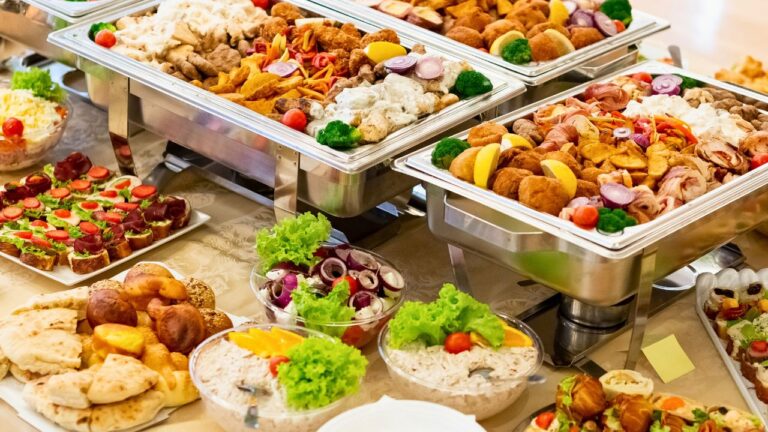
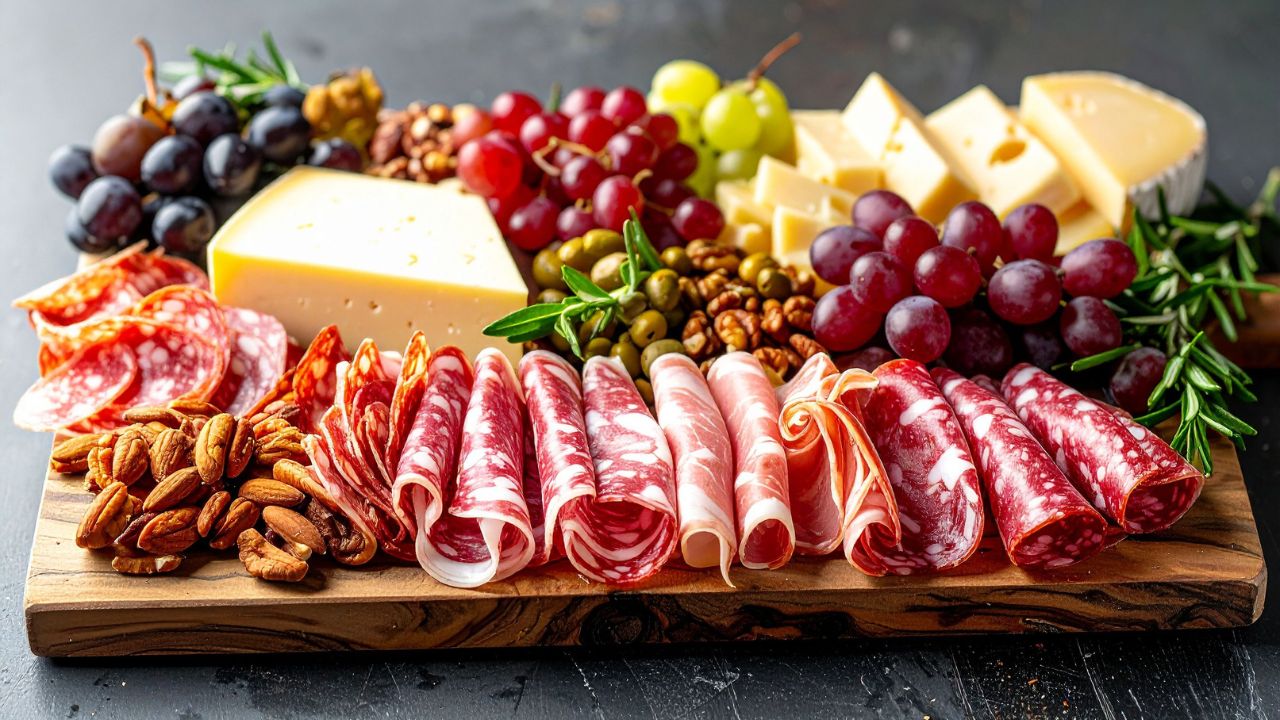
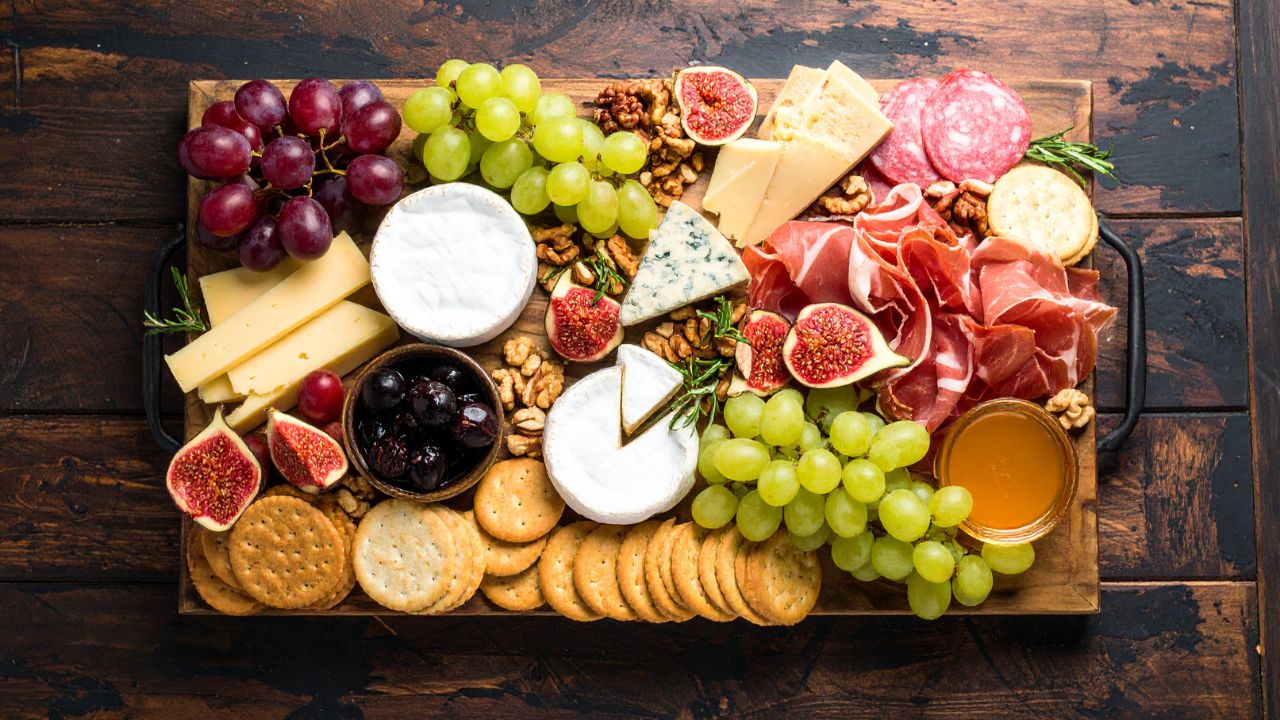
A mother, preparing to host more than 15 people for Thanksgiving, shared her frustrating tale. Like many of us who host, she finds the holiday to be “a ton of work,” but she has one tradition she truly enjoys: a lovely charcuterie board for guests to nibble on before the main meal.
Knowing her 16-year-old son has a particular love for cheese, she took the extra step of labeling all the special holiday foods with a clear “don’t eat” message.
Despite her efforts, she discovered the day before Thanksgiving that her son had completely ignored her instructions. He didn’t just sneak a taste; he “ate all of the fancy meats and basically ate from each block that I bought.” The financial sting was sharp. She explained her frustration, saying, “I truly was pissed since I worked extra hours to pay for it since the prices are awful now for a nice cheese.” The total cost to replace everything was around $70.
When she confronted her son, she gave him an ultimatum: go to the store and replace the $70 worth of food, or he would not be eating Thanksgiving dinner with the family. He would get a sandwich instead.
To her shock, her son refused and called her a “horrible j.rk.” Making matters worse, her husband sided with their son, telling her he “doesn’t understand why I am so pissed about it.”
The Internet Reacts
The story struck a chord with thousands of people online, many of whom understood the mother’s frustration on a deep level. The reactions quickly fell into a few distinct camps.
First was the “Absolutely Not” Crowd, who were furious on the mother’s behalf. These commenters immediately recognized that this was about more than just food. One person summed it up perfectly: “You can tell which people responding in here do not cook big stressful family dinners.”
Another added that the issue was “the time planning, the drive to, the shopping, the LABELLING DO NOT EAT THIS, the mental calculation of how much extra time OP would have to work to pay for the food.” They saw the son’s actions not as a simple mistake, but as “completely selfish.”
The next group was the “Underlying Problem” Crowd, who pointed out that the son’s behavior didn’t happen in a vacuum. They directed their criticism toward the boy’s father. “The father is undermining the mother, which undermines their overall combined parenting effort,” one user wrote.
Many suspected the husband’s cluelessness stemmed from his own lack of participation. One of the most popular comments said, “Guarantee these are the kind of men who think Thanksgiving and Christmas just magically appear for their benefit and enjoyment.”

Finally, there was the “Consequences” Crowd, who fully supported the mother’s punishment and even offered a few suggestions of their own. They championed the idea of “natural consequences,” where the punishment directly fits the misdeed. “Making the kid replace the cheese is absolutely the natural consequence,” a commenter explained. Many felt the father should also face the music for enabling his son’s behavior. One popular idea was, “Serve son Dad’s dinner, and Dad gets the sandwich.”
The Etiquette Verdict
Let’s be perfectly clear: this is not just about cheese. This is about a staggering lack of respect for another person’s time, money, and hard work. A 16-year-old is more than capable of understanding a clearly labeled package and exercising a little self-control, especially when the reward is enjoying the food with family the very next day. His defiance, coupled with his father’s baffling support, points to a much larger problem of entitlement.
The golden rule of being a guest—or even just a family member—during the holidays is to respect the host. That means keeping your hands off the special-occasion food and appreciating the immense physical, mental, and financial labor that goes into creating a beautiful celebration.
Your Thoughts
What do you think of this holiday dilemma? Was the mother’s punishment too harsh, or was it a much-needed lesson in respect and consequences?
Ready for the next level of insight? Discover more in my latest article here.