10 Under-the-Radar Ingredients to Level Up Your Everyday Meals
You know what’s boring? Eating the same meals on repeat. You know what’s exciting? Tossing something unexpected into your pan and watching dinner transform from “meh” to “whoa.” I’m talking about ingredients that don’t hog the spotlight at your grocery store but pack enough flavor and nutrition to make your taste buds do a happy dance.
These ten ingredients aren’t your average pantry staples. They’re the quirky underdogs of the food world—things you’ve probably scrolled past online or spotted in specialty stores without a second glance. But here’s the thing: they’re not just novelties. Each one brings something genuinely cool to your plate, whether it’s a funky flavor twist, a nutritional punch, or just plain bragging rights at dinner parties.
Ready to shake up your cooking routine? Forget everything you thought you knew about “exotic” ingredients being complicated or pretentious. These picks are surprisingly simple to use, and I promise they’ll make your everyday meals infinitely more interesting. No chef’s hat required—just curiosity and an appetite for something new.
Amaranth
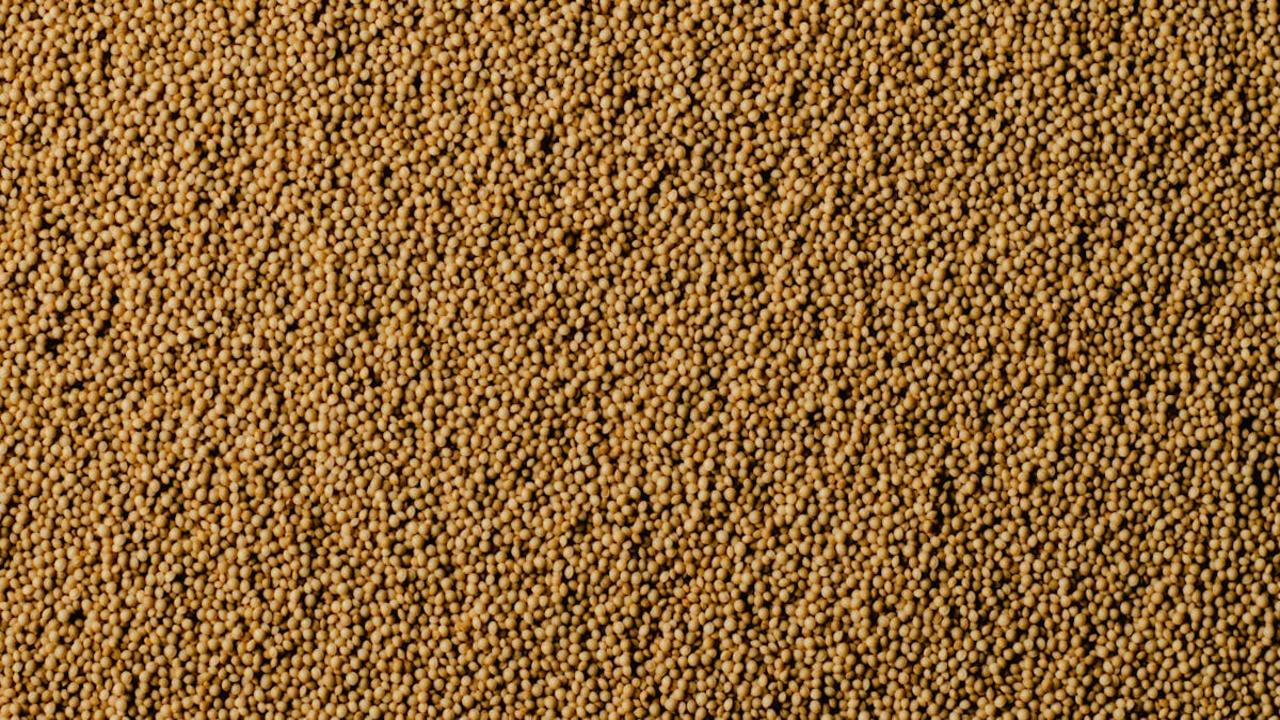
Amaranth sounds like something a medieval wizard would sprinkle into a potion, but it’s actually an ancient grain that’s been around for thousands of years—the Aztecs were huge fans, using it in religious ceremonies and basically treating it like edible gold. Here’s the thing: this tiny pseudo-grain (it’s technically a seed, but let’s not split hairs) packs more protein than most grains and contains all nine essential amino acids, making it a complete protein. Pop it like popcorn for a nutty, crunchy snack that’ll make you feel like you’ve discovered something magical in your kitchen. Toss it into soups for texture, stir it into porridge for breakfast, or use the flour in gluten-free baking—amaranth flour gives baked goods an earthy, slightly sweet flavor that’s surprisingly addictive.
The best part? Amaranth is ridiculously easy to cook. Simmer one cup of amaranth in three cups of water for about twenty minutes, and you’ll end up with a porridge-like consistency that works beautifully as a base for both sweet and savory dishes. Mix cooked amaranth with sautéed vegetables and a fried egg for a protein-packed lunch bowl, or sweeten it with honey and cinnamon for breakfast. The texture is slightly sticky and reminds me of caviar (fancy, right?), which makes it perfect for binding veggie burgers or meatballs. Since the grains are so small, they cling to everything they touch, soaking up flavors like tiny flavor sponges. If you’re tired of quinoa acting like it’s the only alternative grain in town, amaranth is here to shake things up with its nutty personality and impressive nutritional resume.
Tiger Nuts

Tiger nuts aren’t nuts at all—they’re actually tiny tubers that grow underground, which makes their name delightfully misleading. These wrinkly little nuggets have been around since ancient Egypt, where archaeologists found them tucked into pharaohs’ tombs as snacks for the afterlife. Smart thinking, really, because these crunchy gems pack a serious nutritional punch with their high fiber content, resistant starch, and naturally sweet flavor that tastes like a cross between almonds and coconut. You can munch them straight from the bag like trail mix, but fair warning: they’re seriously addictive, and your jaw might need a workout because they’ve got some serious crunch power.
Here’s where tiger nuts get really fun: blend them with water, strain, add a touch of cinnamon and honey, and you’ve just made horchata de chufa, the legendary Spanish drink that’s been cooling people down in Valencia for centuries. The Spanish are absolutely obsessed with this creamy, naturally sweet beverage, and once you try it, you’ll understand why. Tiger nuts also work brilliantly ground into flour for gluten-free baking, tossed into smoothies for extra body, or even roasted with a sprinkle of sea salt for a snack that’ll make you forget about regular nuts entirely. Plus, they’re paleo-friendly, nut-allergy-safe, and packed with prebiotics that your gut bacteria will throw a party over.
Camu Camu
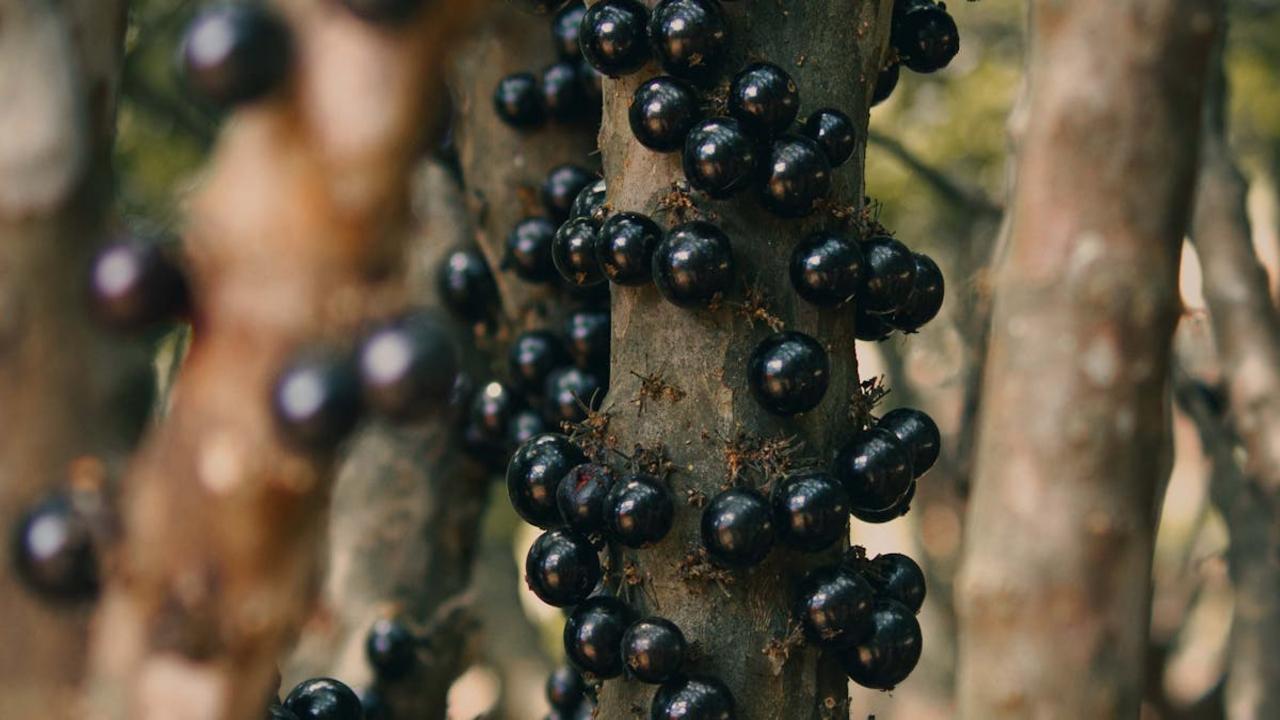
Picture a berry so packed with vitamin C that it makes an orange look like a slacker. That’s camu camu for you—a small, purplish fruit from the Amazon rainforest that contains up to 60 times more vitamin C than its citrus cousins. Peruvian and Brazilian locals have been snacking on these tart little powerhouses for centuries, but they’re just now making their way into smoothie bowls and health food stores worldwide. The flavor? Think ultra-sour cherry meets cranberry with a punch that’ll make your face scrunch up in the best possible way. You won’t find fresh camu camu at your corner store (the fruit spoils faster than your weekend plans), but the powder version works wonders.
Here’s where it gets fun: toss a teaspoon of camu camu powder into your morning smoothie, and suddenly you’re not just drinking fruit—you’re drinking the Amazonian equivalent of a vitamin C bomb. The tangy, slightly bitter taste plays beautifully with sweet fruits like mango or banana, balancing out the sugar while giving your immune system a serious boost. Some adventurous folks mix it into salad dressings for an unexpected zing, or stir it into yogurt for breakfast with an attitude. Pro tip: start with just half a teaspoon because this stuff doesn’t mess around. Your taste buds might need a moment to adjust to the intensity, but once they do, you’ll wonder how you ever lived without this Amazonian secret weapon in your pantry.
Watercress
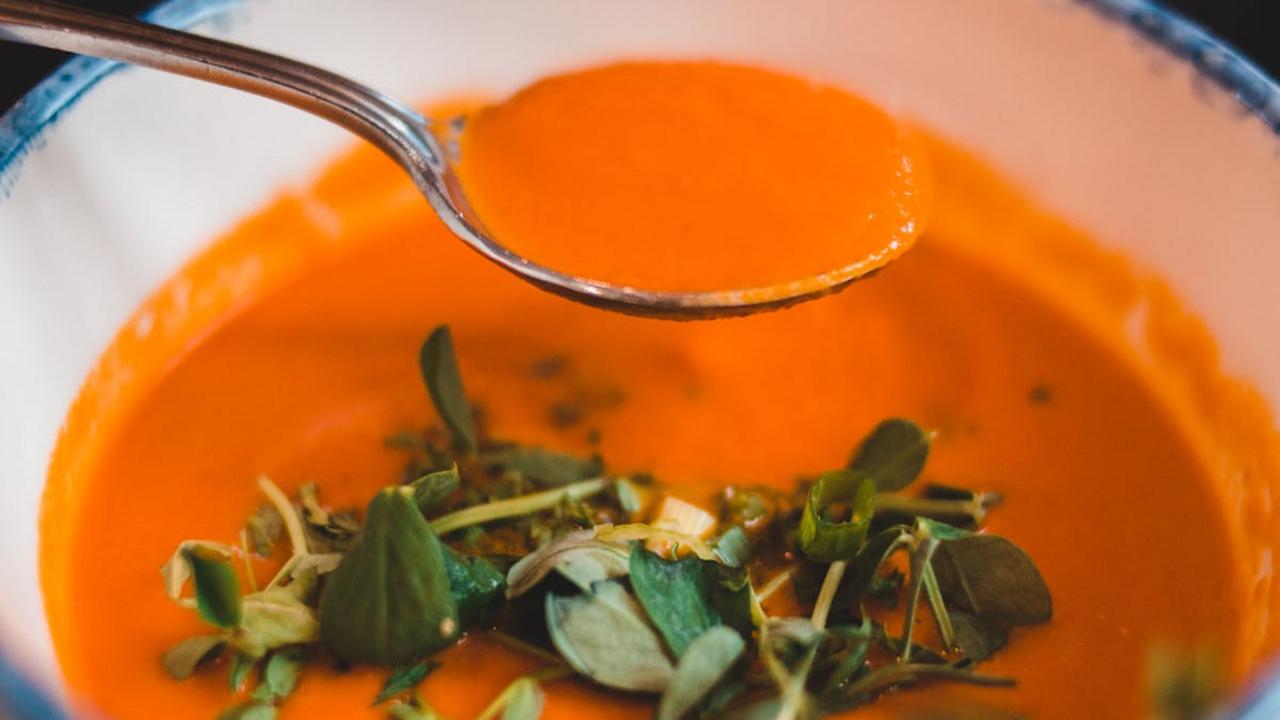
Watercress doesn’t get nearly enough attention, and honestly, that’s a crime against leafy greens everywhere. This peppery little powerhouse has been around since ancient times—the Romans munched on it to prevent baldness (results may vary), and Hippocrates allegedly built his first hospital near a stream just to have fresh watercress for his patients. Today, it sits in the produce section looking unassuming, but don’t be fooled. Gram for gram, watercress contains more vitamin C than oranges, more calcium than milk, and more iron than spinach. It’s basically the overachiever of the salad world, showing up with straight A’s while everyone else is still figuring out their locker combination.
The beauty of watercress lies in its versatility and that distinctive peppery bite that wakes up your mouth. Toss it into sandwiches for an instant upgrade—trust me, your boring turkey and cheese situation will thank you. Blend it into soups (watercress soup is a classic for good reason), throw it onto pizza fresh out of the oven, or mix it with butter and slather that green gold onto warm bread. The stems are completely edible too, so you’re getting maximum bang for your buck. Just remember to rinse it well since it grows in water, and nobody wants uninvited critters joining the party. Store it like flowers in a jar of water in your fridge, and it’ll stay perky for days, ready to transform your everyday meals into something worth bragging about.
Natto
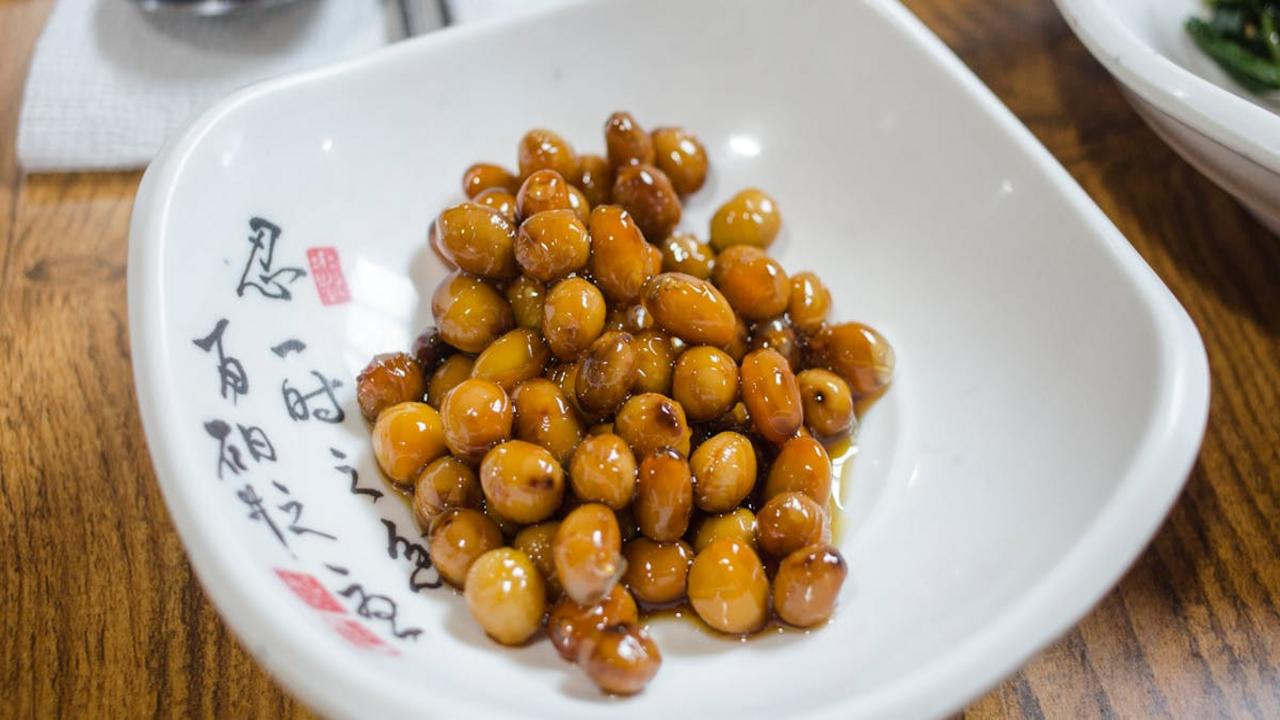
If you’ve never tried natto, buckle up, because this Japanese staple is about to blow your mind—or at least make you question everything you thought you knew about breakfast. These fermented soybeans come wrapped in a sticky, stringy coating that stretches like melted cheese but smells like, well, let’s just say it’s an acquired aroma. The Japanese have been eating natto for over a thousand years, usually over rice with a raw egg, soy sauce, and mustard. The texture is slimy, the smell is pungent, and the taste is earthy and slightly nutty. Some people run screaming; others become obsessed after the first bite. It’s rich in probiotics, vitamin K2, and protein, making it a nutritional powerhouse that keeps your gut happy and your bones strong. Plus, there’s something deeply satisfying about stirring it vigorously until those gooey strings form—it’s like edible slime that’s actually good for you.
Now, I won’t lie: natto takes courage. My first encounter involved a lot of hesitation, a pinched nose, and a friend laughing at my facial expressions. But once you get past the initial shock, natto becomes addictive. Try mixing it into fried rice for a umami bomb, spreading it on toast with avocado for a funky twist on avocado toast, or even tossing it into pasta for a probiotic-packed dinner. The key is to stir it about fifty times before eating to activate those famous sticky strings and mellow out the flavor. If you’re feeling adventurous, add some chopped green onions, a dash of sesame oil, and a sprinkle of bonito flakes. Your digestive system will thank you, and you’ll join the ranks of natto enthusiasts who swear by this funky fermented treasure.
Moringa Leaves

Picture this: a tree so packed with nutrients that people call it the “miracle tree,” and nobody’s making a fuss about it at your local grocery store. That’s moringa for you—the most underrated green on the planet. These feathery little leaves taste somewhere between spinach and matcha, with a slightly peppery kick that sneaks up on you. Native to India but now grown all over tropical regions, moringa leaves contain more vitamin C than oranges, more calcium than milk, and more iron than spinach. Your body actually absorbs these nutrients better than from most supplements, which means you’re getting the real deal without swallowing horse pills. Toss fresh leaves into soups during the last minute of cooking, blend dried powder into smoothies, or steep them for tea that tastes earthy and green in the best possible way.
Here’s where moringa gets really interesting: it grows like a weed in harsh conditions where most plants would curl up and die, making it a powerhouse food source in developing countries. But you don’t need to live in the tropics to enjoy it—dried moringa powder ships beautifully and stays potent for months. Start with half a teaspoon in your morning smoothie because this stuff packs serious flavor and you might need time to adjust. Mix it into salad dressings with lemon and olive oil, stir it into scrambled eggs for a nutrient boost, or whisk it into soups and stews. The dried powder works like a flavor enhancer that also happens to load your meal with antioxidants, anti-inflammatory compounds, and protein. Once you start cooking with moringa, you’ll wonder why it took so long to find you.
Seabuckthorn Berries
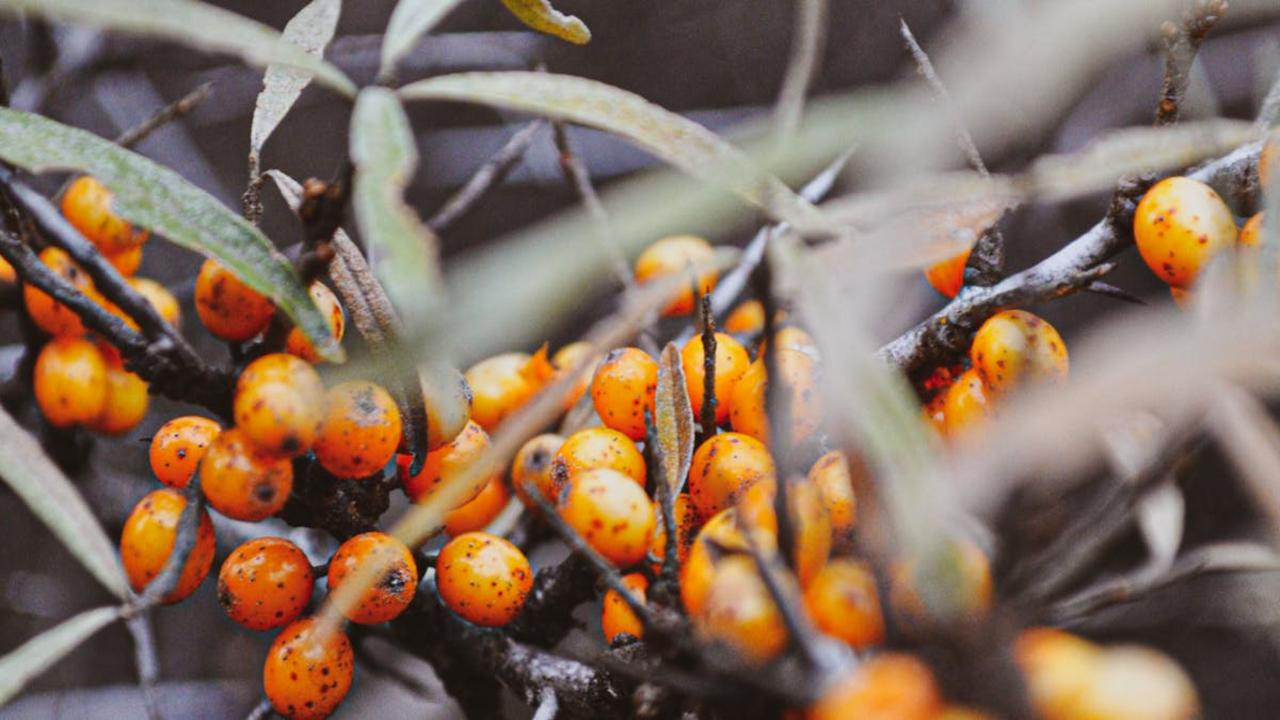
Picture this: bright orange berries that taste like a tropical vacation crashed into a sour candy factory. That’s seabuckthorn for you—nature’s little citrus bombs packed with more vitamin C than oranges could ever dream of having. These tiny powerhouses have been fueling Himalayan climbers and Mongolian warriors for centuries, which makes sense when you realize they contain omega-7 fatty acids (yes, there’s a seven!) that most foods don’t bother with. I stumbled upon seabuckthorn juice at a farmer’s market last fall, and the vendor warned me it was “an acquired taste.” Translation: prepare your face for the sourest pucker session of your life, followed by an oddly pleasant tropical aftertaste that keeps you coming back for more.
The genius move? Blend these berries into smoothies with mango and honey to tame their feisty personality, or simmer them down into a glaze for grilled salmon that’ll make your dinner guests demand the recipe. You can find seabuckthorn in dried form, juice, or even as a jam at specialty stores and online. Fair warning: the fresh berries are nearly impossible to track down unless you’re hiking through Central Asia, but honestly, the concentrated forms pack enough punch to transform your morning yogurt into something that tastes like sunshine decided to throw a party in your mouth. My favorite trick? Whisk seabuckthorn juice into vinaigrettes with maple syrup and Dijon mustard for salad dressings that make boring greens actually exciting. Who knew Vikings and Tibetan monks were onto something this delicious?
Black Garlic
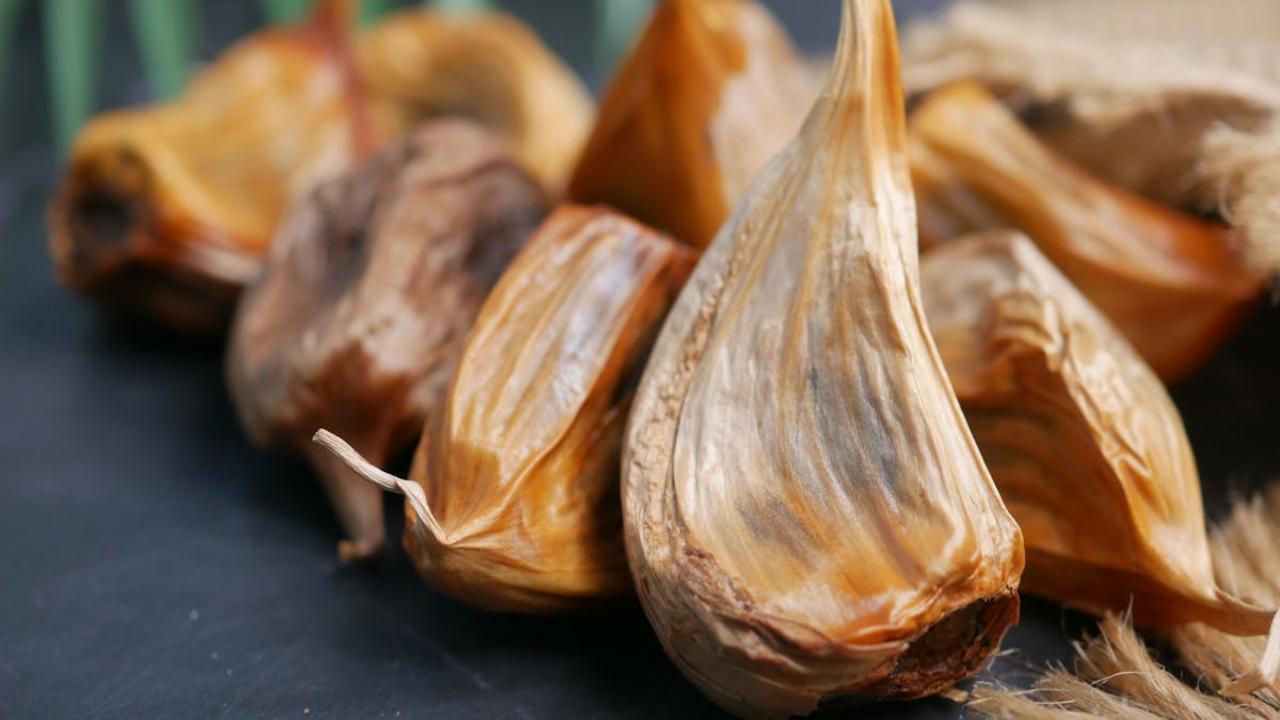
Black garlic might look like something that’s been sitting in the back of your fridge for way too long, but trust me—this stuff is intentional, weird, and utterly brilliant. It’s regular garlic that’s been aged through a careful fermentation process involving heat and humidity over several weeks, transforming those sharp, pungent cloves into soft, sticky, molasses-dark nuggets of umami heaven. The flavor? Imagine if balsamic vinegar, dark chocolate, and roasted garlic had a baby. It’s sweet, tangy, savory, and completely addictive. Korean cooks have been using this ingredient for centuries, originally prizing it for its supposed health benefits, but now we all know the real reason to keep it around: it makes everything taste ridiculously good. You can smash it into compound butter, blend it into salad dressings, or just pop a clove straight into your mouth like the adventurous food warrior you are.
Here’s what makes black garlic a kitchen superstar: it loses that aggressive bite that makes regular garlic socially risky, so you can use it raw without worrying about clearing out an elevator. Try spreading it on toast with goat cheese and honey for a sweet-savory combo that’ll make you question why you ever bothered with plain butter. Stir it into mashed potatoes, whisk it into marinades, or drop a few cloves into your next pot of chili for a depth of flavor that’ll have people begging for your secret ingredient. The best part? You don’t need to cook it—it’s already been through its transformation. Just grab a jar from your local Asian market or order it online, keep it in your pantry, and watch how this funky little ingredient turns your regular Tuesday dinner into something that tastes like you actually tried.
Dragon Fruit
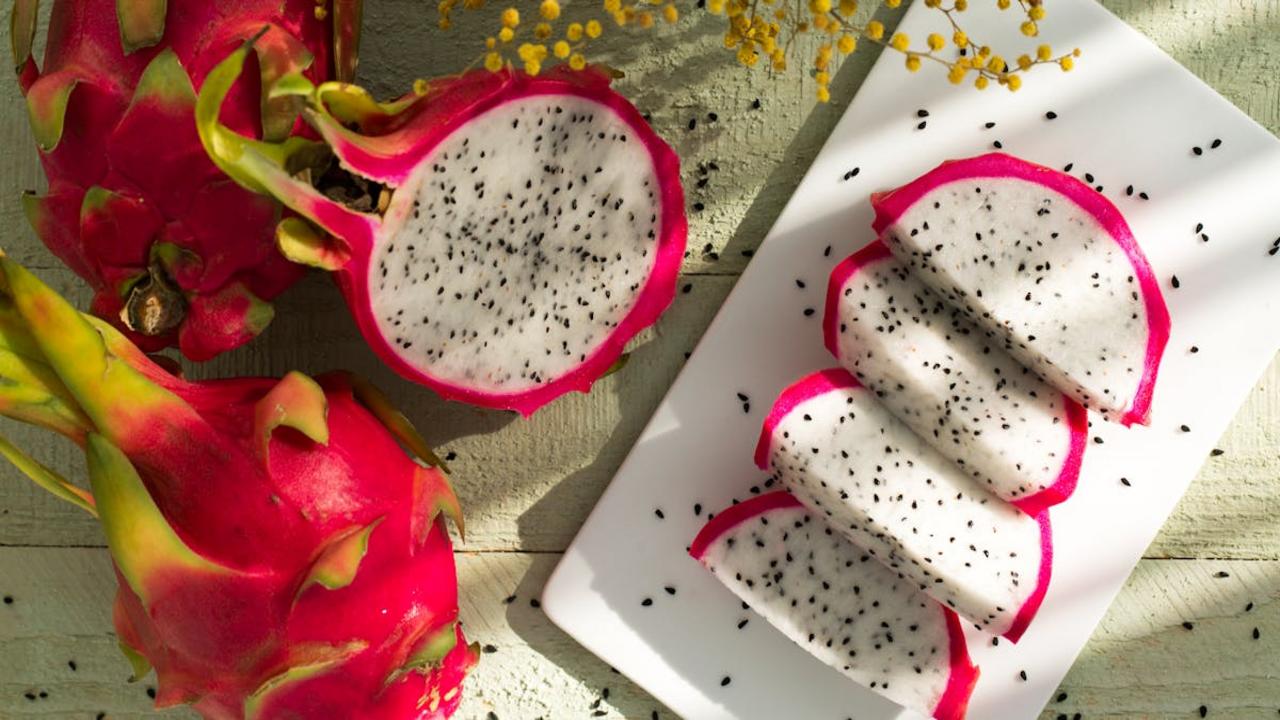
Picture this: you’re strolling through the produce section when suddenly you spot what looks like a hot pink alien egg covered in lime-green scales. That’s dragon fruit, and beneath its wild exterior lies a mild, slightly sweet flesh that’s perfect for adding a tropical twist to your morning routine. The white or magenta interior is speckled with tiny black seeds that give it a kiwi-like crunch, and here’s the kicker—it’s packed with prebiotics that’ll make your gut happier than a kid in a candy store. Plus, cutting one open feels like you’ve discovered buried treasure, which honestly makes breakfast about 300% more exciting.
Now, dragon fruit won’t blow your mind with intense flavor (it’s more subtle than show-stopping), but that’s exactly what makes it brilliant. Toss chunks into your smoothie bowl for that Instagram-worthy pop of color, or dice it up with mango and mint for a refreshing salsa that pairs surprisingly well with grilled fish or chicken. Pro tip: freeze cubes of dragon fruit and blend them into frozen margaritas or lemonade for drinks that look like they belong at a beach resort. The best part? You can eat everything except the leathery skin, so there’s minimal waste. Just scoop out the flesh with a spoon like you’re excavating a particularly fabulous cave, and you’re good to go.
Bee Pollen

Picture this: tiny, golden granules that look like they belong in a fairy’s spice cabinet, packed with more nutritional punch than your standard multivitamin. That’s bee pollen for you—nature’s little overachiever. These flower dust particles, collected by bees and bound together with nectar and bee saliva (yes, really), contain proteins, vitamins, minerals, and amino acids that’d make any health nut weep with joy. The best part? It tastes like a sweet, floral honey-meets-grass situation that’s surprisingly addictive. Sprinkle it on your morning yogurt, blend it into smoothies, or top your toast with it alongside some almond butter. Your breakfast just went from “meh” to “magnificent” with zero effort.
Here’s something wild: bees visit millions of flowers to produce just a single teaspoon of this stuff, which means every granule represents serious work ethic. Some people swear it helps with seasonal allergies (the logic being that you’re introducing local pollen to your system in small doses), though the science jury’s still deliberating on that one. What’s not up for debate? The texture and flavor complexity it brings to your food. Try mixing it into salad dressings for an unexpected sweetness, or do what I do and scatter it over vanilla ice cream like edible confetti. Fair warning though: start small if you’re new to it, because some folks can be sensitive. Once you’re in the clear, these little golden nuggets become your secret weapon for making ordinary meals feel special.