10 Lesser-Known Pasta Shapes Worth Trying
You think you know pasta? Think again! Beyond the spaghetti-and-marinara routine lies a wonderland of weird, wonderful shapes that’ll make your regular rotini look embarrassingly basic. These ten pasta rebels have been quietly perfecting their game in Italian kitchens for centuries, each with personality quirks that put them leagues ahead of boring old penne.
Picture this: pasta shaped like little ears, twisted spirals that trap sauce like tiny flavor tornados, and hand-rolled gems that look like miniature works of sculpture. Some of these beauties boast names so dramatic they sound like Italian soap opera characters—hello, Strozzapreti, which literally translates to “priest strangler” (don’t ask, just enjoy).
Ready to ditch the predictable and dive fork-first into pasta paradise? These ten shape-shifters will transform your dinner table into an Italian adventure zone. Your taste buds won’t know what hit them, and your dinner guests will think you’ve secretly enrolled in culinary school. Trust me, once you go exotic pasta, you never go back to the basic stuff.
Orecchiette
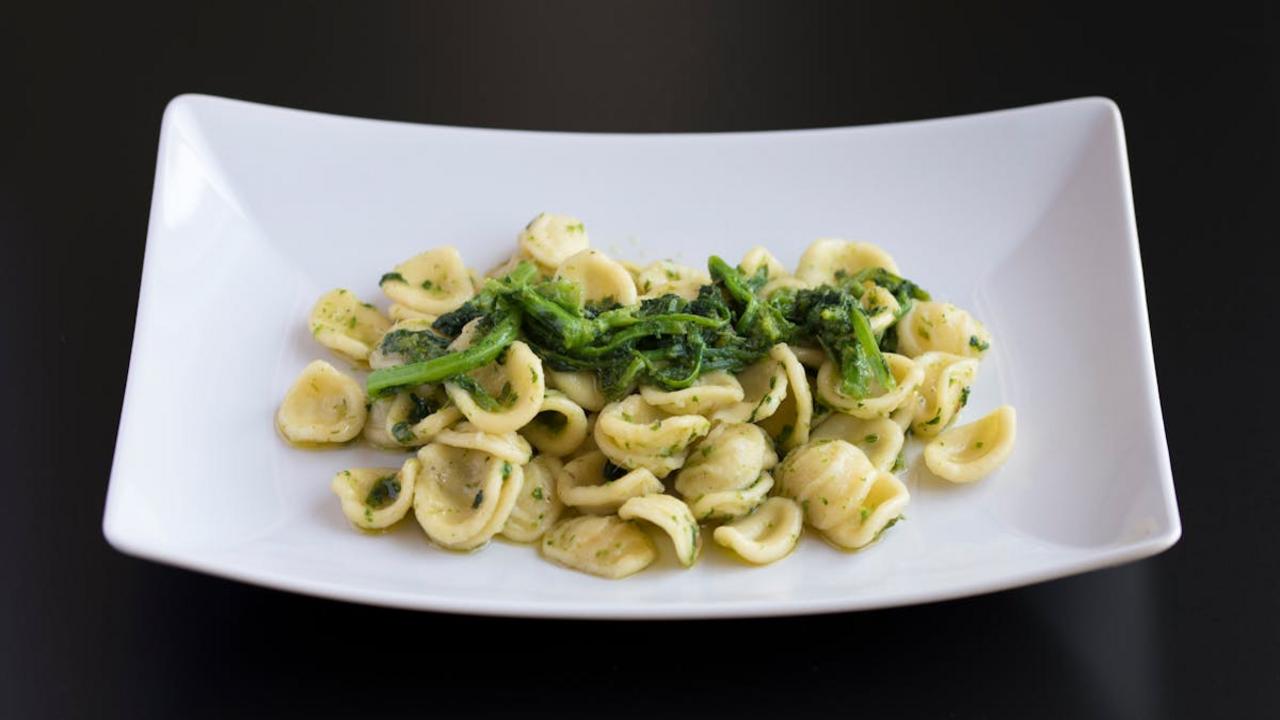
Picture tiny edible ears scattered across your plate, and you’ve got orecchiette – the pasta that looks like it belongs in a fairy tale rather than your dinner bowl. This adorable Puglian creation literally translates to “little ears,” and honestly, once you see it, you can’t unsee the resemblance. The genius of orecchiette lies in its thumb-pressed concave shape, which creates perfect little pockets that grab onto sauces like they’re giving them a warm hug. Traditional pasta makers in Bari still roll these beauties by hand on wooden boards, creating that slightly rough texture that makes your sauce cling with the devotion of a golden retriever.
You’ll want to pair these charming little cups with chunky vegetables, crumbled sausage, or the classic orecchiette con cime di rapa – that’s bitter broccoli rabe for those of us who don’t speak fluent Italian. The magic happens when each piece cradles a perfect bite of whatever you’ve thrown into the pan, creating flavor bombs that explode in your mouth. Pro tip: don’t overcook these gems! They need that slight bite to maintain their structural integrity, or you’ll end up with sad, deflated pasta that can’t hold anything more substantial than your disappointment. Fresh orecchiette cooks in about 2-3 minutes, while dried versions need 10-12 minutes of bubbling attention.
Lorighittas
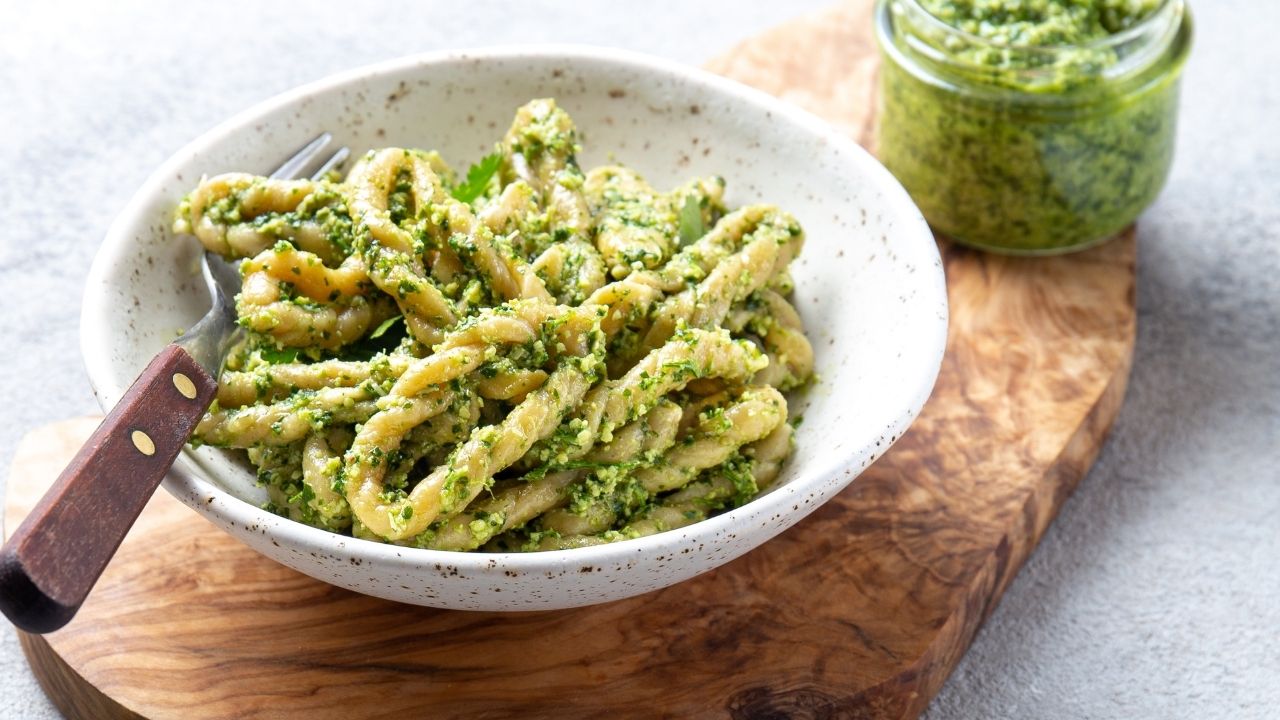
Picture this: you’re twirling what looks like tiny golden braids around your fork, and suddenly you understand why Sardinian grandmothers guard their lorighittas recipes like state secrets. These intricate pasta rings demand serious finger gymnastics—each piece gets hand-twisted into delicate loops that resemble miniature wreaths or, if you squint just right, elaborate earrings your eccentric aunt might wear to Sunday dinner. The name literally means “little rings” in Sardinian dialect, but calling them “little” feels like calling the Sistine Chapel “a decent ceiling job.”
Making lorighittas requires the patience of a monk and the dexterity of a surgeon, which explains why you’ll mostly find them in specialty Italian shops or that one restaurant where the chef’s nonna still rolls them by hand every morning at 4 AM. The twisted shape creates perfect little pockets that grab onto robust sauces like a desperate person clinging to the last slice of pizza. Try them with a hearty lamb ragu or a simple tomato sauce spiked with fresh herbs—the pasta’s complex curves mean every bite delivers maximum flavor impact. Fair warning: once you master the twisting technique, you might find yourself showing off at dinner parties, because honestly, who wouldn’t want to brag about conquering Sardinia’s most challenging pasta shape?
Garganelli
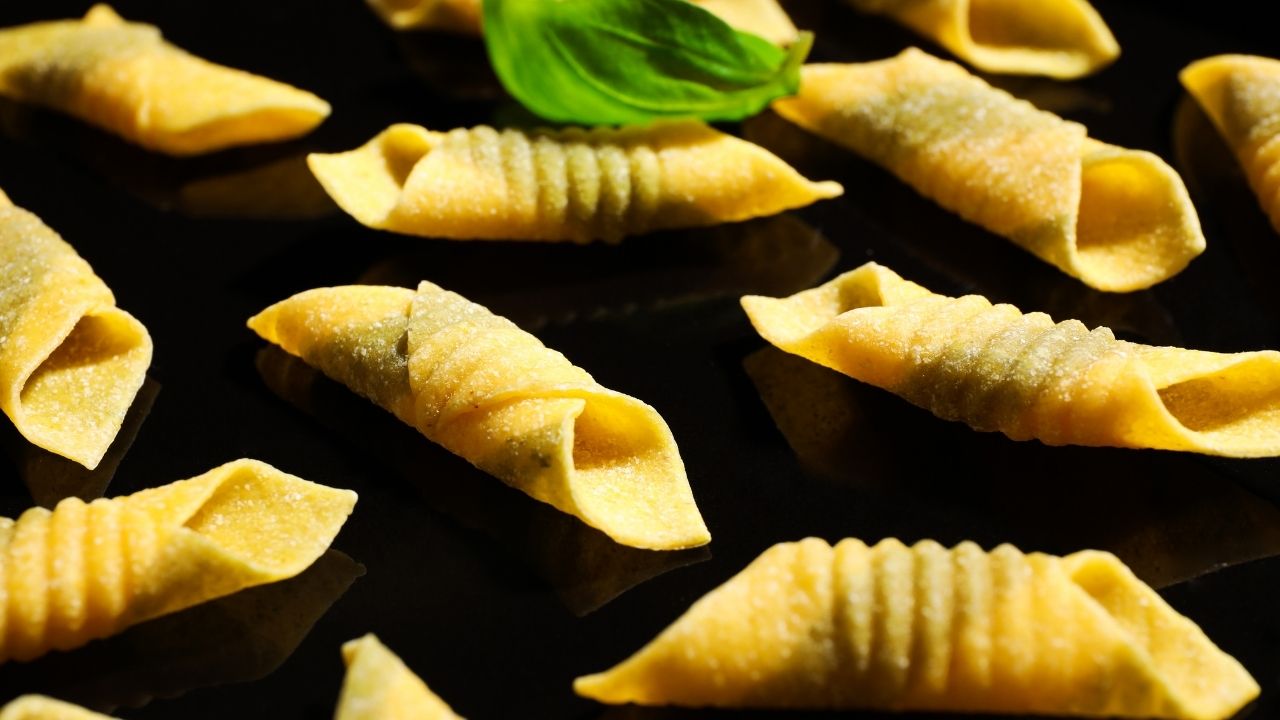
Picture this: you’re rolling fresh pasta dough over a ridged wooden board with a thin dowel, creating these adorable little quill-shaped tubes that look like they belong in a medieval scribe’s desk drawer. That’s garganelli for you – the pasta shape that sounds like it should be the name of a grumpy Italian uncle but actually translates to “gullets” (because apparently, someone thought chicken throats made excellent pasta inspiration). These hand-rolled beauties hail from Emilia-Romagna, where pasta perfection runs through people’s veins like marinara sauce.
What makes garganelli absolutely brilliant is their texture – those ridges aren’t just for show, they’re sauce-grabbing champions that hold onto every drop of your favorite condiment. The traditional pairing involves a rich ragù Bolognese, but I’ve discovered they work magic with simple butter and sage too. Making them requires a special ridged board called a pettine and a thin rolling pin, though desperate times have called for creative substitutions involving bamboo sushi mats and pencils (don’t judge my pasta emergencies). The result? Pasta tubes with personality that prove sometimes the most obscure shapes deliver the most satisfying bites.
Fregola
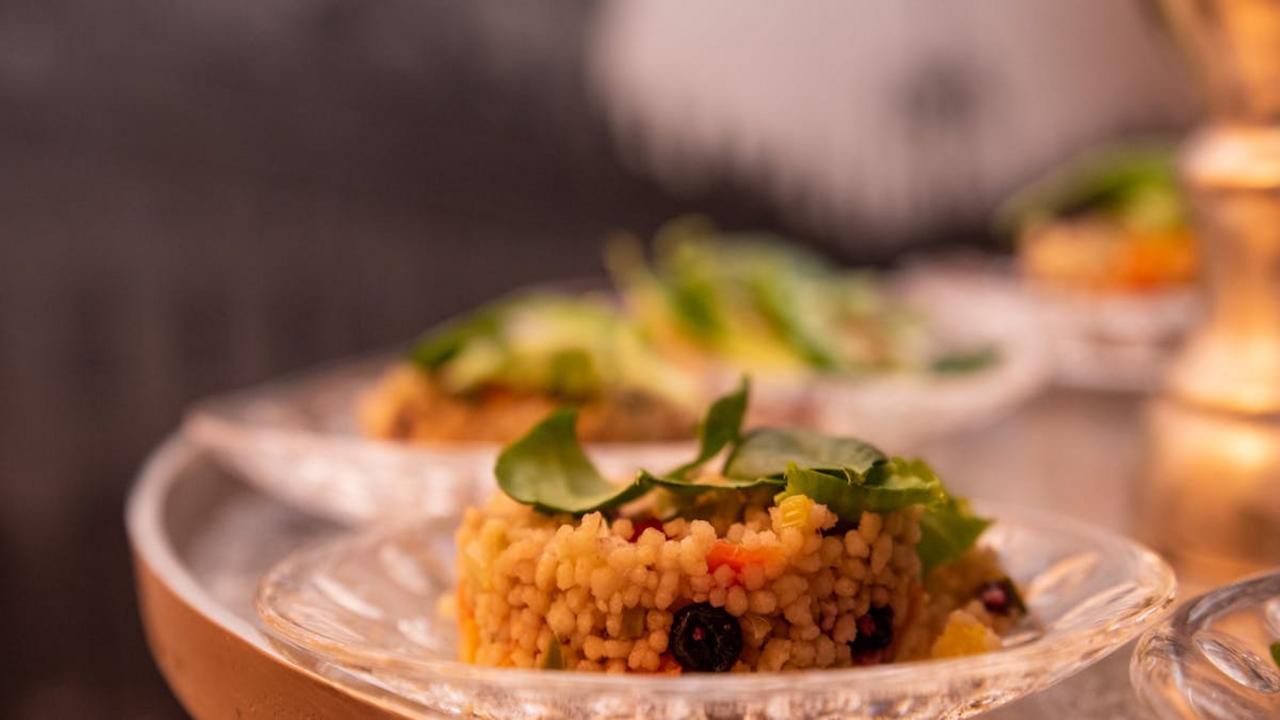
Picture tiny golden pearls that look like they escaped from a jewelry box and decided to become pasta instead – that’s fregola for you! This Sardinian specialty gets its distinctive appearance from a fascinating production process where semolina dough gets rolled into small balls, then toasted until each piece develops a gorgeous amber hue. The toasting isn’t just for show either; it creates a nutty, almost smoky flavor that makes regular couscous weep with envy. Sardinian grandmothers have been perfecting this technique for centuries, and honestly, they deserve medals for creating something this addictive.
Fregola’s texture brings serious personality to your plate – each pearl has a satisfying bite that holds onto sauces like a champion. You can toss it with seafood and saffron for a traditional Sardinian feast, or throw caution to the wind and treat it like risotto (the Italians might gasp, but your dinner guests will thank you). The best part? It cooks in about 15 minutes and refuses to turn mushy, making it perfect for those nights when you want something fancy without the fuss. Pro tip: toast it briefly in a dry pan before adding liquid to amplify that nutty flavor – your kitchen will smell absolutely divine.
Pici
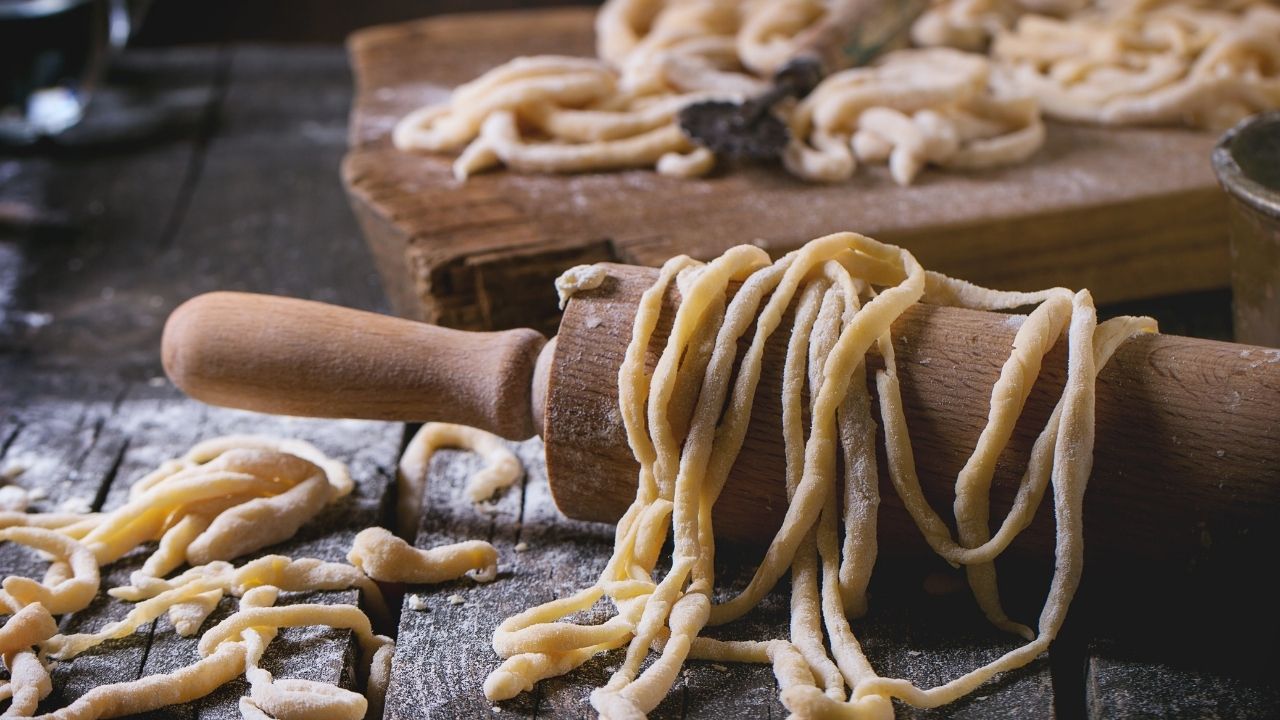
Picture this: you’re rolling pasta dough between your palms like you’re making Play-Doh snakes, except this time it’s socially acceptable and delicious. That’s pici for you – Tuscany’s wonderfully imperfect hand-rolled pasta that looks like thick spaghetti had a growth spurt and decided to get a bit wonky. These irregular, hand-rolled strands originated in the Siena province, where resourceful cooks discovered that flour and water (sometimes with a touch of olive oil) could create magic without needing eggs. The beauty lies in its rustic charm – no two pieces look exactly alike, which means your dinner plate becomes a celebration of beautiful imperfection.
Making pici feels like meditation mixed with a hand workout. You roll small pieces of dough under your palms, creating these wonderfully uneven strands that grab onto sauces like they’re giving them a warm hug. The texture is gloriously chewy, somewhere between fresh pasta and a hearty dumpling. Traditional preparations include pici all’aglione (with tomatoes and garlic) or cacio e pepe, where the pasta’s irregular surface catches every bit of cheese and pepper. Pro tip: don’t stress about making them perfect – wonky is the goal here! Your hands will thank you for the mini massage, and your mouth will thank you for creating these delightful little sauce-catching vehicles.
Campanelle
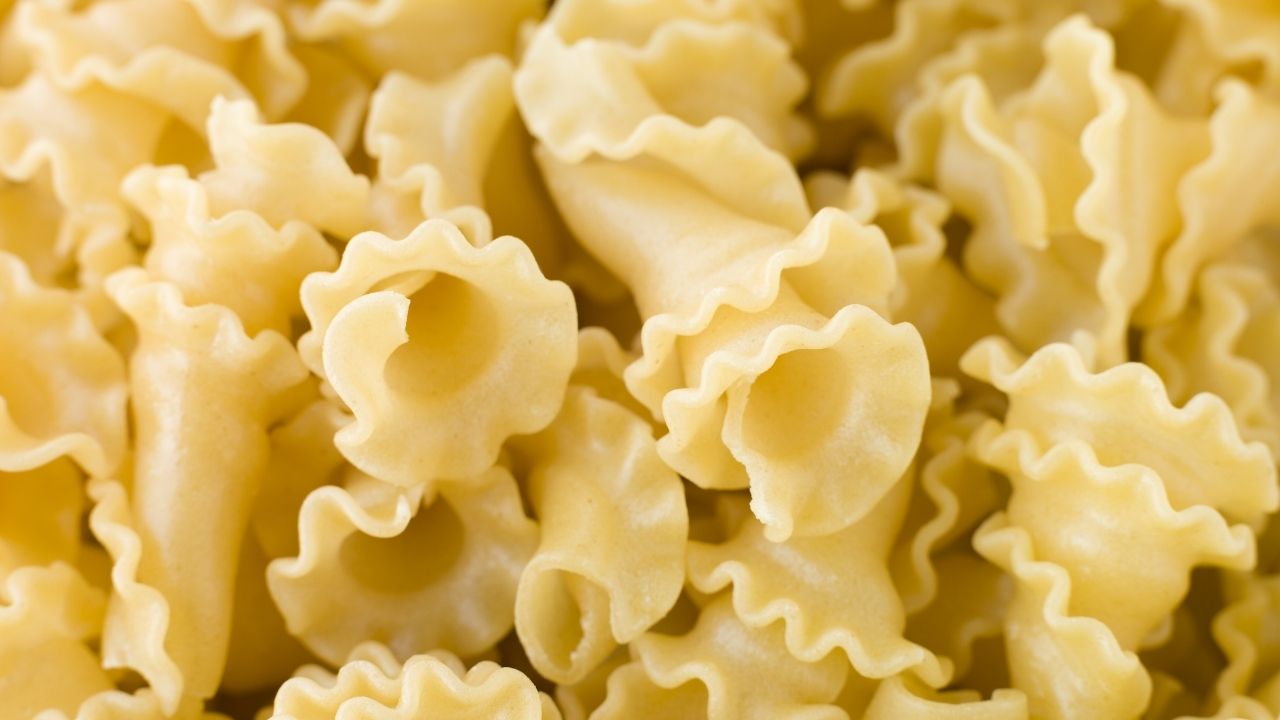
Picture a tiny cone-shaped flower that decided to become pasta, and you’ve got campanelle! This whimsical Italian creation looks like someone took a small funnel, gave it ruffled edges, and said “now you’re dinner.” The name literally means “little bells” in Italian, though I think they look more like miniature trumpets announcing the arrival of something delicious. Originally from Puglia, this pasta shape was designed by some genius who understood that sauce needs places to hide – and campanelle provides plenty of cozy nooks and crannies for your favorite flavors to nestle into.
What makes campanelle absolutely brilliant is its sauce-catching superpowers. Those fluted edges aren’t just for show – they grab onto chunky vegetable sauces, cream-based concoctions, and even simple olive oil preparations like they’re giving them a warm hug. I love tossing campanelle with roasted cherry tomatoes, fresh basil, and a generous shower of parmesan because every little bell captures those sweet tomato juices perfectly. You can find this charming pasta at most Italian specialty stores or online, and trust me, once you see how it transforms a simple weeknight dinner into something that looks like it came from a fancy restaurant, you’ll wonder why you ever settled for boring old penne.
Busiate
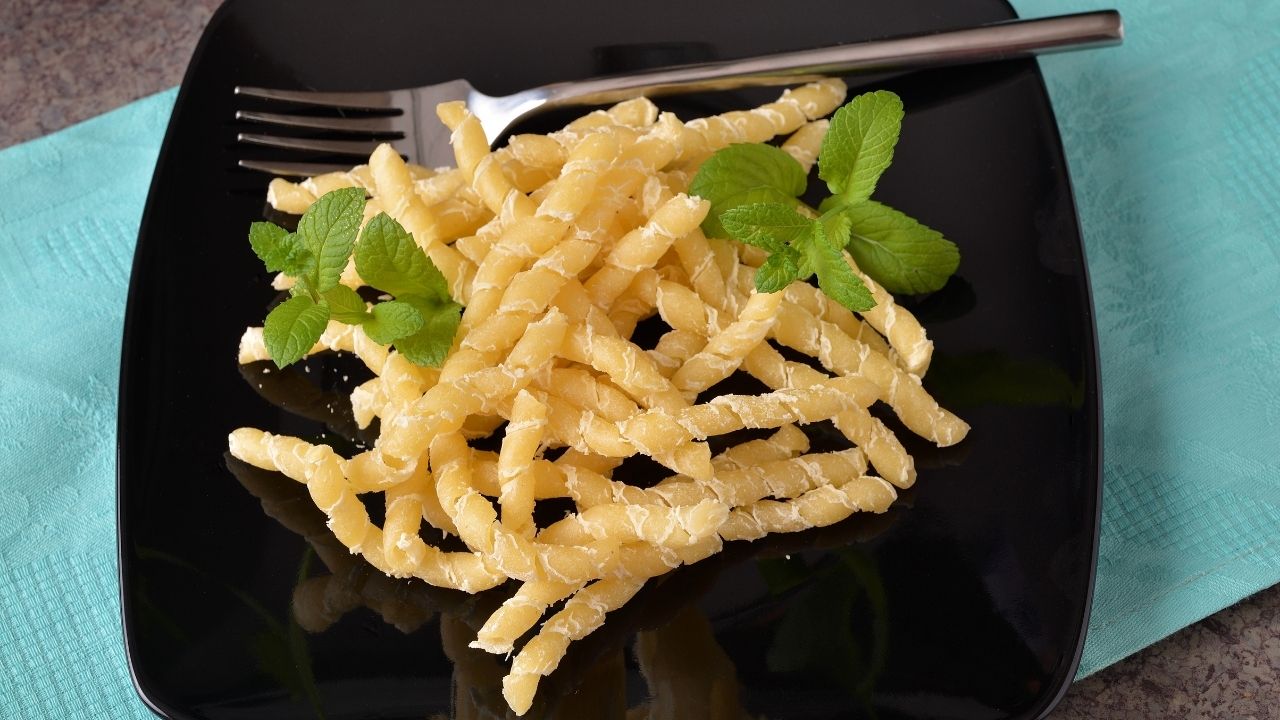
Picture this: you’re twirling a corkscrew-shaped pasta around your fork, and each spiral catches sauce like a tiny tornado of flavor. That’s busiate for you – Sicily’s answer to the question “what if pasta looked like it belonged in a hardware store?” This twisted beauty hails from Trapani, where local cooks traditionally shape it around thin metal rods or even knitting needles. The name comes from “busa,” referring to the thin stem of a local grass that was originally used for shaping. I kid you not, Sicilian grandmothers have been making pasta with actual grass stems for centuries, proving once again that nonna always knows best.
The magic happens when you pair busiate with pesto trapanese – a vibrant green sauce made with almonds, tomatoes, garlic, and basil that gets trapped in every gorgeous spiral. Each bite delivers a perfect storm of textures and flavors because those corkscrews don’t just look pretty; they’re engineering marvels designed to grab onto every drop of sauce. You can find dried busiate in specialty Italian stores, but honestly, making your own with a knitting needle (clean, obviously) becomes an oddly satisfying weekend project. Just roll small pieces of pasta dough around the needle, slide them off, and watch your kitchen transform into a Sicilian pasta laboratory.
Trofie
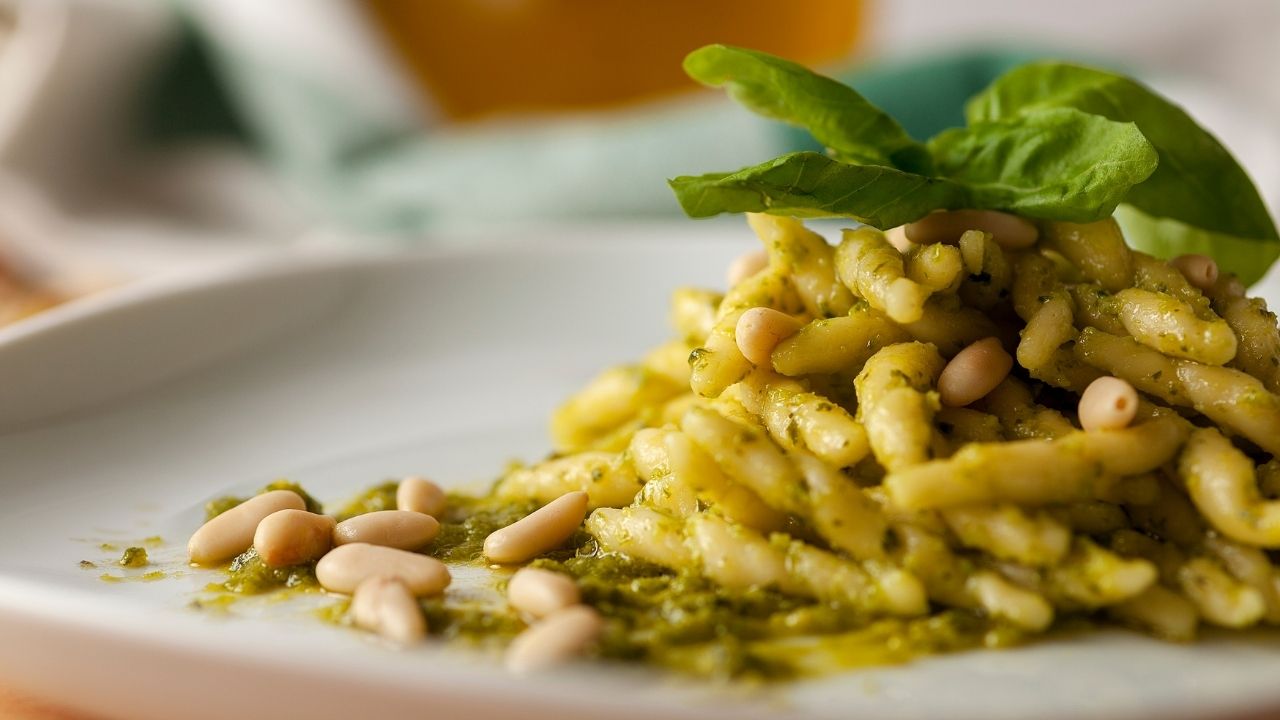
Picture this: you’re twisting a piece of dough between your palms like you’re starting a campfire, except instead of flames, you get these adorable little corkscrews that look like they escaped from a pasta fairy tale. That’s trofie for you – Liguria’s gift to anyone who thinks regular pasta shapes are boring. These twisted beauties originated in the coastal towns around Genoa, where fishermen’s wives would roll them by hand while waiting for boats to return. The technique requires no tools except your palms and a wooden board, making trofie the ultimate “I’m too cool for fancy equipment” pasta.
What makes trofie absolutely brilliant is how those spirals grab onto sauce like tiny pasta tornadoes. The traditional pairing is pesto genovese, because apparently the Ligurians knew exactly what they were doing when they invented both the pasta and the sauce in the same region. But here’s where it gets fun – trofie works magic with chunky vegetable sauces, seafood medleys, or even a simple garlic and olive oil situation. The irregular surface means every bite delivers maximum flavor impact, and the chewy texture gives your jaw a satisfying workout. Fair warning: making them by hand will give you pasta PTSD, but watching someone else do it is mesmerizing.
Cavatelli
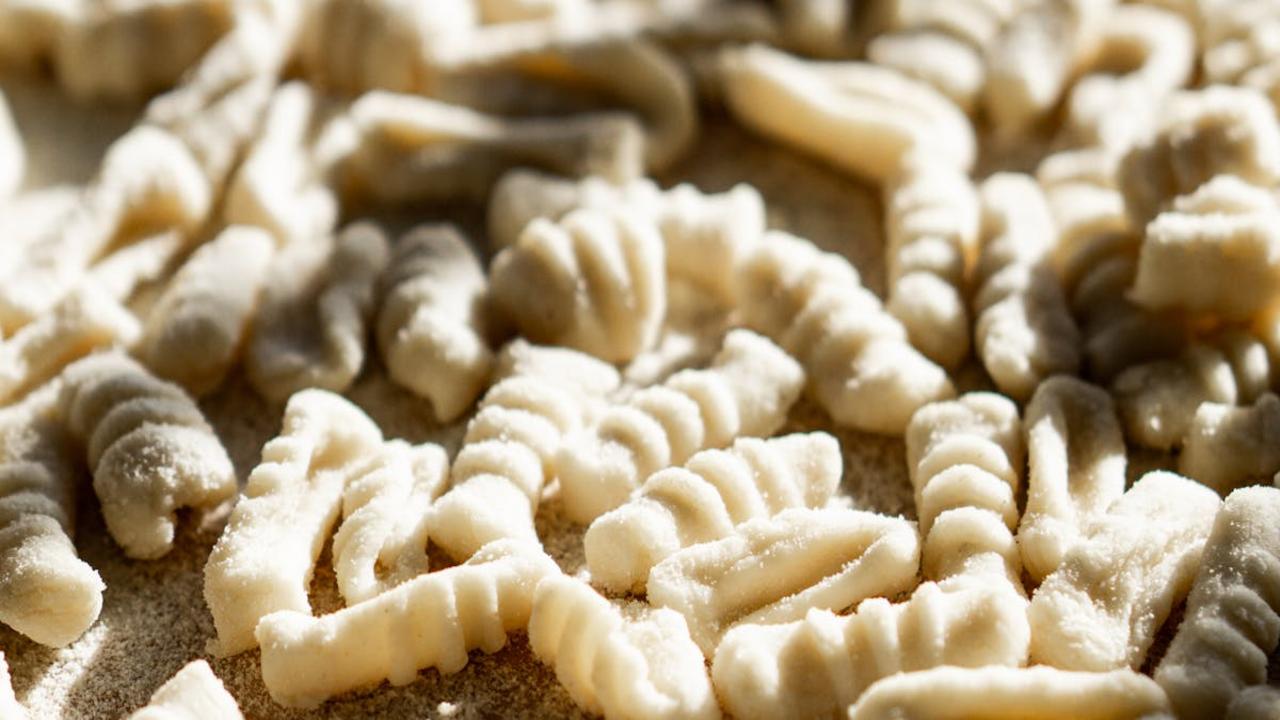
Picture tiny seashells that decided to ditch the ocean for your dinner plate – that’s cavatelli! These adorable little pasta pillows hail from southern Italy, specifically Puglia, where nonne have been rolling them by hand for centuries using nothing more than their fingers and a knife. The name literally means “little hollows,” which perfectly describes their boat-like shape that’s absolutely genius at catching sauce. I once watched an Italian grandmother make these in her kitchen, and her fingers moved so fast it looked like she was performing pasta magic – each piece perfectly curved and ready to cradle whatever deliciousness you throw at it.
What makes cavatelli absolutely brilliant is their texture – they’re chewy without being tough, substantial without being heavy. They play exceptionally well with chunky vegetable sauces, robust meat ragùs, or simple preparations with garlic and olive oil. Pro tip: if you can’t find them at your local store (and honestly, many places still don’t stock them), you can make them at home with just flour, water, and patience. Roll small pieces of dough with your finger, creating that signature curl, and you’ll have pasta that looks like it came straight from a Puglian kitchen. Trust me, your dinner guests will think you’ve been secretly studying in Italy!
Strozzapreti
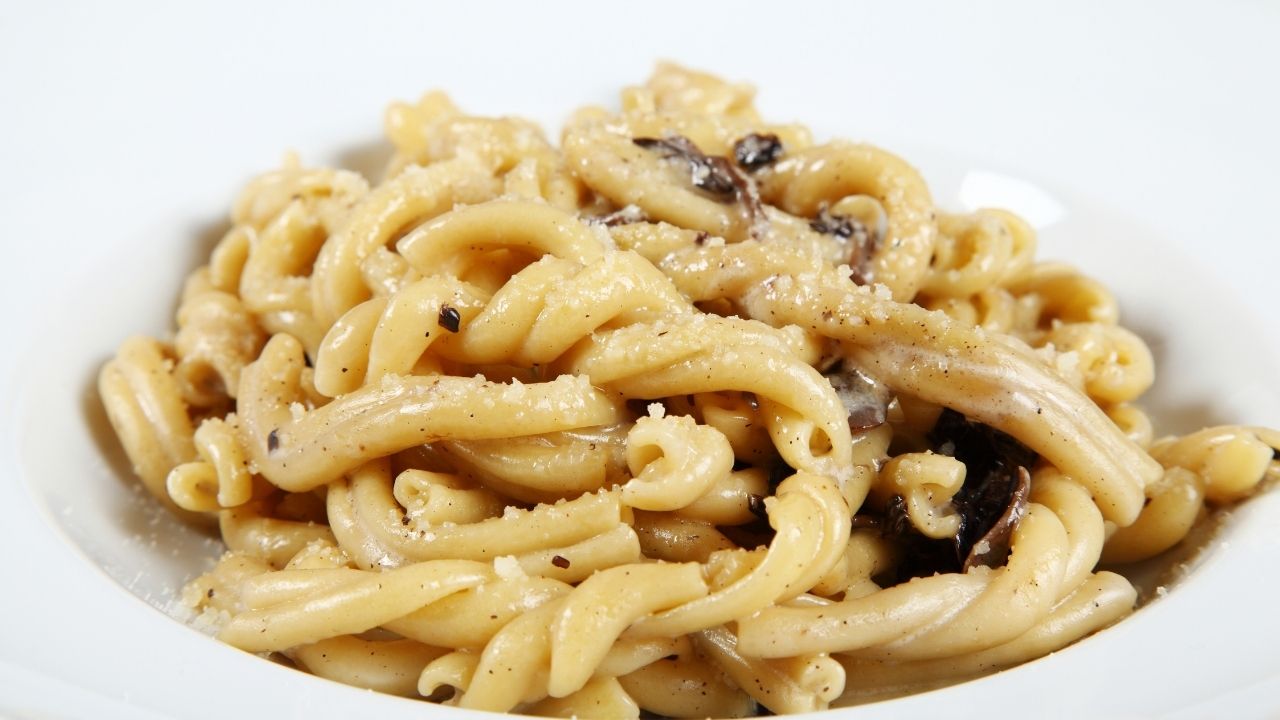
You know that friend who always picks the most dramatic name for everything? Well, they probably invented strozzapreti, because this twisted pasta literally translates to “priest strangler.” Legend has it that greedy priests would gobble down this hand-rolled delight so quickly they’d choke on it – hence the wonderfully morbid moniker. I picture medieval Italian grandmothers chuckling while they twisted each piece by hand, secretly hoping their local clergy would slow down at dinner time.
This corkscrew-shaped beauty hails from Emilia-Romagna, where pasta making reaches near-religious status (pun absolutely intended). You’ll spot strozzapreti by its irregular, hand-twisted appearance – no fancy machine can replicate that rustic charm. The twisted shape creates perfect little pockets that grab onto chunky sauces like a pasta vacuum cleaner. Try tossing it with a robust ragu or simply butter, sage, and parmesan for a dish that’ll make you understand why those priests lost their composure. Pro tip: if you’re making it from scratch, roll small pieces of dough between your palms until they look like tiny tornadoes – imperfection is the goal here!