14 Overhyped Food Trends We’re Ready to Retire
Food trends come and go like seasons, but some overstay their welcome. As someone who spends countless hours in the kitchen creating recipes from scratch, I’ve watched certain fads dominate social media feeds while adding little value to our actual eating experience. These trends often prioritize appearance over substance, leaving home cooks chasing Instagram-worthy presentations instead of focusing on wholesome, nourishing meals that bring real satisfaction.
The most frustrating part? Many of these trends move us further from authentic cooking. They replace simple, quality ingredients with gimmicky additions that don’t improve flavor or nutrition. Real cooking magic happens with fresh produce, whole grains, and time-honored techniques—not edible glitter or activated charcoal.
Here are fourteen food trends that have had their moment but now deserve retirement. Each one represents a departure from the joy of genuine cooking and the satisfaction of creating meals that truly nourish both body and soul.
Charcuterie in a jar
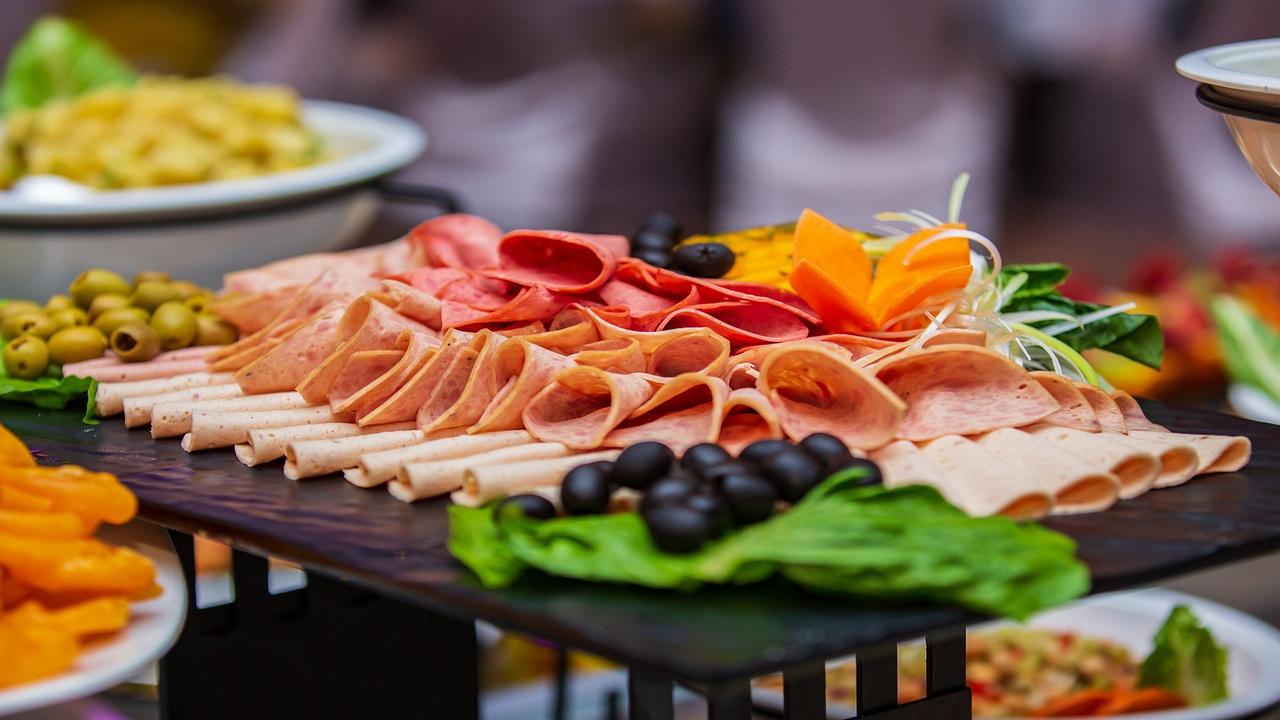
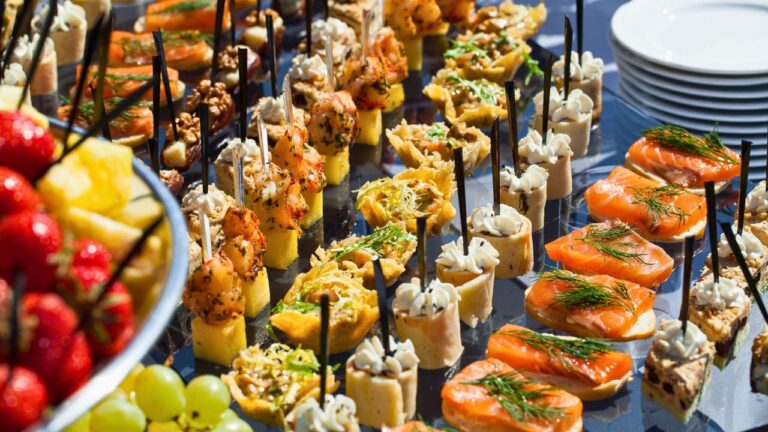
Listen, I get why charcuterie boards became Instagram gold—they’re beautiful, social, and require zero cooking skills. But when we started cramming those same components into mason jars, we lost the soul of what made them special in the first place. You’re paying premium prices for what amounts to expensive lunchables in glass containers, often with processed meats and artificial preservatives that go against everything I believe about nourishing our bodies with real, whole foods.
The magic of a proper charcuterie spread lies in the communal experience—sharing good cheese with friends, tearing off pieces of crusty bread, discovering flavor combinations as you graze. When you portion it into individual jars, you’re essentially creating an overpriced convenience food that strips away the joy and connection. Instead, I’d rather see you invest that money in a beautiful piece of aged cheese from your local market, some homemade crackers, and fresh fruit. Create something that brings people together around your table, not something that isolates them with their own little jar of processed ingredients.
Dessert hummus
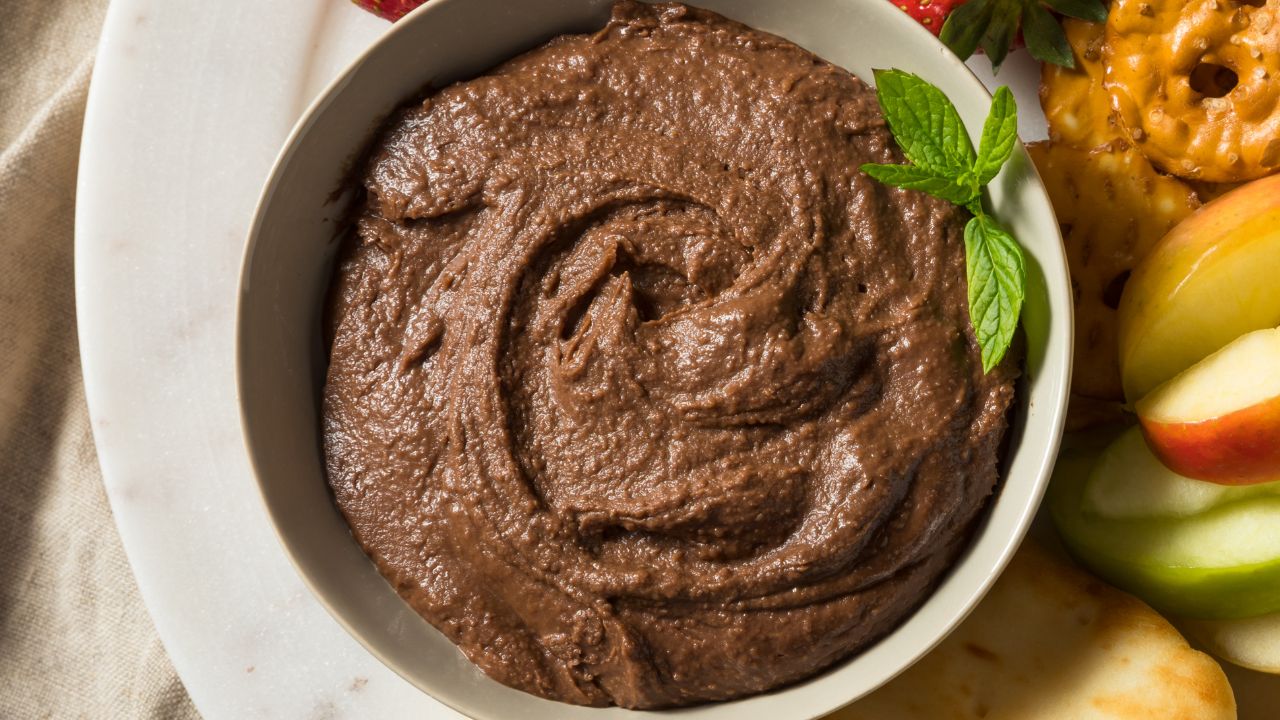
Look, I get it – someone thought they were being clever by taking chickpeas and turning them into chocolate “hummus.” But honestly, this trend feels like we’re trying too hard to make dessert healthy when we could just make better desserts from scratch. I’ve watched friends serve this at dinner parties, and while guests politely dip their apple slices, nobody’s genuinely excited about chickpea-based chocolate mousse. The texture never quite hits right, and that subtle beany undertone? It’s always there, no matter how much cocoa powder you add.
Instead of forcing legumes into dessert duty, why not create naturally wholesome sweets that actually taste amazing? I make a killer avocado chocolate mousse that’s creamy, rich, and doesn’t pretend to be something it’s not. Or try my date-sweetened energy balls with real vanilla and nuts – they satisfy that sweet craving without the weird texture gymnastics. Your desserts don’t need to masquerade as health food when you can make genuinely nourishing treats that people actually want seconds of. Save the chickpeas for proper hummus, and let your desserts be unapologetically delicious.
Avocado lattes
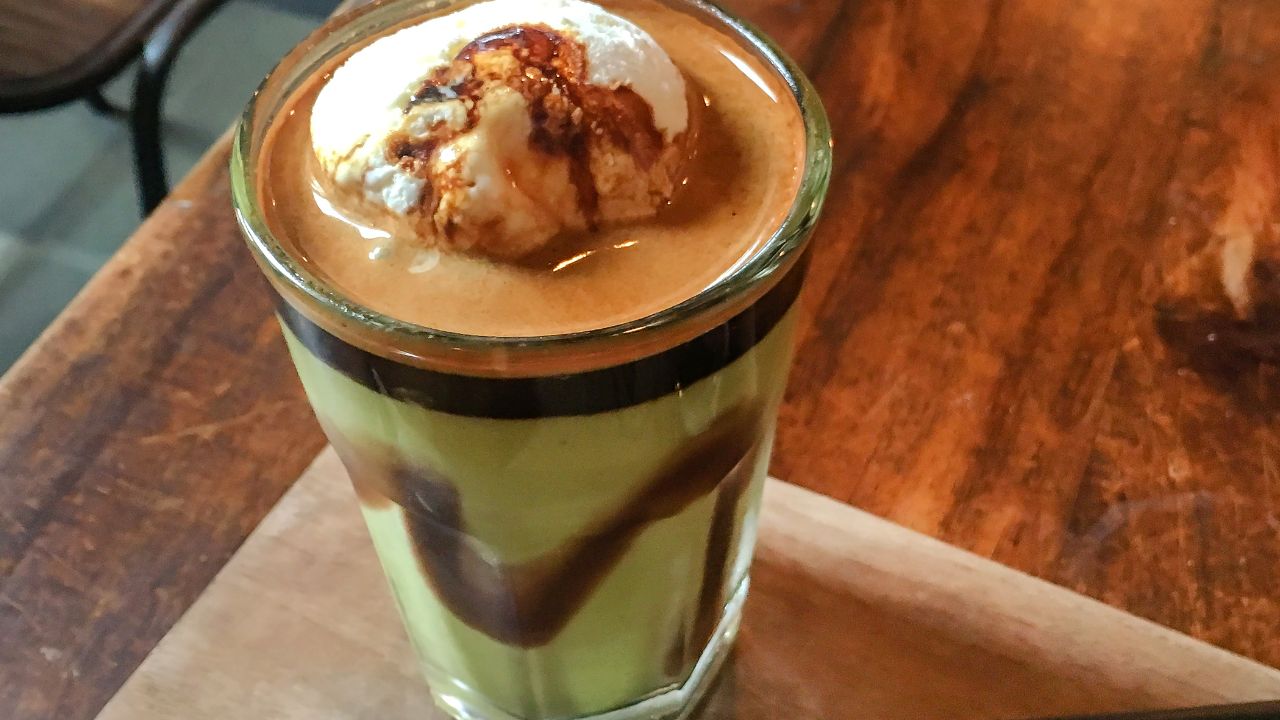
Listen, I’m all for creative coffee combinations, but avocado lattes crossed a line that shouldn’t have been crossed. When I first heard about this trend, I thought someone was pulling my leg. Avocados belong in my morning toast, my smoothie bowls, and definitely in my guacamole – not floating around in my coffee cup. The creamy texture that makes avocados perfect for so many dishes just doesn’t translate well to hot beverages. Instead of that smooth, rich coffee experience we crave, you get this oddly thick, slightly vegetal drink that leaves you questioning your life choices.
I’ve experimented with plenty of unconventional ingredients in my kitchen, turning unexpected combinations into something magical. But avocado lattes? They’re trying too hard to be trendy without actually tasting good. The subtle flavor of avocado gets lost completely when mixed with strong coffee, so you’re left with an expensive drink that’s neither creamy nor satisfying. If you want healthy fats in your morning routine, stick to adding a spoonful of coconut oil to your coffee or enjoying that avocado on the side. Some food trends deserve to fade away, and this green-tinged coffee experiment is definitely one of them.
24K gold leaf dishes
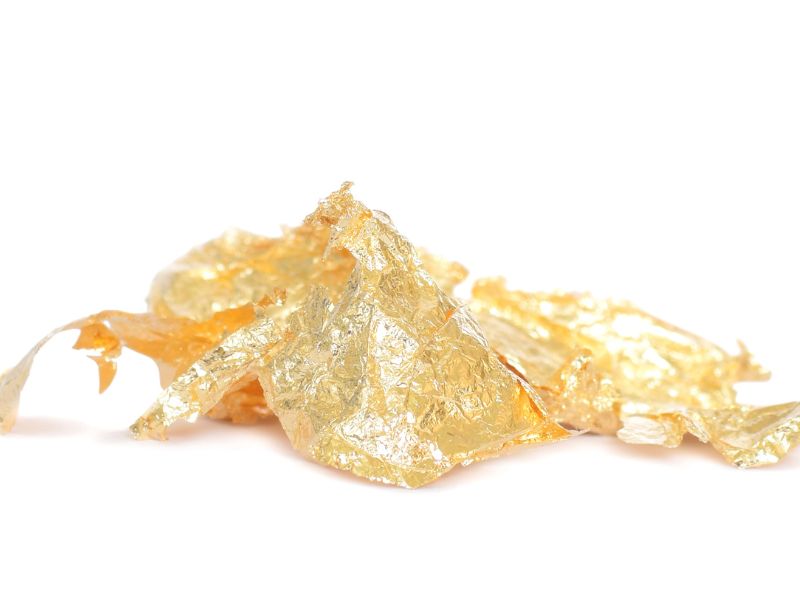
Look, I get it – we all want our food to feel special sometimes. But when I see those Instagram posts of perfectly good burgers drowning under sheets of edible gold leaf, my wallet starts crying and my practical side takes over. You’re literally eating money that adds absolutely nothing to the flavor, texture, or nutritional value of your meal. I’ve watched friends spend $200 on a gold-flecked steak that tastes exactly like a $30 steak without the shiny coating. The gold just sits there looking pretty until you chew it up and, well, let’s just say it exits your body the same way it entered – completely unchanged and utterly pointless.
What really bothers me about this trend is how it overshadows the actual cooking. I’d much rather see chefs focus their creativity on building complex flavors, perfecting techniques, or sourcing incredible ingredients that actually transform a dish. Give me a beautifully caramelized onion that took hours of patient stirring, or a perfectly balanced sauce that makes my taste buds dance – those are the real treasures worth paying for. When restaurants slap gold leaf on mediocre food and jack up the price, they’re basically admitting they can’t make their dish interesting enough on its own merits. Your money deserves better, and so does your dinner.
Extreme food challenges
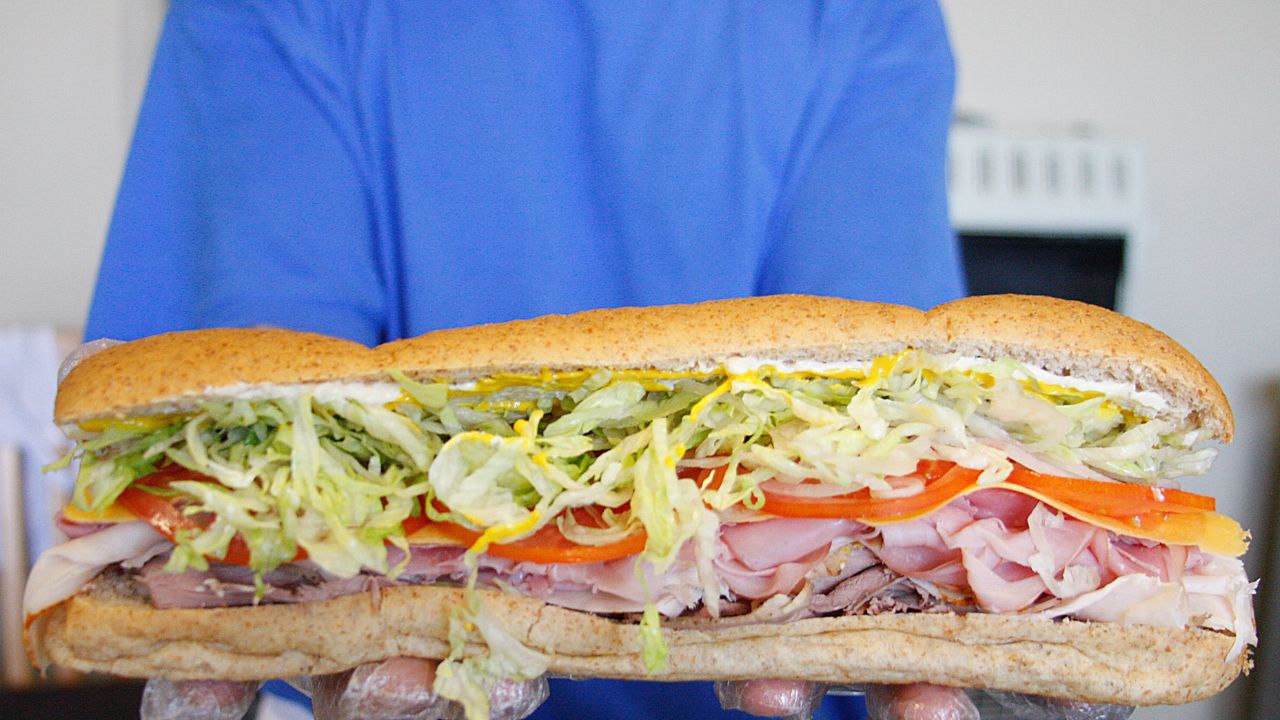
Listen, I get it – we all love a good spectacle, and watching someone attempt to eat a five-pound burrito or down fifty ghost peppers might seem entertaining. But honestly, these extreme food stunts have gotten completely out of hand, and they’re missing the entire point of what food should be about. When I see people forcing themselves to consume ridiculous portions or dangerously spicy items just for social media views, it breaks my heart a little. Food isn’t meant to be a weapon against your body or a tool for internet fame.
What really bothers me about this trend is how it completely disrespects the ingredients and the craft of cooking. Instead of celebrating the beautiful complexity of flavors or the nourishment that good food provides, we’re turning meals into painful endurance tests. I’d much rather see people getting excited about discovering a new spice blend or mastering the perfect balance in a homemade curry. There’s so much genuine joy to be found in cooking and eating mindfully – why waste time on stunts that leave you feeling sick? Let’s redirect that energy toward appreciating food that actually makes us feel good, both during and after the meal.
CBD-infused foods
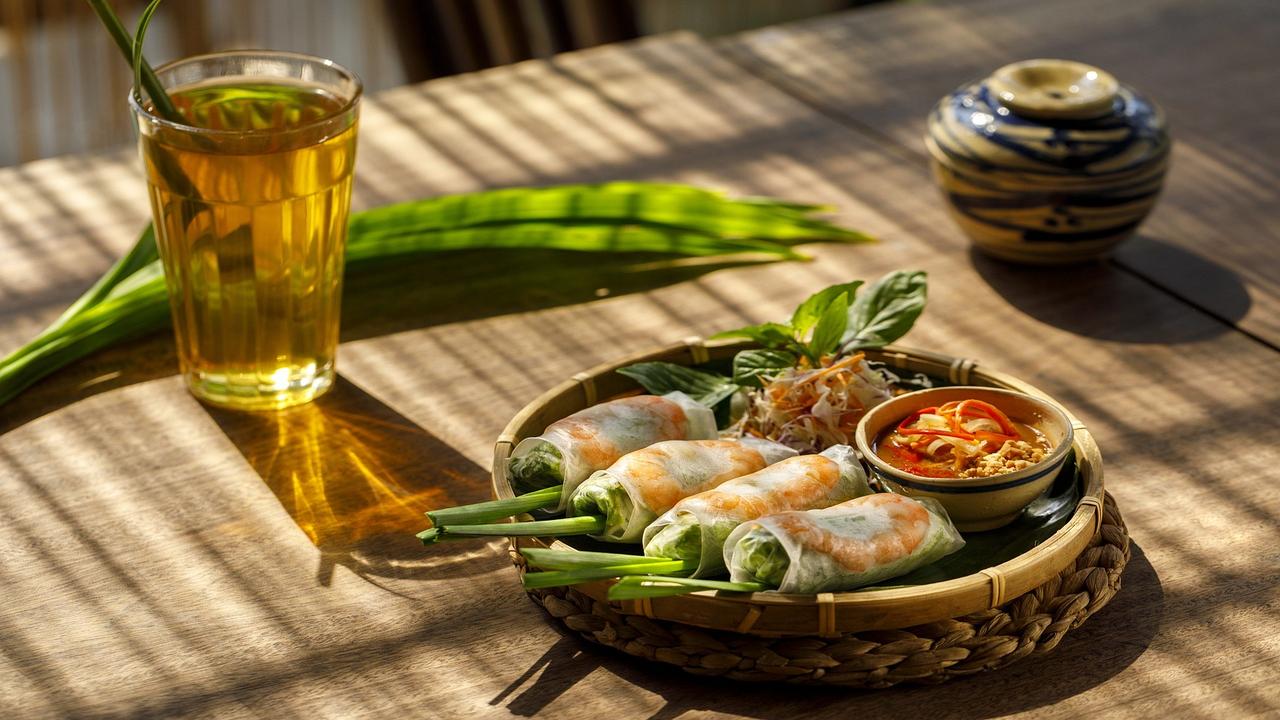
Look, I get the appeal of CBD-infused everything hitting grocery shelves and restaurant menus, but this trend feels more like marketing magic than meaningful cooking. You see brownies, gummies, lattes, and even fancy dinner dishes loaded with CBD oil, promising relaxation and wellness benefits. But here’s what bothers me as someone who spends my days creating nourishing meals from scratch—most of these products mask the earthy, sometimes bitter notes of CBD with tons of sugar and artificial flavors. That defeats the purpose of choosing wholesome ingredients that actually benefit your body.
Instead of reaching for that $15 CBD cookie that’s probably packed with processed ingredients, why not focus on foods that naturally support your wellbeing? I’d rather whip up a batch of my turmeric-ginger energy balls or brew a calming chamomile tea with raw honey. These ingredients have been soothing people for centuries without the confusion around dosing or the hefty price tag. If you want to incorporate CBD into your routine, consider adding a few drops of quality oil to your homemade smoothie or evening tea—that way you control exactly what goes into your body while keeping your wallet happy.
Zero-carb everything
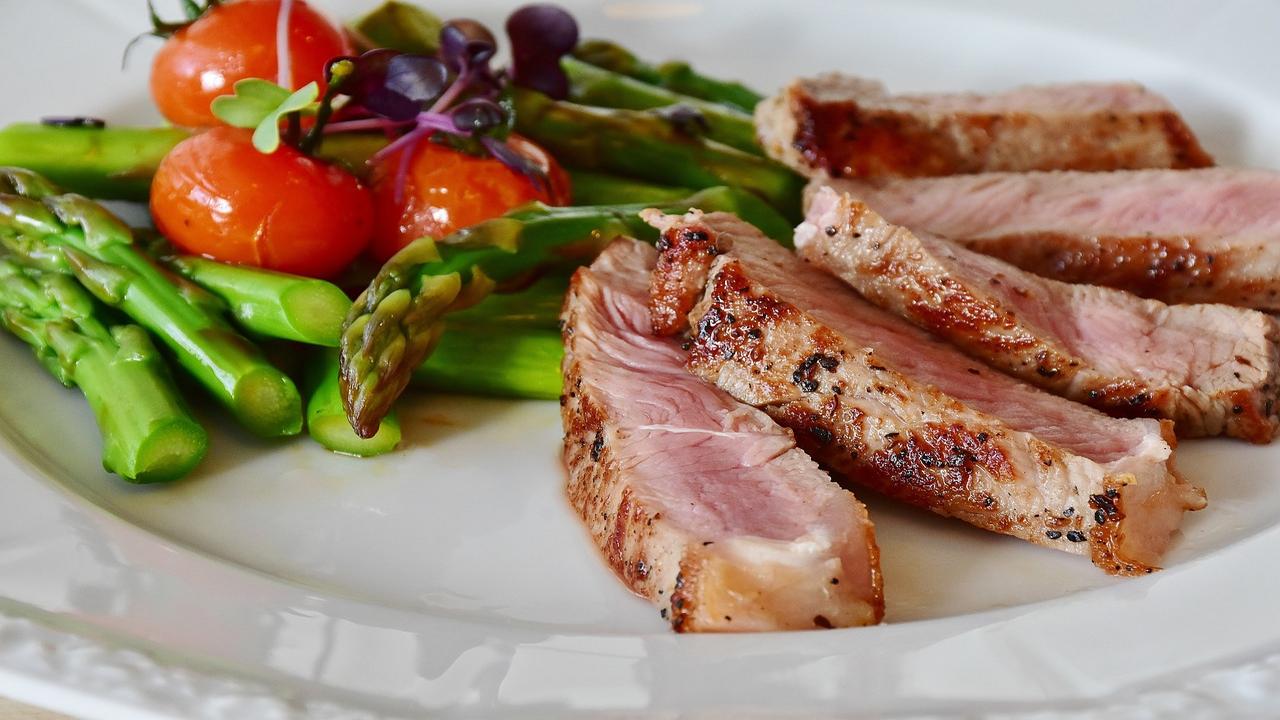
I get it—we all want to feel our best, and sometimes that means reassessing our relationship with carbs. But this obsession with zero-carb versions of everything has gotten completely out of hand. You don’t need to replace your beloved pasta with spiralized vegetables every single time you crave a comforting bowl of noodles. There’s something deeply satisfying about real grains, and your body actually needs those complex carbohydrates for sustained energy and brain function.
What bothers me most about this trend is how it demonizes entire food groups that have nourished humans for centuries. Instead of completely eliminating carbs, why not focus on choosing better ones? Swap refined white rice for nutty brown rice, or try ancient grains like quinoa and farro that bring incredible texture and flavor to your meals. I love making a simple grain bowl with whatever vegetables I have on hand—it’s nourishing, satisfying, and doesn’t require any weird processed substitutes. Your grandmother’s rice and beans weren’t the enemy, and neither are thoughtfully chosen whole grains that make your meals more satisfying and nutritionally complete.
Cloud eggs
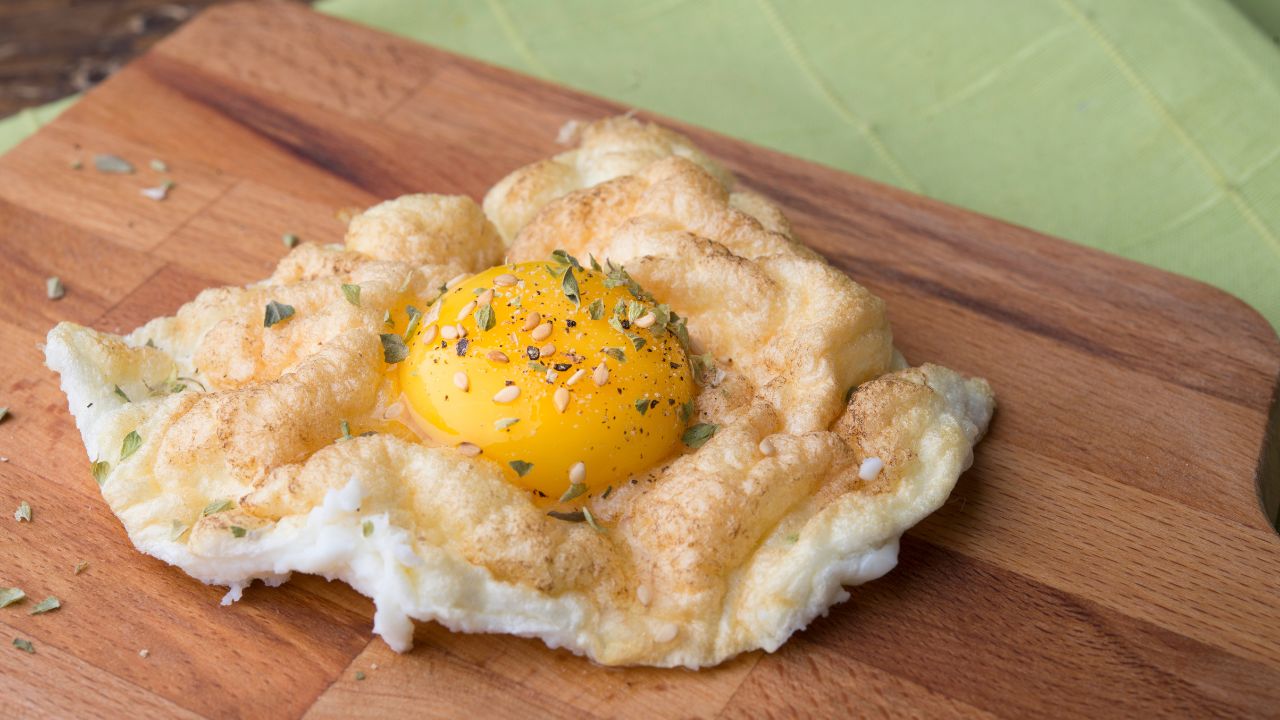
Listen, I get it—cloud eggs looked absolutely magical when they first started floating across our Instagram feeds. The concept seemed brilliant: separate your eggs, whip the whites into fluffy peaks, bake them until they’re pillowy and golden, then nestle the yolk back in like a sunny surprise. I tried making them countless times in my kitchen, convinced I was missing some secret technique that would make them worthwhile.
But here’s what I discovered after all those attempts: they’re mostly just show with very little substance. The whites become this weird, rubbery texture that doesn’t actually taste like much of anything, while the yolk sits there looking pretty but feeling completely disconnected from the rest. You spend fifteen minutes whipping and baking for what amounts to a less satisfying version of a regular fried egg. Instead of chasing these Instagram-worthy breakfast clouds, I’d rather spend that time making a proper scramble with farm-fresh eggs, maybe folded with some herbs from my garden or a sprinkle of good cheese. Real food that nourishes your body will always beat pretty food that disappoints your soul.
IV drip cocktails
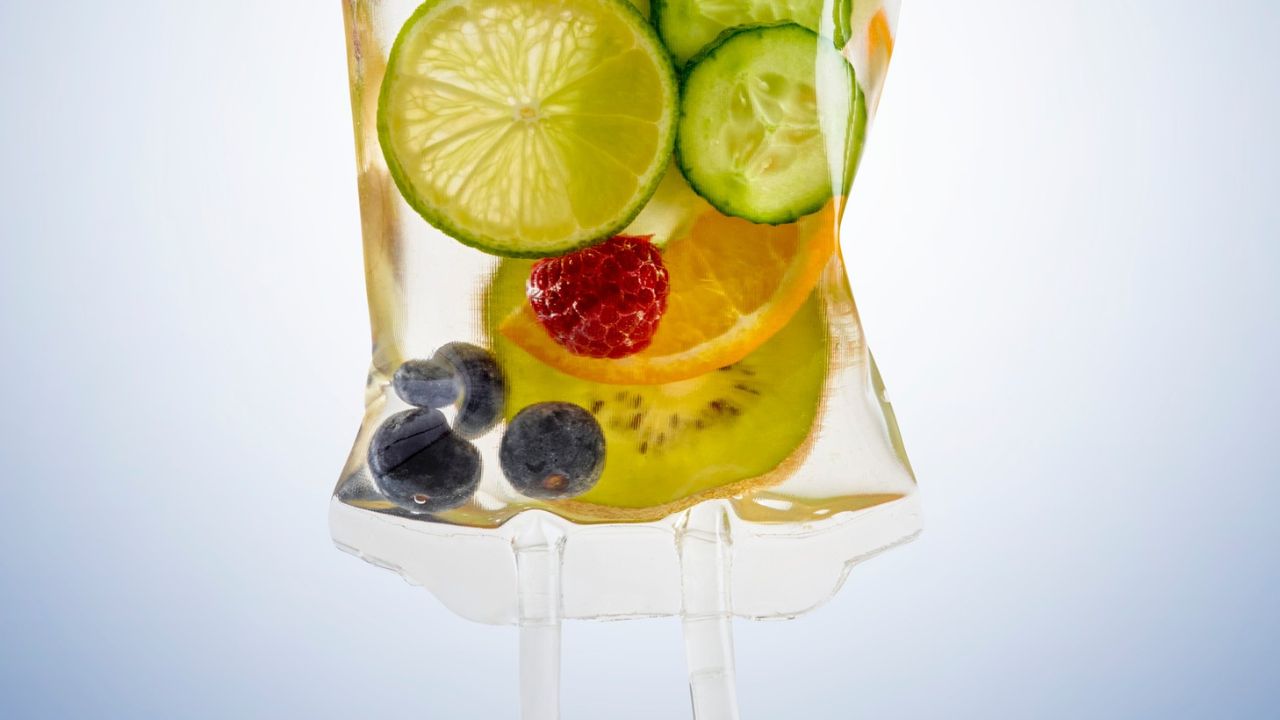
Listen, I’m all for creativity in the kitchen and behind the bar, but IV drip cocktails have taken theatrical presentation way too far. These drinks arrive at your table suspended from medical-grade IV bags, complete with tubing that feeds directly into your glass. Sure, it’s Instagram-worthy, but the novelty wears thin quickly when you realize you’re paying premium prices for what’s essentially a regular cocktail served through plastic tubing. The whole setup screams more medical procedure than relaxing evening out, and frankly, it makes me uncomfortable mixing hospital aesthetics with my happy hour.
From a practical standpoint, these contraptions are unnecessarily complicated and often compromise the drink quality. The alcohol sits in those bags for who knows how long, potentially affecting flavor and freshness. I’d much rather have a skilled bartender craft something beautiful in a proper glass, where I can appreciate the color, aroma, and presentation without medical equipment hovering overhead. Good cocktails should focus on quality ingredients and balanced flavors, not gimmicky delivery systems that add nothing to the actual drinking experience. Give me a well-made classic any day over this overly complicated theater.
Activated charcoal in food
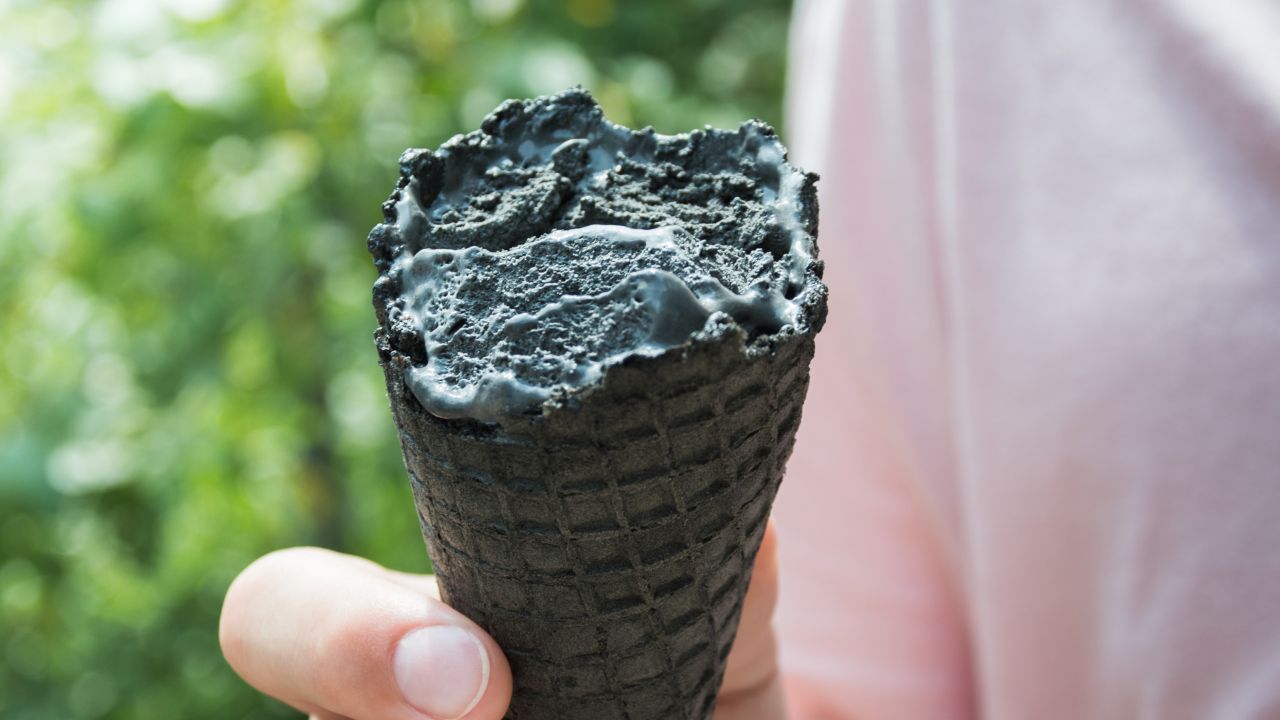
Friends, I need to be honest with you about activated charcoal in food – this trend has overstayed its welcome in our kitchens. Sure, those jet-black ice creams and charcoal-tinted burger buns looked striking on social media, but beyond the dramatic Instagram shots, what are we really getting? The supposed detox benefits that drove this trend simply don’t hold up when you dig into the science. Your body already has incredible natural detox systems working around the clock – your liver and kidneys are doing that job beautifully without any help from charcoal dust.
More importantly, activated charcoal can actually interfere with medications and supplements, making them less effective by absorbing them before your body can use them. As someone who believes in nourishing our bodies with real, wholesome ingredients, I’d much rather see you spend your money on vibrant, nutrient-dense foods that actually support your health. Instead of chasing trends that offer more style than substance, focus on creating meals with fresh herbs, colorful vegetables, and quality proteins. Your body will thank you for choosing ingredients that truly nourish rather than just ones that photograph well.
Super-sized milkshakes
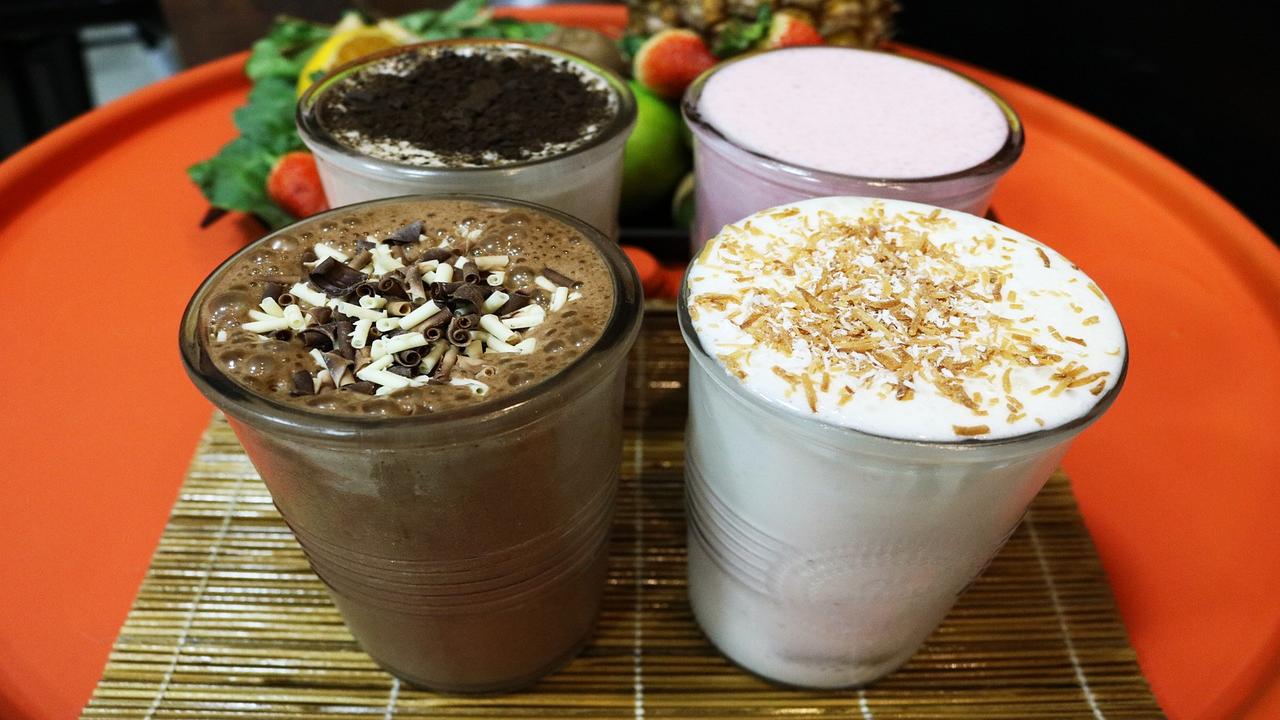
Look, I get it – we all love a good milkshake now and then. But these towering monsters topped with entire slices of cake, mountains of whipped cream, and enough candy to stock a convenience store? They’ve completely lost the plot. As someone who spends most of my time creating nourishing meals from scratch, watching people struggle to consume what amounts to three desserts stacked precariously on top of each other makes me genuinely sad. These Instagram-bait creations prioritize shock value over actual flavor, and honestly, most people can’t even finish them without feeling sick.
What happened to the simple joy of a perfectly crafted milkshake? I’m talking about real vanilla ice cream blended with fresh milk, maybe some ripe strawberries or a touch of malted powder – something that actually tastes good instead of just looking outrageous. When I make milkshakes at home, I focus on quality ingredients that work together harmoniously. Try blending frozen bananas with a splash of coconut milk and a hint of cinnamon, or mix Greek yogurt with fresh berries for something that satisfies your sweet tooth without requiring a crane to lift. Sometimes the most beautiful things are also the simplest, and your body will thank you for choosing substance over spectacle.
Unicorn food

Remember when everything had to be rainbow-colored and sparkly? I watched friends spend hours creating these Instagram-worthy unicorn treats, mixing artificial dyes into perfectly good ingredients just to achieve that magical aesthetic. The whole movement felt so disconnected from what I believe cooking should be about – celebrating natural flavors and nourishing our bodies with wholesome ingredients.
Don’t get me wrong, I love bringing joy and whimsy to the kitchen! But there’s something deeply satisfying about creating beautiful food using nature’s own palette. Think vibrant purple from roasted beets, sunny yellow from turmeric, or that gorgeous pink from dragon fruit. These natural colors tell stories of real ingredients with actual nutritional benefits, not just empty calories masked in artificial rainbow hues. Your family deserves better than processed food coloring when you can create equally stunning dishes using whole foods that actually fuel their bodies. The magic happens when you realize how incredibly colorful real food can be without any fake additives.
Edible glitter
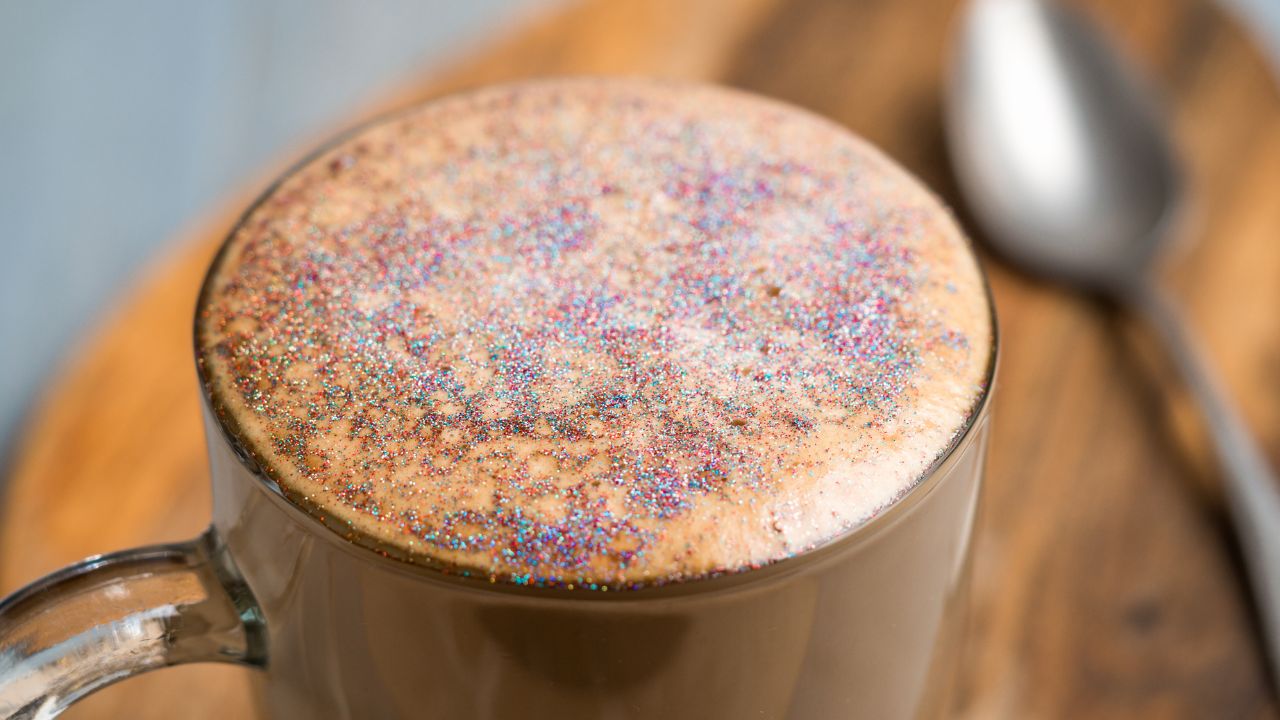
Listen, I get it – we all want our food to look Instagram-worthy, but edible glitter feels like we’ve lost our way from what really matters in cooking. When I’m in my kitchen creating something beautiful, I reach for vibrant turmeric, beetroot powder, or spirulina for natural color and sparkle. These ingredients don’t just make your dish pretty; they bring actual nutrition and flavor to the table. Real food has its own gorgeous shine – think about the natural gloss on a perfectly ripe tomato or the way olive oil catches light on fresh bread.
The truth is, most edible glitter is just processed sugar and artificial additives that add nothing meaningful to your meal. I’d much rather sprinkle some toasted sesame seeds, crushed rose petals, or finely grated citrus zest over my desserts for that special something. These natural garnishes create visual interest while adding texture, aroma, and authentic flavors that complement your dish. Food should nourish your body and soul – not just look good in photos. Save the glitter for craft projects and let your ingredients shine through their own natural beauty.
Deconstructed dishes
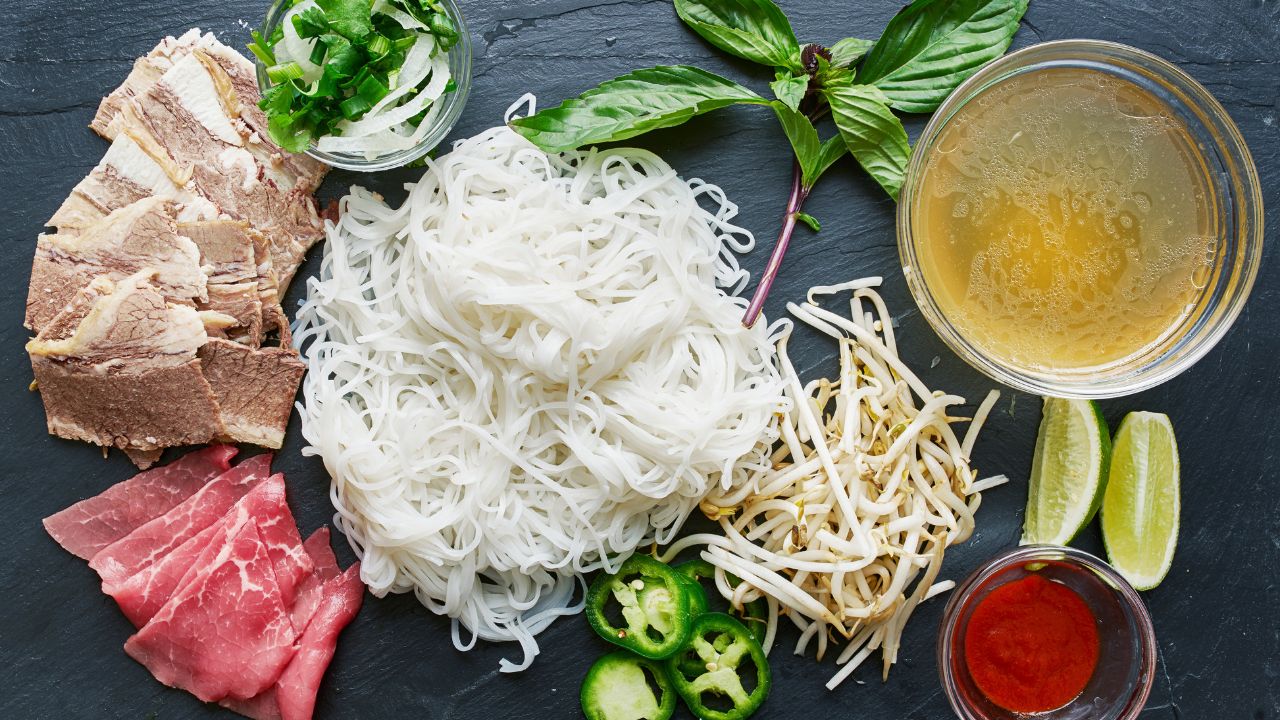
Listen, I get it—seeing your favorite dessert or classic dish broken down into its individual components can feel exciting at first. But honestly, I’m over the whole deconstructed trend. When I go to a restaurant and order apple pie, I want apple pie, not scattered apple pieces, a dollop of cinnamon ice cream, and crumble dust artfully arranged on a slate. The magic happens when ingredients come together, not when they’re separated like they’re in timeout.
Food is about connection—flavors mingling, textures playing off each other, creating something greater than the sum of its parts. That’s what I love about cooking at home: watching ingredients transform as they cook together, building layers of flavor that tell a story. Deconstructed dishes miss that point entirely. They prioritize Instagram-worthy plating over the actual eating experience. Give me a messy, beautiful, properly constructed dish where every bite delivers the complete experience. Your fork shouldn’t have to play assembly line worker before you can enjoy your meal.