Co-worker Ordered a Chipotle Bowl with White Rice and Meat. She Demanded I Drive Back Because It ‘Wasn’t Full’.
There’s an old saying, “Don’t look a gift horse in the mouth.” It’s a simple reminder of a timeless piece of etiquette: when someone does you a kindness, you accept it with grace and gratitude. You certainly don’t start critiquing the favor or demanding more.
However, one woman recently took to the internet to share a workplace story that proves not everyone got that particular memo. Her simple, kind gesture of organizing a group lunch has turned into a stressful ordeal, all thanks to one impossibly picky colleague who seems to believe she’s entitled to a personal concierge service.
The Incident
The story begins with a simple act of camaraderie. A woman, who only works in the office about once a month, decided to make her lunch break a little more interesting by trying new local restaurants. Her colleagues took notice, and soon she was generously offering to coordinate a group order whenever she went out. She wasn’t making a cent; she was just being a good coworker, collecting money via Venmo and doing the driving.
But as the saying goes, no good deed goes unpunished. One coworker in particular, a woman from a different department, has become the bane of this lunch run. She is described as an “extremely picky eater,” someone who eats only plain meat with no seasoning, no vegetables, and no dairy. Despite her rigid palate, she insists on ordering from new and interesting restaurants, only to be disappointed every single time.
The problem is, she doesn’t blame the restaurant for the inevitable mistakes—she blames the woman doing her the favor. She gets angry, demands the food be inspected at the restaurant, and has even asked her colleague to “drive her food back, get a refund, etc.” The woman doing the favor rightly points out, “I am not a paid meal delivery service.”
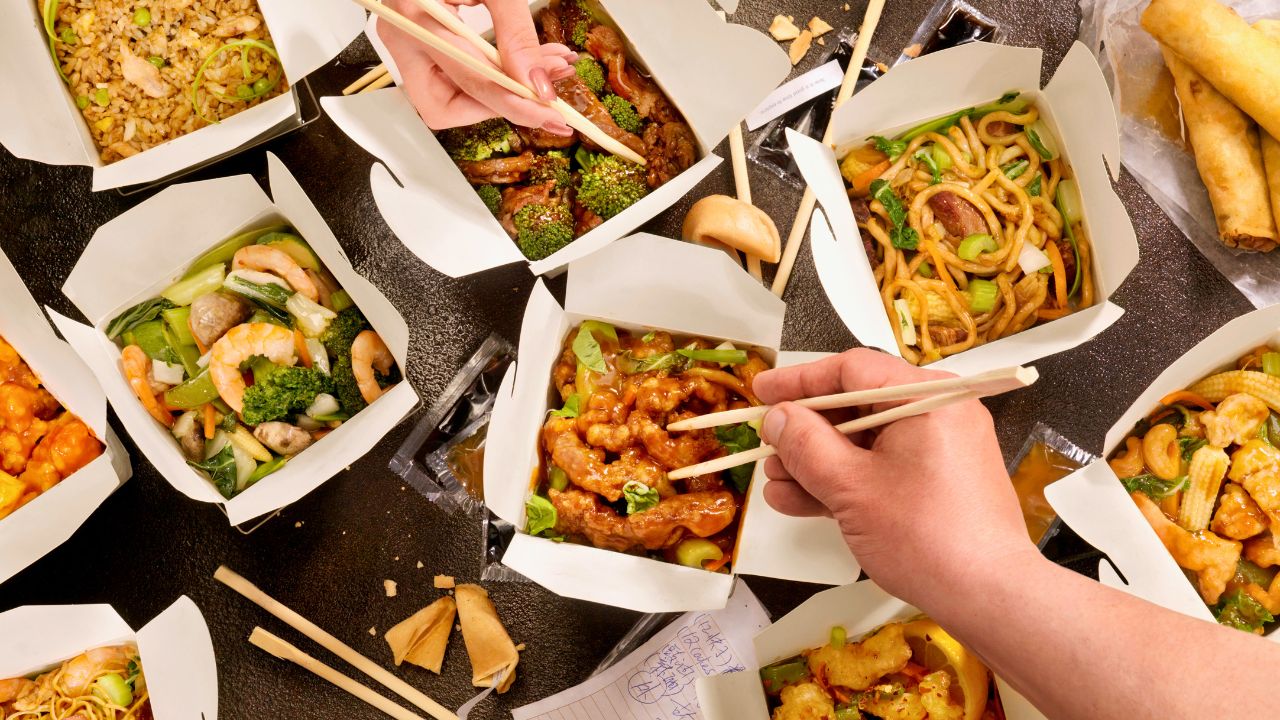
Things came to a head during a recent Chipotle order for about 10 people. The picky coworker ordered a simple bowl of white rice and carne asada. When the food arrived, she was furious. Why? She felt her “bowl was not full enough.”
She then had the audacity to demand her colleague leave the office, drive all the way back to Chipotle, and argue for more food. When her colleague refused, citing a meeting, the woman demanded a refund—from her colleague’s own pocket! This kind gesture had officially become a source of dread.
The Internet Reacts
When the woman shared her story online, asking if she would be wrong to exclude this colleague from future lunch orders, the internet responded with a resounding chorus of support. The reactions generally fell into two camps: those who were furious on her behalf, and those who offered tactical advice for shutting down the behavior without causing a major office incident.
First came the “Absolutely Not” crowd, who were simply appalled by the coworker’s nerve. They felt the woman was well within her rights to stop this nonsense immediately. One commenter summed up the collective outrage perfectly: “You are doing everyone a favor and she’s treating you like [dirt] – she actually asks you to drive BACK? And asks YOU for a refund?! Hell no.”
Another put it bluntly, stating that the picky eater was simply “nuts” for demanding a refund from a coworker.
Then there was the more strategic camp, which advised a less direct, but equally firm, approach. The most popular suggestion was to send a group email to everyone who participates in the lunch order, setting new ground rules. One person, who identified as a former HR professional, strongly endorsed this idea.
A commenter offered a brilliant script for the email: “Due to the growing number of orders I won’t be able to do any quality control on pick-ups going forward. If your order is not fulfilled by the restaurant you will be responsible for resolving it with the restaurant. I won’t be able to return them or compensate anyone.” This approach cleverly addresses the problem without publicly singling the woman out.

A few others suggested a more direct, one-on-one conversation. They argued that there was no need to hide behind a group email when the problem was one person’s behavior. A popular comment suggested saying, “I’ve noticed that you are usually unhappy with the food I bring back for you.
I’m not a meal delivery service and I’m not comfortable being the middle man given your high standards. Going forward, you’ll have to make your own arrangements.” It’s direct, honest, and puts the responsibility right back where it belongs.
The Etiquette Verdict
Let’s be perfectly clear: the picky coworker’s behavior is an absolute failure of manners and basic decency. When someone is doing you a favor—and let’s not forget, organizing and fetching lunch for ten people is a significant favor—you are a grateful recipient, period. You do not treat them like an employee. You do not make them your personal complaint department.

To demand someone use their work time to fix a minor issue like an underfilled burrito bowl is astoundingly entitled. To then demand they refund you out of their own money is beyond the pale. This woman has taken a lovely, team-building gesture and twisted it into a transaction where she is the perpetually dissatisfied customer. That is not how favors work, and it is certainly not how you treat a colleague.
The “Call to Action”
This situation leaves us with a classic workplace dilemma. It’s a question of tactics, not of right and wrong. So, what would you do in her shoes?
Should the woman send a polite group email to set new boundaries for everyone, or is it better to address the difficult coworker directly and tell her she’s no longer included?
Ready for the next level of insight? Discover more in my latest article here.