15 Budget-Friendly Cooking Hacks Pro Chefs Actually Use
Professional chefs didn’t become masters by throwing money at every problem—they learned to squeeze magic from tight budgets and humble ingredients. Behind those pristine restaurant kitchens lies a treasure trove of penny-pinching wisdom that transforms ordinary home cooks into budget ninjas.
You know those fancy chef coats? They hide pockets stuffed with clever tricks that stretch dollars further than a yoga instructor. From transforming vegetable scraps into liquid gold to making one chicken feed a small army, these pros have cracked the code on eating well without breaking the bank.
Ready to cook like a chef without the chef’s salary? These fifteen battle-tested strategies will revolutionize your kitchen game and fatten your wallet simultaneously. Your future self will thank you when you’re savoring restaurant-quality meals while your neighbors wonder how you afford to eat so well.
Keep Basic Pantry Essentials
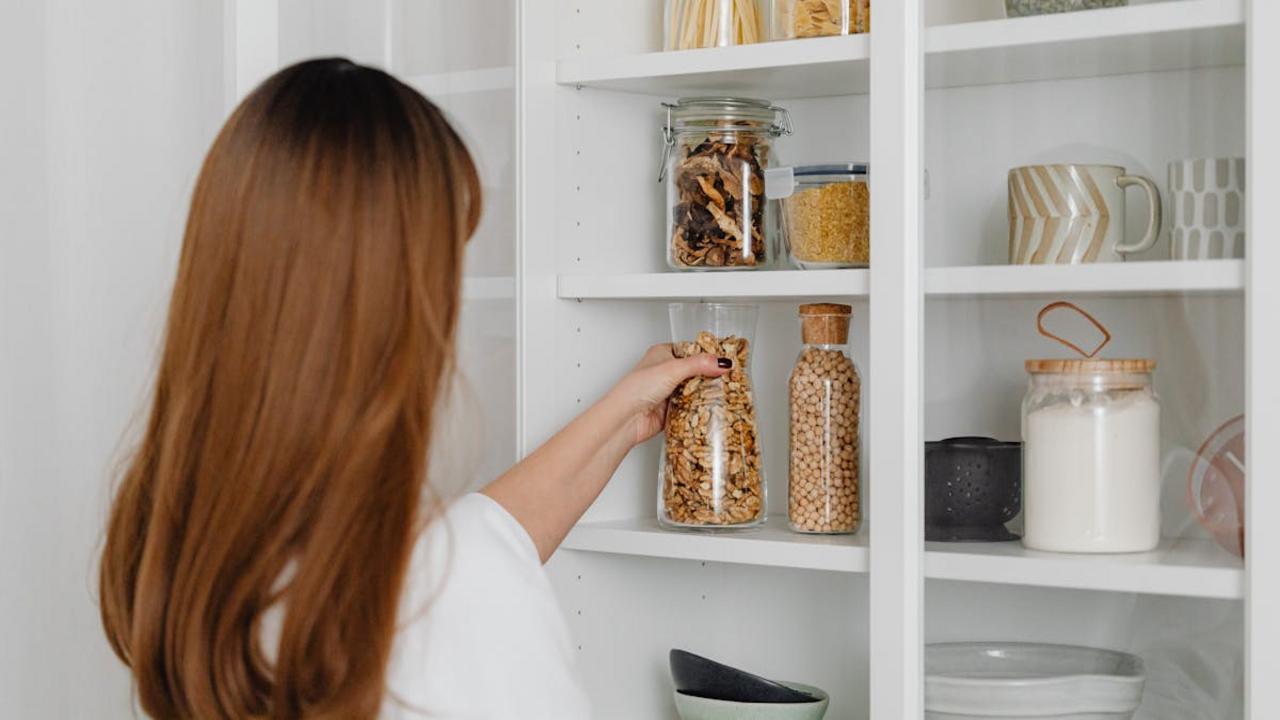
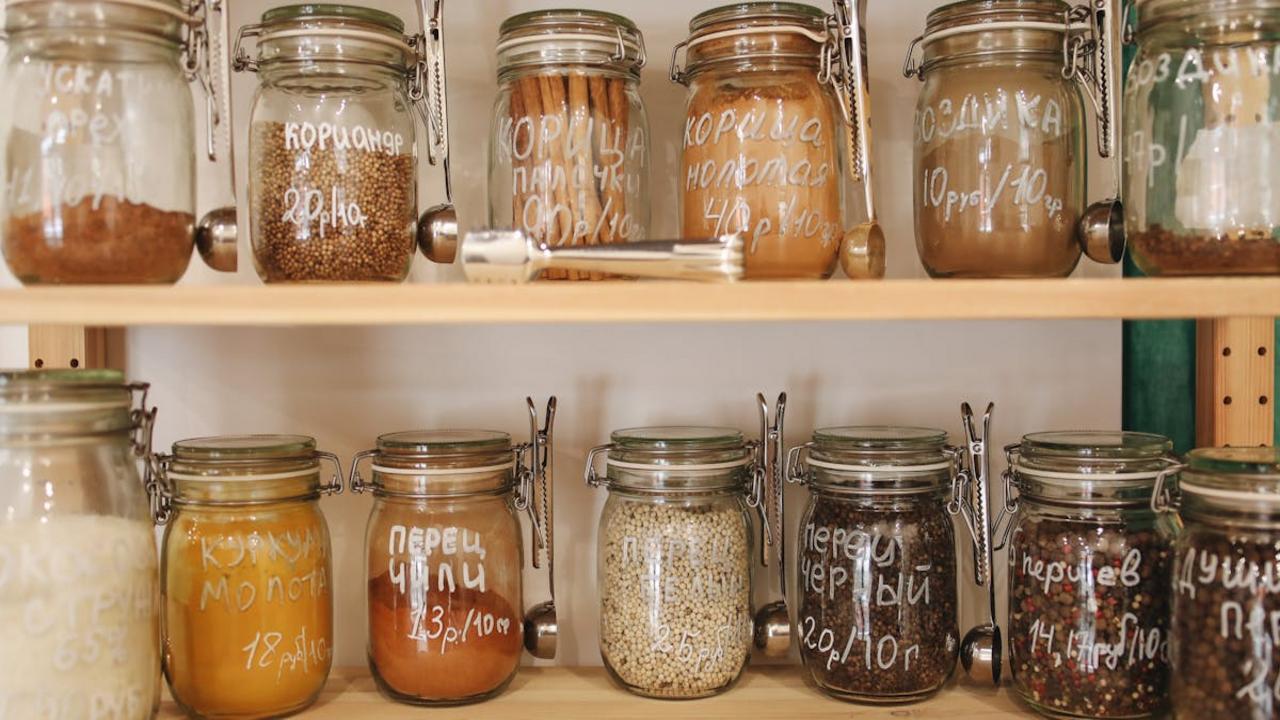
Your pantry should be like that reliable friend who always has your back—stocked with the fundamentals that can transform any cooking disaster into a triumph. Think garlic powder, onion powder, paprika, dried herbs like oregano and thyme, plus your holy trinity of salt, pepper, and olive oil. Pro chefs swear by keeping canned tomatoes, pasta, rice, and dried beans on hand because these ingredients form the backbone of countless dishes across every cuisine imaginable. I once watched a chef friend whip up an incredible dinner party spread using nothing but pantry staples when her grocery delivery got delayed—talk about kitchen magic!
The beauty of a well-stocked pantry lies in its ability to rescue you from the dreaded “there’s nothing to eat” syndrome while keeping your wallet happy. Those expensive trips to grab single-use specialty ingredients become ancient history when you’ve got versatile staples ready to roll. Canned coconut milk can become curry base, dessert ingredient, or coffee creamer depending on your mood. Rice transforms into risotto, fried rice, or rice pudding with just a few pantry additions. Smart chefs know that having these basics means you’re always one creative moment away from a delicious meal, whether you’re feeding yourself on a Tuesday night or impressing unexpected guests who drop by.
Time Your Grocery Shopping
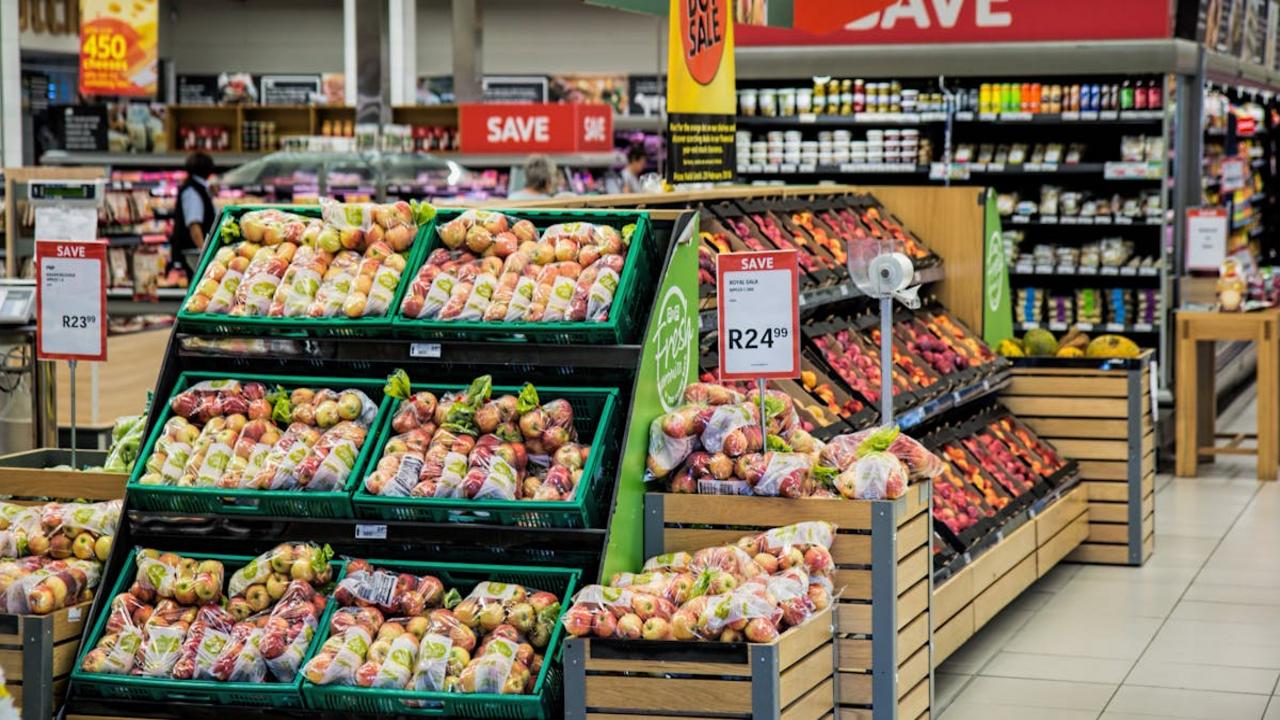
Professional chefs know that shopping at the right time can slash your grocery bill faster than you can say “clearance rack.” Most stores mark down their prepared foods, bakery items, and perishables during specific hours – usually late evening or early morning when they need to move inventory before it expires. I once scored a massive beef tenderloin for $8 because I wandered into my local grocery store at 7 PM on a Tuesday. The butcher practically threw it at me with a grateful smile! Many stores also rotate their sales on different days of the week, so Wednesday might be produce day while Thursday brings meat specials.
The secret weapon here is befriending your store employees – they’ll spill the beans about exactly when those markdown stickers start flying. Some stores even have unofficial “clearance hours” where savvy shoppers gather like bargain-hunting vultures around the reduced-price sections. You’ll find day-old bread perfect for French toast, slightly soft fruits that transform into incredible smoothies, and those fancy cheeses you normally can’t afford suddenly within reach. Smart timing doesn’t just save money; it opens up ingredients you might never have tried otherwise. That discounted duck breast could become your new signature dish!
Choose Cheaper Protein Alternatives
Your wallet doesn’t have to weep every time you crave protein! Pro chefs know that expensive cuts of meat aren’t the only ticket to flavor town. Chicken thighs cost about half the price of breasts but pack twice the taste with their rich, juicy texture that actually improves with cooking time. Eggs become your best friend at roughly 25 cents each – scramble them into fried rice, whip them into carbonara, or turn them into a Spanish tortilla that’ll feed four people for under five bucks. Ground turkey often goes on sale and transforms beautifully into meatballs, tacos, or a hearty chili that tastes like you spent all day on it.
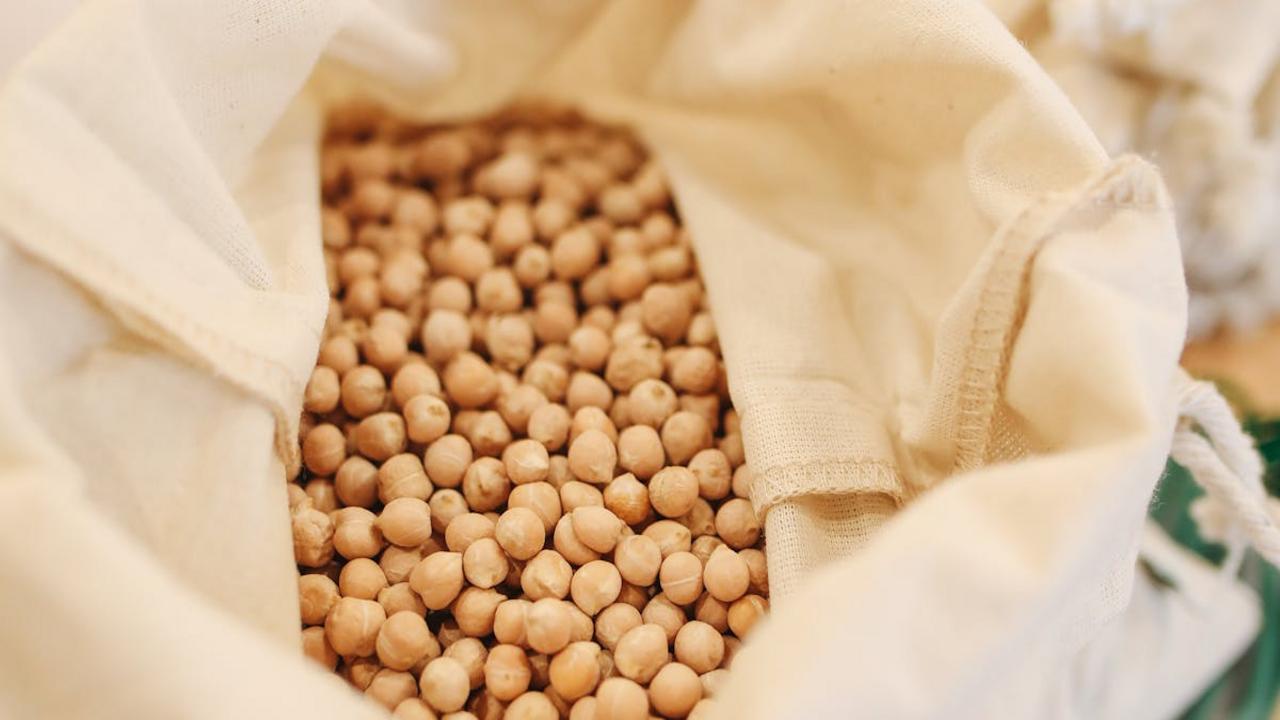
Here’s where things get really clever: legumes and beans aren’t just hippie food – they’re protein powerhouses that professional kitchens secretly love. A can of black beans costs under a dollar and contains nearly the same protein as a chicken breast, plus they add incredible texture to everything from burgers to pasta sauce. Tofu might seem intimidating, but freeze it overnight, then thaw and crumble it into your next bolognese – I guarantee you won’t miss the ground beef, and your bank account will thank you. Canned salmon and tuna transform into fancy-looking croquettes or pasta dishes that taste like restaurant fare but cost less than your morning coffee.
Use Simple Spice Combinations

You know what separates the pros from the home cooks fumbling around their spice cabinets like they’re playing culinary Jenga? They don’t reach for seventeen different jars to make something taste amazing. Professional chefs swear by simple two or three-spice combinations that pack maximum punch without breaking the bank or requiring a PhD in flavor chemistry. Think salt and pepper got boring? Try pairing cumin with smoked paprika for an instant smoky warmth, or combine garlic powder with dried oregano for that Mediterranean magic that makes even leftover pasta sing opera.
The secret lies in understanding which spices actually play nice together, and here’s a fun fact: most expensive spice blends you buy at the store contain just three to five basic spices you probably already own. Cinnamon and cayenne create that sweet-heat combo that transforms everything from roasted carrots to chocolate desserts into something restaurant-worthy. Or grab some thyme and black pepper – this dynamic duo turns simple roasted chicken into something your neighbors will smell three houses away and start plotting dinner invitations. Smart chefs know that mastering these simple partnerships means you can make any ingredient taste like it cost twice what you paid for it.
Repurpose Leftovers
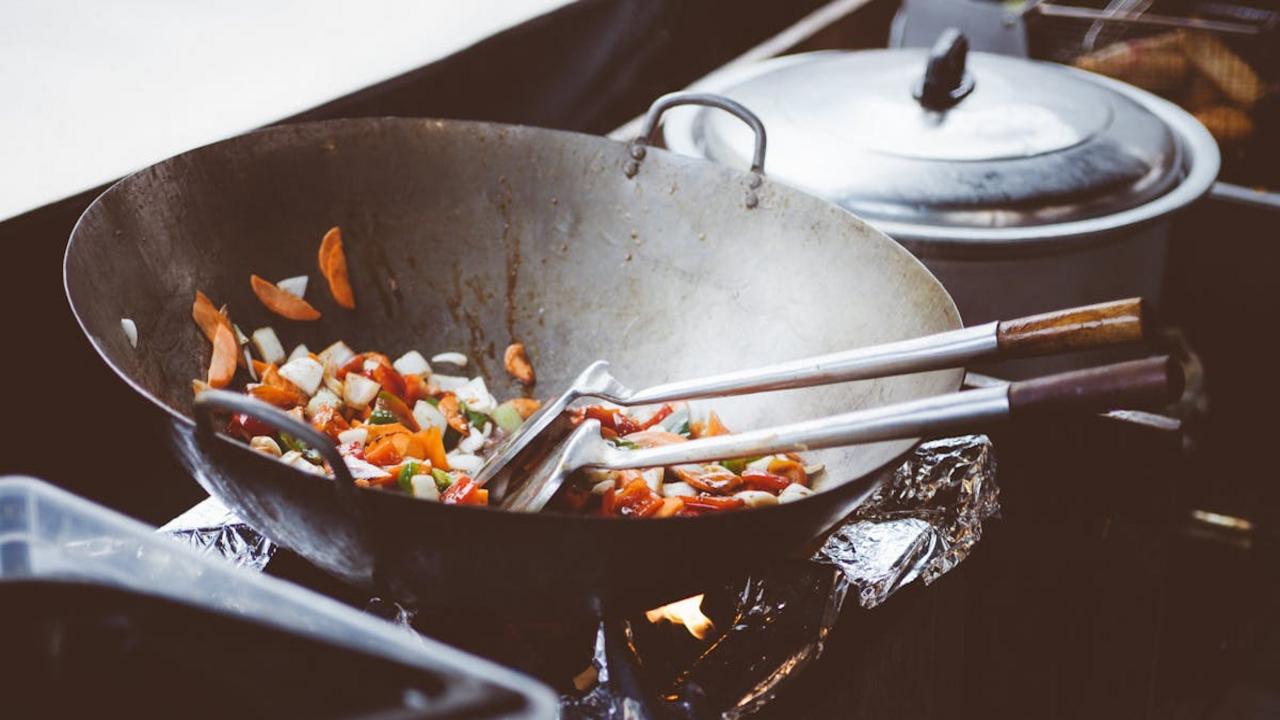
Your fridge right now probably looks like a sad museum of half-eaten meals, doesn’t it? That lonely piece of roasted chicken from Tuesday, the rice that’s seen better days, and don’t even get me started on that container of vegetables you swore you’d finish “tomorrow.” Professional chefs don’t throw money in the trash—they transform yesterday’s dinner into today’s masterpiece. That chicken becomes the star of a killer fried rice, those vegetables morph into a hearty soup, and suddenly you’re eating like royalty while your wallet stays happy. The secret lies in thinking beyond the original dish and seeing ingredients for what they could become, not what they once were.
Here’s where it gets fun: leftovers often taste better the second time around because flavors have had time to mingle and get cozy together. Transform that boring pasta into a crispy pasta frittata by mixing it with beaten eggs and frying it up. Turn stale bread into golden breadcrumbs that’ll make your future self thank you profusely. Even that sad-looking salad can become the base for a fantastic grain bowl with some creative additions. Professional kitchens operate on a “waste not, want not” philosophy that keeps costs down and creativity up. Start viewing your leftovers as puzzle pieces waiting to create something completely new, and you’ll never look at your fridge the same way again.
Cook Large Batches
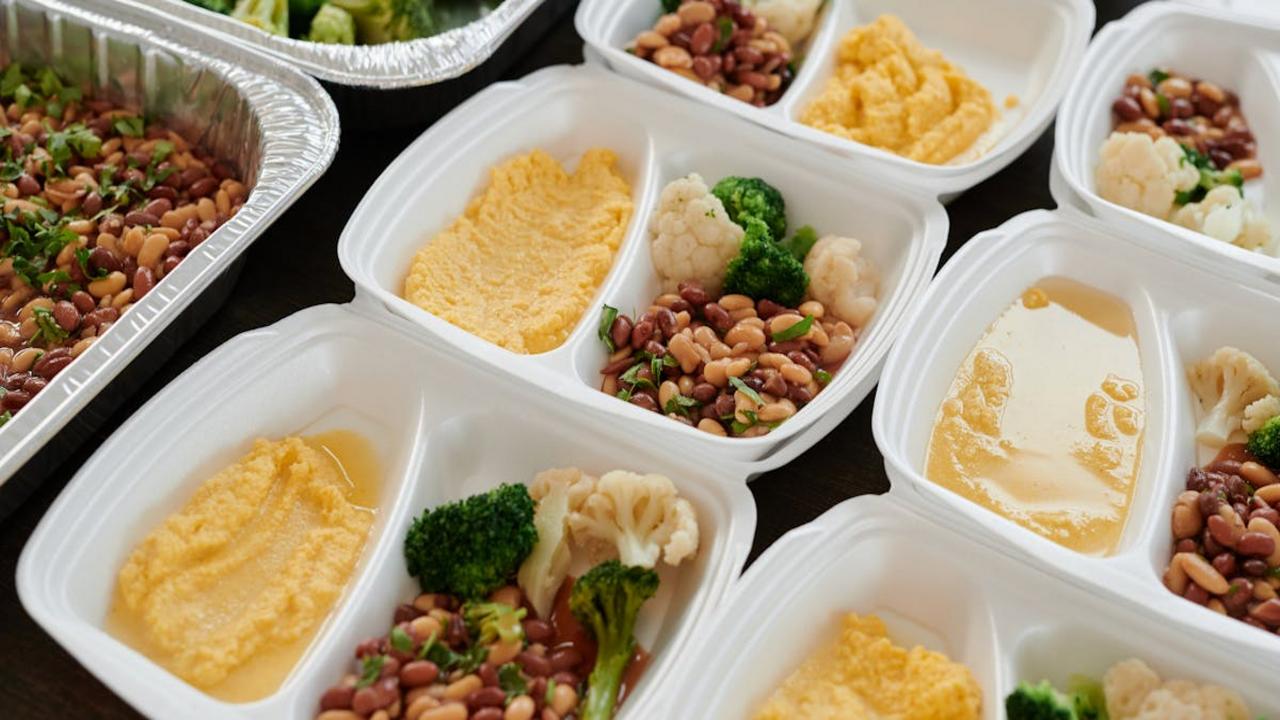
Picture this: you’re standing in your kitchen on Sunday afternoon, armed with the biggest pot you own and enough ingredients to feed a small village. Professional chefs don’t cook single servings because they’re masochists who love washing dishes—they batch cook because it’s pure genius wrapped in practicality. When you make a massive pot of chili, soup, or curry, you’re basically giving your future self the gift of effortless weeknight dinners. Plus, many dishes actually taste better after sitting for a day or two, allowing all those flavors to mingle and throw their own little party in your fridge.
Here’s the secret sauce: cooking in large quantities dramatically reduces your cost per serving because you can buy ingredients in bulk and maximize every ounce of energy you spend chopping, stirring, and seasoning. A restaurant-sized batch of marinara sauce costs roughly the same to make as a tiny portion, but you’ll have enough to freeze in meal-sized containers for months. Your freezer becomes your personal convenience store, stocked with homemade treasures instead of overpriced frozen meals that taste like cardboard dipped in sadness. Smart chefs know that doubling or tripling a recipe requires minimal extra effort but delivers maximum payoff—suddenly you’re eating like royalty while spending like a college student surviving on ramen.
Master One Pot Meals
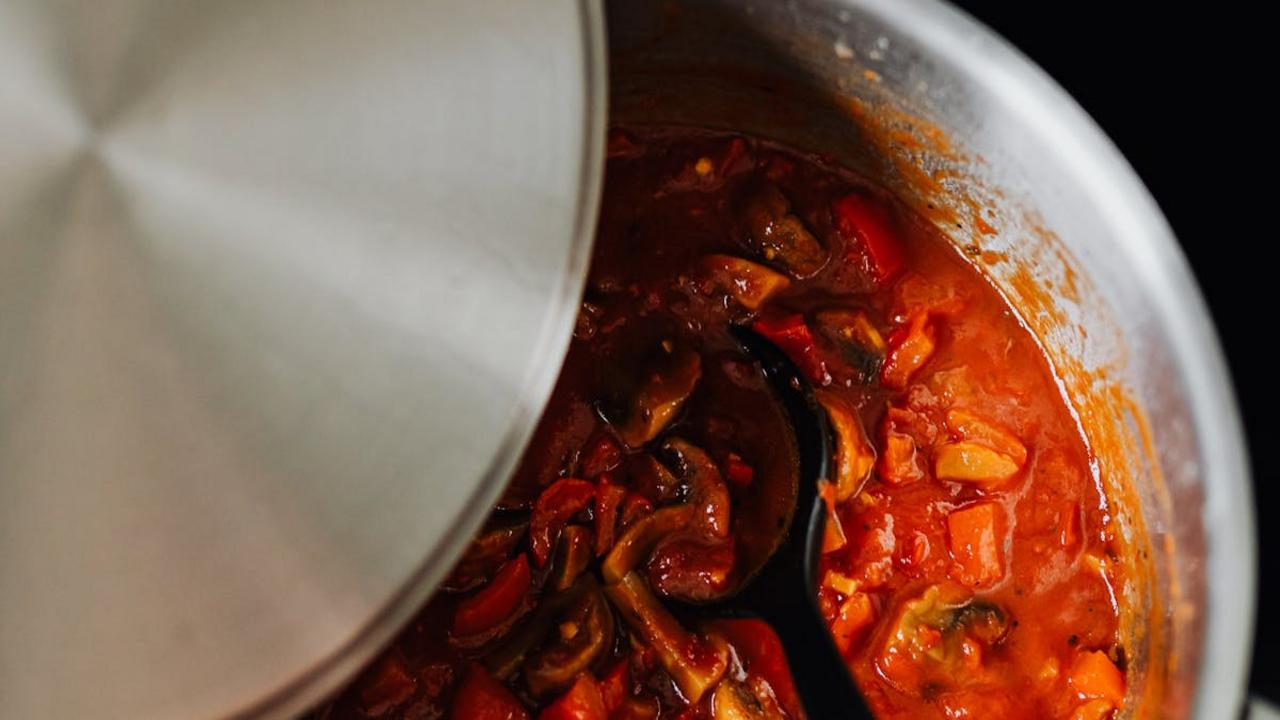
One pot meals are the superhero capes of the cooking world – they swoop in to save the day when your sink is already overflowing with dishes and your energy levels are running on fumes. These magical concoctions let you throw everything into a single vessel and watch it transform into something spectacular, like a edible magic trick that actually works every time. The best part? You’re not just saving on cleanup time; you’re also maximizing flavor because all those ingredients get cozy together, sharing their essence like old friends at a dinner party.
Professional chefs absolutely adore one pot wonders because they understand that fewer dishes means more focus on the actual cooking process. Think about it – while your pasta is bubbling away with chunks of tomatoes, garlic, and whatever vegetables are staging a revolt in your crisper drawer, all those flavors are mingling and creating something far more complex than if you’d cooked each component separately. Plus, there’s something deeply satisfying about watching ingredients transform in real-time, like witnessing a delicious science experiment unfold right before your eyes. From hearty stews that smell like Sunday afternoons to pasta dishes that practically cook themselves, mastering this technique means you’ll never again stare helplessly into your refrigerator wondering how to turn random ingredients into an actual meal.
Learn Basic Knife Skills
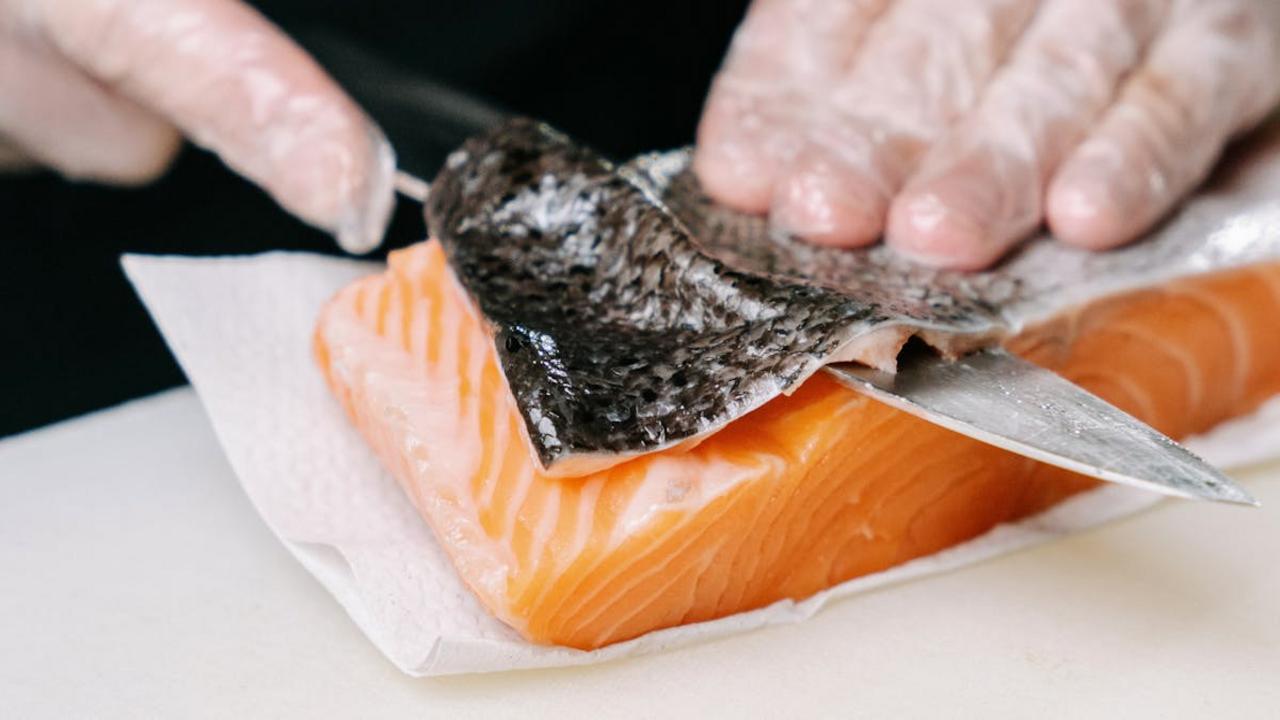
Your knife is basically your kitchen’s best friend, and honestly, watching someone who knows what they’re doing with a blade is pure poetry in motion. Professional chefs don’t just chop vegetables – they conduct an orchestra of precision cuts that make prep work lightning-fast and wallet-friendly. When you master proper knife techniques, you’ll slice through ingredients with the confidence of someone who definitely didn’t just watch three YouTube videos (even though we all start somewhere, right?). Here’s the kicker: good knife skills mean you’ll waste less food, cook more evenly, and actually enjoy the meditative rhythm of proper chopping.
Start with the basics – hold your knife like you mean business, fingers tucked into a claw grip that protects your precious digits from becoming accidental ingredients. Practice your julienne, brunoise, and chiffonade cuts until muscle memory kicks in, because once you can dice an onion without crying (from technique frustration, not the onion itself), you’ll save serious cash by buying whole vegetables instead of pre-cut packages. Those pre-chopped veggies cost about three times more than whole ones, and frankly, they’ve usually been sitting around longer than your last relationship. Sharp knives are safer than dull ones – counterintuitive but true – so invest in a decent chef’s knife and keep it properly maintained.
Buy in Bulk Wisely
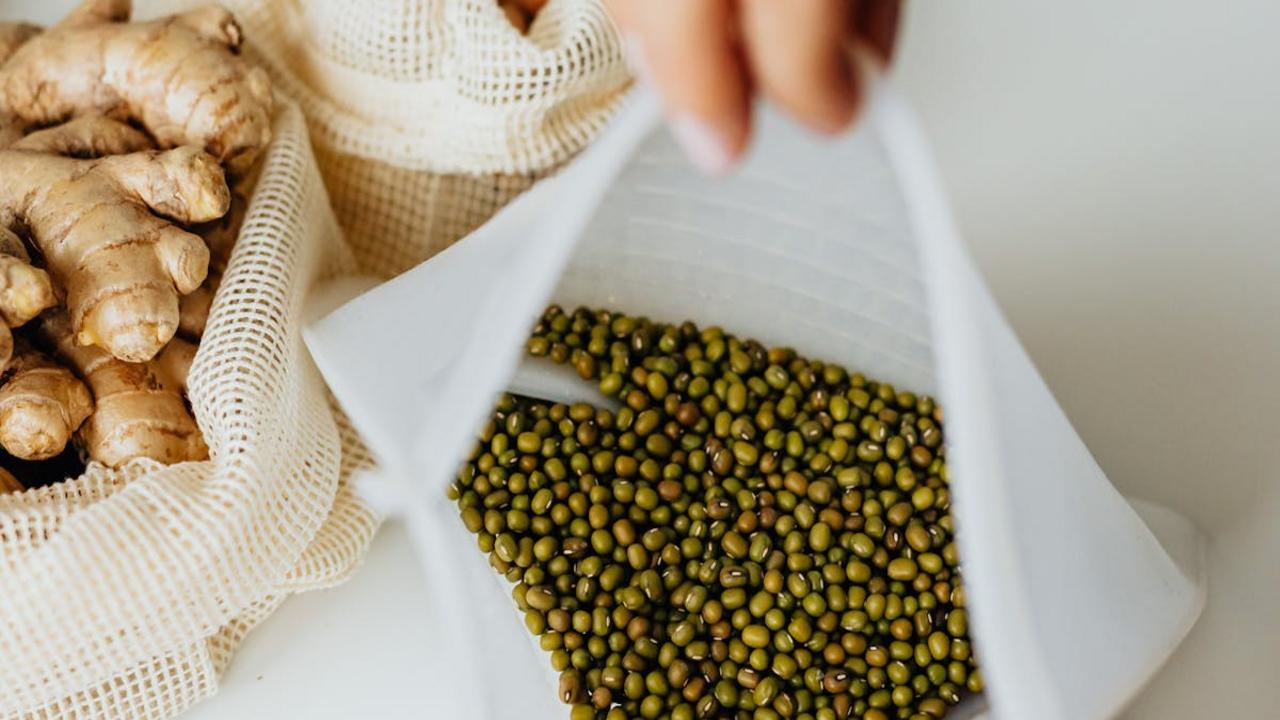
Professional chefs know that buying in bulk can either save your wallet or doom your pantry to expired ingredient purgatory. The secret lies in choosing the right items – those shelf-stable heroes that won’t judge you for forgetting about them for three months. Rice, dried beans, pasta, and spices are your best friends here, while that 50-pound bag of fresh spinach will mock you from the compost bin faster than you can say “good intentions.” Smart bulk buying means calculating your actual usage rather than fantasizing about becoming a meal-prep goddess overnight.
Here’s where the pros get sneaky: they split bulk purchases with fellow food-obsessed friends or neighbors, creating unofficial buying clubs that would make Costco jealous. A 25-pound bag of flour becomes manageable when divided among three households, and suddenly that industrial-sized container of vanilla extract doesn’t feel so intimidating. The key is storing everything properly – invest in airtight containers that actually seal (those flimsy cereal boxes are not your friends), and label everything with dates unless you enjoy playing Russian roulette with mystery powders six months later.
Use Every Part of Ingredients

You know that moment when you’re chopping vegetables and automatically tossing the stems, peels, and “scrappy bits” into the trash? Stop right there, my friend! Professional chefs have been quietly laughing at us home cooks for years because we’re literally throwing money away. Those carrot tops you just discarded? They make a killer pesto that’s peppery and bright. Potato peels can transform into crispy chips that put store-bought versions to shame. Even that gnarly broccoli stem hiding under the pretty florets contains more fiber and nutrients than the crown itself – just peel the tough outer layer and dice it up for stir-fries.
Here’s where things get really exciting: those onion skins you’ve been binning contain more antioxidants than the actual onion! Toss them into your stock pot for a rich, golden broth that costs pennies. Parmesan rinds? Don’t even think about throwing those away – they’re liquid gold for soups and risottos. I once watched a chef at a fancy restaurant collect every herb stem, vegetable trimming, and cheese rind throughout the day, then turn them into three different stocks by closing time. The math is simple: buying one bunch of cilantro and using every single part gives you fresh herbs, pesto ingredients, AND stock aromatics. Your wallet will thank you, and you’ll feel like a kitchen wizard who just discovered the secret to culinary alchemy.
Store Food Properly
Picture this: you open your fridge and find that bag of spinach has turned into a science experiment, while your bananas have gone from yellow to black faster than a bruise on your shin. Meanwhile, professional chefs are somehow keeping their produce fresh for weeks without spending a fortune on fancy storage gadgets. Their secret? They treat food storage like a strategic game of Tetris, but with actual rules that make sense. Onions and potatoes absolutely hate each other’s company (who knew vegetables could be so dramatic?), so smart chefs store them separately to prevent premature sprouting. They also know that tomatoes belong on the counter, not in the fridge, where cold temperatures turn them into mealy disappointments.
The real magic happens with simple tricks that cost nothing but save everything. Wrap your celery in aluminum foil instead of plastic, and it’ll stay crispy for weeks instead of wilting like a sad accordion. Store herbs like fresh flowers in water, covering them with plastic bags to create mini greenhouses that keep basil and cilantro perky for ages. Professional kitchens swear by the paper towel trick – toss one in with your salad greens to absorb excess moisture and prevent that slimy lettuce tragedy we’ve all experienced. These small changes mean you’ll throw away less food, spend less money, and feel like you’ve cracked some sort of domestic code that your grandmother probably knew all along.
Save Vegetable Scraps for Stock
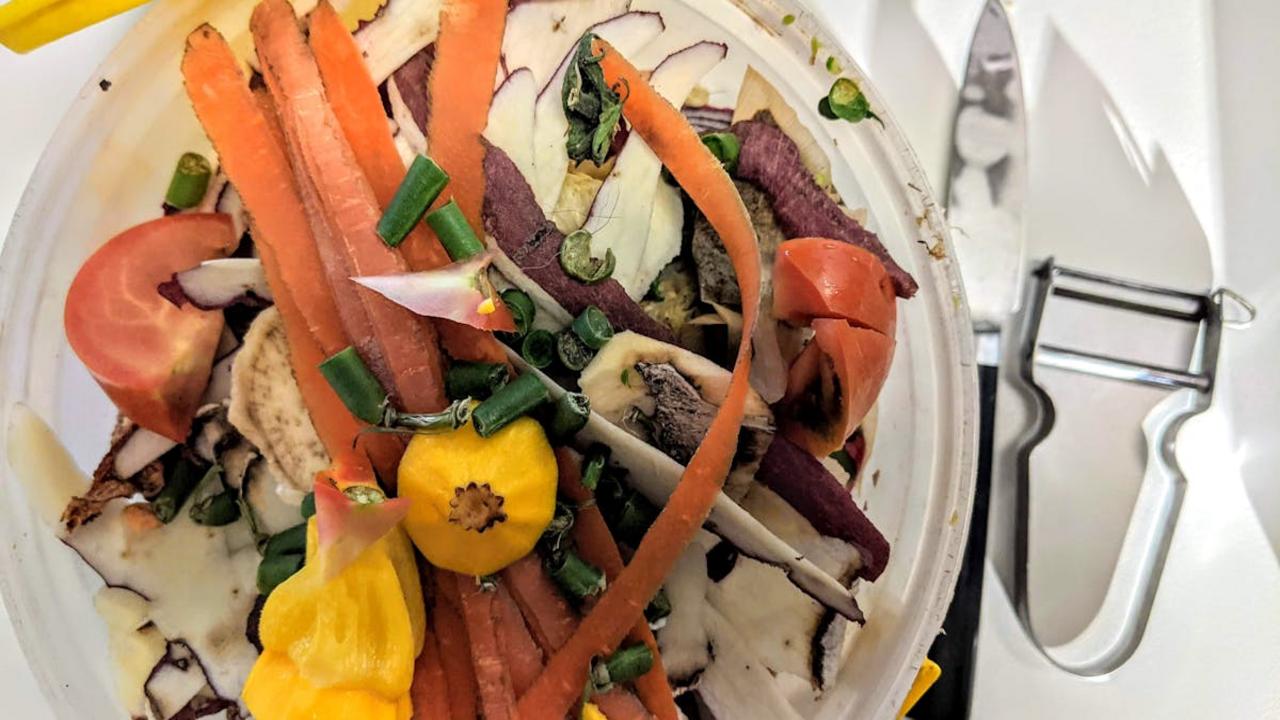
Your kitchen trash bin is basically a goldmine disguised as garbage, and I’m here to blow your mind with this revelation! Those onion peels, carrot tops, celery leaves, and mushroom stems you’re casually tossing? They’re screaming to become the most flavorful stock your taste buds have ever encountered. Pro chefs keep a “scrap bag” in their freezer – just a regular freezer bag where they collect vegetable trimmings throughout the week. Potato peels, herb stems, the woody ends of asparagus, even that slightly wilted parsley you forgot about – everything goes in there like a beautiful, chaotic vegetable retirement home.
Once your bag fills up (usually takes about a week of normal cooking), dump everything into a pot with water and simmer for an hour. The magic happens when these forgotten scraps transform into liquid gold that costs pennies compared to store-bought stock. Fun fact: restaurants have been doing this forever because they know that vegetable scraps often contain more concentrated flavor than the pretty parts we actually eat! Strain out the solids, and you’ve got homemade stock that makes even instant ramen taste like a five-star experience. Keep portions in ice cube trays for easy flavor bombs whenever you need them.
Shop Seasonal Produce
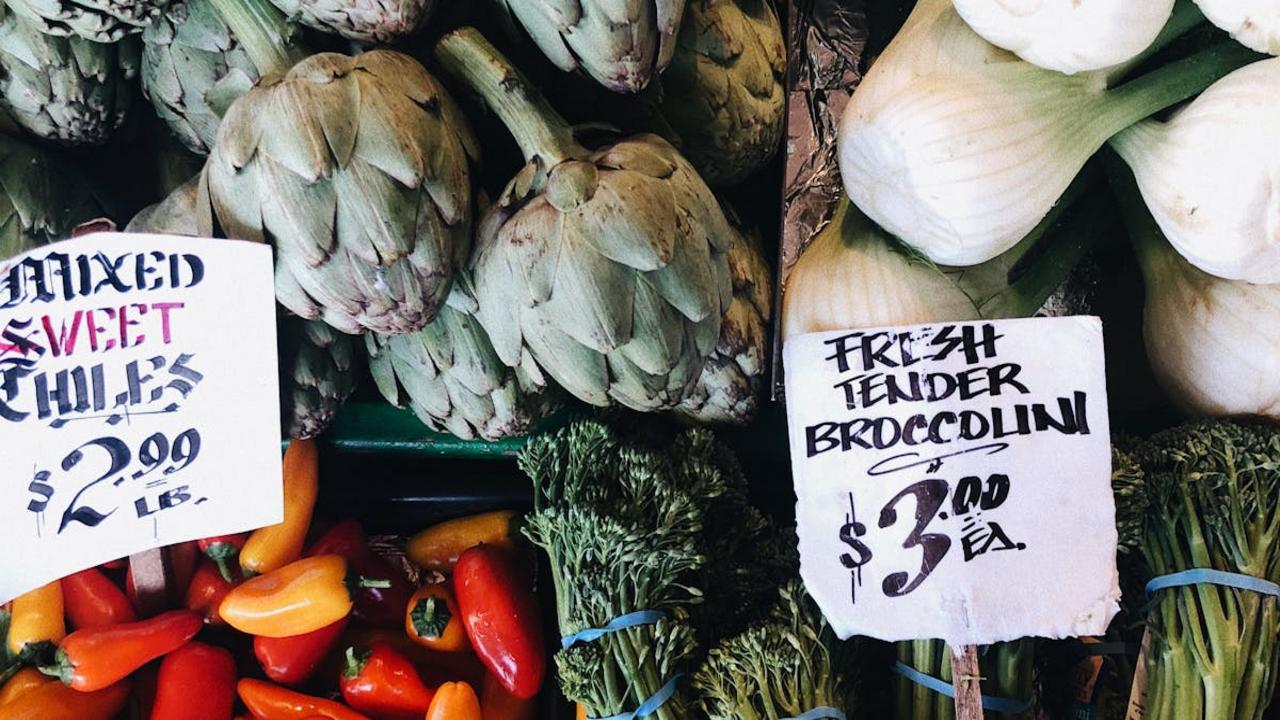
Pro chefs know the secret that home cooks often miss: seasonal produce isn’t just fresher and tastier—it’s cheaper too! When strawberries flood the markets in June, you’ll snag them for half the price you’d pay in January (when they taste like cardboard anyway). Smart chefs build their menus around what Mother Nature serves up each month. Spring brings dirt-cheap asparagus that practically begs to be grilled, while fall delivers pumpkins and squash at rock-bottom prices. Here’s a fun fact: asparagus grows so fast during peak season that farmers sometimes harvest the same field twice in one day! That abundance translates directly into savings for your wallet.
The beauty of seasonal shopping goes beyond your bank account—you’re getting peak flavor when fruits and vegetables are at their absolute best. Those December tomatoes shipped from thousands of miles away? They were picked green and gassed to look ripe, which explains why they taste like wet paper towels. But bite into a July tomato from local farms, and you’ll understand why chefs get starry-eyed talking about peak season produce. Pro tip: befriend your local farmers’ market vendors and ask what’s coming into season next week. They’ll often give you a heads-up on the good stuff before it hits the general public, and sometimes you can score deals on slightly imperfect produce that tastes absolutely perfect.
Plan Weekly Menus
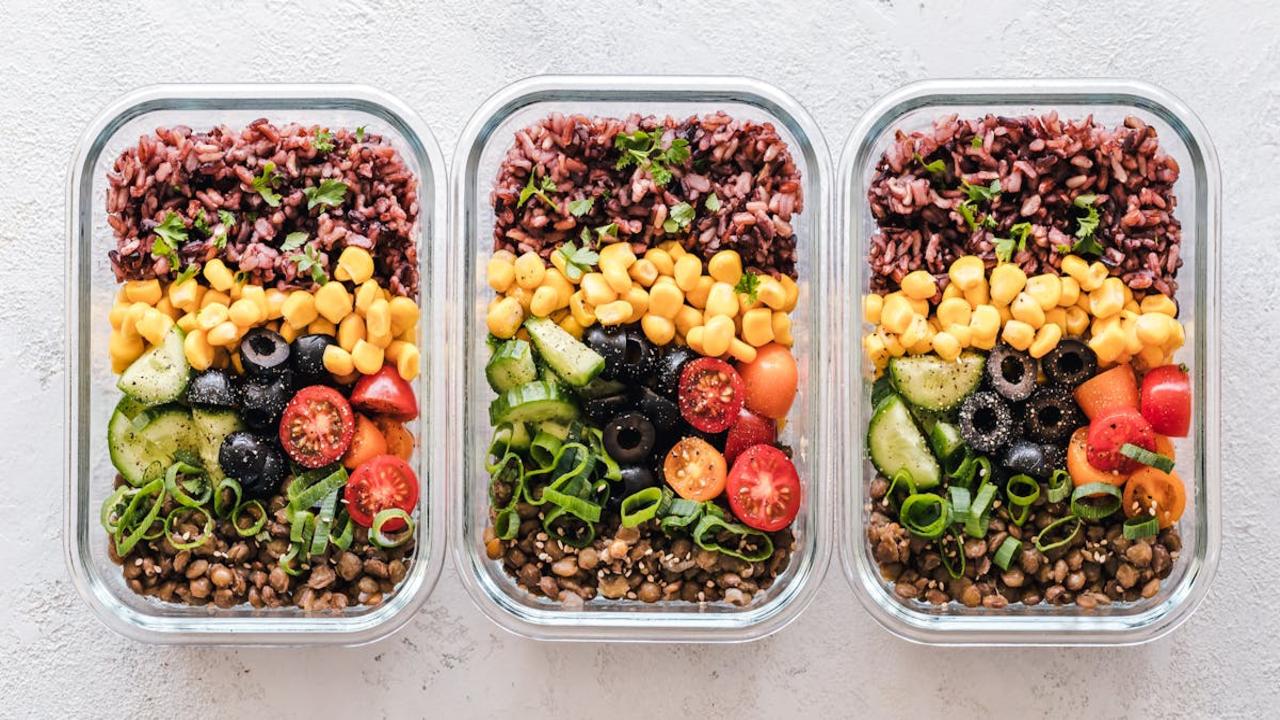
Professional chefs don’t just wing it when they show up to work—they’ve got menus mapped out weeks in advance, and you should steal this brilliant strategy for your own kitchen chaos. Think of menu planning as your personal food GPS that prevents you from wandering aimlessly through grocery aisles at 6 PM, wondering what the heck you’re going to eat tonight. Smart chefs know that spending 20 minutes on Sunday plotting out your week saves you from the dreaded “pizza again?” scenario and keeps your wallet happier than a kid in a candy store.
Here’s where it gets really clever: when you plan your meals ahead, you can buy ingredients that pull double duty across multiple dishes. That bunch of cilantro isn’t just for Tuesday’s tacos—it’s also starring in Wednesday’s curry and Thursday’s salad. Professional kitchens call this “cross-utilization,” but you can call it pure genius. Plus, you’ll discover the secret superpower of planned leftovers—that roasted chicken from Monday becomes Tuesday’s soup, Wednesday’s salad topper, and Thursday’s sandwich filling. Your future hungry self will thank you, your bank account will do a little happy dance, and you’ll feel like the domestic wizard you were always meant to be.
Buy Whole Instead of Pre Cut
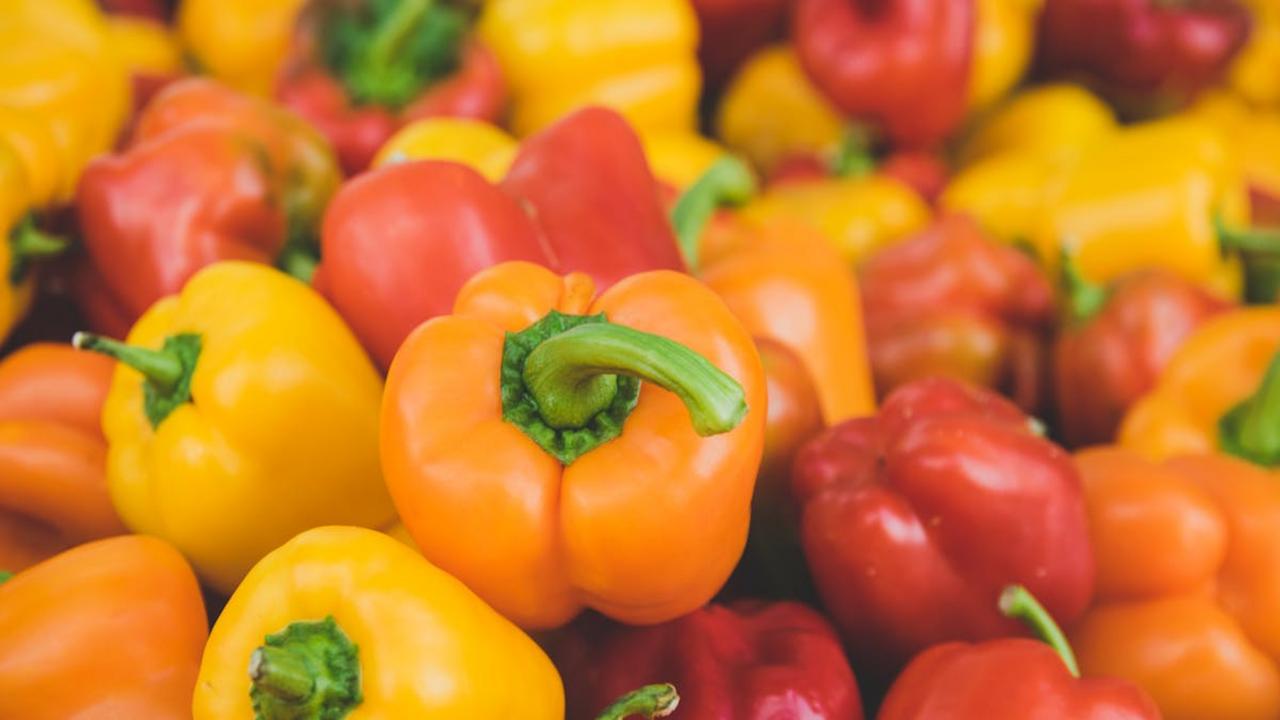
Listen up, my thrifty kitchen warriors! Pre-cut vegetables might seem like a time-saver, but they’re basically highway robbery disguised as convenience. That bag of pre-sliced onions costs about three times more than buying whole onions, and here’s the kicker – those pre-cut beauties start losing their flavor and nutrients the moment they’re chopped. Professional chefs know this secret: whole vegetables stay fresher longer, pack more punch in the flavor department, and give you complete control over your knife skills. Plus, you get to decide whether you want chunky rustic pieces or precision julienne strips that would make Gordon Ramsay weep tears of joy.
The same logic applies to whole chickens versus pre-cut pieces, blocks of cheese instead of shredded bags, and whole fruits rather than pre-sliced containers. A whole chicken gives you multiple meals – roast the bird, make stock from the bones, and use the leftover meat for sandwiches or soup. That’s three meals from one purchase! Meanwhile, pre-cut produce often comes with mysterious expiration dates that seem determined to guilt you into eating sad, wilted vegetables within 48 hours. Your wallet will thank you, your taste buds will throw a party, and you’ll develop some serious knife skills along the way. Win, win, and another win!