12 Iconic Italian Sauces and the Delicious Stories Stirred Into Every Spoonful
Italy’s sauces tell tales more dramatic than any soap opera. These twelve legendary concoctions carry centuries of regional pride, family feuds, and pure genius born from necessity. Each spoonful whispers secrets of ancient Roman kitchens, medieval monastery gardens, and grandmothers who guarded recipes like state treasures.
Picture this: hungry fishermen creating magic from leftover anchovy tins, or cash-strapped students discovering that three simple ingredients could transform plain pasta into pure gold. These aren’t just sauces—they’re edible folklore, passed down through generations of Italian hands that knew how to make something extraordinary from humble pantry staples.
From the scandalous origins of Puttanesca to the precise ritual of perfect Carbonara, each sauce demands respect and rewards patience. These recipes survived wars, migrations, and countless kitchen disasters because they represent something deeper than dinner—they’re liquid love letters to Italian ingenuity and the beautiful chaos of feeding people well.
Salsa Verde
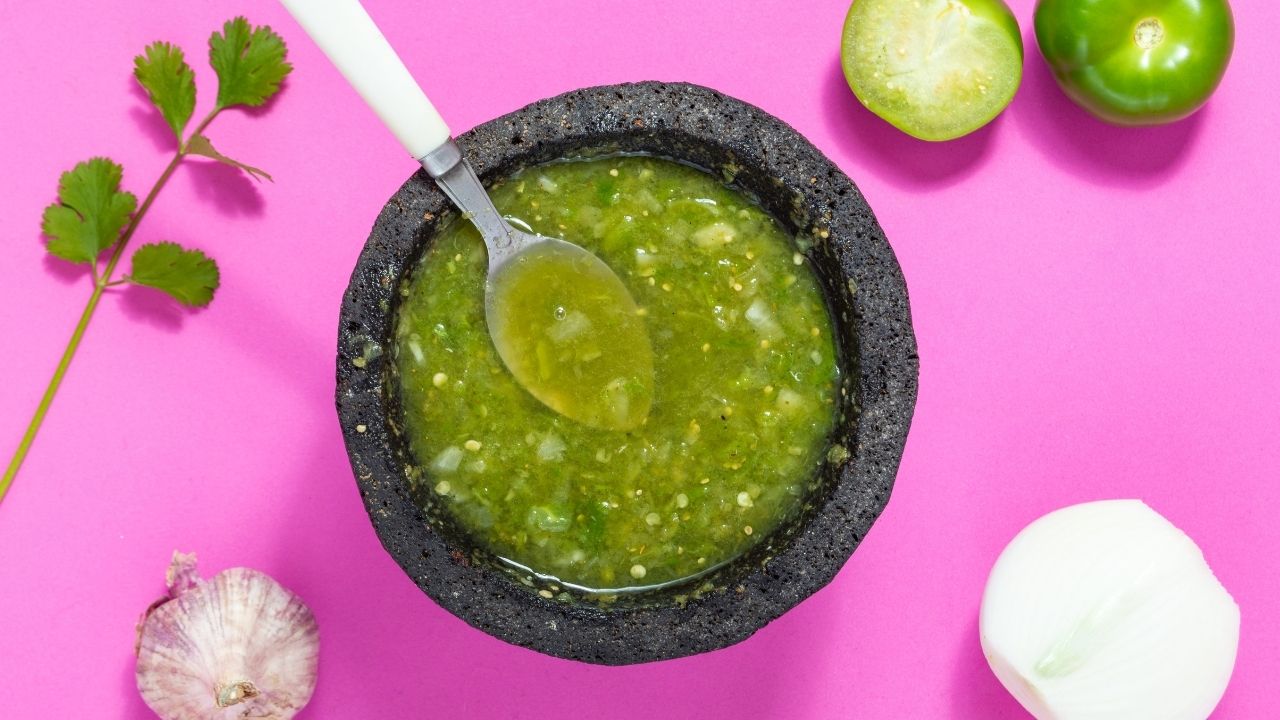
Picture this: you’re standing in a bustling Italian kitchen, and someone hands you a spoon dripping with vibrant green sauce that looks like liquid emerald. That’s salsa verde, and trust me, it’s about to change your relationship with herbs forever. This isn’t your garden-variety pesto situation – salsa verde is the rebellious cousin who decided parsley deserved the spotlight. Born in the northern regions of Italy, this sauce throws together fresh parsley, capers, anchovies, garlic, and olive oil into a chunky, rustic masterpiece that refuses to be tamed by a food processor.
Here’s where things get wonderfully chaotic: every Italian family has their own secret twist on salsa verde, leading to passionate dinner table debates that could rival political discussions. Some swear by adding hard-boiled eggs, others insist on a splash of vinegar, and the truly adventurous toss in pickled vegetables. The beauty lies in its versatility – slather it on grilled fish, dollop it over roasted vegetables, or spread it on crusty bread for an instant flavor explosion. Pro tip: make this sauce your refrigerator’s best friend because it keeps for weeks and transforms even the most boring leftovers into something spectacular.
Pesto alla Trapanese
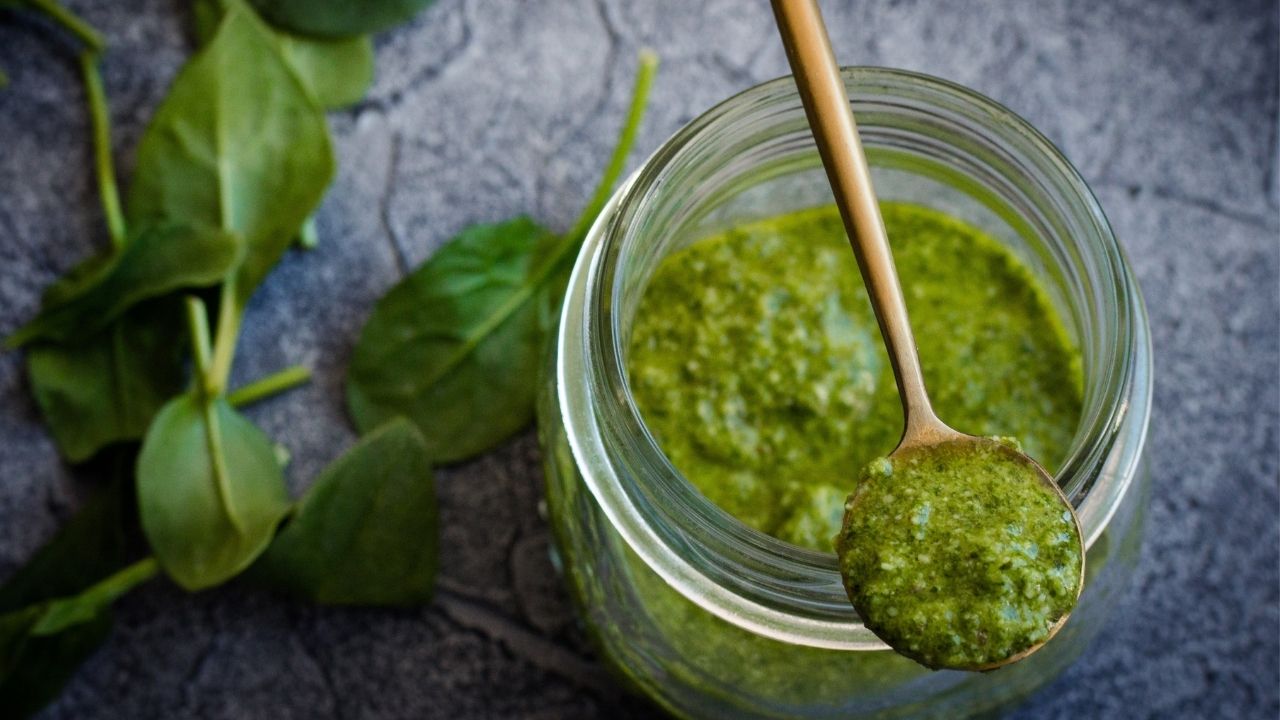
Picture this: traditional Genovese pesto packed its bags and took a vacation to Sicily, where it promptly fell head-over-heels for the local tomatoes and almonds. That’s Pesto alla Trapanese for you – a gorgeous marriage of pine nuts (or almonds, depending on who’s making it) with fresh tomatoes, basil, garlic, and pecorino cheese. Born in the port town of Trapani, this sauce supposedly came about when Genoese sailors introduced their beloved pesto to Sicilian cooks, who said “Thanks, but we’re adding our own twist.” The result? A vibrant red-orange sauce that’s simultaneously familiar and completely revolutionary.
What makes this sauce absolutely magical is how the tomatoes change everything – they add a bright acidity that cuts through the richness of the nuts and cheese, creating something that’s both robust and refreshing. The traditional method involves a mortar and pestle (because apparently Sicilians love a good arm workout), but your food processor will do just fine. Try it tossed with busiate pasta, a corkscrew-shaped noodle that grabs onto every drop of sauce like it’s holding on for dear life. Pro tip: use the ripest, most gorgeous tomatoes you can find – they’re the star of this show, and they know it.
Cacio e Pepe
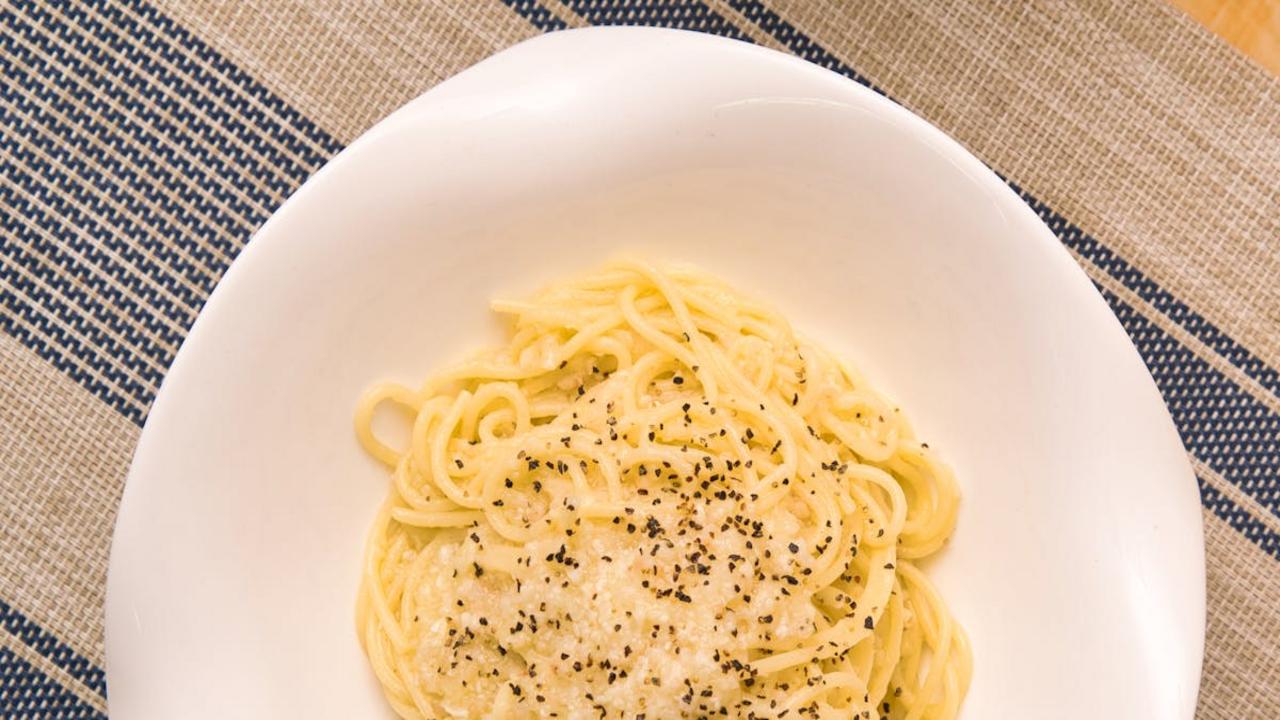
Picture this: you’re a Roman shepherd centuries ago, trudging through the countryside with nothing but aged Pecorino Romano cheese, black peppercorns, and dried pasta in your satchel. What do you create? Pure magic in the form of Cacio e Pepe, which literally translates to “cheese and pepper.” This deceptively simple sauce has only three ingredients, yet it’s caused more kitchen meltdowns than a reality cooking show. The secret lies in creating a silky emulsion between the starchy pasta water and grated cheese – mess this up, and you’ll have what Romans call “scrambled eggs with pasta” instead of creamy perfection.
Here’s where things get wonderfully ridiculous: despite having just three ingredients, Cacio e Pepe has sparked heated debates across Italy about proper technique. Some chefs swear by adding pasta water off the heat, others insist on vigorous tossing, and a few rebels even use a splash of butter (gasp!). The Romans take this so seriously that restaurants have been known to refuse service to customers who request Parmesan instead of Pecorino. Pro tip: toast your peppercorns whole, then crack them coarsely – your pepper should punch you in the face with flavor, not tickle it politely. When you nail this sauce, you’ll understand why it’s been making people weak in the knees for over 2,000 years.
Aglio e Olio
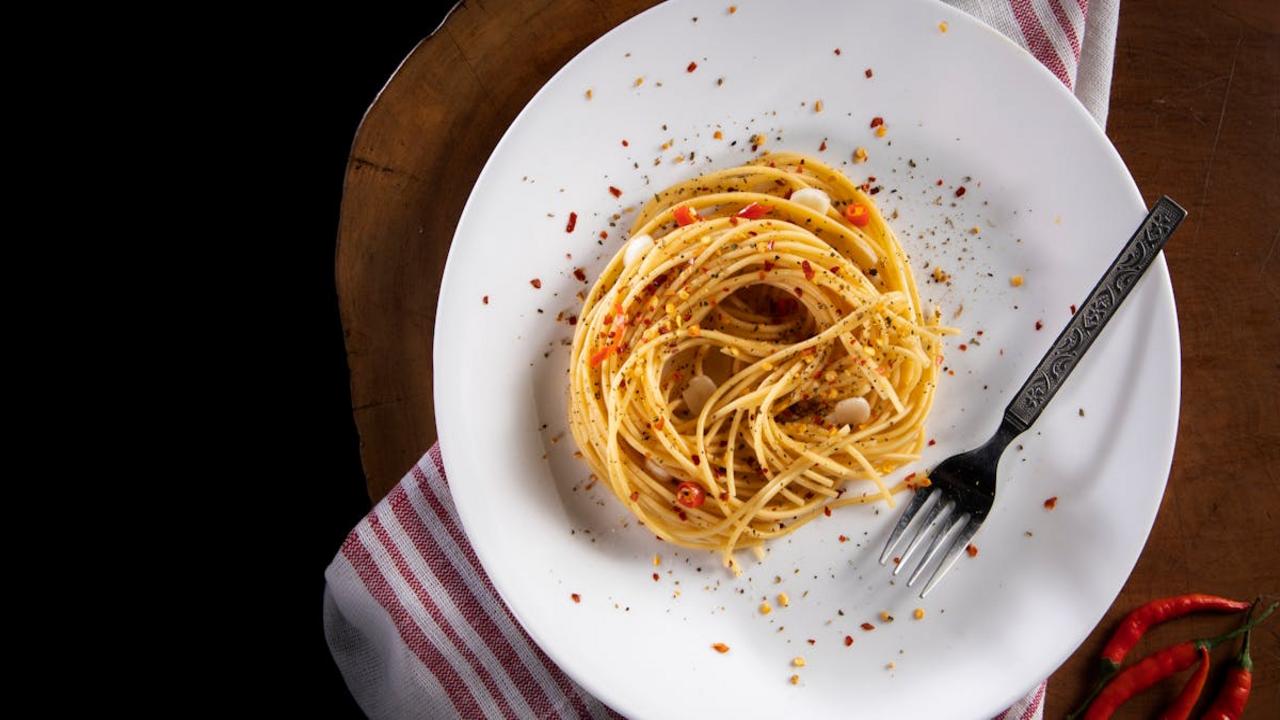
Picture this: you stumble home at midnight, your fridge echoing with the loneliness of a single sad onion and maybe some leftover takeout containers. But wait! You’ve got garlic, olive oil, and pasta – boom, you’re three ingredients away from pure magic. Aglio e Olio literally translates to “garlic and oil,” and honestly, the Italians weren’t trying to be fancy here. They just knew that sometimes the most beautiful things come from absolute simplicity. This dish originated in Naples, where fishermen would return from long nights at sea and whip up something quick with whatever they had lying around their pantries.
Here’s the thing about Aglio e Olio – it sounds ridiculously simple, but it’s actually a sneaky little perfectionist that will humble even experienced cooks. You slice your garlic paper-thin (none of that chunky amateur stuff), warm it gently in golden olive oil until it whispers sweet garlicky secrets, add a pinch of red pepper flakes if you’re feeling frisky, then toss it with perfectly al dente spaghetti and maybe some fresh parsley. The trick? Don’t let that garlic go past golden, or you’ll end up with bitter disappointment instead of silky perfection. Italians say if you can master this dish, you can call yourself a real cook – no pressure, right?
Ragù Napoletano
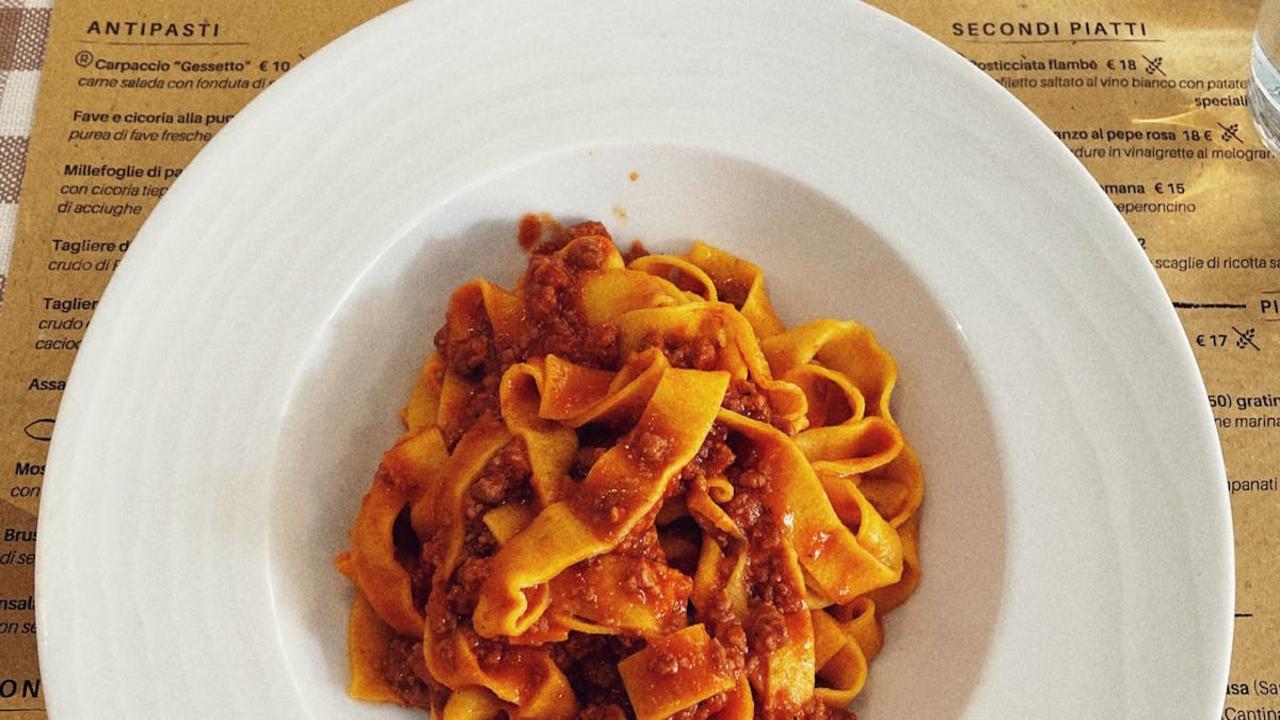
Picture this: you’re wandering through Naples on a lazy Sunday afternoon, and suddenly you catch a whiff of something so magnificent that your knees buckle slightly. That, my friend, is Ragù Napoletano working its magic from someone’s kitchen window. This isn’t your typical meat sauce – oh no, this is the Rolls Royce of ragùs, a sauce so rich and complex that Neapolitans guard their family recipes like state secrets. While most people think of Bolognese when they hear ragù, the Napoletano version laughs in the face of such simplicity, simmering for hours with massive chunks of beef, pork, and sometimes even horse meat (yes, you read that right, and yes, it’s absolutely delicious).
What makes this sauce absolutely bonkers is the sheer commitment it demands – we’re talking six to eight hours of gentle bubbling, during which entire neighborhoods become perfumed with its aroma. Traditional Neapolitan families start this beauty early Sunday morning, and by the time church bells ring for evening mass, you’ve got liquid gold that transforms simple pasta into something approaching religious experience. The meat gets so tender it practically dissolves at first glance, while the tomatoes break down into pure sunshine. Fun fact: authentic Napoletano ragù requires you to brown the meat in lard (because butter is for amateurs), and the sauce should be thick enough that a wooden spoon can stand upright in it for exactly three seconds – any longer and you’ve gone too far, any shorter and you need more patience.
Sugo alla Norma
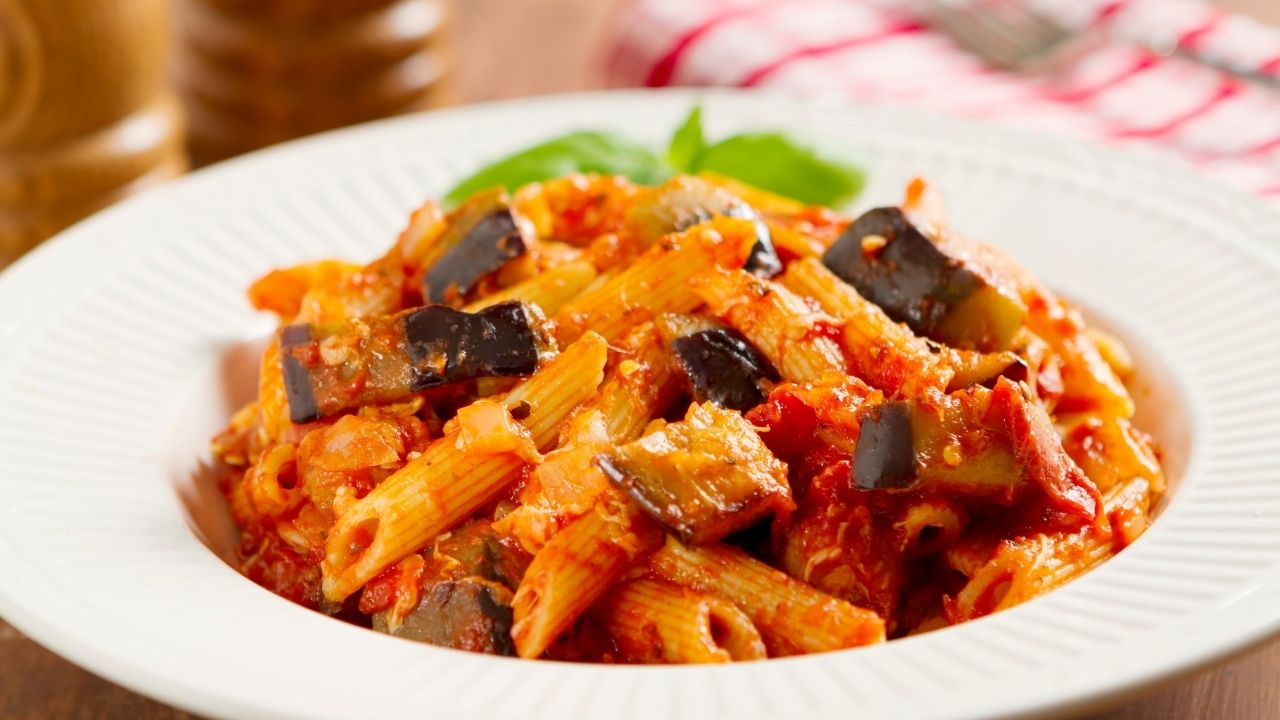
Picture this: you’re sitting in a sun-drenched Sicilian piazza, and someone slides a plate of pasta topped with glossy purple eggplant, bright red tomatoes, and snowy ricotta salata in front of you. That’s Sugo alla Norma, and it’s basically Sicily’s love letter to the world written in edible form. Named after Bellini’s opera “Norma” (because apparently Sicilians thought this sauce was as magnificent as their beloved composer’s masterpiece), this dish turns humble ingredients into something absolutely spectacular. The sauce traditionally pairs with pasta alla norma, where thick rigatoni or penne becomes the perfect vehicle for this Mediterranean magic.
What makes this sauce truly special isn’t just its gorgeous appearance – though watching those golden-brown eggplant cubes mingle with vibrant tomato sauce is pretty mesmerizing. The real genius lies in how each ingredient maintains its distinct personality while creating perfect harmony. You cube the eggplant, salt it generously, then fry until golden and crispy on the outside but creamy within. Meanwhile, your tomato sauce bubbles away with garlic and fresh basil, creating an aromatic cloud that’ll have your neighbors mysteriously appearing at your door. The final flourish of grated ricotta salata adds a sharp, salty punch that makes everything sing. Fun fact: true Sicilian purists insist you must use ricotta salata, not regular ricotta or parmesan – and honestly, once you taste the difference, you’ll understand their passionate devotion to authenticity.
Genovese
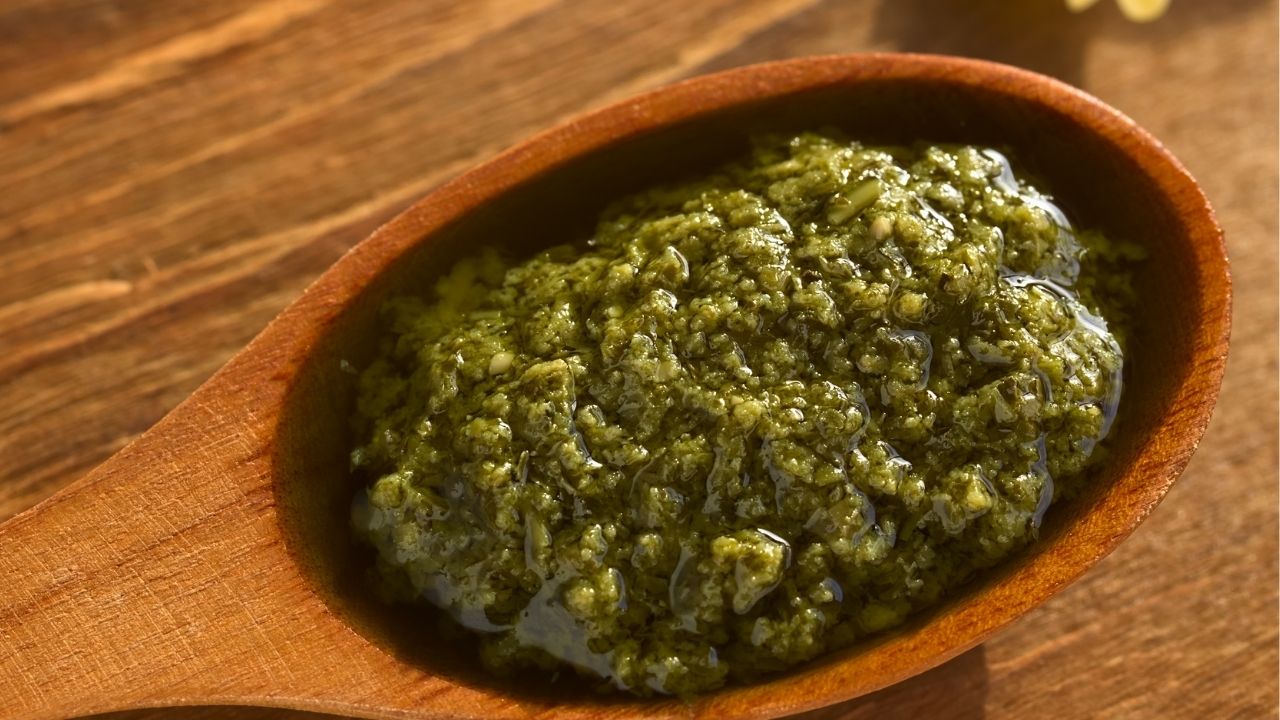
You know that friend who takes forever to get ready but looks absolutely stunning when they finally emerge? That’s Genovese sauce for you. This Neapolitan masterpiece demands patience – we’re talking about a four-hour slow dance between onions, beef, and time itself. While most people think of pesto when they hear “Genoa,” this sauce actually hails from Naples and got its name because Genoese sailors supposedly introduced the cooking technique to the port city. The magic happens when mountains of white onions melt into golden silk, creating a sauce so rich and complex that Neapolitans consider it their edible crown jewel.
Here’s the beautiful madness: you’ll use about three pounds of onions for every pound of meat, and yes, your kitchen will smell like an onion festival for hours. But trust the process! The beef (usually a tough cut that laughs at quick cooking methods) slowly surrenders its fibers while the onions transform from sharp rebels into sweet, caramelized angels. Traditionally served over ziti or paccheri, Genovese turns Sunday dinner into a religious experience. Pro tip from the nonnas: make extra because this sauce tastes even better the next day, assuming you have any willpower left to save some for tomorrow.
Marinara
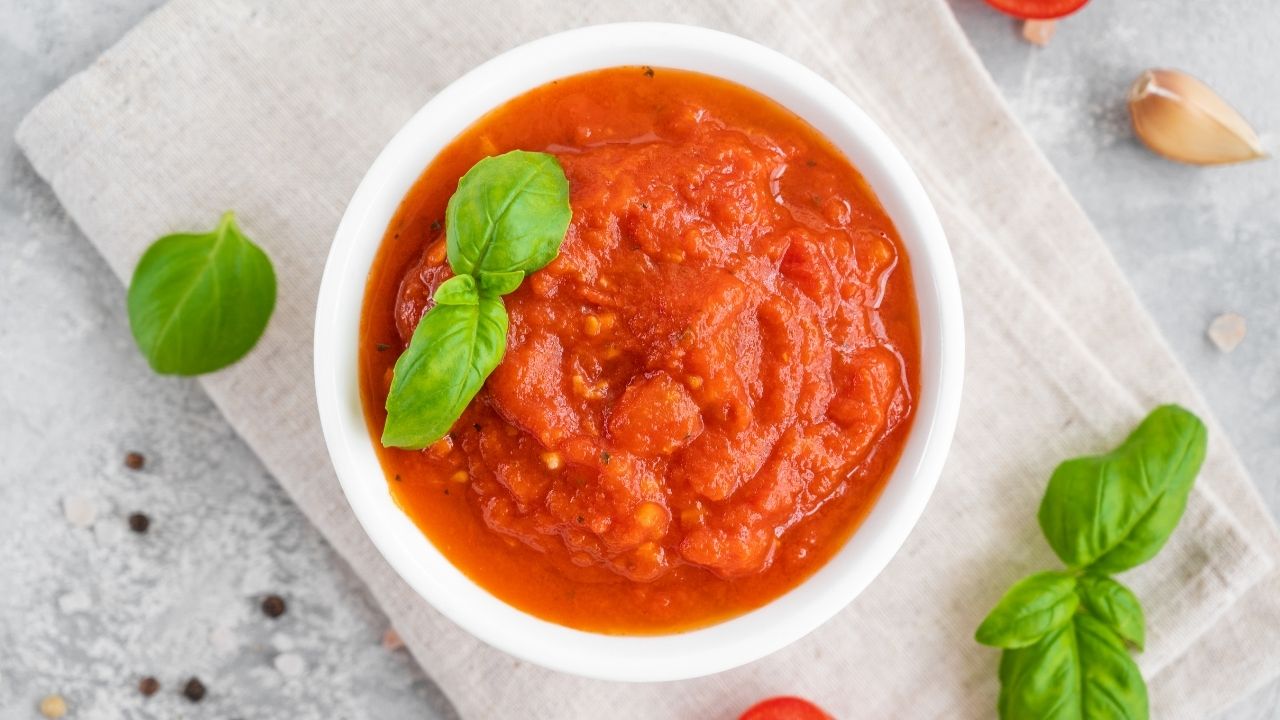
You know that friend who’s effortlessly chic without trying too hard? That’s marinara sauce for you – simple, elegant, and absolutely essential in any Italian kitchen. Born in the bustling port city of Naples sometime in the 16th century, marinara gets its name from “marinai” (sailors), who supposedly whipped up this quick tomato sauce between voyages. Picture those weathered seafarers tossing together fresh tomatoes, garlic, olive oil, and herbs in their cramped ship galleys, creating something so divine it would outlast empires. The beauty lies in its restraint – no cream, no meat, just pure tomato perfection that lets each ingredient shine like a solo artist in perfect harmony.
Here’s the thing about marinara that’ll blow your mind: true Neapolitan marinara doesn’t even include onions! Scandalous, right? The traditional recipe calls for San Marzano tomatoes (those gorgeous, sweet beauties from volcanic soil), garlic, fresh basil, oregano, and good olive oil. That’s it. No fuss, no drama, just ingredients so fresh they practically sing opera together. Want to make authentic marinara? Crush your garlic with the flat side of a knife, sauté it until fragrant but not brown, add your tomatoes, season with salt, and let it simmer for about 20 minutes. Finish with torn basil leaves and you’ve got liquid gold that transforms everything from pasta to pizza into pure magic.
Carbonara
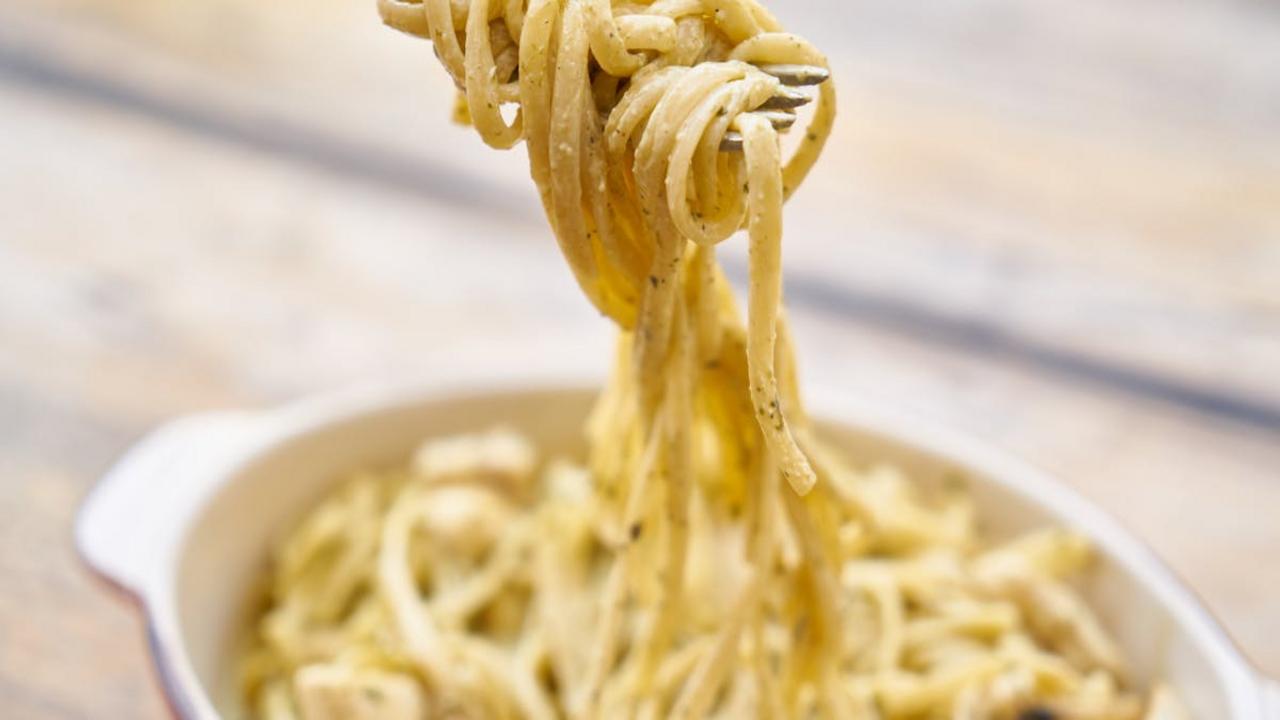
Picture this: you’re a Roman coal worker in the 1940s, covered in charcoal dust, and you need something quick, cheap, and absolutely soul-satisfying after a brutal day. Enter carbonara – the pasta that supposedly got its name from “carbonaro” (charcoal worker), though some food historians swear it came from the black pepper that dots the creamy sauce like tiny flecks of coal. Either way, this dish was born from necessity and a brilliant understanding that sometimes the simplest ingredients create the most spectacular magic. You’ve got eggs, pecorino Romano, guanciale (not bacon, please!), black pepper, and pasta – that’s it. No cream, despite what every American restaurant tries to convince you.
Here’s where carbonara gets deviously tricky: you’re basically making edible silk while racing against time. The moment those hot noodles hit your egg mixture, you’re performing kitchen alchemy that can either result in the smoothest, most luxurious sauce imaginable or scrambled eggs with a side of regret. The secret? Toss everything off the heat, add some starchy pasta water, and whisk like your Italian grandmother’s reputation depends on it. Fun fact: Romans are so protective of this recipe that suggesting cream in carbonara might actually get you banned from the city. I once watched a Roman chef nearly faint when someone asked about adding peas. The drama was more entertaining than the pasta!
Amatriciana
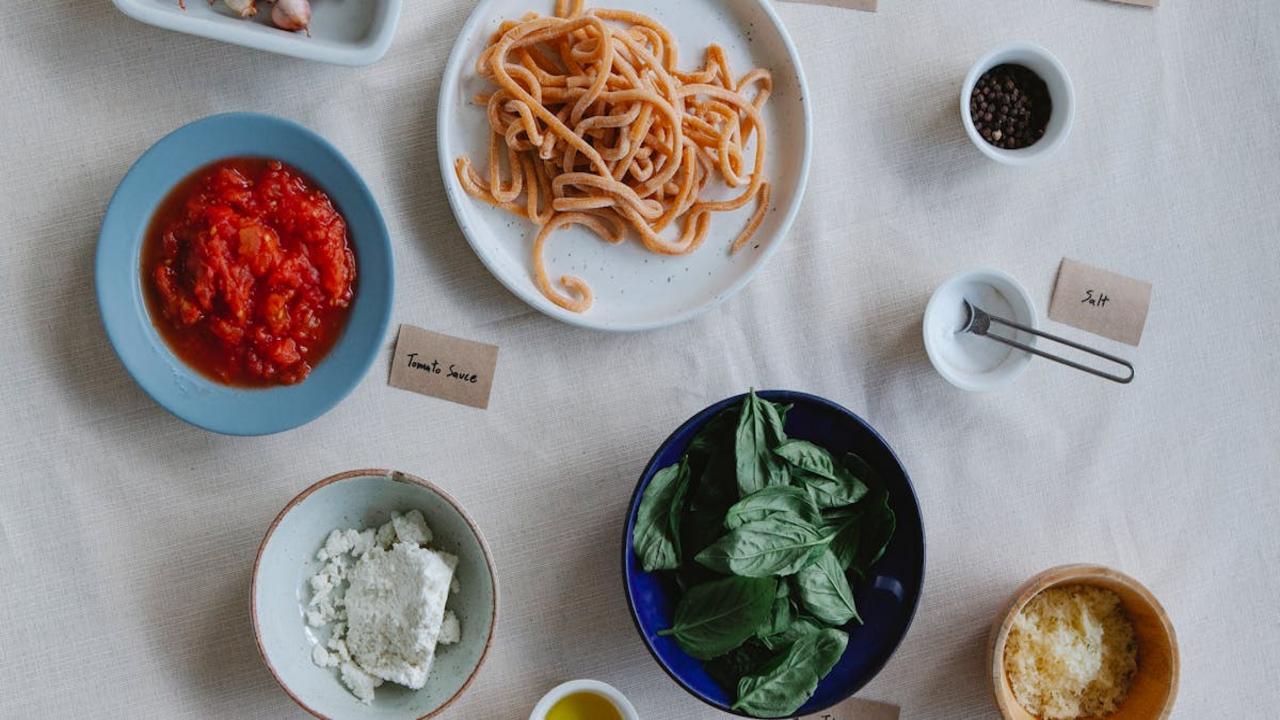
Picture this: shepherds from Amatrice, a tiny mountain town in central Italy, needed something hearty to fuel their long days watching over flocks. What they created was pure magic—a sauce so beloved that Rome practically stole it and made it their own. Amatriciana starts with guanciale (that’s cured pork jowl, not bacon, and don’t you dare substitute!), which gets rendered until it’s crispy and releases those incredible porky flavors. Then comes the star ingredient: San Marzano tomatoes, preferably the ones that have been blessed by Italian sunshine and volcanic soil. A pinch of red pepper flakes adds just enough heat to wake up your senses without setting your mouth on fire.
Here’s where things get spicy—and I’m not talking about the pepperoncino. Romans and Amatriciani have been feuding for decades about the “correct” recipe. Some purists insist garlic has no place in authentic Amatriciana, while others swear by a splash of white wine. The only thing everyone agrees on? Pecorino Romano cheese belongs on top, and lots of it. You’ll want to toss this glorious sauce with thick spaghetti or bucatini (those hollow spaghetti strands that capture every drop). The result is a dish that’s simultaneously rustic and refined, like wearing your favorite worn-in jeans to a fancy restaurant and somehow looking perfect.
Bolognese
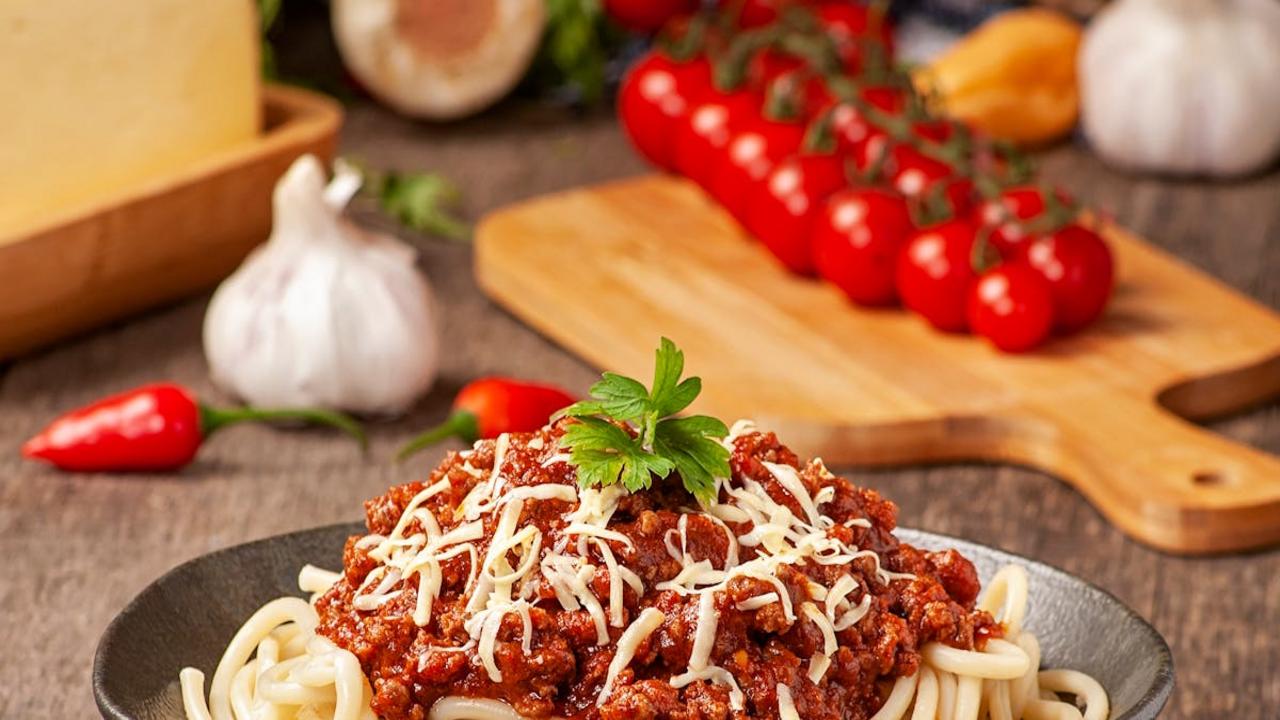
Oh, Bolognese! This isn’t just any meat sauce—it’s the holy grail of Italian comfort food, and the people of Bologna take it more seriously than a papal decree. The official recipe, registered with Bologna’s Chamber of Commerce in 1982 (because Italians don’t mess around), calls for a precise lineup: beef, pork, pancetta, onions, carrots, celery, tomato paste, wine, milk, and a marathon cooking time that’ll test your patience like nothing else. Here’s the kicker—authentic Bolognese contains more meat than tomato, which probably makes your jar of “Bolognese” sauce weep in shame.
The real magic happens during those three to four hours of slow simmering, where the sauce transforms from a collection of ingredients into liquid gold. Italians will give you the stink eye if you serve this over anything but fresh tagliatelle or lasagna—spaghetti Bolognese is basically culinary blasphemy in Bologna, though the rest of the world happily ignores this rule. Fun fact: the original recipe doesn’t even include garlic, which might shock anyone who thinks Italian food equals garlic overload. Your kitchen will smell like heaven, your neighbors will start dropping by unannounced, and you’ll understand why this sauce has conquered hearts worldwide for centuries.
Puttanesca
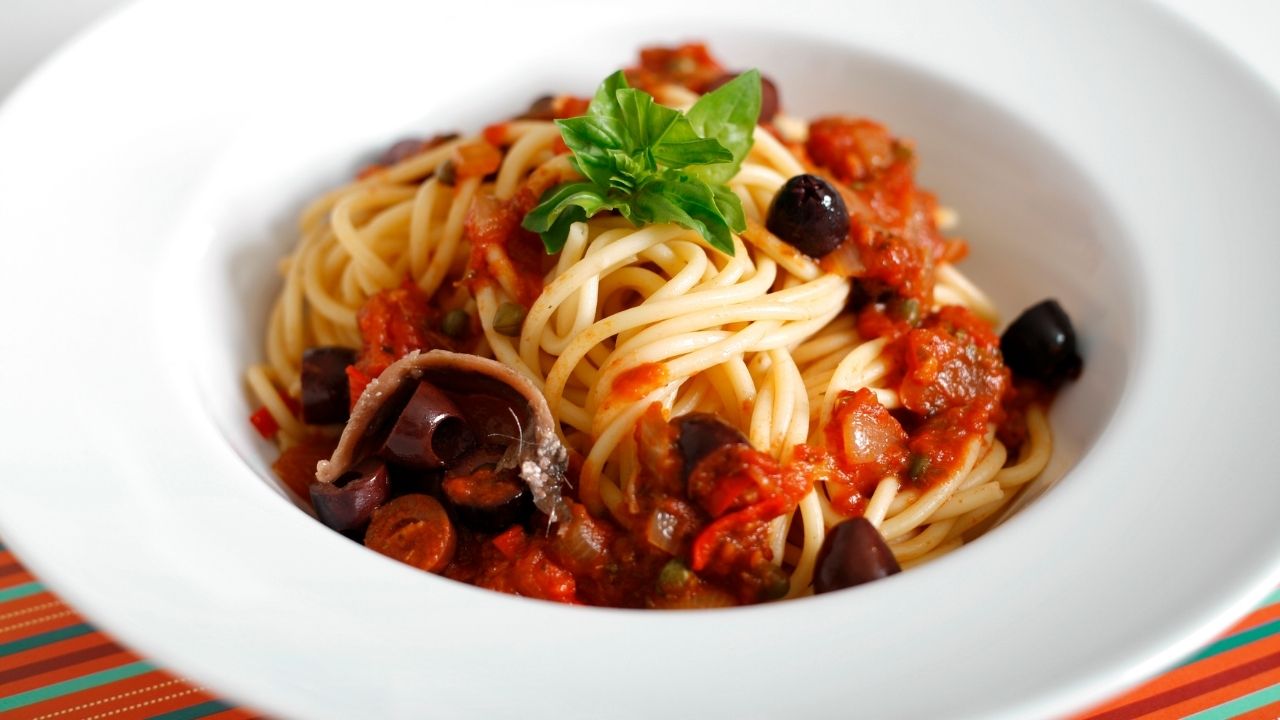
Here’s a sauce with a name that makes your nonna blush and a backstory that’s spicier than its garlic-heavy recipe. Puttanesca literally translates to “in the style of prostitutes,” and while food historians debate the exact origins, the most colorful theory suggests working women in Naples whipped up this quick, pantry-friendly sauce between clients. Whether that’s true or just Italian men being dramatic about their pasta, one thing’s certain: this sauce knows how to grab attention. The combination of tomatoes, olives, capers, anchovies, and garlic creates a bold, salty punch that wakes up your entire mouth—no wonder it became the go-to midnight meal for night owls across Italy.
What makes puttanesca brilliant isn’t just its scandalous reputation, but its genius simplicity. You probably have most ingredients lurking in your pantry right now: canned tomatoes, jarred olives, those mysterious capers you bought once and forgot about, and maybe some anchovy paste hiding behind the mustard. The magic happens when you sauté garlic until fragrant, add crushed red pepper flakes for heat, then toss in everything else for a 15-minute simmer. Some recipes include a splash of white wine or a handful of fresh herbs, but honestly, this sauce is forgiving enough to handle whatever you’ve got. Toss it with spaghetti or linguine, and you’ve got a meal that’s both sophisticated and slightly scandalous—exactly how the Italians intended.