14 Sneaky Eating Habits You Can’t Seem to Quit
You know that moment when you’re elbow-deep in a bag of chips, completely absorbed in your latest Netflix binge, and suddenly realize you’ve demolished the entire thing? Yeah, we’ve all been there. Those sneaky eating habits have a way of creeping into our lives like uninvited dinner guests who never leave.
From mindless midnight fridge raids to wolfing down lunch at your desk while answering emails, these behaviors feel practically hardwired into our modern existence. Your brain tricks you into thinking that oversized coffee shop muffin counts as breakfast, or that eating straight from the ice cream container somehow doesn’t count as real calories.
The truth is, these habits stick around because they’re surprisingly comforting and convenient. Breaking them requires more than willpower—you need to understand why they happen and how to outsmart your own brain’s sneaky food conspiracies.
Midnight Kitchen Raids

There you are at 2 AM, tiptoeing across cold kitchen tiles like a food-obsessed ninja, convinced that the refrigerator holds the secret to eternal happiness. Your brain has somehow convinced you that leftover pizza, random cheese sticks, or that mysterious container from three days ago will solve whatever cosmic crisis kept you awake. The midnight munchies strike with the precision of a heat-seeking missile, and suddenly you’re standing there in your pajamas, bathed in refrigerator light, contemplating whether cold spaghetti counts as breakfast if you eat it before dawn.
Scientists actually have a name for this phenomenon – Night Eating Syndrome – which makes your 3 AM cereal sessions sound way more official than they deserve. Your circadian rhythm gets confused, your metabolism slows down, and your brain starts sending mixed signals about hunger and sleep. The weirdest part? Research shows that people consume about 25% more calories during these nocturnal food adventures, often gravitating toward carbs and sweets because your tired brain craves quick energy. Your best defense? Keep a water bottle by your bed and stock your kitchen with healthier midnight options like nuts, Greek yogurt, or fruit – because let’s face it, you’re going to raid that kitchen anyway, so you might as well make it count.
Workplace Desktop Dining
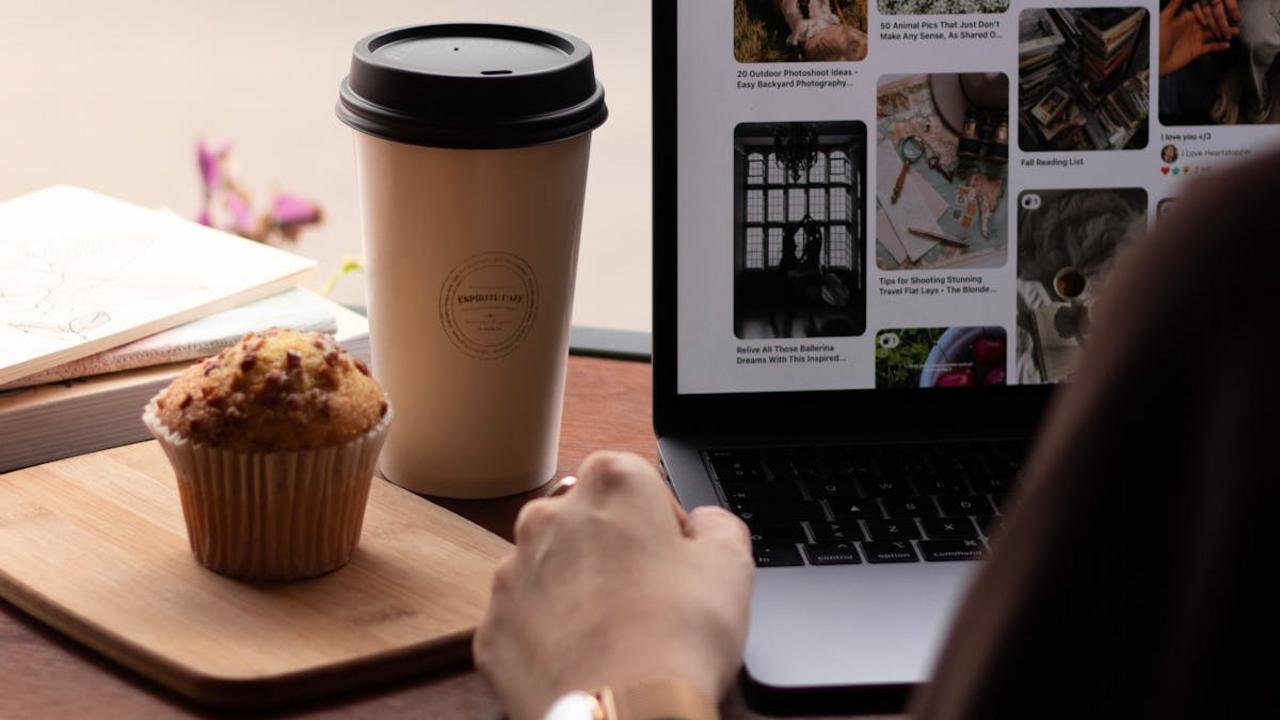
You know that moment when you’re deep in spreadsheet hell and suddenly your hand mysteriously finds its way to that bag of chips hiding behind your monitor? Welcome to the wonderfully chaotic world of desktop dining, where your keyboard becomes a makeshift placemat and your mouse pad doubles as a napkin holder. I’ve watched coworkers transform their workstations into miniature food courts, complete with secret stashes of crackers tucked into desk drawers and emergency chocolate bars strategically positioned next to staplers. The funniest part? We all pretend we’re being sneaky while loudly crunching through conference calls, creating what I like to call “the symphony of stress eating.”
Here’s the thing about desktop dining – it’s not just about convenience, it’s about creating tiny moments of comfort in our concrete office jungles. Studies show that people who eat at their desks consume 50% more calories throughout the day because we’re not paying attention to what we’re actually putting in our mouths. Your brain is too busy calculating quarterly reports to register that you’ve demolished an entire sleeve of cookies. The real kicker? Crumbs become permanent residents in your keyboard, creating a archaeological record of every snack attack you’ve had since 2019. Pro tip: invest in a small desk vacuum – your IT department will thank you, and your keyboard won’t sound like a maraca every time you type.
Dining Out Too Often
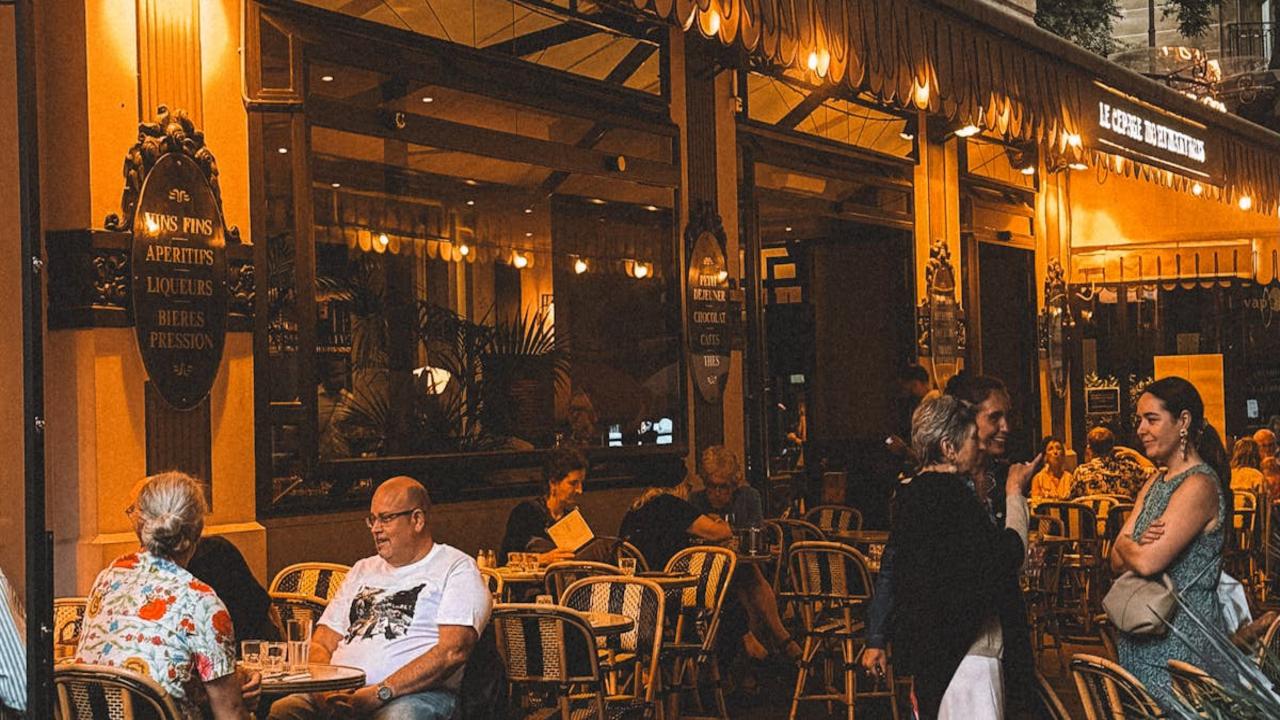
You know that friend who claims they’re “basically supporting the local restaurant economy single-handedly”? Yeah, that might be you. Restaurant meals pack about 200 more calories than home-cooked versions, and here’s the kicker—portion sizes have grown so massive that a typical pasta dish now contains enough carbs to fuel a marathon runner. Your wallet feels lighter because the average American spends $3,500 annually on dining out, but your waistband keeps expanding thanks to those sneaky restaurant tricks like butter-laden vegetables and bread baskets that magically refill themselves.
The real trap lies in how restaurants make everything taste impossibly good through generous amounts of salt, sugar, and fat that you’d never dream of adding at home. That “grilled” chicken? Probably basted in enough butter to make Paula Deen blush. Your brain starts associating restaurant food with celebration and convenience, creating a cycle where cooking at home feels like punishment instead of self-care. Break free by designating specific nights for dining out, treating restaurants like the special occasions they should be rather than your personal meal delivery service. Your bank account and your jeans will thank you for rediscovering the magic of your own kitchen.
Sugar Loaded Coffee Drinks
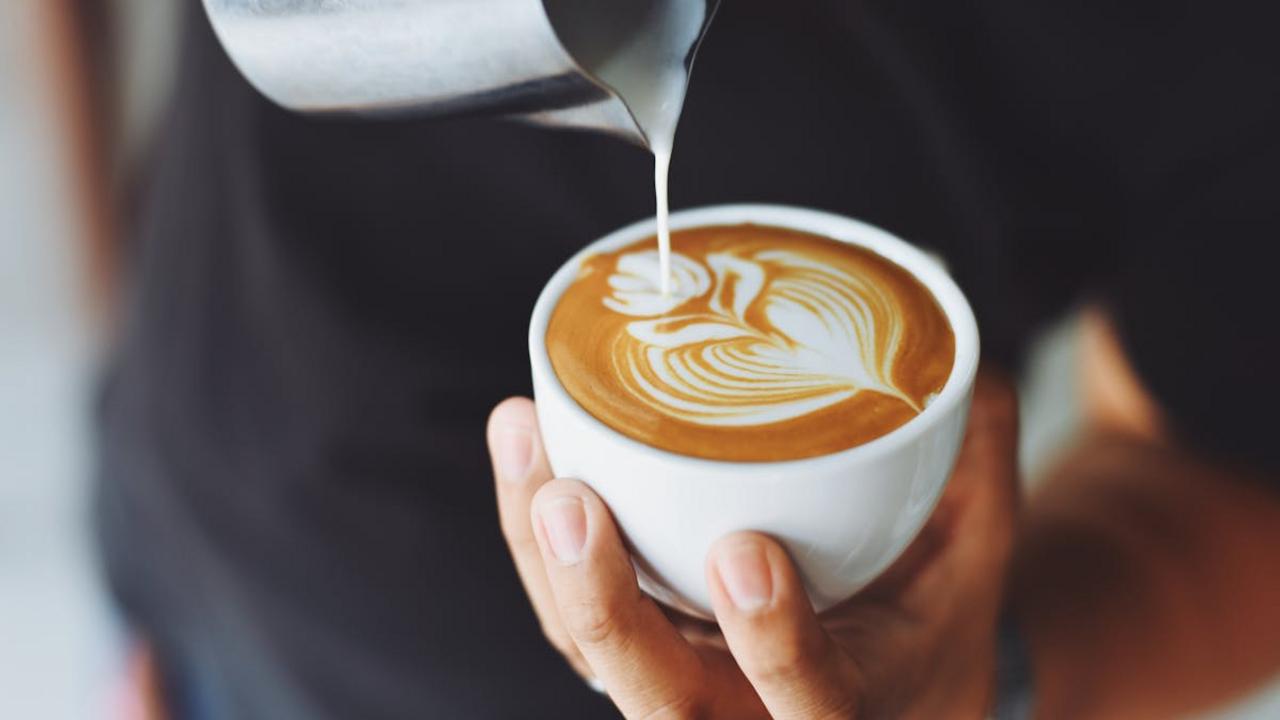
You walk into that coffee shop with the best intentions, planning to order a simple black coffee like some kind of sophisticated adult. But then you see the menu board with its seductive descriptions of caramel macchiatos, pumpkin spice lattes, and white chocolate mochas, and suddenly you’re ordering something that contains more sugar than a candy bar. Your “coffee” arrives looking more like a dessert sundae, complete with whipped cream mountains and syrup drizzles that would make a pancake jealous. The barista hands you what’s basically a milkshake masquerading as a morning beverage, and you pretend this counts as getting your daily caffeine fix.
Here’s the kicker: that innocent-looking grande flavored latte can pack anywhere from 25 to 50 grams of sugar – that’s roughly 6 to 12 teaspoons of the sweet stuff swirling around in your cup. Your poor pancreas doesn’t know whether to process coffee or cotton candy. The worst part? You’ve trained your taste buds to expect this sugar rush with every coffee break, so plain coffee now tastes like bitter disappointment. Try gradually reducing the pumps of syrup in your order, or switch to unsweetened versions with a splash of vanilla extract and cinnamon. Your wallet will thank you too – those fancy drinks cost more than a decent lunch, and you’re basically paying premium prices for liquid candy with a coffee chaser.
Always Cleaning Your Plate

Your grandmother’s voice echoes in your head like a broken record: “There are starving children in Africa!” And here you are, decades later, mechanically scraping every last morsel from your plate like you’re mining for gold. This habit runs deeper than family guilt trips—it’s practically hardwired into our DNA. Studies show that people who grew up during food scarcity or had parents who did tend to finish everything, even when their stomachs are waving white flags of surrender. You know that feeling when you’re already full but there’s still half a sandwich staring at you? Your brain treats that leftover food like abandoned treasure, and suddenly you’re on a mission to rescue every crumb.
Breaking this pattern feels like betraying your ancestors, but your waistline will thank you for the rebellion. Try using smaller plates—your brain gets tricked into thinking you’re eating more when the plate looks full. Restaurant portions have grown by 25% since the 1980s, so that “normal” serving size isn’t actually normal at all. Start by leaving just one bite behind each meal, then gradually work up to stopping when you feel satisfied rather than stuffed. Your food won’t judge you for not finishing it, and neither will those imaginary starving children your grandmother conjured up. Sometimes the most respectful thing you can do for food is know when to stop appreciating it.
Eating Directly From Packages

You know that moment when you grab a bag of chips for “just a handful” and suddenly find yourself staring at an empty package like you’ve witnessed some sort of snack magic trick? Welcome to the wild world of package eating, where portion control goes to die and your kitchen counter becomes a graveyard of crinkled wrappers. Scientists have actually studied this phenomenon (yes, really!), and they found that people eating straight from containers consume up to 50% more than those who portion their food onto plates. Your brain basically forgets to keep track because there’s no visual cue telling you when to stop – it’s like eating in a black hole of endless possibility.
The worst part? Your hand develops this weird autopilot mode where it just keeps reaching into that bag of pretzels while you’re binge-watching your favorite show, completely divorced from any rational thought about hunger or fullness. I once demolished an entire sleeve of crackers during a single episode of a cooking competition – the irony wasn’t lost on me. The solution isn’t rocket science: grab a bowl, measure out a reasonable portion, and put that package away before your lizard brain takes over. Sure, it requires an extra dish to wash, but your waistline and your wallet will thank you when you’re not buying replacement snacks every three days.
Constant Phone Use During Meals

You know that friend who photographs every single bite before it touches their lips? Yeah, that’s probably you scrolling through Instagram while your perfectly good pasta gets cold and lonely on the plate. Your brain thinks it’s multitasking like some sort of digital superhero, but really you’re just teaching yourself to ignore hunger cues and miss out on the actual flavors dancing around your mouth. Scientists have discovered that distracted eating can make you consume up to 25% more food because your brain never gets the memo that dinner is happening. It’s like trying to have a deep conversation while someone’s blasting heavy metal in your ear – something’s getting lost in translation.
The real tragedy here isn’t just the cold food (though weep for that beautiful risotto turning into cement). Your stomach sends “I’m full” signals to your brain about 20 minutes after you start eating, but if you’re busy double-tapping food pics and reading drama in the group chat, those signals get stuck in digital traffic. You end up finishing your meal without remembering a single bite, then wondering why you feel unsatisfied and reaching for dessert. Try this wild concept: put the phone in another room and actually taste your food. Your Instagram followers will survive without seeing your avocado toast, and your digestive system will thank you for finally paying attention to the show it’s been putting on.
Not Drinking Enough Water
Your body’s basically a walking water balloon that forgot to stay inflated, and you’re out here treating hydration like it’s optional homework. While you’re busy chugging coffee like it’s your job and pretending that Diet Coke counts as water intake, your poor cells are staging a revolt. Here’s the kicker: dehydration doesn’t just make you thirsty—it tricks your brain into thinking you’re hungry. So when you’re standing in front of the fridge at 3 PM wondering why you suddenly need to devour everything in sight, your body might just be screaming for good old H2O instead of that leftover pizza.
The wild part? Your kidneys are basically the overworked employees of your internal office, and when they don’t get enough water to do their job properly, they start hoarding every drop like they’re preparing for the apocalypse. This means you retain water weight, feel sluggish, and your skin starts looking like a sad raisin. Meanwhile, proper hydration keeps your metabolism humming along nicely and helps your stomach send accurate “I’m full” signals to your brain. So before you reach for that snack, chug a glass of water first—your future self will thank you when you’re not confusing thirst for an emergency cheese situation.
Large Portion Sizes
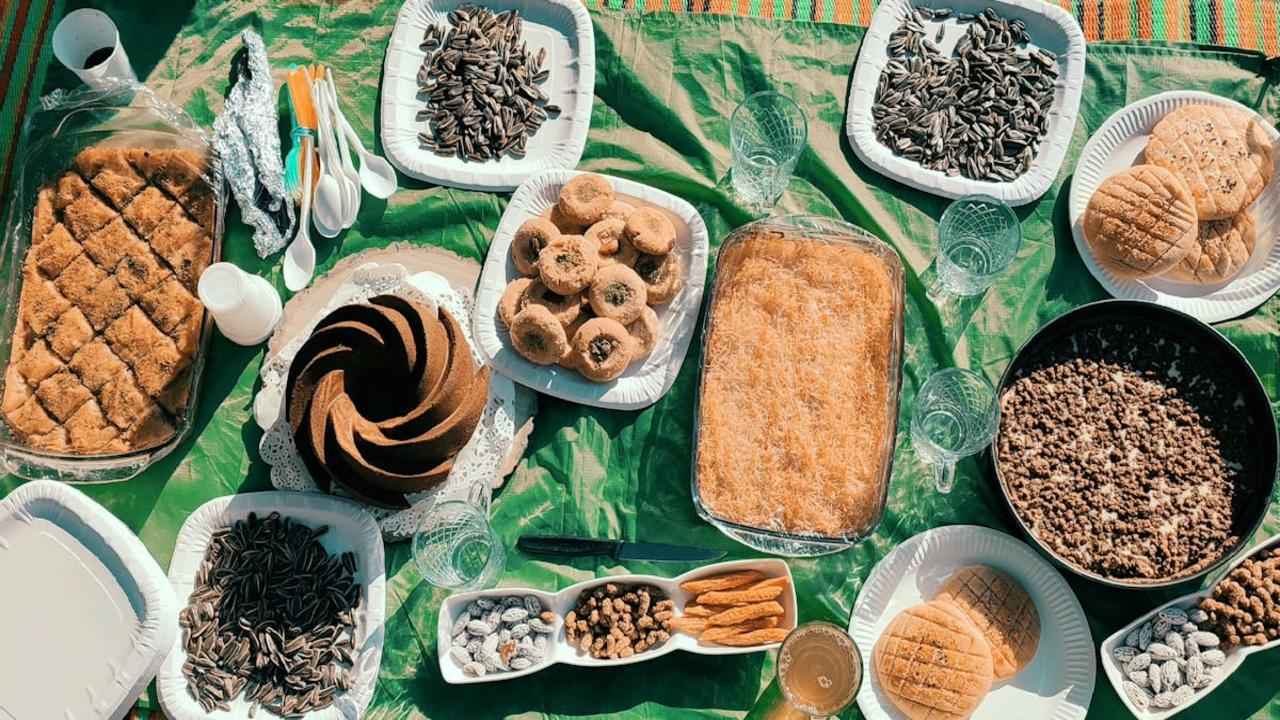
You know that moment when the waiter sets down your plate and you think, “Did they accidentally bring me the family-size option?” Welcome to America, where supersizing became our unofficial national sport sometime around the 1980s! Your eyes might be bigger than your stomach, but restaurants have made sure their plates are bigger than both. Fun fact: the average dinner plate grew from 9 inches to 12 inches over the past few decades, which means we’re unconsciously piling on about 23% more food. Your brain sees that white space on the plate as a personal challenge to fill, like some twisted game of edible Tetris.
Here’s the sneaky part about portion distortion: your stomach is roughly the size of your fist, but that burrito you just ordered could feed a small village in medieval times. Restaurant portions can be two to eight times larger than recommended serving sizes, turning your innocent dinner date into an inadvertent eating competition. The worst part? Your brain takes about 20 minutes to register fullness, so by the time you realize you’re stuffed, you’ve already polished off enough pasta to carb-load for a marathon. Try using smaller plates at home (yes, it actually works!) and remember that leftovers aren’t shameful—they’re tomorrow’s lunch victory!
Emotional Stress Eating

You know that moment when your boss emails you at 9 PM about a “quick chat” tomorrow, and suddenly you’re elbow-deep in a family-size bag of barbecue chips? Welcome to the wild world of emotional stress eating, where your feelings basically hijack your fork and drive straight to Snack Town. I’ve watched myself demolish an entire sleeve of chocolate chip cookies during a particularly brutal Netflix documentary about polar bears, and honestly, those cookies didn’t stand a chance against my anxiety-fueled appetite. Scientists actually call this “comfort food consumption,” but I prefer “therapeutic carb loading” because it sounds more official.
The sneaky thing about stress eating is how it disguises itself as self-care. Your brain tricks you into thinking that pint of rocky road ice cream is medicine, when really it’s just frozen dairy dressed up as a therapist. Fun fact: stress hormones like cortisol literally make you crave high-fat, high-sugar foods because your caveman brain thinks you’re being chased by a saber-tooth tiger and need quick energy. Of course, modern tigers wear business suits and send passive-aggressive emails, but your body doesn’t know the difference. The key is recognizing when you’re eating your feelings versus actually being hungry – though let’s be real, sometimes a good cry over a bowl of mac and cheese is exactly what the soul needs.
Late Night Eating
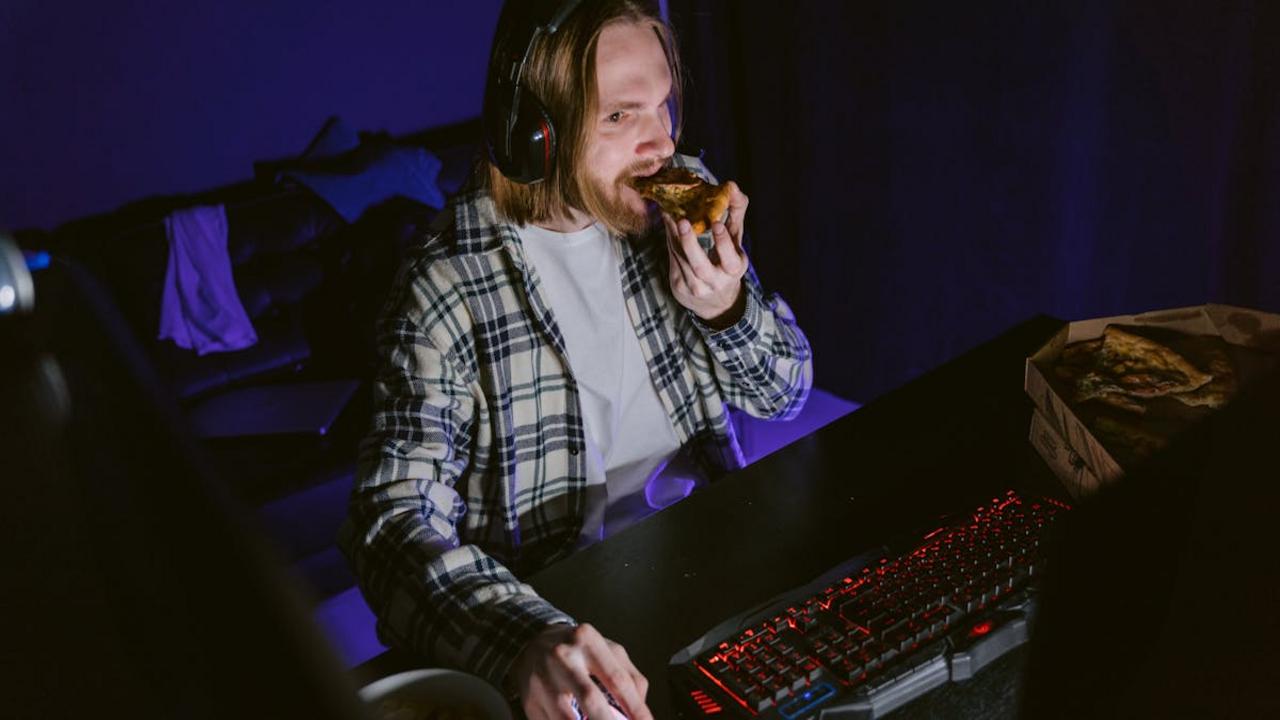
You know that moment when you’re binge-watching your favorite show at 11 PM, and suddenly your stomach starts rumbling like a tiny earthquake? Welcome to the midnight munchies club! Your brain tricks you into believing that leftover pizza from three days ago will somehow taste better under the glow of your phone screen. Scientists have discovered that our bodies produce less leptin (the hormone that tells you “hey, you’re full!”) during nighttime hours, which explains why you can demolish an entire bag of chips without blinking. Your circadian rhythm basically turns into a rebellious teenager, ignoring all the sensible eating rules you followed during daylight hours.
The real comedy begins when you try to justify these nocturnal food adventures. “It’s technically breakfast if I’m still awake from yesterday,” you whisper to yourself while heating up last night’s Chinese takeout. Late night eating becomes this weird ritual where normal portion sizes go out the window – suddenly, three slices of cake seem perfectly reasonable for “dessert.” Your future self will wake up confused, wondering who ate half the refrigerator contents, while your present self continues this beautiful dance with gravity-defying metabolism expectations. The fridge light becomes your personal spotlight, illuminating questionable food combinations that somehow make perfect sense at 2 AM.
Skipping Breakfast
You know that moment when you roll out of bed with exactly seventeen minutes to get ready, and suddenly breakfast becomes as mythical as unicorns? Welcome to the club of chronic breakfast skippers, where coffee counts as a food group and granola bars live permanently in your purse. Your stomach starts staging a revolt around 10 AM, growling louder than a disgruntled bear, while you convince yourself that lunch will totally make up for this morning’s nutritional negligence. Fun fact: your metabolism is basically sitting there tapping its foot, waiting for you to give it something to work with – and when you don’t, it goes into energy-conservation mode faster than you can say “I’m not hungry anyway.”
The ironic twist? Skipping breakfast often leads to making questionable food choices later, like inhaling that entire sleeve of crackers at your desk or ordering the largest possible lunch because you’re suddenly ravenous. Your blood sugar does this wild rollercoaster thing that would make Six Flags jealous, leaving you feeling like you’ve been hit by a truck made of exhaustion. Try keeping overnight oats in mason jars – just throw some oats, milk, and whatever toppings make you happy into a jar before bed, and boom! Morning you gets a gift from nighttime you. Or grab a banana and some peanut butter on your way out the door – your body will thank you, and your 10 AM stomach growls will finally quiet down.
Eating Too Fast
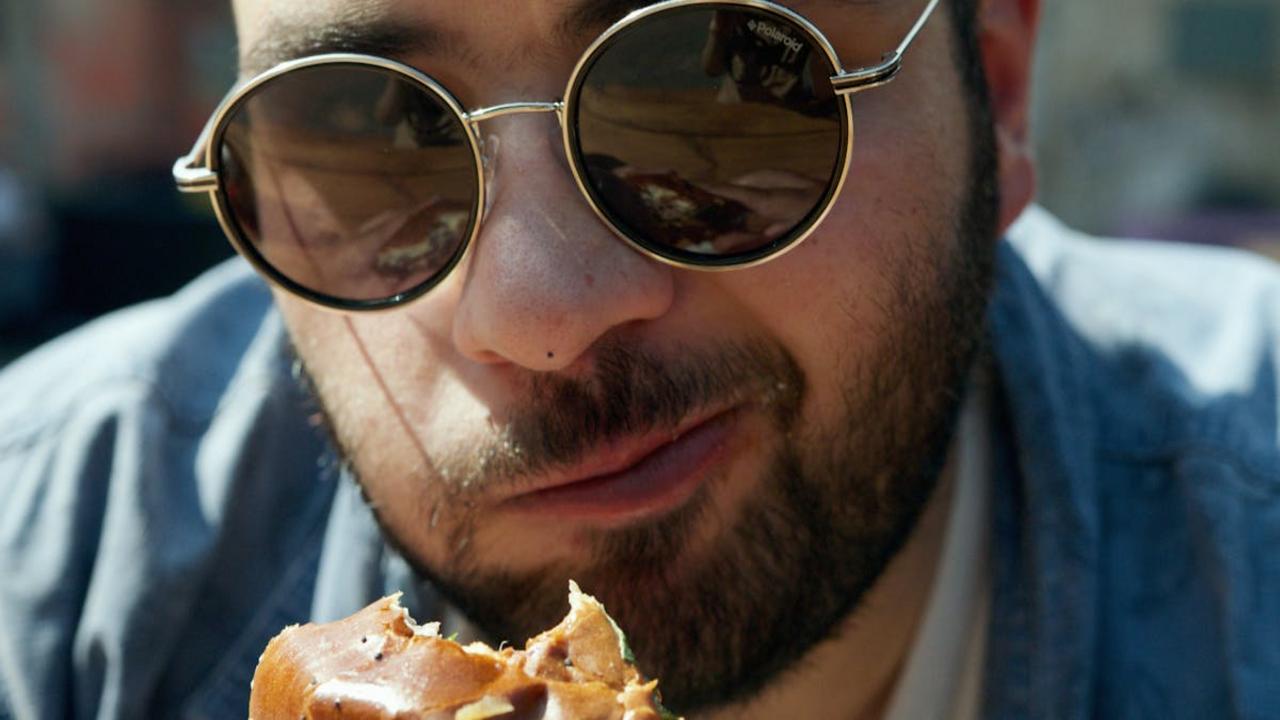
You know that friend who inhales their meal like they’re competing in a speed-eating contest at the county fair? Yeah, that might be you. Racing through your food like you’re late for a very important date with dessert turns every meal into a frantic sprint instead of the leisurely stroll it should be. Your stomach sits there confused, sending mixed signals to your brain that basically translate to “Wait, what just happened? Are we full? Are we still hungry? Send help!” Scientists tell us it takes about 20 minutes for your brain to catch up with your belly’s satiety signals, which means you’re probably three servings deep before your body realizes it’s had enough.
The wildest part? Your digestive system wasn’t designed for this NASCAR approach to nutrition. Picture your poor stomach as a blender that someone forgot to put the lid on – everything’s flying everywhere, and nothing’s getting properly processed. Slow eaters tend to consume fewer calories naturally because they actually give their bodies time to register fullness, while speed demons like us often end up uncomfortably stuffed and wondering why we feel like we swallowed a bowling ball. Try putting your fork down between bites, chewing each mouthful like you’re a professional food critic taking notes, or even setting a timer for 20 minutes per meal – your waistline and your wallet will thank you when you stop going back for thirds.
Mindless Snacking While Watching TV
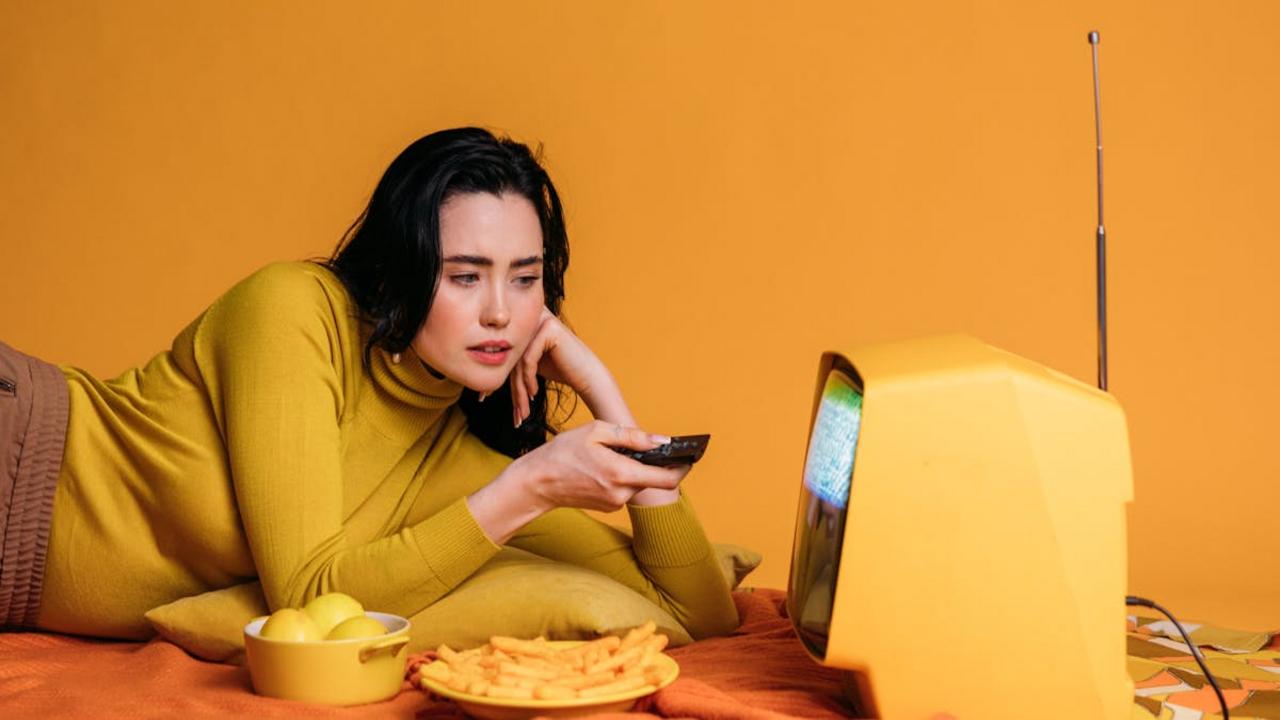
Picture this: You settle into your couch fortress with a “small” bag of chips, ready to binge-watch your favorite series. Three episodes later, you’re staring at an empty bag wondering if a snack-stealing gremlin invaded your living room. Your brain was so busy following plot twists that it completely forgot to register the constant hand-to-mouth motion happening below. Scientists call this “distracted eating,” but I call it the great chip disappearing act that happens in living rooms across America every single night.
The magic trick works because your brain can only focus on so many things at once, and apparently keeping track of Cheetos doesn’t make the priority list when there’s drama unfolding on screen. Studies show people consume up to 50% more food while watching TV compared to eating at a table – that’s like accidentally eating an extra meal without even noticing! Try the “bowl trick” next time: portion out your snacks into a small bowl instead of bringing the entire bag to your TV throne. When the bowl’s empty, you’ll actually notice and can make a conscious choice about round two rather than mysteriously reaching into an empty bag like some confused snack zombie.