Half a Battenburg and a Pack of Jelly Babies: Grandma Caught Feeding Toddler ‘Secret’ Sugar Binge
We all know that one of the great joys of being a grandparent is the freedom to spoil the little ones. A forbidden cookie before dinner, an extra scoop of ice cream—these are the sweet, harmless conspiracies that create lasting bonds. It’s a time-honored tradition.
However, one woman recently took to the internet to share a story that proves not everyone understands the line between a loving treat and a dangerous breach of trust. Her mother-in-law’s behavior went far beyond simple spoiling into territory that is frankly shocking.

The Incident
This story begins with a mother-in-law who was already, in her daughter-in-law’s words, “completely overbearing.” This wasn’t a one-time misstep. This grandmother had a history of ignoring boundaries, from walking into her son and daughter-in-law’s bedroom at 7 a.m. while the mother was nursing, to showing blatant favoritism toward her grandson over her granddaughter.
The situation came to a head over the issue of sweets. After the family dentist recommended that the 3-year-old boy avoid sugary foods, the parents sat down with the grandmother and specifically asked for her help. She seemed to agree wholeheartedly.
But her actions told a different story. Soon, she began giving her grandson “little sweet treats behind our back.” This secret campaign of disrespect escalated into something truly unbelievable.
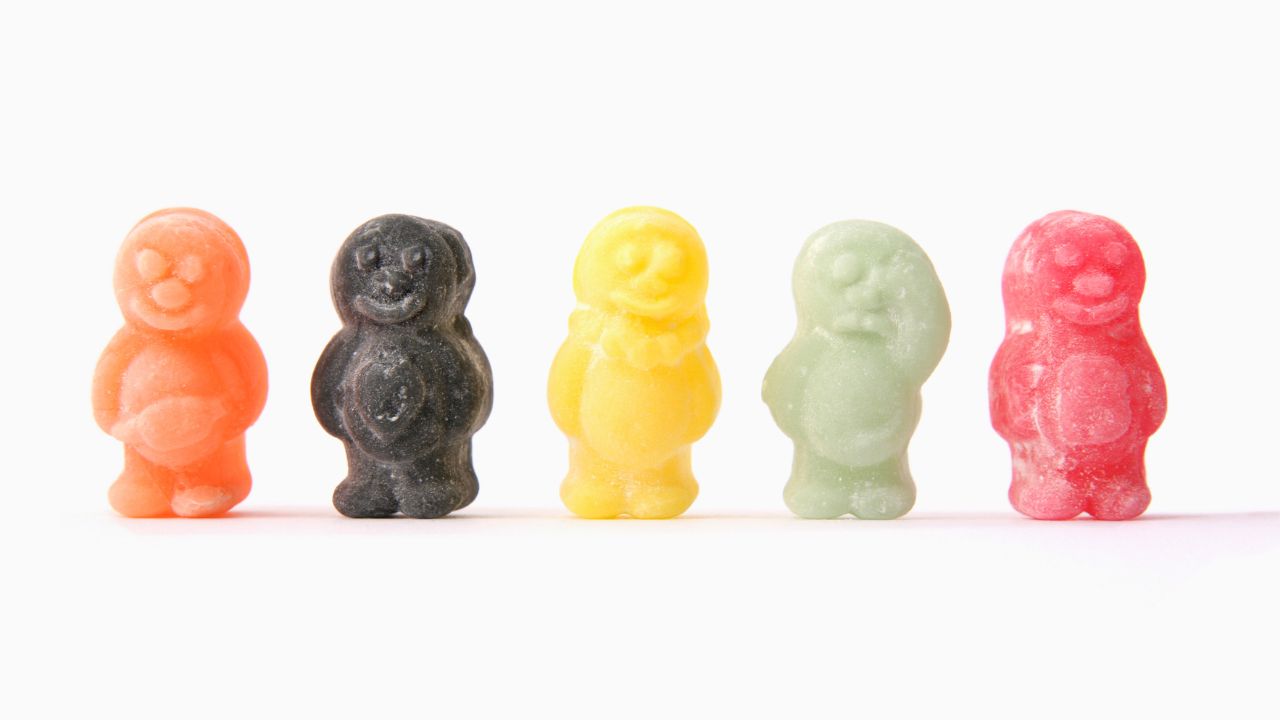
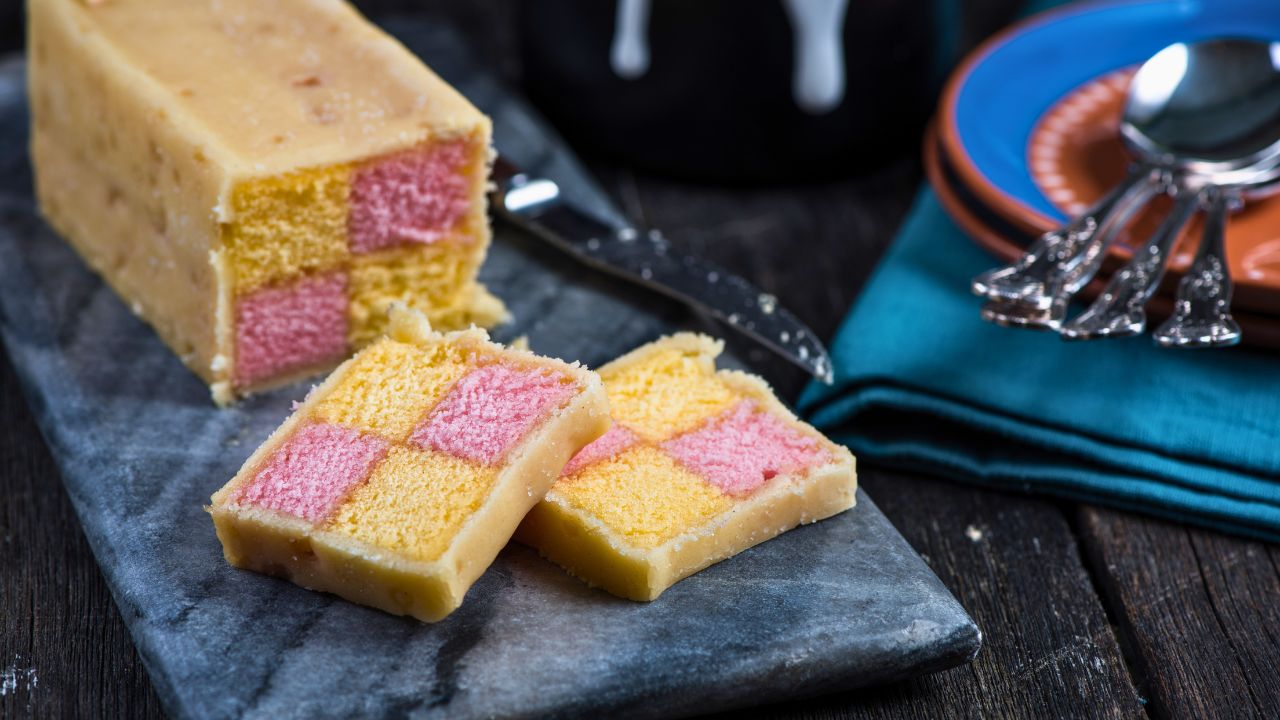
During one single visit, the grandmother fed the toddler “half a full size battenburg cake, a full pack of jelly babies, sweet yoghurts, a gingerbread man all in the space of one day.”
Can you even imagine? A full day’s worth of sugar, if not more, pumped into a tiny 3-year-old body, directly against the advice of a doctor and the explicit wishes of his parents. It’s enough to make any parent’s blood boil.
The Internet Reacts
When the mother shared her story, the internet community was set alight with opinions, and most people were firmly in her corner. The reactions fell into a few distinct camps.
First, there was the “Absolutely Not” Crowd. These were the people who were simply furious on the mother’s behalf. One commenter captured the outrage perfectly, writing, “Is she trying to give your 3yo diabetes?! What the hell!”

Another pointed out that the sheer quantity of sweets could never be brushed off, saying, “…there’s no way that could be classed as ‘a little treat’.”
Then came the “Devil’s Advocate” camp, though they were less about defending the grandmother and more about trying to understand her. Several people suggested that the mother-in-law might have her own deep-seated issues with food.
The original poster confirmed this suspicion, sadly admitting, “She is slowly killing herself with her own food issues… she has complete denial.” This added a layer of tragedy to the grandmother’s baffling behavior.
Finally, there was the “Take Action” Crowd, who offered firm advice. Many insisted the mother was right to “stop unsupervised contact time.”
Another commenter urged the family to drop the gentle approach, advising that the husband “needs to have a serious come-to-Jesus talk with her. Enough of the diplomatic approach!”
The Etiquette Verdict
Let’s be perfectly clear: this is not a simple case of a doting grandmother getting carried away. This is a profound and alarming lack of respect for the parents. When a boundary is set for a child’s health and safety, it is not a suggestion—it is a rule. To deliberately and secretly violate that rule is to undermine the parents in the most damaging way.
The golden rule of grandparenting is to support, not sabotage. A grandparent’s role is to be a loving presence who respects the family structure, and that means honoring the parents’ decisions, especially when it comes to health. This behavior was not just bad manners; it was reckless.
What Do You Think?
It’s a difficult situation when family is involved. We all want our children to have good relationships with their grandparents, but at what cost?
Was this grandmother’s behavior a forgivable mistake, or was it a dangerous act of disrespect that justifies cutting off unsupervised visits for good?
Ready for the next level of insight? Discover more in my latest article here.