14 Coffee Chain Orders You Should Skip According to Baristas
Your morning coffee run doesn’t have to sabotage your wallet or wellness goals. After years of creating nourishing meals from scratch, I’ve learned that the same principles apply to what you sip—fresh, simple ingredients always win over processed alternatives.
Baristas see it all behind the counter, and their insider knowledge reveals which menu items deserve your hard-earned money and which ones you should leave on the shelf. From syrup-laden drinks that mask quality coffee to overpriced packaged snacks, these professionals know where chains cut corners.
Smart ordering means understanding what’s worth the splurge and what’s better made at home. These fourteen barista-approved skips will help you make informed choices that honor both your health and your taste preferences while supporting quality coffee craftsmanship.
Protein boxes
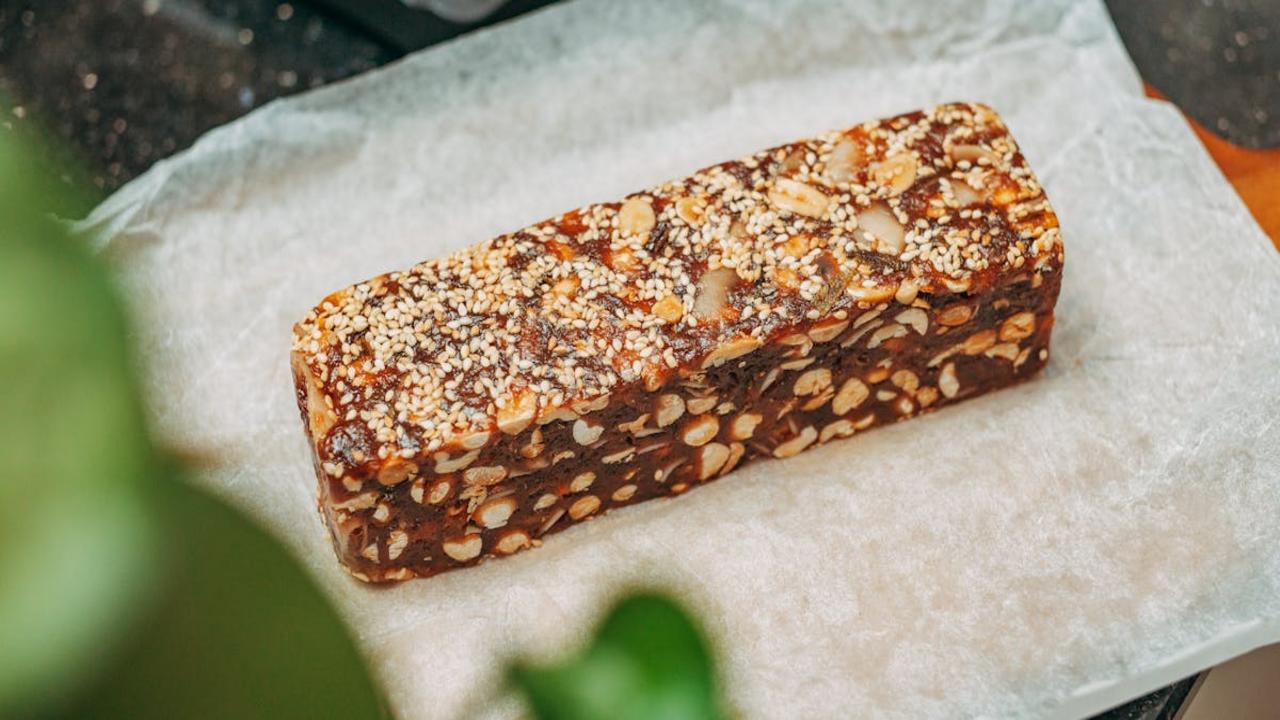
Those pre-packaged protein boxes sitting in the coffee shop display case might look convenient, but trust me—your barista friends want you to skip them entirely. These boxes typically contain processed meats, stale nuts, and cheese that’s been sitting around for who knows how long. Most coffee shops receive these items from third-party suppliers days or even weeks before they hit the shelves. The turkey rolls are pumped with preservatives, the crackers lose their crunch, and the dried fruit becomes chewy in all the wrong ways.
Instead of grabbing one of these overpriced boxes that cost upward of $8, why not create your own protein-packed snack at home? I keep a simple mix of raw almonds, a piece of fresh fruit, and maybe some homemade hummus with veggie sticks in my bag. You’ll get fresher ingredients, save money, and avoid all those unnecessary preservatives and sodium loads. Your body will thank you for choosing whole foods over processed convenience items, and you’ll actually feel satisfied rather than sluggish after your snack. The baristas see how long those boxes sit there—take their advice and pass them by.
Low-fat muffins
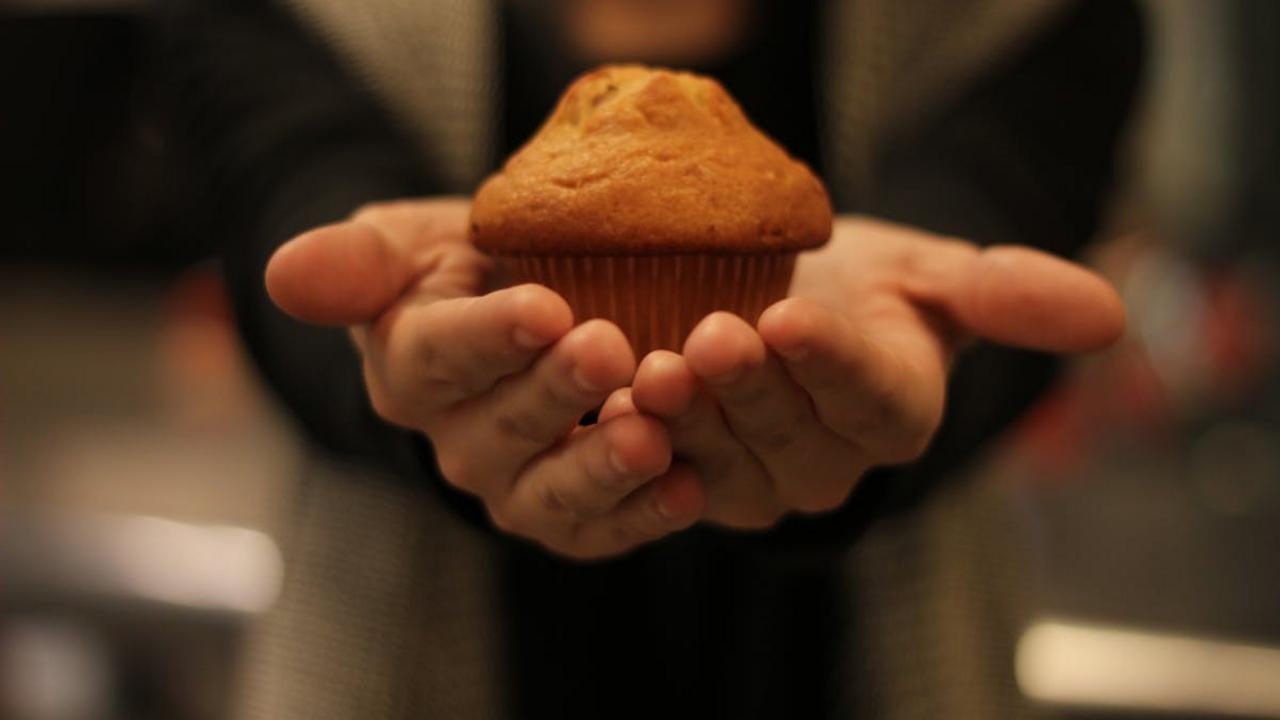
You know what breaks my heart? Watching someone reach for those sad, rubbery low-fat muffins sitting under those coffee shop display cases. As someone who bakes fresh treats weekly, I can spot processed disappointment from a mile away. Those commercial muffins strip away all the good fats that make baked goods satisfying, then pump them full of extra sugar and artificial fillers to compensate. The result? A dense, flavorless hockey puck that leaves you hungry again within an hour.
Instead of grabbing that cardboard masquerading as breakfast, ask your barista about their regular muffins made with real butter or wholesome oils – at least you’ll get actual flavor and satiation. Better yet, spend Sunday afternoon mixing up a batch of homemade muffins with coconut oil, fresh berries, and a touch of whole wheat flour. Your taste buds and your wallet will thank you, plus you’ll know exactly what ingredients went into your morning fuel. Real food always wins over factory-made imitations.
Personalized tumblers

You know that beautiful personalized tumbler you got as a gift or treated yourself to? The one with your name etched in elegant script or your favorite motivational quote? Here’s something baristas wish they could tell you directly: bringing your own tumbler can actually slow down your morning routine significantly. Most coffee shops have their systems perfectly calibrated for their standard cup sizes, and when you hand over your unique vessel, the barista has to pause, figure out the equivalent size, and often remake drinks that don’t fit properly. Your 14-ounce tumbler doesn’t match their 12 or 16-ounce standards, creating confusion about pricing and portions.
From my perspective as someone who values efficiency in the kitchen, I completely understand the appeal of reducing waste with reusable cups. However, during peak hours, your personalized tumbler becomes the equivalent of asking a busy line cook to plate your meal on your grandmother’s china instead of restaurant plates. The barista has to clean your tumbler first, determine if it fits under their espresso machine, and sometimes discover halfway through that your latte art dreams won’t work with your tumbler’s narrow opening. If you want to use your own cup, visit during off-peak hours when your barista has time to accommodate your sustainable choice without creating a bottleneck for everyone behind you.
Spices or condiments
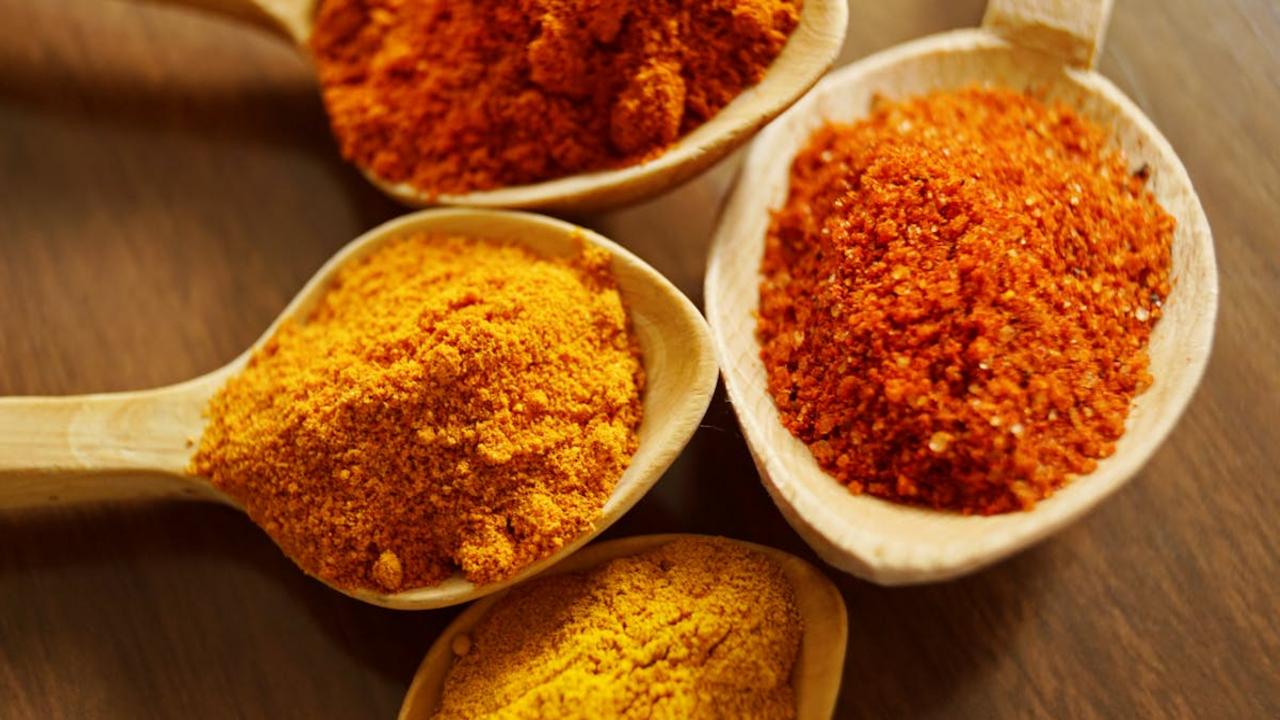
You know that moment when you’re craving something unique at your local coffee shop and think, “Maybe I’ll ask for some cinnamon or a dash of hot sauce in my latte”? Hold up right there, friend. Baristas across the country are shaking their heads at requests for random spices and condiments that don’t belong in coffee drinks. I get it—we home cooks love experimenting with flavors, but coffee shops aren’t equipped like our home kitchens where we can thoughtfully balance spices with other ingredients.
Think about it from a practical standpoint: most coffee chains have limited spice selections, and what they do have often sits around collecting dust and losing potency. Unlike in our home cooking where we toast whole spices and grind them fresh, these pre-ground additions can taste stale and overwhelm your drink’s natural coffee notes. Instead of asking for random seasonings, try ordering drinks that already incorporate complementary spices like chai lattes or pumpkin spice beverages. Trust me, your barista will appreciate not having to dig through dusty spice containers, and you’ll get a much better-tasting drink that’s been properly formulated.
Decaf coffee
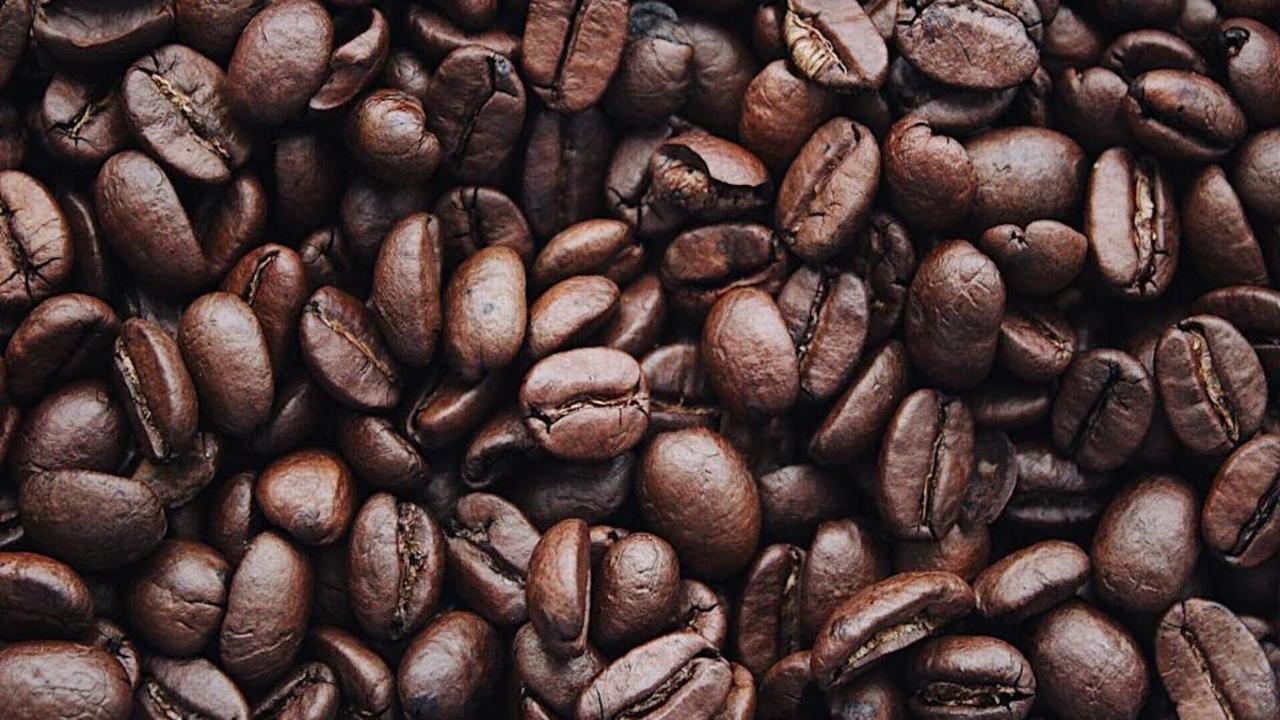
Listen, I get it – sometimes you want that warm, comforting ritual of coffee without the jittery aftermath. But here’s what most baristas won’t tell you directly: decaf often sits around much longer than regular coffee, and the decaffeination process strips away many of the complex flavors that make coffee worth drinking in the first place. Most coffee shops don’t brew fresh decaf throughout the day like they do with regular coffee, so you’re often getting something that’s been sitting on a heating plate for hours.
Instead of settling for stale decaf, consider asking for a fresh americano made with half regular and half hot water – you’ll get better flavor with less caffeine. Or better yet, try herbal teas or golden milk with turmeric and warming spices. At home, I love making a caffeine-free “coffee” using roasted chicory root or dandelion root – both give you that rich, earthy flavor without any caffeine. These alternatives taste fresher and offer their own unique health benefits, plus you’re not compromising on flavor just to avoid caffeine.
Bottled juices
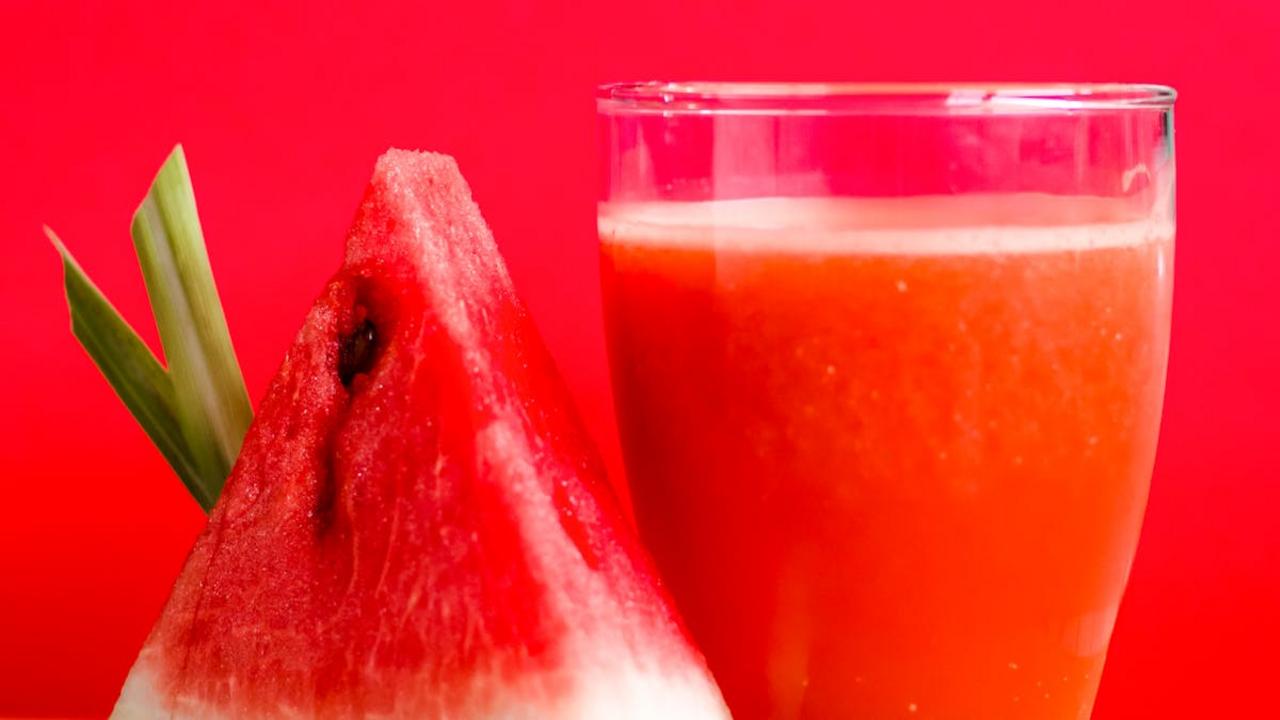
Friend, I need to share something that might shock you – those bottled juices sitting in coffee shop refrigerators are some of the most processed, sugar-loaded drinks you can buy. As someone who makes fresh juice at home regularly, I can spot these imposters from a mile away. Most contain high fructose corn syrup, artificial flavors, and preservatives that your body simply doesn’t need. The orange juice that claims to be “100% pure” often sits in storage tanks for months, stripped of its natural flavors and then artificially re-flavored. You’re paying premium prices for what amounts to fancy sugar water with a vitamin boost.
Instead of reaching for that $4 bottle of processed juice, ask your barista if they can blend you a simple smoothie with real fruit, or better yet, grab a piece of actual fruit from the pastry case. Your wallet and your body will thank you. I always carry a small mason jar of homemade green juice or simply drink water with a squeeze of fresh lemon. The real tragedy is that these bottled juices rob you of experiencing what fresh, vibrant fruit actually tastes like. Once you start making your own juices at home using a simple blender and strainer, you’ll never want to go back to those shelf-stable imposters.
Breakfast sandwiches
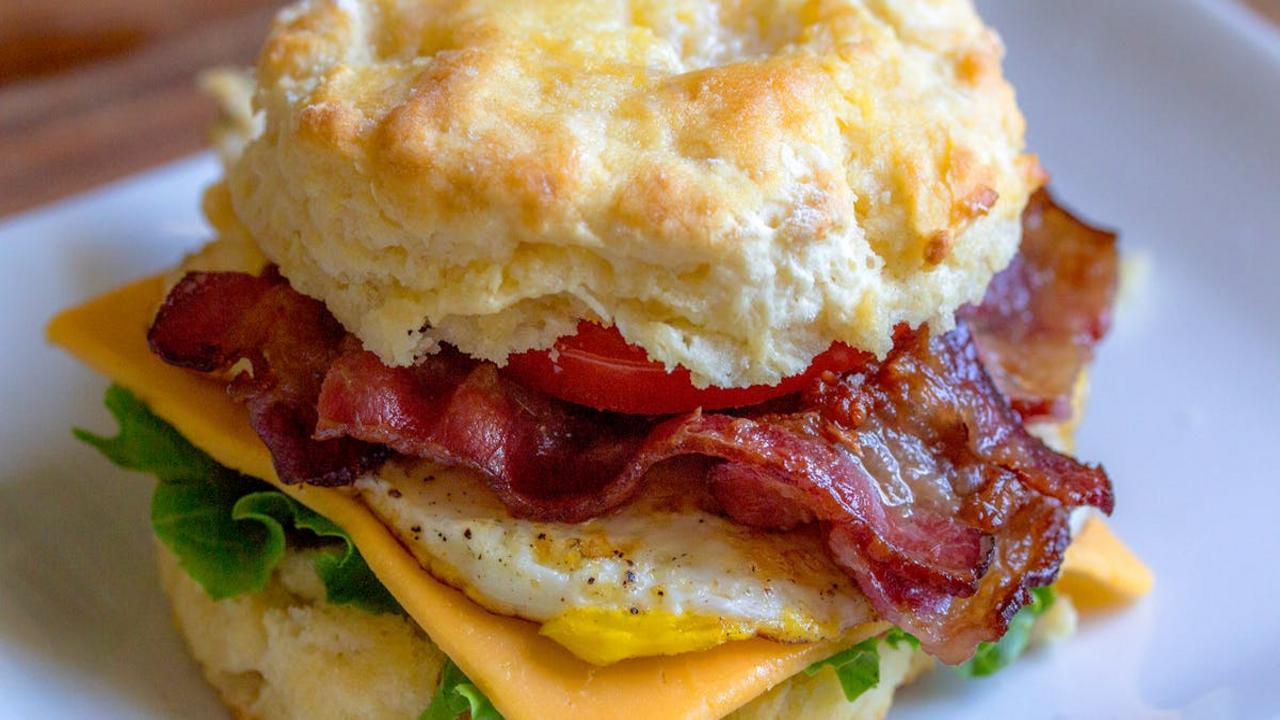
Listen, I get it—you’re rushing out the door and that breakfast sandwich behind the glass case looks tempting. But here’s what your friendly neighborhood barista won’t tell you: those sandwiches have been sitting there since yesterday, maybe longer. As someone who believes in fresh, wholesome ingredients, I cringe thinking about how processed these convenient options really are. The eggs come from a carton, the “cheese” is more chemicals than dairy, and that English muffin? It’s been frozen, thawed, and reheated more times than your leftover pizza.
Instead of grabbing that sad sandwich, try my favorite morning hack: keep hard-boiled eggs in your fridge and grab some fresh avocado on your way out. Mash that creamy green goodness on whole grain toast, add your egg, and sprinkle some everything seasoning—now you’ve got a breakfast that actually nourishes your body. The difference in taste and energy levels is remarkable, and you’ll save money too. Your barista will thank you for not making them microwave another one of those rubbery sandwiches, and your taste buds will definitely appreciate the upgrade.
Hot chocolate
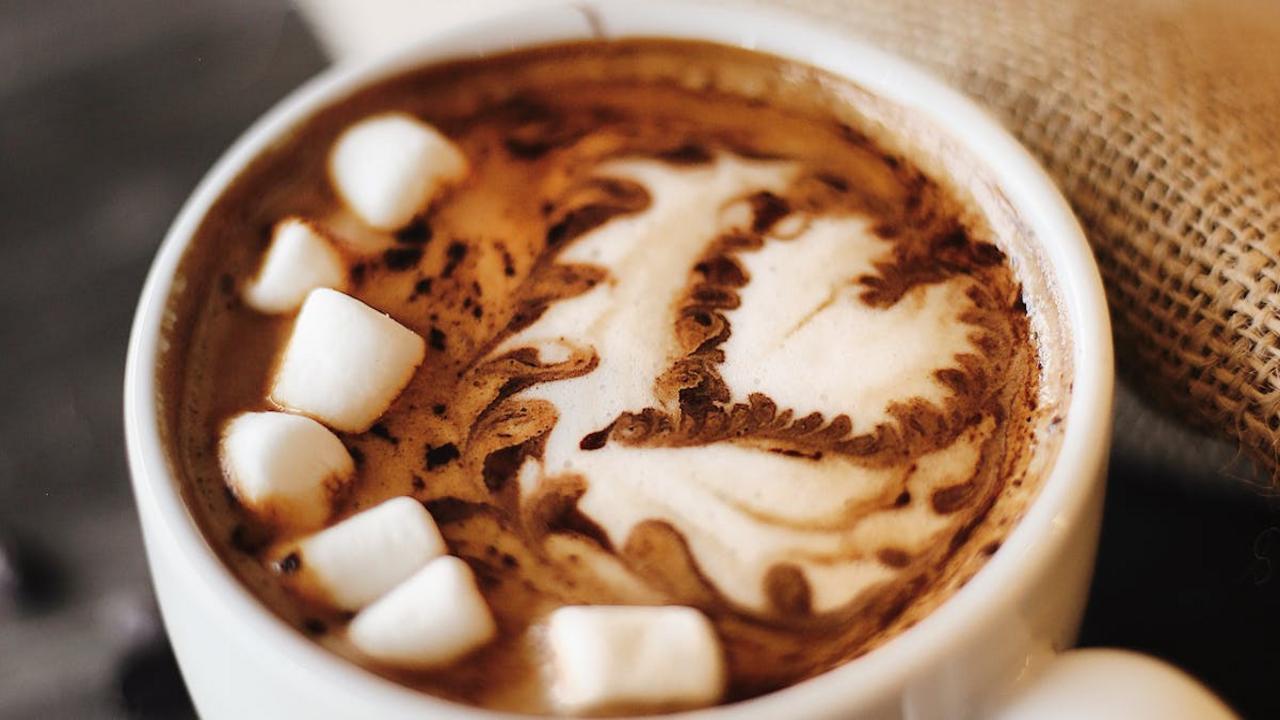
You know what breaks my heart as someone who makes hot chocolate from scratch at home? Watching baristas reluctantly prepare those coffee shop versions that barely deserve the name. Most chains use powdered mixes loaded with artificial flavors, stabilizers, and enough sugar to make your teeth ache. The “chocolate” often comes from cocoa powder that’s been sitting around for months, mixed with dairy that’s been steamed to death. I’ve watched baristas roll their eyes when customers order hot chocolate because they know what they’re serving doesn’t compare to the real thing you can make in your own kitchen with quality cocoa, good milk, and a touch of vanilla.
The biggest issue isn’t just the mediocre taste – it’s that you’re paying premium prices for something you can make infinitely better at home. I keep high-quality Dutch-process cocoa in my pantry specifically for those moments when I want real hot chocolate. Start with whole milk or your favorite plant-based alternative, whisk in good cocoa powder with a pinch of sea salt, add maple syrup or honey to taste, and finish with real vanilla extract. You control every ingredient, avoid the processed additives, and create something that actually tastes like chocolate rather than sugary milk with brown coloring. Save your money and make the real version at home.
Smoothies
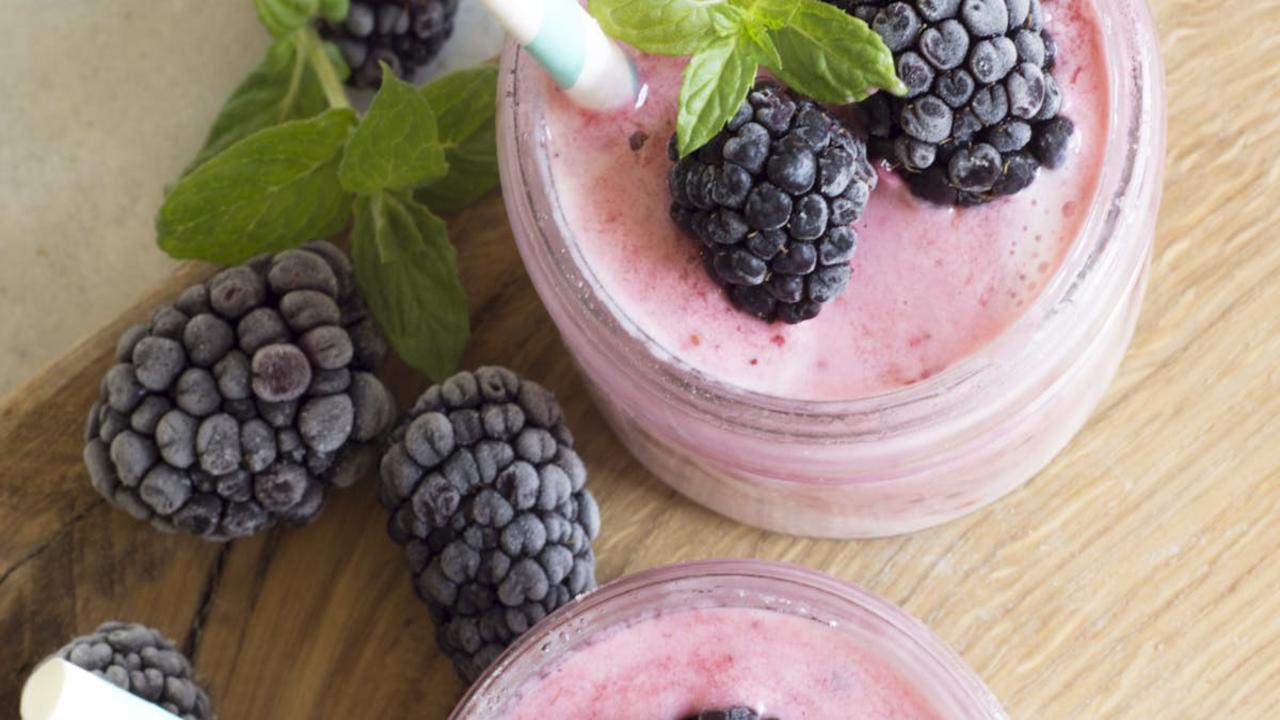
Listen, I get it—smoothies sound like the healthy option at your favorite coffee chain, but here’s what your barista friend won’t tell you: most of these so-called nutritious drinks are sugar bombs in disguise. I’ve watched countless customers order smoothies thinking they’re making a wholesome choice, only to receive a cup packed with artificial syrups, processed fruit purees, and enough sugar to rival a milkshake. These commercial smoothie bases often contain preservatives and stabilizers that your body doesn’t recognize, turning what should be a simple blend of whole fruits into a chemical cocktail.
Instead of settling for these over-processed versions, why not create your own smoothie magic at home? I keep frozen mango chunks, spinach, and coconut milk stocked in my kitchen because homemade smoothies give you complete control over every ingredient. You can add fresh ginger for warmth, a handful of dates for natural sweetness, or even throw in some avocado for creaminess without the artificial thickeners. Your morning smoothie becomes a canvas for real nutrition—not a marketing trick dressed up as wellness. Plus, you’ll save money and know exactly what’s fueling your body each morning.
Pastries
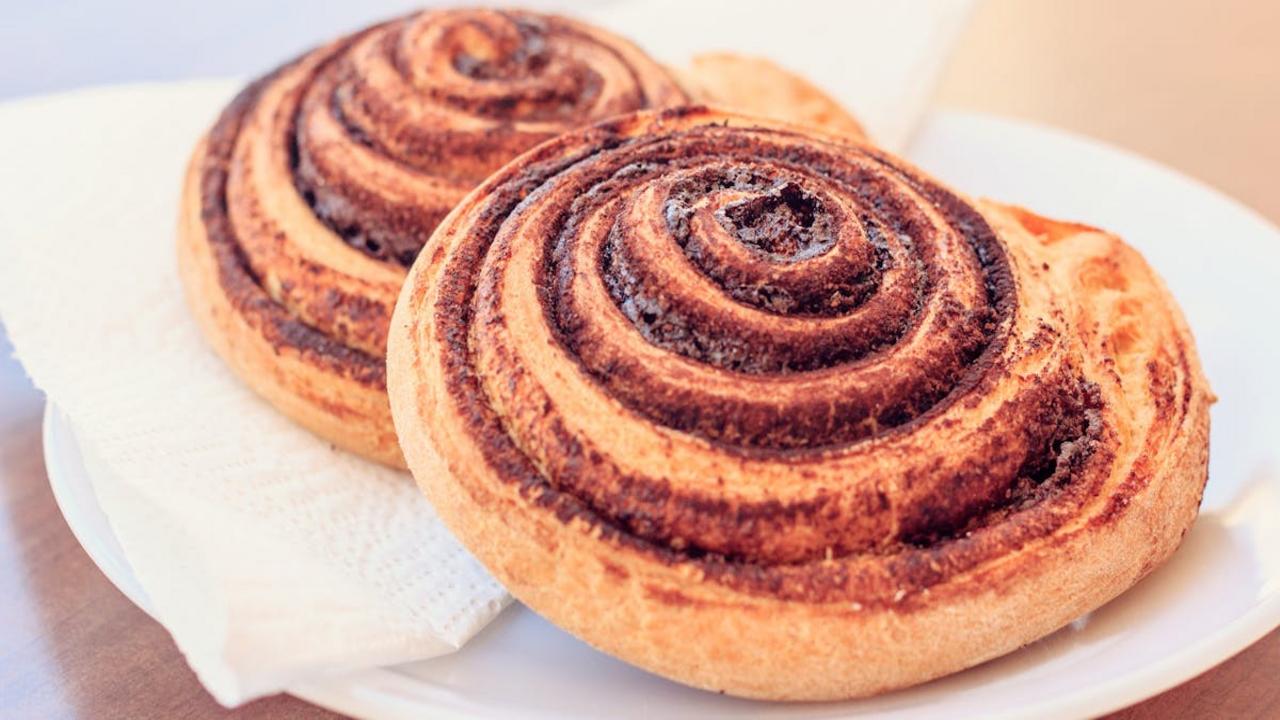
Listen, I get it—those glossy pastries sitting behind the coffee shop counter look tempting, especially when you’re rushing to grab your morning caffeine fix. But here’s what most baristas won’t tell you directly: those croissants, muffins, and Danish pastries have been sitting there for hours, sometimes even days. As someone who bakes fresh pastries at home regularly, I can spot the telltale signs of staleness from across the room. The flaky layers lose their crispness, the fruit fillings become soggy, and the overall texture turns disappointingly dense.
What really gets me is the astronomical markup on these mass-produced items. You’re paying premium prices for something that costs the coffee chain pennies to source from industrial bakeries. Instead, swing by a local bakery on your way, or better yet, spend fifteen minutes on Sunday prepping homemade energy balls with dates, nuts, and a touch of vanilla. Your wallet and your body will thank you for choosing something made with real ingredients over preservative-laden pastries that have traveled hundreds of miles to reach that display case.
Instant coffee blends
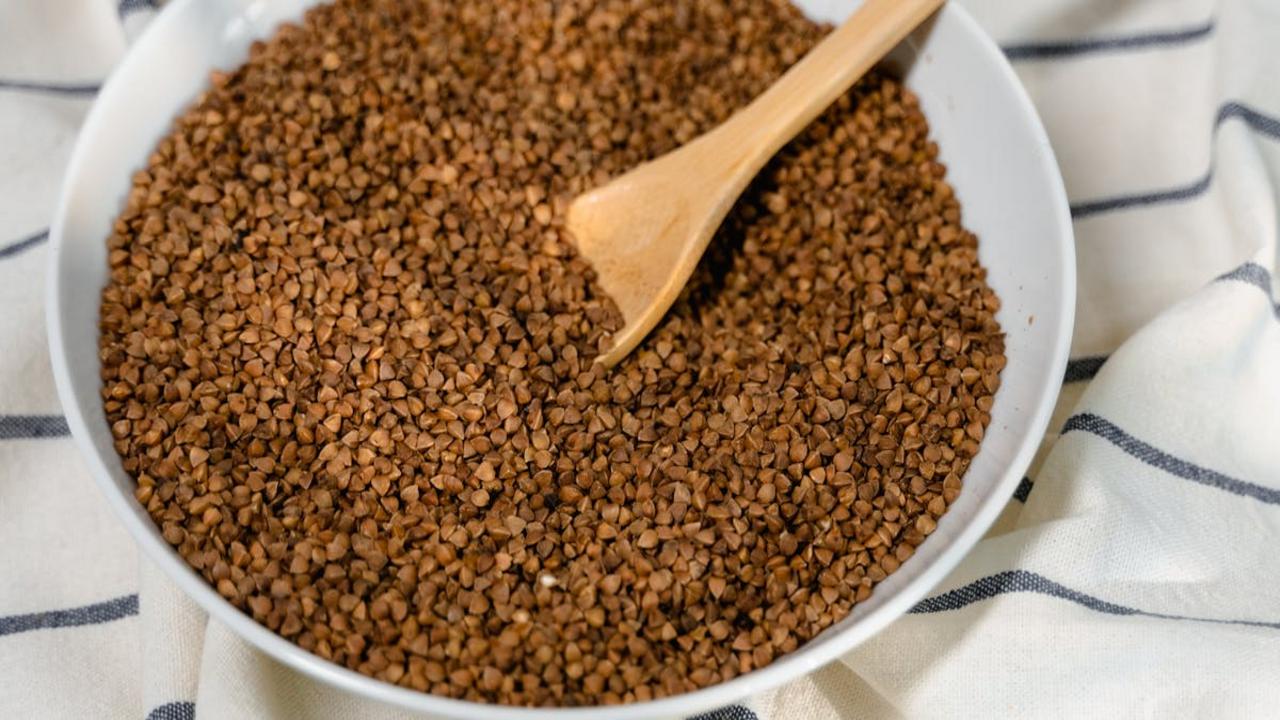
Listen, I get it – you walk into your favorite coffee chain and spot those instant coffee options, thinking they might be a quick caffeine fix. But here’s what I’ve learned from my barista friends: these blends are often the most processed items on the menu. They’re packed with artificial flavors, stabilizers, and sometimes enough sugar to rival a dessert. The coffee itself? Usually low-grade beans that have been stripped of their natural oils and compounds through harsh processing methods.
Instead of reaching for that instant packet, try asking your barista for a simple pour-over or even a basic drip coffee. You’ll taste the difference immediately – real coffee beans bring earthy, complex flavors that no factory can replicate. I always tell people that good coffee, like good cooking, starts with quality ingredients. When you choose fresh-brewed over instant, you’re treating your body to antioxidants and natural compounds that actually benefit your health. Plus, you’re supporting the craft that these skilled baristas have spent time perfecting. Trust me, your morning routine deserves better than reconstituted powder.
Plastic bottled water

Listen, I get it—you walk into your favorite coffee spot parched and reach for that convenient plastic bottle of water sitting in the cooler. But here’s what baristas wish you knew: you’re paying premium prices for something that literally flows from the tap for pennies. Most coffee chains mark up bottled water by 1000% or more, and honestly, it breaks my heart to see you spend $3 on water when that money could go toward a beautiful pour-over or a house-made pastry that took real skill to create.
Beyond the wallet sting, think about what you’re actually getting. That plastic bottle has traveled hundreds of miles to reach you, often containing water that’s no different from what comes from municipal sources—just with fancy marketing. As someone who believes in nourishing our bodies and our planet, I always carry a reusable water bottle and ask baristas to fill it up. Most shops happily provide free tap water or even filtered water, and you’ll feel good knowing you’re not contributing to plastic waste. Your barista will respect you for making a conscious choice, and you can put those saved dollars toward supporting the craft that brought you there in the first place.
Pre-packaged snacks
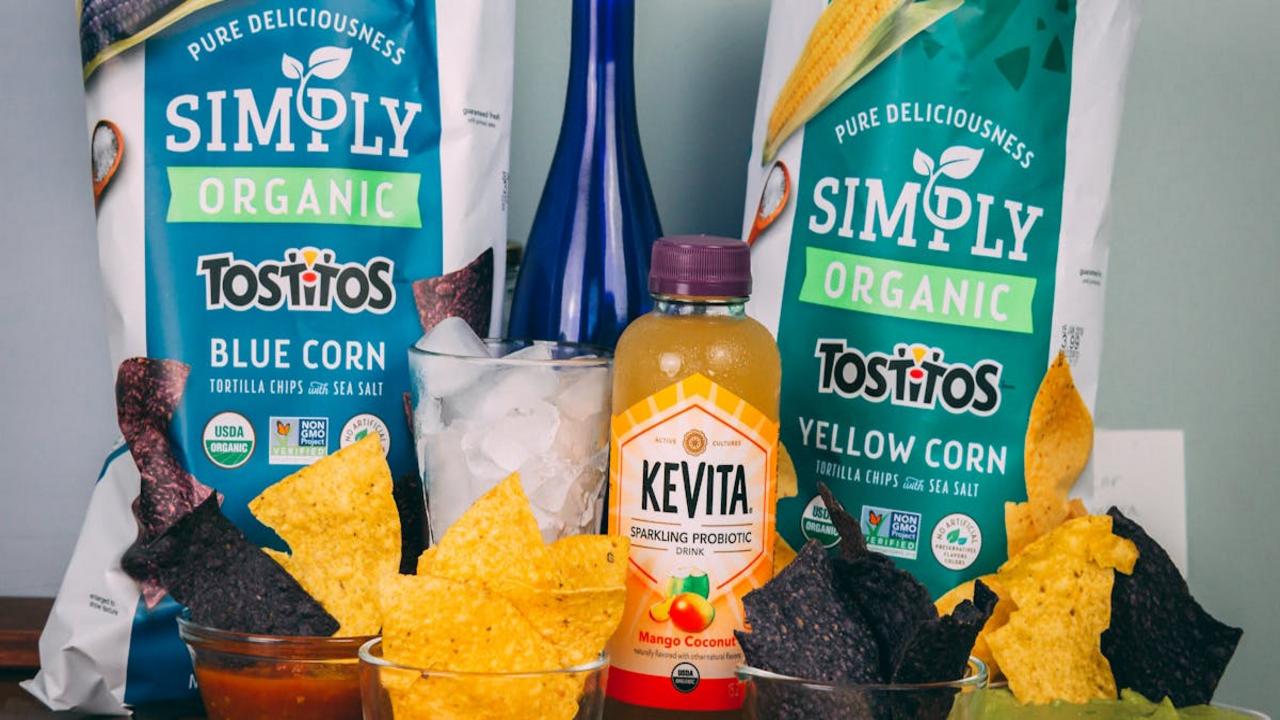
You know that feeling when you’re standing in line at your favorite coffee shop, stomach rumbling, and those shiny pre-packaged muffins and cookies behind the glass case start calling your name? I get it completely – we’ve all been there. But here’s what I’ve learned from chatting with countless baristas over the years: those individually wrapped treats sitting under those heat lamps have usually been there far longer than you’d want to know. Most coffee chains receive these snacks from massive commercial bakeries, freeze them for transport, then thaw them out days or even weeks later. The result? Stale textures, artificial preservatives, and flavors that taste more like cardboard than the real deal.
Instead of reaching for those processed packages, I always encourage people to think about what they could whip up at home in the same amount of time it takes to wait in that coffee line. A simple banana with almond butter, homemade energy balls rolled with dates and nuts, or even a piece of sourdough toast with avocado will give you so much more nutrition and satisfaction. Your body deserves real ingredients that actually nourish you, not mysterious additives and high fructose corn syrup. Plus, when you make your own snacks, you control exactly what goes in – no strange chemicals or preservatives that you can’t even pronounce.
Flavored syrup add-ons
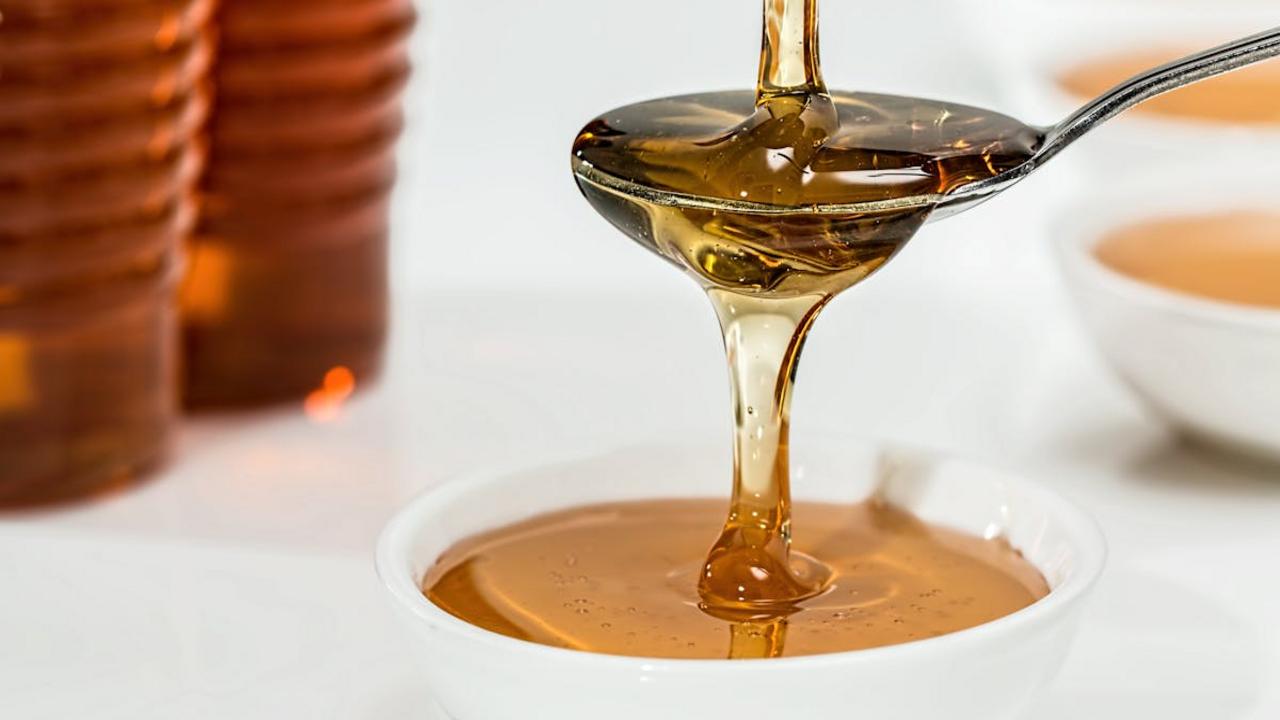
You know how I always talk about building flavors from scratch? Well, those colorful bottles of flavored syrups lining coffee shop counters work against everything we believe about clean, wholesome ingredients. Most baristas I’ve chatted with roll their eyes when customers pile on multiple pumps of vanilla, caramel, or hazelnut syrup because they know what’s really going into your cup: high fructose corn syrup, artificial flavors, and preservatives that would make your grandmother shake her head. These syrups don’t just mask the natural coffee flavor you’re paying for—they turn your morning ritual into a sugar bomb that’ll have you crashing before lunch.
Instead of relying on these processed shortcuts, try what I do at home: add a dash of real vanilla extract, a sprinkle of cinnamon, or even a tiny drizzle of pure maple syrup. These natural flavor boosters respect both your body and your coffee beans, creating depth without the artificial aftertaste that lingers long after you’ve finished your drink. Your barista will actually appreciate you more for keeping things simple—they can focus on pulling the perfect shot rather than pumping syrup after syrup into what started as a beautiful cup of coffee. Trust me, once you taste coffee enhanced with real ingredients, you’ll wonder why you ever settled for that artificial sweetness.