10 Quirky Pasta Shapes Italians Adore and How to Pair Them Like a Pro
Italy’s pasta landscape extends far beyond spaghetti and penne, hiding dozens of wonderfully weird shapes that sound like medieval curses or body parts. You’ve probably never heard of strozzapreti (literally “priest strangler”) or lorighittas (twisted gold rings), but these regional gems carry centuries of tradition in their twisted, dimpled, and curled forms.
Each quirky shape tells a story—from Sardinian grandmothers hand-rolling fregola like tiny pearls to Ligurian cooks twisting trofie with their bare hands. These aren’t just Instagram-worthy oddities; they’re precision-engineered sauce catchers designed by generations of Italian home cooks who understood that the right pasta shape can make or break a dish.
Ready to ditch your boring rigatoni routine? These ten peculiar pasta varieties will transform your dinner table into an Italian adventure, complete with pronunciation guides and foolproof pairing suggestions that’ll make you look like a pasta wizard at your next dinner party.
Orecchiette
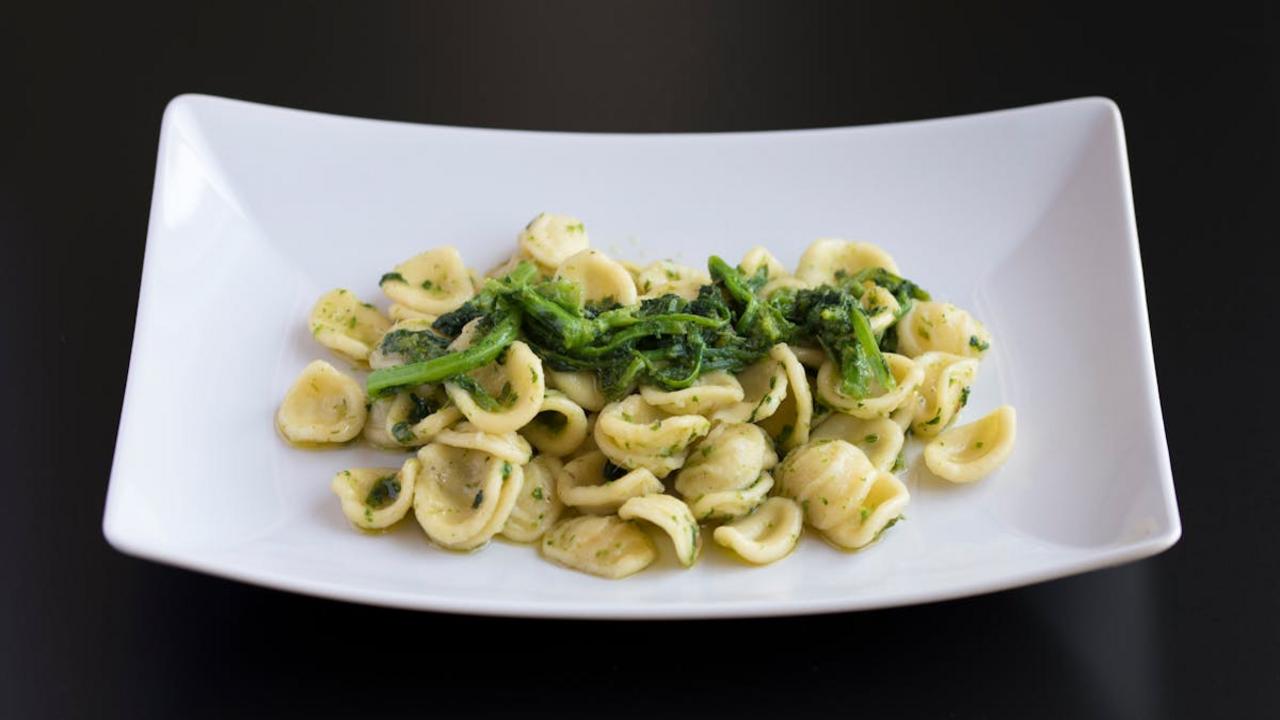
Picture this: you’re strolling through the cobblestone streets of Puglia, and suddenly you spot little pasta “ears” grinning at you from a kitchen window. That’s orecchiette for you – literally “little ears” in Italian, and honestly, they do look like tiny satellite dishes ready to catch flavor signals from space. These thumb-sized cups originated in the heel of Italy’s boot, where nonnas have been hand-rolling them for centuries using just their thumbs and a butter knife. The genius lies in their concave shape – each piece becomes a perfect little scoop, grabbing onto chunky sauces like a pasta-shaped treasure hunter.
Now, here’s where orecchiette really shines: pair them with broccoli rabe and Italian sausage, and you’ve got yourself a Puglian masterpiece that’ll make you want to book the next flight to Bari. The bitter greens nestle perfectly into those little pockets, while the sausage adds just enough richness to balance the party. Pro tip from my Italian friends: cook the pasta until it’s just shy of al dente, then finish it right in the pan with your sauce – this lets those clever little ears absorb maximum flavor. Trust me, once you master this technique, regular pasta shapes will seem as boring as watching paint dry on a rainy Tuesday.
Lorighittas
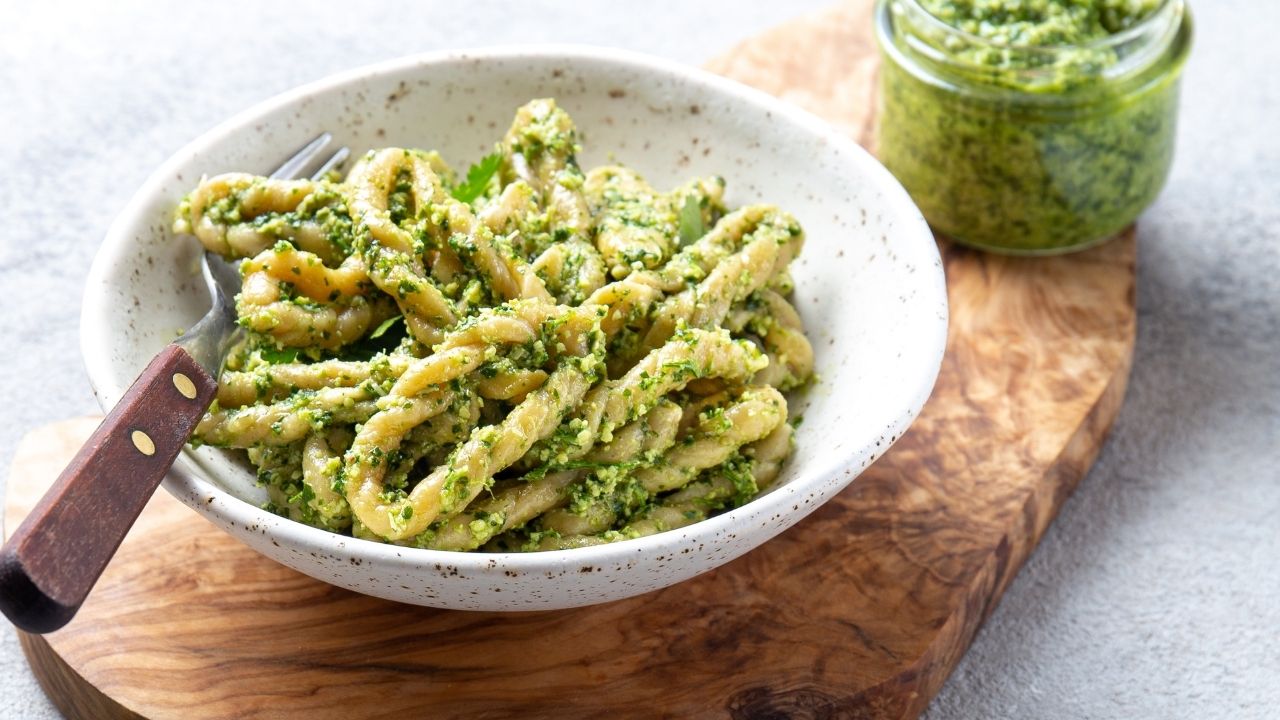
Picture tiny golden rings that look like they belong on a fairy’s jewelry box rather than your dinner plate – that’s lorighittas for you! These adorable ring-shaped pasta gems hail from Sardinia, where local women spend hours twisting semolina dough into perfect little loops using a technique passed down through generations. The name literally translates to “little rings,” and honestly, watching someone make them is pure magic. Each piece gets rolled, twisted, and shaped by hand into these delicate circles that somehow manage to be both rustic and elegant at the same time.
Now here’s where things get interesting – lorighittas are basically pasta acrobats. Those little rings aren’t just cute; they’re functional! They grab onto sauces like tiny pasta lassos, making them perfect partners for rich ragùs or simple butter and sage combinations. Sardinians traditionally pair them with sausage and tomato sauce, but I’ve seen brilliant cooks toss them with seafood, wild mushrooms, or even just good olive oil and pecorino cheese. The key is keeping your sauce chunky enough to get caught in those loops – think of it as pasta with built-in sauce pockets. Pro tip: don’t overcook these beauties because they’ll lose their perfect ring shape and turn into sad, mushy circles!
Garganelli
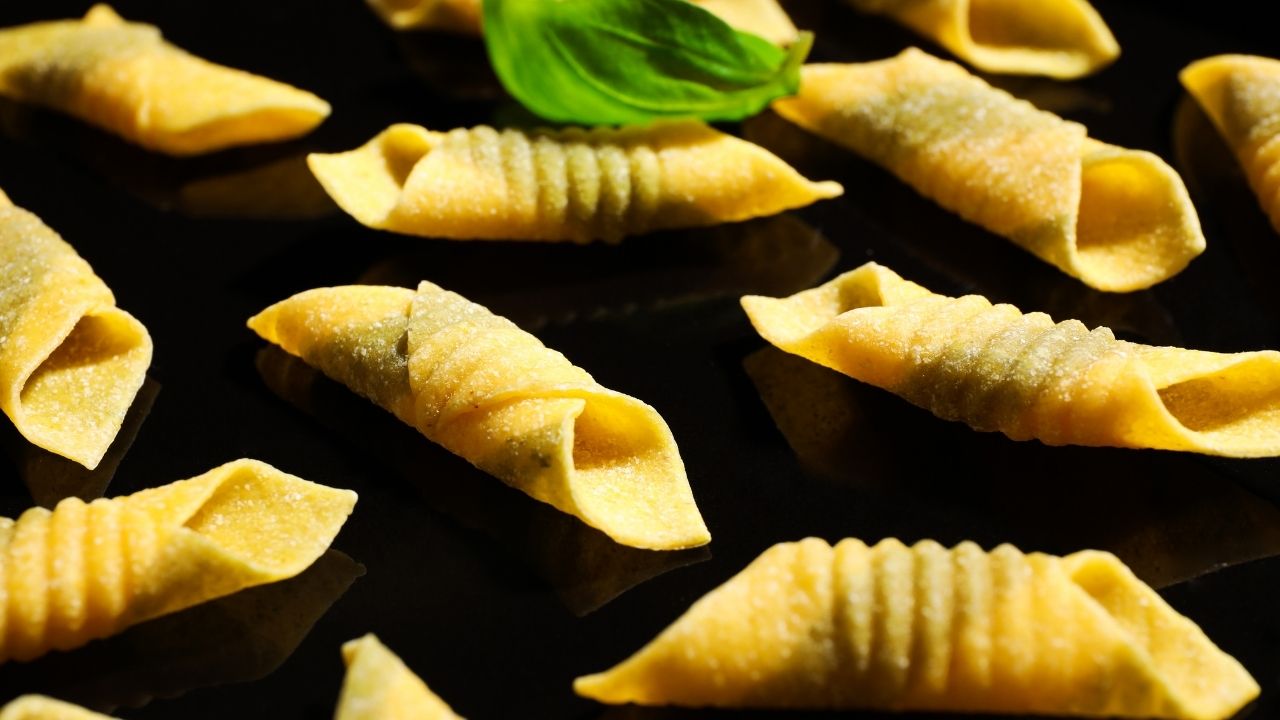
Picture this: you’re rolling pasta dough over a wooden comb while your Italian nonna watches with eagle eyes, making sure you get those perfect ridges just right. That’s garganelli for you – handmade quill-shaped pasta from Emilia-Romagna that looks like tiny scrolls of edible parchment. These little tubes get their name from “garganel,” the local word for chicken’s gullet (charming, right?), and they’re traditionally made using a special ridged board called a pettine and a dowel rod. The process creates those gorgeous diagonal ridges that grab onto sauce like nobody’s business, making every bite a perfect marriage of pasta and flavor.
Here’s where garganelli really shines: pair these beauties with a rich ragù Bolognese or a creamy prosciutto and pea sauce, and watch magic happen. The tube shape holds chunky ingredients brilliantly, while those ridges create little pockets of sauce heaven. Pro tip from my own kitchen disasters: don’t even think about using store-bought egg roll wrappers as shortcuts (yes, I tried this once, and my Italian friend still brings it up at dinner parties). Stick to fresh egg pasta dough, rolled thin and cut into perfect squares. The extra effort pays off when you bite into these golden spirals and realize you’ve created something that would make any Italian grandmother proud – even if your technique needs work!
Fregola
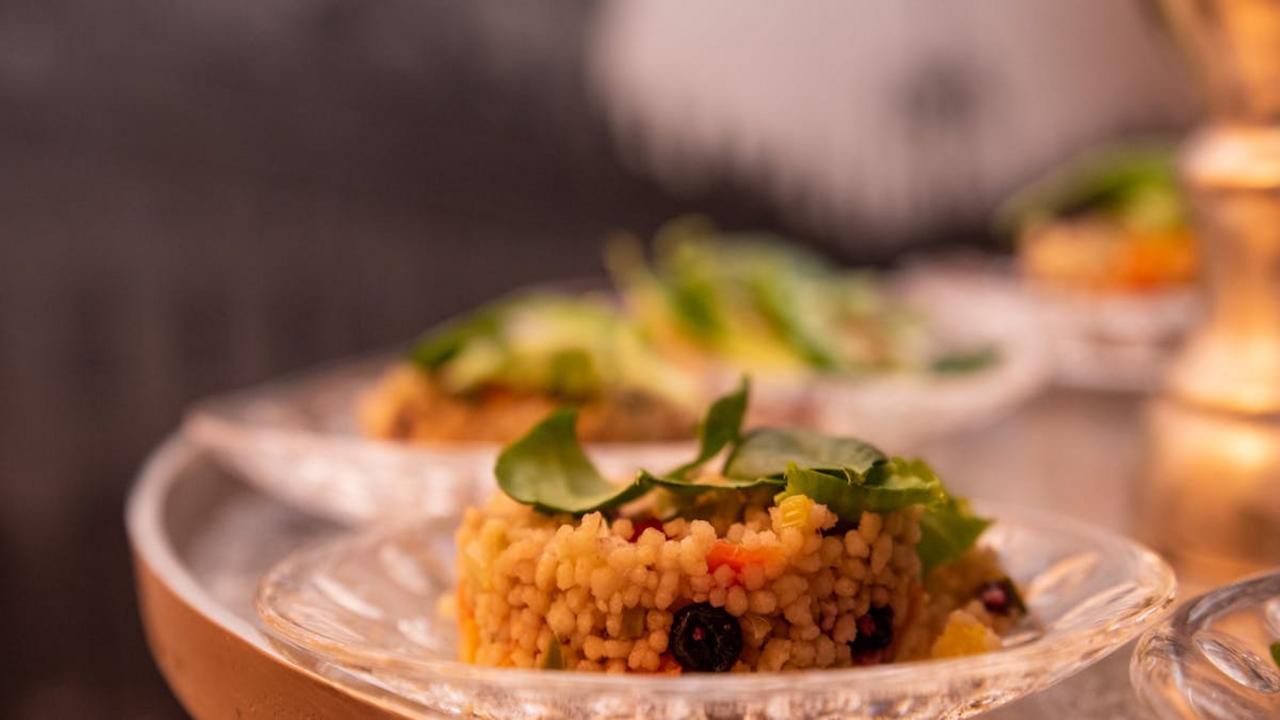
Picture tiny pearls made of pasta dough, toasted until they gleam like golden treasure scattered across your plate. That’s fregola for you – Sardinia’s beloved gift to the pasta world that looks more like couscous had a wild weekend with orzo and came back transformed. These little spheres get rolled by hand (or machine, if you’re not feeling particularly zen), then toasted in the oven until they develop this gorgeous nutty flavor that makes regular pasta seem almost boring by comparison. The toasting process creates these beautiful color variations, from pale gold to deep amber, giving your dish the kind of rustic charm that screams “I definitely didn’t just dump this from a box.”
Now here’s where fregola gets really fun – it practically begs to be paired with seafood, especially clams. The classic fregola con arselle (with clams) is like a Mediterranean love song in pasta form, where the briny sweetness of the shellfish mingles with that toasted nuttiness in ways that’ll make you question why you ever bothered with spaghetti and clams. But don’t stop there! This versatile little grain-shaped wonder works brilliantly in soups, salads, or tossed with roasted vegetables and a good glug of olive oil. Pro tip: cook it like risotto, adding warm broth gradually, and watch it bloom into something absolutely magical that’ll have your dinner guests asking for the recipe before they’ve even finished their first bite.
Pici
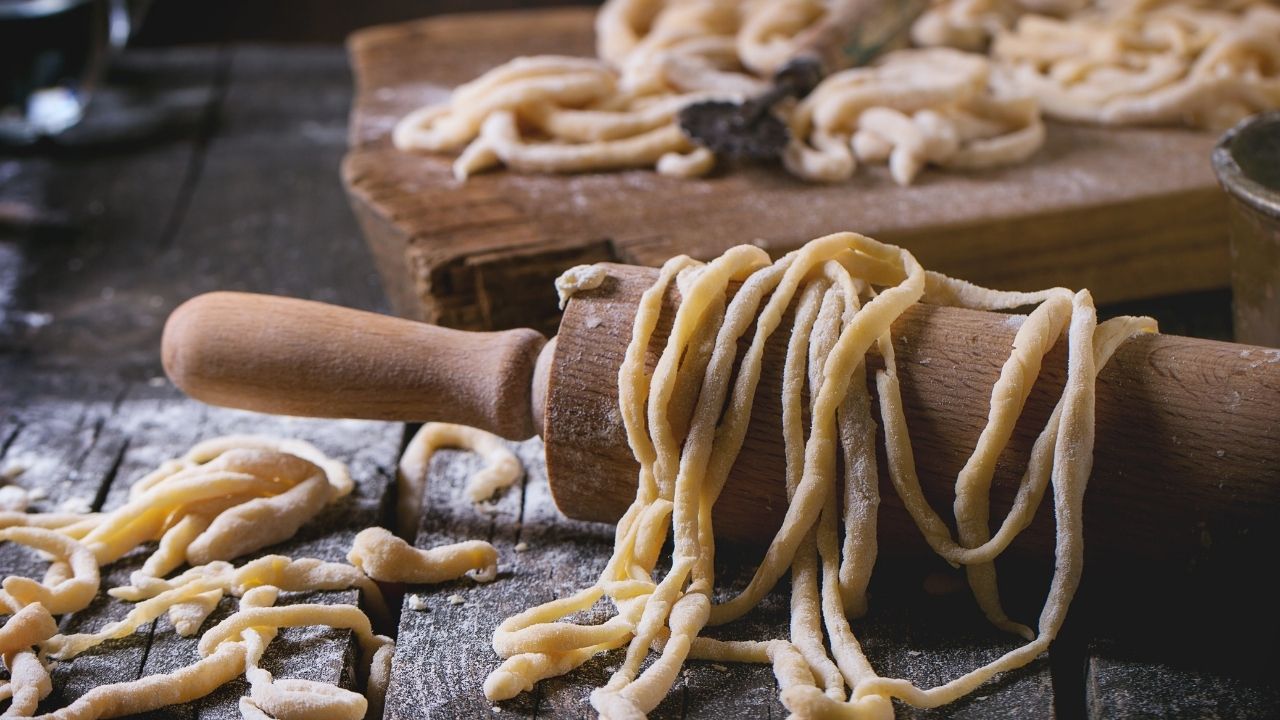
Picture this: you’re rolling pasta dough between your palms like you’re making Play-Doh snakes, except these wonky, hand-rolled beauties will actually feed your soul. That’s pici for you—Tuscany’s gloriously imperfect answer to spaghetti. These thick, irregular strands look like someone took regular pasta and gave it a few too many espressos, resulting in delightfully uneven noodles that vary in thickness from strand to strand. The name supposedly comes from “appiccicare,” meaning “to stick together,” which makes perfect sense once you watch someone’s grandmother roll these babies out by hand, flour flying everywhere.
Don’t even think about pairing pici with some wimpy cream sauce—these robust noodles demand bold flavors that can match their rustic personality. Traditional pici all’aglione (with garlic and tomatoes) remains the gold standard, but I’ve seen these pasta rebels hold their own against hearty wild boar ragu or a simple but punchy cacio e pepe. The beauty of pici lies in how those irregular surfaces grab onto every drop of sauce, creating little pockets of flavor that explode in your mouth. Pro tip: if you’re making these at home, don’t stress about perfection—wonky is wonderful, and your guests will think you’re some kind of pasta artisan even if your pici looks more like abstract art than dinner.
Campanelle
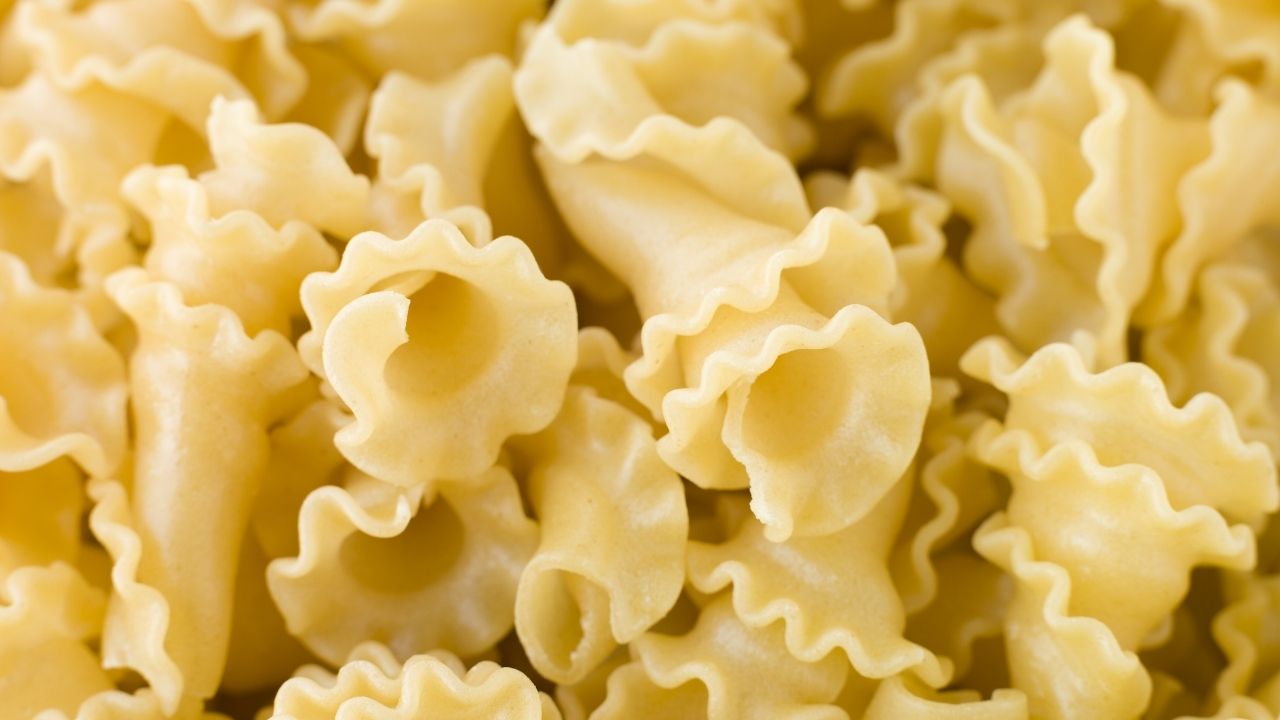
Picture a tiny ice cream cone that decided to pursue a career in pasta – that’s campanelle for you! These adorable little trumpet-shaped beauties get their name from the Italian word for “little bells,” and honestly, they look like miniature church bells that got flattened by an overzealous Italian grandmother. The hollow cone shape with ruffled edges makes them absolute sauce magnets, capturing every drop of whatever deliciousness you throw their way. I once watched my Sicilian neighbor Maria toss these with her Sunday gravy, and the way each little trumpet held onto that rich tomato goodness was pure poetry in motion. The ridged texture grabs onto ingredients like a tiny edible hug, making every bite a perfect flavor explosion.
Your best bet with campanelle? Think chunky, think hearty, think “I want every single noodle loaded with flavor.” These little trumpets sing beautifully with robust meat sauces, creamy mushroom medleys, or even a simple olive oil situation loaded with garlic and fresh herbs. I love pairing them with diced pancetta and peas – the pancetta gets trapped in those ruffles while the peas nestle perfectly in the hollow centers. One pro tip from my Roman cooking adventures: toss them with a butter-based sauce right after draining, then add your other ingredients. The butter coats the inside of each trumpet, creating this incredible flavor foundation that’ll make you wonder why you ever bothered with boring tube pasta.
Busiate
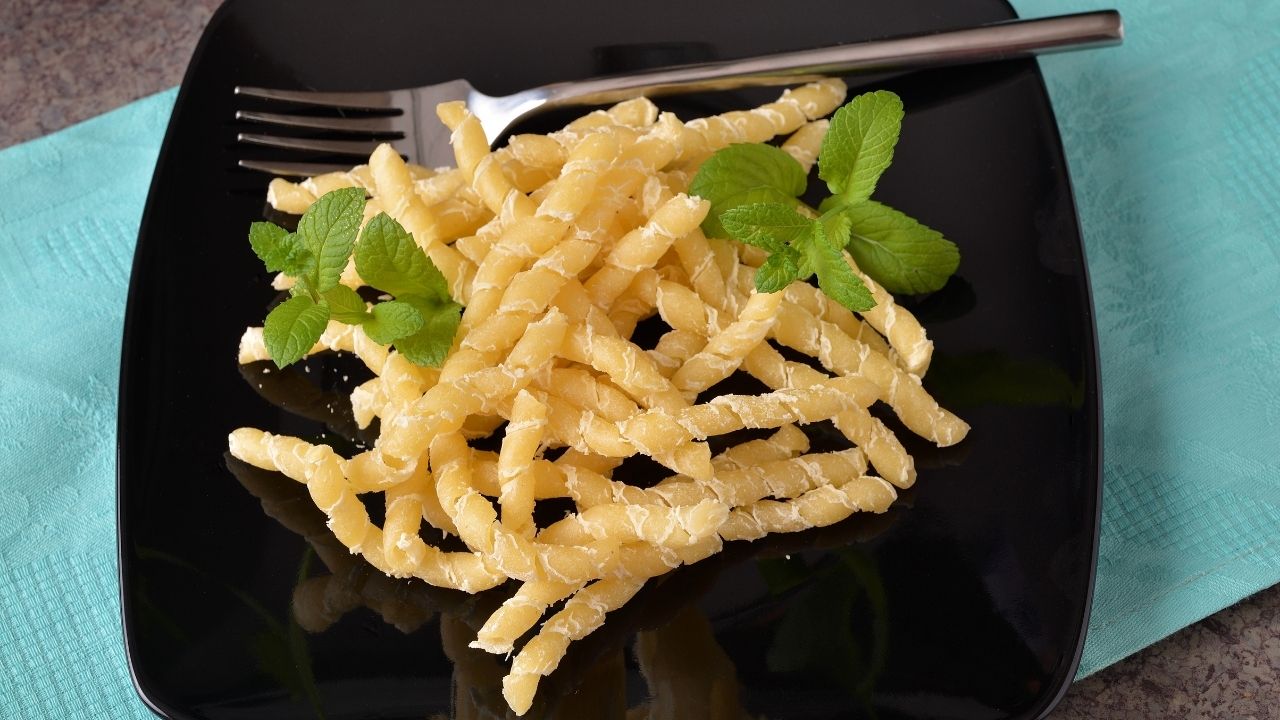
Picture a pasta that looks like it got caught in a tiny tornado and loved every second of it! Busiate hails from Sicily, specifically the charming coastal town of Trapani, where local pasta makers twist fresh dough around thin metal rods called “busi” (hence the name). These corkscrew-shaped beauties resemble bronze-colored springs that have been stretched and twisted into perfect spirals. What makes busiate absolutely brilliant is how those tight coils grab onto sauces like they’re giving them the biggest pasta hug imaginable. You’ll spot authentic busiate made from durum wheat and water, rolled by hand until they achieve that distinctive twisted shape that makes every bite a textural adventure.
Now, here’s where things get exciting – busiate practically begs for pesto trapanese, Sicily’s answer to Liguria’s famous basil pesto. This Sicilian version swaps pine nuts for almonds and adds fresh cherry tomatoes, creating a chunky, vibrant sauce that nestles perfectly in those spiraled grooves. The pasta’s twisted architecture means every forkful delivers the perfect sauce-to-pasta ratio, making each bite consistently flavorful. You can also pair busiate with hearty meat ragùs, seafood sauces loaded with fresh catch from Sicilian waters, or simple preparations with olive oil, garlic, and whatever vegetables strike your fancy. Pro tip: cook busiate just until al dente – those spirals need a bit of bite to maintain their structural integrity and sauce-catching superpowers!
Trofie
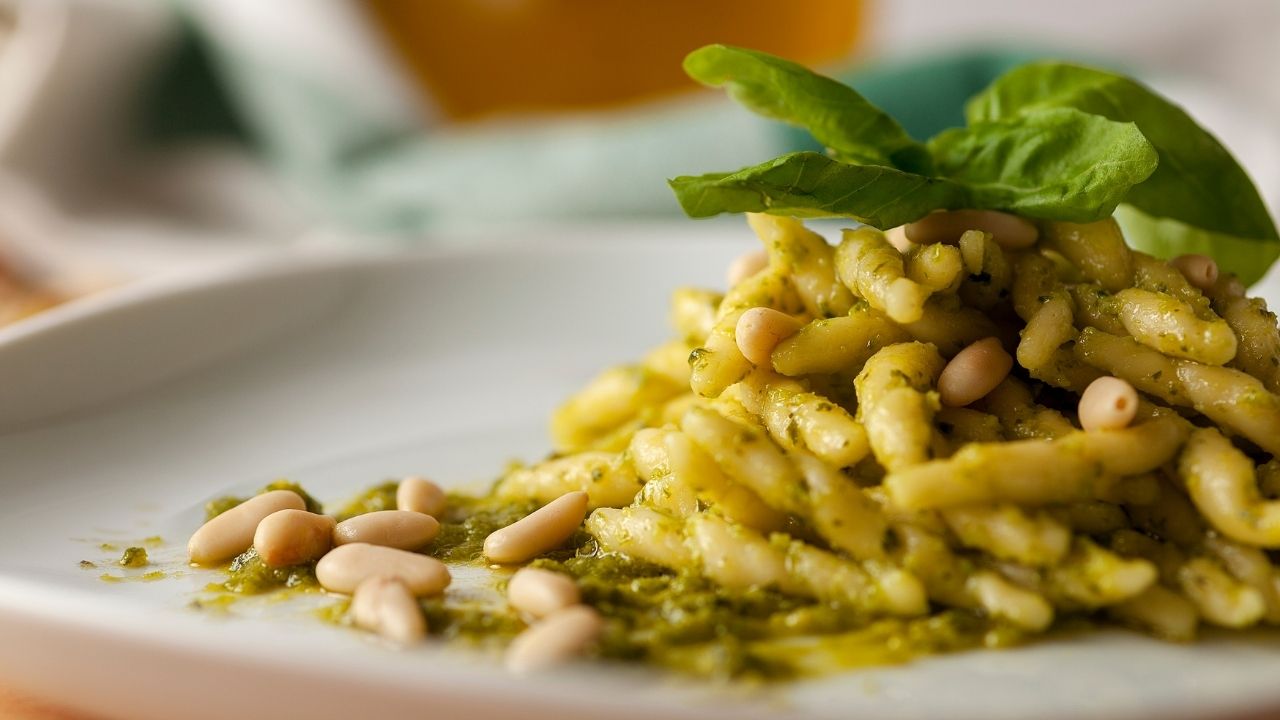
Picture tiny pasta corkscrews that look like they’ve been twisted by fairy hands after a particularly wild night out – that’s trofie for you! This Ligurian specialty gets its name from the Italian word “strufuggiare,” which means “to rub,” and trust me, making these little spirals by hand is basically a bicep workout disguised as cooking. Traditional Italian nonnas roll each piece between their palms and a wooden board, creating these delightfully irregular twists that are shorter than your pinky finger but pack more personality than most Hollywood actors.
Now here’s where trofie gets seriously exciting – this pasta was born to dance with pesto Genovese, and their relationship is more perfect than peanut butter meeting jelly. Those twisted grooves grab onto that bright green basil sauce like they’re holding on for dear life, creating flavor bombs in every single bite. But don’t stop there! Trofie also plays beautifully with cherry tomatoes, green beans, and potatoes in a classic Ligurian combination that’ll make you question why you ever settled for boring spaghetti marinara. The key is keeping your sauce light and letting those gorgeous twists do what they do best – trap all that delicious goodness in their spiraled embrace.
Cavatelli
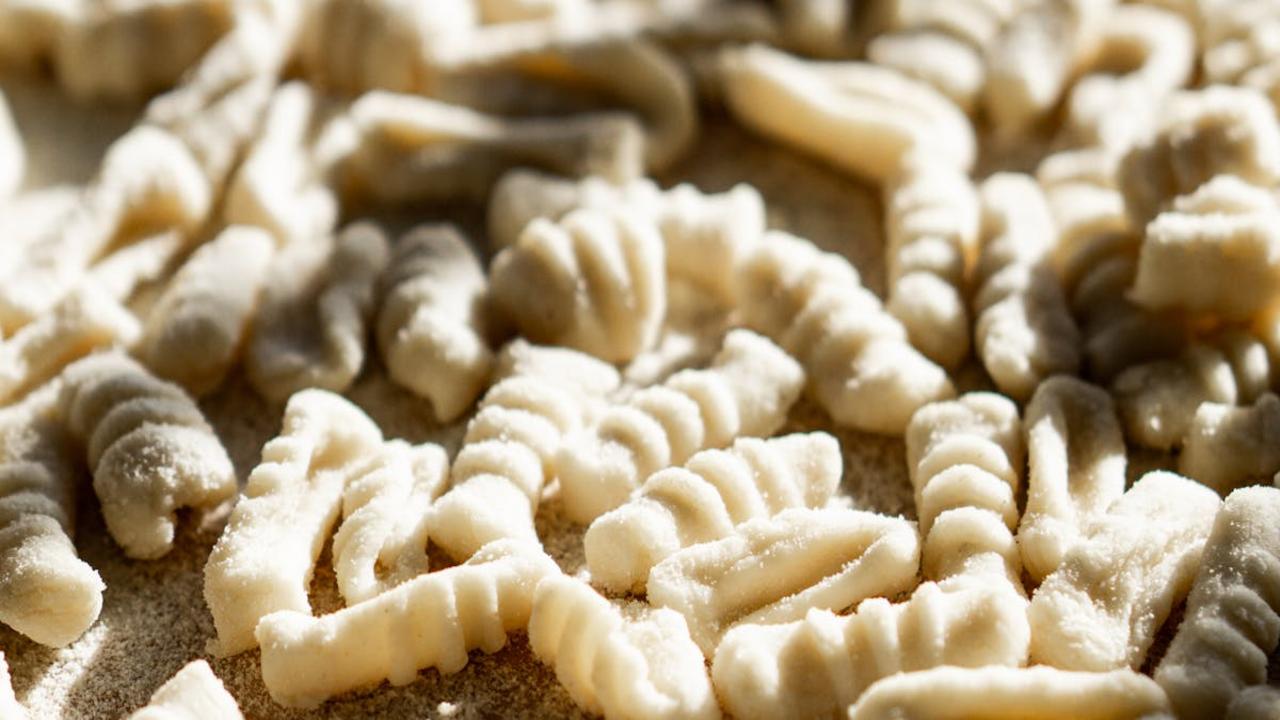
Picture tiny hot dog buns made of pasta, and you’ve got cavatelli! These adorable little shells from Puglia look like someone took regular pasta and gave it a gentle hug, creating perfect pockets that grab onto sauce like they’re auditioning for a pasta commercial. The name literally means “little hollows,” which sounds way more romantic than “pasta shaped like mini canoes,” don’t you think? Making them by hand involves rolling small pieces of dough with your fingers or a knife, creating that signature curl that makes them so darn cute. Nonnas in southern Italy have been perfecting this technique for centuries, and watching them work is like seeing magic happen in real time.
Cavatelli pairs beautifully with chunky sauces because those little pockets act like edible treasure chests, capturing every bit of flavor. Try them with a robust sausage and broccoli rabe combo, or go classic with a simple garlic and olive oil situation that lets the pasta’s texture shine. The key is matching their sturdy build with equally hearty ingredients – they can handle the weight of ricotta, the boldness of spicy ‘nduja, or the earthiness of wild mushrooms. Don’t even think about pairing them with delicate cream sauces; these pasta rebels deserve something with personality that won’t get lost in their enthusiastic embrace!
Strozzapreti
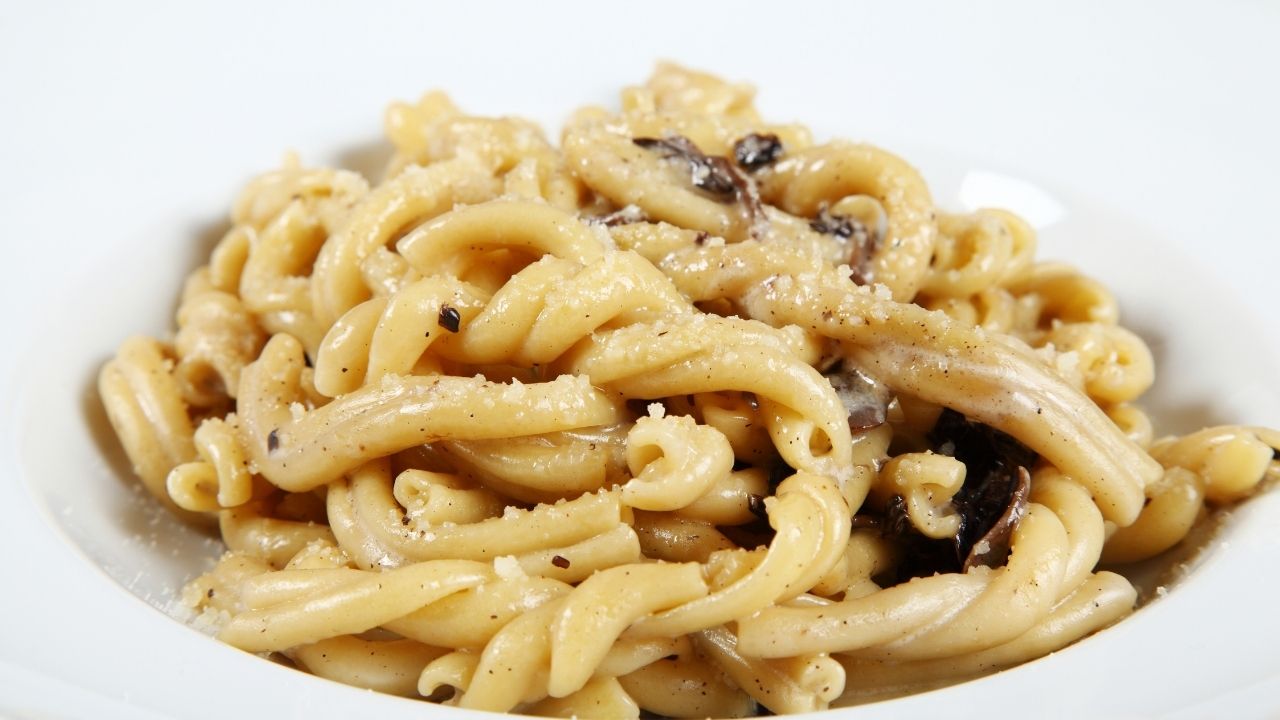
Meet strozzapreti, the pasta with the most sinister name in all of Italy – it literally translates to “priest strangler.” Legend has it that gluttonous priests would gobble down this twisted, hand-rolled pasta so eagerly that they’d choke on it. Whether that’s true or just wishful thinking from anticlerical Italians, I can’t say, but what I can tell you is that this corkscrew-shaped beauty from Emilia-Romagna will wrap itself around your fork like it’s plotting something delicious. The pasta’s irregular, twisted form creates perfect little pockets and grooves that trap sauce magnificently, making every bite a flavor explosion.
You want to pair strozzapreti with robust, chunky sauces that can stand up to its hearty texture – think wild boar ragu, spicy arrabbiata, or a rich mushroom and sausage sauce. The pasta’s substantial bite means it won’t get lost under heavy ingredients, and its twisted ridges grab onto herbs, cheese, and meat like tiny edible hands. I love tossing it with roasted vegetables and a splash of good olive oil, or going full indulgence with a creamy gorgonzola sauce that seeps into every spiral. Pro tip: cook it just shy of al dente because strozzapreti continues cooking in the sauce, and nobody wants pasta that’s actually strangling itself with mushiness.