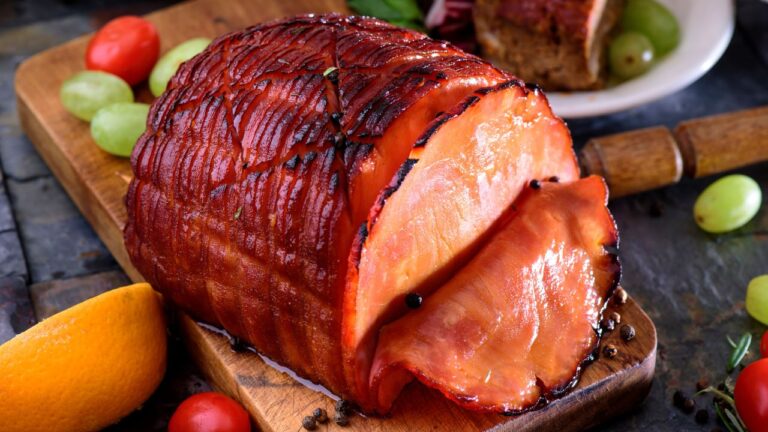
13 Vintage Cooking Techniques Making a Delicious Comeback
The wheels of time turn full circle in our kitchens! Those cooking techniques your grandparents swore by are finding their way back into modern homes. From Dutch ovens bubbling with aromatic stews to the gentle rhythm of hand-kneaded bread dough, these old-school methods aren’t just nostalgic—they create flavors that simply can’t be rushed or manufactured.
I’ve noticed more home cooks returning to these traditional practices, discovering how a properly seasoned cast iron skillet transforms ordinary ingredients into extraordinary meals. The slow food movement has reminded us what we lost in our hurry to make everything faster and more convenient.
These thirteen vintage cooking techniques connect us to our food heritage while creating dishes with deeper flavors and textures. The beauty lies in their simplicity—no fancy gadgets required, just time-tested wisdom and your hands. Ready to bring some old-world magic into your kitchen?
Home Canning
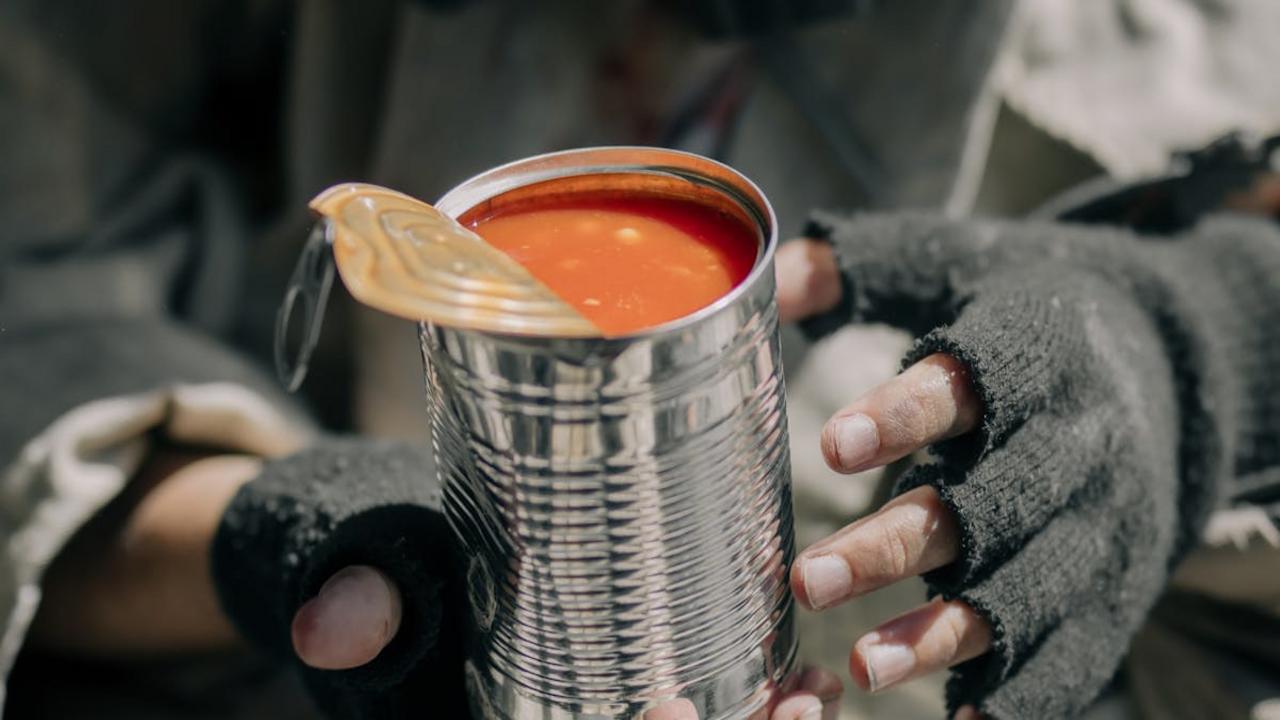
Picture this: your grandmother’s pantry lined with gleaming mason jars filled with ruby-red tomatoes, golden peach preserves, and crisp pickled cucumbers. Home canning isn’t just making a comeback—it’s becoming the cornerstone of mindful kitchens everywhere. I’ve watched friends transform from takeout devotees to proud owners of pantries that look like something from a farmhouse magazine. The magic happens when you realize you can capture summer’s peak flavors and keep them dancing on your shelf all winter long.
What I love most about canning is how it connects you to ingredients in their purest form. You’re not just preserving food; you’re creating a foundation for countless meals ahead. Those jarred tomatoes become the base for weeknight pasta sauces, hearty stews, and weekend brunch shakshuka. The pickled vegetables add bright pops of flavor to grain bowls and sandwiches. Sure, the initial investment in equipment might seem daunting, but once you taste your first spoonful of homemade strawberry jam in February, you’ll understand why this time-honored technique is winning hearts again. Plus, you know exactly what goes into each jar—no mystery preservatives or artificial flavors sneaking into your food.
Slow Simmering
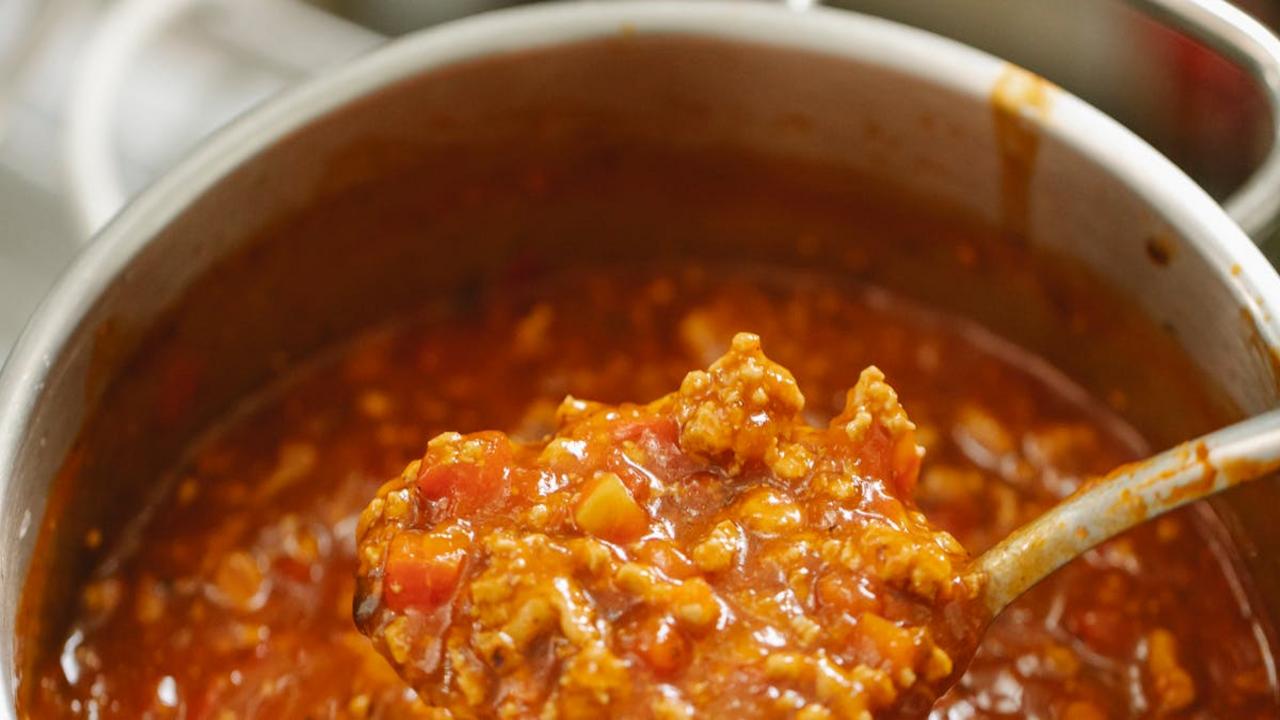
I remember watching my grandmother tend to her massive stock pot on Sunday mornings, the gentle bubbles breaking the surface like tiny promises of flavor to come. Slow simmering brings back that meditative rhythm of cooking – the way heat transforms tough cuts of meat into silk, how vegetables surrender their essence to create something greater than their parts. This ancient technique requires nothing more than patience and low, steady heat, making it perfect for busy home cooks who want maximum flavor with minimal effort. You simply combine your ingredients, bring them to a gentle bubble, then reduce the heat and let time work its magic.
What makes slow simmering so special is how it coaxes out layers of flavor that high-heat cooking simply can’t achieve. Those collagen-rich bones and connective tissues break down into gelatin, creating body and richness that transforms simple broths into liquid gold. I often start my weekend mornings with a pot of simmering chicken bones, ginger, and onions – by evening, I have the foundation for countless weeknight meals. The beauty lies in its forgiving nature: you can add whatever vegetables need using up, adjust seasonings as you go, and create nourishing meals that connect you to generations of cooks who understood that good food takes time.
Hearth Cooking

You know that magical feeling when you walk into someone’s home and smell wood smoke mingling with roasted vegetables? That’s hearth cooking calling your name! I’ve been experimenting with this ancient technique in my own kitchen, and honestly, it transforms everything you thought you knew about flavor. When you cook over an open fire or in a wood-fired oven, you’re not just heating food – you’re infusing it with layers of smokiness that no gas range can replicate. The flames dance around your cast iron Dutch oven, creating those gorgeous caramelized edges on root vegetables that make your guests ask for your secret.
What I love most about hearth cooking is how it strips away all the unnecessary gadgets and brings you back to basics. You learn to read the fire, understanding when coals are perfect for searing that grass-fed steak or when they’ve mellowed enough for slow-braising beans with fresh herbs. I’ve discovered that cooking this way naturally leads me toward whole, unprocessed ingredients – there’s something about the primal nature of fire that makes you want to honor it with real food. Plus, the communal aspect is incredible; people naturally gather around the hearth, sharing stories while dinner slowly comes together. It’s cooking that feeds both body and soul.
Hand Kneading Bread
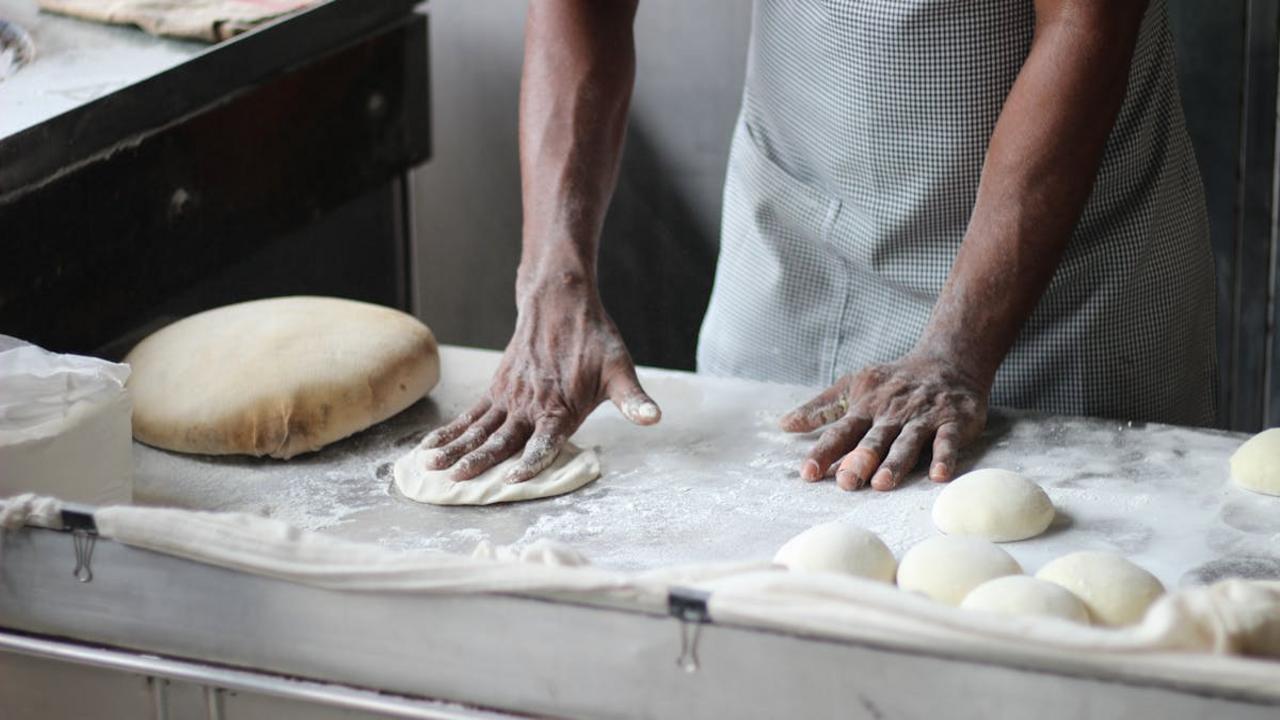
There’s something deeply satisfying about working dough with your hands, feeling the texture transform from shaggy and rough to smooth and elastic. I learned this from my grandmother, who never owned a stand mixer but produced the most incredible loaves using nothing but her weathered hands and decades of intuition. Hand kneading connects you to the bread in ways no machine can replicate – you sense exactly when the gluten develops, when the dough needs more flour, or when it’s ready for its first rise. This ancient technique teaches patience and builds that invaluable baker’s instinct that helps you troubleshoot recipes and create your own variations.
Beyond the meditative benefits, hand-kneaded bread often develops superior texture and flavor. The gentle, rhythmic motion preserves the dough’s structure better than aggressive machine mixing, resulting in more complex air pockets and a tender crumb. I love experimenting with different grains – spelt, rye, or ancient wheats – which respond beautifully to the controlled pressure of hand kneading. Start with simple recipes like my go-to whole wheat sandwich bread, and gradually build your confidence with enriched doughs and sourdoughs. Your arms might protest initially, but within weeks you’ll develop the muscle memory and strength that turns this once-laborious task into pure joy.
Fermentation
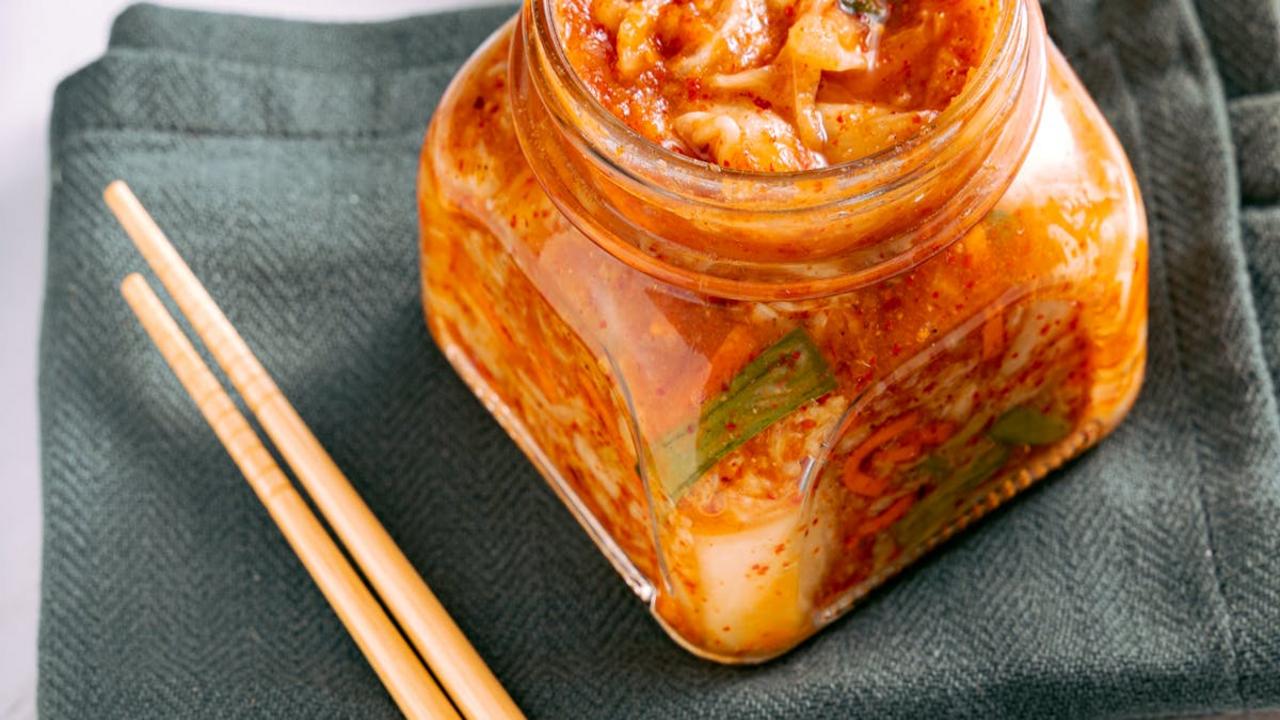
You know that tangy zip in your favorite kimchi or the complex depth of a perfectly aged sourdough? That’s fermentation working its magic, and this ancient preservation technique is having a major moment in kitchens everywhere. I’ve been experimenting with fermenting everything from vegetables to dairy, and honestly, once you start, it becomes addictive. The process itself is beautifully simple – beneficial bacteria and yeasts transform sugars and starches into acids, creating those incredible flavors while boosting nutritional value. My countertop has become a fermenting station with mason jars of cabbage becoming sauerkraut, cucumbers turning into pickles, and milk transforming into tangy kefir.
What draws me most to fermentation is how it connects us to our ancestors while supporting our modern health goals. These microorganisms don’t just preserve food – they create probiotics that support gut health and enhance nutrient absorption. I love making my own miso paste from scratch, watching soybeans slowly develop that rich, umami-packed flavor over months. The beauty lies in the patience required and the reward of flavors you simply cannot buy in stores. Start small with simple vegetable ferments using just salt and time, then gradually expand to more complex projects like tempeh or kombucha. Your digestive system will thank you, and your cooking will gain layers of complexity you never knew were possible.
Root Cellaring
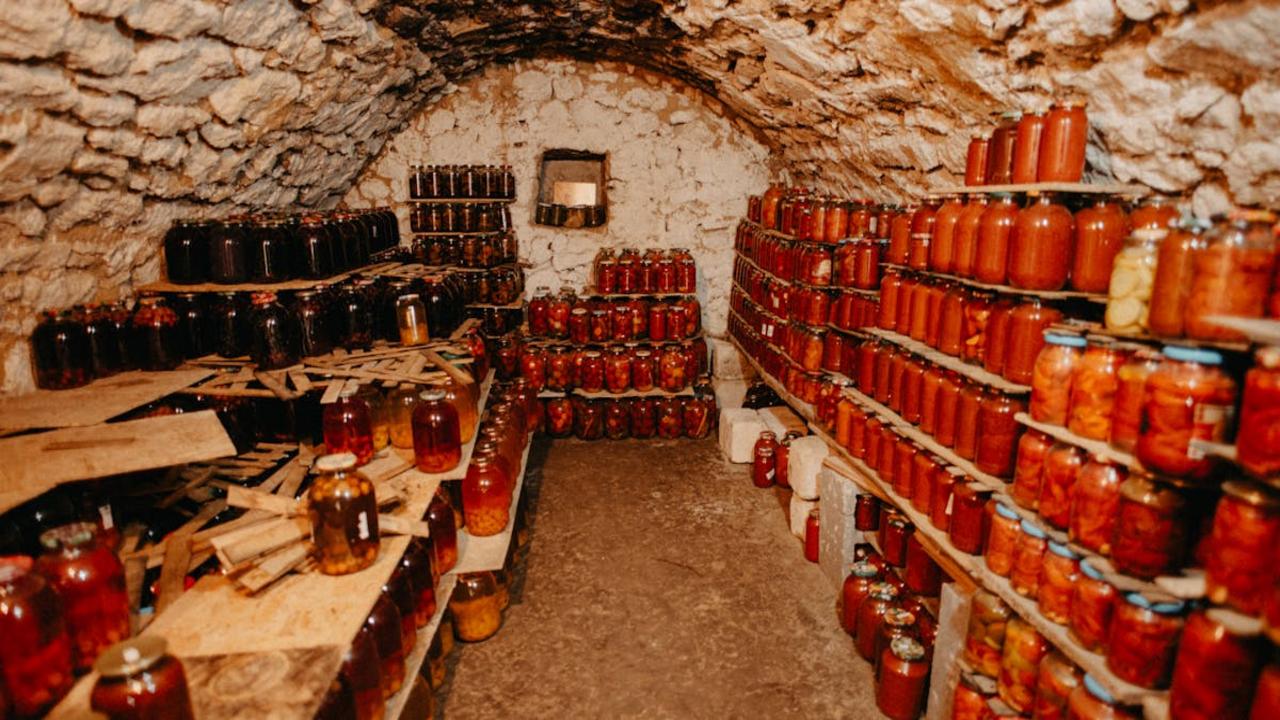
Picture this: your great-grandmother storing potatoes, carrots, and apples through the winter without a single refrigerator hum in the background. Root cellaring takes me back to those brilliant food preservation methods our ancestors perfected, and honestly, I can’t get enough of how this technique transforms the way we think about seasonal eating. You create a naturally cool, humid environment—usually underground or in a basement—where root vegetables and certain fruits can live happily for months. The magic happens when you maintain temperatures between 32-40°F with 85-95% humidity, mimicking nature’s own storage system.
I’ve been experimenting with root cellaring in my own basement corner, and the results blow my mind every time. Carrots stay crisp and sweet well into spring, while potatoes maintain their earthy flavor without sprouting. You’ll discover that different vegetables have their preferences—beets love it slightly warmer than carrots, and onions prefer drier conditions. The beauty lies in reconnecting with seasonal rhythms and reducing food waste dramatically. Start small with a wooden crate in a cool basement spot, layer your vegetables in slightly damp sand or sawdust, and watch how this ancient wisdom keeps your harvest fresh naturally.
Home Butter Making
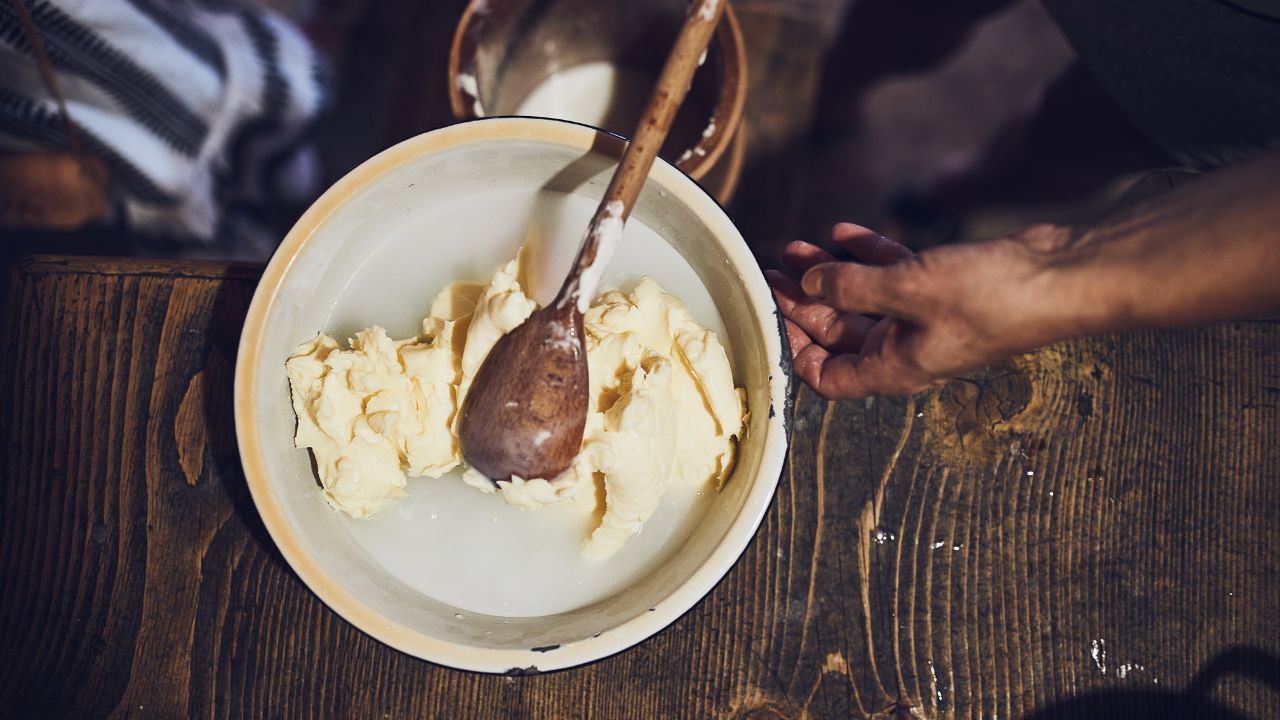
Your great-grandmother knew something we forgot—fresh butter beats store-bought every single time. I started making my own butter after tasting a friend’s homemade version at a dinner party, and now I can’t go back to those waxy, preservative-laden blocks from the grocery store. All you need is heavy cream and a jar (or stand mixer if you’re feeling fancy). The process takes just minutes: shake that cream until it separates into golden butter and tangy buttermilk. The transformation feels magical every time I watch it happen.
What excites me most about home butter making is how you can customize flavors to match your cooking style. I love folding in fresh herbs from my garden—rosemary and thyme create an incredible compound butter for roasted vegetables. Sometimes I add a pinch of sea salt and honey for morning toast, or mix in garlic and parsley for pasta dishes. The buttermilk becomes a bonus ingredient for pancakes and biscuits, so nothing goes to waste. This simple technique connects you directly to your food while giving you complete control over what goes into your body—no mysterious additives or artificial colors, just pure, creamy goodness you made with your own hands.
Cast Iron Cooking
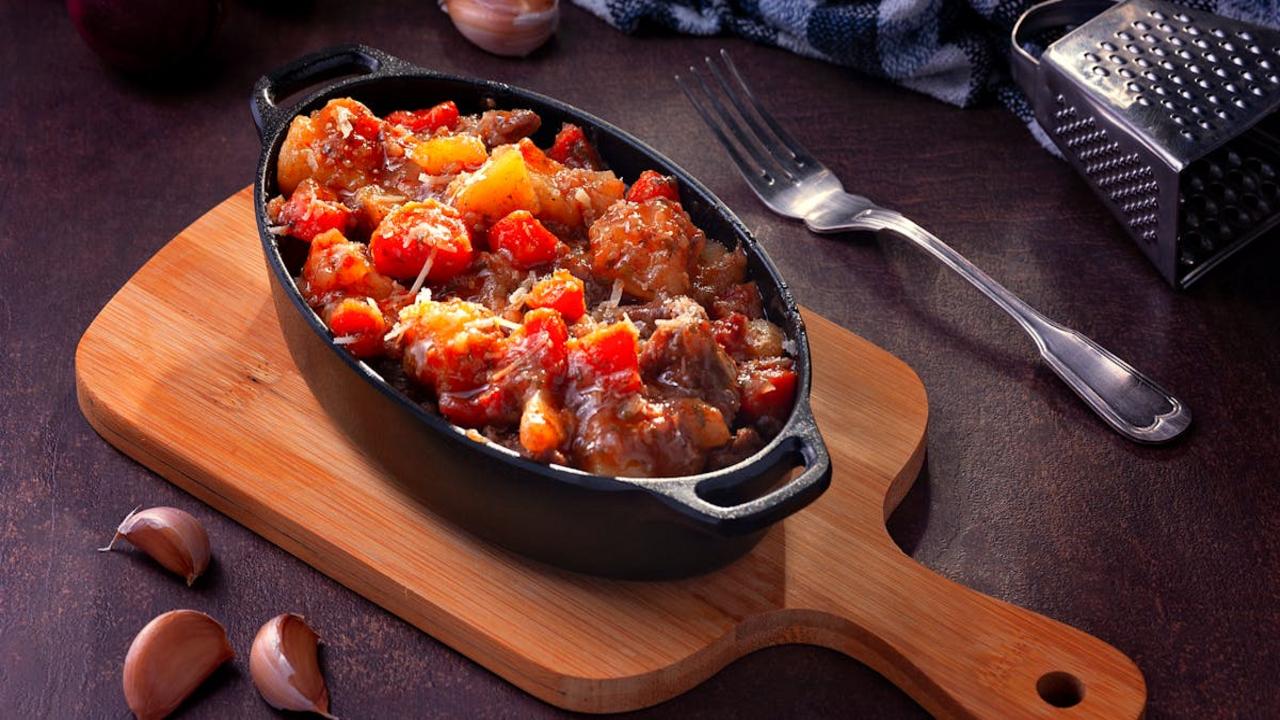
Your grandmother’s cast iron skillet wasn’t just cookware—it was her secret weapon for creating meals that sang with flavor and nourishment. I’ve watched friends abandon their non-stick pans after rediscovering the magic of cooking with cast iron, and honestly, I get it completely. These heavy-duty workhorses transform simple ingredients into something extraordinary through their incredible heat retention and natural non-stick surface that develops over time. When you sear vegetables in a well-seasoned cast iron pan, they caramelize beautifully while retaining their nutrients, creating those golden edges that make even Brussels sprouts irresistible.
What draws me most to cast iron cooking is how it connects us to generations of home cooks who understood that good food requires patience and the right tools. You can take your skillet straight from stovetop to oven, making it perfect for dishes like my favorite turmeric-spiced chicken thighs that finish with roasted root vegetables underneath. The iron actually adds trace minerals to your food—a bonus that modern cookware simply can’t match. Sure, cast iron requires a bit more care than grabbing any random pan, but once you develop the habit of proper seasoning and maintenance, you’ll have cookware that literally improves with age and use.
Stone Grinding
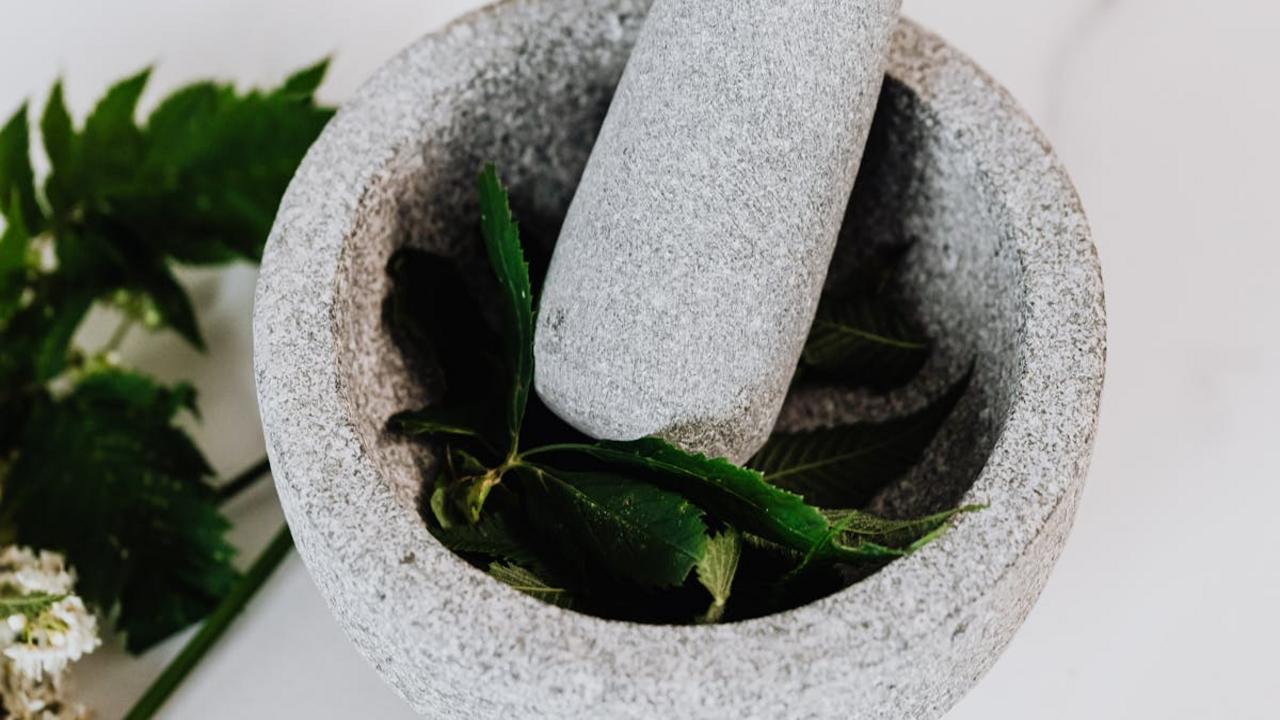
I remember the first time I watched my grandmother work her granite grinding stone, transforming whole spices into fragrant powders that filled our kitchen with intoxicating aromas. Stone grinding isn’t just about creating spice powders—it’s about unlocking flavors that electric grinders simply can’t match. The slow, methodical process generates minimal heat, preserving volatile oils and compounds that give spices their true character. When you grind cardamom pods or coriander seeds on stone, you’re not just breaking them down; you’re coaxing out every nuance of flavor that industrial processing tends to destroy.
Today, I keep my granite mortar and pestle within arm’s reach, using it for everything from crushing garlic with coarse salt to making fresh curry pastes from scratch. The texture you achieve through stone grinding creates a completely different mouthfeel—pastes become silky yet substantial, spice blends develop layers of complexity you never knew existed. My friends always ask why my Thai curry pastes taste so much more vibrant than store-bought versions, and the secret lies in that ancient grinding motion. Stone grinding connects you to centuries of cooking wisdom while creating intensely flavorful bases that transform ordinary ingredients into extraordinary meals.
Pickling
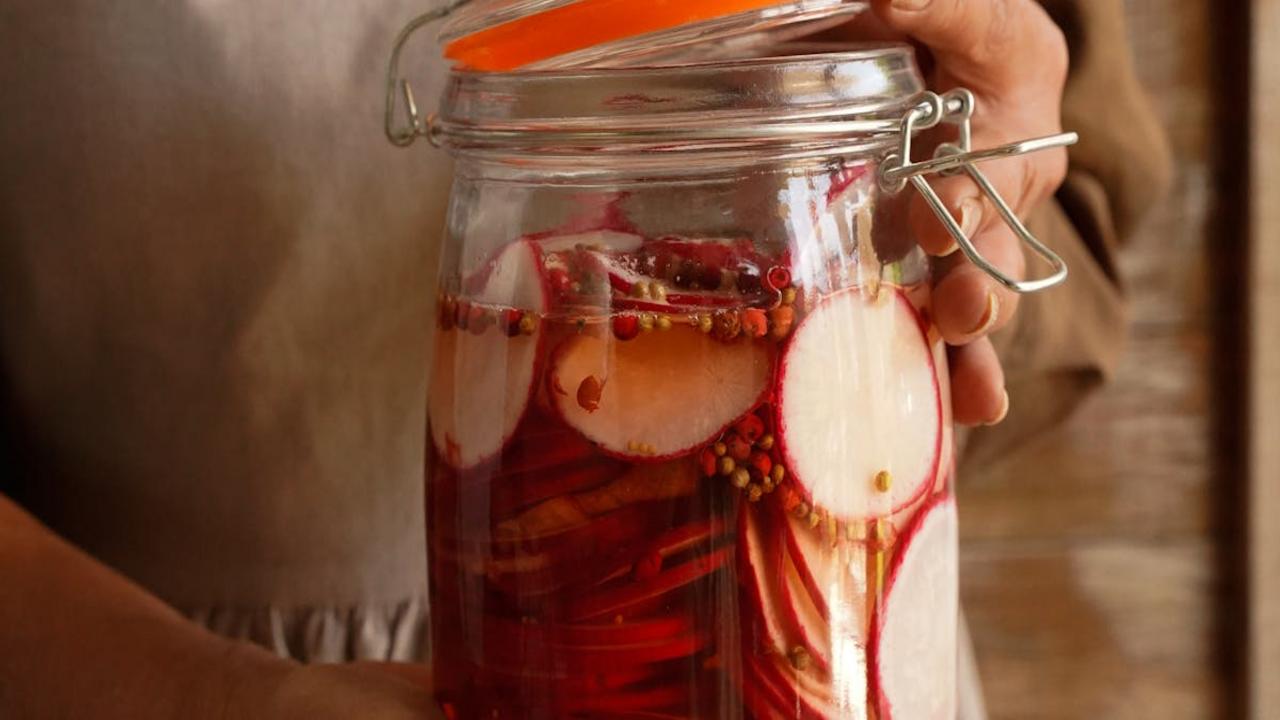
Picture this: your grandmother’s hands moving with practiced precision, transforming simple vegetables into tangy treasures that could brighten any meal months later. That’s the magic I discovered when I started making my own pickles, and honestly, there’s something deeply satisfying about watching cucumbers, radishes, or even watermelon rinds transform in their briny bath. The process connects you to generations of home cooks who understood that preservation wasn’t just about extending shelf life—it was about creating layers of flavor that could turn a simple sandwich into something memorable.
What I love most about pickling is how forgiving and creative the process can be. You can quick-pickle thinly sliced red onions with rice vinegar and a touch of honey for your tacos tonight, or commit to a longer fermentation process that develops those complex, probiotic-rich flavors your gut will thank you for. I’ve pickled everything from classic dill spears to adventurous combinations like turmeric-spiced cauliflower and ginger-kissed carrots. The beauty lies in how you can adapt traditional techniques to whatever vegetables are abundant in your kitchen, reducing food waste while creating condiments that pack more personality than anything you’ll find in a store jar.
Food Drying
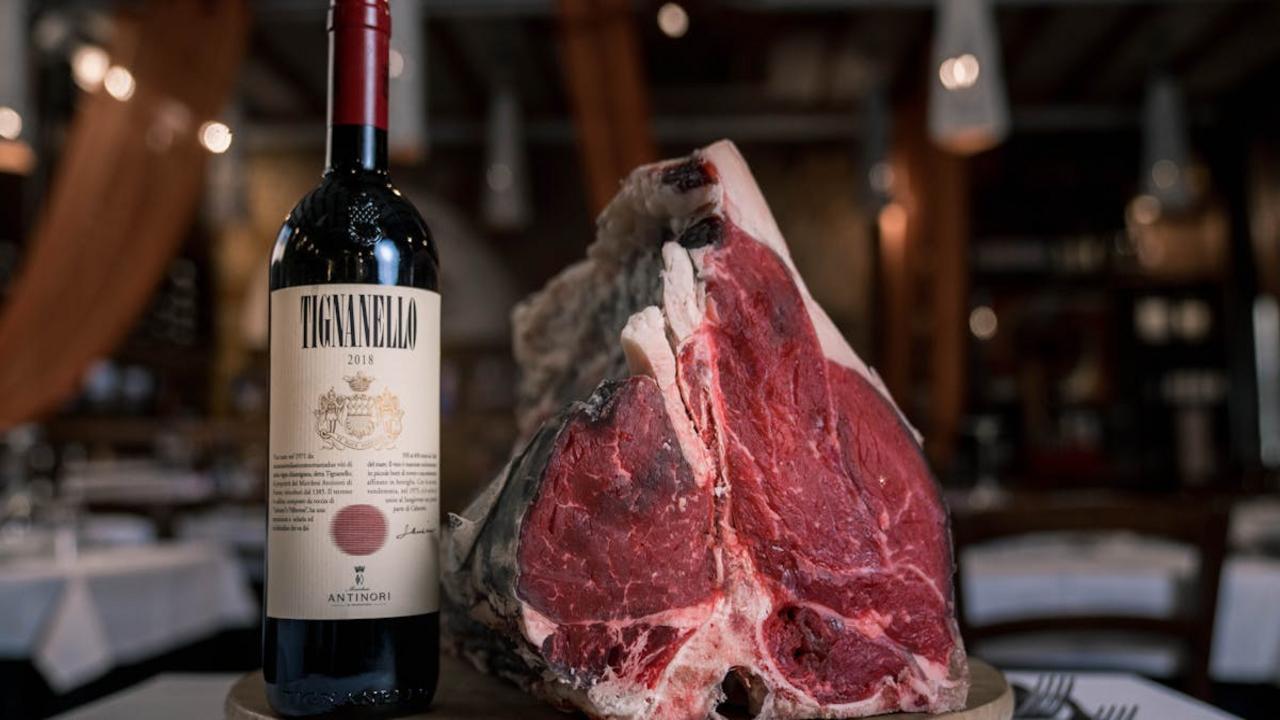
Your grandmother knew something we’re just rediscovering—drying food transforms ordinary ingredients into concentrated flavor bombs that last for months. I’ve been experimenting with my dehydrator lately, turning summer’s bounty of tomatoes into chewy, intensely sweet morsels that add depth to winter stews. The process strips away water while concentrating sugars and nutrients, creating ingredients that pack serious punch in your cooking. You don’t need fancy equipment either; your oven on its lowest setting works perfectly for drying herbs, fruit leather, or even thinly sliced vegetables.
What excites me most about food drying is how it connects us to global food traditions while reducing waste in our modern kitchens. I love making my own dried chilies for Mexican-inspired dishes, or creating fruit leather from overripe mangoes that would otherwise go bad. The technique works beautifully with unexpected combinations too—try drying cherry tomatoes with fresh basil, or make your own seasoning blends by drying herbs from your garden. This ancient preservation method gives you control over what goes into your food, eliminating the preservatives and added sugars found in store-bought dried goods while creating pantry staples that bring incredible flavor to your everyday cooking.
Meat Smoking
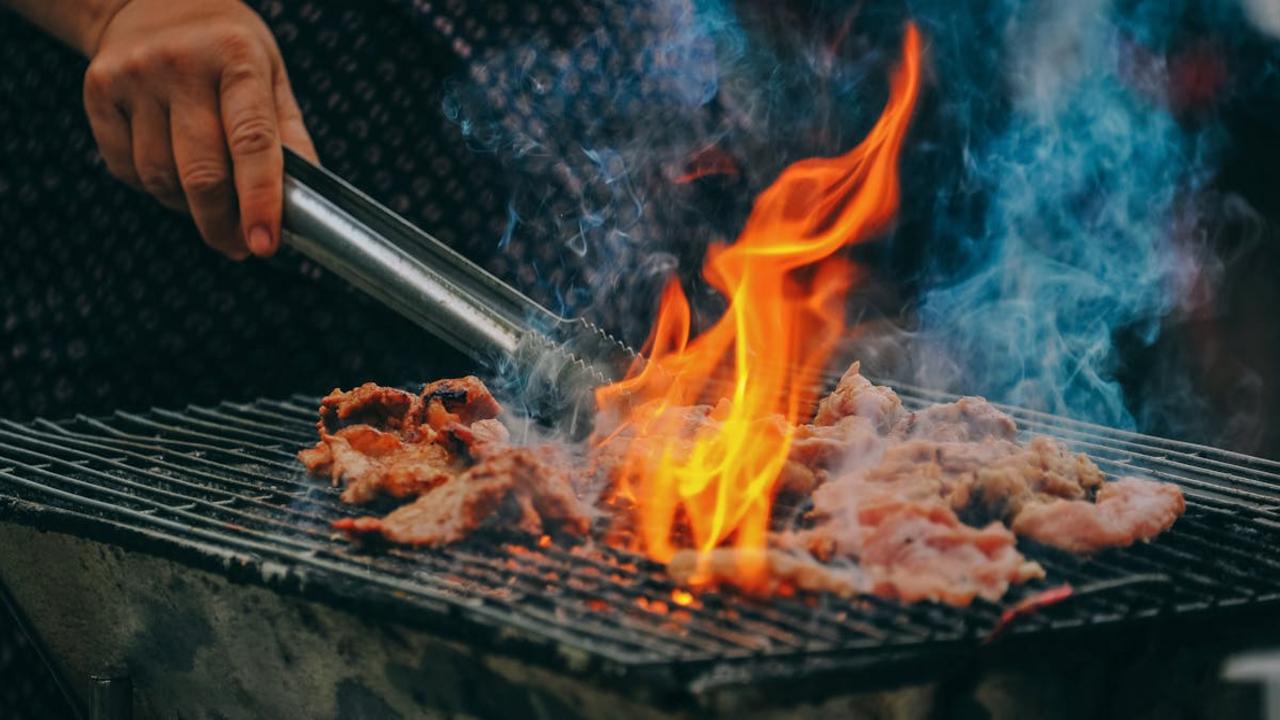
You know what gets me excited about cooking these days? Watching home cooks rediscover the magic of smoking meats right in their backyards. This ancient preservation method has transformed from necessity into pure passion, and I can’t get enough of it. When I first started experimenting with my little electric smoker, I was amazed at how wood chips and low heat could completely revolutionize a simple piece of chicken or pork shoulder. The slow process teaches you patience – something our fast-food world desperately needs – while creating layers of flavor that no oven can replicate.
What I love most about smoking is how it connects us to our ancestors while fitting perfectly into a wholesome, from-scratch cooking philosophy. You control every ingredient, from the quality of meat to the type of wood you choose. Cherry wood gives you that gorgeous color and mild sweetness, while hickory brings bold, bacon-like notes that make your neighbors peek over the fence. I’ve been combining traditional smoking with global spice blends – imagine Korean gochujang-rubbed ribs or Indian tandoori-spiced chicken slowly kissed by applewood smoke. The best part? You’re creating incredibly nutritious meals without processed additives or artificial flavors, just pure, concentrated taste that develops over hours of gentle cooking.
Dutch Oven Cooking
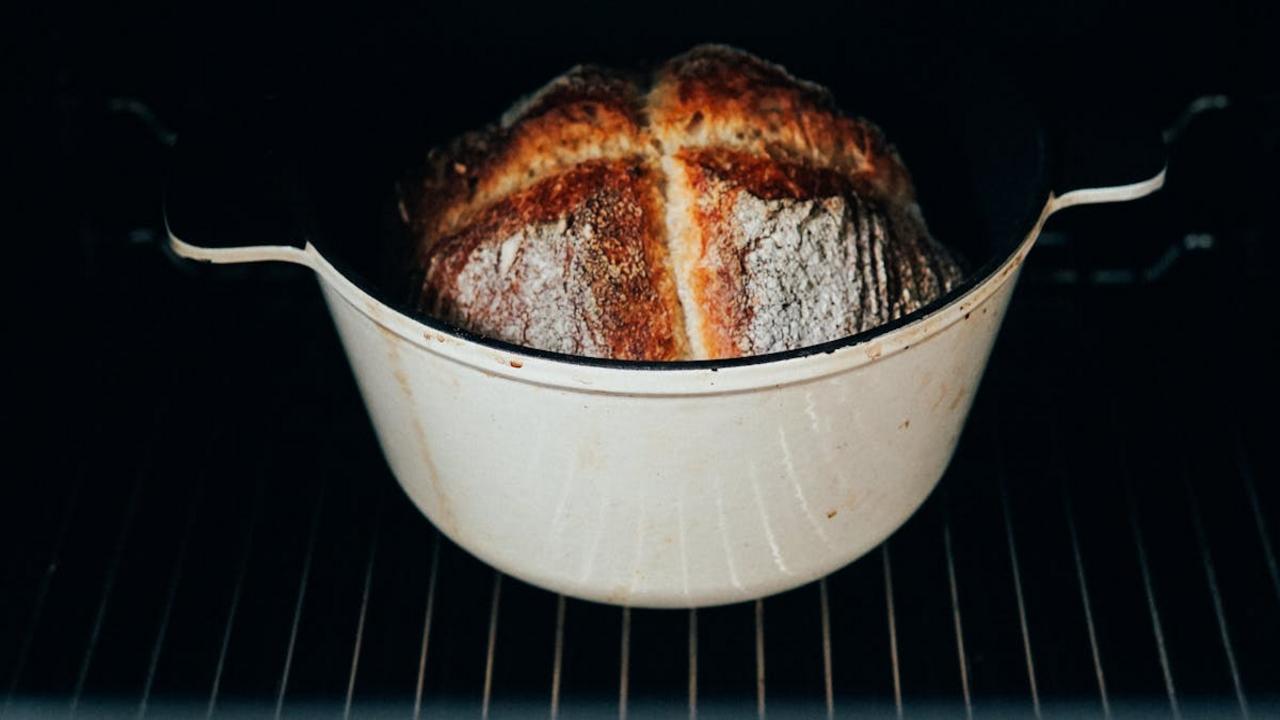
My grandmother’s cast iron Dutch oven sits proudly on my stovetop, and honestly, I can’t imagine my kitchen without it. This heavy-bottomed pot transforms simple ingredients into extraordinary meals through its superior heat retention and even distribution. You can sear meat beautifully on the stovetop, then slide the entire pot into the oven for slow braising—no transferring needed! I love making my spiced lamb tagine with preserved lemons, or a hearty Brazilian feijoada that simmers for hours, developing layers of complex flavor that simply can’t be rushed.
What makes Dutch oven cooking so special is its versatility and the way it connects you to generations of home cooks who understood the magic of one-pot meals. You can bake artisan bread with that perfect crusty exterior, slow-cook tender short ribs in red wine, or create a vibrant ratatouille where every vegetable maintains its distinct character while melding into something greater. The cast iron develops seasoning over time, becoming naturally non-stick and adding subtle flavor depth to everything you cook. This method encourages patience and mindfulness—qualities we often forget in our rush toward convenience foods.