14 Retro Grocery Store Finds That Changed Home Cooking Forever
The grocery store aisles of decades past introduced revolutionary products that completely transformed how we cook and eat at home. These convenience foods didn’t just save time—they created entirely new meal traditions and cooking habits that persist today. From quick breakfast solutions to complete dinner shortcuts, these innovations made home cooking accessible to busy families everywhere.
Many of these retro finds might surprise you with their lasting impact on modern kitchens. Products that seemed simple at the time actually shifted entire food cultures and cooking practices. They gave home cooks confidence to experiment while making meal preparation faster and more predictable than ever before.
Looking back at these grocery store gems reveals how much our relationship with food has evolved. These 14 items didn’t just fill pantries—they changed the way generations of families approached mealtime, creating new traditions and simplifying daily cooking routines in ways we still benefit from today.
Frozen Fish Sticks
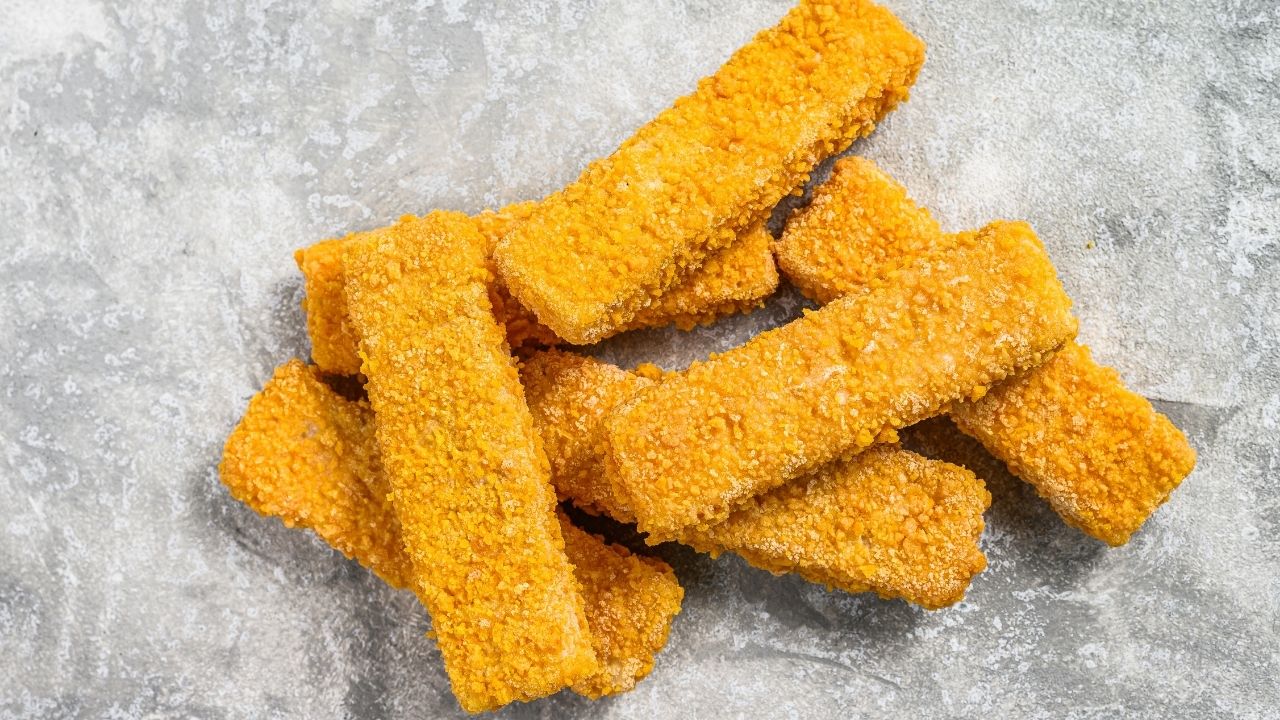
Picture this: you’re standing in your kitchen on a busy Tuesday evening, kids asking “what’s for dinner?” and you need something quick, reliable, and actually nutritious. Enter frozen fish sticks – those golden, crispy rectangles that became every parent’s secret weapon! When these convenient protein powerhouses hit grocery store freezer sections in the 1950s, they transformed how families approached weeknight meals. Suddenly, getting omega-3 rich fish into picky eaters became possible without the fuss of filleting, seasoning, and timing fresh seafood perfectly.
What makes me appreciate frozen fish sticks even more today is how they taught an entire generation that healthy eating doesn’t have to be complicated or time-consuming. These humble freezer staples proved that nutritious meals could be ready in minutes while still delivering real food value. Modern versions have evolved beyond the basic breaded rectangles too – you’ll find options made with wild-caught fish, whole grain coatings, and even baked varieties that crisp up beautifully in the oven. They remain a brilliant foundation for balanced meals when you pair them with roasted vegetables, a simple salad, or some sweet potato fries. Sometimes the most revolutionary kitchen innovations are the ones that make good nutrition accessible to busy families everywhere.
Instant Noodles
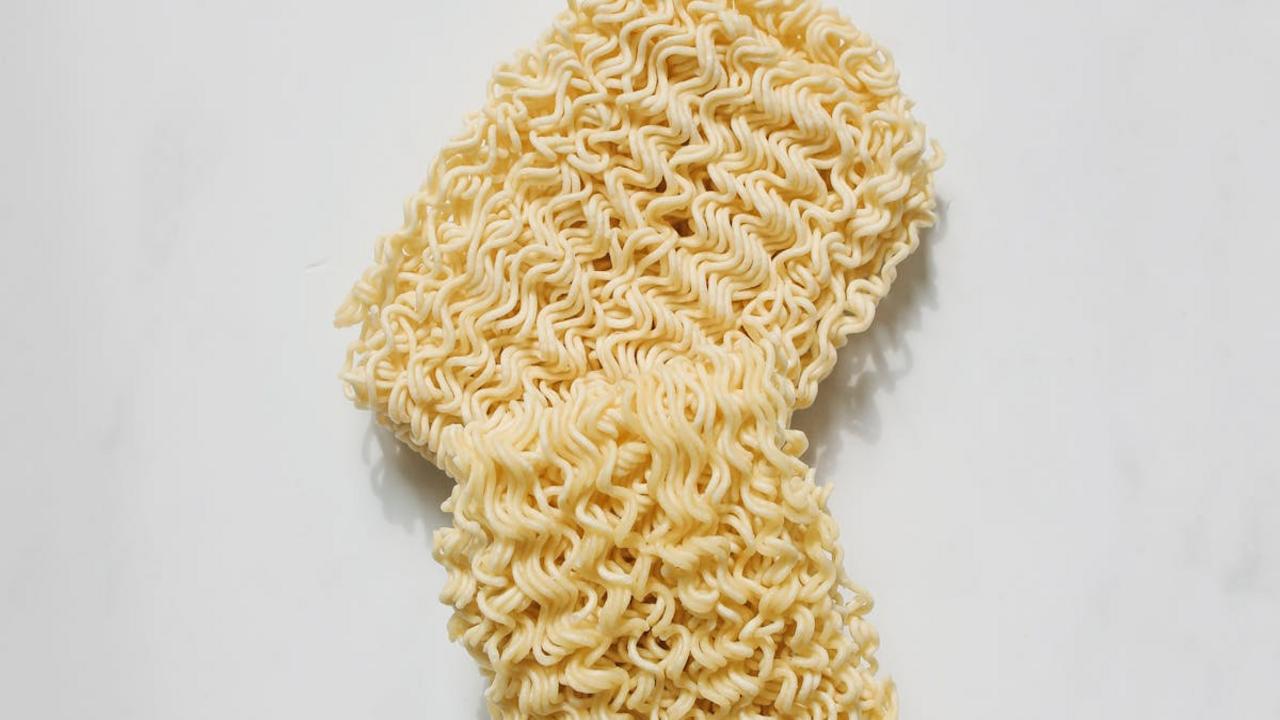
You know those nights when you’re staring into your pantry at 9 PM, wondering how to turn basic ingredients into something satisfying? Instant noodles became the ultimate kitchen lifesaver for millions of home cooks, transforming from a simple convenience food into a creative canvas for wholesome meals. What started as a quick college dorm staple has evolved into something much more meaningful – a foundation for nourishing, balanced dishes that don’t require hours of prep work.
I love how instant noodles have opened up endless possibilities for busy families and creative cooks alike. You can toss in fresh vegetables, crack an egg for protein, add some sesame oil for richness, or stir in leftover roasted chicken to create a completely different meal every time. The beauty lies in their versatility – they’re not just about convenience anymore, but about building satisfying bowls that hit all the right nutritional notes. From adding spinach and mushrooms for extra vitamins to incorporating miso paste for deeper flavor, these humble noodles have taught us that quick cooking doesn’t mean sacrificing nutrition or taste.
Pop Tarts
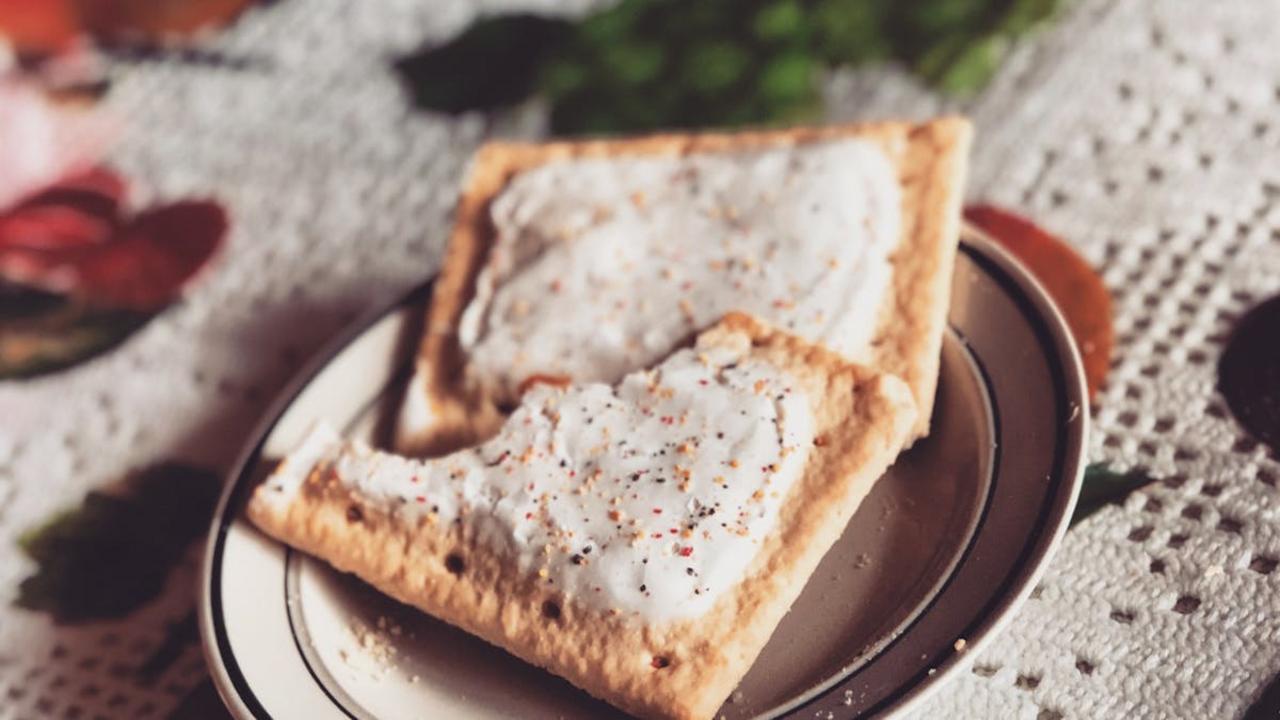
When Kellogg’s introduced Pop Tarts in 1964, they completely transformed breakfast routines across America. These toaster pastries became the ultimate convenience food for busy mornings, offering a sweet, portable meal that required zero preparation skills. I remember rushing to catch the school bus with a warm strawberry Pop Tart in hand, feeling like I had breakfast figured out. The original flavors – strawberry, brown sugar cinnamon, apple currant, and blueberry – gave families an easy way to serve something that felt like a treat but counted as breakfast.
What made Pop Tarts revolutionary wasn’t just their convenience, but how they changed our relationship with morning meals. They proved that breakfast could be fun, colorful, and kid-friendly while still fitting into hectic schedules. The frosted varieties that came later turned breakfast into dessert, and suddenly parents everywhere were negotiating with children about “real food” versus these sugary rectangles. Pop Tarts also sparked countless recipe innovations – people began crushing them for pie crusts, using them in ice cream, and even incorporating them into homemade granola bars. They showed home cooks that processed foods could become ingredients for creative cooking, not just standalone items.
Velveeta Cheese
You know that bright orange block sitting in your pantry right now? Velveeta transformed American kitchens when Kraft introduced it in 1928, and honestly, it’s still working its magic today! This processed cheese product became the secret weapon for countless home cooks who wanted creamy, melty perfection without the fuss of traditional cheese sauces. I remember my grandmother swearing by Velveeta for her famous mac and cheese – she’d cube it up, melt it down, and create the silkiest sauce that never broke or got grainy like other cheeses sometimes do.
What makes Velveeta so special is its incredible melting properties and shelf stability. While food purists might turn their noses up at processed cheese, smart home cooks quickly realized this ingredient could save dinner on busy weeknights. From queso dip that stays smooth for hours at parties to grilled cheese sandwiches that achieve that perfect golden stretch, Velveeta solved real kitchen problems. It taught an entire generation that convenience doesn’t have to mean sacrificing flavor, and it opened doors for families to enjoy cheese-based comfort foods without breaking the bank or spending hours perfecting technique.
Cool Whip

Cool Whip burst onto grocery store shelves in 1967, and honestly, it completely transformed how we think about dessert toppings and quick treats! This fluffy, cloud-like creation gave home cooks an instant solution for elevating everything from simple fruit bowls to elaborate holiday desserts. Unlike traditional whipped cream that required careful timing and constant attention, Cool Whip stayed perfectly stable in your fridge, ready whenever inspiration struck. You could dollop it on warm apple pie, fold it into gelatin salads, or create those beloved no-bake cheesecakes that became potluck legends.
What really made Cool Whip special was how it democratized fancy-looking desserts for busy families everywhere. Suddenly, you could whip up impressive trifles, fluffy fruit dips, and dreamy frozen desserts without any special equipment or technique. I love how this simple ingredient sparked creativity in kitchens across America – home cooks started experimenting with layered parfaits, frozen pie fillings, and those wonderfully retro ambrosia salads that still show up at family gatherings today. Sure, we might reach for fresh whipped cream more often now, but Cool Whip taught us that dessert magic doesn’t always require hours of preparation!
Cake Mix
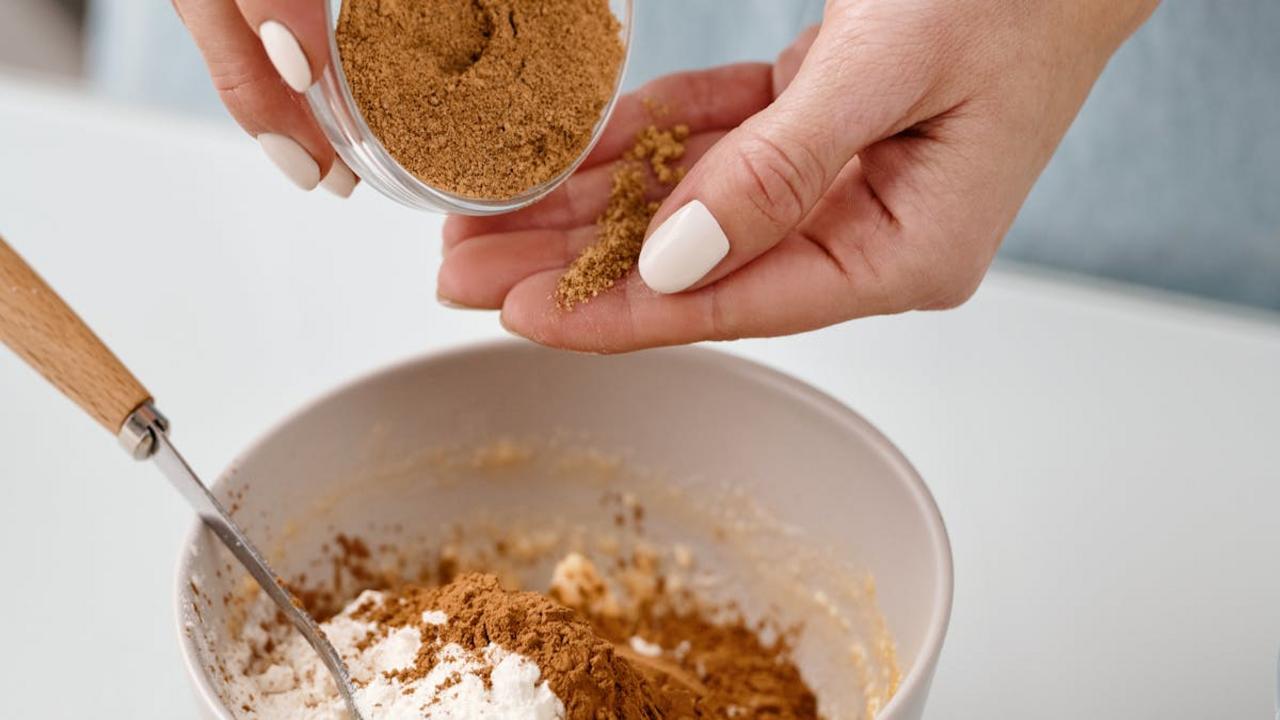
Picture this: you’re craving something sweet, but the thought of measuring flour, baking powder, and sugar from scratch feels overwhelming after a long day. Enter cake mix – that brilliant box of pre-measured magic that transformed home baking from a precise science into an accessible pleasure for everyone. When General Mills introduced the first cake mix in the late 1940s, they didn’t just create a product; they opened the door for countless families to enjoy homemade desserts without the fuss. Suddenly, birthday parties, potluck dinners, and spontaneous celebrations became so much sweeter and stress-free.
What I love most about cake mix is how it democratized baking, giving confidence to hesitant home cooks while still leaving room for creativity. You can doctor up that basic vanilla mix with fresh berries, add a swirl of cream cheese, or transform it into cupcakes with your favorite frosting. The beauty lies in its reliability – you know you’ll get consistent results every time, which means more energy to focus on the fun parts like decorating and sharing. Sure, purists might scoff, but there’s real wisdom in having a dependable foundation that lets you experiment with flavors and techniques without worrying about basic chemistry going wrong.
Wonder Bread
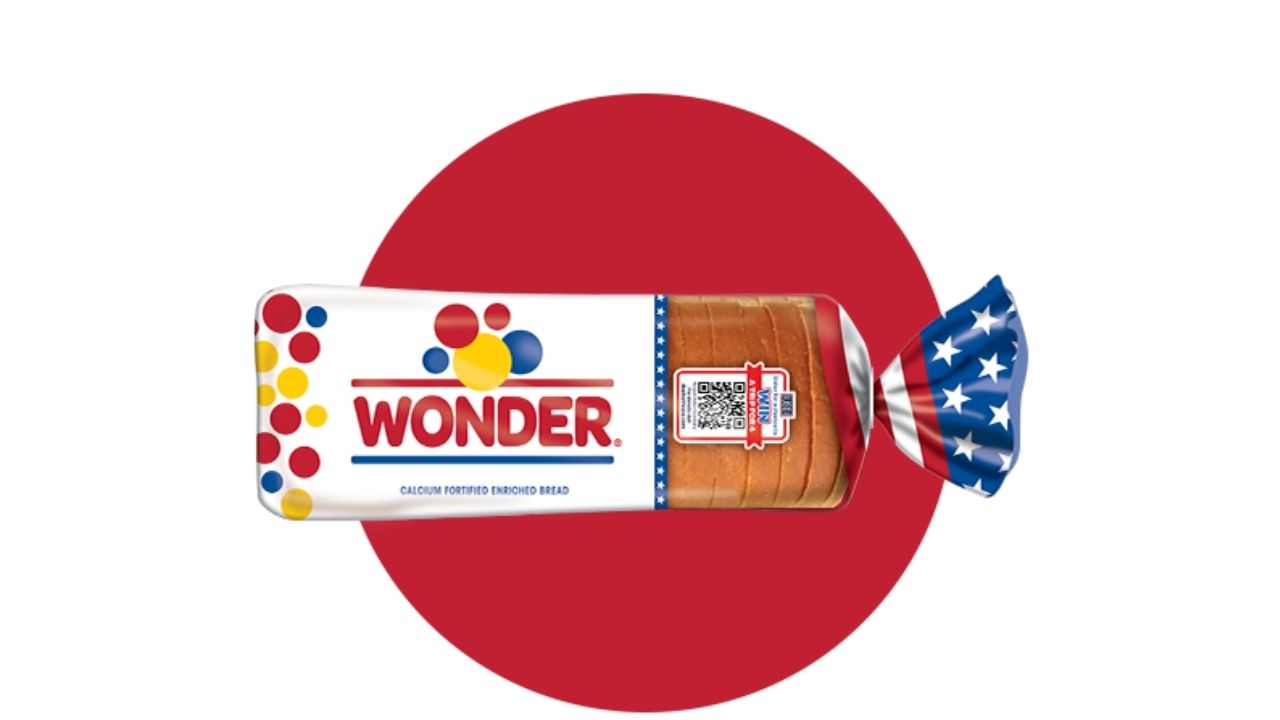
Wonder Bread became a pantry staple that transformed how families approached daily meals and snacking. This soft, pillowy white bread made sandwich-making effortless for busy parents who needed quick lunch solutions for their kids. You could count on its consistent texture and mild flavor to pair perfectly with peanut butter and jelly, cold cuts, or even just a simple spread of butter. The pre-sliced convenience meant no more wrestling with bread knives or uneven pieces – just grab two slices and you were ready to create a satisfying meal in minutes.
While we now understand more about whole grain nutrition and fiber benefits, Wonder Bread deserves credit for making bread accessible and affordable for countless American families. It introduced many of us to the joy of making our first sandwiches independently as children, building confidence in the kitchen from an early age. Today’s home cooks can appreciate how this humble loaf paved the way for our current bread adventures – from sourdough starters to homemade whole wheat varieties. Wonder Bread taught us that simple ingredients could bring families together around the dinner table, even if our tastes have evolved toward more nutritious options over the years.
Kraft Mac and Cheese
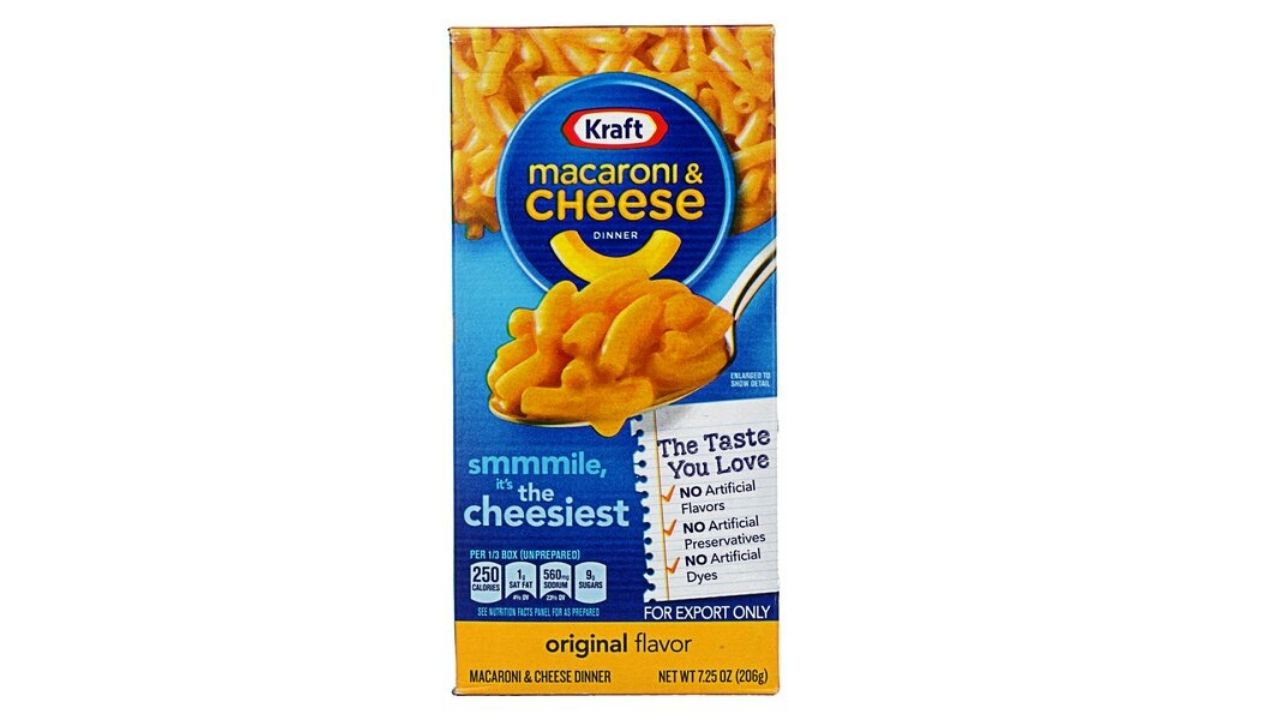
You probably have fond memories of that iconic blue box sitting in your pantry, ready to save the day when hunger struck and time was short. Kraft Mac and Cheese revolutionized weeknight dinners when it first appeared in grocery stores back in 1937, giving busy families a quick solution that kids actually wanted to eat. This simple combination of elbow macaroni and powdered cheese sauce became more than just a convenience food – it became a cultural phenomenon that taught generations of Americans their first cooking lessons.
What makes this retro find so special is how it democratized comfort food for everyone. Before Kraft Mac and Cheese, making a proper cheese sauce required skill, time, and expensive ingredients that many families couldn’t afford during the Great Depression. This affordable alternative brought creamy, cheesy satisfaction to dinner tables across the country, and it sparked countless variations that home cooks still create today. You can elevate your box by stirring in steamed broccoli, diced tomatoes, or leftover rotisserie chicken to boost nutrition while keeping that nostalgic flavor we all crave. It’s amazing how one simple grocery store staple taught us that cooking doesn’t have to be complicated to bring joy to our families.
Frozen Orange Juice

Remember those tiny cans of frozen orange juice concentrate that lived in your freezer? They were absolute lifesavers for busy families in the ’60s and ’70s! I grew up watching my mom pull one of these metal cylinders from the freezer, pop it open, and transform it into a pitcher of bright, sunshine-colored juice with just water and a good stir. The convenience was unmatched – no more squeezing dozens of oranges or dealing with pulpy mess. You could stock up during sales and always have fresh-tasting orange juice ready in minutes.
But here’s what made frozen orange juice concentrate truly revolutionary: it opened up a whole world of cooking possibilities beyond the breakfast table. Smart home cooks discovered they could use it in marinades for chicken and pork, creating those glossy, sweet-tangy glazes that made weeknight dinners feel special. I love adding a spoonful to my homemade salad dressings for a bright citrus kick, or mixing it into muffin batter for bursts of orange flavor. The concentrate became a secret weapon in desserts too – think orange cream popsicles, sherbet, and those dreamy orange Julius-style smoothies that transported you straight to summer, no matter the season outside.
Tang

You know that bright orange powder that promised to make you an astronaut? Tang burst onto grocery store shelves in the 1950s and completely transformed how families thought about breakfast drinks. This citrusy instant beverage mix became a household staple not just because NASA took it to space, but because it solved a real problem for busy parents everywhere. No more squeezing oranges at dawn or dealing with expensive fresh juice that spoiled quickly. Just mix Tang with water, and boom – you had vitamin C-packed refreshment ready in seconds.
What made Tang truly revolutionary was how it democratized flavored drinks for families on any budget. Before Tang, most households relied on water, milk, or the occasional expensive fruit juice. This powdered innovation meant kids could enjoy something special every morning without breaking the family budget. The space program connection didn’t hurt either – suddenly, drinking Tang made breakfast feel futuristic and exciting. While we’ve moved toward fresher, less processed options today, Tang taught an entire generation that convenience and nutrition could coexist, paving the way for countless drink mixes that followed.
Spam
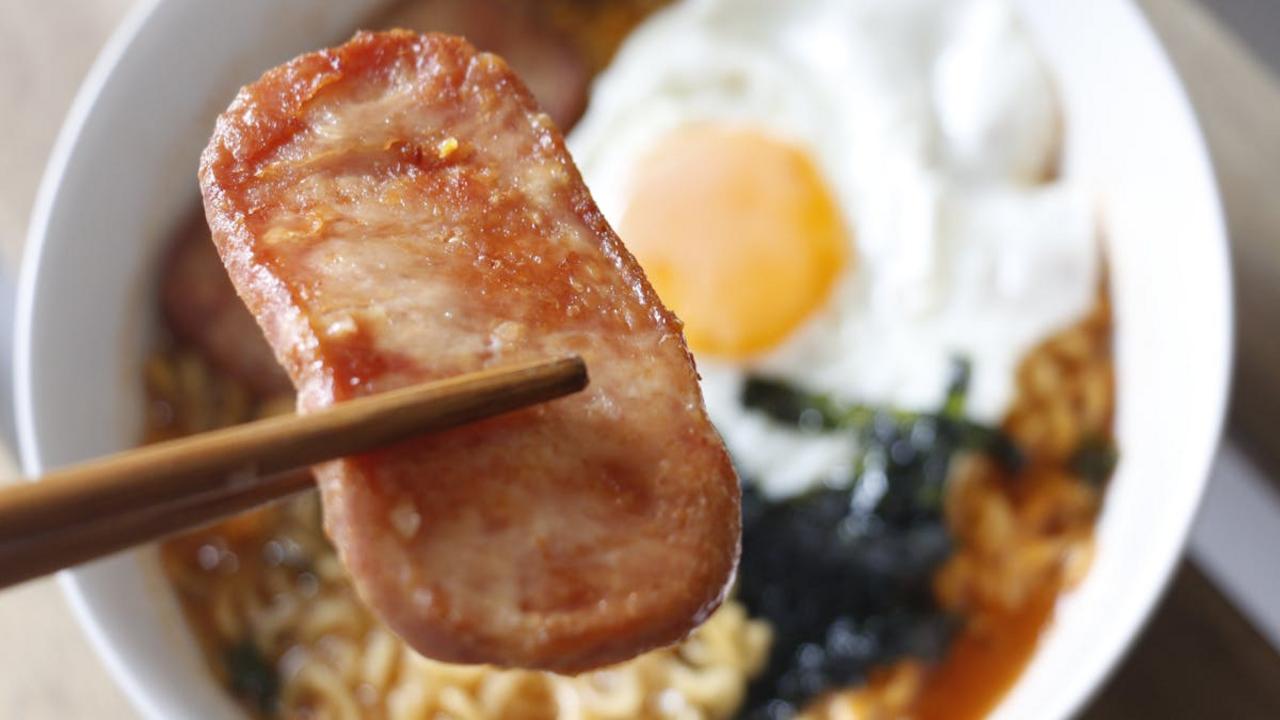
You know that little blue can sitting on grocery store shelves since 1937? Spam might get some eye rolls today, but this canned meat revolutionized how families approached weeknight dinners and emergency meal planning. During World War II, when fresh meat was scarce and rationed, Spam became the protein hero that kept millions of households fed. The shelf-stable nature meant you could stock your pantry without worrying about spoilage, and suddenly having a backup dinner plan became as simple as opening a can.
What really changed home cooking forever was how Spam taught us that convenience didn’t have to mean compromising on flavor or creativity. From classic Spam and eggs for breakfast to crispy Spam fried rice, this versatile protein opened doors to quick, satisfying meals that busy families could prepare in minutes. The global influence is undeniable too – just look at how Hawaiian cuisine transformed Spam into musubi, or how Korean budae jjigae (army stew) made it a comfort food staple. Today’s meal preppers and busy parents still reach for that familiar can when they need reliable protein that transforms simple ingredients into hearty, filling meals.
Jello

Jello transformed American kitchens in ways that still ripple through our cooking today! This wiggly, colorful gelatin became the foundation for countless creative dishes that brought families together around the dinner table. From simple fruit-suspended desserts to elaborate molded salads that graced holiday spreads, Jello gave home cooks a foolproof way to create impressive-looking dishes with minimal effort. The beauty of Jello lies in its versatility – you could make it sweet or savory, simple or sophisticated, depending on what your family craved.
What I love most about Jello’s impact on home cooking is how it democratized fancy entertaining. Suddenly, any home cook could create stunning layered desserts, colorful parfaits, and show-stopping molded creations that looked like they came from a professional kitchen. Jello taught us that cooking doesn’t always have to be complicated to be special. It sparked creativity in kitchens across America, inspiring generations of cooks to experiment with flavors, textures, and presentations. Even today, Jello remains a gateway ingredient that helps new cooks build confidence while creating something truly delicious and fun.
TV Dinners
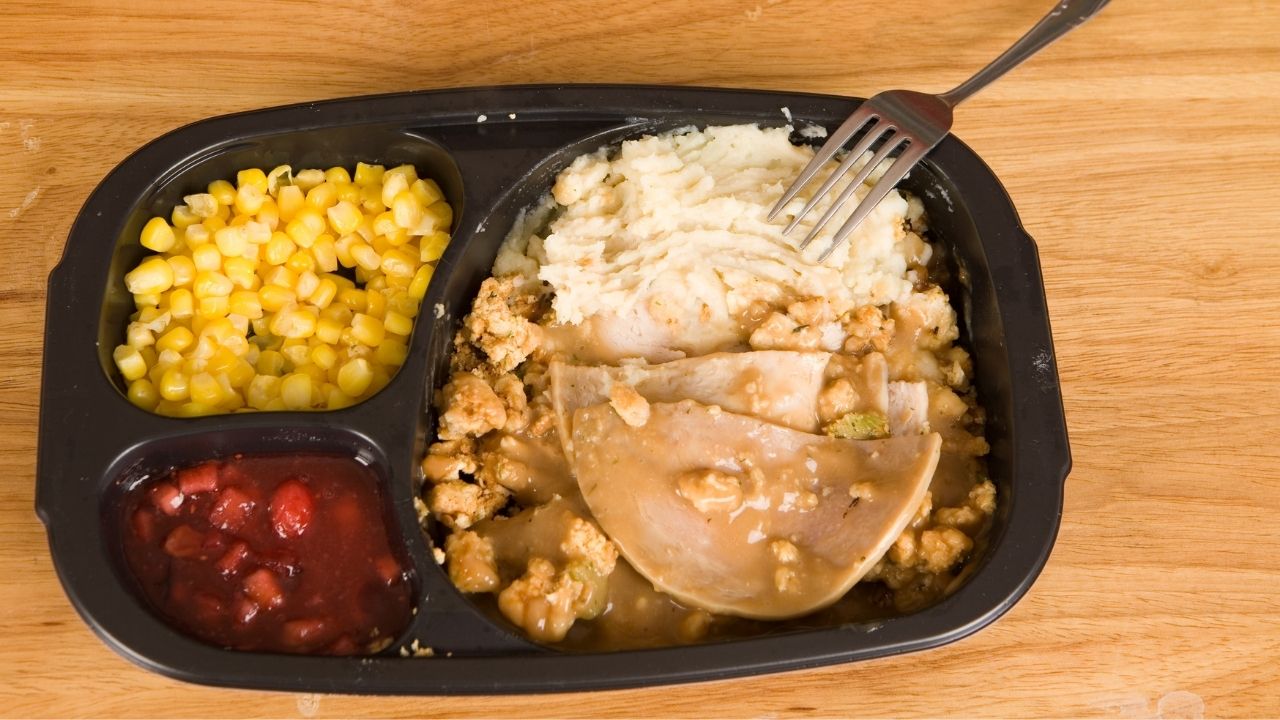
Picture this: you walk into your kitchen after a long day, and instead of spending an hour prepping and cooking, you simply pop a complete meal into the oven. TV dinners revolutionized how families approached weeknight meals, introducing the radical concept that dinner could be convenient without sacrificing variety. These compartmentalized aluminum trays, first introduced by Swanson in 1953, contained everything from turkey and mashed potatoes to green beans and dessert, all perfectly portioned and ready to heat. What started as a solution for busy households quickly became a cultural phenomenon that shaped American dining habits for generations.
While today’s health-conscious cooks might cringe at the sodium levels and processed ingredients in those original frozen meals, TV dinners taught us valuable lessons about meal planning and portion control. They showed families that balanced meals could include protein, vegetables, and starch all in one convenient package. This concept directly inspired modern meal prep containers and bento-style lunch boxes that many of us use today. The legacy lives on in our freezer sections, though now you’ll find organic options, plant-based varieties, and meals crafted by celebrity chefs—proving that convenience and quality can absolutely coexist in your modern kitchen.
Instant Coffee
Remember when instant coffee first hit grocery store shelves back in the 1960s? This revolutionary powder completely transformed morning routines across America. Before instant coffee, brewing a decent cup meant grinding beans, measuring water, and waiting for that precious percolator to work its magic. Suddenly, busy families could enjoy hot coffee in seconds – just add hot water, stir, and you’re ready to face the day. This simple innovation changed how we thought about convenience in the kitchen.
Instant coffee didn’t just speed up mornings; it opened up a whole new world of coffee-flavored cooking and baking. Home cooks discovered they could dissolve instant coffee granules directly into cake batters for rich mocha flavors, or mix it into frosting for that perfect coffee kick. The concentrated coffee flavor worked beautifully in tiramisu, coffee ice cream, and even savory dishes like coffee-rubbed steaks. What started as a quick morning fix became an incredibly versatile ingredient that smart home cooks keep stocked in their pantries for both convenience and creativity.