15 Nutrients to Aim For in Your Daily Diet and Home Cooking
Your kitchen holds the power to transform your health, one meal at a time. Every ingredient you choose becomes a building block for your body’s daily needs, and understanding which nutrients deserve prime spots on your plate makes all the difference. From omega-3 fatty acids that support your brain to potassium that keeps your heart happy, these fifteen powerhouse nutrients work together like a perfectly choreographed dance.
You don’t need complicated supplements or expensive superfoods to nourish yourself well. Simple, whole ingredients from your local grocery store can deliver everything your body craves. Think vibrant vegetables packed with antioxidants, lean proteins rich in B vitamins, and healthy fats that make your skin glow.
Ready to discover which nutrients deserve starring roles in your daily cooking? Each one brings unique benefits to your table, and incorporating them feels surprisingly natural once you know where to find them. Your body will thank you for every colorful, nutrient-dense choice you make.
Potassium
Your heart, muscles, and nerves depend on potassium to function properly every single day. This mighty mineral works behind the scenes to regulate your blood pressure, support muscle contractions, and keep your nervous system running smoothly. You’ll find potassium naturally packed into bananas, sweet potatoes, spinach, avocados, and white beans. Adding these foods to your daily meals gives your body the fuel it needs to maintain healthy fluid balance and proper cell function.
I love incorporating potassium-rich ingredients into my cooking because they’re so versatile and delicious. Toss diced sweet potatoes into your morning hash, blend spinach into your smoothies, or mash avocado onto whole grain toast for an instant potassium boost. White beans make fantastic additions to soups and salads, while bananas work perfectly in oatmeal, pancakes, or as a quick snack. Your kidneys will thank you for including these foods regularly, and you’ll notice how much better you feel when your body gets the potassium it craves.
Protein

Your body craves protein like a garden craves water – it’s the building block that keeps everything running smoothly! This powerhouse nutrient repairs your muscles after that morning jog, builds strong bones, and even helps create those feel-good hormones that brighten your day. I love how versatile protein can be in the kitchen – you can toss grilled chicken into a colorful salad, blend silky Greek yogurt into a morning smoothie, or simmer hearty lentils into a warming soup that fills your home with incredible aromas.
The beauty of protein lies in its incredible variety, so you never have to feel bored with your meals! Fish brings those omega-3s your brain loves, eggs transform into fluffy omelets perfect for lazy Sunday mornings, and beans offer that satisfying texture that makes every bite feel substantial. I always keep canned salmon, quinoa, and nuts in my pantry because they make it so easy to add quality protein to any dish. Whether you’re plant-based or love your meat, aim for about 20-25 grams per meal – your body will thank you with sustained energy and that satisfied feeling that comes from nourishing yourself well.
Fiber
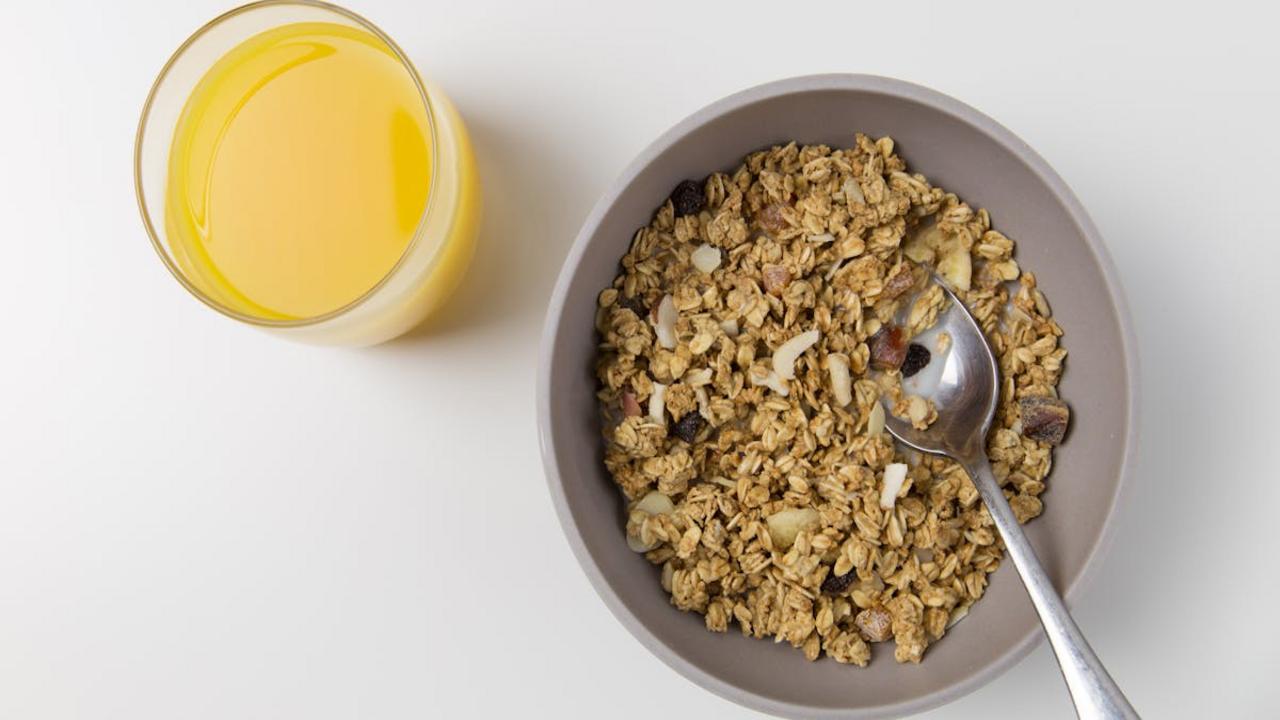
Think of fiber as your digestive system’s best friend and your body’s natural cleanup crew! This incredible nutrient works behind the scenes to keep everything running smoothly, from supporting healthy digestion to helping you feel satisfied after meals. You’ll find two types of fiber in your food: soluble fiber that dissolves in water and helps manage blood sugar and cholesterol levels, and insoluble fiber that adds bulk to help food move through your system. Both types team up to support gut health, feed beneficial bacteria, and even help with weight management by keeping you full longer.
Getting your daily fiber doesn’t have to be complicated – start your morning with oatmeal topped with berries, snack on an apple with the skin on, or toss some beans into your salad. Whole grains like quinoa and brown rice, vegetables like broccoli and Brussels sprouts, and legumes like lentils and chickpeas are fiber powerhouses that easily fit into your favorite recipes. Aim for about 25-35 grams daily, but increase your intake gradually to avoid digestive discomfort. Remember to drink plenty of water as you boost your fiber intake – your body needs that extra hydration to help fiber do its job effectively!
B Complex Vitamins
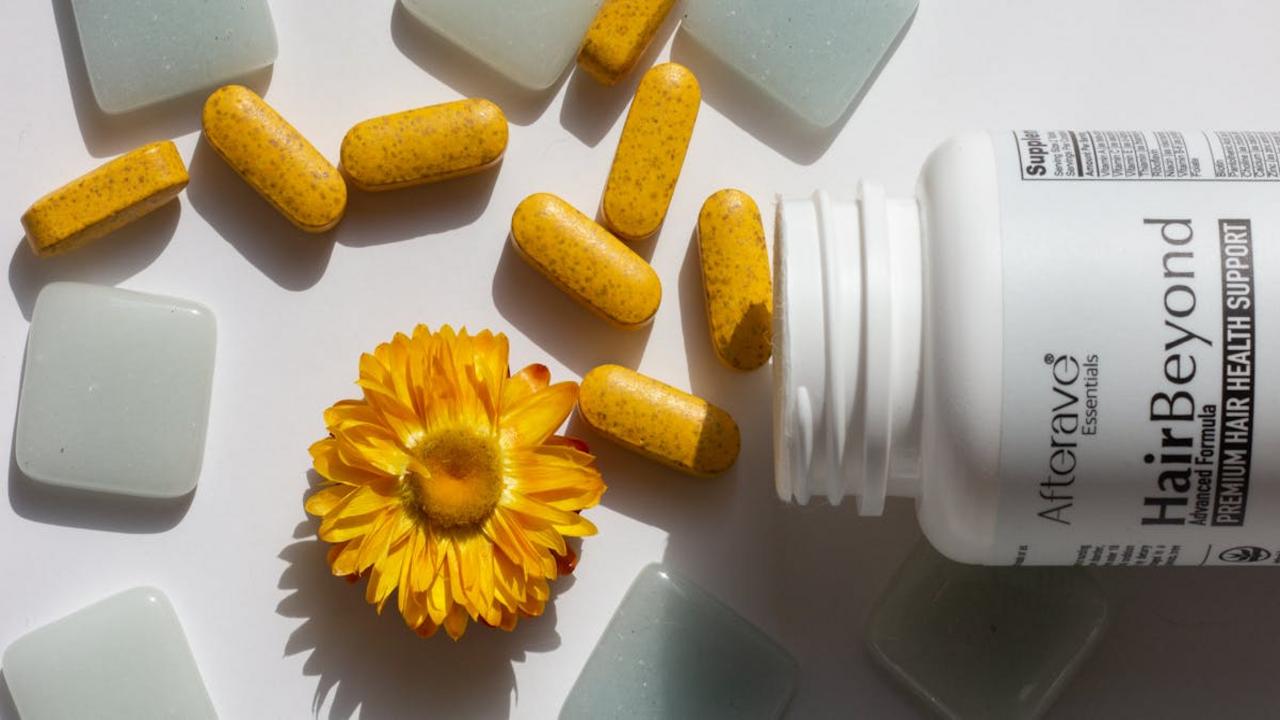
The B complex vitamins are like your body’s personal cheerleading squad, working together to keep your energy levels steady and your nervous system running smoothly. This powerhouse group includes eight different B vitamins – thiamine (B1), riboflavin (B2), niacin (B3), pantothenic acid (B5), pyridoxine (B6), biotin (B7), folate (B9), and cobalamin (B12). Each one plays a unique role in converting the food you eat into usable energy, supporting brain function, and maintaining healthy skin, hair, and nails. Think of them as your metabolism’s best friends, helping your body process carbohydrates, proteins, and fats efficiently.
Getting your daily dose of B vitamins is easier than you might think! Whole grains like brown rice, quinoa, and oats are fantastic sources, along with leafy greens, eggs, and lean meats. I love adding nutritional yeast to my pasta dishes – it gives a cheesy flavor while packing a serious B vitamin punch, especially B12 for my vegetarian friends. Legumes like lentils and chickpeas are also B vitamin goldmines that work beautifully in soups, salads, and grain bowls. Since these vitamins are water-soluble, your body doesn’t store them well, so aim to include B-rich foods in your meals regularly rather than relying on occasional mega-doses.
Curcumin

Curcumin, the golden compound that gives turmeric its vibrant yellow color, deserves a special place in your daily cooking routine. This powerful anti-inflammatory compound does wonders for your body, helping reduce joint pain and supporting your immune system. I love adding a generous pinch of turmeric to my morning scrambled eggs or stirring it into warm milk with honey before bed. The earthy, slightly bitter flavor pairs beautifully with coconut milk in curries, and it transforms simple rice dishes into something magnificent.
You can easily boost your curcumin intake by keeping ground turmeric in your spice cabinet and using it generously. Try mixing it into salad dressings, sprinkling it over roasted vegetables, or blending it into smoothies with pineapple and ginger. Black pepper actually helps your body absorb curcumin better, so don’t hesitate to add both spices together. Fresh turmeric root works wonderfully too – just grate it into soups, teas, or marinades for an extra potent dose of this incredible compound that supports your overall wellness.
Resveratrol

You’ve probably heard about resveratrol in connection with red wine, and there’s good reason for that! This powerful antioxidant lives primarily in grape skins, which means it concentrates beautifully in red wines during the fermentation process. But don’t worry if you prefer to skip the alcohol – you can get plenty of resveratrol from fresh grapes, especially the darker varieties like Concord and muscadine. Blueberries, cranberries, and peanuts also pack impressive amounts of this protective compound.
What makes resveratrol so special is its ability to support your cardiovascular system and help protect your cells from damage caused by free radicals. I love adding fresh grapes to my morning yogurt bowls or tossing them into green salads for a sweet pop of flavor and nutrition. Try roasting grapes with rosemary and olive oil as a unique side dish, or blend frozen grapes into smoothies for a refreshing treat. Dark chocolate also contains resveratrol, so you can feel good about enjoying a square or two after dinner – just choose varieties with at least 70% cacao content for maximum benefits.
Selenium
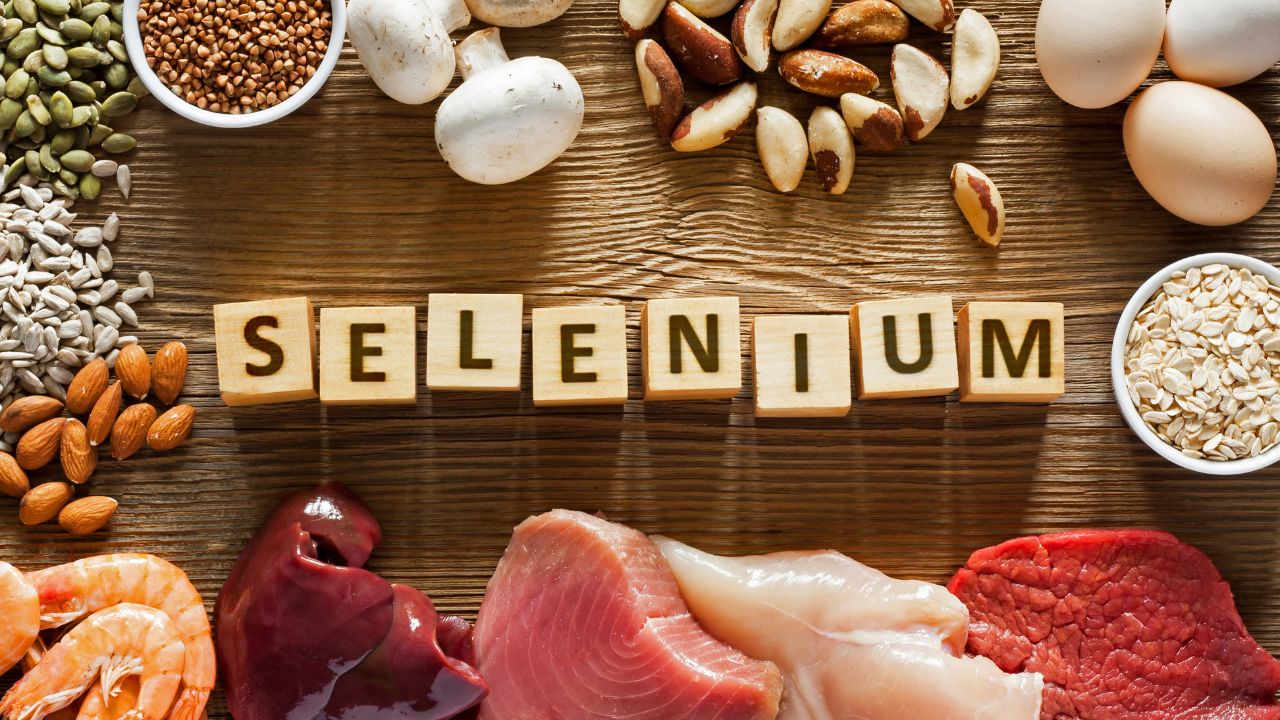
Selenium might not get the spotlight like vitamin C or calcium, but this mighty mineral deserves a place on your daily nutrition radar! Your body needs selenium for proper thyroid function, immune system support, and protection against cellular damage from free radicals. Think of selenium as your body’s personal bodyguard, working behind the scenes to keep your antioxidant systems running smoothly. The good news? You don’t need much – just 55 micrograms daily for adults – making it one of the easier nutrients to meet through food alone.
Brazil nuts are selenium superstars, with just one or two nuts providing your entire daily requirement (seriously, don’t go overboard here!). If nuts aren’t your thing, you’ll find selenium in tuna, salmon, eggs, and sunflower seeds. Even everyday ingredients like garlic, mushrooms, and whole grain bread contribute small amounts that add up throughout your day. I love adding a sprinkle of sunflower seeds to my morning yogurt or tossing some mushrooms into pasta dishes – simple ways to boost your selenium intake while creating delicious, satisfying meals that nourish your body from the inside out.
Zinc
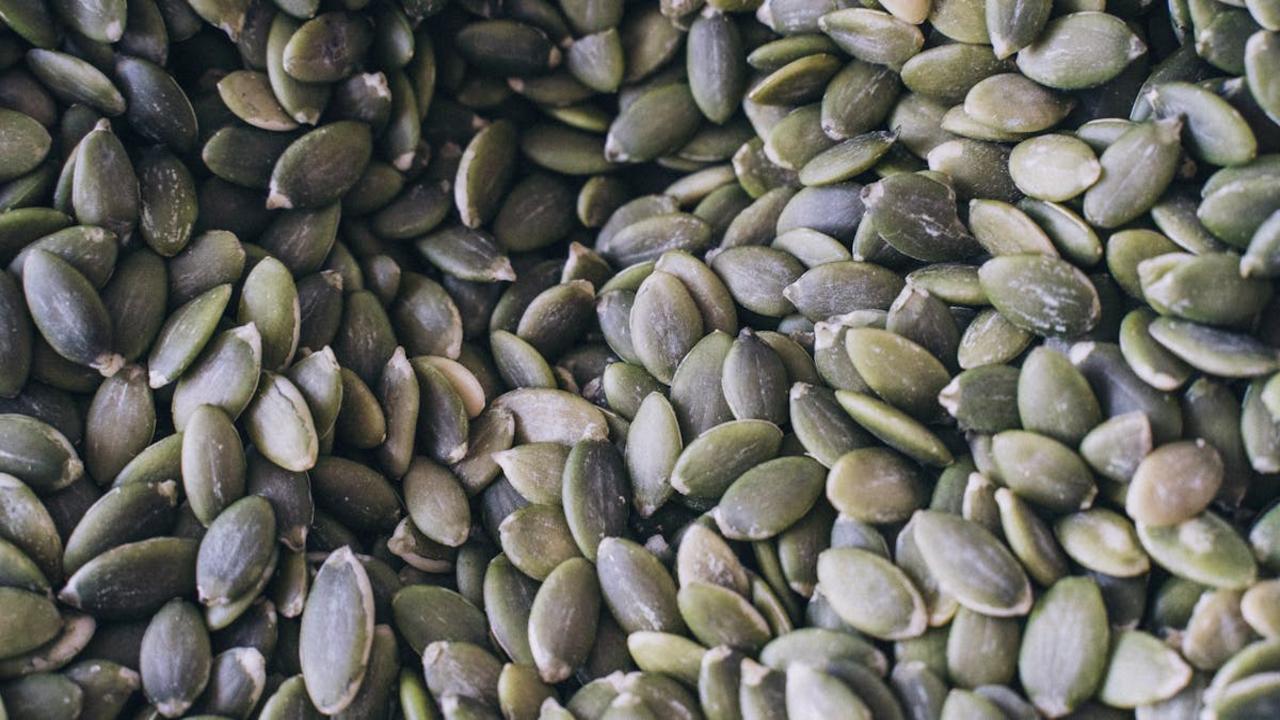
You know that feeling when your immune system seems to be firing on all cylinders, and you bounce back from minor sniffles faster than usual? That’s zinc working its magic behind the scenes! This mighty mineral plays a starring role in keeping your immune defenses strong, helping wounds heal properly, and supporting your sense of taste and smell. I love how zinc quietly does so much heavy lifting in our bodies – from protein synthesis to DNA formation – without us even realizing it. Think of it as your body’s reliable maintenance crew, always on duty to keep things running smoothly.
Getting enough zinc through your daily meals is easier than you might think, and I’m excited to share some of my favorite zinc-rich ingredients with you! Oysters top the charts (though I know they’re not everyone’s cup of tea), but plenty of accessible options pack a serious zinc punch. Red meat, poultry, and fish deliver generous amounts, while plant-based eaters can turn to pumpkin seeds, chickpeas, lentils, and cashews. I particularly love sprinkling toasted pumpkin seeds over salads or blending cashews into creamy sauces – both delicious ways to boost your zinc intake. Adults need about 8-11mg daily, and since your body doesn’t store zinc long-term, making it a regular part of your cooking routine keeps you consistently nourished.
Vitamin E

Your skin will thank you for adding more vitamin E to your daily meals! This powerful antioxidant works behind the scenes to protect your cells from damage while keeping your immune system running smoothly. I love how vitamin E shows up in so many delicious foods that you probably already have in your kitchen. Think creamy avocados, crunchy almonds, and golden sunflower seeds – all packed with this incredible nutrient that your body craves.
Getting your vitamin E fix becomes second nature once you know where to look. Drizzle some wheat germ oil over your morning yogurt, toss spinach into your afternoon salad, or snack on hazelnuts while you’re cooking dinner. Sweet red bell peppers and butternut squash bring bright colors to your plate while delivering a solid dose of this protective vitamin. Your daily goal sits around 15 milligrams, which sounds technical but translates to simple choices like adding a handful of sunflower seeds to your trail mix or cooking with a tablespoon of sunflower oil. These small switches make a big difference in supporting your overall health.
Vitamin C

Your immune system’s best friend, vitamin C works overtime to keep you healthy and glowing from the inside out. This powerhouse antioxidant doesn’t just fight off colds – it helps your body absorb iron, supports collagen production for radiant skin, and repairs tissues throughout your body. I love how this nutrient transforms ordinary ingredients into healing meals that actually taste incredible. Think juicy oranges, vibrant bell peppers, and those gorgeous strawberries that make your morning smoothie pop with flavor and nutrition.
Getting your daily dose feels like a celebration of color on your plate! Toss bright red peppers into your stir-fry, squeeze fresh lemon over roasted vegetables, or blend frozen mango into your afternoon snack. Broccoli, kiwi, and even humble potatoes pack surprising amounts of this immune-boosting vitamin. I always keep citrus fruits on hand because they add that perfect bright note to both sweet and savory dishes. Remember that vitamin C breaks down with heat and storage, so eat those fresh fruits and lightly cooked vegetables soon after shopping for maximum nutritional punch.
Polyphenols

Picture this: you’re sipping your morning coffee, enjoying a handful of blueberries, or savoring a square of dark chocolate – and with each bite or sip, you’re flooding your body with powerful compounds called polyphenols. These incredible plant compounds act like your body’s personal defense team, fighting off harmful free radicals that can damage your cells over time. I love thinking of polyphenols as nature’s colorful gift to us, because the more vibrant your plate looks, the more of these protective compounds you’re likely getting.
The beauty of polyphenols lies in how easy they are to include in your daily cooking routine. Red wine, green tea, berries, apples, onions, and even herbs like oregano and thyme are packed with these beneficial compounds. When I’m meal planning, I always aim for what I call the “rainbow approach” – incorporating foods of different colors throughout the day. Try adding frozen berries to your morning smoothie, tossing some red onions into your lunchtime salad, or brewing a cup of green tea in the afternoon. Your heart, brain, and immune system will thank you for this simple yet powerful nutritional boost that’s hiding in so many delicious everyday foods.
Coenzyme Q10

You know that spark of energy you feel after a great meal? Coenzyme Q10 plays a huge role in creating that vitality from within your cells. This powerhouse nutrient acts like a tiny engine in every cell of your body, helping convert the food you eat into pure energy. Your heart, liver, and kidneys especially love this nutrient because they work so hard every day. While your body makes some CoQ10 naturally, production starts declining after age 20, making it smart to boost your intake through food choices.
The best sources hide in some of your favorite protein-rich foods – think grass-fed beef, wild-caught salmon, sardines, and free-range chicken. Organ meats like liver pack the highest amounts, though I understand they’re not everyone’s cup of tea! For plant-based options, reach for sesame seeds, pistachios, broccoli, and cauliflower. Try pan-searing salmon with a sprinkle of sesame seeds, or roast broccoli with a drizzle of sesame oil to get a double dose. Even cooking with cold-pressed sesame oil in your stir-fries adds this energy-boosting compound while creating incredibly flavorful dishes that your whole family will request again and again.
Magnesium
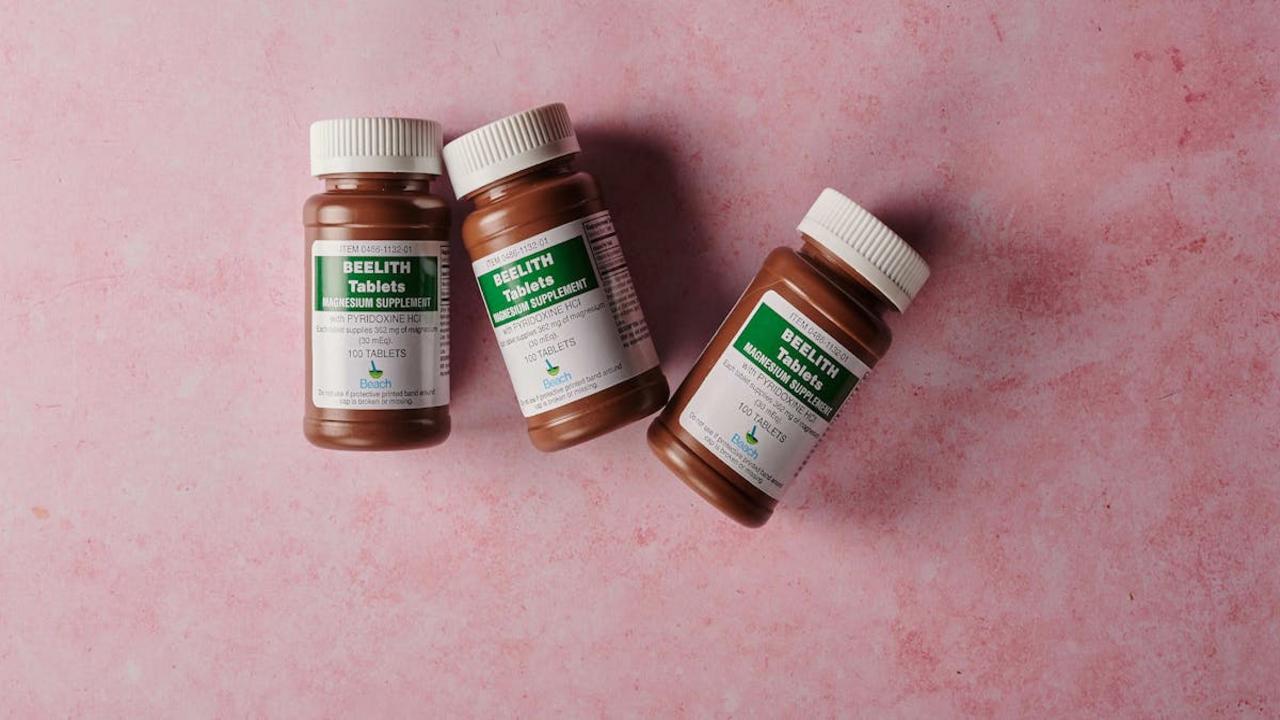
Magnesium deserves a starring role in your daily nutrition lineup, and trust me, your body will thank you for prioritizing this mighty mineral! This powerhouse nutrient supports over 300 enzyme reactions in your body, helping with everything from muscle function to heart rhythm regulation. You’ll find magnesium working behind the scenes to keep your energy levels steady, support bone health, and even help you sleep better at night. The best part? You can easily boost your magnesium intake through delicious whole foods that probably already live in your pantry.
Dark leafy greens like spinach and Swiss chard are absolute magnesium champions – try sautéing them with garlic for a quick side dish that packs a nutritional punch. Nuts and seeds, particularly almonds, pumpkin seeds, and cashews, make perfect snacks while delivering substantial magnesium doses. Don’t overlook dark chocolate (yes, really!) and avocados, which both bring magnesium to your meals in the most delightful ways. Whole grains like quinoa and brown rice, along with legumes such as black beans and chickpeas, round out your magnesium-rich options beautifully. Aim for about 400-420mg daily for men and 310-320mg for women, and watch how incorporating these foods transforms both your cooking and your wellbeing.
Vitamin D
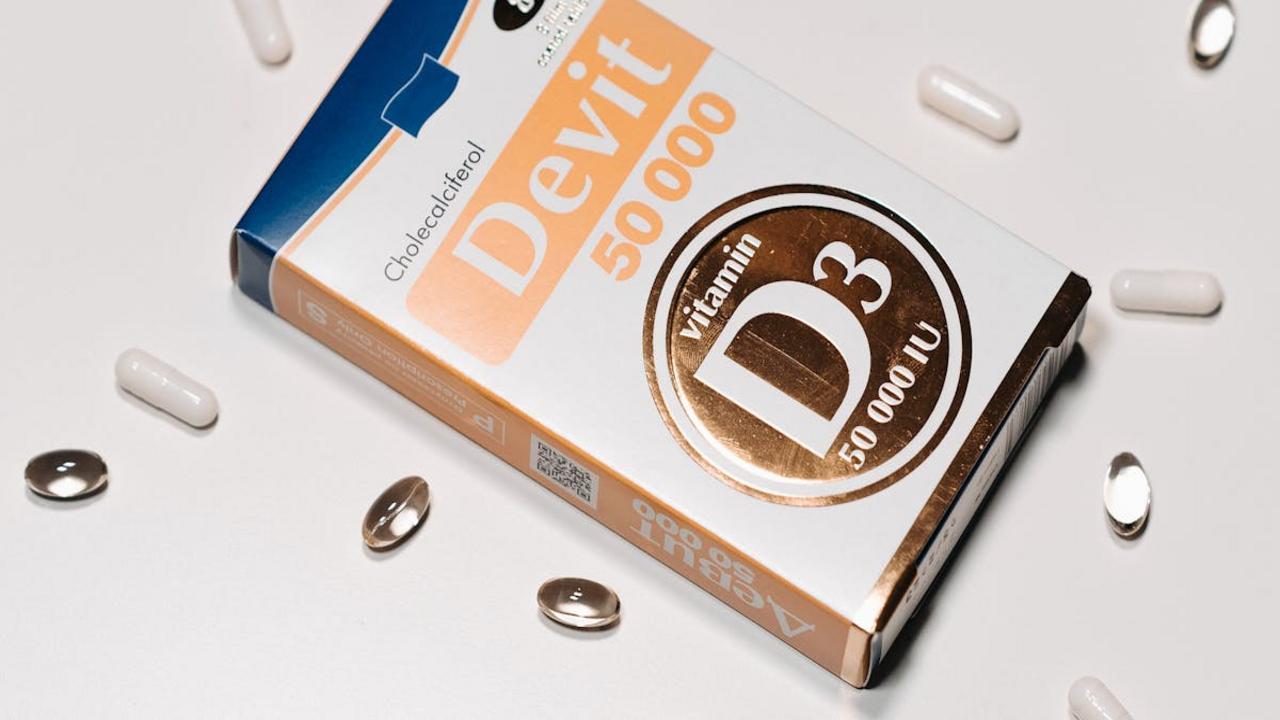
You know that warm, happy feeling you get from sunshine? That’s your body soaking up vitamin D, and trust me, this nutrient deserves a starring role in your daily routine! While we call it a vitamin, it actually acts more like a hormone in your body, supporting bone health, immune function, and even your mood. The tricky part is that very few foods naturally contain vitamin D, which makes getting enough through diet alone pretty challenging. Your best food sources include fatty fish like salmon, mackerel, and sardines, plus fortified foods like milk, cereals, and some plant-based alternatives.
Here’s where I get creative in my kitchen – I love incorporating canned salmon into quick pasta dishes or making a simple sardine toast with avocado for breakfast. Egg yolks from pasture-raised chickens also pack some vitamin D, so I always opt for whole eggs instead of just whites. Since most of us don’t get enough from food alone, especially during winter months, you might want to chat with your doctor about supplementation. But don’t forget the simplest source of all – step outside for 10-15 minutes of morning sunlight when possible, then come back inside and whip up a delicious salmon salad that’ll make your bones and taste buds equally happy!
Omega 3 Fatty Acids

Your brain absolutely loves omega-3 fatty acids, and honestly, so should you! These incredible fats work behind the scenes to support your cognitive function, reduce inflammation throughout your body, and keep your heart pumping strong. I get so excited talking about omega-3s because they’re like little superheroes swimming around in your bloodstream, fighting off the bad stuff and keeping everything running smoothly. The best part? You don’t need fancy supplements when you can get them straight from delicious whole foods that’ll make your dinner table sing with flavor.
Fatty fish like salmon, mackerel, and sardines are your omega-3 powerhouses, but don’t worry if you’re not a fish fan – walnuts, flaxseeds, and chia seeds have got your back! I love sprinkling ground flaxseed into my morning smoothies or tossing some walnuts into my salads for that satisfying crunch. Hemp seeds are another fantastic option that adds a lovely nutty flavor to yogurt bowls and oatmeal. Try to include omega-3 rich foods in your meals at least three times a week, and your body will thank you with better focus, improved mood, and that healthy glow that comes from nourishing yourself from the inside out.